2027 Online Sociology Degree Programs Costs: Tuition & Fees

Co-Founder and Chief Data Scientist
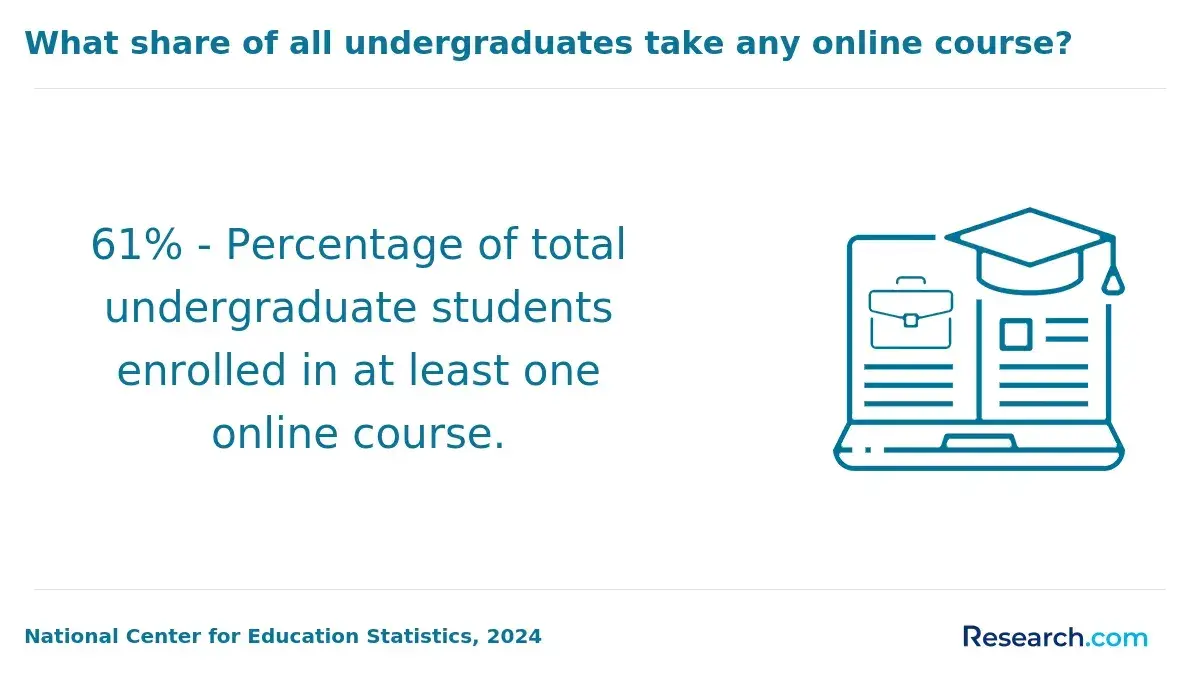
Choosing an online Sociology degree is not only an academic decision; it is a financial one. Tuition can range from a low-cost public university option to a much more expensive private or out-of-state program, and the difference can affect how much you borrow, how quickly you graduate, and how soon the degree pays off.
This guide explains what students should expect to pay for an online Sociology degree, what tuition usually includes, which costs are easy to overlook, and how residency, school type, transfer credits, program length, and financial aid can change the final price. It is designed for prospective undergraduate and graduate students comparing online Sociology programs and trying to decide whether the investment fits their budget, career goals, and timeline.
Key Points About Online Sociology Degree Costs
- Online Sociology degree tuition averages between $15,000 and $40,000, varying by institution type and residency status.
- Factors influencing cost include credit hours, program length, and additional fees like technology or textbooks.
- Higher costs often reflect accredited programs with experienced faculty, offering valuable research opportunities and career advancement in social sciences.
What Is the Average Cost of an Online Sociology Degree?
The average tuition for an online Sociology bachelor's degree in 2025 is around $57,400. Reported program costs range from $13,400 to $182,400, depending on the institution, residency policy, tuition model, and number of credits required. Most bachelor's programs require about 120 credit hours, with per-credit tuition commonly falling between $250 and $380.
These figures usually refer to tuition for the full degree, not the total cost of attendance. Students should also budget for mandatory fees, books, course materials, technology needs, and possible proctoring charges. A program that appears affordable by tuition alone may become more expensive once these additional costs are added.
Public universities often provide the lowest prices for in-state students. Some charge under $200 per credit, while private universities and out-of-state tuition rates often exceed $350 per credit. For example, Georgia State University charges $112 per credit for a total of $13,440. By comparison, the University of Utah charges over $500 per credit, exceeding $64,000 for the full degree.
Online Sociology programs are generally priced similarly to related online social science degrees such as Psychology or Criminal Justice. The best way to compare programs is to calculate the full expected cost, not just the advertised per-credit rate.
- Ask for the total tuition estimate: Confirm whether the school is quoting per-credit tuition, yearly tuition, or full-program tuition.
- Check required credits: A lower per-credit rate may not save money if the program requires more credits.
- Separate tuition from fees: Online learning, technology, graduation, and proctoring fees can change the real price.
- Review transfer credit policies: Accepted transfer credits can reduce the number of credits you must pay for.
What Is Typically Included in the Tuition for an Online Sociology Degree?
Tuition for an online Sociology degree usually covers the academic instruction needed to complete required courses, electives, and degree requirements. In a Sociology program, that may include coursework in social theory, research methods, inequality, race, gender, family, organizations, deviance, social change, and other areas of social life.
Many online programs also include basic academic and technology services in the tuition structure. However, students should not assume that every learning expense is included. Schools vary in how they separate tuition, fees, materials, and student services.
- Course instruction: Tuition covers access to faculty-led online courses, assignments, discussions, exams, and feedback.
- Academic advising: Many institutions include advising to help students choose courses, meet graduation requirements, and plan their academic path.
- Online learning platform access: Students typically receive access to the learning management system, course portals, university email, discussion boards, and assignment submission tools.
- Basic instructional materials: Digital syllabi, lecture notes, assignment guides, and some readings are commonly included at no extra charge.
- Student support services: Depending on the school, tuition may help support tutoring, library access, writing center services, enrollment support, and career resources.
- Technical support: Many online programs provide help desk support for login issues, course platform problems, and basic digital access concerns.
Costs that may fall outside tuition include physical textbooks, paid e-books, specialized software, application fees, orientation fees, graduation fees, exam proctoring fees, and replacement technology. Students also need reliable internet access and a computer that can handle online coursework. These are usually the student's responsibility.
Before enrolling, request a written cost breakdown from the school. Ask whether books are included, whether online students pay campus-based fees, and whether any Sociology courses require research tools, statistics software, field-based assignments, or supervised experiences that may create additional expenses.
What Factors Influence the Cost of Pursuing an Online Sociology Degree?
The cost of an online Sociology degree depends on more than the published tuition rate. Two programs with similar academic requirements can have very different final prices because of residency rules, credit requirements, institutional fees, transfer policies, and the pace at which a student completes the degree.
- Type of school: Public universities usually offer lower tuition for in-state students. Private institutions often charge higher tuition and may use the same rate for all online students regardless of residency.
- Residency status: Residency can have a major effect at public universities. Fayetteville State University charges North Carolina residents $41.87 per credit versus $104.17 for non-residents, making residency one of the most important online sociology degree tuition factors.
- Credit-hour requirements: Most online Sociology bachelor's degrees require about 120 credit hours. Per-credit tuition can range from $174.75 to $537.55, so even small differences in credit pricing can lead to a large difference in total tuition.
- Transfer credits: Students who transfer general education or lower-division credits may pay for fewer credits at the degree-granting institution. This can be one of the most effective ways to reduce total cost.
- Program length: Full-time students may finish in four years. Part-time students may take longer, which can increase costs if tuition rises during the enrollment period or if fees are charged each term.
- Additional expenses: Technology fees, books, course materials, online proctoring, and student service charges may not appear in the advertised tuition rate but still affect the overall cost of online sociology programs in the United States.
- Student support and reputation: Programs with extensive career services, faculty access, research support, or stronger institutional recognition may charge more. The higher price may be worthwhile for some students, but it should be evaluated against career goals and expected debt.
Students comparing programs should build a side-by-side estimate that includes tuition, required fees, books, expected transfer credits, and the number of terms needed to graduate. This provides a more accurate view than comparing per-credit rates alone.
Students who want to reduce time in school may also compare accelerated options. For example, the best accelerated online associates degree programs can help some learners complete an earlier credential more quickly before continuing toward a bachelor's degree.
Are Online Sociology Programs Cheaper Than Traditional Programs?
Online Sociology programs are often cheaper than traditional on-campus programs, but not always by tuition alone. The strongest savings usually come from reduced housing, commuting, parking, relocation, and campus-based expenses. Tuition can still vary widely by institution and residency status.
The average total tuition for a fully online bachelor's in Sociology ranges from $51,000 to $57,398, with costs per credit between $250 and $382. In-state tuition for on-campus Sociology degrees usually falls between $46,100 and $60,000+ for four years, while out-of-state students often pay higher rates. This means an online program may be less expensive, similarly priced, or more expensive depending on the school selected.
Online students often avoid charges tied to physical campus use, such as certain facility fees. They may also avoid the cost of living near campus. For working adults, the ability to keep a job while studying can be just as important as tuition savings because it reduces lost income.
- Online programs may save money when: the school offers flat-rate online tuition, the student lives far from campus, the student can avoid relocation, or the student continues working while enrolled.
- Traditional programs may be competitive when: the student qualifies for low in-state tuition, receives campus-based scholarships, or needs access to in-person services that would otherwise require separate costs.
- The biggest mistake: comparing only tuition and ignoring housing, transportation, fees, and lost wages.
Online Sociology programs usually follow the same core curriculum as campus-based programs, but they require fewer physical resources from the student. Students considering a lower-cost pathway before a bachelor's degree may also review easiest AA degree options, especially if they plan to transfer credits later.
Are There In-state and Out-of-state Tuition for Online Sociology Programs?
Yes. Many public universities still charge different online tuition rates for in-state and out-of-state Sociology students. Online delivery does not automatically eliminate residency pricing, so students should verify the tuition policy before applying.
At the University of North Carolina at Charlotte, residents pay $189 per credit compared to $348 for non-residents. Indiana University East charges $242 per credit for residents and $353 for out-of-state students. These examples show how residency can materially change the cost of the same online degree.
Some schools reduce the difference between resident and non-resident online tuition. Eastern New Mexico University charges $174.75 per credit for residents and $257.27 for non-residents, a narrower gap than many traditional out-of-state tuition structures. Other schools may use flat-rate online tuition, regional agreements, military discounts, or special tuition categories for fully online learners.
Private universities typically charge one tuition rate regardless of where a student lives. That does not automatically make them cheaper, but it can make pricing easier to predict for out-of-state students.
- Confirm your residency classification: Do not assume you qualify for in-state tuition because you previously lived in the state or plan to move there.
- Ask whether online tuition is separate: Some universities have a distinct online rate that differs from campus tuition.
- Look for reciprocity or regional agreements: These can sometimes lower costs for students who live outside the state.
- Check military and employer discounts: Some institutions reduce tuition for eligible service members, veterans, or employees of partner organizations.
Which Schools Offer the Most Affordable Sociology Degree Programs?
The most affordable online Sociology degree programs are usually found at public universities with low per-credit tuition, reduced online fees, and generous transfer credit policies. For many students, the lowest-cost option will be an accredited public institution where they qualify for in-state or discounted tuition.
Several schools stand out for comparatively low published online Sociology tuition:
- Fayetteville State University: Located in North Carolina, this school offers a degree completion track that can be especially useful for transfer students. In-state tuition is $41.87 per credit under the North Carolina Promise Tuition Plan, while out-of-state students pay $104.17 per credit.
- Eastern New Mexico University: The university offers both Bachelor of Science and Bachelor of Arts degrees in Sociology. Tuition is $174.75 per credit for residents and $257.27 for non-residents, with minimal fees. The curriculum emphasizes sociological theory and practical skills for workforce preparation.
- Central Methodist University: This university charges $230 per credit and offers flexible online formats with a comprehensive Sociology curriculum.
- Fort Hays State University: At $242.76 per credit, this school is another affordable option for students comparing online Sociology bachelor's programs.
- Nicholls State University: With tuition at $275 per credit, Nicholls State University also falls among more affordable choices.
Affordability should not be measured by tuition alone. Students should also compare accreditation, transfer acceptance, graduation requirements, course availability, academic advising, and whether the program offers the Sociology concentration or electives they need for their career goals.
Cost-saving features to look for include flat-rate or low per-credit tuition, reduced online learning fees, strong transfer credit policies, minimal residency requirements, and clear degree maps that help students avoid unnecessary courses. Students comparing graduate-level affordability in related fields may also review most affordable online masters options.
Which Schools Offer the Most Expensive Sociology Degree Programs?
The most expensive online Sociology degree programs cost well above the national median of $51,000 for a bachelor's degree. Higher prices may reflect institutional reputation, program structure, faculty resources, specialized coursework, or broader student services, but a higher tuition rate does not automatically mean a better fit for every student.
Examples of higher-cost online Sociology bachelor's programs include:
- Oregon State University: Offers an online Bachelor of Arts or Bachelor of Science in Sociology requiring 180 credits at $350 per credit, totaling approximately $63,000. The program includes a liberal arts foundation and specializations such as social service, crime and justice, and environmental sociology.
- American Public University: Provides an online Bachelor of Arts in Sociology with tuition priced at $42,000 for 120 credits at $350 per credit. This places it among pricier options while still below the highest tier.
- Highest recorded tuition: The very top tuition recorded is $182,400 for a full program, although specific institutions at this price point are not always disclosed. Programs at this level may include advanced research opportunities, distinguished faculty, or extensive student support services.
Students considering a high-cost Sociology program should evaluate value carefully. Important questions include whether the program has the concentration you need, whether graduates pursue the types of roles you want, how much debt you would need to take on, and whether a lower-cost accredited program would meet the same academic and career requirements.
Before paying a premium, compare net price after grants and scholarships, not just sticker tuition. Students seeking lower upfront costs may also explore accredited schools online that waive application fees.
How Long Does It Take to See a Return on an Online Sociology Degree?
The return on investment for an online Sociology degree depends on the amount paid for the program, how much the student borrows, and the career path pursued after graduation. For many students, ROI is achievable within 2 to 5 years, especially when they choose an affordable program, limit debt, and move into roles with stronger earnings potential.
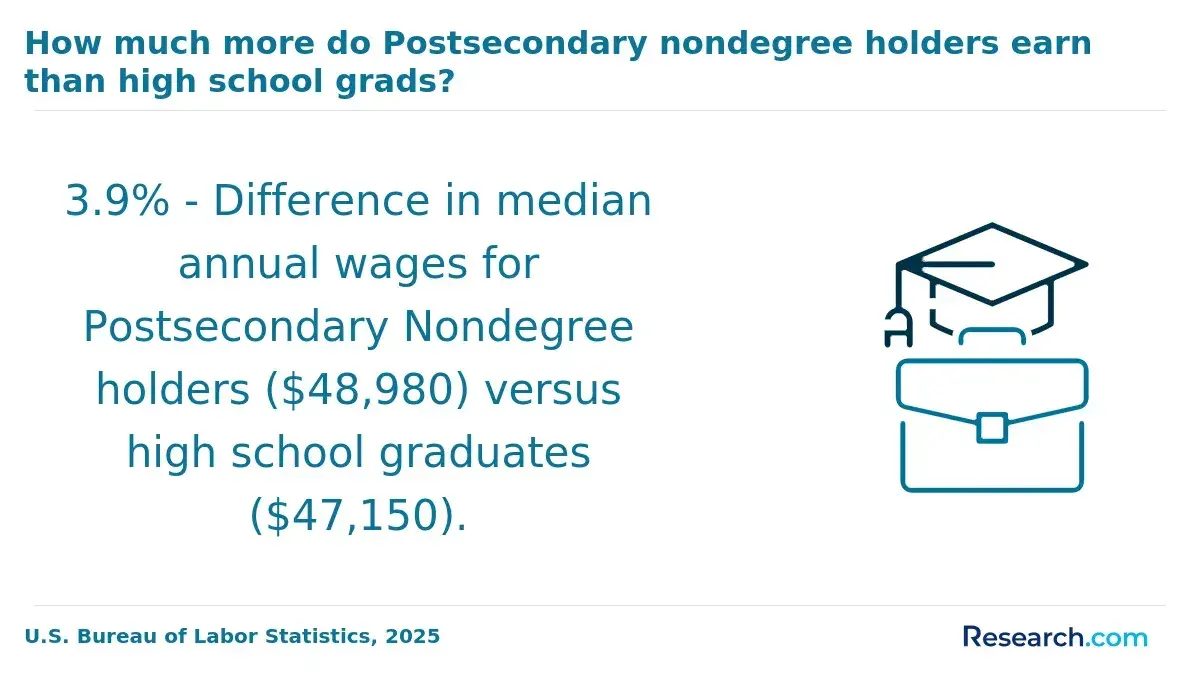
Sociology graduates may work in social research, human resources, community outreach, public administration, social services, policy support, education-related roles, and related fields. Graduates pursuing jobs such as social research analysts, human resources specialists, or community outreach coordinators typically see median annual wages between $56,400 and $77,030. Positions such as sociologists offer higher median incomes around $86,110, which can shorten the payback period.
Tuition varies significantly. Online Sociology master's degrees cost between $6,800 and $20,000, while bachelor's degree programs average approximately $14,688 per year. Lower tuition and less borrowing improve ROI because graduates need less time to recover their education costs through increased earnings.
Several factors can lengthen or shorten the payback timeline:
- Career path: Research, human resources, policy, and analyst roles may offer different salary trajectories than entry-level social service roles.
- Degree level: Some Sociology-related careers may require or prefer graduate study, which can increase cost but may also improve access to higher-level roles.
- Program speed: Some accelerated master's options allow completion in 12 to 18 months, which may help students return to full-time career advancement sooner.
- Borrowing level: Students who use scholarships, grants, employer tuition assistance, or transfer credits may see ROI faster than students who finance most costs through loans.
- Labor market conditions: Job market growth is projected at 5% through 2032, but local demand and sector choice still matter.
A practical ROI calculation should compare total out-of-pocket cost, expected loan payments, current earnings, realistic post-graduation earnings, and the time required to complete the degree. Students should avoid assuming that any degree automatically guarantees a salary increase.
Are Online Sociology Students Eligible for Financial Aid?
Yes. Online Sociology students are generally eligible for financial aid if they enroll in an accredited institution and meet standard eligibility requirements, such as citizenship or eligible noncitizen status, enrollment status, and satisfactory academic progress. Online delivery alone does not prevent students from receiving aid.
The most important first step is completing the Free Application for Federal Student Aid, commonly known as the FAFSA. Online sociology degree FAFSA eligibility can give students access to federal grants, loans, and work-study opportunities, depending on need, enrollment level, and school participation.
- Federal Student Aid: Through FAFSA, eligible students may qualify for federal grants such as the Pell Grant, subsidized and unsubsidized loans, and work-study opportunities. These funds can cover a substantial portion or all tuition costs depending on financial need and enrollment level.
- Grants and Scholarships: Many universities offer merit-based or need-based scholarships that do not require repayment. Sociology departments and related professional organizations may also provide awards for academic performance, research interests, or commitment to social issues. Award amounts typically range from several hundred to thousands of dollars annually.
- Employer Tuition Assistance: Students already working in social services, education, public administration, nonprofit organizations, or related fields may qualify for employer tuition reimbursement. These programs may pay part or all tuition for a job-related Sociology degree.
Students should confirm that the program is accredited and eligible for federal aid before enrolling. They should also ask whether they must attend at least half time to qualify for specific aid types, especially federal loans. Institutional scholarships may have separate deadlines and GPA requirements, so applying early matters.
To reduce total cost, compare financial aid offers by net price rather than award size alone. A large scholarship at a high-cost school may still leave a higher balance than a smaller award at a lower-cost institution. Students focused on affordability can also compare low cost bachelor degree online programs.
Are Online Sociology Programs Expected to Increase in the Coming Years?
Online Sociology programs are expected to remain an important option for students who need flexible access to a social science degree. Demand for remote learning, adult degree completion, and career-changing pathways continues to influence how colleges deliver Sociology coursework.
Costs, however, are also likely to remain a key concern. Tuition rates for online Sociology programs vary widely based on whether the institution is public or private, whether residency pricing applies, and how many credits a student must complete at the school. Public universities generally offer lower tuition for in-state students, while out-of-state and private college rates tend to be higher.
Current trends indicate a modest rise in online tuition costs, influenced by inflation and increased demand for remote learning. At the same time, many institutions are expanding financial aid options, scholarships, and flexible payment plans to help offset expenses.
Students planning to enroll in the coming years should not wait until the final application stage to compare costs. Review tuition guarantees, fee schedules, transfer credit rules, and payment options before committing. If tuition increases while you are enrolled, the total price may be higher for part-time students who take longer to finish.
- Ask whether tuition is locked in: Some schools may offer tuition guarantees, while others adjust rates over time.
- Compare annual and full-program cost: A low first-year estimate may not reflect the entire degree.
- Check course availability: If required Sociology courses are not offered every term, graduation may take longer and cost more.
- Review aid renewal rules: Scholarships and grants may require minimum GPA, credit completion, or annual applications.
What Students Say About The Cost of Pursuing Online Sociology Programs
-
: "Balancing work and study, I found the cost of my online Sociology degree to be reasonable given the quality of education and potential career growth it offers. This degree allowed me to deepen my understanding of social dynamics, which has practical applications in my daily job, making the investment both practical and rewarding.
William"
-
: "At first, I was hesitant about the expense of an online Sociology program, but reflecting on the return on investment, it's clear the skills I've gained open doors to diverse career paths in social research and policy-making. The manageable tuition fees balanced with flexible learning made it possible for me to advance professionally without excessive debt.
Ameer"
-
: "Pursuing my online Sociology degree has been a fantastic investment, especially considering the affordable tuition compared to traditional programs. Understanding societal structures not only advanced my career but also enriched my personal perspective on community issues. I truly believe the cost was well worth the long-term benefits.
Paxton"
Other Things You Should Know About Sociology Degree Program Costs
In 2027, online Sociology degree programs typically see public institutions charging significantly less than their private counterparts. Public school tuition averages around $8,000 annually, while private institutions may exceed $15,000. However, scholarships and state residency can affect these rates, offering potential cost savings.
Financial aid options for online Sociology degree programs in 2027 include federal grants, student loans, and scholarships. Students can apply for the Free Application for Federal Student Aid (FAFSA) to determine their eligibility for federal assistance. Many institutions also offer merit-based or need-based scholarships.
In 2027, the average tuition and fees for an online Sociology degree can range from around $15,000 to $40,000 per year, depending on the institution. Factors like residency status, course materials, and technology fees can also affect the total cost.
References
- Cost of Online Education vs. Traditional Education [2025]: Comparison https://educationdata.org/cost-of-online-education-vs-traditional-education
- Online B.S. in Sociology https://online.utah.edu/ug-programs/sociology/index.php
- Cost of Online College vs. Traditional | Champlain College Online https://online.champlain.edu/blog/cost-of-online-education-vs-traditional-education
- Factors Influencing Distance Education Costs: Key Insights - Distance Learning Institute https://distancelearning.institute/economic-perspective/distance-education-costs-factors-insights/
- Online Bachelor’s Degree in Sociology | UF Online https://ufonline.ufl.edu/degrees/undergraduate/sociology/
- Online Bachelor of Arts in Sociology | YSU https://online.ysu.edu/degrees/undergraduate/ba-sociology/