
2027 How to Compare Sociology Degree Programs Effectively

Co-Founder and Chief Data Scientist
Choosing the right sociology degree program can be overwhelming when faced with varied curricula, faculty expertise, and career outcomes. Many students struggle to identify programs that align with their specific interests, such as social inequality or urban development. This challenge is compounded by the fact that 43% of sociology graduates find employment outside their major's field, signaling a gap between education and workforce needs. Understanding these dynamics is crucial for making informed decisions. This article explores key factors for comparing sociology degree programs, enabling prospective students to select options that best match their career goals, budgets, and scheduling preferences.
Key Benefits of Comparing Sociology Degree Programs Effectively
- Verify program accreditation to ensure recognized quality; accredited programs offer better prospects since 85% of employers value degrees from accredited institutions.
- Assess curriculum focus and specializations, aligning coursework with career goals such as social research, community development, or policy analysis.
- Consider tuition costs against potential earnings; sociology graduates earn a median salary of $61,000, so evaluate return on investment and program flexibility for working students.
What Types of Accreditation Should a Sociology Degree Program Have?
Accreditation plays a vital role in helping prospective students compare the quality, credibility, and long-term value of different sociology degree programs. Studies indicate that employers overwhelmingly prefer candidates from regionally accredited institutions, highlighting the importance of this accreditation standard for career readiness. Here are the primary types of accreditation to consider when evaluating sociology programs:
- Regional Accreditation: This is the most prestigious and widely recognized accreditation in the United States, granted by one of seven regional agencies. It ensures that the entire institution meets high academic standards, facilitates smooth credit transfer, and often determines eligibility for federal financial aid.
- Programmatic or Specialized Accreditation: Some sociology programs hold additional accreditation from disciplinary organizations such as the American Sociological Association (ASA). This certification reflects strict adherence to research, ethics, and curriculum standards specific to sociology, which can increase employer confidence in graduates.
- National Accreditation: Typically associated with vocational and some online institutions, national accreditation indicates a baseline level of institutional oversight. However, it generally offers less benefit for academic credit transfer and advanced licensure compared to regional accreditation.
For students balancing work and study or looking to switch careers, ensuring a sociology program meets these accreditation standards is essential for maximizing the transferability of credits, access to financial aid, and recognition of credentials by employers. Those interested might also explore programs like a masters in social work online for related career pathways.
What Specializations Are Offered in Sociology Degree Programs?
Specializations in sociology degree programs available at accredited universities help prospective students compare options based on career alignment and academic focus. The U.S. Bureau of Labor Statistics projects a 12% job growth for social and community service managers from 2022 to 2032, underscoring the value of targeted skill sets. Below are some of the top sociology program concentrations for career advancement.
- Cultural Sociology: Examines social norms, values, and traditions, developing skills in cultural analysis and communication, which are useful in nonprofit, education, and diversity initiatives.
- Criminology and Deviance: Focuses on crime, law enforcement, and social responses to deviance, preparing students for careers in criminal justice, policy development, and rehabilitation services.
- Medical Sociology: Studies the social aspects of health and illness, equipping students for roles in public health, healthcare administration, and social work. This specialization complements a social work degree fast track program for those aiming to advance quickly in healthcare-related social services.
- Urban and Community Sociology: Analyzes urban development, housing, and community dynamics, supporting employment opportunities in urban planning, social services, and community advocacy.
How Can You Compare Courses Across Sociology Degree Programs?
Comparing courses is essential for prospective students seeking to evaluate the rigor, skill development, and alignment of sociology degree programs with their career goals. Research indicates that programs with deeper curricula and higher course completion rates consistently produce graduates better prepared for employment or advanced study. Below are practical strategies to aid in the best criteria to compare sociology degree programs effectively.
- Review Course Syllabi: Analyze topics and reading materials to assess curriculum depth and identify focus areas that fit your career aspirations.
- Evaluate Credit Hours: Consider the number of credits and workload; more intensive courses usually signify greater rigor and time commitment.
- Check Practical Components: Look for courses offering research projects, internships, or fieldwork that develop applicable skills and real-world experience.
- Compare Learning Outcomes: Identify clearly stated skills and competencies that align with your professional objectives and academic goals.
- Examine Faculty Expertise: Investigate who teaches the courses and their instructional approaches, which can impact the program's quality and relevance.
These strategies can help you learn how to evaluate sociology degrees effectively and select a program tailored to your interests and career path. Also, when budgeting and scheduling are priorities, consider exploring affordable online mft programs as alternative pathways to complementary qualifications in related fields.
What Scheduling Options Are Available in Sociology Degree Programs?
Flexible scheduling is crucial for students weighing sociology degree programs, as it accommodates varied personal and professional commitments. Considering these options helps ensure steady academic progress. Below are common scheduling formats to consider:
- Daytime, Evening, and Weekend Classes: Traditional on-campus courses often occur during the day, but many programs also offer evening and weekend options. This variety allows working students or those with daytime obligations to attend classes without sacrificing other responsibilities.
- Fully Online, Asynchronous Courses: Online sociology programs provide maximum flexibility by enabling students to engage with lectures and assignments on their own schedules. This format suits learners needing to balance education with unpredictable work or family demands.
- Hybrid Programs: Combining online coursework with occasional in-person sessions, hybrid options offer a balanced approach. Students benefit from direct interaction while maintaining the convenience of remote study.
- Part-Time Enrollment: Extending the time required to graduate, part-time study lowers weekly workload. This option is ideal for individuals who must juggle school with jobs or family care but want to continue making academic progress.
Awareness of these scheduling formats enables students to select a sociology degree that aligns well with their lifestyle and learning preferences, ultimately supporting their long-term educational success.
What Are the Pros and Cons of Online vs Campus-Based Sociology Degrees?
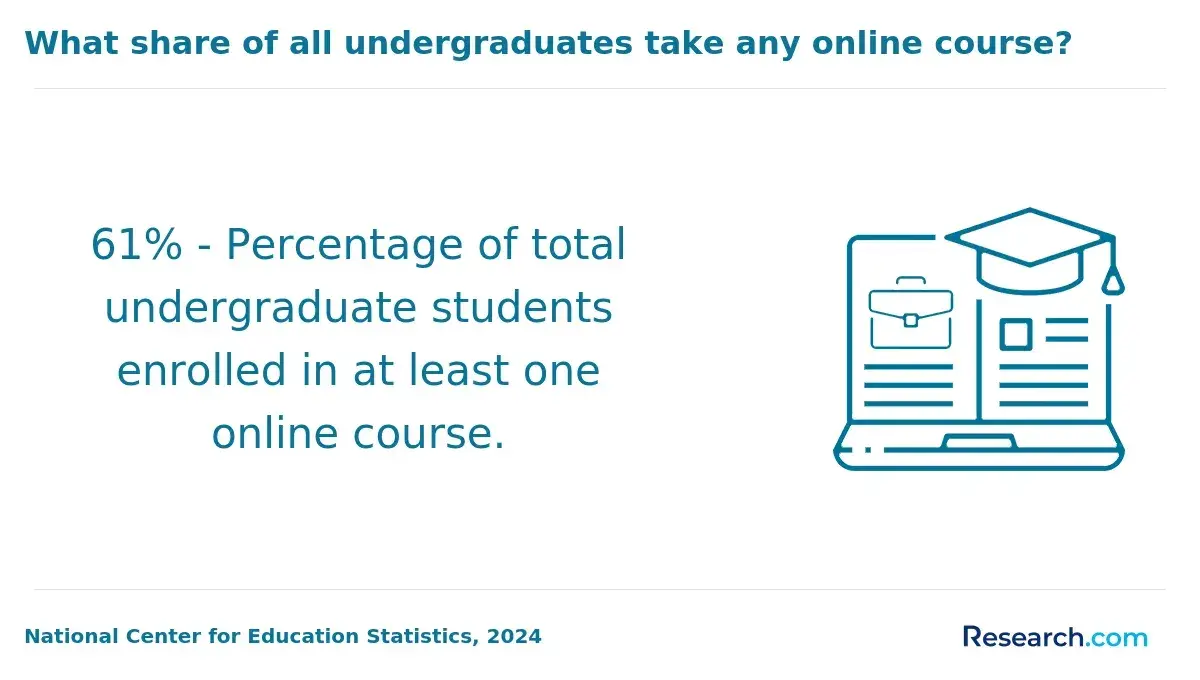
Choosing between online and campus-based sociology degrees affects how students manage time, interact with peers, and prepare for careers. Recent data shows that nearly 44% of U.S. undergraduates take at least one online class, reflecting a significant shift toward digital learning. Below is a comparison of the two formats to help students weigh their options.
Online Sociology Degrees
- Flexible Scheduling: Online programs allow students to study around personal and professional commitments. Courses are often asynchronous, giving access to materials at any time.
- Limited Interaction: The lack of real-time discussions can reduce opportunities for networking with professors and classmates, which may affect collaborative learning.
- Accessibility: Students can attend from any location, removing geographical barriers and commuting challenges.
Campus-Based Sociology Degrees
- Structured Learning: Fixed class times and on-campus resources provide a consistent academic routine, which some students find conducive to focus and discipline.
- Networking Opportunities: Face-to-face interactions promote stronger connections with faculty and peers, enhancing social and professional networks.
- Commute and Attendance: Physical presence requirements and travel to campus may present obstacles for those with tight schedules or limited transportation options.
A graduate who earned an online sociology degree shared how he approached the decision: "I had to carefully balance my full-time job and family, so flexibility was critical. Researching each program's format, I read countless reviews and compared course loads. I worried about missing out on in-person connections, but I found online study groups that helped me stay engaged. The toughest part was staying motivated without a physical classroom, but hearing from alumni reassured me that strong career paths are possible regardless of delivery method."
How Do GPA Requirements Vary Among Sociology Degree Programs?
GPA requirements play a significant role when evaluating sociology degree programs, as they often influence admission chances and indicate program competitiveness. Below are important considerations regarding how GPA standards can differ across programs.
- Threshold Variations: Some programs impose firm minimum GPA cutoffs, commonly around 3.0 on a 4.0 scale, particularly for selective or graduate-level tracks, while others maintain more flexible standards to accommodate diverse applicants.
- Holistic Admissions: Many sociology programs adopt a comprehensive review process, balancing GPA with factors like letters of recommendation, relevant experience, and personal statements, enabling candidates with lower GPAs to strengthen their applications.
- Undergraduate vs. Graduate: GPA expectations often differ between undergraduate and graduate levels, with graduate programs generally requiring higher academic performance or more specialized coursework in sociology-related subjects.
- Core Coursework Focus: Certain programs prioritize GPA in major-specific or related courses rather than overall GPA, reflecting emphasis on subject mastery over general academic performance.
- Specialized Tracks and Policies: GPA criteria may vary for specialized admissions paths or transfer students, with some institutions offering accommodations or alternative evaluations for applicants with nontraditional academic histories.
Investigating these aspects allows prospective students to identify sociology programs that best accommodate their academic profiles and to tailor applications with greater strategic insight.
How Can You Compare Tuition Across Sociology Degree Programs?
Comparing tuition costs is a vital step for students considering sociology degree programs, as expenses can vary widely and impact long-term financial health. In 2021, the average student loan debt for bachelor's degree graduates was nearly $28,000, highlighting the importance of understanding all cost factors before committing. Here are key elements to evaluate when comparing tuition:
- Total Program Cost: Look beyond the headline tuition fee to include additional charges like technology fees, lab expenses, and required materials that may significantly raise the overall price.
- Cost Per Credit: This metric helps gauge affordability, especially if you plan to take varying course loads each semester, allowing you to better predict semester expenses.
- Additional Fees: Many programs add costs for registration, student services, or course-specific fees. These vary widely and can affect your budget considerably.
- Financial Aid: Consider available scholarships, grants, and loan options. Attractive aid packages can greatly reduce out-of-pocket costs and make programs more accessible.
- Employer Benefits: Some students receive tuition assistance from their employers or enroll in programs with flexible schedules designed to accommodate working professionals, which can improve affordability.
- Long-Term Value: Compare anticipated career outcomes relative to the debt incurred. Programs with strong job placement or higher earning potential post-graduation tend to offer better return on investment.
When I asked a recent sociology graduate about her approach to comparing tuition, she reflected on the financial juggling act it required. "I had to calculate not just tuition but all those hidden fees I hadn't expected. It was overwhelming at first," she said. She also emphasized the challenge of navigating financial aid applications and employer tuition reimbursement programs, noting that persistence was key. "Knowing the full picture helped me choose a program where I felt confident about repaying my loans while still focusing on my studies." Her experience underscored how a comprehensive look at costs is essential to making informed decisions that balance education and financial well-being.
Does a Sociology Degree Meet Licensure Requirements?
Aligning a sociology degree with licensure requirements is crucial for students aiming at regulated careers or career transitions, as nearly one in four U.S. jobs demands a professional license or certification. Evaluating these factors helps learners find programs that meet their professional credentialing needs. Key aspects to consider include:
- Curriculum Alignment: Assess whether the coursework covers topics required by licensing boards, such as counseling techniques, human behavior, and ethics, which are essential for licensure eligibility.
- Accreditation Status: Confirm the institution's accreditation is recognized by relevant professional organizations, ensuring the degree meets accepted quality and licensure standards.
- State Licensing Requirements: Since licensing criteria vary considerably by state, verify that the program's content and structure fulfill the specific regulations where you plan to practice.
- Supervised Experience: Look for availability of internships or field placements that provide the required supervised hours to qualify for licensure in social services or mental health fields.
- Exam Eligibility: Determine if the degree prepares and qualifies graduates to sit for mandatory state licensing examinations following program completion.
Considering these elements allows prospective students to choose sociology programs that support their goals in licensed professions or advanced graduate studies within regulated disciplines.
Which Sociology Programs Have the Best Career Placement Rates?
Career placement rates are a vital measure when choosing which sociology degree programs have the best career placement rates in the United States, as they highlight how effectively schools prepare students for the job market. Nearly 80% of sociology graduates secure employment or continue their education within six months of finishing their degrees. Below are key factors to consider when evaluating top sociology programs with highest graduate employment outcomes:
- Employer Partnerships: Programs that cultivate active connections with employers provide students with greater access to job opportunities and networking prospects. These alliances often lead to tailored recruitment events and direct hiring pipelines.
- Internship Pipelines: Internship availability and program support for placements offer valuable practical experience. Students who participate in internships gain competitive advantages in the job market, improving their employment outcomes.
- Alumni Outcomes: Reviewing alumni career trajectories can reveal how well a program supports long-term professional success. Schools with strong alumni networks typically report higher job placement rates and more rapid transitions into relevant roles.
- Program Support Services: Career resources such as résumé workshops, interview preparation, and specialized job fairs for sociology majors increase graduate readiness. Dedicated support services play an essential role in helping students navigate the employment process efficiently.
For prospective students weighing options among sociology degree programs, it is also beneficial to consider broader factors such as program cost, scheduling flexibility, and overall fit with personal goals. Exploring resources related to the best degrees to make money may provide additional insight into how a sociology degree aligns with career and financial objectives.
How Do Salaries Compare Across Sociology Degree Program Graduates?
Post-graduation salary outcomes are a crucial comparison metric for prospective students evaluating sociology degree programs. The average annual salary for sociology degree graduates in the United States generally ranges from $50,000 to $75,000, reflecting diverse career paths and experience levels. Below are key factors influencing these salary variations.
- Starting Salaries: Entry-level roles such as social research assistants or case managers typically begin near $40,000, offering a baseline for new graduates entering the workforce.
- Experience Impact: Mid-career sociology degree graduates often earn over $60,000, demonstrating how salary growth correlates strongly with accumulated expertise and advanced skills.
- Industry Differences: Sectors like market research, data analysis, and human resources provide higher remuneration compared to social services or non-profit organizations, highlighting the importance of industry choice on career salary outcomes.
- Geographical Location: Urban centers such as New York and San Francisco generally offer elevated salaries to offset higher living costs, whereas rural areas tend to have lower wage ranges.
- Advanced Credentials: Professionals with additional degrees or specialized certifications related to sociology report enhanced earning potential, making further education a valuable investment.
Prospective students interested in maximizing their return on investment should also explore online degrees that pay well as options for timely and flexible advancement in their careers.
What Graduates Say About Comparing Sociology Degree Programs Effectively
- Jean: "Before deciding on a degree, I weighed many options, but the affordability of the sociology program stood out, especially since average attendance costs were manageable compared to other majors. Choosing sociology not only fit my budget but also opened doors to diverse career paths I hadn't considered before. Today, I'm confident that this decision shaped my professional future positively. "
- Alicia: "I initially reflected on my educational goals and the rising costs of higher education, which made me carefully evaluate the value of each program. The sociology degree's reasonable tuition fees were a big factor, allowing me to graduate without excessive debt. Professionally, completing the program gave me critical analytical skills that have been indispensable in my field. "
- Sheila: "From a pragmatic viewpoint, I compared cost versus career potential, and the sociology program offered a solid balance. Considering the average total cost of attendance, it was a sensible and attainable investment. The impact on my career has been significant, as the skills and insights gained have directly enhanced my work in social research. "
Other Things You Should Know About Sociology Degrees
Internships provide practical experience and help apply theoretical knowledge in real-world settings, which is vital in Sociology. Programs offering structured internships or partnerships with organizations can improve career readiness. Evaluating the quality and variety of these opportunities is essential when comparing programs.
To effectively assess teaching quality in 2027, students should prioritize faculty qualifications, examine course reviews and ratings, and consider faculty engagement in current sociological research. Additionally, seeking insights from current students or alumni can provide a more nuanced understanding of the faculty's teaching effectiveness.
In 2027, students should examine faculty qualifications, diversity, research accomplishments, and teaching styles. Understanding the balance of tenured and adjunct faculty, as well as their areas of expertise and industry connections, can provide insight into the program's educational quality and networking opportunities.
References
- The Commission on the Accreditation of Programs in Applied and Clinical Sociology https://sociologycommission.org/about_accr.shtml
- Guide To Online Sociology Degree | All Bachelor Degrees https://allbachelordegrees.com/degrees/liberal-arts-humanities/sociology/is-an-online-sociology-degree-the-same-as-going-to-a-college/
- Sociology degrees & courses https://universitycompare.com/courses/degrees/sociology
- What Accreditations Should A College Should Have? | NU https://www.nu.edu/blog/ask-an-expert-what-kind-of-accreditation-should-a-college-have/
- Liberal Arts — Social/Behavioral Science https://www.ccp.edu/college-catalog/degree-programs/associate-arts-aa/liberal-arts-socialbehavioral-science
- Search https://sociology.dartmouth.edu/undergraduate/courses/course-schedule-term
- Jobs in Sociology: Best Choices & Highest Paying by Degree https://www.geteducated.com/careers/jobs-in-sociology/
- Become Certified https://www.aacsnet.net/get-certified/
- Sociology Subject League Table 2026 https://www.thecompleteuniversityguide.co.uk/league-tables/rankings/sociology
- The Pros and Cons of Online Learning vs. Traditional Education https://www.sophia.org/blog/higher-education/pros-cons-online-learning-vs-traditional-education/


