
2027 Return on Investment (ROI) of a Teaching Degree Program

Co-Founder and Chief Data Scientist
Many prospective students hesitate to invest in a teaching degree without clear insight into its financial rewards. For example, early-career teachers in the U.S. earn a median annual salary of approximately $42,000, which may initially seem modest compared to other professions requiring similar education levels. Additionally, teaching requires ongoing certification and professional development that add to long-term costs.
Understanding these factors is crucial when weighing the value of a teaching degree. This article examines the return on investment (ROI) of teaching degree programs, analyzing costs, salaries, employment trends, and career advancement opportunities to guide informed decisions.
Key Things to Know About Teaching Degree ROI
- Graduates with a teaching degree typically see median salaries around $60,000, with potential increases of 3% annually, reflecting steady earning growth over a 20-year career.
- Teaching offers extensive job stability due to consistent demand in public and private schools, with projected growth of 7% in educational employment from 2022 to 2032.
- The degree provides flexible opportunities beyond classrooms, including curriculum development, educational consulting, and administrative roles, expanding career advancement across multiple education sectors.
How Is ROI Calculated for a Teaching Degree Program?
Return on investment (ROI) in higher education quantifies the financial benefits a student gains by completing a degree compared to its overall costs and time commitment. It helps prospective students assess whether pursuing a teaching degree is a worthwhile investment by balancing expenses, duration, and earning potential.
Key factors involved in calculating ROI for a teaching degree program include:
- Tuition and Fees: This encompasses all direct costs such as tuition, books, supplies, and fees. Reducing these expenses can improve ROI by lowering the financial burden upfront in a teaching degree program cost versus salary analysis.
- Opportunity Cost: Lost wages during the time spent studying instead of working full-time affect ROI negatively. Longer programs generally increase this cost, impacting total returns.
- Time to Completion: Shorter programs enable faster entry into the workforce, decreasing lost income and accelerating overall salary gains. Exploring online EdD programs can be an effective way to reduce this timeline.
- Post-Graduation Salary Outcomes: Starting salaries and career growth in teaching roles directly influence ROI. Higher salaries shorten the payback period and improve lifetime earnings.
- Long-Term Career Advancement: Opportunities for promotions, added certifications, or advanced degrees can significantly raise future earnings, enhancing ROI beyond initial salary estimates.
How Much Does a Teaching Degree Program Cost?
Accurately gauging the total cost of a teaching degree program is critical for evaluating its true return on investment, especially as graduate tuition at public universities in the U.S. has risen nearly 20% over the last ten years. This increase, coupled with higher student debt, makes a detailed cost breakdown essential.
Key factors influencing the overall expense include:
- Tuition and fees: These often represent the largest financial commitment. Costs fluctuate based on whether the program is offered by a public or private institution and whether the student qualifies for in-state rates.
- Books and materials: Beyond tuition, students spend significant amounts on textbooks, teaching tools, and necessary technology, which can accumulate substantially over the program's duration.
- Living or relocation expenses: For students who must move or live independently, costs such as rent, food, and transportation add a considerable burden that should be factored into overall expenses.
- Opportunity cost: Time dedicated to coursework often replaces full-time employment, leading to lost wages during enrollment that impact the program's financial viability.
- Hidden or indirect costs: Additional fees for background checks, certification tests, or supplementary training required for licensure can also contribute to the total cost.
When I spoke with a recent teaching degree graduate about expenses, he described facing unexpected challenges managing costs beyond tuition. "I didn't anticipate how pricey some certification exams would be, or how time-consuming the additional training was," he explained.
Balancing part-time work with study stretched his schedule thin, and relocating near the school added housing costs he hadn't budgeted for initially. His experience highlighted that the financial impact of a teaching degree often extends well past tuition invoices.
What Financial Aid Is Available for Teaching Degree Programs?
Financial aid significantly lowers the initial expenses of earning a teaching degree, which in turn boosts its long-term return on investment by curbing debt and easing financial strain post-graduation. Nearly 85% of graduate students use some form of financial assistance, highlighting its importance in managing education costs and accelerating economic recovery after completing their programs.
Common financial aid options that influence affordability and ROI include:
- Scholarships: Typically awarded based on merit or financial need, scholarships reduce the overall cost of education without requiring repayment, decreasing the amount of debt students must incur.
- Grants: These funds are usually need-based and do not have to be paid back, helping to minimize loan dependence and making teaching degrees more accessible.
- Fellowships: Providing stipends or teaching assistant roles, fellowships help offset tuition and offer practical experience, contributing to improved earning potential in the future.
- Employer Tuition Assistance: Some employers cover part or all tuition expenses, allowing students to study while maintaining income, thus reducing out-of-pocket costs.
- Federal Student Loans: While requiring repayment, federal loans offer lower interest rates and flexible terms compared to private loans, helping graduates manage debt more effectively after earning their degree.
How Long Does It Take to Complete a Teaching Degree?
The length of time needed to finish a teaching degree significantly influences its return on investment by affecting opportunity costs, how soon graduates can start earning, and the total cost of education. Spending more years in school delays entering the workforce and incurs higher living and tuition expenses, both of which reduce overall financial benefits.
Several factors shape how long completion takes and ultimately impact the degree's ROI:
- Enrollment status: Students attending full-time generally complete their degrees more quickly, allowing them to enter the job market sooner. Conversely, part-time students often extend their study period due to work or family responsibilities, which can increase overall costs and delay income.
- Program format: Choosing online or accelerated courses can shorten the time needed to graduate by offering flexible pacing and year-round classes, reducing expenses and lost wages.
- Transfer credits: Applying previous college credits or relevant coursework can cut down the number of semesters required, decreasing tuition costs and speeding up degree completion.
- Internship and thesis demands: Hands-on teaching practicums and research projects sometimes add extra time to programs, balancing practical experience with extended academic commitments.
- Scheduling flexibility: Programs letting students tailor course loads and schedules help accommodate life circumstances, which might either compress or prolong the timeline.
When I asked a recent teaching degree graduate about her experience, she reflected on the balancing act between ambition and reality. She recalled managing full-time work alongside evening classes, which stretched her program to six years instead of four. "It was tough juggling everything, but the extended time let me maintain my income and support my family," she said.
The mandatory student teaching semester posed the biggest challenge, requiring full-day commitments that conflicted with part-time jobs. Still, she emphasized how invaluable the hands-on training was, giving her confidence to step into the classroom. Her story highlights how duration varies widely and that longer timelines can sometimes offer better personal stability and readiness, despite delaying financial returns.
Is ROI Higher for Online or On-Campus Teaching Programs?
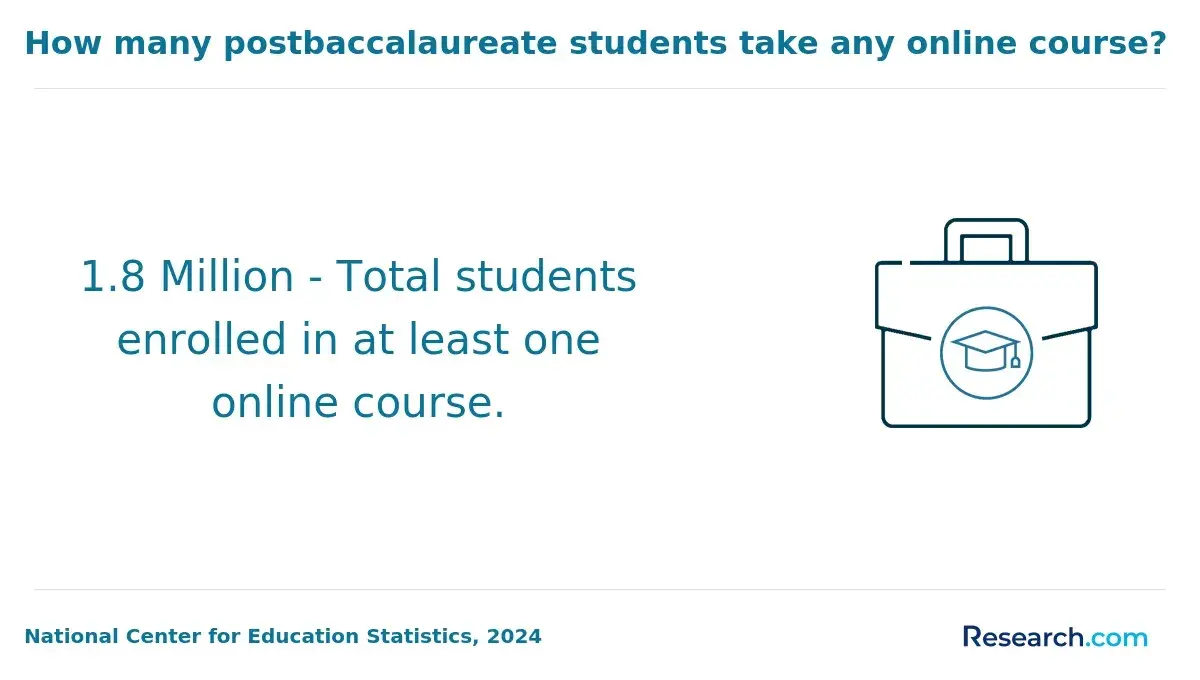
The delivery format plays a crucial role in the return on investment (ROI) for teaching degree programs, primarily due to differences in cost, flexibility, and career outcomes. In recent years, about 41% of undergraduates took at least one online course, illustrating the rising acceptance of online education. This trend impacts how prospective students evaluate the return on investment for teaching programs based on format.
Key considerations when comparing online and on-campus teaching degree ROI include:
- Tuition and Fees: Online programs generally cost less, avoiding many campus-based fees. This affordability can significantly reduce the total financial burden on students.
- Opportunity Cost: Students in online formats often maintain employment while studying, which lowers income loss compared to full-time, on-campus students who may pause their careers.
- Time to Completion: Some online teaching programs offer accelerated pacing options, allowing students to finish their degrees sooner and enter the workforce faster.
- Networking and Career Services: On-campus students benefit from face-to-face networking opportunities and direct access to career support resources, which can enhance job prospects.
- Employer Perception and Earning Potential: While some employers may still favor traditional degrees, potentially impacting long-term salary growth, the acceptance of online credentials is progressively improving.
For those interested in related fields, exploring engineering degrees online can provide additional insight into cost-effective education options. By understanding online vs on-campus teaching degree ROI, students can make informed decisions aligned with their professional goals and financial situations.
What Is the Average Salary After Earning a Teaching Degree?
The average salary after earning a teaching degree is a primary factor in assessing its return on investment (ROI), as it directly impacts how quickly one can recover educational costs. Typically, graduates in teaching roles across the U.S. can expect entry-level salaries between $40,000 and $50,000, with more experienced educators earning from $55,000 to $70,000 annually.
Several factors influence these typical earnings with a teaching degree, shaping financial outcomes and overall ROI:
- Industry and educational level: Salaries differ depending on whether graduates work in public schools, private institutions, or specialized educational services, which affects earning potential.
- Geographic location: Regional and state variations in cost of living and education budgets lead to considerable salary differences across the country.
- Prior experience: Experience in teaching or related fields often results in higher starting salaries and faster career progression.
- Specialization: Certain subject areas like STEM or special education generally earn more due to higher demand and shortage of qualified professionals.
- Career level and advancement: Progressing into leadership or administrative roles can significantly boost earning capacity over time.
These factors influence the average teaching degree salary and help determine whether the investment in education yields a sustainable financial return. Prospective students may also consider affordable online MFT programs as alternative options within education-related fields offering varied career paths.
Does a Teaching Degree Lead to Promotions?
Promotions contribute significantly to the return on investment of a teaching degree by offering salary increases, expanded responsibilities, and enhanced career mobility. These factors combine to improve long-term financial outcomes for educators who pursue advanced roles. An important workforce trend shows increasing emphasis on credential-based promotions within education systems, where advanced degrees or special certifications are often mandatory for leadership positions.
Here are key ways a teaching degree may impact promotion opportunities and ROI:
- Credential Requirements: Many administrative and specialized roles require formal credentials, making a teaching degree essential for eligibility. Meeting these prerequisites opens doors to higher-level jobs with better compensation.
- Leadership Preparation: Teaching degrees provide foundational skills in leadership and pedagogy, equipping educators to take on supervisory or coaching roles that influence school-wide practices and policies.
- Internal Promotion Policies: School districts often link internal advancement to formal education levels, so advancing your qualifications can increase your chances of moving up within an organization.
- Employer Tuition Support: Some employers offer tuition assistance, reducing the cost burden of earning advanced degrees. This support can improve the ROI of obtaining a teaching degree by lowering initial expenses.
- Experience and Education Synergy: Career advancement frequently favors candidates who combine practical experience with advanced education, making a teaching degree a valuable asset for promotions and professional growth.
Considering teaching degree career advancement opportunities alongside costs can help professionals make informed decisions about pursuing further education. Those seeking affordable degree options might explore the cheapest EdD programs available. Understanding the impact of teaching degree on promotions is crucial for evaluating how educational investment aligns with career goals.
Which Industries Offer the Best ROI for Teaching Graduates?
The return on investment for teaching graduates varies significantly across industries due to differences in salary levels, career progression opportunities, and demand for specialized skills. Some sectors combine higher compensation with growth potential and skill application, leading to stronger financial and career returns.
Industries with structured advancement paths and demand for expertise often provide better long-term benefits. Below are some of the best industries for teaching graduates ROI, reflecting where demand and compensation align well.
- Higher Education: Colleges and universities typically offer higher salaries than K-12 institutions. Alongside stable employment, they provide research opportunities and leadership roles that enhance career progression.
- Corporate Training and Development: This sector values graduates who can design and deliver employee training programs. It offers competitive pay scales and significant growth potential as companies increasingly invest in workforce development.
- Special Education: Teachers with special education expertise benefit from strong job stability. Demand for specialized skills in this field often results in premium compensation rates and meaningful career advancement.
- Educational Technology: A rapidly expanding industry, educational technology rewards professionals who combine teaching knowledge with technological skills, leading to roles with robust salary growth prospects.
For those exploring pathways to enhance their teaching credentials quickly, considering 1 year master's programs can be a strategic approach. Understanding the top career sectors with high ROI teaching degrees can guide students and professionals toward the most rewarding educational investments.
Does Accreditation Affect ROI for a Teaching Degree?
Accreditation for teaching degree programs signifies that an independent agency has verified the program meets rigorous quality standards. This credential is crucial for return on investment because it often determines whether graduates qualify for state licensure and gain employer recognition.
A growing trend shows employers increasingly prefer candidates with degrees from accredited programs, viewing it as evidence of proper preparation and professional reliability. Without accreditation, graduates risk facing barriers to obtaining teaching credentials, which can limit job prospects and career advancement.
Accreditation impacts long-term ROI by building employer confidence in the graduate's education and ensuring eligibility for financial aid, which lowers the upfront costs of earning a degree. It also facilitates credit transfers toward advanced certifications or degrees, enabling ongoing professional growth.
More importantly, accredited degrees are typically required for teacher licensure, a critical step for legal practice and mobility across school districts and states. These elements combined help increase a teaching degree's financial and career value over time.
Is a Teaching Degree Worth It?
Calculating the return on investment for a teaching degree involves analyzing several key financial and career factors. Program costs vary widely, influenced by the type of institution and format, with completion times typically between two and four years.
Graduates often face entry-level salaries that are generally lower than in many other fields, with median annual earnings for public school teachers around $62,000 in the U.S. Career growth can improve earnings potential, particularly through additional certifications or leadership roles, though advancement opportunities may differ by region and specialization.
The value of a teaching degree depends on multiple elements, including regional demand for educators and the chosen method of instruction, such as online programs, which may reduce expenses and increase flexibility. Financial aid and scholarships play a crucial role in minimizing upfront costs, thereby boosting overall ROI.
Personal motivations also matter; individuals driven by public service or job stability may find greater worth in the degree than those focused primarily on high income. Ultimately, weighing these variables helps determine if a teaching degree aligns with one's financial and career objectives.
What Graduates Say About The ROI of Their Teaching Degree
- Gabby: "Choosing a traditional teaching degree program was a significant investment for me, but understanding that the average cost can range around $30,000 made me weigh the long-term benefits carefully. Now, several years into my career, I see that the salary stability and opportunities for advancement truly justify the upfront cost. I feel proud to have laid a solid foundation for my future as an educator. "
- Mildred: "Enrolling in an online teaching degree was a strategic decision to balance my career growth and financial commitments. While the cost was slightly lower than traditional paths, around $20,000 on average, the flexibility allowed me to continue working full-time, a huge plus when considering ROI. Completing the degree has opened doors in educational leadership that I hadn't imagined before. "
- Wendy: "The part-time teaching degree was the perfect fit for my lifestyle, although the total expense still hovered near $25,000. Reflecting on that, it's clear that the investment was worth it, given the professional connections and practical experience I gained over time. Graduating has enhanced my credibility immensely, and I'm now confidently shaping student lives with a well-earned degree. "
Other Things You Should Know About Teaching Degrees
Geographic location significantly affects salary prospects and job availability for teaching graduates. States with higher demand for teachers or higher living costs often offer better pay, which improves ROI. Conversely, in areas with teacher surpluses, salaries may be lower, reducing financial benefits from the degree.
Specializing in high-demand subjects such as special education, STEM, or bilingual education often leads to better job prospects and higher pay. This specialization can increase ROI by positioning graduates in niche areas where qualified teachers are scarce. Conversely, some general teaching fields may face more competition and lower salary growth.
References
- The 10 Highest Paying Jobs With a Teaching Degree https://www.umassglobal.edu/blog-news/highest-paying-jobs-with-a-teaching-degree
- Accreditation and financial ROI | Woolf News & Updates https://woolf.university/news/accreditation-and-financial-roi
- Teaching Degree ROI Guide: The Return on Investment You Can Expect with a Degree in Education https://www.educationdegree.com/articles/return-on-investment-guide-to-education-degrees/
- How to Check the ROI of Academic Programs: A Comprehensive Guide | Stordahl Capital Management https://www.stordahlcap.com/insights/how-to-check-the-roi-of-academic-programs-a-comprehensive-guide
- Financial Aid Overview and Scholarships https://www.teachingdegree.org/resources/financial-aid/
- How long does it take to become a teacher? https://www.horizonteachers.com/post/how-long-does-it-take-to-become-a-teacher
- How to measure the ROI of your education as an international student | Interstride https://www.interstride.com/blog/how-to-measure-the-roi-of-your-education-as-an-international-student/
- The Economics of Accreditation: Costs, Benefits, ROI - Course Accreditation https://course-accreditation.com/blog/the-economics-of-accreditation-costs-benefits-roi/
- Teacher Scholarships and How to Apply for Them | University of Phoenix https://www.phoenix.edu/articles/education/teacher-scholarships-and-how-to-apply-for-them.html
- Importance of Accredited Teaching Programs https://gsep.pepperdine.edu/blog/posts/importance-of-accredited-teaching-programs.htm


