2027 GPA, Test Scores, and Experience Needed for Teaching Degree Programs

Co-Founder and Chief Data Scientist
Many prospective teaching degree candidates face uncertainty about the GPA, test scores, and practical experience needed to gain admission. For instance, early childhood education programs often require competitive GPAs due to limited enrollment spots, with nearly 65% of admitted students maintaining a GPA above 3.0. Meanwhile, some programs may waive standardized tests, adding further confusion. Understanding these variables is essential as teacher shortages drive evolving admission standards nationwide.
This article examines GPA benchmarks, standardized test policies, and experience prerequisites across teaching degree programs, helping applicants prepare stronger, more targeted applications to increase their chances of acceptance.
Key Things to Know About GPA, Test Scores, and Experience Needed for Teaching Degree Programs
- Most teaching degree programs require a minimum GPA of 2.5 to 3.0, with competitive candidates often exceeding 3.5, reflecting consistent academic performance.
- Test score requirements vary; many institutions now offer test-optional admissions, emphasizing holistic reviews over standardized scores like the GRE or Praxis.
- Relevant professional or volunteer experience with children and educational settings significantly strengthens applications, demonstrating practical skills and commitment to the teaching profession.
What are the admission requirements for teaching degree programs?
Knowing what admissions committees expect can help applicants better prepare for teaching degree programs, especially as more schools adopt holistic review practices that evaluate candidates beyond just numerical metrics.
This approach allows consideration of diverse elements of a candidate's background, which is increasingly important given the variety of experience and credential criteria for teaching program admission.
Several common components recur in teaching admissions processes, including:
- Application Materials: These typically require a form with personal details, academic background, and sometimes an essay or personal statement demonstrating motivation and fit.
- Prerequisite Coursework: Transcripts must verify completion of foundational courses relevant to education or the subject area, ensuring readiness for advanced study.
- Letters of Recommendation: References from academic or professional contacts help assess character, aptitude, and potential for success in teaching.
- Eligibility Criteria: Most programs require a completed undergraduate degree from an accredited institution, along with adherence to any deadlines and submission guidelines.
- Evaluation Timeline: Candidates may face interviews or additional assessments, with decisions often made within a semester before program start dates.
Applicants interested in complementary fields might explore options in AI degrees that blend technology with education.
Considering GPA and test score requirements for teaching degrees alongside experience and credential criteria for teaching program admission gives a fuller understanding of what competitive candidates present.
What GPA do you need for a teaching degree program?
Admission into teaching degree programs generally requires a minimum GPA ranging from about 2.5 to 3.0 on a 4.0 scale, which reflects the baseline academic ability needed for success. However, many competitive programs look for applicants with GPAs closer to 3.5 or higher, indicating stronger academic performance.
These minimum GPA requirements for teaching degree admission may differ depending on the institution's selectivity, the chosen specialization-such as secondary education or special education-and whether the program is offered online or on-campus.
Online programs often provide some flexibility, though a solid GPA remains a significant factor for acceptance. Those interested in accelerated pathways may also explore fields like social work degree fast track options when considering their educational goals.
Admissions committees rarely assess GPA in isolation; instead, they apply a holistic review process that considers an applicant's overall academic trajectory. Factors such as upward trends in grades, the rigor of completed coursework especially in education-related subjects, and relevant teaching or volunteer experiences all contribute to an applicant's profile.
This comprehensive evaluation helps ensure that candidates demonstrate both the commitment and capability necessary for teacher preparation. The average GPA needed for education programs often reflects this multifaceted review, emphasizing consistent improvement and academic challenges rather than a static numerical cutoff.
Do teaching degree programs require the GRE or GMAT?
Standardized tests like the GRE (Graduate Record Examination) and GMAT (Graduate Management Admission Test) are frequently used in graduate admissions to evaluate candidates' critical thinking, analytical writing, and problem-solving abilities. They serve as a common benchmark for comparing applicants from various educational backgrounds. The role of these exams in teaching degree programs, however, varies significantly.
Key considerations regarding GRE or GMAT requirements in teaching programs include:
- Test-Optional Policies: Many teaching master's programs have adopted flexible admissions policies that do not mandate GRE or GMAT scores. Applicants may submit test scores if they believe it strengthens their application, but these tests are often not required.
- Program Specialization: Teaching programs focused on educational leadership or administration are more likely to request GRE scores, while the GMAT is generally less relevant for education-focused degrees.
- Applicant Experience: Relevant professional experience and a strong undergraduate GPA can frequently compensate for the absence of standardized test scores, especially for candidates with proven classroom or educational practice.
- Alternative Assessments: Some institutions emphasize writing samples, interviews, or demonstrations of practical classroom experience to evaluate candidates more holistically.
The increasing emphasis on holistic admissions processes reflects a shift toward valuing practical experience and academic records over standardized test scores in teaching degree programs. This approach encourages diverse backgrounds among applicants. Prospective students looking for options might also consider exploring the cheapest psychology degree online as an alternative path related to education fields.
When researching GRE requirements for teaching degree programs or reviewing GMAT test policies for education admissions, it's important to focus on how individual programs weigh standardized testing relative to GPA and experience to best align with your career goals.
Do teaching programs require relevant professional experience?
Teaching programs generally do not mandate relevant professional experience, but it can enhance an applicant's profile. Experience is valued because it reflects dedication to education and practical insights into classroom environments. Around 30% of programs prefer candidates with some experience, while many waive this for recent graduates or those changing careers.
Key considerations regarding professional experience in teaching program admissions include:
- Experience Preference: Many programs favor applicants with experience working with children or in educational roles, though it's not always required.
- Exceptions for Recent Graduates: Candidates who recently completed undergraduate studies often qualify without experience if they have solid academic records and pass relevant standardized tests.
- Alternative Qualifications: Volunteer work, internships, and substitute teaching can serve as valuable substitutes to showcase readiness for teaching responsibilities.
- Program Specialization: Fields like special education or school counseling tend to place greater emphasis on relevant experience compared to general teaching programs.
- Online vs. On-Campus: Online programs generally offer more flexibility regarding experience requirements, accommodating career changers or those with limited backgrounds in education.
Are admission requirements different for online teaching programs?
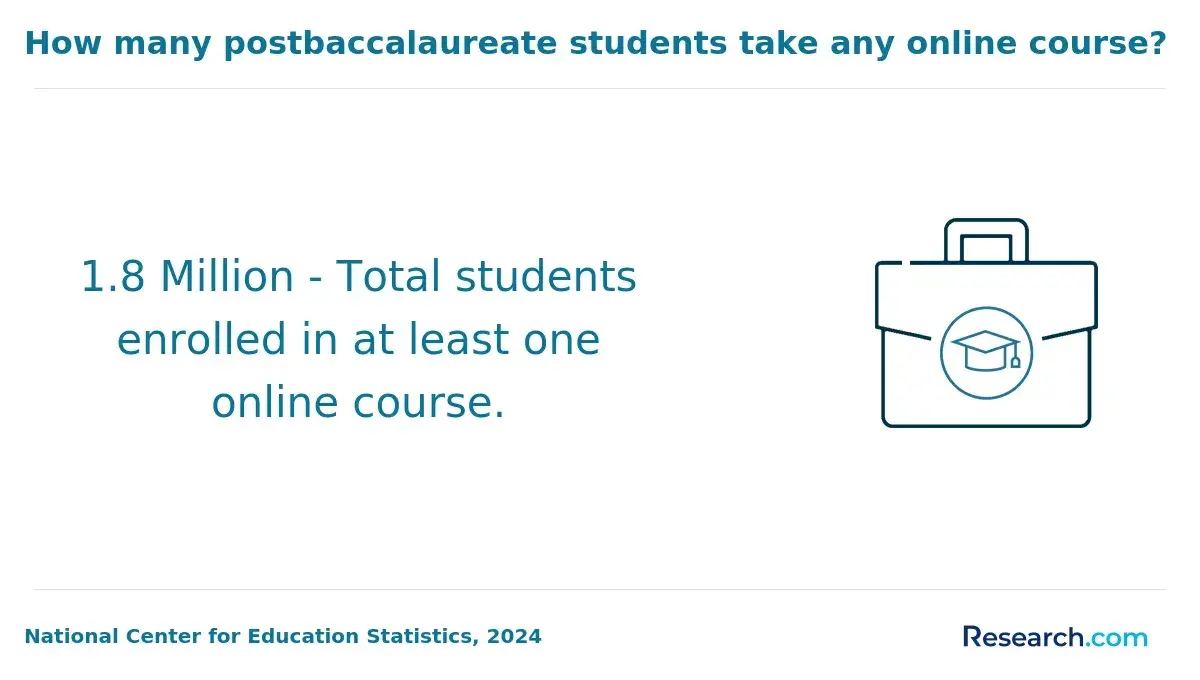
Admission requirements for online teaching programs share many commonalities with their on-campus counterparts but often offer increased flexibility to accommodate diverse student needs. Notably, enrollment in online graduate education programs has grown by more than 10% annually in recent years, reflecting greater accessibility and evolving admission practices. Below are several key differences to consider:
- GPA Flexibility: Online programs may accept slightly lower GPAs when applicants demonstrate relevant professional experience, allowing for a broader range of candidates.
- Test Waivers: Requirements for standardized exams such as the GRE or Praxis are more frequently waived in online admissions, especially at the master's level, aiding working professionals balancing education with career obligations.
- Emphasis on Experience: Professional teaching or related work experience often plays a larger role in evaluating online applicants, highlighting the importance of self-motivation and independent learning capabilities.
- Application Focus: Personal statements or essays tend to carry more weight in online program applications, emphasizing candidates' time-management skills and commitment.
- Flexible Scheduling: Many online programs offer rolling admissions or multiple start dates, providing greater convenience compared to traditional deadlines and facilitating enrollment for adult learners.
Requirements do vary widely depending on the institution, degree level, and specific teaching specialization, so prospective students should verify details for each program of interest.
When I spoke with a graduate from an online teaching degree program about whether the admission process felt distinct, he recalled feeling both relieved and challenged. "The ability to apply without strict standardized test scores was a huge relief," he said, explaining that preparing for those exams while working full-time had been daunting.
However, crafting a detailed personal statement to express his motivation and experience required significant reflection and effort. He also appreciated the multiple enrollment windows, which allowed him to begin the program at a time that fit with his career schedule. "Ultimately, the process felt tailored to adults managing busy lives, but it definitely demanded clear focus and self-discipline," he added.
Are English proficiency tests required for teaching admissions?
Most teaching degree programs require proof of English proficiency, with about 80% requesting scores from standardized tests such as the TOEFL or IELTS. However, there is a growing acceptance of alternative methods to demonstrate language skills. Below are some key considerations regarding English proficiency requirements for teaching admissions:
- Standardized Testing: Exams like TOEFL and IELTS are the primary measures accepted by the majority of programs to verify English fluency. These tests provide a consistent benchmark across applicants from diverse backgrounds.
- Testing Waivers: Some programs waive English test requirements for candidates who completed prior education in English or come from countries where English is the dominant language. This recognizes existing language competence without additional testing.
- Score Expectations: Minimum scores typically fall between 80 and 100 on the TOEFL iBT or 6.5 to 7.0 on the IELTS Academic version. Meeting these thresholds ensures applicants have adequate communication skills for academic and instructional environments.
- Alternative Proof: Experience working in English-speaking settings or completing intensive language programs may sometimes substitute for standardized test scores, offering flexibility for diverse applicant profiles.
- Program Format: Online teaching programs often maintain more flexible English proficiency standards compared to their on-campus counterparts, reflecting different instructional and interaction modalities.
How much do teaching degree program admission requirements cost?
Costs related to admission for teaching degree programs can accumulate quickly, covering application fees, testing, and document services. Research shows that applying to graduate programs often ranges between $100 and $300 per institution, depending on various factors. Below are some typical expenses prospective teaching students might face during the admissions process.
- Application Fees: These commonly range from $50 to $100 per program and cover administrative tasks linked to reviewing your submission. They are usually non-refundable and differ by school.
- Standardized Testing: Tests like the GRE or Praxis, often required, can cost between $150 and $250. Some programs offer waivers or follow test-optional policies, which may reduce or eliminate this expense.
- Transcript Evaluation: If education was completed outside the U.S., evaluations are necessary and typically cost $50 to $150. Domestic applicants generally do not need this service.
- Credential and Background Checks: Certain programs require verification of clear criminal records or valid teaching credentials, with fees from about $30 to $60 depending on the region or institution.
- English Proficiency Exams: Non-native English speakers may need exams such as TOEFL or IELTS, which usually cost between $180 and $250. Occasional fee waivers or discounts may be available.
When discussing how much teaching degree application expenses impacted her, a recent graduate shared that navigating these fees required careful budgeting. She recalled, "Balancing the combined costs was challenging, especially with unexpected expenses like background checks popping up late in the process."
Despite the financial strain, she emphasized that knowing these potential costs ahead helped her plan more effectively. "The transparency about fees reduced anxiety and let me focus on preparing strong applications." Her experience highlights the importance of understanding all admission-related costs early to avoid surprises and make informed decisions.
Do schools provide academic support for students admitted with lower metrics?
Many teaching degree programs admit students with a range of academic profiles to foster diversity and support the development of future educators from varied backgrounds. Institutions recognize that standardized metrics like GPA and test scores do not fully capture a student's potential or commitment to teaching.
To help students admitted with lower academic indicators succeed, schools often provide targeted academic support services designed to enhance retention and overall performance. Below are some common types of support offered to assist these students.
- Tutoring and Personalized Help: Many programs offer one-on-one or small group tutoring tailored to challenging subjects, helping students improve understanding and build confidence. This support is especially important for students admitted with low GPA admissions, ensuring they gain the skills needed for academic success.
- Bridge or Foundational Courses: These courses provide essential preparation in core subjects before students move on to more advanced classes. Such foundational coursework helps level the playing field, allowing students with varied academic backgrounds to keep pace with their peers.
- Academic Advising and Mentorship: Dedicated advisors guide students through degree requirements and help develop personalized study plans. Regular mentoring supports time management, goal setting, and academic planning, which are critical for retention and degree completion.
- Skills Workshops: Workshops targeting study techniques, test-taking strategies, and professional communication help build essential competencies. These sessions often address gaps for students entering with lower traditional metrics.
- Early Intervention and Probation Support: Systems that monitor academic progress closely allow institutions to identify struggling students early. Structured probation policies typically combine clear expectations with proactive support rather than immediate dismissal, encouraging improvement and persistence.
For prospective students comparing GPA expectations and admission criteria, finding programs that offer strong academic support can be crucial. Those interested in affordable options may want to explore programs listed under the cheapest online college bachelor degree category for a balance of cost and support quality.
What questions should you ask admissions counselors before applying?
Speaking with admissions counselors before applying to teaching degree programs helps clarify expectations, tailor applications, and avoid costly surprises. A recent study shows that nearly 65% of admissions decisions hinge on nuanced factors beyond minimum GPA requirements for teaching degree programs and standardized test scores needed for education admissions, highlighting the value of direct communication with admissions staff.
Prospective students should prioritize asking these essential questions during their conversations:
- How flexible are admission criteria? It's important to know if the program rigidly enforces minimum GPA requirements for teaching degree programs or if a holistic review allows for other strengths to compensate, such as relevant experience or other achievements.
- Are prerequisite courses or experience required? Clarify if there are specific teaching experiences or coursework that must be completed beforehand to avoid disqualification or last-minute surprises in the admission process.
- What program formats and schedules are available? Understanding whether online, part-time, or accelerated options exist enables applicants to align study plans with work or personal obligations, especially for working professionals.
- What financial aid and hidden costs exist? Candidates should inquire about scholarships, assistantships, and any unexpected fees to plan finances realistically and avoid debt pitfalls.
- What academic support and career services are offered? Knowing how the program supports student success, job placement, and ongoing career development is crucial for long-term outcomes.
Applicants seeking flexible and accessible routes might explore quick online degrees known for balancing quality and efficiency in education pathways.
Are teaching programs with higher admissions standards associated with better salaries?
Applicants often believe that more stringent admissions criteria, like higher GPAs and test scores, lead to better salary prospects after graduation. A workforce study found that graduates from highly selective teaching programs tend to earn 8-12% more within five years, though this varies significantly by region and institution type.
Several factors influence how admissions selectivity relates to salary outcomes for teaching graduates:
- Institutional Reputation: Prestigious programs may provide valuable alumni networks and industry connections that help graduates access higher-paying positions.
- Curriculum Depth: While rigorous coursework equips candidates well, practical experience and quality of field placements strongly impact job readiness and earning potential.
- Employer Demand: Local district needs or specialty areas can outweigh a program's selectivity when determining starting salaries.
- Prior Experience: Previous teaching or related work often correlates more closely with salary levels than academic credentials alone.
- Admissions Limits: Using entrance standards as the sole indicator for earnings ignores critical factors like geography, certification paths, and ongoing professional development.
What Graduates Say About Their GPA, Test Scores, and Experience Needed for Teaching Degree
- Esther: "Getting into the teaching degree program was initially daunting due to the GPA and test score requirements, but focusing on steady improvement and gaining volunteer experience helped me qualify. The total cost, from admissions through graduation, was manageable compared to other degrees, averaging around $40,000. Completing the program opened doors to meaningful work as an elementary school teacher, and I feel confident about the impact I can make every day."
- Sherri: "Reflecting on my journey into a teaching degree, balancing GPA standards and test preparations meant dedicating extra hours beyond coursework. The financial investment, roughly $35,000 in total, was significant but worth it for the hands-on experience and support I received. Since graduating, I've advanced to a lead instructor role, which has truly enhanced my professional satisfaction and growth."
- Faye: "Admission into the teaching degree program demanded strong academic performance and relevant classroom experience, both of which I strategically developed. The comprehensive cost, including fees and materials, summed up to about $38,000, representing an investment in my future. Professionally, this credential solidified my position as a curriculum developer and deepened my commitment to educational excellence."
Other Things You Should Know About Teaching Degrees
In 2027, most teaching degree programs require a minimum GPA of 3.0, though some may accept 2.5 with relevant experience. Test scores typically involve passing the Praxis Core or equivalent state exams. Practical teaching experience or volunteer work in educational settings is often expected.
In 2027, most teaching degree programs require a minimum GPA of 3.0. Test scores, such as the GRE or Praxis, vary by institution. Programs often seek applicants with prior teaching experience or relevant fieldwork to bolster practical skills and readiness.
Some teaching degree programs waive standardized test score requirements for applicants who demonstrate extensive classroom or educational experience. Candidates exhibiting practical skills and knowledge gained from years of teaching may be exempted from certain exams. However, this policy varies by institution and state, so applicants should verify specific program rules before applying.
References
- Check your eligibility to train to teach in England https://getintoteaching.education.gov.uk/non-uk-teachers/non-uk-qualifications
- How to Support Underrepresented Students — HE Professional https://heprofessional.co.uk/edition/7-ways-to-support-underrepresented-students
- NEW Requirements https://apply.wseiz.pl/en_GB/contents/content/13-new-requirements
- Teacher Certification Requirements https://www.lawrence.edu/academics/college/teacher-certification-education/certification-requirements
- Applying for Your Master's in Teaching https://teach.com/online-ed/education-degrees/online-mat-programs/application-guide/
- Pathway to Teaching, B.S. | Roberts Wesleyan University https://www.roberts.edu/all-programs/graduate-accelerated/pathway-to-teaching-bs/
- 30 Best Master's In Education Programs | GSH https://www.gradschoolhub.com/best/masters-in-education/
- How Much Can a Master's Degree Increase a Teacher's Salary? https://www.pointloma.edu/resources/education/how-much-can-masters-degree-increase-teachers-salary-0
- Admission Requirements/Deadlines - Teacher Education Advising and Licensure https://teal.charlotte.edu/graduate-certificate-in-teaching/admission-requirements-deadlines/
- Teacher Education Program Requirements https://catalog.usm.edu/content.php