
2027 Can You Get Licensed With an Online Teaching Degree? Requirements, Rules, and What to Know

Co-Founder and Chief Data Scientist
Many prospective educators wonder if an online teaching degree qualifies them for state licensure, especially given the rise of distance learning. Approximately 60% of teacher preparation programs now offer online or hybrid options, reflecting a growing shift in how teaching credentials are earned.
However, state requirements for licensure vary significantly and can affect graduates' eligibility. This article clarifies the specific licensure criteria linked to online teaching degrees and explores how state regulations and accreditation impact credentialing. Readers will gain a clear understanding of the rules and practical steps to ensure their online education leads to valid certification.
Key Benefits of Getting Licensed with an Online Teaching Degree
- Holding a licensed online teaching degree validates professional credibility, meeting state requirements essential for eligibility in public and private education sectors.
- Licensure expands employment opportunities nationwide, enabling job mobility across districts and states without requiring additional certification exams.
- Licensed teachers typically earn higher salaries and have better long-term advancement prospects, with salaries growing 15% faster than unlicensed educators.
Can You Get Licensed With an Online Teaching Degree?
Obtaining a teaching license through an online teaching degree is achievable when the program is properly accredited and fulfills state-specific licensure requirements. These online programs cover essential coursework such as educational theory, curriculum development, student assessment, and classroom management, mirroring traditional face-to-face studies.
They also incorporate practical elements like student teaching internships, arranged locally to provide necessary hands-on experience. Meeting these comprehensive standards and passing state certification exams are key steps for licensure eligibility, making online pathways viable for many candidates exploring how to get teacher license with online degree options.
Earning a license through an online teaching program opens access to regulated career paths in both public and private schools and allows for progression into roles involving subject specialization or educational leadership. Additionally, licensed teachers often benefit from enhanced salary prospects compared to uncertified educators. For those interested in related advanced study fields, exploring online SLP master's programs can complement a teaching career by broadening professional qualifications and opportunities.
Do Licensing Requirements for Teaching Vary by State?
Licensing rules for teaching exist to ensure educators demonstrate professional competence before entering the classroom. Requirements can vary widely by state, with the National Association of State Directors of Teacher Education and Certification (NASDTEC) identifying over 700 different teaching licenses nationwide, illustrating the extent of variation.
These differences influence how prospective teachers choose education paths and align with diverse state teaching license requirements. Key areas where requirements often differ include:
- Examinations: States require a variety of exams, ranging from content knowledge tests to pedagogy assessments. The specific tests and passing criteria can impact preparation strategies and certification eligibility.
- Supervised Experience: The amount and type of student teaching or supervised classroom time required varies, affecting the timeline and practical readiness for new teachers.
- Continuing Education: Professional development hours for license renewal differ by state. Understanding these requirements is essential for maintaining certification and planning ongoing education.
- Scope of Practice: Licenses may restrict the grade levels or subjects a teacher can instruct. This scope influences career specialization and geographic mobility.
- Renewal Policies: Validity periods and renewal procedures differ, requiring awareness of deadlines and conditions to sustain licensure without interruption.
Variations in teacher licensure rules by state can also affect those pursuing online teaching degrees. Choosing a program aligned with a specific state's standards helps ensure eligibility for licensure. For those exploring affordable options for related counseling education, consider reviewing the cheapest online counseling degree offerings to complement your professional development.
Are Online Teaching Programs Different From Campus Programs for Licensure?
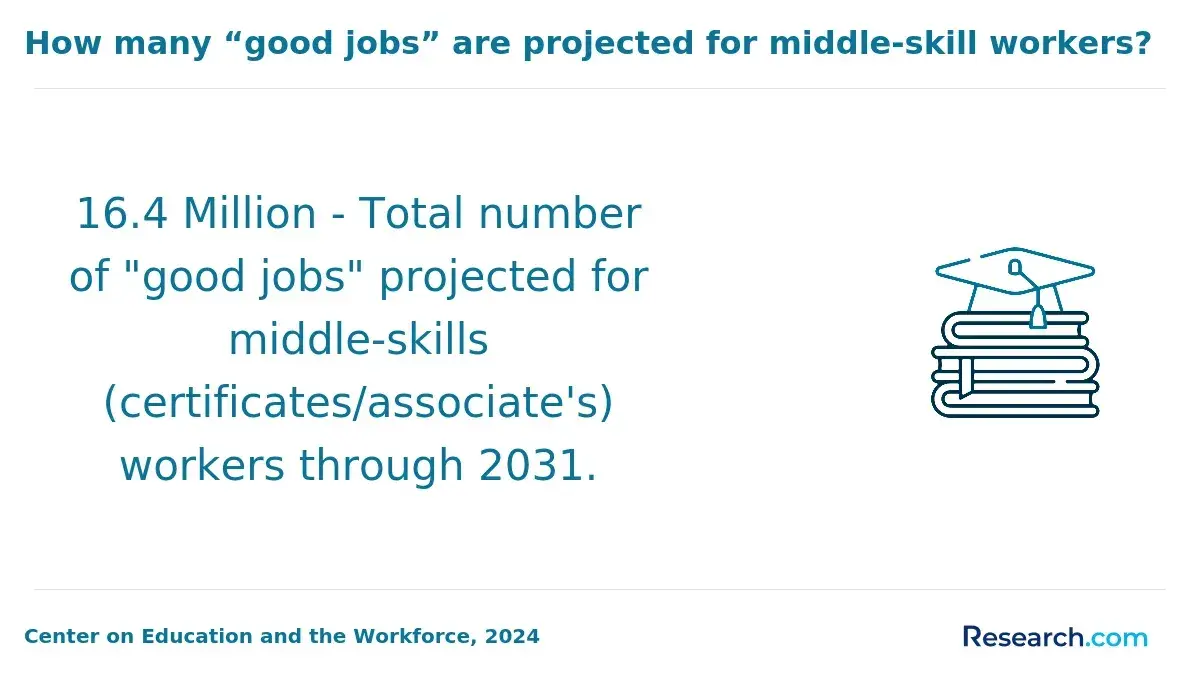
The format of a teaching program-whether online or on-campus-does not impact eligibility for licensure as long as the program meets state accreditation and curriculum standards. Recently, online enrollments have increased by over 5 million students nationwide, reflecting growing acceptance of online degrees for professional licensing.
- Curriculum Coverage: Both online and campus programs offer comparable, comprehensive curricula designed to meet state requirements. The content must cover essential teaching theories, methods, and subject knowledge regardless of delivery mode.
- Practical Experience: Hands-on training, such as student teaching, is mandatory and coordinated locally for online students to ensure compliance with licensure regulations. The in-person clinical components are critical no matter the program format.
- Skill Development and Assessments: State standards guide the development of skills like classroom management and instructional strategies in all formats. Assessments are aligned to measure readiness effectively, whether completed online or in traditional settings.
- Employer Perceptions: Employers increasingly recognize online degrees as valid, especially as these programs maintain rigorous standards and interactive learning platforms. This trend helps reduce stigma once associated with online credentials.
A licensed professional who earned a teaching degree online shared that choosing electives allowed flexibility to deepen expertise in areas like literacy and technology integration. He recalled initial skepticism from some peers about the equivalency of his degree but felt confident after completing his supervised teaching hours and passing all assessments. "The hands-on part was challenging to arrange, but once in a classroom, I realized the preparation was just as thorough," he said. His experience highlighted that dedication and program quality, not delivery mode, ultimately shape licensure success.
Does an Online Teaching Degree Require Clinical or Practicum Hours?
Online teaching degrees include clinical or practicum hours that are crucial for preparing students for licensure and professional classroom roles. These hands-on experiences allow future educators to develop essential skills that cannot be fully gained through online coursework alone.
- Required Hours: Clinical hour requirements for online teaching licensure typically range from 12 to over 20 weeks of in-person placements, often totaling between 600 and 1,000 hours. These extensive hours ensure comprehensive real-world practice.
- Placement Settings: Students complete these practicum hours in local schools near their residences, providing familiar environments to apply teaching theories and techniques. This proximity is a key feature that online programs use to facilitate onsite experiences.
- Supervision and Feedback: Experienced mentor teachers and university supervisors oversee these clinical hours, providing continuous guidance, evaluation, and support. Supervision enhances the development of professional competencies and classroom management skills.
- Skill Development: The practicum helps candidates cultivate vital teaching skills such as lesson planning, student assessment, and communication with diverse learners. These skills are mandatory for effective classroom leadership and successful licensure.
- Program Flexibility: Online teaching programs coordinate partnerships with schools near students to fulfill their practicum hour requirements. This hybrid approach balances flexibility with the necessity of verified in-person training, which states mandate for eligibility for teaching certificates.
Prospective students seeking an online teaching degree should carefully consider these clinical hour requirements to ensure their program meets state licensure standards. For those interested in related education fields, exploring an MLIS program might also be a valuable option.
What Licensing Exam Is Required After Earning an Online Teaching Degree?
Licensing exams are essential to confirm a graduate's mastery of teaching knowledge and skills and to ensure eligibility for state certification and employment. Approximately 90% of first-time test takers pass the required subject exams, demonstrating strong preparation among candidates, including those from online programs. Below are important details about the exam commonly taken after earning an online teaching degree.
- Exam Name and Purpose: The Praxis Series, administered by the Educational Testing Service (ETS), is the primary exam required in most states. It serves to assess both general academic skills and subject-specific expertise necessary for effective teaching.
- Core and Subject Assessments: Candidates typically take the Praxis Core Academic Skills tests, which evaluate reading, writing, and math abilities, along with Praxis Subject Assessments focused on the candidate's intended grade level and subject area.
- Exam Format: Tests include both multiple-choice questions and written responses, delivered mainly through computer-based platforms within designated testing windows for scheduling flexibility.
- Preparation Resources: Study guides, sample questions, and practice tests are widely available and recommended to reinforce content knowledge and test-taking strategies.
- Retake Policies: Candidates can attempt the exams multiple times if necessary, though states usually impose mandatory waiting periods between attempts to encourage adequate preparation.
- Relevance for Online Graduates: The exams mirror those taken by traditional students, confirming that online teaching degree programs effectively prepare candidates to meet state licensure standards.
When asked about the licensing exam experience, a licensed professional who completed an online teaching degree shared that while the exam initially felt daunting, thorough preparation alleviated much of the anxiety. She noted the convenience of flexible scheduling and appreciated the availability of comprehensive resources tailored to the Praxis format. Her path also involved balancing test preparation with other responsibilities, making time management crucial. Passing the exam felt rewarding and validated the value of her online education by aligning closely with classroom expectations she later encountered. Reflecting on the process, she emphasized that persistence and targeted study were key to overcoming challenges and gaining confidence as a future educator.
Is Supervised Work Experience Required After an Online Teaching Degree?
Yes, supervised work experience is typically required after earning an online teaching degree in the U.S. This practical component helps develop essential professional skills and confirms that graduates are prepared for the challenges of classroom teaching. Nearly 90% of teacher preparation programs mandate this hands-on experience as part of their licensure process. Below are the key elements involved in supervised work experience.
- Duration: Usually lasts for one semester or half an academic year, amounting to several hundred hours spent teaching in real classrooms.
- Settings: Carried out in K-12 public or private school environments, allowing candidates to engage with varied student populations and school cultures.
- Mentorship: Each candidate is paired with a licensed mentor teacher who offers guidance, constructive feedback, and models effective instructional techniques.
- Skill Development: Focuses on refining lesson planning, classroom management, student assessment, and adapting teaching strategies to meet diverse learning needs.
- Career Readiness and Licensure: Completing supervised work is essential to verify teaching competence and meets state regulatory requirements for professional certification. Without it, candidates generally cannot obtain full teaching licenses despite holding a degree.
Does Licensure Reciprocity Apply to Online Teaching Graduates?
Licensure reciprocity allows teachers licensed in one state to obtain certification in another state without completing the entire licensure process again. This flexibility is crucial for professionals moving across state lines who want to continue teaching without delays or redundant requirements. Several factors influence how reciprocity applies to online teaching graduates. Consider these key points:
- Eligibility Criteria: Reciprocity depends on passing required standardized exams covering content knowledge and pedagogy. Meeting these ensures that online teaching graduates satisfy minimum competency standards recognized by multiple states.
- Program Requirements: The teacher preparation program must align with the receiving state's standards, often including accreditation and curriculum coverage. Some states require in-person practicum hours, which certain online programs might not fulfill, affecting eligibility.
- State Agreements: Licensure transfer for online teachers varies widely because not all states participate in formal reciprocity compacts or bilateral recognition agreements. Checking whether both the original and destination states have such agreements is essential.
- Application Process: Obtaining reciprocity often involves submitting official transcripts, verification of prior teaching experience, standardized test scores, and other documentation. Timely and accurate paperwork is critical to avoid delays.
- Limitations and Challenges: Some states do not recognize online degrees from specific institutions or require additional training or coursework. These restrictions can impact career mobility despite licensure reciprocity agreements.
For graduates pursuing online teaching credentials, understanding state-specific rules on online teaching license reciprocity rules can significantly affect your ability to work in different regions. Planning ahead helps alleviate bureaucratic obstacles and broadens employment opportunities nationwide. Researching the most current policies also ties into broader career decisions, such as selecting among the highest paying degrees where teaching certification may intersect with salary potential and job demand.
What Are the Pros and Cons of Online Teaching Programs for Licensure?
Online teaching programs have seen enrollment growth exceeding 30% in the last decade, reflecting their rising appeal. Many students prioritize programs that support licensure to ensure their degree leads to proper certification. Below is an overview of key advantages and challenges related to licensure outcomes in online teaching programs.
Pros
- Flexible scheduling: Online formats allow students to manage coursework alongside work and family responsibilities, facilitating steady progress toward certification.
- Broader access: Geographic barriers are reduced, enabling candidates from diverse locations to pursue licensure without relocating.
- Often lower cost: Tuition and associated expenses may be more affordable, making licensure pathways more financially accessible.
Cons
- Limited practical experience: Some programs may not provide sufficient hands-on training or supervised classroom hours required by many state licensure boards.
- Restricted networking opportunities: Reduced face-to-face interaction can affect the development of professional contacts that support career advancement.
- Employer perceptions: Although evolving, certain employers may still question the rigor or legitimacy of online degrees in hiring decisions.
Does Getting Licensed With an Online Teaching Degree Affect Salary?
Obtaining licensure with an online teaching degree significantly influences earning potential. Licensed teachers typically earn 10% to 20% more annually than their non-licensed peers, according to Bureau of Labor Statistics data. This difference highlights the wage premium tied to demonstrated competencies and professional credentials. Understanding the impact of licensure on salary differences with online degree graduates is essential for career planning.
Key ways licensure affects salary and career advancement include:
- Eligibility for leadership roles: Licensed teachers often qualify for higher-paying administrative or specialist positions, such as department heads or curriculum coordinators. These roles frequently require certification, providing a pathway to increased earnings and influence.
- Access to specialized teaching assignments: Certification opens doors to positions that involve advanced responsibilities like special education or subject-area specialties, which often come with higher pay scales.
- Job security and salary scales: Many districts base teacher pay on certification status and years of licensed experience rather than solely on degree completion. Licensure increases job stability and can lead to incremental raises linked to career milestones.
- Opportunities for additional endorsements: Teachers holding licenses can pursue extra certifications that further enhance their qualifications and pay potential through supplemental stipends or bonuses.
For graduates holding an online teaching degree, earning licensure is integral to maximizing their financial rewards and professional growth. Even with a flexible online education path, state regulatory requirements ensure consistent licensure standards before these salary benefits apply. Those considering various programs should review licensure eligibility carefully, as it directly impacts teacher salary differences with online degree holders.
Prospective educators seeking an easiest online degree with practical career implications should prioritize programs aligned with state certification requirements to achieve licensure and capitalize on the associated salary advantages.
What Jobs Can You Get With or Without a License as an Online Teaching Degree Holder?
Licensure significantly shapes the career paths available to online teaching degree holders, affecting eligibility for various educational roles. Some graduates follow licensed routes for positions with clear advancement and benefits, while others opt for non-licensed jobs that may offer more flexibility. Employment data indicates about 85% of licensed graduates find work in their certified fields, compared to roughly 60% of those without licenses. Below are common roles for both categories.
Jobs With a License
- Certified Classroom Teacher: Leads instruction in public schools, managing lesson plans and student evaluations. This position often offers competitive salaries and union protections.
- Special Education Instructor: Provides tailored teaching to students with disabilities, requiring specialized credentials. It typically comes with distinct career advancement paths and additional support roles.
- School Counselor or Administrator: Oversees student services or school operations, usually needing extra qualifications. These leadership roles offer increased responsibility and higher pay.
Jobs Without a License
- Private Tutor or Educational Consultant: Offers personalized academic support and advice outside the public school system, allowing flexible schedules but often with less stable income.
- Corporate Trainer or Instructional Designer: Develops and delivers training programs within businesses, focusing on workforce skills rather than K-12 education. Growth potential depends on industry demand.
- Educational Content Developer: Creates curriculum materials or digital learning resources, contributing to education indirectly with fewer formal advancement opportunities.
What Graduates Say About Getting Licensed with an Online Teaching Degree
- Annabeth: "Enrolling in an online teaching degree program was one of the best decisions I ever made. The cost was surprisingly affordable compared to traditional routes, which made licensure within reach without breaking the bank. The flexible online format allowed me to balance work and study seamlessly, and now, as a licensed teacher, I feel fully prepared to inspire my students every day."
- Yana: "Reflecting on my journey, the online teaching degree provided both a cost-effective and comprehensive path to licensure. Although the program required discipline and self-motivation, the interactive coursework and supportive faculty made the experience rewarding. This degree significantly boosted my confidence and opened doors to new opportunities in education leadership."
- Tilo: "The investment in the online teaching degree program was justified by the quality of instruction and the smooth licensing process. The asynchronous classes fit my busy schedule well and allowed me to engage deeply with the material. Professionally, earning this degree online has accelerated my career advancement and reinforced my commitment to lifelong learning."
Other Things You Should Know About Teaching Degrees
Yes, you can obtain a teaching license with an online teaching degree in 2027. However, you must complete a state-approved program, pass required licensure exams, and meet other state-specific requirements to qualify for a teaching license.
Many accredited online teaching programs include exam preparation resources tailored to state licensing exams. These resources may include study guides, practice tests, and access to instructors familiar with licensure requirements. However, support levels can vary widely between programs, so carefully review what exam preparation the program offers before enrolling.
References
- Teacher Credential Requirements by State and Territory https://potomac.edu/teacher-credential-requirements-by-state-and-territory/
- Teacher Certification (Complete Guide) https://www.teach.org/becoming-teacher/teaching-certification
- Online tutoring jobs https://preply.com/en/online/tutoring-jobs
- Teacher certification (2025 - 2026): What you need to know | Achievable https://achievable.me/exams/praxis-core-reading/resources/2025-teacher-certification-what-you-need-to-know/
- Can You Get a Teaching Certificate Online? https://magoosh.com/praxis/can-you-get-a-teaching-certificate-online/
- Virtual Education Software https://www.virtualeduc.com/US-state-teacher-certification-requirements.php
- Teaching License Requirements: What You Need to Know in 2025 https://www.teachersoftomorrow.org/blog/insights/teaching-license-requirements/
- Teaching English Online Salary | International TEFL Academy https://www.internationalteflacademy.com/blog/how-much-money-can-i-make-teaching-english-online
- Online Teaching License Certification: Your Gateway to a Global Teaching Career - International College of Teachers and Trainers https://www.internationalcollegeofteacher.com/blog/online-teaching-license/
- How to Get Your Teaching License While Working Abroad https://www.teachingnomad.com/blog/blog/how-to-get-your-teaching-license-while-working-abroad/


