
2027 Sports Management Degree Careers That Do Not Require Graduate School

Co-Founder and Chief Data Scientist
Graduates with a sports management degree often face a distinct divide between career paths that welcome entry-level candidates directly after completing their bachelor's and those that demand graduate school credentials or specialized certifications. Approximately 42% of entry-level roles in sports-related fields prioritize practical experience and relevant internships over advanced degrees. This trend highlights the growing importance of hands-on skills within the sector.
This article examines sports management degree careers that avoid graduate school requirements, focusing on roles with strong long-term growth and employability potential.
Key Things to Know About the Sports Management Careers That Do Not Require Graduate School
- Many sports management roles allow direct workforce entry with a bachelor's degree, especially in marketing, event coordination, and team operations, where graduate degrees are not required.
- Employers prioritize relevant skills and experience over advanced degrees for entry-level roles, making internships and certifications crucial for job competitiveness.
- Practical experience gained through internships and part-time positions often outweighs academic credentials, offering meaningful career growth and higher employment rates among bachelor's graduates.
What Career Paths Can You Pursue with a Sports Management Degree Without Graduate School?
Many sports management degree holders successfully begin their careers immediately after earning a bachelor's degree, taking advantage of a variety of entry-level roles tailored to their skills. While opportunity availability depends on the type of position and current industry demand, data shows that approximately 70% of bachelor's-level graduates enter relevant sports management roles without pursuing graduate school.
Several entry-level jobs in sports management without graduate degree requirements are commonly accessible. These roles leverage the broad skill set acquired in undergraduate programs and fit well with hiring trends favoring bachelor's-level candidates.
- Sports Marketing Coordinator: This position capitalizes on marketing and promotional knowledge gained during the degree. It is often available to bachelor's graduates because of the demand for professionals who can effectively engage fans and sponsors.
- Event and Facility Manager: Managing sports venues and events demands organizational skills well taught in undergraduate studies, making these roles widely accessible without the need for further education.
- Sales Representative: Sports-related companies frequently seek sales professionals familiar with industry products, making this a common pathway for sports management graduates at the bachelor's level.
- Athlete or Sports Team Liaison: Acting as a communication link between athletes, teams, and organizations requires strong interpersonal abilities developed in the degree, enabling graduates to fill such roles without graduate credentials.
- Sports Recruiter or Talent Scout: Identifying and evaluating athletic talent is often entrusted to graduates who have gained relevant networking and analytical skills during their studies.
Each of these career paths reflects the availability of non-graduate sports management career opportunities that build directly upon undergraduate education. For those considering further education options, exploring the cheapest EdD programs online may offer future advancement possibilities.
What Are the Highest-Paying Jobs for Sports Management Degree Graduates Without a Graduate Degree?
Many of the highest-paying careers available to sports management graduates can be accessed without pursuing graduate school. Employers often prioritize bachelor's-level education in roles where strategic decision-making and revenue impact are key, creating strong demand for qualified professionals. Median salaries for entry-level positions typically span from $50,000 to $80,000 annually, with significant growth potential as experience accumulates.
Several roles stand out for their earning potential and importance within sports organizations:
- Sports Marketing Manager: This role commands high pay due to its direct influence on ticket sales, sponsorship deals, and fan engagement. Marketing campaigns they develop significantly boost team revenue, making their expertise highly valued even at early career stages.
- Athletic Administrator: Tasked with managing budgets, compliance, and staffing at collegiate programs, athletic administrators balance operational demands with competitive objectives. Their authority over large financial and human resources enhances their compensation.
- Sports Agent: While typically commission-based, agents can earn substantial incomes without advanced degrees by negotiating contracts and endorsements. Those working with high-profile or multiple clients often exceed six-figure earnings.
- Sports Event Manager: Overseeing large tournaments and conferences requires exceptional organizational skills and accountability for multimillion-dollar events. The complexity and scale of these responsibilities translate into lucrative salaries.
- Sports Facility Manager: Management of venue operations, safety, and maintenance in sports environments demands specialized knowledge. Competitive pay reflects the critical role these managers play in ensuring smooth event execution.
What Skills Do You Gain from a Sports Management Degree That Employers Value?
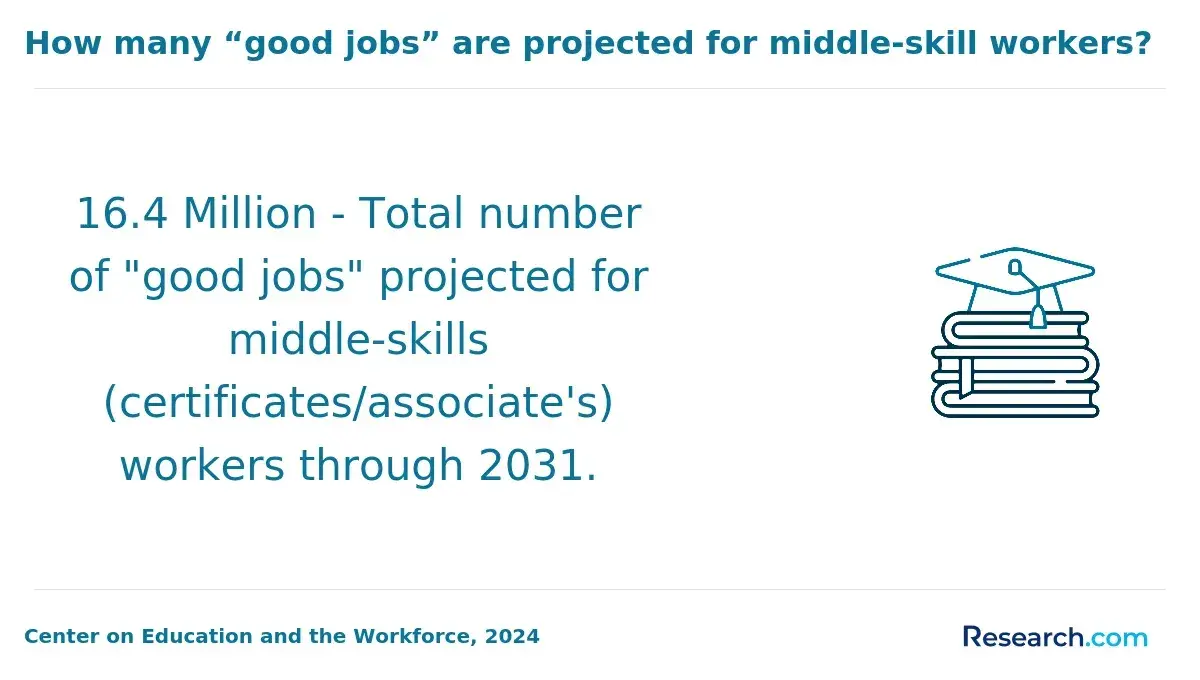
Sports management degree programs prepare students with a range of transferable skills that employers highly regard, particularly for positions not requiring graduate education. According to the National Association of Colleges and Employers, 92% of employers prioritize skills like communication and problem-solving when hiring bachelor's degree graduates.
Key skills developed through these programs include:
- Effective Communication: Students master the ability to clearly express ideas to varied audiences such as athletes and sponsors, facilitating collaboration and marketing efforts that are crucial in entry-level positions.
- Project Management: Through hands-on experience, learners develop the capacity to plan and manage event logistics, budgets, and timelines-skills that demonstrate dependability and organizational strength to employers.
- Critical Thinking: Coursework encourages analyzing complex situations and anticipating challenges, enabling graduates to offer swift, strategic solutions in dynamic work environments.
- Teamwork and Leadership: Collaborative projects and internships help students build interpersonal skills, preparing them to work well in teams or lead small groups effectively.
- Business Acumen: Knowledge of finance, marketing, and sports law equips students with a practical understanding that supports meeting organizational objectives from the outset.
What Entry-Level Jobs Can Sports Management Graduates Get with No Experience?
About 60% of sports management bachelor degree jobs attract recent graduates without prior professional experience, as employers frequently develop entry-level roles to help newcomers transition smoothly into the workforce. This hiring trend reflects the strong opportunities for sports management jobs hiring recent graduates, even without a graduate degree or extensive job history.
Common entry-level sports management careers no experience include several accessible roles designed to train and develop early talent. Here are some beginner roles in sports management that typically welcome new graduates:
- Event Coordination: These positions emphasize organizational skills over experience, providing hands-on opportunities for entry-level sports coordinator jobs. Coordinators support logistics and volunteer management, making this a common starting point for new graduates.
- Marketing Assistant: Sports marketing jobs for graduates with no experience often involve learning promotional tactics and fan engagement strategies through structured training, perfect for those aiming to build foundational skills.
- Sales Representative: Many organizations offer entry-level roles in ticket or sponsorship sales, leveraging robust training programs to prepare recent grads for these client-facing positions.
- Operations Support: This role involves assisting with day-to-day facility and team operations, providing broad exposure to sports administration jobs for bachelor's degree holders and fostering practical experience.
For those considering further education later, exploring options like the online MSW can complement early career paths in sports management industry without delaying workforce entry.
What Certifications and Short Courses Can Boost Sports Management Careers Without Graduate School?
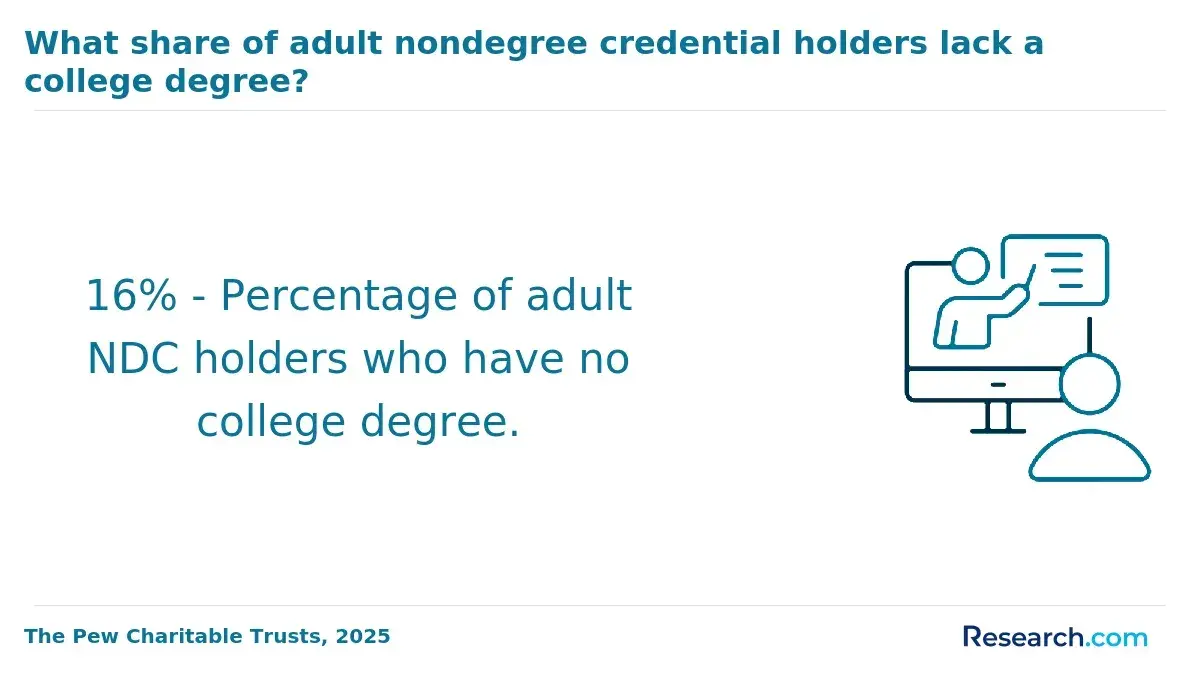
Certifications and short courses offer strategic advantages for sports management graduates aiming to boost employability without committing to graduate school. These targeted credentials provide practical expertise that employers increasingly seek to fill specialized roles. According to recent findings, 72% of hiring managers value certifications and short-term training when evaluating candidates in sports-related roles.
The following are some notable certifications and courses that can strengthen career prospects in the field:
- Certified Sports Event Executive (CSEE): This credential demonstrates skill in organizing and managing sports events, equipping graduates with hands-on knowledge that employers prize for event coordination and leadership roles.
- Sports Marketing Certification: Focusing on promotional strategies unique to sports, this certification enhances understanding of sponsorships, fan engagement, and branding, making candidates more competitive for marketing positions.
- Sports Ethics and Compliance Certificates: These programs address governance and legal considerations, broadening access to administrative and regulatory jobs that require attention to ethical standards in sports.
- Fitness and Coaching Certifications (NASM, ACE): These qualifications validate proficiency in athlete training and performance, offering a direct path into coaching and fitness careers without additional academic degrees.
- Project Management Certifications (PMP, CAPM): Earning these certifications helps refine operational and organizational skills relevant across numerous sports management roles, particularly those overseeing projects and teams.
Which Industries Hire Sports Management Graduates Without Graduate Degrees?
Various industries differ in how accessible they are for sports management graduates entering the workforce without pursuing graduate degrees. Some sectors are especially open to bachelor's-level candidates due to their broad hiring needs and the demand for versatile skill sets. According to the Bureau of Labor Statistics, about 45% of sports management-related roles are filled by those holding a bachelor's degree or less.
Key industries with frequent opportunities for these graduates include the following:
- Professional and Amateur Sports Organizations: These organizations often require a large operational workforce to handle event management, marketing, and athlete support, offering many entry-level positions suitable for bachelor's degree holders.
- Sports Marketing and Promotions: Agencies in this sector value creativity and a broad understanding of sports culture, allowing generalist roles that do not demand graduate-level specialization.
- Recreation and Fitness Centers: Public and private facilities need staff to manage programming and membership services, with a focus on operational efficiency rather than advanced academic credentials.
- Sports Retail and Equipment Companies: Sales, sponsorship coordination, and inventory management positions in this sector often prioritize practical experience and business skills accessible to those with bachelor's degrees.
- Collegiate and School Athletic Departments: Numerous entry-level roles in compliance, operations, and event support exist, driven by the large number of sports programs across educational institutions.
What Freelance, Remote, and Non-Traditional Careers Are Available for Sports Management Graduates?
Non-traditional career structures broaden access for sports management graduates by reducing dependence on conventional workplace pathways and formal employment settings. Digital platforms and independent work models create more flexible entry points by prioritizing skills and remote collaboration over formal qualifications or geographic proximity. Notably, about 37% of roles in fields related to sports management and recreation are now location-independent, reflecting a growing shift toward freelance and remote opportunities.
Several freelance, remote, and non-traditional work options offer sports management graduates without experience alternative routes to career development:
- Distributed Work Systems: These involve organizations operating with remote employees or contractors across various locations. In sports management, this can include roles like digital marketing support, virtual event coordination, and online athlete communications, all of which eliminate the need to be physically near sports venues.
- Digital-First Labor Markets: Online marketplaces and sports analytics platforms enable professionals to provide consulting, content creation, or data analysis remotely. This model emphasizes project completion and skill demonstration, allowing entry-level workers to build experience through diverse, short-term assignments worldwide.
- Project-Based Independent Work: Many sports management tasks are project-specific - organizing virtual sports camps, managing sponsorship proposals, or running online fan engagement campaigns. Freelancers can focus on individual projects with defined timelines, avoiding traditional full-time or location-bound roles.
- Remote Customer Engagement Roles: Sports organizations increasingly hire remote professionals for community management, chat support, and fan interaction activities. These roles enhance communication and administrative skills while offering flexibility in work location.
- Virtual Content Production: Creating digital media such as social media content, highlight reels, or podcasts remotely enables graduates to collaborate creatively with dispersed teams without geographic restrictions.
How Can You Build a Career Without Graduate School Using a Sports Management Degree?
Many sports management graduates begin their careers immediately after earning a bachelor's degree by securing entry-level positions designed for bachelor's degree holders. These roles provide essential workplace exposure, allowing graduates to develop practical skills in operations, marketing, event coordination, or athlete support.
Approximately 72% of sports management bachelor's degree holders find employment within the first year of graduation, highlighting strong workforce entry momentum without needing advanced degrees. This early career phase lays a foundation for experience accumulation and professional networking critical for future advancement in entry-level sports management jobs without a master's degree.
Long-term career growth for sports management graduates typically unfolds through increasing responsibilities and evolving roles within organizations. Professionals often advance by leveraging hands-on experience, demonstrating leadership, and managing complex projects, rather than pursuing graduate school.
This progression can vary across different sectors but focuses on building expertise through ongoing professional engagement. For those interested in expanding their knowledge beyond sports, exploring related fields such as game design degrees might offer additional career pathways.
What Are the Pros and Cons of Skipping Graduate School for Sports Management Careers?
Skipping graduate school is a common pathway in sports management careers, allowing many to enter the workforce sooner and gain practical experience. However, this decision can influence both early job access and long-term professional opportunities depending on the chosen career trajectory. Research indicates that about 45% of sports management roles receive over 200 applicants, underscoring the competitive nature of the job market.
Here are some pros and cons of skipping graduate school for sports management careers:
- Early Workforce Entry: Graduates with a bachelor's degree can start working immediately, gaining valuable experience and building networks without the delay of additional schooling. This can be advantageous in dynamic sports environments where experience often weighs heavily in hiring.
- Opportunity Cost Savings: Avoiding graduate school reduces tuition expenses and student debt, preserving financial resources. It also allows earlier income generation, which can be critical for some candidates.
- Long-Term Progression Limits: Certain selective employers, such as university athletic departments or professional sports leagues, often prefer or require graduate degrees for advanced roles. This may restrict career advancement without further education.
- Flexibility in Career Exploration: Bypassing graduate studies gives individuals more freedom to explore diverse roles within sports management, testing different sectors before committing to specialized graduate training.
Some organizations, like large institutional employers and specialized sport marketing firms, often expect advanced degrees due to the specialized expertise required. Yet, many find fulfilling careers without them, depending on employer selectivity. For those considering further education later, accessible options like MBA online programs can provide graduate credentials without interrupting career momentum.
Understanding these advantages and disadvantages helps students make informed decisions about the advantages and disadvantages of entering sports management without graduate degree credentials.
What Are the Real-World Career Outcomes and Job Market Trends for Sports Management Graduates?
The job market for sports management graduates holding a bachelor's degree shows varied employment trends influenced by workforce demand and industry needs. Median salaries typically range between $40,000 and $60,000, reflecting diverse career entry points. Many graduates find roles without additional schooling, benefiting from practical experience and networking. Data on bachelor's level sports management employment trends indicate that success often depends on individual effort and regional opportunities rather than solely formal education.
Outcomes for sports management graduates differ significantly across sectors due to labor market dynamics, which shape compensation and job availability. Some roles require specialized skills or strong professional networks, while others are more accessible but offer moderate pay. Opportunities span various facets of the sports industry, with job market fluctuations influencing who succeeds. For those exploring degree options, resources like physics programs illustrate the importance of aligning studies with market demand and personal strengths.
What Graduates Say About Sports Management Careers Even Without Pursuing Graduate School
- Lawrence: "Graduating with a sports management degree opened doors for me right away. I was able to secure an entry-level position with a regional sports team, which gave me invaluable hands-on experience. I always say the practical skills I gained during my studies prepared me far better than any textbook could have for the real world."
- Yitzchok: "Reflecting on my journey, not pursuing graduate school was a deliberate choice that worked out well thanks to my sports management education. The curriculum's emphasis on event planning and sports marketing helped me excel in my first role coordinating community sports events. It's empowering to know that my degree alone was enough to launch a fulfilling career."
- Cameron: "My sports management degree gave me a solid foundation to step confidently into the workforce. While some peers opted for graduate studies, I dove into the industry and quickly advanced by applying what I learned about organizational leadership and sports finance. The direct transition from college to a managerial role in a sports facility exceeded my expectations."
Other Things You Should Know About Sports Management Degrees
Internships play a crucial role in building practical experience in sports management careers without graduate study. They allow students to connect classroom knowledge with real-world applications, often leading to job offers or valuable professional contacts. Employers typically value hands-on experience as much as academic credentials in this field.
Yes, many entry-level positions in sports management provide pathways to supervisory or management roles over time. Gaining industry experience, demonstrating leadership skills, and continuing professional development can enable graduates without a graduate degree to advance. However, some higher-level management positions may still prefer or require advanced degrees.
Networking is highly important in sports management careers that do not require graduate school. Building relationships with professionals, attending industry events, and joining relevant associations can help uncover job opportunities and mentorship. This networking frequently compensates for the lack of a graduate degree by facilitating access to roles that prioritize experience and contacts.
References
- Sports Jobs https://www.teamworkonline.com/jobs-in-sports/entry-level
- Sports Job Training & Certification Courses | Sports Management Worldwide https://www.sportsmanagementworldwide.com/courses
- How to become a sport manager: Top 10 Skills - AISTS https://aists.org/how-to-become-a-sport-manager-top-10-skills
- Top Free Sports Management Certificate Programs Every 12th Pass Student Should Try https://inspiria.edu.in/free-sports-management-certificates/
- Sports Management Salary Guide https://www.allbusinessschools.com/sports-management/salary/
- 11 Short-term Sports Management Courses to pursue online https://www.careers360.com/courses-certifications/articles/11-short-term-sports-management-courses-to-pursue-online
- What are the career options after a master's degree in sports management? - INSEEC https://www.inseec.com/en/guides/career-path-guide/what-are-the-career-options-after-a-masters-degree-in-sports-management/
- MBA in Sports Management | Is it worth it? https://www.impulsyn.com/blog/mba-in-sports-management/
- Sport Management Degree Jobs (Skills, Duties & Salaries) https://activecareers.org.uk/articles/sport-management-degree-jobs
- Remote Sports Management Jobs https://www.virtualvocations.com/q-remote-sports-management-jobs.html


