
2027 Sports Science Degree Coursework Explained: What Classes Can You Expect to Take?

Co-Founder and Chief Data Scientist
Prospective students often struggle to understand the core coursework of a sports science degree and how it aligns with industry demands. According to the National Center for Education Statistics, over 45% of sports science graduates work in health-related professions requiring strong knowledge of anatomy, physiology, and biomechanics.
This data highlights the importance of a curriculum that balances scientific principles with practical skills. This article clarifies the typical classes students can expect, explaining how each contributes to developing the expertise necessary for careers in sports performance, rehabilitation, and research within the evolving sports science field.
Key Benefits of Sports Science Degree Coursework
- Courses develop critical analysis and research skills, enabling evidence-based decision-making crucial for roles in athletic training, physiotherapy, and sports management.
- Hands-on learning in biomechanics and physiology enhances technical expertise, increasing employability in health, fitness, and rehabilitation sectors.
- Graduates often command higher salaries, with industry data showing a 15% wage premium compared to non-specialized roles due to specialized knowledge and practical skills acquired.
What types of classes do you take in a sports science degree?
A sports science degree curriculum integrates diverse coursework designed to build expertise in human movement, physiology, and performance enhancement. Studies indicate that over 60% of students engage in a blend of laboratory science and applied practice, highlighting the practical orientation of the program.
This curriculum structure aims to develop knowledge, critical thinking, and hands-on skills essential for both academic research and professional application. Below are common categories of classes that form the foundation of most sports science degree core classes.
- Core Foundational Classes: These courses provide essential knowledge in anatomy, physiology, biomechanics, and exercise science, enabling students to understand how the body functions and adapts during physical activity from a scientific perspective.
- Specialization or Elective Courses: Tailored to individual career goals, these classes cover areas such as nutrition, sports psychology, strength and conditioning, and injury prevention, allowing students to develop expertise in specific aspects of sports science coursework.
- Research and Methods Coursework: Focused on research design, statistics, and data analysis, these classes prepare students to critically evaluate scientific studies and conduct evidence-based investigations, a vital skill for advancing in this field.
- Practicum, Internships, or Capstone Experiences: Hands-on training opportunities provide real-world experience in settings like athletic training or rehabilitation clinics, enhancing professional readiness and applying theoretical knowledge.
For those exploring alternative educational pathways, options such as online RN to BSN programs without clinical requirements illustrate the growing flexibility in health-related degree programs.
What are the core courses in a sports science degree program?
Core classes in a sports science degree program are designed to establish essential knowledge and skills that support student success in both academic and professional settings. By focusing on foundational theory, research methods, and practical applications, these essential classes for sports science program build competencies that prepare graduates for diverse careers and further education.
These core courses also emphasize critical thinking and evidence-based practices, providing a solid base for students who may pursue advanced pathways like BSN to DNP programs.
The main core courses typically included in a sports science degree program include:
- Human Anatomy and Physiology: Focuses on the structure and function of the human body, offering detailed insights into how anatomical systems relate to movement and health.
- Exercise Physiology: Explores how the body responds and adapts to physical activity, equipping students with knowledge about metabolic processes and cardiovascular function during exercise.
- Biomechanics: Analyzes mechanical principles affecting human movement, helping develop skills to optimize athletic performance and reduce injury risk.
- Research Methods and Statistics: Teaches study design, data collection, and analysis techniques necessary for interpreting scientific data and supporting evidence-based decision-making in sports science.
- Sports Nutrition: Covers nutritional strategies that enhance athletic performance and recovery, integrating dietetics concepts with exercise requirements.
- Sport Psychology: Examines mental factors influencing athletes, including motivation, concentration, and coping strategies to improve performance.
- Strength and Conditioning: Focuses on training principles and program design to enhance muscular strength, power, and endurance for various sports and fitness goals.
- Professional and Ethical Practices: Provides grounding in professional standards, ethical considerations, and communication skills vital for careers in coaching, therapy, and health promotion.
What elective classes can you take in a sports science degree?
Elective courses in a sports science degree give students the chance to shape their studies around their unique interests and career goals. Research indicates that more than 60% of students select electives in areas like health, fitness, and rehabilitation, highlighting a rising emphasis on specialized expertise in these fields. Below are some popular electives that offer targeted skills and knowledge.
- Exercise Physiology: Examines how the body reacts and adapts to exercise, covering energy production, muscle performance, and endurance. This course is beneficial for those aiming to work in athletic training or rehabilitation settings.
- Biomechanics: Investigates the mechanical laws that govern human movement, enhancing analytical abilities essential for careers in sports equipment design, physical therapy, or movement analysis.
- Sports Nutrition: Focuses on dietary strategies and nutritional needs tailored for athletes. Graduates can apply this knowledge in roles such as dietitians or wellness coordinators.
- Sports Psychology: Explores mental techniques for boosting athletic performance and motivation, supporting future work in coaching or sports counseling.
- Injury Prevention and Rehabilitation: Teaches assessment and treatment methods to reduce sports injuries, crucial for those pursuing careers in physical therapy or athletic training.
- Strength and Conditioning: Develops skills to create effective workout regimens designed to improve athletic capability, fitting for careers as personal trainers or performance coaches.
A professional who completed a sports science degree shared insights from his elective choices, describing the process as both challenging and rewarding. He recalled feeling uncertain at first about which electives would best align with his goals but found that exploring several classes helped him narrow his focus.
"I spent a lot of time weighing practical skills against personal interest," he explained, noting that some courses stretched his limits, especially when balancing theoretical knowledge with hands-on practice.
Ultimately, he felt the electives allowed him to build a unique skill set that set him apart in the job market. "Those classes weren't just academic requirements; they became the foundation for my career path," he added.
Are internships or practicums required in sports science programs?
Practical experiences in sports science programs offer essential opportunities for students to apply academic concepts in authentic settings, enhancing their comprehension and capabilities. These hands-on components are integral to bridging theory with practice.
Studies show that more than 70% of accredited sports science programs in the U.S. mandate an internship or practicum. Below are key details about these experiential learning elements:
- Program Requirements: Most programs require completion of an internship or practicum to graduate, emphasizing real-world application alongside coursework.
- Duration and Hours: Students typically complete between 100 to 300 hours in practical settings, ensuring meaningful engagement with professional environments.
- Variety of Experiences: Placements often take place with sports teams, fitness centers, rehabilitation facilities, or research laboratories under expert supervision, allowing diverse exposure.
- Skills Developed: Internships focus on building competencies such as injury assessment, exercise evaluation, exercise program design, and analyzing athletic performance metrics.
Is a capstone or thesis required in a sports science degree?
Culminating projects such as capstones and theses showcase students' understanding and application of sports science concepts, blending academic rigor with practical skills. Recently, around 60% of bachelor's sports science programs have integrated these final projects to emphasize hands-on learning and mastery. Here's a breakdown of the main distinctions and expectations.
- Purpose and Focus: Capstones address practical challenges in sports science, encouraging students to apply classroom knowledge to real-world scenarios. Theses demand original research, hypothesizing, and analytical inquiry aimed at advancing the field's academic landscape.
- Skill Development: Capstones enhance project management, communication, and teamwork abilities, preparing students for collaborative industry roles. Theses develop critical thinking, data analysis, and scholarly writing skills valuable for research or graduate studies.
- Time Commitment: Capstone projects are typically confined to one semester and have a lighter workload. Theses often extend across multiple semesters, requiring sustained research effort and close faculty mentorship.
- Career Path Alignment: Students pursuing immediate industry employment often choose capstones to demonstrate practical competence. Those targeting academic positions or further education usually opt for theses to build a strong research foundation.
- Program Variability: Requirements differ widely by institution and degree level; some programs mandate one option, while others allow students to select based on personal goals.
When I spoke with a professional who completed a sports science degree, she reflected on her decision to undertake a thesis. "It was challenging to sustain momentum over several semesters," she revealed, "especially balancing data collection alongside coursework and part-time work."
She described the process as rigorous but rewarding, noting that formulating her own research question gave her a strong sense of ownership and deepened her understanding of kinesiology. "The thoroughness required sharpened my analytical skills and boosted my confidence in presenting complex findings."
At the same time, she acknowledged that a capstone's practical focus might have suited her better earlier in the program but appreciated the depth the thesis ultimately provided. This experience highlights how choosing between a capstone or thesis shapes the educational journey and post-graduation opportunities in sports science.
Is sports science coursework different online vs on campus?
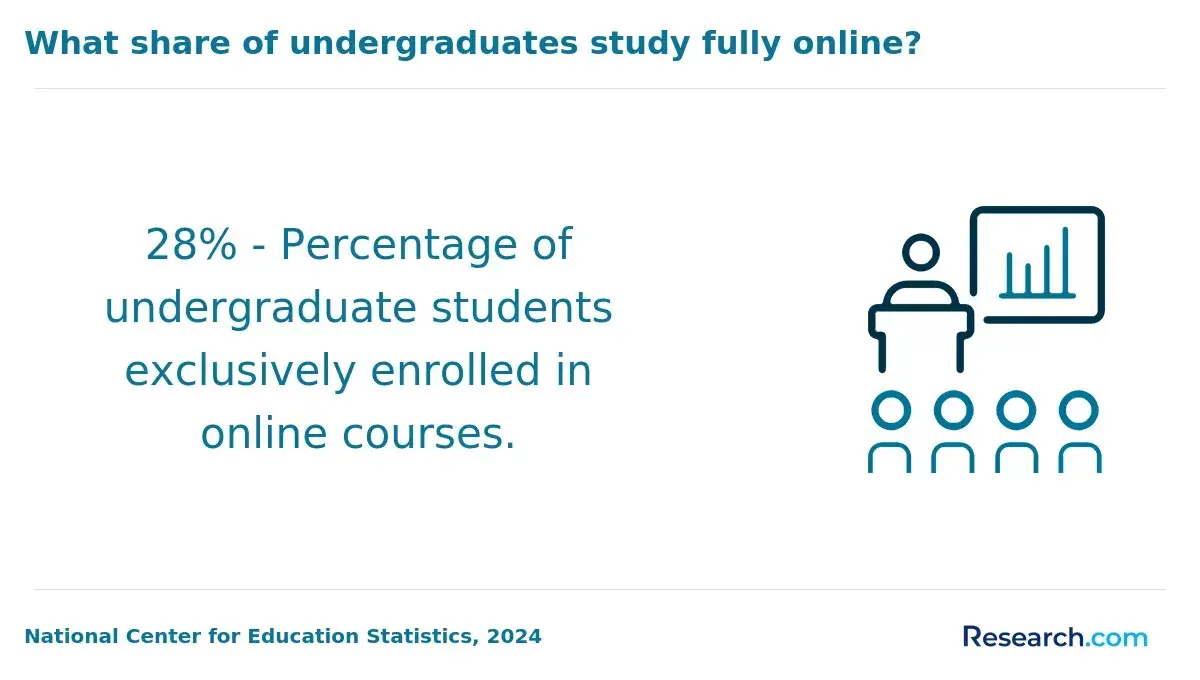
Sports science coursework generally maintains the same curriculum, learning outcomes, and academic standards whether taken online or on campus. Both modalities cover essential topics like anatomy, physiology, biomechanics, and exercise psychology to build a consistent knowledge base.
The primary distinction lies not in content but in how the material is delivered and experienced by students. Overall, students receive comparable academic preparation regardless of format.
On-campus programs emphasize hands-on labs, physical assessments, and direct engagement with instructors and classmates, offering tactile and face-to-face learning opportunities. Online courses substitute these elements with virtual labs, video demonstrations, and simulations, which may limit some practical experiences but still provide rigorous assessments through timed exams and digital submissions.
Online study provides increased scheduling flexibility, while campus learners benefit from immediate access to research facilities and fitness centers. Both formats adapt their practical components to suit their delivery method without compromising educational quality.
How many hours per week do sports science classes require?
Most students pursuing a sports science degree spend approximately 15 to 25 hours per week on their coursework. This time usually includes attending lectures and seminars, completing readings, working on assignments, participating in group projects, and engaging in applied learning such as labs or fieldwork.
Lectures and seminars generally require 6 to 10 hours weekly, providing essential theoretical knowledge. Outside of class, students might spend 5 to 8 hours on readings and exam preparation.
Assignments and written tasks often take another 3 to 5 hours, while group collaborations have flexible schedules. Applied activities like internships or practicums add an additional 3 to 7 hours, depending on individual program design. To give a clearer picture, here are key factors affecting the weekly time commitment for sports science classes:
- Full-time vs. Part-time Enrollment: Full-time students typically commit more hours weekly than part-time learners, balancing a heavier course load and more assignments.
- Course Level: Upper-level courses demand increased independent study and more complex projects, raising time requirements significantly.
- Online vs. On-campus Format: Online courses offer flexibility but require disciplined time management, sometimes increasing total hours spent due to self-directed learning.
- Number of Credits Per Term: Each credit generally corresponds to 2 to 3 hours of work weekly, so more credits mean higher weekly hours.
- Practicum or Project Requirements: Programs that include integrated practicum or capstone projects may require concentrated periods of in-person or hands-on engagement, adding to overall time.
Students considering the easy nursing schools to get into may find similar considerations regarding weekly study hours, underscoring the importance of understanding time commitments across health and science disciplines.
How many credit hours are required to complete a sports science degree?
Total credit hour requirements are a critical factor influencing the length, academic workload, and graduation timeline for sports science degree programs. These requirements vary depending on whether a student pursues an associate, bachelor's, master's, or doctoral degree. Recognizing how credits are allocated helps students effectively plan their course schedules and manage their academic progress.
Below is an overview of common credit-hour components typically found in sports science degree curricula:
- Core Coursework: For undergraduate programs, students usually complete between 120 and 130 credit hours, with core courses covering anatomy, physiology, kinesiology, nutrition, biomechanics, and exercise physiology. Graduate programs often require 30 to 45 credit hours focused on more advanced and specialized topics.
- Electives: Electives provide opportunities for specialization in areas like athletic training or sports psychology. These courses allow students to tailor their education to align with personal interests and career goals.
- Experiential Learning: Practical components such as internships, practicums, capstone projects, or theses usually represent 6 to 12 credit hours. These hands-on experiences are essential in preparing students for real-world professional challenges.
Credit hour requirements to graduate sports science programs vary by degree level and institution, balancing theoretical knowledge with applied practice to ensure students are career-ready. Early-career professionals interested in health-related fields may also explore an online healthcare administration degree for complementary skills in healthcare management alongside their sports science expertise.
How does sports science coursework prepare students for careers?
Sports science coursework directly enhances professional readiness by combining theoretical knowledge with applied learning experiences. This integration equips students with the skills needed to succeed in health, fitness, and athletic industries.
Employment outcomes after sports science degree studies are promising, with job growth in related fields such as exercise physiologists projected to rise 13% from 2022 to 2032, faster than the average for all occupations.
- Skill Development: Coursework delivers a solid foundation in anatomy, physiology, and exercise science. These essential skills prepare students to assess, design, and implement effective training and wellness programs in various professional settings.
- Applied Projects: Hands-on assignments and labs enable students to practice real-world problem solving and decision-making. Activities such as exercise testing and program design foster critical thinking crucial for adapting to workplace challenges.
- Industry Tools and Technologies: Students gain experience using current software and devices for data collection and performance analysis, reflecting the tools employers expect proficiency with in sports medicine and fitness sectors.
- Critical Thinking: Emphasis on analytical skills helps graduates evaluate research and apply evidence-based methods to improve client outcomes and team productivity.
- Professional Networking: Many programs encourage collaboration, internships, or partnerships with industry professionals. These connections support career development and job placement after graduation.
When seeking employer support for a sports science degree, clearly communicate how this coursework enhances your professional growth and benefits your organization. Preparing a plan that outlines your course schedule, expected timeline, and potential impact on workplace wellness demonstrates commitment and strategic thinking.
For students interested in affordable pathways or related healthcare degrees, exploring options such as the cheapest online RN to BSN programs can provide additional career flexibility and growth opportunities.
How does sports science coursework affect salary potential after graduation?
Completing coursework in sports science significantly impacts salary potential by equipping graduates with skills and experiences that employers highly value. Individuals with advanced knowledge in specialized topics often see better job opportunities and higher wages.
For instance, data from the U.S. Bureau of Labor Statistics shows that professionals holding relevant technical certifications can experience wage growth around 10% above those without such credentials.
Several aspects of sports science coursework contribute directly to earning potential:
- Development of In-Demand Skills: Courses focusing on data analysis and sports technology prepare students to handle performance metrics and use advanced tools. These capabilities are crucial for roles with greater responsibility and higher pay.
- Completion of Specialized and Advanced Courses: Classes in exercise physiology, biomechanics, and nutrition provide practical expertise that makes graduates more competitive for lucrative positions.
- Leadership and Management Training: Curriculum elements covering organizational behavior, program management, or sports psychology build skills needed for supervisory jobs, which typically offer increased compensation.
- Applied Experiences Like Practicums and Capstone Projects: Hands-on projects demonstrate the ability to apply theory in real-world settings, enhancing employers' confidence in graduates' readiness and boosting salary prospects.
- Certification Preparation: Integrating training for certifications such as the Certified Strength and Conditioning Specialist (CSCS) helps graduates enter the workforce with credentials that often translate into higher starting salaries.
What Graduates Say About Their Sports Science Degree Coursework
- Jill: "Enrolling in the sports science degree program was definitely worth the investment, even with the average coursework cost of around $15,000. Taking classes online gave me the flexibility to balance work and study, which made the learning experience very enjoyable and accessible. The knowledge I gained has directly boosted my confidence and skills as a fitness coach. "
- Theo: "Reflecting on my time in the sports science program, the tuition fees felt reasonable compared to the value of the education received. Attending on-campus allowed for hands-on experiences that, I believe, deepened my understanding of human physiology. These insights have profoundly influenced my approach to rehabilitation therapy."
- Reina: "From a professional standpoint, the cost of the sports science coursework was a strategic investment in my career development. I pursued the degree online, appreciating the convenience without sacrificing academic rigor. This coursework has been instrumental in advancing my role as a sports performance analyst."
Other Things You Should Know About Sports Science Degrees
Sports science courses typically use a mix of assessments including practical exams, written tests, research papers, and project presentations. Hands-on skills are often evaluated through laboratory work or field-based practicals, while theoretical knowledge is assessed through essays and multiple-choice exams. This combination ensures students grasp both the conceptual and applied aspects of the discipline.
Sports science degree programs in 2027 emphasize practical skills such as biomechanical analysis, physiological testing, and data interpretation. Students often gain hands-on experience with sport-specific technology and equipment, preparing them to apply scientific principles in real-world sports and exercise contexts.
References
- Bachelor of Science in Exercise and Sport Science https://education.wayne.edu/exercise-sport-science/bs
- Sports Science Internship and Applied Skills | Pitt SHRS https://www.shrs.pitt.edu/academics/smn/msss/applied-skills/
- Why Choose a Sport and Performance Online Degree? - UWS https://www.uws.edu/sport-performance-psychology/online-learning/
- The Current State of the Sport Science Field and Careers – Integration, Data, and Professional Pathways https://www.nsca.com/education/articles/nsca-coach/sport-science-field-and-careers/
- Sports Science Degree https://universitycompare.com/guides/subject/sports-science
- Unlocking the Value of Work-Ready Skills From Sports https://www.jff.org/blog/unlocking-the-value-of-work-ready-skills-from-sports/
- Sport Science Requirements - What Subjects You Need to Study Sport Science https://etacollege.com/what-subjects-you-need-to-study-sport-science/
- Top Reasons to Study Sports Science Degrees - AECC https://www.aeccglobal.sg/blog/top-reasons-to-study-sports-science-degrees/
- Sport and Exercise Science BSc (Hons) https://www.bath.ac.uk/courses/undergraduate-2026/sport-exercise-and-health/bsc-sport-and-exercise-science/
- Internships https://www.brockport.edu/academics/kinesiology/exercise-science/internship/


