
2027 Is a 2-Year Dental Assistant Degree Worth It: Accelerated Bachelor's ROI & Time Trade-Offs

Co-Founder and Chief Data Scientist
Many prospective students face uncertainty choosing between a 2-year dental assistant degree and an accelerated bachelor's program. According to the Bureau of Labor Statistics, dental assistant employment is projected to grow 7% from 2022 to 2032, faster than the average for all occupations.
Yet, the time and financial investment for an accelerated bachelor's can be significant, raising questions about its true return on investment. This article evaluates the career benefits, costs, and time trade-offs associated with these education paths, helping readers make informed decisions based on workforce trends and financial outcomes aligned with their goals.
Key Benefits of a 2-Year Dental Assistant Degree
- Graduates typically enter the workforce quickly, with average program completion around two years, enabling faster income generation compared to longer degrees.
- Median annual dental assistant salaries range near $41,000, offering a solid ROI relative to tuition and time invested in accelerated programs.
- Flexible program structures reduce opportunity costs, balancing education duration and practical experience for better long-term career advancement.
How Do 2-Year Dental Assistant Programs Work?
Two-year dental assistant programs offer a focused and intensive path to enter the dental field swiftly, making them attractive for students aiming to accelerate their career entry. Understanding the structure of these programs is vital for anyone weighing the benefits of an accelerated dental assistant degree.
Below is a breakdown of how these programs function and what students can expect throughout their study.
- Accelerated Pacing: These programs are designed to move faster than traditional schedules, often condensing what would be four years of study into just two. This requires students to handle compacted coursework and practical training within shorter time frames.
- Year-Round Enrollment: Many two-year dental assistant programs allow continuous enrollment without the typical long breaks. This format supports faster completion and helps maintain study momentum.
- Condensed Course Terms: Instead of semester-long classes, students generally attend shorter 8- or 12-week sessions, which concentrate learning and clinical practice into focused periods.
- Credit Load Expectations: Students carry a heavier credit load each term to meet accelerated program requirements, balancing both theory and hands-on experience efficiently.
- Instructional Format: Courses combine lectures, simulations, and supervised clinical experiences. This mixed approach ensures students develop strong practical skills alongside foundational knowledge like anatomy and infection control.
- Assessment Methods: Progress is evaluated through written exams, practical demonstrations, and clinical performance reviews, emphasizing competency rather than just credit accumulation.
- Curriculum Progression: Advancement hinges on mastering skills, often supplemented by externships in real dental offices to provide real-world application of learned techniques.
Compared to traditional dental education, these programs can save significant time and costs while preparing students for the workforce efficiently. For those wanting to further their qualifications smoothly, resources such as rn to bsn online programs without clinicals might offer additional flexible educational pathways.
Integrating these components helps prospective students grasp the demands and rewards of 2-year dental assistant programs structure and accelerated dental assistant degree requirements, supporting informed decisions about their education and career trajectory.
What Are the Admission Requirements for a 2-Year Dental Assistant Degree?
For those considering an accelerated bachelor's in dental assistant, understanding admission requirements is crucial for planning the pathway and ensuring eligibility. These criteria help applicants determine if they meet the basic academic and experiential standards necessary for success.
A closer look at typical admission expectations reveals what prospective students should prepare for when applying.
- Prior Education: Most programs require a high school diploma or an equivalent certification like a GED. This foundational credential is essential to meet the minimum eligibility requirements for dental assistant degree programs.
- GPA Expectations: While requirements vary, many institutions expect a minimum GPA ranging from 2.0 to 2.5 on a 4.0 scale. This demonstrates general academic readiness and the ability to handle demanding coursework.
- Standardized Tests: Although not typically mandatory, some schools may require placement exams or specific assessments in reading and math. These tests ensure applicants have the skills needed for college-level study.
- Prerequisite Courses: Programs may ask for completion of introductory biology or health science classes. These provide foundational knowledge in dental terminology and patient care, aligning with the demands of clinical practice.
- Work Experience: Prior healthcare experience is usually not required but can strengthen applications. Relevant background can offer valuable context and may ease transition into hands-on training phases.
- Accreditation and Standards: Admission criteria can also be influenced by state regulations and program-specific accreditation standards. Selecting a recognized program ensures education quality and eligibility for professional credentials.
Dental assisting is a growing field with an 11% expected job growth from 2022 to 2032, according to the U.S. Bureau of Labor Statistics. Students interested in fast-tracking their careers might also explore options like an medical assistant program for additional pathways.
Evaluating the 2-year dental assistant program admission criteria carefully helps align educational commitment with career goals.
What Does a Typical Week Look Like in a 2-Year Dental Assistant Program?
Knowing the weekly demands of a 2-year dental assistant program helps prospective students gauge the intensity and time investment needed to succeed in this accelerated path. A clear grasp of the academic and practical workload supports informed decisions and effective planning.
Here's an overview of what a typical week entails in such a program.
- Class Sessions and Lectures: Students attend several lectures weekly, each lasting one to two hours, focusing on essential subjects like dental anatomy, radiography, and infection control. These sessions build the theoretical foundation necessary for clinical practice.
- Assignments and Assessments: The coursework includes frequent quizzes, written tests, and skill demonstrations designed to reinforce knowledge and evaluate progress. These evaluations often vary between individual tasks and group projects, promoting both self-study and collaboration.
- Group Work and Collaboration: Peer interaction is emphasized through joint projects and study groups, fostering teamwork skills that are crucial in a dental office setting. This cooperative learning helps students share insights and tackle complex topics together.
- Independent Study Time: Beyond scheduled classes, students must dedicate significant time to reviewing materials and preparing for exams. Managing this self-directed learning on top of hands-on tasks requires disciplined time management.
- Instructor Interaction and Feedback: Instructors provide regular support through office hours and lab sessions, offering personalized guidance to clarify difficult concepts and improve clinical techniques. This ongoing feedback is vital for skill development.
- Time Management Expectations: Due to the program's accelerated pace, students need to balance multiple academic and practical commitments efficiently. Prioritizing tasks and maintaining focus become essential skills to stay on track.
When asked about his experience completing a 2-year accelerated bachelor's degree in dental assistant, a graduate shared, "The toughest part was adjusting to the nonstop rhythm.
Mornings often started with back-to-back lectures, and afternoons were filled with intense lab sessions where precision mattered more than anything else." He recalled feeling overwhelmed initially, but added, "Using every spare moment to review notes or practice techniques was crucial. There wasn't room to fall behind."
Reflecting on instructor feedback, he noted, "The one-on-one guidance really helped me refine my skills faster than I expected, making the long hours worthwhile." This firsthand insight highlights how demanding but rewarding each week can be in this fast-track program.
Are 2-Year Dental Assistant Programs Available Online?
Delivery format plays a crucial role for students pursuing an accelerated dental assistant degree, impacting flexibility, accessibility, and overall time management. Choosing between online or hybrid models can affect how students balance coursework with personal and professional commitments.
The following points explore the key features and considerations of these program formats.
- Fully online vs. hybrid formats: While fully online two-year dental assistant programs are rare due to the hands-on nature of clinical training, many schools offer hybrid models. These combine remote theoretical coursework with required in-person clinical practice at approved locations.
- Asynchronous and synchronous learning: Asynchronous courses provide flexibility by allowing students to access lectures and assignments whenever convenient, ideal for busy adults. Synchronous sessions, such as live discussions or virtual labs, foster real-time interaction with instructors and peers.
- Technology requirements: Students need reliable high-speed internet, a webcam, microphone, and compatible devices like laptops or tablets to participate effectively. Meeting these technical needs ensures smooth access to online content and communication.
- Student support services: Online learners often have access to tutoring, career counseling, and digital libraries, which help replicate the support found on-campus. These resources contribute to academic success and career readiness.
- Impact on pacing and engagement: Online delivery can accelerate course completion due to flexible scheduling options, yet mandatory clinical hours set a minimum program duration. Combining self-paced study with interactive sessions helps maintain focus and accountability throughout the program.
How Much Does a 2-year Dental Assistant Degree Cost?
Evaluating the total cost of a 2-year dental assistant degree is essential for assessing its return on investment, especially when weighing accelerated options. These programs not only involve tuition but also fees, materials, and other expenses that impact the overall financial commitment.
A closer look at these costs helps prospective students determine the true affordability of accelerated options before committing.
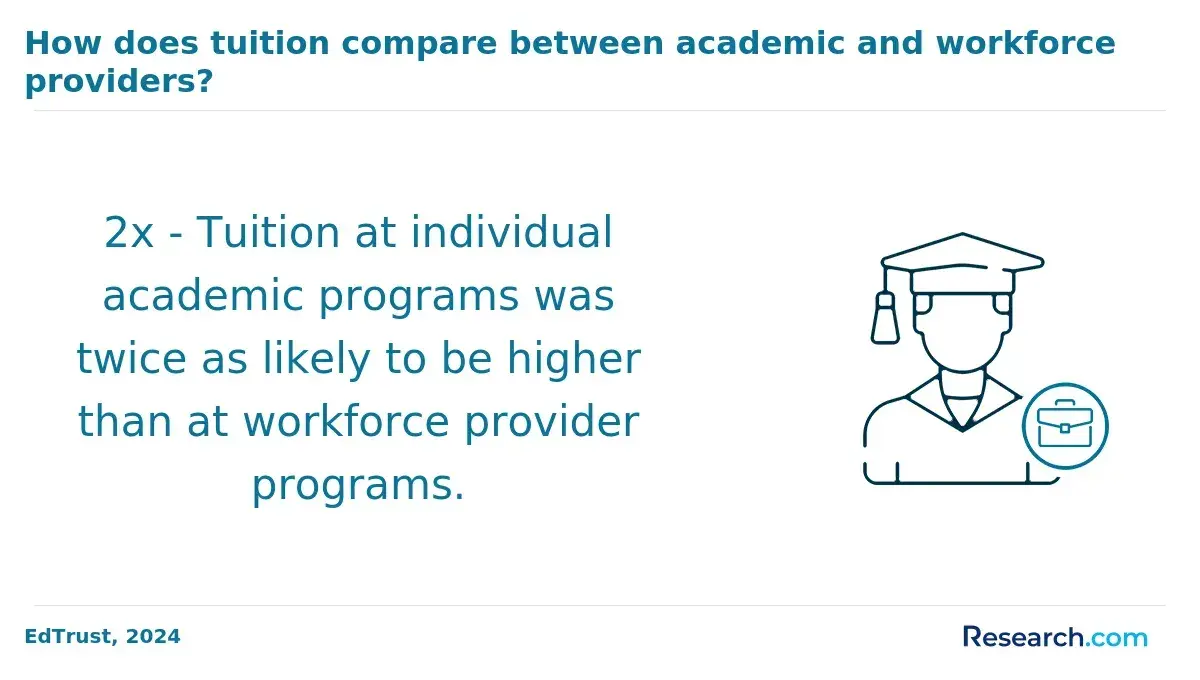
- Tuition structure: Tuition in accelerated dental assistant programs is often organized by credit hours, with more credits compressed into shorter terms. While this can increase short-term costs per term, it frequently reduces the total tuition by shortening the program length compared to traditional options.
- Fees: Additional mandatory fees typically cover administrative expenses, laboratory access, and technology use. These vary widely by institution but are necessary parts of the overall cost calculation.
- Textbooks and learning materials: Specialized textbooks and digital resources essential for dental assistant training can represent a significant expense. These materials often reflect the advanced content found in accelerated courses.
- Technology and lab costs: Accelerated programs may demand extra spending on specialized software or equipment needed for faster-paced, hands-on learning experiences in clinical and lab settings.
- Impact of accelerated pacing: By reducing the time to completion by 1 to 2 years, accelerated degrees can lower indirect costs and allow earlier entry into the workforce. This can make affordable dental assistant degrees 2 years in length more financially appealing despite higher per-term fees.
The National Center for Education Statistics (NCES) reports that average tuition for two-year dental programs ranges between $6,000 and $15,000 per year, varying with residency and institution.
Given the importance of these cost components, careful consideration is key to selecting a program that balances expenses with career advancement potential.
For those exploring health-related fields broadly, similar evaluations can be made for other options, such as a healthcare administration online degree, which also demands scrutiny of time and financial investment.
Can You Get Financial Aid for 2-Year Dental Assistant Programs?
Cost is a crucial factor for students considering accelerated 2-year dental assistant programs, as financing a shorter, intensive course load can be challenging. Access to financial aid can make these programs more affordable and accessible, but eligibility and disbursement timing may vary due to the compressed schedule.
The following points outline key financial aid options and considerations for students in these accelerated pathways.
- Federal student aid eligibility: Pell Grants and Direct Loans are commonly available to those enrolled at least half-time in accredited programs, but accelerated formats may influence enrollment status and aid distribution timing.
- Scholarships and grants: Numerous dental associations and community organizations provide funds that don't require repayment, helping to offset costs without adding debt.
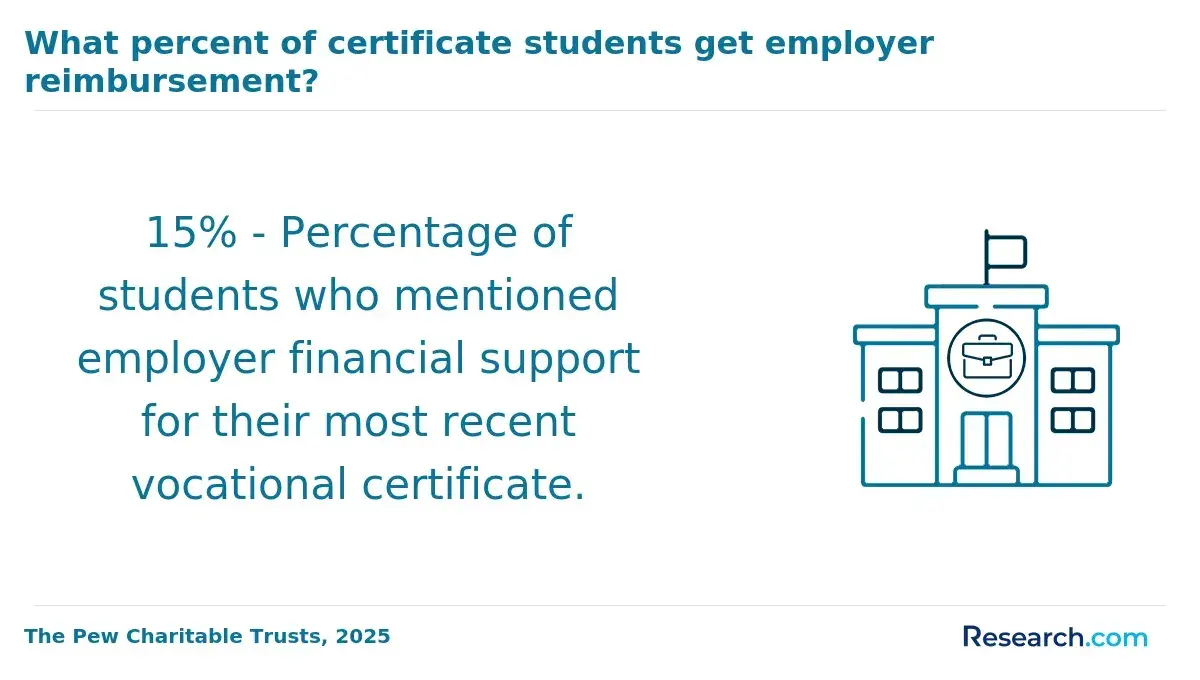
- Employer tuition assistance: Some healthcare employers offer financial help or reimbursements contingent on course completion or employment agreements, benefiting working students pursuing career advancement.
- Flexible payment plans: Many schools allow tuition payments to be spread out over semesters or months, easing financial pressure despite upfront costs.
- Accelerated pacing impact: Faster program completion can reduce total expenses but may complicate financial aid timelines, so early communication with aid offices is essential to avoid delays or eligibility issues.
When I asked a professional who completed an accelerated bachelor's in dental assistant about her financial aid experience, she described it as a balancing act between intense coursework and managing aid deadlines.
She recalled feeling uncertain initially about whether her fast-paced schedule would affect her Pell Grant disbursement. However, proactive visits to the financial aid office helped her understand requirements and timeline adjustments.
Her employer also contributed through tuition reimbursement, which relieved some burden. "It was stressful at first, but having multiple aid sources and staying organized made a big difference," she reflected.
Her story highlights the value of early planning and using all available financial resources to successfully navigate funding for an accelerated dental assistant degree.
What Jobs Can You Get With a 2-Year Dental Assistant Degree?
Evaluating career outcomes is crucial when considering the value of an accelerated dental assistant bachelor's degree. Understanding the types of jobs available after such a program helps prospective students align their time commitment and financial investment with realistic employment opportunities.
The following overview highlights common roles and career paths accessible to graduates.
- Entry-level dental assistant: Graduates often start as dental assistants in general dentistry offices where they support dentists during procedures, manage patient records, and sterilize instruments. The accelerated format quickly builds practical skills, allowing for faster workforce entry.
- Clinical dental assistant: This role involves direct chairside assistance during dental treatments, requiring familiarity with clinical protocols and patient care. Programs focusing on accelerated dental assistant certificate options prepare students to apply hands-on skills immediately.
- Specialized dentistry settings: Many find job opportunities with pediatric dentists, orthodontists, or oral surgeons, expanding their exposure to diverse procedural techniques and patient populations. The varied environments enhance professional experience early on.
- Support and laboratory roles: Some positions emphasize sterilization, instrument preparation, and basic lab tasks critical to dental office efficiency. Graduates with a 2-year dental assistant degree develop proficiency in these foundational responsibilities.
- Career advancement and expanded duties: The degree also serves as a stepping stone toward roles with expanded responsibilities, office management, or further education in specialized dental fields.
Strong demand and projected job growth reinforce the appeal of these programs. For those comparing options, considering cost efficiency alongside career trajectories is important.
Exploring the cheapest online nursing programs can provide insights into affordable educational pathways with practical outcomes relevant to healthcare professions like dental assisting.
How Do Salaries Compare for 2-year Dental Assistant Degree vs. Traditional Bachelor's Degrees?
Salary outcomes are a crucial factor when assessing the return on investment (ROI) of accelerated dental assistant degrees versus traditional bachelor's degree paths. Understanding these differences helps prospective students align their educational choices with their career and financial goals.
Below is a detailed comparison of the earnings and career prospects for those pursuing a 2-year dental assistant salary comparison with traditional bachelor's degree holders.
- Early-career earnings: Dental assistants with a 2-year degree or certificate typically start earning a median annual salary around $46,720, according to the BLS in 2023. This reflects a quick transition into the workforce due to the shorter education period compared to bachelor's degree holders.
- Long-term earning potential: Bachelor's degree holders generally have higher median salaries, approximately $70,000 as reported by the BLS, with greater opportunities for advancement. Over time, this degree can lead to roles with increased responsibility and pay that a dental assistant degree alone may not offer.
- Employer perception and career progression: Employers often view a 2-year degree as sufficient for entry-level dental assisting positions, allowing students to begin working sooner. Conversely, a bachelor's degree may open doors to management, sales, or specialized dental roles that tend to have higher earning potential.
- Time to workforce entry: Completing a dental assistant program usually takes about two years, enabling faster workforce entry than the four or more years needed for a traditional bachelor's degree. This difference accelerates early earning but might limit advanced career growth initially.
- Total lifetime earnings: Entering the workforce earlier can lead to earlier income accumulation for 2-year graduates. However, bachelor's degree holders may surpass this initial advantage over time due to enhanced upward mobility and access to higher-paying positions.
Prospective students weighing the benefits of an accelerated dental assistant program should also consider related educational pathways such as the cheapest rn to bsn options, which highlight how various degree lengths impact earning trajectories.
Evaluating the trade-offs between quicker entry and long-term growth aligns with the broader traditional bachelor's degree vs dental assistant earnings discussion.
Which Factors Most Affect ROI for Accelerated Dental Assistant Degrees?
Return on investment (ROI) is a crucial factor for students considering accelerated dental assistant degree programs, as it helps measure the value of time and money invested against future career gains. With education costs rising, evaluating ROI ensures that accelerated pathways align with both financial and professional goals.
The following key factors illustrate how accelerated programs can impact ROI.
- Time-to-completion: Accelerated programs shorten the typical degree duration, often cutting it by nearly half. This allows students to enter the workforce sooner, gaining practical experience and income earlier than those in traditional four-year tracks.
- Tuition and total cost: While per-credit charges in accelerated programs might be higher, overall expenses tend to be lower due to fewer semesters. Reducing total tuition lowers debt, enhancing the financial benefits of completing the degree quickly.
- Opportunity cost savings: Shorter study periods mean less time away from earning a salary, reducing lost wages during education. This advantage is heightened by strong industry demand for dental assistants, which supports quicker employment after graduation.
- Employment outcomes and salary growth: Programs emphasizing hands-on skills and relevant certifications improve job prospects and can result in higher starting pay. Median earnings for those holding bachelor's-level qualifications often exceed those with certificates or associate degrees.
- Industry demand: The dental assistant field is projected to grow faster than average healthcare occupations, signaling robust job availability. This demand enhances long-term salary potential and career stability.
- Transferability of skills: Accelerated degrees that cover a broad spectrum of competencies-from patient care to administrative tasks-offer flexibility. These skills open opportunities across various dental and allied health roles, supporting sustained career advancement.
How Do You Decide If a 2-year Dental Assistant Degree Is Right for You?
Choosing whether a 2-year dental assistant degree fits your needs requires reflecting on your personal learning preferences and schedule. Accelerated programs often demand a faster pace, so you should be confident in handling intensive coursework within a condensed timeframe.
Assess how much time you can dedicate, especially if balancing other responsibilities like work or family. Consider how quickly you want to enter the workforce and whether an accelerated path aligns with your urgency to start a dental assistant career. Being prepared for a focused, skill-oriented curriculum is essential for success.
Financially, shorter dental assistant programs generally cost less than longer degree options, which can make them more accessible upfront. With the median annual wage for dental assistants near $46,000 and job growth expected to exceed average rates, the return on investment can be favorable.
However, think about employer preferences, as some may prioritize hands-on experience from shorter programs but limit specialization opportunities.
It's also wise to consider how this degree fits into your long-term career plans and whether further education might be needed for advancement. Balancing these factors helps determine if this path meets your professional and financial goals.
What Graduates Say About Their 2-Year Dental Assistant Degree
- Arden: "Choosing a 2-year dental assistant program made perfect sense for me because I wanted to jumpstart my career without incurring excessive debt-the average cost was reasonable compared to longer degrees. Managing the intensive schedule was challenging, but the structured classes and hands-on training kept me engaged and motivated. Now, I'm confidently working in a busy dental office and feel my education has truly accelerated my professional growth. "
- Santos: "I opted for the 2-year dental assistant degree to balance my job and family responsibilities while still advancing my career. The program's pace required disciplined time management, but knowing the average cost was affordable helped ease my initial worries. Reflecting on my experience, this degree opened doors to valuable opportunities, and I now approach my work with greater knowledge and professionalism. "
- Leonardo: "The decision to enroll in a 2-year dental assistant program was driven by my goal to enter the healthcare field swiftly and cost-effectively, given the average cost of attendance was manageable. The rigorous schedule demanded commitment, yet it refined my time management skills significantly. Professionally, holding this degree has enhanced my credibility and allowed me to take on responsibilities that were previously beyond my reach. "
Other Things You Should Know About Dental Assistant Degrees
In 2027, a 2-year Dental Assistant degree is typically recognized by employers for entry-level positions. However, an accelerated bachelor's degree may offer broader career prospects and higher earning potential, making it more attractive for long-term opportunities in dental and related health fields.
Yes, pursuing an accelerated bachelor's degree after a 2-year dental assistant program can improve career advancement potential. The bachelor's degree may open opportunities in dental practice management, education, or specialized clinical roles that are less accessible with only an associate degree.
However, this additional education requires more time and financial investment with benefits that typically materialize over a longer period.
References
- Arch Dental Assistant School | Arch Assistant Program https://archdentalassistant.com/blog/dental-assisting/dental-assistant-schedules_-what-to-expect-in-the-field/
- Here’s Why You Should Enroll at a Dental Assistant School https://wsmda.edu/heres-why-you-should-enroll-at-a-dental-assistant-school/
- Two-year Degree Courses in the UK | GoStudyIn https://gostudyin.com/study-in-uk/study-options/two-year-degree/
- Scholarships, Grants, and Other Aid for Dental Assistant Programs https://careerkarma.com/blog/financial-aid-for-dental-assistant-programs/
- Asheville Dental Assistant School | Dental Assistant Program https://ashevilledentalassistant.com/blog/dental-assisting/exploring-the-roi-of-educating-the-next-generation-of-asheville-dental-professionals/
- 4 Signs You Could Be a Perfect Fit for Dental Assistant Training https://www.andersoncollege.com/4-signs-you-could-be-a-perfect-fit-for-dental-assistant-training/
- How to Get Trained as a Dental Assistant https://daacademyofnc.com/get-trained-as-a-dental-assistant/
- Compare Online Dental Assistant Schools with Financial Aid https://www.edumed.org/online-schools/dental-assistant-programs/financial-aid/
- Dental Assistant Career | Accelerated Academy https://www.acceleratedacademy.us/careers/dental-assistant
- Dental Hygiene Associates Degree Vs Bachelors Degree https://www.teethtalkgirl.com/career/rdh/dental-hygiene-associates-degree-vs-bachelors-degree/


