
2027 Sports Science Degrees Explained: Are They Classified as Professional Degrees?

Co-Founder and Chief Data Scientist
Many prospective students mistakenly believe sports science degrees are professional degrees that guarantee licensure and direct entry into certain careers. However, less than 35% of advanced degree holders in exercise and sports sciences report employment in occupations requiring such credentials, highlighting a common gap between expectations and reality. This confusion affects decisions about education investment and career paths in athletic training, therapy, and coaching.
This article clarifies whether sports science degrees qualify as professional degrees, explains accreditation and program structures, and helps readers make informed choices about licensure, career advancement, and financial outcomes in related fields.
Key Benefits of Professional Sports Science Degrees
- Sports science degrees classified as professional facilitate leadership roles in sports medicine, coaching, and rehabilitation, significantly enhancing career advancement prospects.
- Graduates often experience a higher earning potential, with reports showing up to 20% increased salaries compared to non-professional degree holders, supporting a strong return on investment.
- These degrees enable eligibility for regulated professions and advanced certifications, securing long-term job stability in the competitive sports, health, and science workforce.
What Is Considered a Professional Sports Science Degree?
Choosing the right sports science degree is crucial for students focused on licensure and career advancement in this competitive field. Knowing what qualifies as a professional sports science degree helps ensure programs align with industry standards and certification requirements.
Employment for certified professionals like athletic trainers and exercise physiologists is expected to grow by about 11% over the next decade. Below is a myth-versus-fact overview to clarify key aspects of professional sports science degrees:
Degree Classification
- Myth: A sports science degree automatically qualifies as a professional degree.
- Fact: Only degrees with applied training and career-specific curriculum count as professional sports science degrees.
Licensure Preparation
- Myth: All sports science degrees prepare students for immediate licensure or certification.
- Fact: Professional sports science degrees focus on preparation for licensure exams and recognized certifications.
Certification Focus
- Myth: A broad theoretical degree is sufficient for professional certification.
- Fact: Accredited programs with applied content enable pursuit of credentials like Certified Strength and Conditioning Specialist (CSCS).
For students concerned about clinical requirements, navigating options such as RN to BSN online programs without clinicals can offer potential educational pathways to those who want to pivot to nursing.
Who Should Pursue a Professional Sports Science Degree?
Identifying the right candidates for professional sports science degrees is crucial as these programs demand significant time and financial investment while targeting practice-oriented careers. Enrollment in sports science programs has grown by 15% over the past five years, indicating increased interest in the regulated health and sports sectors.
Below is a clarification of common misconceptions versus facts about who truly benefits from these degrees:
Career Focus
- Myth: Professional sports science degrees are only for athletes or fitness enthusiasts.
- Fact: They primarily serve early-career professionals aiming for licensure or practice-oriented roles, such as licensed exercise physiologists or clinical specialists.
Licensure Needs
- Myth: Anyone interested in sports science can pursue these degrees without concern for certification.
- Fact: Students seeking licensure or certification benefit most from degrees focused on applied skills and accredited curriculum necessary for regulated healthcare roles.
Specialized Roles
- Myth: The degree is suited only for general fitness careers.
- Fact: Individuals targeting careers in rehabilitation, performance analysis, or strength and conditioning gain specialized expertise through these programs.
Career Changers
- Myth: Career changers cannot use these degrees effectively.
- Fact: Those shifting into practice-oriented roles find strong benefits in the structure and outcomes of professional sports science degrees.
Those interested in related healthcare pathways can explore the easiest DNP programs as additional options for career growth in the field of nursing.
What Are the Most Common Professional Sports Science Degree Programs?
Knowing the range of professional sports science degree programs aids students in pinpointing which curriculum aligns best with their career goals. Enrollment in exercise science has surged about 15% over the last five years, signaling growing workforce demand. The following are some of the most common degree options:
- Exercise Science: Focuses on the biological and physiological aspects of human movement, emphasizing health, fitness, and rehabilitation. This degree combines rigorous scientific study with practical applications to improve physical well-being.
- Kinesiology: Centers on biomechanics and motor skills, examining how muscles and joints function during activity. It offers a deeper understanding of body mechanics and movement efficiency.
- Sports Physiology: Explores how the body responds and adapts to physical exercise, with an emphasis on performance optimization and recovery. This program is valued for its scientific approach to enhancing athletic function.
- Sports Coaching: Provides training methodologies and leadership skills needed to develop athletes and teams. The program emphasizes strategy, motivation, and effective communication within sports environments.
Are Professional Sports Science Degree Programs Accredited?
Accreditation is a critical consideration for students evaluating professional sports science degree programs because it affects eligibility for licensure, financial aid, and employer recognition. Over 70% of employers prefer candidates who graduated from accredited programs.
Below are common misconceptions clarified through a myth-versus-fact structure:
Program Accreditation
- Myth: All sports science degree programs are automatically accredited by professional bodies.
- Fact: While many institutions have regional or national institutional accreditation, only some sports science programs hold specific programmatic accreditation from recognized professional bodies focused on exercise science or allied health.
Accreditor Impact
- Myth: Accreditation by any organization guarantees professional licensure or higher earning potential.
- Fact: Only accreditation from agencies recognized by the U.S. Department of Education or the Council for Higher Education Accreditation (CHEA) ensures federal aid eligibility, credit transferability, and licensure recognition.
Quality Perception
- Myth: Lack of accreditation means a program is low quality or unrecognized.
- Fact: Some innovative or newer sports science programs without specialized accreditation can still be rigorous, but choosing programs with professional sports science degree accreditation bodies offers clearer assurance of educational quality and career benefits.
When exploring possible degrees, it's helpful to compare programs with options like nursing schools with high acceptance rates to gauge the acceptance policies and accreditation status relevant to your professional goals.
What Are the Admission Requirements for a Professional Sports Science Degree?
Knowing the admission prerequisites is essential for those considering a professional sports science degree, as these criteria help identify applicants ready to handle demanding academic and practical challenges. With enrollment in sports science programs rising more than 15% over the last five years, admissions have become increasingly selective.
Below are the typical requirements candidates should expect:
- Academic Background: Applicants usually need a high school diploma or equivalent with a strong GPA, especially in biology, chemistry, and physics. These subjects provide a vital foundation for understanding the scientific principles behind sports science.
- Standardized Testing: Some programs require SAT or ACT scores to evaluate academic readiness consistently, though this depends on the institution's policies and selectivity.
- Supporting Documents: Letters of recommendation and personal statements are often requested to gauge motivation and fit. Interviews may also be used to assess candidates' dedication and communication skills.
- Practical Experience: Involvement with sports teams, fitness internships, or related volunteer work demonstrates genuine interest and helps bridge theory with real-life application.
- Course Prerequisites: Certain programs ask for prior coursework in anatomy or physiology to ensure that students are prepared for advanced topics critical to sports science.
When I spoke with a recent graduate of a professional sports science degree, he described the admissions process as both thorough and demanding. "The personal statement was my chance to really explain why sports science matters to me," he said.
Preparing strong recommendations and securing relevant experience took months of careful planning. He also mentioned feeling both nervous and excited when interviewed, knowing it was an opportunity to prove his passion beyond grades and test scores. This process, though challenging, ultimately helped him feel confident entering a field he was deeply committed to.
What Courses and Practical Training Are Required in a Professional Sports Science Degree?
Students evaluating professional sports science degrees should recognize how the curriculum and practical components prepare them for essential certifications and career advancement. This is crucial for aligning education with licensure requirements and real-world job demands.
Below is an overview of the core courses and practical training commonly required in these programs:
- Human Anatomy and Physiology: This foundational coursework focuses on understanding the structure and function of the human body. Mastery of these topics is vital for developing effective training and rehabilitation programs.
- Biomechanics and Exercise Physiology: These courses analyze movement mechanics and physiological responses to physical activity, enabling students to optimize performance and prevent injuries.
- Sports Nutrition: Instruction covers dietary strategies to enhance athletic performance and support recovery, an essential component for professionals advising athletes or clients.
- Sports Psychology: This area explores mental factors affecting performance and motivation, which helps graduates support athlete wellness and mental resilience.
- Practical Training and Internships: Hands-on experience through supervised internships or placements in sports settings is often required. These opportunities reinforce theoretical knowledge and build critical skills in exercise testing, fitness assessments, and rehabilitation techniques. Required internships and certifications in sports science degrees substantially enhance employability and prepare students for specialized roles.
Combining these courses and practical training with certifications equips graduates for careers such as exercise physiologists, strength and conditioning coaches, or sports therapists. Achieving this blend of science-based knowledge and applied skills also supports higher earning potential and job readiness.
Meanwhile, for students concerned about program costs while pursuing professional goals, exploring cheap NP programs can provide insights into affordable options in the nursing field.
How Much Do Professional Sports Science Degrees Cost?
Understanding the cost of professional sports science degrees is essential for prospective students to plan their education and financial future effectively. Tuition and associated expenses can vary significantly, with average tuition fees ranging from $10,000 to over $50,000 per year, depending on the institution type.
Here are the main factors influencing the cost of sports science degrees:
- Tuition fees: These constitute the largest portion of expenses and differ widely between public and private institutions, as well as in-state versus out-of-state enrollment. Tuition fees heavily impact the overall affordability of a sports science degree.
- Lab and equipment fees: Specialized equipment, practical labs, and technology required for courses in biomechanics and kinesiology add to the expenses, sometimes amounting to several hundred or even thousands of dollars annually.
- Books and materials: Required textbooks and other course materials are essential for mastering the curriculum and can be a notable, recurring cost throughout the program.
- Clinical placements: Certain sports science programs include internships or clinical hours that may require travel, insurance, or other related expenses that increase total costs.
- Living expenses: Housing, transportation, and daily living expenses vary by location and lifestyle, often making up a substantial share of the total cost of attendance over the degree period.
Do Professional Sports Science Degrees Qualify for Financial Aid?
Financial aid eligibility is a key concern for many students exploring professional sports science programs due to varying costs and funding options. Nearly 45% of graduate students in health-related areas depend on federal loans. Here are some misconceptions and realities about financial aid for sports science degrees:
Federal Aid
- Myth: Professional sports science degrees are not eligible for federal financial aid.
- Fact: Most accredited programs qualify for federal student loans and grants, with eligibility hinging on proper accreditation and student enrollment status.
Scholarships Availability
- Myth: Scholarships and employer tuition assistance are rarely offered to sports science students.
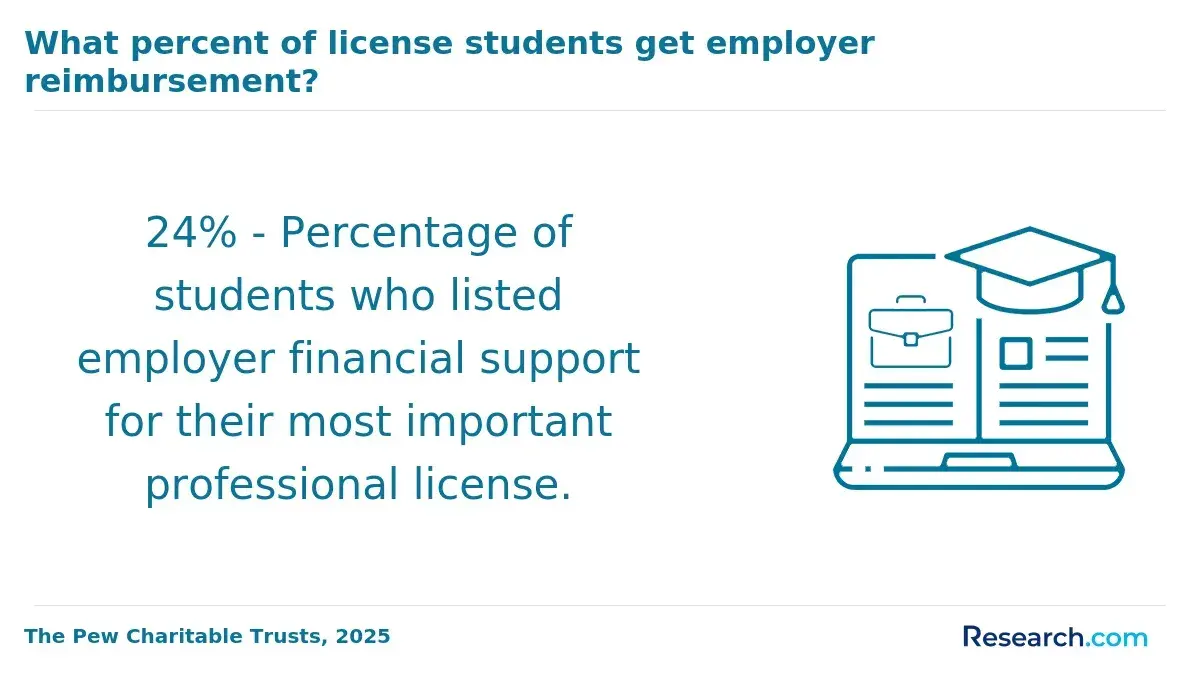
- Fact: Many universities and professional bodies provide dedicated scholarships, while some employers reimburse tuition for relevant graduate studies.
PSLF Eligibility
- Myth: Public service loan forgiveness (PSLF) does not cover sports science graduates.
- Fact: Graduates employed in qualifying public service roles—such as community health or exercise therapy—can often benefit from PSLF programs.
When discussing financial aid, a graduate with a professional sports science degree shared her experience. She explained that navigating funding options initially felt overwhelming, but the support from her university's financial aid office made a significant difference.
"I was surprised at the number of scholarships specifically for sports science students," she said, reflecting on her application process. She also emphasized how employer tuition reimbursement helped reduce her debt, describing it as a "game changer" during her studies.
Her journey highlights that while financial aid pathways may seem complex, many resources are available to help manage costs effectively.
Are Professional Sports Science Degrees Required for Certain Careers?
Knowing the specific education and credential requirements for a chosen career helps students make informed decisions about professional sports science programs. Since accreditation and certification impact job eligibility, it is vital to understand how these factors shape workforce readiness.
Below is a myth-and-fact overview clarifying common misconceptions:
Degree Necessity
- Myth: A professional sports science degree is required for every career in the field.
- Fact: While valuable, sports science degrees are not universally mandatory; many roles depend more on licensure or certification than on the degree itself.
Licensing Requirements
- Myth: Holding a sports science degree alone grants eligibility for licensure in specialties like athletic training or physical therapy.
- Fact: Professional licensure often requires completion of accredited programs, clinical hours, and passing certification exams beyond a general sports science degree.
Career Variation
- Myth: All sports science careers prioritize the same educational pathway.
- Fact: Some careers emphasize practical clinical training, while others focus on coaching or research expertise, affecting degree relevance and job prospects.
Specialized Roles
- Myth: Specialized positions like rehabilitation or exercise physiology do not require additional credentials.
- Fact: These regulated fields often mandate professional certifications aligned with state or national licensing bodies.
Career Impact
- Myth: Obtaining a sports science degree guarantees career eligibility and advancement.
- Fact: Career success depends on aligning education with required certifications or licenses specific to the occupation.
Research shows that nearly 65% of employers in the health and fitness sectors favor candidates holding certifications approved by regulatory bodies, rather than only possessing a sports science degree.
Do Professional Sports Science Degrees Lead to Higher Salaries?
Evaluating the financial advantages of professional sports science degrees is essential for students investing in specialized education. Salary implications play a significant role in deciding whether to pursue such credentials in a competitive job market.
Below is a breakdown of common misconceptions alongside clarifications about these degrees and their impact on earnings and career growth:
Salary Guarantees
- Myth: Earning a professional sports science degree guarantees a large increase in salary.
- Fact: While such degrees can enhance eligibility for better-paying jobs, salary growth depends on factors like specialization, certifications, and career choices rather than the degree alone.
Advancement Paths
- Myth: Only holding a professional sports science degree ensures career progression.
- Fact: Advancement often requires a blend of education and experience, with licensure and certifications playing key roles that these degrees help prepare students to obtain.
Long-term Impact
- Myth: Professional sports science degrees have no effect on long-term earnings.
- Fact: Graduates of accredited programs generally access specialized positions that may increase income over time due to advanced expertise and recognized qualifications.
What Graduates Say About Their Professional Sports Science Degree
- Hazel: "Choosing to pursue a professional sports science degree was one of the best decisions I've made. The program's flexible schedule allowed me to balance work and study without feeling overwhelmed, which is invaluable given the average cost of attendance. This degree has truly opened doors in the sports performance industry for me, and I'm excited about the future. "
- Odette: "Reflecting on my journey, the professional sports science program offered the adaptability I needed while managing family commitments, making it a smart investment despite the financial considerations. The knowledge gained helped me transition smoothly into a sports rehabilitation role, impacting my career profoundly. I'm grateful for the practical approach embedded in the curriculum. "
- Eileen: "From a professional standpoint, the structured yet flexible nature of the sports science degree program allowed me to deepen my expertise efficiently. Understanding that the average cost aligns with the quality and breadth of education reassured me when making the commitment. As a result, my career in athletic training has flourished, supported by the science and skills I acquired. "
Other Things You Should Know About Sports Science Degrees
Many professional sports science programs are designed to prepare graduates for certification exams relevant to the field, such as those for personal trainers, strength and conditioning specialists, or exercise physiologists. The curriculum often covers the core content required by certifying organizations, helping students meet eligibility criteria for these credentials.
Yes, professional sports science degrees often include internships or practical experience. These components are crucial for hands-on training, allowing students to apply theoretical knowledge in real-world settings, which is essential for building practical skills and industry connections.
References
- Myths About Working in the Sports Industry—Debunked! https://alliance-recruitment.com/myths-about-working-in-the-sports-industry-debunked/
- Sport Science: Major or Minor 60 ECTS Credits https://www.unibe.ch/studies/programs/bachelor/application/national/sport/index_eng.html
- University of Glasgow - Undergraduate study - 2026 Degree programmes A‑Z https://www.gla.ac.uk/undergraduate/degrees/sport-exercise-science/
- Six reasons to study Sports Science https://www.thecompleteuniversityguide.co.uk/student-advice/what-to-study/six-reasons-to-study-sports-science
- The Myth of a Sport Scientist https://www.physoc.org/blog/the-myth-of-a-sport-scientist/
- Sportsgeekonomics - Myth 8: If student-athletes earn anything more... | https://sportsgeekonomics.tumblr.com/post/13848579881/myth-8-if-student-athletes-earn-anything-more
- Common Myths Surrounding The Professional Sports Industry - Sports Management Degree Hub https://www.sportsmanagementdegreehub.com/common-myths-surrounding-the-professional-sports-industry/
- Sport Science https://www.tum.de/en/studies/degree-programs/detail/sport-science-bachelor-of-science-bsc
- 6 Myths About Sports Careers and Why You Need to Ignore Them https://www.workinsports.com/resourcecenter/jobseeker/pages/6-myths-about-sports-careers-and-why-you-need-to-ignore-them
- The Benefits of Choosing a Career in Sports Science https://blog.portobelloinstitute.com/the-benefits-of-choosing-a-career-in-sports-science


