2027 Teaching Degree Completion Programs for Working Adults

Co-Founder and Chief Data Scientist
Working adults often face complex barriers when pursuing a teaching degree-balancing job hours, family commitments, and financial constraints. Many programs lack flexible scheduling or fail to accept prior credits, elongating time to completion. High-quality teaching degree completion programs distinguish themselves through robust accreditation, generous credit transfer policies, and formats designed for adult learners. According to the National Center for Education Statistics, teachers with a bachelor's degree earn a median annual salary of $63,000, reflecting a strong return on investment relative to other fields. This article explores how to identify accredited programs, leverage prior learning, and evaluate costs to align credentials with career advancement goals.
Key Things to Know About Teaching Degree Completion Programs for Working Adults
- Maximize credit for prior learning by submitting military transcripts or ACE evaluations-over 60% of teaching degree completers leverage these to reduce time and cost.
- Identify programs recognized by employers and licensure boards-accreditation by CAEP or state education departments ensures credential validity for career advancement.
- Accessing financial aid as a working adult often involves employer tuition reimbursement and federal aid options-over 70% of part-time teaching students use at least one aid source.
What Are Teaching Degree Completion Programs, and Who Are They Designed For?
Teaching degree completion programs serve adults who have accumulated some college credits but have not yet earned a degree-distinct from traditional four-year programs admitting first-time freshmen and from graduate programs requiring a bachelor's degree. These programs often use accelerated pacing and credit-for-prior-learning policies that acknowledge military training, professional certifications, and earlier coursework, helping students finish efficiently while balancing life responsibilities. Flexible scheduling-offering evening, weekend, or online options-is tailored specifically for working adults.
The primary audiences include adults with some college but no degree, military veterans with ACE-credited training, mid-career professionals aiming for credential-gated promotions, and career changers entering the teaching field. Teaching degree completion programs address their unique needs by combining accelerated formats with credit transfer options. Accessing financial aid designed for working adults often helps manage costs during degree completion. For those seeking online options, many reputable institutions now offer MBA online programs paralleling these flexible structures, illustrating a broader trend in adult education.
- Target Audience: Adults with some college credits, military veterans with ACE-credited training, career changers, and professionals pursuing advancement through credentialing.
- Program Features: Accelerated pacing, credit transfer policies, and flexible schedules support nontraditional students juggling multiple responsibilities.
- Accreditation and Quality: High standards ensure alignment with state licensure requirements and employer expectations, vital for career success in teaching.
- Financial Considerations: Tailored financial aid options help working adults finance their education while progressing steadily toward degree completion.
National bodies such as the National Student Clearinghouse, the American Association of State Colleges and Universities (AASCU), and the Lumina Foundation recognize degree completion pathways as essential and legitimate routes for adults. These programs enable students pursuing online teaching degree completion programs with credit transfer options to avoid starting from scratch, making advancement in the education profession both accessible and efficient.
How Do Teaching Degree Completion Programs Differ From Traditional On-Campus Degree Programs?
Teaching degree completion programs offer flexible scheduling formats-such as evening, weekend, hybrid, and fully online classes-greatly expanding options beyond traditional on-campus models that rely on daytime, weekday attendance. The proportion of asynchronous coursework is higher in completion programs, allowing students to study at convenient times, unlike traditional programs that emphasize synchronous, in-person sessions during regular hours.
- Scheduling Formats: Completion programs prioritize varied schedules tailored for working adults, including asynchronous options, compared to rigid daytime classes in traditional programs.
- Pacing Options: They provide accelerated cohort models for faster progression or self-paced enrollment to fit personal commitments, while traditional programs generally require full-time, semester-based attendance.
- Residency Requirements: Degree completion pathways minimize on-campus residency with local fieldwork integration, contrasting with traditional programs' extensive physical presence mandates.
- Coursework Structure: More coursework is delivered online asynchronously in completion programs, supporting flexible learning, whereas traditional programs mostly rely on scheduled, face-to-face classes.
- Structural Accommodations: Rolling or multiple start dates and streamlined advising help maximize credit transfer-including military and professional training recognized by ACE standards-shortening time to degree. Traditional programs adhere to fixed semester start points and curricular sequences.
- Enrollment Trends: Data from the National Center for Education Statistics (NCES) and IPEDS show consistent growth in enrollment for teaching degree completion programs, driven by working adults seeking credentials without career disruption, while traditional undergraduate enrollment among adults remains stable or declines.
Though the awarded credential-typically a Bachelor of Science or Bachelor of Arts in Teaching-is equivalent between pathways, the completion program's design reduces interruptions to employment and family life, making it a preferred choice for many. Students should also explore options for accessing financial aid tailored to working adults and compare program quality indicators to avoid generic undergraduate alternatives. For those balancing commitments, these programs offer a viable route to teaching credentials.
Prospective students interested in related flexible degree options may find valuable insights by reviewing online MFT programs, which also emphasize flexible scheduling and adult learner accommodations.
Working adults considering teaching degree completion programs versus traditional on-campus degree programs will find that flexible scheduling is a hallmark of quality completion offerings, allowing education to fit around work and family commitments rather than the reverse.
What Prior Credits and Experiences Count Toward a Teaching Degree Completion Program?
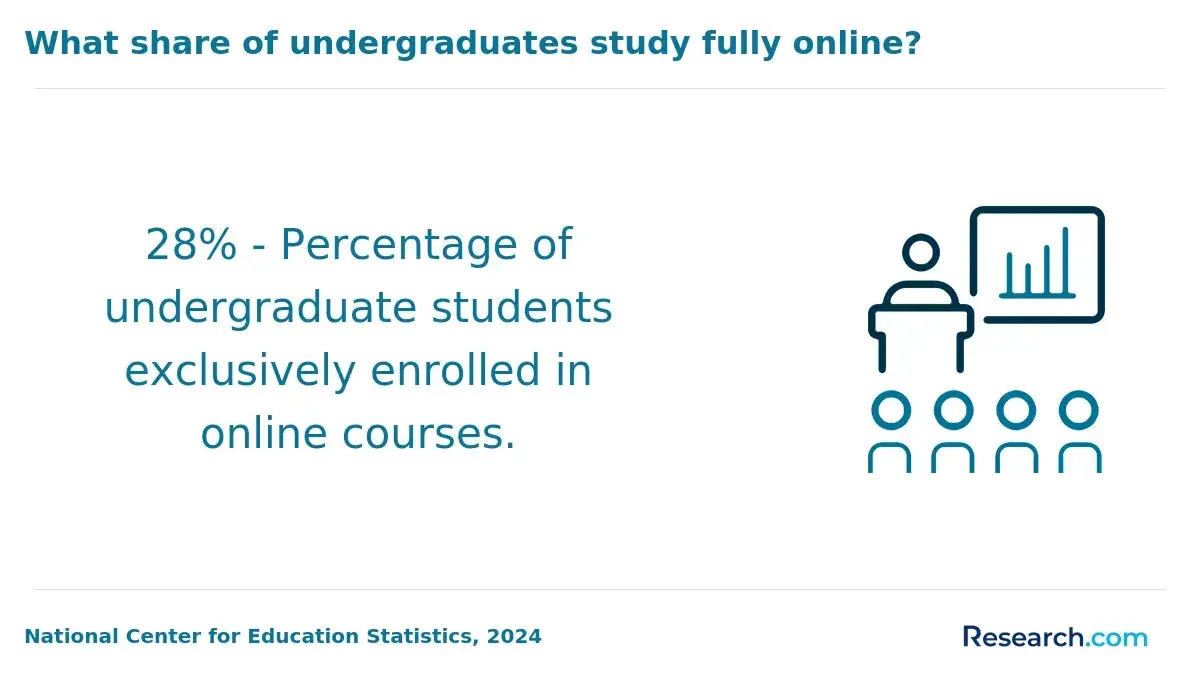
Teaching degree completion programs commonly accept a range of prior learning credits-helping working adults accelerate their path to graduation.
- Transfer Credits: Most programs honor courses from regionally accredited institutions, while credits from nationally or non-accredited schools may be limited or rejected.
- Military Training Credits: Veterans often benefit from ACE-evaluated military experience recognized as academic credit.
- Professional Certifications: Credentials related to education, including instructional or aide certifications, can sometimes translate into credit or course waivers.
- Prior Learning Assessment (PLA): Many schools evaluate portfolios or other workplace learning evidence to grant credit, converting real-world skills into degree progress.
- Credit-by-Examination: Exams like CLEP and DSST allow students to demonstrate subject mastery and bypass traditional classes.
- Credit acceptance varies widely-both in type and quantity-based on institutional policies and accreditation. Official transcripts and a pre-enrollment credit evaluation are essential to understanding how prior learning fits degree requirements.
- Research from the Council for Adult and Experiential Learning (CAEL) shows that recognizing prior learning through PLA can reduce time-to-degree by 6 to 12 months, yielding significant savings for working adults.
- Beware of schools that reject ACE-recommended military credits or enforce arbitrary transfer limits. The American Association of Collegiate Registrars and Admissions Officers (AACRAO) provides guidelines to ensure fair and consistent credit transfer practices.
A professional who recently completed a teaching degree reflected on his experience: "Navigating credit transfer was initially overwhelming, but submitting my military transcripts and certifications early made a huge difference. The PLA portfolio process felt daunting-collecting work samples and reflections-but it truly validated my experience. Getting clear guidance before enrolling helped me avoid wasted time and expenses. Honestly, being able to apply what I'd already learned sped up my graduation more than I expected and kept me motivated throughout."
What Is the Minimum GPA Requirement for Teaching Degree Completion Programs?
Admission criteria for teaching degree completion programs often require a minimum cumulative GPA ranging from 2.0 to 2.5 on a 4.0 scale from previous college coursework. This threshold is designed to confirm readiness for upper-division studies, though many programs serving working adults incorporate flexibility to accommodate diverse backgrounds. Minimum GPA requirements for teaching degree completion programs are frequently balanced with other evaluative components to create a more comprehensive admissions process.
- Conditional Admission: Some schools accept applicants below typical GPA thresholds by mandating structured support, including tutoring or probationary enrollment, to boost academic success.
- Open Admission with Experience: Programs may waive strict GPA standards for candidates with proven professional experience or military credits, valuing documented real-world expertise as a substitute credential.
- Holistic Review: GPA is weighed alongside factors like relevant work history, strong recommendations, and personal statements-common in teaching degree programs accredited by regional bodies such as the Higher Learning Commission.
- Returning Students: Adults reentering after time away with previously low grades might benefit from academic forgiveness or fresh-start policies that reset GPA calculations following years of non-enrollment.
- Pre-Admission Evaluation: Prospective students should request formal academic assessments to realistically gauge eligibility and avoid unnecessary application efforts.
As you explore options, consider how programs support credit transfer and financial aid, aligning offerings to your goals and lifestyle. For instance, those interested in related fields might compare pathways such as a masters in game design to understand credential recognition and career outcomes across disciplines.
How Are Teaching Degree Completion Programs Structured Around Full-Time Work Schedules?
Teaching degree completion programs offer flexible scheduling formats to accommodate adults working full-time-typically over 40 hours weekly. Options often include evening cohorts, weekend intensives, fully asynchronous online courses, and hybrid models blending on-campus and remote learning. These formats enable students to tailor their education around demanding work and family responsibilities.
Many programs suggest enrolling in 6 to 9 credits per term, striking a balance between steady progress and manageable workload. The cohort model is frequently employed, where students advance through coursework as a consistent group over several terms. This system enhances schedule stability, allowing learners to plan their academic calendar months in advance. It also fosters accountability and peer support, key factors for adults managing simultaneous professional and personal commitments.
Data from the National Student Clearinghouse Research Center show higher persistence and graduation rates for students in cohort-based programs when compared with traditional enrollment, highlighting the effectiveness of structured progression. Prospective students should inquire about course cancellation policies, options to make up missed assignments due to unavoidable work conflicts, and whether a dedicated student success advisor is available to assist with academic planning and challenges to avoid setbacks.
A professional who completed her teaching degree reflected on the experience, sharing how balancing a full-time job alongside studies demanded careful time management and resilience. She described how the cohort system helped her build camaraderie and stay motivated throughout the program. The availability of advisors to address scheduling conflicts was crucial, she noted, allowing her to navigate unexpected work demands without delaying graduation. Her journey underscores the importance of program design that genuinely supports working adults striving to advance their careers.
Is Online or Hybrid Delivery Available for Teaching Degree Completion Programs?
Teaching degree completion programs for working adults typically feature three primary delivery methods tailored to diverse needs and locations. Synchronous formats involve live video sessions, fostering real-time interaction and structure but requiring scheduled availability. Asynchronous courses rely on recorded lectures and flexible deadlines, offering learners autonomy to balance irregular work or caregiving duties, though immediate feedback may be limited. Hybrid models combine online coursework with occasional in-person intensives, blending convenience with essential hands-on experiences and networking-best suited for those near campuses or meeting sites.
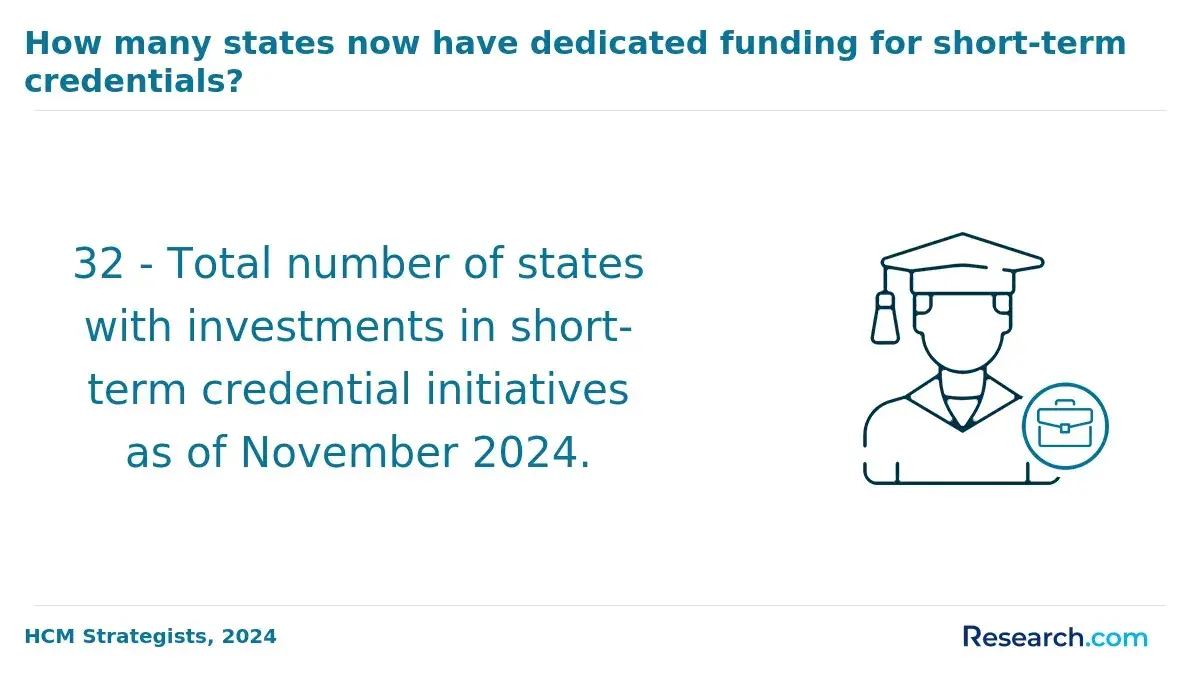
Data from the NCES Integrated Postsecondary Education Data System shows that by 2023, about 62% of adult teaching degree completers enrolled fully online, while 28% opted for hybrid programs. The COVID-19 pandemic significantly accelerated institutions' ability to deliver high-caliber online instruction across disciplines, including teaching, supported by the Online Learning Consortium's findings on improved faculty qualifications and enhanced student services.
- Faculty Credentials: Verify that online instructors hold equivalent qualifications to on-campus faculty to maintain academic standards.
- Student-to-Faculty Ratios: Smaller online class sizes enable personalized guidance, crucial for mastering complex teaching skills.
- Academic Support Services: Availability of virtual tutoring, advising, and tech help is vital for remote learners.
- Accreditation: Confirm that the online program shares institutional accreditation with its campus counterpart to ensure credential validity and licensure eligibility.
Prospective students should assess their learning preferences, technology access, and career goals when choosing between delivery formats. Important questions for enrollment advisors include credit transfer policies, synchronous session requirements, licensure preparation support, and any mandatory in-person attendance. This approach helps working adults align program choice with professional ambitions and life demands.
How Long Does It Take to Complete a Teaching Degree Completion Program?
Time to complete a teaching degree completion program varies significantly based on prior credits, enrollment status, and program design. Students entering with approximately 60 transferable credits typically spend two to three years finishing degree requirements. Those with around 90 prior credits often finish within one to two years. Learners with substantial prior learning assessed through formal processes-such as military veterans utilizing ACE credits-may complete in under a year when enrolled full-time and if course availability aligns.
Several factors influence the speed of completion:
- Credit Transfer and Prior Learning Assessment: The quantity and relevance of transferred credits or PLA can substantially reduce time-to-degree, though not all credits directly satisfy teaching licensure requirements.
- Enrollment Intensity: Full-time enrollment accelerates progress, while part-time study-frequent among working adults-extends duration but enhances flexibility.
- Program Requirements: Fixed-duration components-such as student teaching internships, capstones, or field experiences-often have mandatory timelines that cannot be shortened despite academic pace.
- Course Scheduling Format: Accelerated courses and year-round sessions facilitate quicker completion, depending on institutional offerings and student capacity.
Financially, completing sooner lowers tuition costs and reduces earnings lost due to time away from full-time employment. Graduating earlier allows entry into higher salary brackets tied to licensed teaching roles-making accelerated completion a critical financial consideration. Prospective students should request written average time-to-degree data from programs specific to their credit standing, rather than relying on marketed minimums tailored to highly credit-advantaged learners under ideal conditions.
What Accreditation Should a Teaching Degree Completion Program Hold?
- Regional Accreditation: This represents the highest recognized standard by employers, graduate schools, and the federal student aid system for teaching degree completion programs. Regional accreditation is granted by organizations such as the Higher Learning Commission (HLC), the Middle States Commission on Higher Education, and the Southern Association of Colleges and Schools Commission on Colleges (SACSCOC). Programs with regional accreditation typically offer greater credit transferability-especially important for students seeking regionally accredited teaching degree completion programs-and better eligibility for professional licensure and financial aid.
- National Accreditation: Institutions accredited by national bodies-like the Distance Education Accrediting Commission (DEAC)-are generally considered to hold lower status by employers and licensing boards. Credits earned from nationally accredited programs often do not transfer smoothly to regionally accredited institutions, limiting future academic progress. Moreover, some employers and state board of education approved teaching credentials may not recognize degrees from nationally accredited schools, which carries reputational and financial risks for graduates.
- Programmatic Accreditation: While less common in teaching than in fields such as engineering or business-where ABET, ACBSP, or AACSB apply-programmatic accreditation still plays a role. Certain education-specific endorsements can influence licensure and employment outcomes, confirming that coursework aligns with state teaching standards and professional expectations.
Accreditation Verification: Beware of programs claiming accreditation from unrecognized agencies or relying solely on national accreditation. Prospective students should always confirm accreditation status independently through the U.S. Department of Education's Database of Accredited Postsecondary Institutions and Programs (DAPIP). Avoid depending only on marketing materials-doing so risks enrolling in a program without credible recognition essential for career advancement and financial aid eligibility.
For adults seeking to align academic progress with career goals, including military veterans with ACE-credited training and mid-career professionals aiming for credential-gated promotions, understanding these distinctions in accreditation is vital. Explore options such as a blockchain degree to see how specialized online programs can broaden educational pathways.
How Much Do Teaching Degree Completion Programs Cost, and What Financial Aid Is Available?
Costs for teaching degree completion programs vary widely by institution type-public regional universities typically charge $300 to $600 per credit hour for in-state students, private nonprofit colleges range from $500 to $1,200 per credit, and for-profit institutions fall within or slightly above this band. Mandatory fees, technology access, textbooks, and supplies add several hundred dollars per term. In-person residencies or intensives-often licensure requirements-may incur additional travel and lodging expenses. This realistic tuition structure draws on NCES and College Scorecard data to help working adults anticipate their true financial commitment when considering teaching degree completion program tuition costs.
Financial aid options tailored to working adults pursuing teaching degrees include:
- Pell Grants: Part-time adult students may qualify for federal Pell Grants to offset tuition.
- Employer Tuition Reimbursement: Many employers offer assistance programs that cover significant costs-verify eligibility with HR.
- Military Benefits: Veterans, active-duty personnel, and spouses can access GI Bill and MyCAA support.
- Institutional Scholarships: Numerous colleges provide scholarships specifically for non-traditional students returning to college.
Adult learners should file the FAFSA independently to unlock federal aid, a crucial step even for part-time enrollment. Those paying out-of-pocket may benefit from tax deductions such as the Lifetime Learning Credit-allowing up to $2,000 annually-and the employer educational assistance exclusion under IRS Section 127, which exempts up to $5,250 of employer tuition aid from taxable income. Consult a tax advisor for personalized guidance.
Evaluating teaching degree completion programs means looking beyond sticker price:
- Credit Transfer Savings: Different programs vary in credit acceptance-particularly military and prior college credits-reducing total tuition.
- Employer Reimbursement Eligibility: Confirm if your employer's assistance applies to your chosen program.
- Net Cost After Aid: Calculate your actual out-of-pocket expense factoring in grants, scholarships, tax benefits, and employer support.
Such comprehensive cost assessments often reveal sticker tuition rates are poor proxies for true expenses, particularly for working adults leveraging prior learning and employer benefits. Prospective students should also explore online colleges that accept 2.0 GPA for flexible options accommodating diverse academic backgrounds and life schedules.
What Career Outcomes Can Working Adults Expect After Completing a Teaching Degree?
Adult learners completing a teaching bachelor's degree often see clear financial and career benefits backed by data from reputable sources like the Georgetown University Center on Education and the Workforce and the U.S. Bureau of Labor Statistics. These individuals tend to earn notably more than those with some college but no degree, reflecting the value of credential-gated roles requiring formal degree completion.
Unlike traditional graduates who often start in entry-level positions, working adults finishing their degree bring relevant professional experience-allowing them to pursue advanced roles immediately after graduation. This experience frequently compensates for the time invested and opens doors to promotions and specialized job titles not accessible without the degree.
- Promotion Eligibility: Degrees enable access to higher-level positions such as lead teacher or instructional coach, roles often unavailable without a bachelor's credential.
- Credential-Gated Roles: State licensing and specialized endorsements-like those in special education or English language instruction-commonly require degree completion for eligibility.
- Salary Premium: Teachers with a bachelor's typically earn significantly higher median wages, reinforcing the economic advantage of finishing the degree.
- Career Positioning: Mid-career completers leverage their work history to bypass entry-level roles, targeting senior opportunities aligned with both experience and new qualifications.
- Credential Verification: Prospective students should verify that their chosen bachelor's completion program meets accreditation standards and fulfills licensure or employer requirements to align with their specific career goals.
To optimize success, individuals should maximize transferable credits from prior learning, seek programs acknowledged by employers and licensing bodies, explore financial aid options tailored to working adults, and evaluate program quality through objective criteria reflecting accreditation, credit policies, scheduling flexibility, and career support services.
How Do Employers View a Teaching Degree Completed Through a Completion Program?
Employer hiring surveys by organizations such as the Society for Human Resource Management (SHRM) and the National Association of Colleges and Employers (NACE) highlight what truly matters when assessing degrees earned through completion programs.
- Accreditation: The primary focus is on whether the awarding institution is accredited by a recognized agency and if the teaching completion program holds appropriate programmatic recognition-this weighs far more than how the student enrolled or how many credits came from prior learning assessment (PLA).
- Diploma Equivalence: Degrees from accredited institutions typically do not specify whether a candidate completed their degree traditionally or via a completion pathway. This means:
- Regulated Hiring Contexts: Fields like federal government roles governed by Office of Personnel Management (OPM) standards or licensed professions regulated by state boards may scrutinize degree completion methods more closely. Prospective applicants in these areas should confirm the credential's acceptance with licensing authorities or HR departments before enrolling to avoid issues.
- Professional Experience and Competencies: In most private-sector teaching positions, demonstrated skills, relevant work history, and strong professional references generally outweigh concerns about the program format-treating the completion degree as a valid credential booster rather than an inferior alternative to a traditional bachelor's degree.
What Graduates Say About Teaching Degree Completion Programs for Working Adults
- Jase: "Completing my teaching degree while working full-time was manageable because of the flexible scheduling formats offered-night and weekend classes made all the difference. I also appreciated the clear credit transfer policies, which acknowledged the coursework I had already completed elsewhere and saved me time. Finally, the program's accreditation standards gave me confidence that my credential would be respected by employers and state boards alike."
- Kyro: "What stood out to me was how the program was designed specifically for working adults, with structural features that helped balance life and study-like asynchronous lectures and streamlined advising. Cost considerations were transparent, which made budgeting easier and less stressful. After graduation, the career outcomes were impressive too-many alum landed jobs in reputable school districts within months, showing this pathway isn't just convenient but truly effective."
- Aaron: "Reflecting on my experience, the biggest takeaway was how crucial accreditation standards are when choosing a teaching degree completion program-this ensures quality and transferability of credits. Another highlight is the program's focus on career outcomes, providing real support for job placement and professional development. Additionally, the structural features-like cohort learning and personalized mentorship-cultivated a sense of community even in an online environment, which made the journey much more rewarding."
Other Things You Should Know About Teaching Degrees
Teaching degree completion programs typically provide tailored support services to meet the unique needs of working adults. These services often include academic advising focused on credit transfer, flexible scheduling assistance, career counseling, and access to tutoring or writing centers. Some programs also offer technology support for online coursework and resources for balancing work, family, and study commitments.
Many teaching degree completion programs are designed with articulation agreements that allow credits to transfer into graduate-level education degrees. However, acceptance of these credits varies by institution and program type. Working adults should verify with prospective graduate schools whether their completion program credits meet prerequisites for advanced degrees in teaching or educational leadership.
Networking is a crucial component in teaching degree completion programs, especially for working adults entering or advancing in the education field. These programs often facilitate connections with peers, faculty, and local school districts through cohort models, internships, and professional development workshops. Building a professional network can lead to job opportunities, mentorship, and valuable insights into classroom practice and licensure requirements.
References
- 5 Teacher Certification Programs That Take Less Than a Year https://www.invest529.com/articles-webinars/5-teacher-certification-programs-that-take-less-than-a-year
- Hybrid vs. fully online: how different teaching models impact satisfaction https://www.amba-bga.com/insights/hybrid-vs-fully-online-how-different-teaching-models-impact-satisfaction
- Finish the degree you started (without starting over) https://news.newmanu.edu/finish-the-degree-you-started-without-starting-over/
- Teacher Certification (Complete Guide) https://www.teach.org/becoming-teacher/teaching-certification
- How to Complete a Postgraduate Certificate in Education Online While Working Full-Time : A Real Teacher's Roadmap https://asiancollegeofteachers.com/blogs/2587-How-to-Complete-a-Postgraduate-Certificate-in-Education-Online-While-Working-Full-Time--A-Real-Teachers-Roadmap-blog.php
- What Can I Do With a Teaching Degree (Besides Teach)? https://www.alleducationschools.com/blog/what-can-i-do-with-a-teaching-degree-besides-teach/
- Teacher accreditation - Seda https://www.seda.ac.uk/about-seda/seda-archives/teacher-accreditation/
- Am I Eligible? | Teach For America https://www.teachforamerica.org/stories/am-i-eligible
- Teaching and Learning Accreditation https://www.advance-he.ac.uk/membership/teaching-and-learning-accreditation
- How Long Does It Take to Get a Teaching Degree? | ValidGrad.com https://validgrad.com/blog/how-long-does-it-take-to-get-a-teaching-degree-the-truth-about-hidden-timelines-and-fast-track-options/