
2027 What Can You Do with an Economics Master's Degree? Careers, Salaries & Growth

Co-Founder and Chief Data Scientist
Choosing a career path after earning a master's degree in economics can be daunting, especially with evolving industries and diverse job markets. Nearly 16% of economics master's graduates face underemployment or job mismatch within two years of graduation. This uncertainty challenges many prospective students who want to align their education with viable career opportunities and competitive salaries. The demand for economists is projected to grow 14% from 2022 to 2032, signaling strong prospects but also increasing competition.
This article examines career options, salary ranges, and growth trends for economics master's degree holders. It also explores program types, costs, financing, and relevant certifications, providing readers a data-driven guide to make informed decisions aligned with their goals.
Key Things to Know About What You Can Do with a Economics Master's Degree
- Economics master's programs typically require a bachelor's degree, quantitative skills, and include core courses in microeconomics, econometrics, and policy analysis, with options for online or on-campus study.
- Graduates often find careers in finance, consulting, government, or academia, with median salaries ranging from $70,000 to $110,000, depending on industry and location.
- Long-term earning potential grows with experience and specialization; comparing programs involves assessing tuition costs, flexibility, program reputation, and available certifications like CFA or CPA to enhance employability.
What Are the Admission Requirements for a Economics Master's Program?
Preparing the necessary prerequisites is crucial for a smooth admission to a master's program in economics. Meeting these requirements ensures your application meets the standards set by competitive institutions. With employment of economists projected to grow about 14% from 2022 to 2032, demand for advanced skills in economics remains strong. Key admission elements typically include the following:
- Relevant Undergraduate Degree: Most programs require a bachelor's degree in economics, mathematics, statistics, or a related social science. This background provides essential analytical and quantitative skills needed for graduate-level study.
- Grade Point Average (GPA): A minimum GPA, commonly around 3.0 on a 4.0 scale, is expected. Some institutions may have higher thresholds depending on selectivity, reflecting the competitive nature of admission.
- Standardized Tests: Exams such as the GRE or GMAT are often part of the application. However, many schools have made these tests optional or waived the requirement entirely, so applicants should verify each program's policy.
- Supplementary Materials: Applicants typically submit two or three letters of recommendation from academic or professional sources, a personal statement outlining goals and motivation, and sometimes a writing sample showcasing analytical or research skills.
- Field-Specific Prerequisites: Requirements may vary, particularly for specializations like financial economics or development economics. Some programs ask for prior coursework in microeconomics, macroeconomics, or econometrics.
- International Applicants: Proof of English proficiency through tests such as TOEFL or IELTS is commonly required for non-native speakers.
Prospective students seeking to understand how to apply for a master's degree in economics will find that many universities now offer flexible options, including 1 year master's programs online, meeting the needs of diverse applicants balancing time and career goals.
What Is the Minimum GPA Requirement for a Economics Master's Program?
Meeting minimum GPA requirements is a crucial step for admission to a master's in economics program, helping admissions committees assess academic readiness. Typically, these requirements range from 2.75 to 3.0 on a 4.0 scale, but exact criteria vary depending on program prestige, institution type, and the chosen focus within economics. Considering the growing demand for economists, with employment projected to increase 14% from 2022 to 2032, understanding these standards can better prepare applicants. Below are important aspects of GPA expectations and admissions considerations for prospective students:
- Typical GPA Range: Most economics master's programs set a minimum GPA between 2.75 and 3.0, but specific cutoffs vary widely by school and program.
- Variation by Institution: Programs at prestigious private universities generally require higher GPAs, while some public institutions may accept slightly lower academic records.
- Holistic Admissions: Many programs evaluate test scores like the GRE, relevant work experience, and personal statements alongside GPA to form a comprehensive view of an applicant.
- Options for Low GPA Applicants: Candidates with GPAs below the minimum can remain competitive through strong quantitative skills, professional achievements, or compelling motivations for graduate study.
- Alternative Credentials: Pursuing online courses with certificates can strengthen a candidate's profile and demonstrate commitment to economics specialties.
How Much Does a Economics Master's Degree Cost and How Can You Finance It?
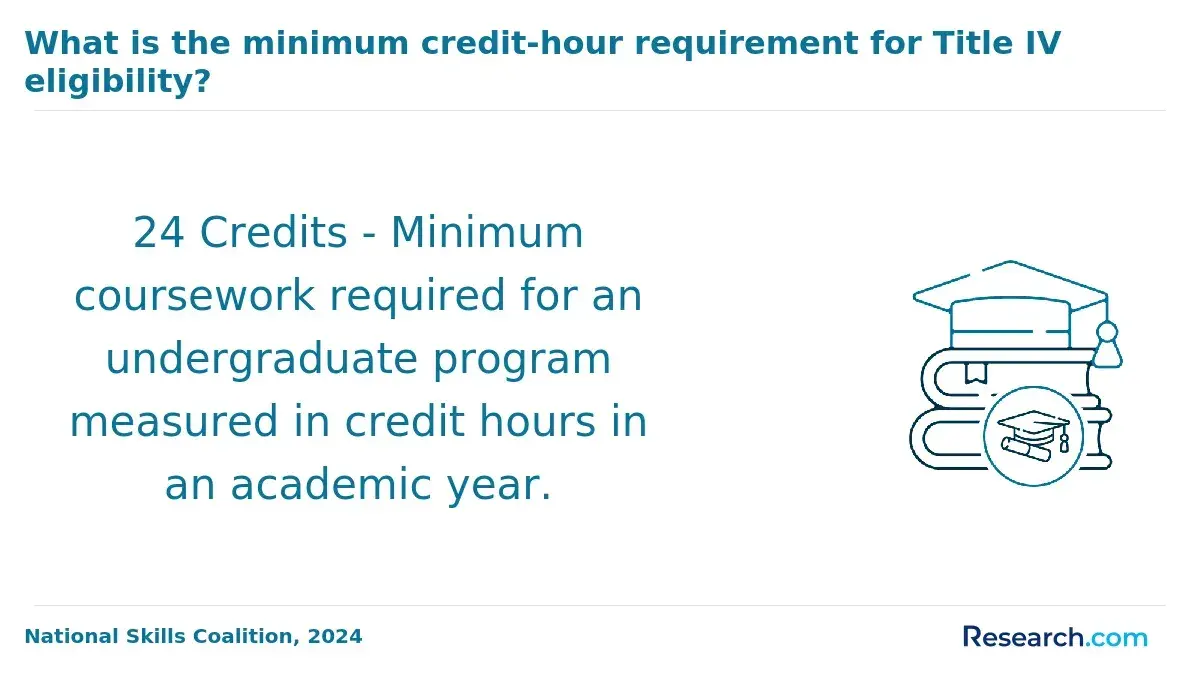
Setting a clear financial plan before starting a master's degree in economics helps manage tuition, fees, and living costs effectively. There are various funding routes and ways to assess if this investment aligns with your career and salary goals. Below are important points to consider.
- Tuition and Living Expenses: Costs vary by institution type; public universities typically charge $10,000-$25,000 annually for in-state students, private schools often exceed $30,000, while online programs can offer more affordable, flexible payment options. Don't forget to factor in additional fees, textbooks, and daily living expenses alongside potential income lost during study.
- Funding Options: Scholarships, fellowships, and assistantships remain the backbone for many students, with nearly 40% of online learners utilizing employer tuition reimbursement programs. Federal student loans are common but require mindful long-term repayment planning.
- Debt Reduction Strategies: Applying for departmental fellowships, choosing in-state public schools, and securing teaching or research assistantships that waive tuition can significantly lower costs. Employer sponsorships and strict budgeting also provide meaningful financial relief.
- Evaluating Return on Investment: Compare total expenses with projected salary increases within your targeted specialization, like labor or financial economics. Reliable salary surveys and institutional employment data serve as crucial tools when judging the financial worth of the degree.
A graduate of an economics master's program shared that financing the degree required careful juggling of multiple funding sources. "I combined a fellowship with a graduate assistantship, which covered much of my tuition," he recalled. The biggest challenge was accounting for lost wages during study, yet the long-term salary boost justified the effort. He emphasized how thoughtfully exploring all funding options eased the burden, making the degree a practical step toward his career advancement.
How Long Does It Take to Earn a Economics Master's Degree?
Choosing the right economics master's program involves understanding how long it typically takes to complete, as this impacts career planning, finances, and balancing study with other commitments. The typical duration varies widely depending on enrollment status, study format, and program structure. Below are important factors influencing the time required to earn a master's degree in economics.
- Full-Time Enrollment: Most full-time economics master's programs take about 1.5 to 2 years to finish. This period usually covers coursework, research, and any required internships or practicum experiences.
- Part-Time and Online Programs: Part-time and online options usually extend the timeline to 3 to 4 years due to lighter credit loads and flexible scheduling. These options better accommodate working professionals or those balancing other obligations.
- Accelerated and Combined Pathways: Some universities provide accelerated master's degrees or combined bachelor's/master's tracks, which allow students to complete their studies in as little as one year beyond the undergraduate level. These pathways suit highly motivated students seeking faster entry into advanced roles.
- Transfer Credits: When students hold relevant graduate coursework or certifications, they can often apply transfer credits to shorten the program by several months, reducing total completion time.
- Thesis vs. Non-Thesis Tracks: Choosing a thesis track generally requires more time due to the research and writing involved, while non-thesis tracks emphasize coursework and tend to enable quicker graduation.
- Internships and Practicums: Programs requiring internships or practicums may lengthen the overall duration depending on placement timing and completion.
Prospective students should weigh these factors thoroughly when considering the typical duration of economics master's programs in the US, ensuring they select the best format for their career goals. Those interested in streamlined study options might explore accelerated online degrees as part of their planning process.
What Career Paths Are Available with a Economics Master's Degree?
Exploring potential career opportunities after earning a master's degree in economics offers valuable insight for prospective students assessing the degree's professional benefits. The skills developed in such programs open doors across various sectors, from public service to corporate environments, and extend into academic and nonprofit roles. Graduates can expect to engage in both analytical and strategic capacities, sometimes beginning as specialized contributors and often progressing into leadership roles with experience.
The following list highlights key career paths and the nature of roles typically available to economics master's degree holders:
- Public Sector Positions: Many graduates join government agencies, employing expertise in policy evaluation, economic research, and regulatory frameworks. These roles often focus on shaping public initiatives and economic planning.
- Private Sector Opportunities: Financial institutions, consulting firms, and corporations value economics graduates as financial analysts, market researchers, and business strategists. Their proficiency in economic modeling informs critical business decisions and forecasting.
- Nonprofit Sector Roles: Graduates contribute by assessing program effectiveness, advising on resource distribution, and conducting socio-economic research to support organizational missions.
- Academic and Research Careers: Opportunities exist for teaching and advanced research, with many graduates starting as researchers or lecturers and potentially advancing to senior academic positions.
- Career Advancement: While initial roles often involve individual contributions, seasoned economics graduates can move into managerial or executive posts such as chief economist or director of research.
When I spoke with a graduate recently, they emphasized how the program's quantitative rigor and real-world applications made their transition into a consulting role smoother than anticipated. They noted, "Navigating complex datasets and economic theories during my studies built a strong foundation, which employers immediately recognized. It felt less daunting stepping into strategic discussions early on compared to peers without this background." This firsthand perspective underscores how the degree can ease entry into competitive fields by equipping graduates with practical tools and confidence.
What Is the Average Salary for Economics Master's Degree Holders?
Master's degree holders in economics typically earn higher wages than those with only a bachelor's degree, benefiting from a significant salary advantage confirmed by government data and industry research. Compensation packages often include bonuses, benefits, and stock options that contribute to overall earnings. Below are key salary considerations for economics master's graduates based on career stage, location, and sector.
- Entry-Level Salaries: Individuals starting their careers with a master's in economics usually see annual pay ranging from $60,000 to $75,000, surpassing the entry pay for bachelor's degree holders, which averages between $50,000 and $60,000. Early roles typically encompass positions like economic analyst, research assistant, or financial consultant.
- Mid-Career Earnings: Professionals with several years of experience can expect salaries from $90,000 to $120,000. Growth in expertise, skill sets, and managerial duties often drives this increase. Private sector economists, especially in finance and technology, tend to reach the higher end of this range.
- Senior-Level Compensation: Senior roles, including policy advisors and data science managers, may command $130,000 to $160,000 or more annually. While public sector salaries may be somewhat lower, they usually offer strong benefits and pension plans that add long-term value.
- Geographic Impact: Urban centers with high living costs such as New York City, San Francisco, and Washington D.C. tend to offer salaries 15-25% above the national average, reflecting regional economic conditions.
- Employer and Industry Differences: Private companies, particularly in finance and tech, generally provide higher pay compared to government or nonprofit organizations. Nonetheless, public sector jobs often deliver greater job stability and more comprehensive benefits.
What Professional Certifications Complement a Economics Master's Degree?
An economics master's degree often benefits greatly from professional certifications that can enhance career prospects and salaries. These credentials are recognized and valued across multiple industries, helping graduates stand out in competitive job markets. Below is a concise overview of the top certifications that complement an economics master's degree, detailing the credentialing body, eligibility, exam format, renewal process, and market value. This guide also includes strategic advice on when to pursue such certifications to maximize investment in time and money.
- Chartered Financial Analyst (CFA): Offered by the CFA Institute, this certification requires a bachelor's degree and four years of relevant work experience. The CFA exam has three levels covering investment management, economics, and ethics, administered annually or biannually depending on the level. Renewal entails annual adherence to professional conduct standards. CFA charterholders frequently secure roles in asset management, financial analysis, and portfolio management at investment firms and banks.
- Certified Economic Developer (CEcD): Administered by the International Economic Development Council, eligibility includes a bachelor's degree and experience in economic development. The exam tests knowledge in business retention, recruitment, and marketing. Recertification demands continuing education every five years. This credential is especially beneficial for those targeting public sector or nonprofit economic development careers.
- Certified Business Economist (CBE): Provided by the National Association for Business Economics, candidates must have relevant experience and pass a comprehensive exam emphasizing applied economics and data analysis. Its analytical rigor is highly regarded by employers in consulting, government agencies, and corporations focused on data-driven decision-making.
Strategically, pursuing these certifications before or after completing the economics master's degree is ideal. Early preparation allows alignment of coursework with exam content, while professional experience gained post-graduation can strengthen eligibility and application of knowledge. Prioritizing these credentials based on your career goals ensures a higher return on investment.
When exploring further education opportunities, some candidates also consider advanced degrees. For those interested in leadership roles, online doctoral programs can be a viable option: see more about the phd organizational leadership.
What Are the Top Industries Hiring Economics Master's Degree Graduates?
Identifying top industries employing master's graduates in economics helps students focus their career planning effectively. Knowing which sectors are most active and what skills are valued can guide choices in internships, networking, and coursework. Below is an overview of leading industries, associated roles, and how to enhance employability in each.
- Finance Sector: Major banks, investment firms, and insurance companies recruit economics graduates for positions such as financial analysts, risk managers, and quantitative researchers. Key skills include strong quantitative analysis, proficiency with econometric software, and certifications like the CFA to improve job prospects.
- Government Agencies: Federal and state governments hire economics graduates as policy analysts, labor economists, and regulatory advisors. Roles require knowledge of public finance, regulations, and empirical research, alongside advanced data analysis capabilities.
- Consulting Industry: Both large multinational consulting firms and specialized economic consultancies offer roles focused on problem-solving and data interpretation. Experience with economic modeling and effective communication with clients are highly valued.
- Technology Companies: Tech firms increasingly seek economists to analyze market trends, design pricing strategies, and create algorithms. Skills in programming and data science certifications can offer a competitive edge in this rapidly growing field.
- Healthcare and Pharmaceuticals: Employers in this sector rely on economics graduates for cost-benefit analyses, health policy evaluation, and market research. Familiarity with health economics and regulatory environments is essential.
- Emerging Sectors: Renewable energy, fintech, and digital platforms are expanding markets for economics expertise driven by innovation and evolving regulations. Targeted internships, networking, and industry-relevant coursework help students enter these areas successfully.
What Are the Highest-Paying Jobs for Economics Master's Degree Holders?
Careers stemming from a master's degree in economics often lead to well-paid positions that blend technical expertise with strategic decision-making. These roles typically demand strong analytical abilities and industry-specific experience, which significantly influence earning potential. Additional certifications and advanced degrees can further elevate income prospects, especially in competitive markets. Below are some of the top-paying job options available to economics master's graduates.
- Quantitative Analyst: Working mainly within investment banks and hedge funds, quantitative analysts develop complex mathematical models to guide trading and investment decisions. Success in this role requires robust programming skills, a deep understanding of financial systems, and several years of industry experience. Median salaries commonly surpass $120,000 annually.
- Economist: Employed by government bodies, research institutes, or corporations, economists assess market trends and policy impacts to inform planning and forecasts. Median compensation hovers near $105,000 but can increase with a Ph.D. and relevant expertise. This role often demands sharp analytical thinking and advanced statistical knowledge.
- Financial Manager: Financial managers are responsible for steering organizational financial strategies and managing risks. Their median earnings reach approximately $130,000, with higher pay tied to certifications like the CFA and managerial experience. They frequently work in corporate finance departments or financial services.
- Data Scientist: Combining economics with data analytics, data scientists apply machine learning and predictive modeling to solve business challenges. Entry salaries start around $110,000, with growth linked to proficiency in programming languages and data technologies. Industries range from tech firms to consulting agencies.
- Policy Analyst: Positioned primarily in government or nonprofit sectors, policy analysts evaluate the economic effects of legislative and regulatory initiatives. Earnings vary from $75,000 to over $100,000, influenced by location and organization type. Success depends on strong research skills and the ability to communicate complex information clearly.
Obtaining certifications like the CFA, advanced degrees, or data-specific credentials can open doors to higher-paying jobs. Salary levels also differ considerably by geographic area, with urban hubs such as New York, San Francisco, and Washington, D.C. often offering the most lucrative compensation packages for these positions.
What Is the Job Outlook and Employment Growth for Economics Professionals?
Employment growth projections for economics professionals by industry indicate a favorable outlook. The job outlook for economics master's degree graduates in the United States shows about 13% growth from 2022 to 2032, a rate faster than the national average for all occupations. This reflects strong demand for specialists like economists, financial analysts, and market researchers, especially in sectors emphasizing data-driven decision-making.
- Rising Data Reliance: Increasing dependence on data analytics in both the private and public sectors drives hiring, as organizations require expert economic analysis to interpret complex trends.
- Technological Transformation: Automation and advanced software streamline routine tasks, pushing economics professionals to acquire stronger analytical and technical skills to stay competitive.
- Globalization and Policy Shifts: Global economic changes and evolving policies create ongoing demand for economists who can navigate international markets and regulatory environments.
- Sector-Specific Growth: Consulting, government agencies, and financial services are key industries experiencing expanding opportunities, though some areas may exhibit slower growth.
- Education Pathways: Prospective students might also consider flexible options such as an online bachelor's in construction management if seeking alternative or complementary fields with growth potential.
What Skills and Competencies Does a Economics Master's Program Develop?
Gaining a wide range of skills is essential for students pursuing a master's in economics, as these competencies unlock diverse career opportunities. This section outlines the key hard and soft skills developed and how practical experiences support skill mastery, highlighting employer priorities in candidate selection.
- Technical Proficiency: Students acquire expertise in econometric software such as STATA, R, and Python, essential for advanced quantitative analysis. Mastery of these tools enables precise interpretation of economic data and supports sound decision-making across various sectors.
- Research and Data Analysis Methods: The curriculum emphasizes rigorous research techniques and statistical methods that equip students to evaluate economic policies and trends effectively. These analytical skills form the foundation for evidence-based problem solving in professional settings.
- Critical Thinking: Developing the ability to assess complex economic issues critically allows graduates to approach challenges strategically. This skill is vital for addressing multifaceted problems in both public and private sectors.
- Communication Skills: Proficiency in conveying economic concepts clearly to diverse audiences enhances collaboration and influence. Effective communication broadens career prospects by facilitating teamwork and stakeholder engagement.
- Leadership and Teamwork: Graduates build leadership qualities and learn to work efficiently in diverse groups. These soft skills increase adaptability and are highly valued by employers in dynamic work environments.
- Experiential Learning Opportunities: Internships, real-world case studies, simulations, and group projects complement academic knowledge by providing hands-on experience. These components hone problem-solving abilities and prepare students for practical challenges they will face in their careers.
- Employer-Valued Competencies: Analytical aptitude, clear communication, and flexibility rank consistently as the most sought-after traits in economics graduates. These transferable skills enable success in fields such as finance, government, consulting, and beyond.
What Graduates Say About Their Economics Master's Degree
- Westin: "Applying to an online economics master's program felt daunting at first, but the clear guidelines and straightforward application portals made the process surprisingly smooth. I invested a lot of time researching accredited institutions that matched my career goals, which truly paid off in the quality of education I received. Utilizing official academic catalogs and federal education resources helped me stay on track with degree requirements and avoid common pitfalls."
- Peter: "From the outset, navigating the vast array of economics master's programs available online required a strategic approach to distinguish fully accredited schools from those less reputable. I found that thoroughly reviewing accrediting agencies' data alongside official academic catalogs gave me the confidence to make an informed decision. Reflecting back, this diligence greatly enhanced my overall learning experience and eased the completion of degree requirements."
- Andrew: "My journey through an online economics master's program was marked by enthusiasm and curiosity, particularly in how admissions systems are structured across various universities. I leaned heavily on federally recognized education tools and official college catalogs to understand curricular demands and deadlines, which streamlined my path. Selecting an accredited institution was crucial for both academic integrity and my future career prospects."
Other Things You Should Know About Economics Degrees
A Economics master's degree generally increases earning potential compared to holding only a bachelor's degree. Graduates often see salary growth as they gain experience, with advanced analytical and quantitative skills driving higher-paying roles in finance, government, and consulting sectors. Over time, master's degree holders are more likely to qualify for leadership positions, which boost long-term compensation significantly.
In 2027, an Economics master's degree opens doors to diverse fields like finance, government policy analysis, and international trade. Graduates can pursue roles such as economic consultants, data analysts, policy advisors, and financial managers, benefiting from a robust job market.
A economics master's degree can be a valuable investment if you seek advanced roles in policy analysis, finance, or data-driven decision-making fields. It enhances your analytical toolkit, opens doors to higher-paying positions, and often leads to career advancement. However, prospective students should weigh the costs, time commitment, and their personal career objectives before enrolling.
References
- Top 15 Highest Paying Jobs for Economics Majors 2025 (Inc Salaries) | Nexford University https://www.nexford.edu/insights/highest-paying-jobs-for-economics-majors
- What can you do with a masters in economics? https://www.surrey.ac.uk/news/what-can-you-do-masters-economics
- Impactful jobs for economics degree graduates https://probablygood.org/degree-paths/economics-jobs/
- Additional Courses to Improve Your Prospects in a Career in Economics | INOMICS https://inomics.com/advice/additional-courses-to-boost-your-economics-degree-and-job-market-prospects-747447
- MASTER OF ECONOMICS AND FINANCE - Faculty of Law, Administration and Economics https://law.uwr.edu.pl/enrollment/master-of-economics-and-finance-enrollment/
- Master of Science program in Economics https://economics.emory.edu/masters/index.html
- Master of Arts in Economics, Data, and Policy https://www.ceu.edu/academics/degrees/ma-economics-data-policy-2-years
- Master’s level – Poznań University of Economics and Business https://ue.poznan.pl/en/applicants/masters-level/
- CBE https://www.nabe.com/NABE/NABE/CBE/CBE.aspx
- MA in Economics https://www.lazarski.pl/en/offer/admission/higher-education/ma-economics-masters-degree


