
2027 What Does a Software Engineer Do: Responsibilities, Requirements, and Salary

Co-Founder and Chief Data Scientist
Software engineers play a crucial role in shaping the digital systems that power mobile apps and websites, as well as complex enterprise platforms and artificial intelligence tools. As the demand for innovative software solutions continues to grow, software engineering has become one of the most sought-after and dynamic career paths in 2027.
This guide explores what software engineers do, the skills and education required to enter the field, and the earning potential across different industries and experience levels. Whether you’re considering a career in software development or looking to advance your current role, understanding the responsibilities, qualifications, and salary outlook for software engineers can help you make informed career decisions in this profession.
What are the benefits of being a software engineer?
- Software engineers enjoy competitive salaries and steady income growth as demand for skilled professionals continues to rise across industries.
- With nearly every sector relying on technology, software engineers benefit from consistent job opportunities and long-term career stability.
- The field offers diverse career paths: from web and mobile development to AI, cybersecurity, and cloud computing.
- Many software engineering roles support remote work, giving professionals the freedom to collaborate with global teams and work from virtually anywhere.
What is a software engineer?
A software engineer is a professional who designs, develops, tests, and maintains computer software that meets user needs and business goals. They apply engineering principles to the software development process—ensuring that programs are efficient, reliable, and scalable.
Much like students exploring cheap doctoral programs in leadership to advance their expertise in organizational management, software engineers also pursue specialized training to deepen their technical and problem-solving skills.
They also collaborate with designers, product managers, and other engineers to solve technical problems, improve user experience, and ensure that the final product performs as intended.
What technical qualifications do you need to become a software engineer?
To become a software engineer, you need a strong foundation in computer science principles, programming, and software development methodologies.
Most employers look for candidates with a bachelor’s degree in computer science, software engineering, information technology, or a related field, though some professionals enter the field through coding bootcamps or self-directed learning.
Key technical qualifications include:
- Proficiency in Programming Languages: Strong command of languages such as Python, Java, C++, JavaScript, or C# is essential for building and debugging software applications.
- Knowledge of Data Structures and Algorithms: Understanding how to organize and optimize data is critical for writing efficient code and solving complex problems.
- Familiarity with Software Development Tools: Experience using tools like Git, Docker, Visual Studio Code, or cloud platforms (AWS, Azure, Google Cloud) helps streamline development and deployment.
- Understanding of Databases and APIs: Knowing how to design, query, and manage databases (SQL or NoSQL) and integrate systems using APIs is key to modern software engineering.
- Experience with Development Methodologies: Familiarity with Agile, Scrum, or DevOps practices supports collaboration, continuous integration, and iterative software improvement.
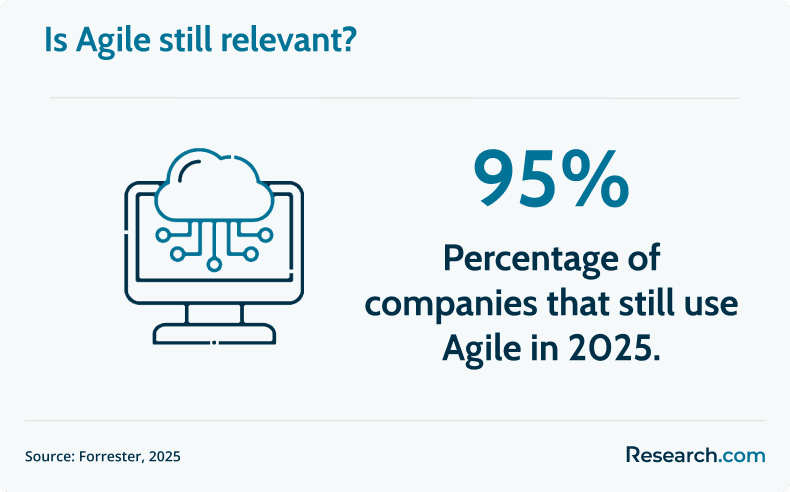
Recent research by Forrester showed that Agile is still relevant to 95% of companies, emphasizing its importance to employers seeking new talent.
What skills do employers look for in software engineers?
Employers seek software engineers who combine strong technical abilities with problem-solving and collaboration skills. Beyond coding, successful engineers demonstrate adaptability, creativity, and a keen understanding of user needs.
Key skills employers look for include:
- Programming Proficiency: Expertise in multiple languages such as Python, Java, JavaScript, or C++ for building efficient, maintainable code.
- Problem-Solving and Analytical Thinking: The ability to diagnose issues, optimize performance, and design effective technical solutions.
- Version Control and Collaboration: Experience with tools like Git and GitHub for managing code changes and working within team environments.
- Software Architecture and Design: Understanding how to structure systems and applications for scalability, security, and reliability.
- Communication and Teamwork: Clear communication with designers, product managers, and stakeholders to align development with business goals.
- Adaptability and Continuous Learning: Staying current with emerging technologies, frameworks, and best practices in a rapidly evolving tech landscape.
According to Zippia, the top skill listed on the resumes of software engineers is Java, found on 14.8% of resumes, followed by Python on 8.6% of resumes.
What are the different types of software engineers?
Software engineering is a broad field that includes various specializations, each focusing on different aspects of software creation and maintenance. Much like pursuing an online library science degree allows students to specialize in information systems and data organization, software engineers can choose specific areas that align with their interests, technical strengths, and career goals.
Common types of software engineers include:
- Front-End Engineer: Focuses on the visual and interactive elements of websites or applications, using languages like HTML, CSS, and JavaScript to ensure a seamless user experience.
- Back-End Engineer: Works on server-side logic, databases, and APIs that power applications, often using languages such as Java, Python, Ruby, or PHP.
- Full-Stack Engineer: Combines front-end and back-end expertise to build complete, end-to-end web applications.
- DevOps Engineer: Bridges development and operations by automating deployment, monitoring performance, and maintaining cloud infrastructure.
- Mobile App Engineer: Specializes in creating applications for mobile devices using platforms like Android (Kotlin, Java) and iOS (Swift).
- Machine Learning Engineer: Designs algorithms and models that enable systems to learn and make predictions from data.
- Security Engineer: Focuses on identifying vulnerabilities, securing systems, and implementing data protection strategies.
- Embedded Systems Engineer: Develops software that runs on hardware devices like IoT systems, automotive electronics, or medical equipment.
Where do software engineers work?
Software engineers work in a wide range of industries and environments, reflecting the growing importance of technology across every sector.
Just as professionals pursuing the cheapest online doctorate in psychology seek flexible and affordable ways to advance their expertise, software engineers also benefit from a career path that offers versatility, remote opportunities, and continuous learning across industries.
Many software engineers work in corporate offices or development centers, while others operate in remote or hybrid roles, collaborating with global teams through digital tools. The flexibility of the profession allows engineers to work on diverse projects, ranging from web and mobile apps to enterprise systems, artificial intelligence, and embedded technologies.
Common workplaces for software engineers include:
- Technology and Software Companies: Building and maintaining digital products, platforms, and services.
- Financial and Banking Institutions: Developing secure systems for transactions, analytics, and digital banking.
- Healthcare and Biotech Organizations: Creating software for patient management, diagnostics, and medical devices.
- Government and Defense Agencies: Working on secure systems, data management, and infrastructure software.
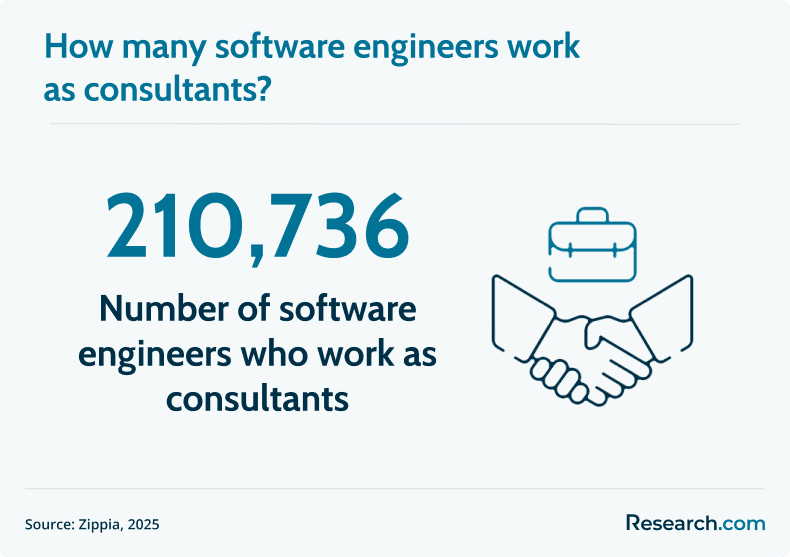
- Startups and Consulting Firms: Designing innovative solutions and customized software for clients across industries. There are currently over 200,000 software engineers who work as consultants in the United States.
How much do software engineers earn?
Software engineering remains one of the most lucrative and stable careers today, with salaries reflecting the high demand for skilled professionals.
Much like graduates earning a criminal justice online degree accredited by recognized institutions gain access to rewarding and well-compensated roles in law enforcement and public service, software engineers benefit from strong salary potential and job security in the ever-evolving tech sector.
Earnings vary depending on experience level, location, industry, and specialization, but most software engineers enjoy competitive pay and strong career growth potential.
In the United States, entry-level software engineers typically earn around $75,000 to $95,000 per year, while mid-level professionals make between $100,000 and $130,000. Senior engineers and specialists—such as those in AI, cloud computing, or cybersecurity—can earn $150,000 or more annually.
Additional compensation often includes bonuses, stock options, and remote work benefits, especially in tech hubs like San Francisco, Seattle, and New York. Globally, salaries vary, but software engineers in regions with a strong tech presence continue to command above-average wages compared to other fields.
The chart below lists the average annual salary of software engineers employed in different industries. The highest paying industry for software engineers, according to US BLS is software publishers.
How can you become a software engineer?
Becoming a software engineer typically involves gaining a mix of formal education, technical training, and hands-on experience.
Much like students pursuing online SLP programs (Speech-Language Pathology) to develop specialized clinical and communication skills through flexible study formats, aspiring software engineers can follow multiple educational paths that fit their background and career goals.
Here’s a step-by-step overview of how to become a software engineer:
- Earn a Relevant Degree: Most employers prefer candidates with a bachelor’s degree in computer science, software engineering, information technology, or a related discipline. Some roles may also accept associate degrees or equivalent experience.
- Learn Programming Languages: Build proficiency in core languages such as Python, Java, JavaScript, C++, or C#. Understanding data structures, algorithms, and object-oriented programming is essential.
- Gain Practical Experience: Apply your skills through internships, open-source projects, personal coding projects, or freelance work to strengthen your portfolio and problem-solving abilities.
- Build a Strong Portfolio: Showcase your projects on platforms like GitHub or personal websites to demonstrate your technical skills and creativity to potential employers.
- Consider Certifications or Bootcamps: Short-term coding bootcamps or certifications (e.g., AWS Certified Developer, Microsoft Certified: Azure Developer Associate) can boost your qualifications and help you specialize.
- Develop Soft Skills: Communication, teamwork, and adaptability are crucial for collaborating effectively in software development teams.
- Stay Current with Technology: The tech landscape evolves rapidly. Continuous learning through online courses, workshops, and professional communities helps you stay competitive.
With persistence and a commitment to lifelong learning, aspiring professionals can build a rewarding career in software engineering—one that offers flexibility, innovation, and global opportunities.
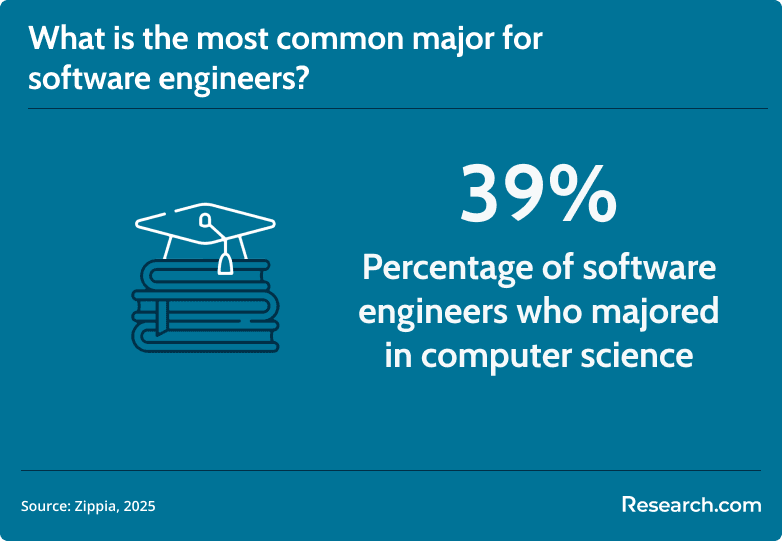
Zippia has found that the most common major among software engineers is computer science, with 39% majoring in the subject.
What are the growth opportunities for software engineers?
Software engineering offers vast and diverse career growth opportunities, fueled by rapid technological advancement and the increasing demand for digital solutions across industries. As businesses continue to adopt automation, artificial intelligence, and cloud technologies, skilled engineers have more pathways than ever to advance their careers.
Common growth opportunities for software engineers include:
- Career Advancement: Entry-level engineers can progress to roles such as senior software engineer, lead developer, or software architect, overseeing large-scale projects and mentoring junior team members.
- Specialization in Emerging Fields: Engineers can branch into high-demand areas like machine learning, cybersecurity, cloud computing, blockchain, or DevOps, where expertise commands premium salaries and leadership potential.
- Transition into Management or Leadership: Experienced engineers may move into technical lead, project manager, or engineering manager positions, blending technical knowledge with strategic and people management skills.
- Entrepreneurial and Consulting Opportunities: Many software engineers start their own tech ventures, develop independent apps, or offer consulting services to companies seeking digital transformation.
- Continuous Learning and Innovation: The field encourages ongoing professional development through certifications, advanced degrees, and participation in open-source or research projects, keeping skills relevant in a fast-evolving industry.
What challenges do software engineers commonly face?
While software engineering is a rewarding and high-demand profession, it also comes with its share of challenges. Engineers must balance technical complexity, project deadlines, and evolving technologies—all while maintaining code quality and collaboration within teams.
Some of the most common challenges include:
- Keeping Up with Rapid Technological Change: New frameworks, languages, and tools emerge constantly, requiring engineers to continuously learn and adapt to stay relevant.
- Managing Complex Projects and Deadlines: Tight timelines, shifting requirements, and resource limitations can make it difficult to deliver reliable software on schedule.
- Debugging and Maintenance: Identifying and fixing bugs in large codebases can be time-consuming and mentally demanding, especially when issues are difficult to reproduce.
- Balancing Technical Debt: Engineers often face pressure to deliver quickly, which can lead to shortcuts in code quality that must be revisited later for long-term stability.
- Collaboration and Communication: Working across multidisciplinary teams—often remotely—can lead to miscommunication or misalignment between developers, designers, and stakeholders.
- Ensuring Security and Performance: Building scalable and secure systems that protect user data and maintain high performance is an ongoing challenge, especially as cyber threats evolve.
Despite these obstacles, software engineers who develop strong problem-solving skills, teamwork, and adaptability can successfully navigate challenges and thrive in this ever-changing field.
What Software Engineers Say About Their Careers
- Kendra: "Becoming a software engineer completely changed my career trajectory. I get to solve real-world problems every day while working with technologies that constantly challenge me to grow. The flexibility to work remotely and the demand for my skills make this field incredibly rewarding."
- Lucie: "What I love most about software engineering is the creativity it allows. Building an app from scratch and seeing thousands of users benefit from it gives me a sense of accomplishment that few jobs can match. It’s both intellectually stimulating and deeply fulfilling."
- Patrice: "I started as a junior developer five years ago, and today I lead a team of engineers. The continuous learning, strong job security, and opportunities to innovate make software engineering an amazing long-term career choice."
Key Findings
- Most software engineers major in computer science, with 39% majoring in the subject.
- Software publishers offer software engineers a salary of nearly $150,000.
- About 95% of companies use agile methodologies.
- There are more than 210,000 software engineers working as consultants.
- The most common skill listed on resumes of software engineers is Java, found on almost 15% of resumes..
Other Things to Know About Software Engineers
In 2027, software engineers are primarily responsible for designing, developing, testing, and maintaining software applications. They work collaboratively on cross-functional teams to solve complex problems and implement innovative solutions, while often focusing on integrating artificial intelligence and machine learning into modern software systems for enhanced automation and efficiency.
In 2026, the most promising programming languages for software engineers include Python, JavaScript, and Rust. Python remains popular for data science and machine learning, JavaScript is essential for web development, and Rust offers safety and performance for system-level programming.
References
- Built In. (2025). 2025 software engineer salary in US. Retrieved from https://builtin.com/salaries/us/software-engineer
- Glassdoor. (2025). Salary: Software Engineer in United States. Retrieved from https://www.glassdoor.com/Salaries/software-engineer-salary-SRCH_KO0,17.htm
- Indeed. (2025). Software engineer salary in United States. Retrieved from https://www.indeed.com/career/software-engineer/salaries
- U.S. Bureau of Labor Statistics. (n.d.). Software Developers, Quality Assurance Analysts, and Testers (Occupational Outlook Handbook). Retrieved from https://www.bls.gov/ooh/computer-and-information-technology/software-developers.htm
- NACE (National Association of Colleges and Employers). (2025). Engineering, computer sciences top salary projections for class of 2025 bachelor’s graduates. Retrieved from https://www.naceweb.org/about-us/press/engineering-computer-sciences-top-salary-projections-for-class-of-2025-bachelors-grads
- Zippia. (2025). Software Engineer skills for your resume and career. https://www.zippia.com/software-engineer-jobs/skills.


