
2027 Are Online Financial Technology Degrees Respected by Employers?

Co-Founder and Chief Data Scientist
Online financial technology degrees have surged in popularity as more students seek flexible, career-focused education. Recent data shows that 74% of employers view online degrees as equally credible to traditional ones, highlighting a significant shift in perception. Understanding how employers currently regard online financial technology credentials can guide prospective students in making informed decisions. This article aims to clarify these employer attitudes and identify key factors influencing the professional value of online financial technology degrees, providing a clear overview of their standing in today's competitive job market.
Key Benefits of Online Financial Technology Degrees Respected by Employers
- Employers increasingly recognize online financial technology degrees as credible, with a 2023 survey showing 78% of hiring managers valuing online credentials similarly to traditional degrees in this field.
- Graduates develop critical technical skills such as blockchain analysis, data science, and cybersecurity, which align with evolving industry demands and improve their job readiness.
- Those holding online financial technology degrees report higher employment rates within six months of graduation, with a noted 15% average salary increase compared to peers without specialized fintech education.
Which Accrediting Bodies Make an Online Financial Technology Degree Legitimate?
Accreditation is essential for ensuring the quality and employer recognition of online financial technology degrees. It acts as a seal of approval that assures students and employers the program meets rigorous academic standards. This is particularly important given that many employers remain cautious about the legitimacy of online credentials unless they come from accredited sources. The right accreditation enhances credibility, facilitates credit transferability, and strengthens career outcomes. Here are the main types of accreditation relevant to online financial technology programs:
- Regional Accreditation: This is the most prestigious and widely accepted form of accreditation in the U.S. Regional accrediting agencies, such as the New England Commission of Higher Education or the Southern Association of Colleges and Schools, evaluate the overall quality of institutions. Regional accreditation for online financial technology degrees ensures recognition across states, supports seamless credit transfers, and enhances job prospects due to the high level of trust employers place in these credentials.
- National Accreditation: This accreditation tends to focus on specific types of institutions or career-oriented programs. While often less universally recognized than regional accreditation, it can still be valuable for certain career paths in financial technology that align with the institutions' specialized missions.
- Programmatic Accreditation: This type of accreditation evaluates specific programs within an institution rather than the institution as a whole. For accredited online fintech degree programs, programmatic accreditation confirms that the curriculum meets industry standards. An example includes the Association to Advance Collegiate Schools of Business (AACSB), which accredits business-related programs and helps ensure the degree reflects both financial and technological competencies employers seek.
Choosing an online financial technology degree program with appropriate accreditation can significantly impact your educational investment and career trajectory. For those interested in quick degrees and accelerated pathways, it is important to consult reliable resources that highlight accredited options, such as quick degrees.
Does University Reputation Affect Employer Views of Online Financial Technology Degrees?
University reputation plays a crucial role in shaping employer views of online financial technology degrees. Employers tend to trust degrees from well-known and respected institutions, which can significantly influence hiring decisions. Institutional prestige not only signals academic rigor but also reflects a university's credibility within the industry.
Key factors that enhance this credibility include accreditation status, alumni success, and strong industry partnerships. Accreditation assures employers that the curriculum meets established professional standards, reducing concerns about the quality of online programs. Additionally, universities with successful alumni in the fintech sector or meaningful ties to industry leaders often provide stronger networking and job placement opportunities, further boosting employer confidence.
For candidates considering the landscape of educational options, understanding which top ranked online financial technology programs employers trust can help guide their choices. This emphasis on reputation aligns with broader hiring trends, where employers weigh the institutional brand alongside practical experience.
However, it is important to maintain a balanced perspective. While degrees from prestigious universities may open doors, employers ultimately prioritize skills and relevant experience. In the technology-driven fintech field, demonstrated competencies often carry as much weight as the pedigree of the online degree. Candidates showing initiative and capability typically stand out regardless of their alma mater.
For those exploring online education options, researching what's the easiest online degree to get? can provide additional insight into accessible pathways that align with their career goals. Understanding the interplay between reputation, accreditation, and personal skill development can equip students to make informed decisions about their educational investment.
Do Employers Treat Online and On-campus Financial Technology Degrees Equally?
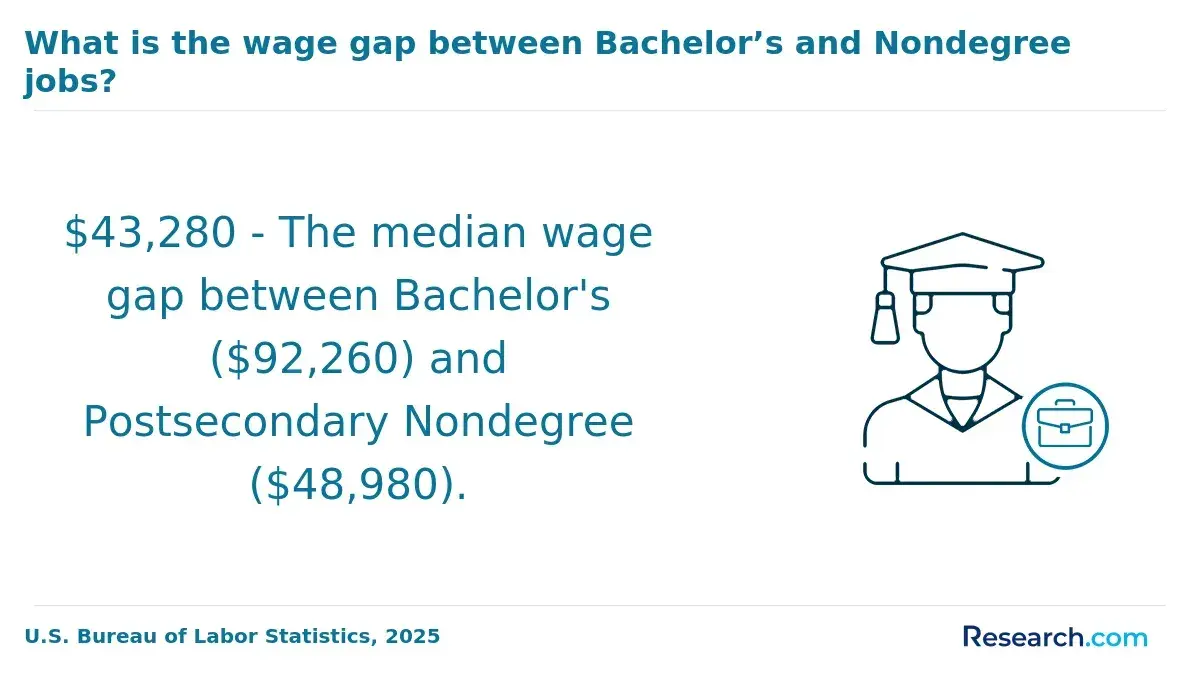
Employer perceptions of online financial technology degrees have shifted significantly in recent years, with a growing number recognizing the value of accredited online programs from reputable universities. Globally, a large majority of employers have hired graduates with online degrees, and many HR professionals consider accredited online qualifications comparable to traditional on-campus degrees. However, in the United States, this acceptance is less uniform; while some employers remain skeptical, particularly regarding the equivalency of online credentials, sectors like technology are becoming increasingly open to online degrees that demonstrate relevant skills and adaptability to modern work environments.
When comparing online financial technology degrees to traditional ones, hiring managers place high importance on accreditation and the reputation of the awarding institution, as these elements signal rigorous academic standards. Practical experience included in the program-such as internships, capstone projects, or case studies-also enhances employer confidence in online graduates. Although a notable portion of U.S. recruiters still prefer in-person education for its perceived advantages in technical training and leadership development, the rise of remote and hybrid work models has improved outlooks on online learning. Graduates seeking to maximize the credibility of their online financial technology degrees should carefully choose accredited programs from respected universities that integrate hands-on, real-world learning components to meet evolving industry demands.
Do Employers Trust Online Financial Technology Degrees from AI-powered Virtual Classrooms?
AI-powered virtual classrooms significantly enhance the quality and credibility of online financial technology education by integrating adaptive learning systems, interactive virtual simulations, and AI-driven tutors. Adaptive learning systems tailor the educational experience to individual student needs, allowing learners to progress at their own pace and focus on their weaknesses. Virtual simulations provide immersive, realistic scenarios that help students develop practical skills relevant to the fintech industry. AI tutors offer instant feedback and continuous support, replicating the mentorship typically found in traditional settings. Programs incorporating these technologies emphasize hands-on training with blockchain, artificial intelligence, and machine learning, ensuring graduates gain both theoretical knowledge and practical expertise-key factors that align directly with employer expectations for job-ready professionals in emerging financial technologies.
These technological advancements have influenced employer perceptions, gradually increasing trust in online financial technology degrees. The fintech sector's demand for technically skilled workers has contributed to a growing acceptance of online credentials, especially those offering real-world applications and strong industry connections. Graduates of reputable online programs are increasingly hired for roles in risk management, data analytics, and project management, supported by integrated career services and professional networks. However, some employers remain cautious about whether online programs can fully replicate the networking and collaborative opportunities found in traditional classrooms. Despite this skepticism, a 2023 survey by Northeastern University reports that 61% of US HR leaders view online degrees from respected institutions as equal to or superior to traditional degrees, particularly when AI-powered platforms demonstrate clear technical and analytical competencies.
What Skills Do employers Value from Online Financial Technology Graduates?
Online Financial Technology graduates must combine strong technical skills for financial technology jobs with essential soft skills to stay competitive in a rapidly changing industry. Employers now prioritize candidates who demonstrate both programming expertise and effective communication abilities, knowing these capabilities foster innovation and collaboration.
The most sought-after competencies among online Financial Technology graduates include the following key skills:
- Programming Proficiency: Online fintech programs focus on hands-on experience with languages like Python, Java, and R, which are crucial for creating financial applications. Through project-based learning, students develop coding skills that translate directly to the development and maintenance of fintech platforms.
- Cybersecurity and Blockchain Expertise: As security concerns grow, online curricula are increasingly incorporating cybersecurity fundamentals and blockchain technology. This prepares graduates to implement robust security protocols, manage threats effectively, and contribute to innovations such as smart contracts and decentralized finance.
- Data Analytics and Problem-Solving: Coursework involving real-world financial datasets and case studies strengthens students' data analysis skills for fintech professionals. Graduates become adept at interpreting complex data, assessing risks, and crafting data-driven solutions, which employers find invaluable in decision-making roles.
- Financial Industry Knowledge: Online programs blend technical training with core financial concepts like accounting, taxes, and capital markets. This combined expertise enables graduates to bridge the gap between IT teams and financial departments, enhancing their versatility in the workplace.
- Communication and Collaboration: Through interactive online discussions and group projects, students sharpen their ability to explain technical ideas clearly and work collaboratively. Strong communication skills are critical for fintech professionals who must coordinate across diverse teams.
Those exploring educational options may also consider a fast associates degree online as a pathway to enter the fintech field with foundational knowledge and skills.
Do Professional Certifications Help Validate Online Financial Technology Degrees?
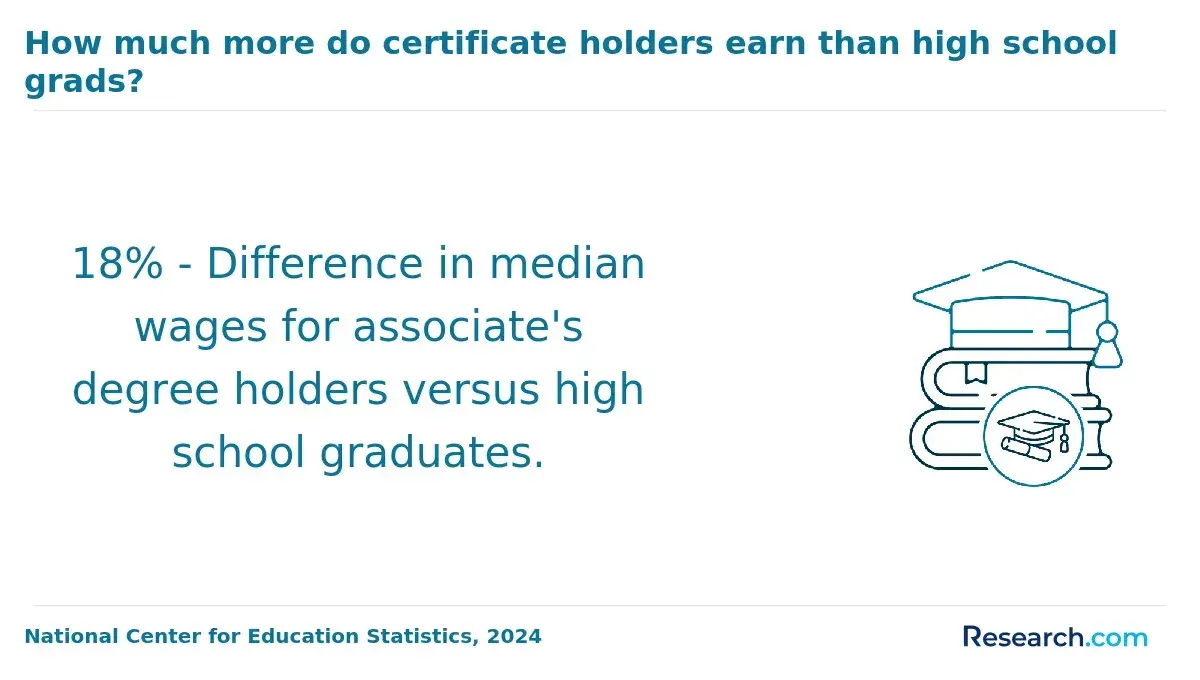
Earning professional certifications can significantly enhance the credibility of an online financial technology degree by demonstrating industry-specific competencies and expertise. These certifications provide tangible proof of skills and knowledge, which is crucial in a rapidly evolving field where practical ability is highly valued. To understand how professional certifications help validate online financial technology degrees, consider the following key ways they reinforce the value these credentials hold with employers.
Some of the main certifications and benefits that contribute to the professional recognition of online financial technology graduates include:
- FinTech Certification from Harvard: This executive-level certification targets senior business decision makers and offers a broad overview of financial technology concepts such as blockchain and cryptocurrencies. It not only deepens understanding but also enhances networking opportunities, making graduates more appealing to potential employers.
- FinTech Industry Professional (FTIP) Certification: Provided by Corporate Finance Institute, this credential equips professionals with practical insights into innovative areas like InsurTech, WealthTech, and digital banking. It boosts credibility in the sector and opens doors for career advancement by validating hands-on industry knowledge.
- NYU SPS FinTech Certificate: Emphasizing technologies that transform financial services, including AI and data science, this program helps build foundational and technical skills highly prized by fintech companies, banks, and hedge funds. Holding this certificate signals readiness for tech-driven finance roles and supports upward mobility.
Reflecting on these perspectives, a professional who completed an online financial technology program shared his experience with integrating certifications into his career path. Initially, he found it challenging to prove the real-world applicability of his degree to employers unfamiliar with online education formats. Pursuing a recognized certification helped bridge that gap by showcasing specific skills and knowledge validated by industry leaders. He described feeling a newfound confidence during interviews because the certification served as an objective testament to his expertise, reducing doubts about the online degree's value. This process involved rigorous study and balancing work commitments but ultimately strengthened his professional profile. Looking back, he emphasized that the certification was "the key to unlocking trust" with employers and "opened doors that otherwise might have remained closed," demonstrating how professional certifications can validate and amplify the worth of online financial technology degrees.
Do Online Financial Technology Graduates Earn the Same Salaries as On-campus Graduates?
Current national data shows no significant difference in the average salary for online fintech degree graduates in the US compared to those who attend on-campus programs. Industry reports highlight that fintech career salaries online vs on-campus remain competitive, with both pathways leading to comparable earning potential across the sector. Several key factors influence salary outcomes regardless of the mode of study, and understanding these can help clarify the landscape for prospective students and professionals.
Below are the primary factors affecting salary parity between online and traditional financial technology degree holders:
- Accreditation and Program Reputation: Employers emphasize degrees from accredited and well-regarded institutions. Whether earned online or on-campus, degrees from recognized universities that maintain rigorous curricula and quality faculty tend to be valued equally in hiring and compensation decisions.
- Skill Proficiency and Specialization: Demonstrated expertise in emerging fintech areas like AI, blockchain, and cybersecurity significantly impacts salary offers. Both online and in-person programs can provide the specialized, up-to-date training required to develop these competitive skills.
- Career Services and Networking: While on-campus programs may offer traditional networking events and career placement, many online programs now provide virtual internships, networking opportunities, and job support. This reduces historical gaps and helps online graduates access lucrative fintech roles.
- Employer Perception and Hiring Trends: Increasingly, US employers view online fintech degrees as credible credentials, focusing more on a candidate's capabilities than the degree format. This trend supports salary equivalence across online and on-campus graduates.
- Geographic and Role-Specific Variables: Salary levels frequently vary by location and job role, with fintech hubs offering higher pay. This geographic premium applies equally to qualified graduates from both online and traditional paths competing for the same positions.
For students exploring options, choosing an online school that accepts fafsa can also help manage education costs while preparing for high-demand fintech careers.
How Do Online Financial Technology Degrees Impact Career Growth and Promotions?
Earning an online financial technology degree can significantly enhance long-term career advancement and promotion opportunities across finance, technology, banking, and other industries. As the demand for combined financial and digital skills grows, graduates with this expertise are well-positioned to pursue new roles and accelerated career paths. This section outlines the main ways online financial technology degrees support professional growth.
- High Demand for Skills: Employers seek professionals who blend financial knowledge with technical skills such as data analytics, blockchain, and digital payments. This demand fosters job security and frequent advancement opportunities as companies compete for talent that can innovate and optimize financial services.
- Competitive Earning Potential: Roles in financial technology often come with some of the highest salaries in finance and technology sectors. Attractive compensation allows professionals to progress more rapidly into leadership and specialized roles.
- Flexible Career Transitions: The online format enables learners to upskill or reskill without interrupting their current employment. This flexibility supports smooth transitions within or between industries, facilitating promotions or pivots to in-demand fields like digital banking or cybersecurity.
- Broadened Professional Network: Online programs connect students with a diverse, global cohort through virtual collaboration and industry events. These relationships often lead to mentorship, job referrals, and partnerships that accelerate career development.
- Specialization and Leadership Preparation: Many programs focus on niche areas-such as payments or regulatory technology-preparing graduates to take on leadership roles that require both strategic insight and technical expertise.
- Adaptability and Lifelong Learning: Self-paced online study cultivates adaptability and a commitment to continuous learning, traits highly valued in fast-evolving industries. This mindset supports sustained career growth and resilience against market changes.
In a conversation with a professional who recently completed an online financial technology degree, she reflected on how the program transformed her career trajectory. Balancing full-time work and study was initially challenging, but the program's flexible schedule allowed her to deepen her expertise while staying employed. She credited the specialized courses on digital payments and blockchain technology with equipping her to lead a successful fintech integration project at her bank, a role she earned shortly after graduating. She described earning the degree as a "game changer" that opened doors to leadership discussions and offered a clear path for promotion. Her experience underscores how the practical skills and confidence gained through such programs can directly translate into tangible career progress and influence within an organization.
What Companies Actively Hire Graduates from Online Financial Technology Programs?
Employers across a variety of industries are increasingly open to hiring candidates with online financial technology degrees as digital credentials become more widely accepted in the evolving job market. This trend reflects a growing recognition that graduates from online programs possess the technical proficiency and financial knowledge needed to thrive in modern finance roles. Companies actively hiring online financial technology graduates span multiple sectors, each valuing the unique blend of skills these candidates bring.
The types of companies and industry sectors that regularly hire graduates from online financial technology programs include:
- Large banks and financial institutions: These organizations recruit graduates for roles in software development, cybersecurity, data analysis, and digital product management. They appreciate hands-on experience with financial systems and programming, often incorporating these graduates into teams focused on online banking platforms, payment systems, and fraud detection.
- Fintech startups and scale-ups: Agile startups in payments, lending, and investing seek online financial technology graduates for product development, UX design, and data science roles. These companies value the innovative, fast-paced mindset nurtured by online learning, which aligns well with their iterative work culture.
- Payment processors and digital wallet providers: Firms in this category hire graduates for engineering, risk management, and customer success positions. The combination of knowledge in financial regulations and technical skills like API integration and cybersecurity makes online graduates well-suited for adapting to evolving payment technologies.
- Financial data and analytics firms: Companies specializing in financial data and business intelligence employ online financial technology graduates as analysts, data scientists, and product managers. Their expertise in data manipulation, statistical modeling, and machine learning supports roles in credit risk, fraud detection, and investment strategy.
- Insurance and real estate tech companies: Insurtech and proptech sectors engage graduates for product management, underwriting analytics, and customer experience roles. Online programs' interdisciplinary training helps meet the demands of digitization and personalized service delivery in these industries.
Students interested in pursuing these career paths may find additional valuable information about educational options from a range of vocational colleges online, which often include programs tailored to emerging technology-driven fields including financial technology.
What Future Trends Will Shape Online Financial Technology Degrees' Credibility?
Technology advances, rising accreditation standards, and shifting employer attitudes are continuously reshaping the perception of online financial technology degrees in the job market. As digital education platforms evolve and employers place greater value on skills over traditional credentials, these programs are gaining wider acceptance.
Several key trends are expected to strengthen the legitimacy, academic quality, and employer trust in online financial technology programs:
- AI-Driven Learning Validation: Artificial intelligence enables real-time, adaptive assessments and project-based evaluations that closely reflect workplace demands. This allows programs to provide employers with credible proof of graduates' competencies in both technical and soft skills, increasing hiring confidence.
- Global Accreditation Collaboration: Cross-country partnerships between accreditation bodies aim to establish universal standards for online degrees, ensuring consistent quality benchmarks. This makes it easier for employers worldwide to recognize and trust online financial technology credentials.
- Increased Employer Partnerships: Collaborations with fintech firms, banks, and tech companies help co-design curricula, offer internships, and provide capstone projects. These connections keep coursework relevant and demonstrate graduates' readiness for real-world challenges.
- Skill-Based Hiring: Employers focus more on demonstrable abilities like coding, data analysis, and cybersecurity rather than the degree's issuing institution. Online programs emphasizing hands-on projects and portfolio development align closely with this hiring approach.
- Integration of Emerging Technologies: Incorporating topics like decentralized finance, smart contracts, and AI-powered financial services ensures programs remain academically rigorous and relevant. Graduates with expertise in these areas are positioned to meet evolving employer needs.
- Cybersecurity Focus: As fintech's share of global banking revenue grows, specialized cybersecurity tracks taught by industry professionals enhance degree value by addressing critical employer demands for protecting digital assets.
Here's What Graduates of Respected Online Financial Technology Programs Have to Say About Their Degree
- Maria: "Completing my online financial technology degree opened doors I hadn't imagined before. The flexibility allowed me to balance family life while gaining cutting-edge skills that employers highly value. Within months of graduation, I secured a role at a leading fintech startup, where I'm now contributing to innovative payment solutions that impact users worldwide. The community support and networking opportunities within the program were invaluable in accelerating my career. This degree truly transformed my professional outlook and work-life balance. "
- Jamal: "Reflecting on my journey, earning an online financial technology degree was a pivotal step in advancing my career in digital banking. The curriculum's focus on real-world applications and emerging technologies gave me the confidence to lead projects that optimize user security and transaction efficiency. Being part of an online cohort during such a rapidly evolving sector fostered adaptability and resilience-qualities essential for career growth. My experience taught me that with the right education, geographical location is no longer a barrier to professional success. "
- Ayesha: "Starting out, I was unsure how an online financial technology degree would compare to a traditional one, but it exceeded all expectations. The program's blend of technical knowledge and industry insight empowered me to pivot from a general IT background into a specialized fintech analyst role. This shift has allowed me to contribute to financial inclusion efforts, developing tools that help underserved communities access essential banking services. This degree did not just advance my career; it fueled my passion for meaningful impact in the world. "
Other Things You Should Know About Respectable Online Financial Technology Degree Programs
Many employers regard online financial technology degrees as credible when they come from accredited institutions with strong reputations. The acceptance depends on the program's curriculum rigor, faculty expertise, and alignment with industry needs. Demonstrated skills and practical experience often weigh heavily alongside the degree itself.
In 2027, many employers recognize online financial technology degrees as equivalent to traditional ones, evaluating them based on the program's reputation and curriculum quality. The focus has shifted towards candidates’ skills and knowledge rather than the mode of education delivery.
In 2027, the reputation of the institution offering an online financial technology degree significantly influences employer perception. Employers often regard degrees from well-established and accredited institutions more highly, as these programs are perceived to offer rigorous and up-to-date curricula consistent with industry standards.
References
- Fintech trends: Shaping risk and assurance in 2026 https://www.wolterskluwer.com/en/expert-insights/fintech-trends-shaping-risk-assurance-2026
- What Jobs Could You Do with a Masters Degree in Financial Technology | Good Universities Guide https://www.gooduniversitiesguide.com.au/articles/education-blogs/guest/what-jobs-could-you-do-with-a-masters-degree-in-financial-technology
- Fintech Career Paths | Master in Financial Technology Career Path https://www.ie.edu/school-science-technology/programs/master-financial-technology/career-path/
- AI study: Over 60 per cent use Artificial Intelligence at work – almost half of all employees are worried about losing their jobs | Deloitte Switzerland https://www.deloitte.com/ch/en/about/press-room/ai-study-almost-half-of-all-employees-are-worried-about-losing-their-jobs.html
- Bridge the Skills Gap in FinTech with a Master of Financial Technology from UNSW https://studyonline.unsw.edu.au/online-programs/master-financial-technology
- 10 Critical Fintech Trends in the Coming Years - Qubit Labs https://qubit-labs.com/fintech-trends-in-the-coming-years/


