2027 What Is an Emergency Management Master's Degree? Definition, Curriculum & Career Paths

Co-Founder and Chief Data Scientist
In an era marked by intensifying natural disasters, cyber threats, and complex crises, the demand for specialized expertise in emergency management has escalated sharply. According to FEMA's 2024 workforce report, the sector faces a critical shortage of advanced practitioners capable of integrating risk assessment, resilience planning, and adaptive response strategies across diverse environments.
This shortage spotlights the practical necessity of graduate-level training that transcends theoretical knowledge, emphasizing skills in interagency coordination, crisis communication, and data-driven decision-making.
Exploring what an emergency management master's degree entails reveals crucial insights into the curriculum's alignment with evolving employer expectations and the varied roles graduates may assume.
Key Benefits of Emergency Management Master's Degree
- Specialized coursework in emergency management often requires significant time and financial investment, which may delay entry into the workforce but provides rigorous preparation for complex crisis scenarios.
- Employers increasingly seek graduates with advanced skills in risk assessment and interagency coordination, reflecting a 2024 shift toward multidisciplinary disaster response models emphasizing collaboration and communication.
- Graduates equipped with strategic planning capabilities adapt more effectively to evolving emergency protocols, enhancing long-term job stability amid fluctuating public safety funding and policy changes.
Who Should Pursue an Emergency Management Master's Degree?
Graduate education yields the most value when it addresses a clearly defined objective rather than serving as a routine step after completing a bachelor's degree. Candidates for an emergency management master's degree should assess how the program aligns with their specific career objectives, current skill gaps, and industry expectations.
The strategic benefits from this degree hinge on whether it advances long-term professional trajectory and provides competitive positioning within a field marked by evolving public safety challenges.
- Emergency Services Professionals Seeking Leadership Roles: Individuals working directly in fire services, law enforcement, public health, or homeland security can use this degree to develop essential skills in crisis communication, risk assessment, and interagency coordination. These competencies are critical for advancing into management or director-level positions, where leadership demands both operational insight and strategic planning ability.
- Career Changers Entering Disaster Preparedness: Those transitioning from fields like urban planning, business continuity, or social services gain structured technical knowledge and policy analysis skills to fill workforce gaps. A master's in emergency management provides the specialized expertise many employers require, helping to bridge the experiential divide in these increasingly multidisciplinary roles.
- Policy-Driven or Research-Oriented Professionals: Candidates aiming for positions in government agencies or nonprofits focused on policy development can deepen analytical and data-driven decision-making capabilities. The degree supports advancement in roles that design, evaluate, and reform emergency preparedness frameworks at local, state, or federal levels.
- Mid-Career Professionals Facing Complex Operational Challenges: Experienced practitioners confronting heightened emergency scenarios due to climate change or public health emergencies benefit from updated methodologies and strategic leadership competencies. This educational investment enhances adaptability in environments demanding multi-agency collaboration and resource optimization.
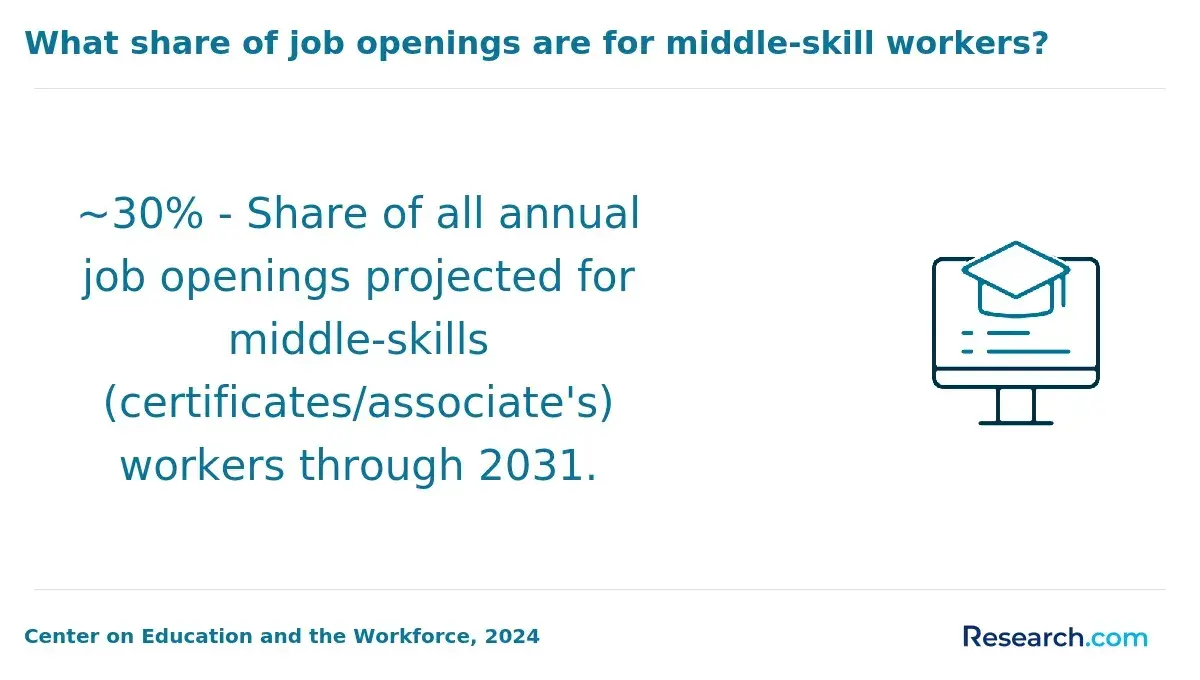
As an example of workforce implications, the U.S. Bureau of Labor Statistics projects a 9% growth in employment for emergency management directors from 2022 to 2032, underscoring demand for professionals equipped with advanced operational leadership skills.
Prospective students should evaluate if enhanced analytical capabilities and stakeholder management expertise, offered through a master's degree, directly support their envisioned career path. Those needing foundational exposure often find the program demanding, highlighting the importance of relevant experience prior to enrollment.
For candidates seeking to compare complementary graduate programs, exploring affordable online MSW programs may also provide valuable context for interdisciplinary emergency management roles tied to social services.
What Are the Core Courses in an Emergency Management Master's Curriculum?
Core courses establish the essential academic framework for a master's program in emergency management, developing skills and knowledge that support diverse career trajectories within the field. While program titles and emphases vary, most curricula focus on a shared set of subjects designed to advance expertise in disaster preparedness, response, and resilience.
These foundational classes go beyond theory to equip students with practical competencies and analytical tools relevant across public, private, and nonprofit sectors.
- Disaster Risk Reduction and Resilience: This course underpins the curriculum by addressing how to assess vulnerabilities and implement long-term strategies that reduce disaster impacts. It fosters a strategic, systems-level mindset critical for sustainable community protection, a demand that aligns with evolving employer priorities on prevention rather than reaction.
- Emergency Planning and Preparedness: Focused on the design and evaluation of operational response frameworks, this class builds leadership and coordination capabilities essential for managing resources and stakeholder collaboration effectively during crises. It prepares students for roles requiring practical incident readiness and adaptive decision-making.
- Crisis Communication: Managing information dissemination during emergencies is vital for public safety and cross-agency cooperation. This course develops proficiency in controlling messaging under pressure, which recent studies highlight as a top skill in reducing misinformation and enhancing situational compliance.
- Incident Command Systems (ICS): Standardized protocols for multi-agency coordination are central to managing complex emergencies. Training in ICS ensures graduates speak a common operational language, streamlining collaborative responses across jurisdictions and sectors.
- Research Methods and Data Analysis: Empirical evaluation through statistical and Geographic Information Systems (GIS) tools strengthens graduates' ability to make evidence-driven decisions. Increasingly, employers expect mastery of data analytics for optimizing resource allocation and situational awareness.
- Policy and Legal Frameworks: Understanding legal constraints and regulatory requirements is critical for navigating the bureaucracies that govern emergency operations. This coursework enhances ethical compliance and informs advocacy and policy development roles prevalent in the field.
Collectively, these courses enable students to progress from conceptual frameworks to applied skills, directly linking academic work with the operational demands of emergency management careers.
According to a 2024 report from the National Emergency Management Association, professionals with comprehensive training in both analytical methods and standardized response protocols experience faster career entry and higher employer retention rates within government and large-scale humanitarian organizations.
One graduate recalled the challenge of navigating a rolling admissions cycle while balancing full-time work in a related field. The candidate hesitated to apply early without complete clarity on prerequisite courses, fearing weak preparation.
However, after receiving detailed syllabus outlines mid-cycle, the applicant prioritized foundational classes in disaster resilience and planning, which provided immediate relevance and boosted confidence. This strategic timing proved critical in aligning academic choices with long-term professional goals, underscoring that admissions timing and course sequencing can significantly impact early career preparedness.
What Specializations Are Available in Emergency Management Master's Programs?
Emergency management master's programs commonly provide multiple specialization tracks that enable students to deepen their expertise beyond foundational emergency management principles. While core courses cover broad concepts like disaster planning and coordination, specializations hone distinct technical and strategic skills aligned with particular sectors and employer needs.
Selecting the right focus influences graduates' skill sets, industry fit, and long-term employability in a field known for diverse operational demands.
- Disaster Response and Recovery: This specialization prioritizes operational competence in crisis situations, emphasizing incident command protocols, logistics, and interagency collaboration. Graduates often enter government agencies or nonprofit organizations responsible for immediate emergency actions, where practical experience and rapid decision-making are critical. Labor market differentiation here hinges on demonstrated readiness and field experience in high-pressure environments.
- Risk Assessment and Mitigation: Focused on hazards analysis and resilience planning, this track develops expertise in GIS mapping, quantitative risk modeling, and policy frameworks aimed at reducing disaster impact preemptively. Employers in urban planning, insurance, and government regulatory bodies value these skills for shaping prevention strategies, creating a more analytical career path with emphasis on long-term vulnerability reduction rather than reactive management.
- Cybersecurity and Critical Infrastructure Protection: Addressing emerging cyber threats to essential systems such as energy grids and water supplies, this specialization blends cybersecurity principles with infrastructure resilience. Graduates meet growing demand from both public agencies and private sector firms seeking professionals capable of integrating cyber risk with physical asset protection, a rapidly expanding niche reflecting heightened concerns over digital and hybrid threats.
- Public Health Emergency Management: With a focus on biological hazards and pandemic response coordination, this track aligns with healthcare systems, emergency medical services, and community preparedness efforts. Recent global health crises have intensified employer interest in candidates trained to navigate complex health emergencies, making this specialization increasingly vital amid broader public health workforce expansions.
According to the 2024 National Emergency Management Workforce Report, specialized skills related to cyber infrastructure and public health emergency management saw employment growth rates exceeding 15% in the past two years, underscoring market shifts favoring these targeted competencies.
Prospective students should weigh such labor trends alongside personal aptitudes, as specialization choice significantly frames both immediate job opportunities and career trajectory within the multifaceted emergency management landscape.
How Long Does It Take to Complete an Emergency Management Master's Degree?
The typical duration to complete an emergency management master's degree falls between 18 months and three years, with most students finishing in about two years when studying full-time.
This timeframe reflects program designs that balance foundational coursework with applied skills relevant to disaster preparedness, response, and recovery. Part-time enrollment, common among working professionals, often extends this timeline beyond three years.
According to recent data from the U.S. Department of Education and accredited university surveys in 2024, a substantial proportion of students meet the two-year completion target when enrolled full-time, highlighting a standard pacing model prevalent in the field.
Several programmatic and personal factors influence how long it takes to complete emergency management graduate programs. Course intensity per semester, requirements for internships or thesis projects, and the modality of delivery shape the overall timeline.
Students juggling employment or family obligations might opt for reduced course loads, which increases duration but offers necessary flexibility. Elective selections and specialization areas can further adjust study plans, as can dual-degree options or additional certification tracks that add credits.
These elements underscore the variable nature of program structures and the importance of aligning study plans with individual circumstances rather than relying solely on typical duration estimates.
Graduate students may also strategically choose to accelerate or lengthen their studies depending on career priorities or financial considerations. Accelerated pathways that compress coursework into 12 to 18 months often require heavier semester loads or summer classes, appealing to those aiming for rapid workforce re-entry.
Conversely, pursuing extended research projects, comprehensive fieldwork, or part-time study allows for deeper practical experience but stretches completion dates. Individuals seeking to balance skill acquisition against time investment should assess these tradeoffs carefully. For some, investing additional time results in stronger competencies and professional network development.
Those exploring alternative programs can compare options for program flexibility, including reviewing resources like the cheapest online business management degree listings to understand broader graduate degree delivery models affecting duration and accessibility.
Do Emergency Management Master's Programs Require Internships or Practicums?
The inclusion of internships or practicums in emergency management master's programs varies considerably depending on each program's focus and structure. Programs with a professional orientation often embed practical experiences to align with workforce expectations, whereas research-centered tracks may leave these components optional or out of the curriculum entirely.
Institutional priorities and relationships with agencies or organizations that facilitate placements also shape these requirements. Prospective students should examine whether a program's experiential learning obligations match their career goals and availability, as mandates range from brief practicums lasting weeks to extended internships spanning several months.
Experiential learning components function as critical bridges between theoretical instruction and the demands of actual emergency management work. They provide opportunities to apply classroom knowledge in dynamic, real-world environments, exposing students to the complexities of crisis response, interagency coordination, and regulatory compliance.
Beyond skill application, these placements aid in building professional networks and serve as practical demonstrations of job readiness for employers, which is especially valuable in a field where trust and proven capability are paramount. Graduates who leverage these experiences often report smoother transitions into relevant roles compared to peers without such hands-on engagement.
A recent graduate recalled hesitating during the rolling admissions cycle about committing to a program with a required practicum component due to concerns over timing and personal obligations. She paused after receiving early interest from several programs but lacked clarity on internship placements and how this requirement would affect her work schedule.
Ultimately, she accepted an offer once details on flexible practicum timelines and remote opportunities were clarified, noting relief that the experiential element aligned with her career intent without creating undue disruption. This measured decision-making highlights the practical considerations students face when evaluating emergency management master's programs with mandated internships or practicums.
What Skills Do Students Gain From an Emergency Management Master's Degree?
A master's degree in emergency management is structured to cultivate advanced, specialized capabilities that exceed undergraduate training. These skills are developed through an integrated approach combining theoretical concepts, applied coursework, and industry-aligned projects, equipping students to navigate the complexities of professional emergency management environments.
This blend of instruction and experiential learning enhances not only technical proficiency but also strategic and interpersonal effectiveness critical for evolving field demands.
- Comprehensive Risk Assessment: Graduate programs immerse students in data-driven methodologies to identify and analyze vulnerabilities within communities and organizations. This analytical rigor supports anticipatory threat identification, which employers value for its role in proactive disaster mitigation and resilience planning. Mastering this skill aids in career advancement toward specialized roles in hazard analysis and risk consulting.
- Crisis Communication and Coordination: Coursework emphasizes crafting clear, context-sensitive messaging during emergencies, reinforcing coordination with diverse stakeholders such as government bodies, nonprofits, and public groups. Practical exercises and simulations develop real-time communication competence, a critical asset for leadership roles that require managing information flow and stakeholder alignment under pressure.
- Leadership and Ethical Decision-Making: Students learn frameworks for making timely, well-founded decisions in uncertain and resource-constrained scenarios, reflecting the ethical imperatives of public safety. This skill set is often honed through case studies and scenario-based assignments, preparing graduates to lead multidisciplinary emergency response teams effectively while navigating complex operational challenges.
- Project and Resource Management: Master's coursework foregrounds planning, logistics, and recovery strategies through applied projects that mirror real-world emergency preparedness initiatives. These experiences sharpen capabilities in prioritizing resource allocation and managing ongoing operations, skills employers seek for roles in emergency operations centers or community resilience programs.
- Technical Proficiency with Information Systems: Increasing integration of emergency management information systems (EMIS), geographic information systems (GIS), and data analysis tools into curricula strengthens situational awareness and evidence-driven decision-making. Students' hands-on exposure to these technologies aligns with employer expectations for agility in rapidly changing emergency contexts and supports pathways into technical specialist roles.
- Critical Thinking and Adaptability: A pervasive theme across programs is cultivating the ability to adapt strategies dynamically as situations evolve, underpinning professional resilience. Enhanced by research projects and reflective exercises, this competency is essential for long-term success in diverse public safety and disaster recovery roles, where evolving threats require flexibility and innovative problem-solving.
Many employers in emergency management fields now prioritize candidates that demonstrate the sophisticated blend of skills typical of master's degree graduates.
Relevant data from recent workforce analyses indicate a growing demand for professionals who not only understand technical tools and frameworks but also excel in leadership, communication, and complex decision-making under duress. This mix of attributes reflects the nuanced skill development pathways integral to emergency management master's degree skills development.
Those interested in how accelerated educational models work in specialized fields might explore complementary degrees, such as construction management, which also stress project management and operational skills. More information is available in resources like the best 2 year construction management degree online, which provides a useful parallel for understanding condensed timelines in skill acquisition relevant to public safety sectors.
What Careers Can You Pursue With an Emergency Management Master's Degree?
A master's degree in emergency management opens the door to a variety of specialized roles across public agencies, private firms, and nonprofit organizations. Career outcomes hinge on factors such as chosen specialization within the field, the ability to develop practical skills like risk assessment and crisis communication, prior experience, and the degree to which a candidate aligns with sector-specific labor demands.
The evolving nature of risks, including climate change and cyber threats, also shapes where and how these skills are deployed.
- Emergency Management Director: These professionals lead strategic planning and coordinate response efforts for government bodies or large organizations. Master's-level training enhances their capacity to analyze complex risk scenarios and manage multi-agency collaboration. The field is growing moderately, with greater demand driven by policy shifts toward resilience and disaster preparedness.
- Disaster Recovery Specialist: Focused on facilitating recovery operations after incidents, these specialists translate academic knowledge of recovery frameworks into on-the-ground relief coordination and rebuilding priorities. They commonly work with humanitarian groups, insurance companies, or municipal planners, often progressing into consultancy or senior project management roles.
- Risk Analyst: Leveraging skills in hazard identification and mitigation, risk analysts assess vulnerabilities for businesses or public entities. Their analytical expertise supports decisions around risk reduction investments and resilience planning, frequently employed in sectors like utilities, healthcare, and insurance that prioritize continuity.
- Public Health Emergency Planner: Integrating emergency management principles with epidemiology, these planners design response strategies for outbreaks and integrate them with broader crisis protocols. Positions are typically found in health departments or agencies, where ongoing public health challenges increase demand for robust preparedness frameworks.
- Homeland Security Professional: These roles encompass counterterrorism, cyber resilience, and critical infrastructure protection. Master's education supports advanced policy analysis and interagency coordination required in federal or state security settings, with career paths often progressing toward specialized intelligence or operational leadership positions.
- Continuity and Crisis Management Consultant: Consultants advise organizations on maintaining operations under adverse conditions, drawing on interdisciplinary mastery of risk, communication, and organizational resilience. Their expertise is increasingly sought in private sectors facing supply chain disruptions or reputational risks, offering flexible career trajectories across industries.
How Much Can You Earn With an Emergency Management Master's Degree?
Earning potential for graduates with a master's degree in emergency management varies considerably depending on how the credential is leveraged across sectors and specific job roles rather than reflecting a single fixed salary. Public sector roles, nonprofit organizations, and private firms in risk management each offer distinct compensation frameworks influenced by budget constraints, funding sources, and operational scale.
Geographic location also plays a significant role; urban and federal positions generally provide higher wages compared to rural or municipal jobs due to differing economic bases and risk profiles. Additionally, the functional focus of the role, whether technical coordination, policy development, or strategic leadership, further diversifies income outcomes within this field.
Key factors driving compensation disparities include the relative scarcity of specialized skills such as interagency coordination, crisis communication, and digital risk assessment, which are increasingly valued as emergency management integrates advanced technologies and analytics.
Leadership responsibilities and managerial scope typically command premium salaries, reflecting the higher stakes and decision-making authority involved. Moreover, industry demand fluctuates with trends in regulatory changes, disaster frequency, and organizational readiness investments, all of which impact hiring priorities and salary structures.
The public sector often offers stable but capped salary growth, while private sector and consultancy roles may reward niche expertise and project-based performance more lucratively.
Long-term earnings trajectory depends on early career role selection, continued skill development, and specialization in areas such as cybersecurity or business continuity. Entry-level salaries usually range from the mid-$50,000s to mid-$60,000s, with progression to mid-career roles yielding between $75,000 and $95,000.
Senior or consultant positions often surpass $100,000, particularly in metropolitan regions or high-risk zones. These figures, supported by data from the U.S. Bureau of Labor Statistics and corroborated by industry labor analyses, underscore that salary growth is closely tied to accumulating operational experience, leadership capabilities, and adaptive expertise in emergency management's evolving landscape.
What Are the Disadvantages of Pursuing an Emergency Management Master's Degree?
While a master's degree in emergency management can develop valuable analytical and leadership skills, it involves trade-offs that prospective students must carefully consider. Disadvantages often hinge on individual goals, financial resources, program format, and market demands.
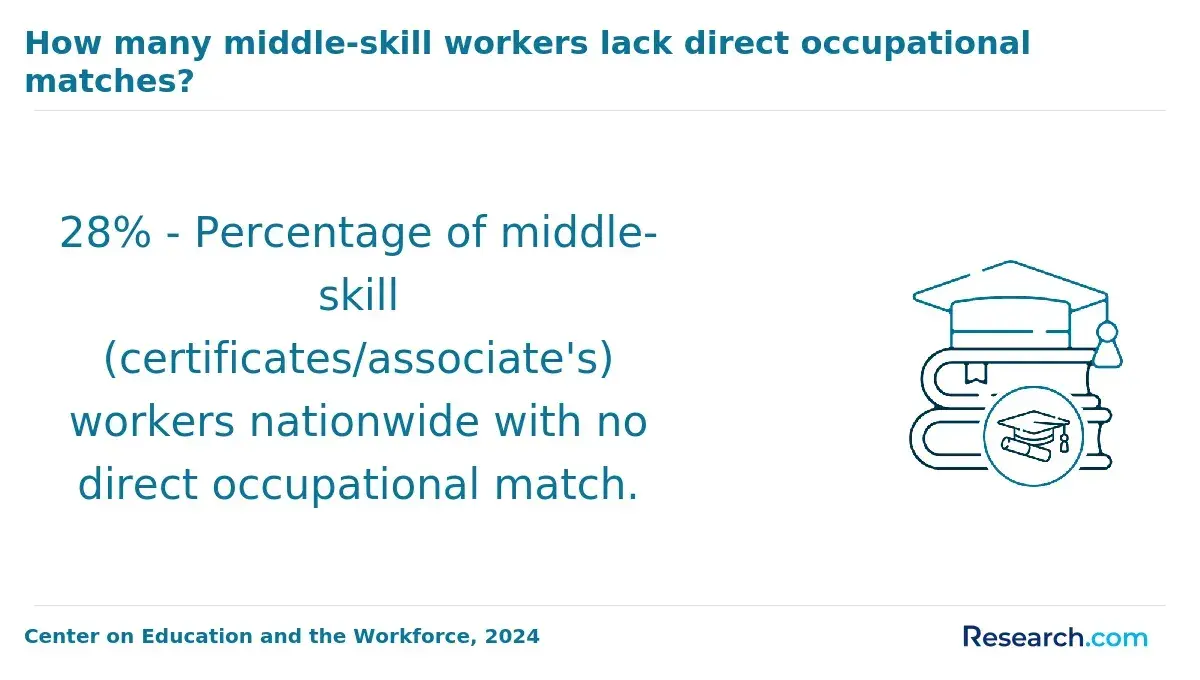
The cost and time commitment of emergency management master's degree programs can be substantial, and this investment does not always translate into immediate or substantial salary gains. Additionally, labor market realities may limit opportunities for graduates without complementary experience or certifications.
- Limited Direct Hiring Demand: Many emergency management positions prioritize practical experience and professional certifications over advanced degrees, resulting in lower immediate hiring demand for graduates. According to recent U.S. Bureau of Labor Statistics data, employers often value proven crisis response and on-the-ground skills more than academic credentials, which can reduce return on investment for some students.
- Mismatch Between Academic Training and Job Skills: Emergency management master's programs typically cover broad theoretical frameworks, policy analysis, and interdisciplinary studies. However, employers frequently seek specialized expertise in areas such as cybersecurity, public health, or environmental science, which can limit the degree's direct applicability and require additional targeted training.
- Geographic and Sector Constraints: Job opportunities tend to cluster in specific regions or government agencies, where budget limits restrict salary growth and hiring volume. Graduates may face stiff competition, and the degree alone often does not guarantee upward mobility without hands-on experience, constraining career progression in many areas.
- Identity and Specialization Challenges: The interdisciplinary nature of the field sometimes creates a vague professional profile, making it harder for graduates to present clear skill sets to employers. This lack of distinct specialization can complicate transitions into niche or technical roles, potentially prolonging job searches or requiring supplemental credentials.
Trade-offs inherent in pursuing this degree include balancing high tuition against modest salary increments post-graduation and navigating potential mismatches between academic preparation and practical job requirements. Understanding these dynamics can help tailor decisions to personal circumstances, including exploring alternative pathways such as certifications or specialized training.
For students managing academic performance constraints, exploring universities that accept 2.0 GPA may offer additional access points into graduate education.
How Should Students Compare Emergency Management Master's Programs?
Not all emergency management master's programs deliver the same educational and career value even when their names are similar. Students should critically assess how well each program's curriculum, faculty expertise, experiential learning, and industry connections align with their career goals.
Practical applicability and workforce relevance matter more than surface features, especially given evolving labor market demands highlighted by sources like the U.S. Bureau of Labor Statistics. Prioritizing programs that demonstrate measurable career outcomes and accreditation by recognized bodies ensures better long-term return on investment.
- Accreditation and Academic Quality: Look for programs accredited regionally and by industry-relevant agencies because this validation ensures curriculum rigor, faculty qualifications, and employer trust. Variations here can affect eligibility for specialized roles and funding opportunities.
- Curriculum Alignment with Labor Market Needs: Evaluate if the courses emphasize practical skills such as disaster response, risk assessment, and technology use. Curricula responsive to 2024 workforce trends tend to produce graduates who adapt faster to sector changes and hold a competitive edge.
- Experiential Learning Opportunities: Internship and practicum options with public agencies, nonprofits, or private entities often correlate with stronger job placement rates. Depth and network quality of experiential components distinguish programs in preparing students for applied roles.
- Graduate Outcomes and Employer Networks: Review employment statistics, typical job roles, and alumni employer profiles. Programs with transparent and robust outcome data indicate reliable career preparation and access to relevant professional communities.
- Flexibility and Specialization Options: Consider whether the program offers adaptable delivery formats and areas of specialization that match individual career plans, enabling balance between education, work, and personal commitments.
Career changers and working professionals assessing the best emergency management master's programs for career growth should integrate these criteria into a structured comparison. This approach offers greater clarity on how educational choices translate into viable workforce entry or advancement.
For those considering adjacent fields, exploring related areas like AI PhD programs can also reveal complementary skills and emerging career pathways.
What Graduates Say About Emergency Management Master's Degree
- Caiden: "The curriculum offered a solid foundation in practical emergency management strategies, which definitely helped me during job interviews. However, I found that many employers gave more weight to my internship experience and the portfolio I developed during that time rather than just the degree itself. Entering the workforce wasn't immediate; I had to be proactive about certifications and networking to land a role. Still, the program's flexibility allowed me to balance coursework with building those professional connections."
- Frances: "After graduation, I realized that some of the more traditional emergency management roles require licensure or very specific credentials, which I didn't pursue right away. This meant I had to pivot slightly, leveraging the remote work opportunities that the program prepared me for. Salary growth in these positions can be modest without additional certifications, but the trade-off was a better work-life balance. The curriculum was thorough, but I wish it had emphasized these career nuances more during my studies."
- Addison: "I appreciated how the program incorporated real-world scenarios, which made the transition into a fast-paced emergency management job smoother. The hiring process in this field heavily favors candidates with hands-on experience, so I took advantage of every internship offered. Despite some competition for leadership positions, I found that my skill set gave me an edge for roles focused on crisis communication and logistics. The most eye-opening takeaway was understanding that practical experience often trumps academic credentials alone."
Other Things You Should Know About Emergency Management Degrees
Programs vary widely in how much they emphasize theoretical frameworks versus hands-on applications like simulations and case studies. Those with a heavier focus on practical training tend to better align with employer expectations, as real-world emergency response demands quick, actionable skills. Conversely, highly theoretical programs may prepare students for policy development or research roles but often require supplementary experience to meet operational job demands. Prospective students seeking immediate field readiness should prioritize programs incorporating scenario-based learning and partnerships with emergency agencies.
Students should evaluate learning preferences, scheduling flexibility, networking opportunities, and potential costs. Online programs often offer greater flexibility, while in-person formats may provide more direct networking and hands-on experiences relevant to emergency management careers.
Employers generally regard the master's degree as a strong foundation, especially for leadership and planning roles, but often view professional certifications and hands-on experience as equally or more critical for operational positions. This means that graduates without substantial fieldwork or certifications may face challenges breaking into frontline roles. A strategic approach is to combine the degree with industry-recognized credentials and internships or field assignments that demonstrate applied competence alongside academic achievement.
Government roles frequently prioritize candidates with curriculum aligned to federal and state emergency protocols and those who have access to networks within public agencies. Therefore, students should prioritize programs offering specialized courses in public sector emergency operations, internships with government bodies, and faculty with practitioner experience. While reputation matters, the practical connections and curriculum relevance to government emergency frameworks often have stronger influence on promotion opportunities.
References
- Master of Emergency Management Science https://www.pacific.edu/healthsciences/programs/emergency-management
- Online MPA Programs with a Specialization in Emergency Management & Disaster Management https://www.onlinempaprograms.com/specializations/emergency-disaster-management
- How to Become an Emergency Management Specialist https://www.publichealthdegrees.org/careers/emergency-management-specialist/
- Seven Jobs You Can Do with a Degree in Emergency Management and Homeland Security https://www.albany.edu/graduate/news/2025-seven-jobs-you-can-do-degree-emergency-management-and-homeland-security
- MS Emergency Management https://www.maritime.edu/graduate-programs/emergency-management
- 10 Best Emergency Management Fields https://www.drury.edu/business/management-major/10-best-emergency-management-fields/
- Degrees: Master of Professional Studies in Emergency Management https://sopa.tulane.edu/degrees-programs/masters-degrees/master-professional-studies-emergency-management
- Best Online Master’s Degree Programs in Emergency Management https://www.onlinemastersdegrees.org/best-programs/emergency-management/