
2027 What Job Postings Reveal About Higher Education Careers: Skills, Degrees, and Experience Employers Want

Co-Founder and Chief Data Scientist
Scanning numerous job postings for higher education careers reveals a complex landscape of employer expectations. Whether aiming for roles such as academic advisor, enrollment manager, or instructional designer, applicants encounter a mix of required skills, degrees, and experience levels. Recent data indicates that 62% of higher education job listings prefer candidates with a master's degree or higher, reflecting increasing credential demands. Yet, beyond degrees, employers emphasize proficiency in communication, data analysis, and student engagement. This article examines job postings to uncover precisely which qualifications higher education employers prioritize and offers guidance on aligning candidates' profiles with these evolving career requirements.
Key Things to Know About Skills, Degrees, and Experience Employers Want
- Employers emphasize communication, data analysis, and project management skills, often requiring proficiency in specific software tailored to higher education administration.
- Most positions request at least a master's degree plus 3-5 years of relevant experience, reflecting the sector's emphasis on advanced qualifications and practical expertise.
- Job postings clarify real-world hiring standards by revealing trends like increasing demand for interdisciplinary knowledge and adaptability to evolving educational technologies.
What Do Job Postings Say About Higher Education Careers?
Job postings in higher education offer a clear view of employer expectations, highlighting the importance of advanced degrees, relevant skills, and practical experience. A significant majority of listings-about 68%-stress the need for strong soft skills alongside academic qualifications, underscoring the balance between interpersonal and technical capabilities. Communication, project management, and technological proficiency are frequently cited as essential competencies. Candidates with demonstrated success in instructional, research, or administrative roles tend to meet employer demands more effectively.
Analyzing job postings uncovers consistent patterns in qualifications, with advanced degrees forming a baseline across many positions. However, experience requirements vary notably between administrative and faculty roles, reflecting differing responsibilities. Employers also place growing emphasis on leadership qualities, digital literacy, and data management skills, demonstrating how higher education careers increasingly demand versatility. These trends reveal how organizations seek candidates equipped to navigate complex environments while maintaining strong academic foundations.
What Skills Are Most Requested in Higher Education Job Postings?
Job postings in higher education consistently highlight a core set of skills that reflect institutional needs and evolving academic environments. Recent data show that more than 70% of these job listings emphasize communication skills, demonstrating their critical role. Employers increasingly prioritize a blend of traditional and emerging qualifications to meet the diverse demands of higher education roles.
The following bullet points summarize the essential qualifications employers seek in higher education roles:
- Strong Communication Skills: Clear writing and speaking abilities are fundamental, enabling effective interaction with students, faculty, and external partners. This skill supports collaboration and the dissemination of research, which are central to the higher education mission.
- Technological Proficiency: Comfort with digital tools, such as learning management systems and data analysis software, is vital. As institutions adopt more online and hybrid instructional models, tech skills improve instructional delivery and administrative efficiency.
- Critical Thinking and Problem-Solving: The ability to analyze complex issues and devise innovative solutions is highly valued. This skill helps professionals navigate challenges related to policy, student needs, and institutional improvement.
- Interpersonal and Collaboration Skills: Working effectively in diverse teams is essential. Cultural competence and the ability to foster inclusive environments contribute directly to student success and community engagement.
- Organizational Abilities: Managing multiple priorities through strong time management and project coordination enhances operational efficiency and supports institutional goals.
For those exploring career options in this sector, reviewing the easiest online bachelor degree pathways may offer insights into accessible educational routes aligned with these top in-demand skills for Higher Education careers.
What Degrees Do Employers Require for Higher Education Careers?
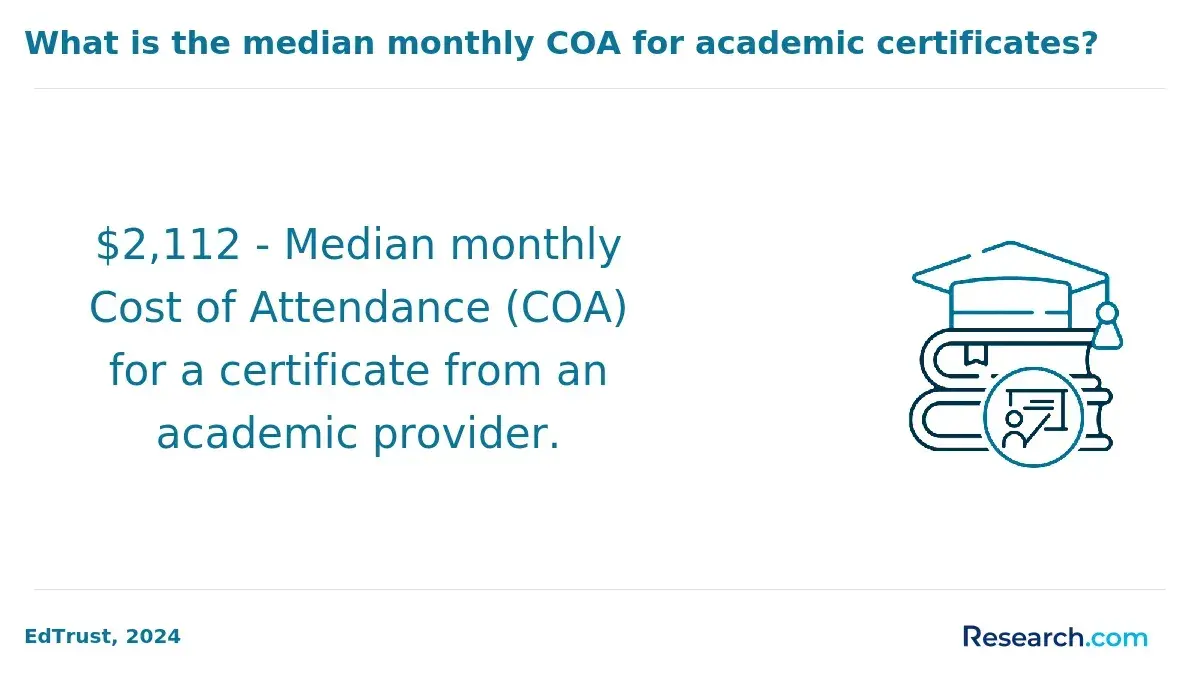
Job postings in higher education often outline degree requirements that correspond to the role's complexity and the industry's evolving standards. Entry-level jobs typically ask for a bachelor's degree, while more advanced roles tend to require graduate or doctoral qualifications. Research indicates that nearly 68% of higher education positions demand a master's degree or above, highlighting the sector's strong preference for advanced education.
Here are common degree requirements found in higher education job advertisements:
- Bachelor's Degree: Many entry-level administrative, technical, and support roles require at least a bachelor's degree. These positions often involve foundational tasks where a basic level of postsecondary education is sufficient.
- Master's Degree: Specialized, managerial, and program-oriented roles often list a master's degree as preferred or mandatory. Fields such as education administration, counseling, or program management usually fall into this category.
- Doctoral Degrees: Faculty positions and senior academic appointments nearly always require doctoral credentials such as a Ph.D. or Ed.D., reflecting the need for deep subject expertise and research capability.
- Flexible Requirements: Technical support or IT roles sometimes allow certification or relevant experience instead of an advanced degree. Some operational jobs also accept equivalent work experience as an alternative to formal education.
When asked about his experience, a higher education degree graduate explained how navigating the degree requirements was challenging. "It was overwhelming to see how many roles required an advanced degree," he said. He mentioned needing to carefully plan his education to align with career goals, balancing time and finances. "Understanding these requirements early helped me stay focused, but the process of meeting those expectations involved a lot of patience and commitment." His insight underscores the importance of matching one's qualifications to evolving employer demands in higher education.
How Much Experience Do Higher Education Job Postings Require?
Higher education job postings often specify experience requirements that differ based on the level and specialization of the role. Employers widely use these criteria to filter candidates, ensuring applicants possess the relevant skills and professional background needed for each position. This approach helps streamline hiring by aligning candidate capabilities with job complexity.
Below are common patterns found in experience requirements across various higher education roles:
- Entry-Level Roles: These positions usually demand little to no prior experience. Candidates might be expected to have completed internships, volunteer work, or coursework, emphasizing foundational skills over comprehensive professional history.
- Mid-Level Positions: Roles such as academic advisors or program coordinators typically require two to five years of experience. Employers look for demonstrated competence in similar environments and the ability to manage responsibilities independently.
- Senior and Leadership Roles: Advanced jobs, including directors or senior faculty, generally call for more than five years of experience. These postings prioritize leadership, strategic planning skills, and proven achievements within higher education or related fields.
- Specialized Experience: Many listings demand expertise in particular disciplines or functional areas. A preference for candidates with progressively increasing responsibility over time is often noted.
This structured approach to experience ensures that hiring aligns with the candidate's demonstrated proficiency, which affects roles from entry-level to senior positions in higher education careers. For prospective students exploring how experience correlates with career advancement, especially those seeking the most affordable online colleges, understanding these distinctions is important for setting realistic expectations.
What Industries Hire Fresh Graduates With No Experience?
Some industries show a strong willingness to employ fresh graduates who have little or no prior professional experience. This openness is often evident in entry-level job listings, where employers prioritize a candidate's eagerness to learn and adaptability rather than an extensive work history. Data from recent labor market reports reveal that nearly 35% of entry-level openings across various sectors are designated for candidates without previous job experience.
Below are several key industries that frequently hire inexperienced higher education graduates:
- Education and Training: Schools and educational nonprofits frequently offer roles such as teaching assistants or program coordinators. These positions typically require foundational knowledge and enthusiasm over professional experience.
- Healthcare Support: Entry-level roles like medical assistants or pharmacy clerks often welcome new graduates, focusing more on interpersonal skills and organizational talent than on prior jobs.
- Retail and Hospitality: These industries regularly recruit fresh graduates for customer-facing jobs where adaptability and service orientation outweigh formal experience.
- Public and Social Services: Government offices and community agencies often provide junior roles designed to develop skills on the job, valuing potential and a willingness to learn above established work histories.
- Technology and Administrative Support: IT help desks and junior administrative positions commonly target recent graduates, emphasizing problem-solving ability and cognitive skills rather than prior employment.
When asked about her journey, a fresh graduate with a higher education degree described the early challenges she faced applying to various fields with little experience. She recalled feeling uncertain yet persistent during numerous interviews, appreciating how some employers were willing to focus on her motivation rather than solely on her resume. "It was encouraging to find opportunities where they valued my eagerness to grow and learn," she shared, noting that this approach made her transition into the workforce smoother than expected.
Which Industries Require More Experience or Skills?
Certain sectors demonstrate greater selectivity when hiring candidates with higher education backgrounds, often demanding extensive experience, specialized skills, or advanced qualifications. These heightened requirements are clearly reflected in job postings across various fields, indicating a preference for candidates with proven practical expertise alongside academic credentials. Notably, a recent study by the National Association of Colleges and Employers found that 65% of job listings targeting higher education graduates in STEM disciplines require a minimum of two years' relevant experience.
Below are some industries where experience and advanced skill sets are particularly emphasized:
- Healthcare: Positions frequently require professional certifications and several years of hands-on experience. Roles such as clinical leadership and healthcare administration also demand knowledge of regulatory frameworks and specialized technical training, limiting entry-level accessibility.
- Technology: Employers prefer candidates with significant experience in niche programming languages, cybersecurity, and data analysis. Often, job ads call for advanced certifications combined with three to five years of relevant work, reflecting the field's complexity and fast evolution.
- Finance and Consulting: Prior industry experience, expertise in risk management, compliance, and strategic planning are often prerequisites. Certifications like CFA or CPA are common for specialized roles, highlighting the importance of both theoretical understanding and applied skills.
- Academia: Advanced degrees, such as master's or doctoral qualifications, are typically required. Candidates must have a strong record of published research, grant acquisition, or teaching experience, underscoring a focus on scholarly achievement and domain-specific expertise.
Which Credentials Are Most Valuable for Higher Education Careers?
Employers in higher education frequently rely on a candidate's credentials to gauge expertise, professional preparedness, and fit for specific roles. Academic qualifications, certifications, and licenses serve as measurable indicators of a candidate's knowledge and commitment to the field. These credentials often directly influence hiring decisions across faculty, administrative, and student service positions.
Below are key credentials that commonly appear in job postings and underscore what employers value in higher education careers:
- Advanced Degrees: Master's and doctoral degrees remain the most sought-after qualifications. Doctorates are typically essential for faculty roles, signaling deep subject matter expertise and research capability, while master's degrees are preferred for many administrative and student affairs positions due to their focus on specialized knowledge relevant to institutional functions.
- Professional Certifications: Credentials such as Certified Higher Education Professional (CHEP) or certifications related to student affairs and enrollment management indicate specialized training and adherence to educational industry standards, enhancing employer confidence in a candidate's ability to perform specific responsibilities.
- Licenses in Counseling and Psychology: Licensure is especially valued for student support roles, ensuring candidates meet legal and ethical requirements essential for working closely with diverse student populations and addressing mental health needs responsibly.
- Project Management Certifications: Certifications like PMP are increasingly requested for leadership and administrative roles. They highlight organizational skills and experience managing complex initiatives, both critical to navigating higher education operations effectively.
Are Salaries Negotiable Based on Experience?
Salary levels in higher education job postings are influenced by experience, education, and the complexity of the role, with employers often adjusting compensation based on a candidate's background. Individuals holding advanced degrees, such as doctoral or professional certifications, may command higher starting salaries in competitive fields. Administrative leadership and specialized faculty roles typically show greater flexibility in pay due to their increased responsibilities. According to a report by the American Council on Education, salary offers for those with over ten years of experience can be 20 to 30 percent higher than those for newcomers, highlighting how experience impacts salary negotiation and final offers in this sector.
Experience significantly affects salary flexibility in higher education job postings, with entry-level roles usually adhering to stricter pay scales to accommodate candidates with limited professional experience or those coming directly from academic programs. In contrast, advanced positions provide broader salary ranges to reflect the candidate's qualifications and the position's demands. Employers structure these pay ranges to signal a baseline and an achievable upper limit, allowing room for negotiation depending on an applicant's background. For individuals exploring pathways to qualify for such roles, earning an associate's degree can be a foundational step toward gaining the experience and credentials that impact salary negotiation tips for higher education careers.
How Can You Match Your Resume to Job Descriptions?
Job postings serve as critical tools for candidates aiming to refine their resumes to match employer expectations in higher education careers. These listings reveal the sought-after skills, degrees, and experiences, guiding applicants to tailor their applications effectively. Notably, applicant tracking systems (ATS) screen out up to 75% of resumes before they reach a human reviewer, highlighting the importance of strategic alignment.
To assist candidates in crafting resumes that resonate within the sector, consider these key guidelines:
- Interpret Job Postings: Analyze each job description carefully to extract the core responsibilities and expected qualifications. Focusing your resume on these elements ensures relevance and demonstrates clear understanding of the role.
- Align Terminology: Use language mirroring that found in the job posting, including specific technical terms, academic credentials, and skillsets. This approach signals familiarity with institutional vocabulary and improves ATS recognition.
- Highlight Relevant Experience: Prioritize experiences and accomplishments directly linked to the duties and objectives stated in the posting. Emphasizing such connections reinforces your suitability for the role.
- Prioritize Skills and Qualifications: Give prominence to qualifications labeled as mandatory or preferred, making it easier for employers to identify your critical competencies quickly.
- Showcase Credentials: Including recognized credentials, such as degrees from reputable programs, strengthens your profile. For example, pursuing AACSB accredited online MBA programs can be a valuable asset in certain higher education administrative roles.
Incorporating these strategies helps candidates align their resumes with the expectations outlined in job descriptions, thereby enhancing both ATS compatibility and appeal to hiring managers. Mastery of how to tailor your resume for higher education job descriptions is essential to highlight the key skills and qualifications that institutions actively seek.
What Should You Look for When Analyzing Job Ads?
Job ads in higher education careers offer valuable insight into what employers expect from candidates, outlining essential qualifications and role expectations. A study shows that over 70% of job postings in this sector specify both required degrees and preferred professional experience, highlighting their significance. Careful evaluation of job ads helps applicants discern how their background matches institutional needs.
Key elements to focus on when analyzing these job listings include the following:
- Core Responsibilities: Job ads detail daily duties and overall role expectations, allowing candidates to understand the scope of work in academic or administrative positions.
- Qualifications: These often specify minimum educational credentials or certifications, which reflect what employers deem necessary for successful performance.
- Experience Levels: Many postings require specific years of work experience within academia or related fields, underscoring the importance of relevant professional background.
- Skills Required: Both technical abilities and soft skills, such as communication, data analysis, or project management, are commonly highlighted as essential competencies.
- Special Conditions: Some roles include expectations related to grant writing, teaching loads, or research capabilities, which indicate particular institutional priorities.
These insights are important for those interested in understanding what employers in the United States of America expect from higher education job candidates. Those seeking advanced credentials might also explore options like a masters in library science online program to enhance their qualifications in this competitive job market.
What Graduates Say About Skills, Degrees, and Experience Employers Want
- Esteban: "As a recent graduate, I found that job postings in higher education were invaluable for identifying roles that aligned perfectly with my academic background and skill set. They helped me understand what employers value and which credentials are most in demand for entry-level positions. This insight gave me the confidence to tailor my applications and focus on opportunities where I could truly contribute and grow."
- Alexis: "From early in my career, I relied heavily on job ads to gauge the evolving landscape of higher education professions and to pinpoint the next step that would push me forward. The detailed requirements and qualifications listed not only informed me which skills to develop but also made me realize the importance of continuous learning. Reflecting now, those postings were a roadmap that guided my career advancement thoughtfully and strategically."
- Eli: "In my professional role within higher education, job advertisements have been a crucial tool for staying aware of trends and emerging demands across the sector. They've impacted how I shape my expertise, helping me remain competitive and relevant by anticipating the skills institutions seek. This proactive approach, sparked by regularly reviewing job ads, has kept my career dynamic and impactful over the years."
Other Things You Should Know About Higher Education Degrees
Job postings increasingly highlight interdisciplinary skills, indicating employers' desire for candidates who can collaborate across academic departments and administrative units. For instance, roles often require a mix of research expertise, digital literacy, and communication abilities. This reflects institutions' needs to address complex problems that span multiple areas of knowledge.
Job postings for Higher Education administrative and faculty roles often emphasize leadership and management experience alongside academic credentials. This includes experience managing teams, projects, or budgets, which shows readiness to take on responsibilities beyond teaching or research. Employers seek candidates who can guide initiatives and foster collaborative environments.
Yes, many job postings specify technological competencies, particularly familiarity with learning management systems, data analysis tools, and educational technologies. Proficiency in these areas is essential as institutions increasingly integrate digital platforms into teaching, learning, and administration. Candidates with such skills have a competitive advantage.
References
- 7 in-demand certifications in 2025 | edX https://www.edx.org/resources/in-demand-professional-certifications
- Beyond the Degree: The Skills Students Want From Their Program https://www.keg.com/news/beyond-the-degree-skills-students-want-from-their-program
- Most Demanded “Soft Skills” in Higher Education https://www.euruni.edu/blog/most-demanded-soft-skills-in-higher-education/
- Top 7 Institutional Research Certifications to Boost Your Career in Higher Education | BlockSurvey https://blocksurvey.io/research/top-institutional-research-certifications-to-boost-your-career-in-higher-education
- 7 Good Certifications for Jobs to Boost Your Career in 2025 | Mindmesh Academy https://www.mindmeshacademy.com/blog/articles/good-certifications-for-jobs
- The skills employers seek https://www.emerging.fr/post/the-skills-employers-look-for-in-new-university-graduates
- Things I wish I knew before entering the Academic Job Market https://ecrlife.org/things-to-know-academic-job-market/
- Higher education recruitment: Hiring from a new talent pool in grad Season https://www.tpp.co.uk/resources/blog/higher-education-recruitment--hiring-from-a-new-talent-pool-in-grad-season/
- 15 Higher Education Resume Writing and Formatting Tips https://resumes-for-teachers.com/blog/teachers-resume/higher-education-resume/
- 10 Companies That Don't Require a College Education https://mondo.com/insights/companies-that-hire-for-skills-over-education/


