
2027 What Prerequisites Do You Need for an Interdisciplinary Studies Degree? Entry Requirements, Credits & Eligibility Rules

Co-Founder and Chief Data Scientist
Many students feel uncertain about the diverse prerequisites for an interdisciplinary studies degree, as requirements vary significantly between institutions. Studies show that approximately 35% of applicants find it challenging to complete all prerequisite courses before admission, highlighting a common gap in preparedness. This confusion often stems from the program's broad nature, which combines multiple fields of study.
This article, prepared by career planning experts, clarifies key aspects of entry requirements, credit expectations, and eligibility rules for interdisciplinary studies degrees. Understanding these criteria helps prospective students better plan their academic path and meet the necessary standards to successfully enroll and progress in this flexible yet demanding program.
Key Things to Know About the Prerequisites for a Interdisciplinary Studies Degree
- Applicants typically need completed foundational courses in humanities, social sciences, or natural sciences, ensuring breadth across disciplines with a minimum GPA of 2.5 to 3.0 depending on the institution.
- Most programs require between 120 to 130 credits, including core interdisciplinary courses alongside electives from multiple fields to promote integrative learning.
- Key skills sought include critical thinking, effective communication, and the ability to synthesize diverse academic perspectives, often assessed through essays or entrance interviews.
Do Interdisciplinary Studies Programs Require Specific High School Prerequisites?
Interdisciplinary studies programs generally do not impose strict high school prerequisites, but specific requirements may vary depending on the institution and the nature of the program. Admissions committees typically prefer applicants with a broad academic foundation, reflecting the diverse and integrative curriculum of these degrees. Students seeking interdisciplinary studies admission requirements for high school graduates often find that a well-rounded academic background improves their competitiveness.
- English or Language Arts: Strong reading and writing skills are fundamental, as interdisciplinary studies involve considerable analysis and composition across multiple fields.
- Mathematics: Basic quantitative reasoning supports engagement with data-driven topics and analytical methods common in interdisciplinary research.
- Social Sciences: Knowledge of history, psychology, or sociology helps contextualize cultural and societal themes frequently explored in interdisciplinary coursework.
- Science: Courses like biology or environmental science provide essential foundations for programs combining STEM and humanities perspectives.
- Foreign Languages: Proficiency aids students interested in global or cultural studies, enhancing communication and research abilities.
Students pursuing an interdisciplinary studies degree in 2026 will benefit from exposure to multiple disciplines during high school to navigate the methodologies and critical thinking in their early college years. Applicants showcasing balanced transcripts are often viewed more favorably. Prospective students interested in selecting their path carefully should consider exploring the best college degrees for the future to align their academic plans with evolving career opportunities.
What College-Level Prerequisites Are Required Before Starting a Interdisciplinary Studies Degree?
Being aware of college-level prerequisites before starting an interdisciplinary studies degree helps students build the necessary academic foundation and ensures smoother progress throughout the program. Meeting these requirements also supports better integration of diverse subjects in coursework.
Below are common prerequisites typically required for entry into an interdisciplinary studies program.
- Introductory courses in disciplines: Foundational classes in fields like humanities, social sciences, or natural sciences give students a broad understanding of core concepts. These courses lay the groundwork for interdisciplinary thinking by familiarizing students with multiple perspectives.
- Statistics: Courses in statistics develop essential analytical skills, enabling students to interpret data and apply quantitative reasoning crucial for interdisciplinary research.
- College-level writing/composition: Writing courses sharpen communication and critical thinking, fostering the ability to synthesize and articulate ideas clearly across various disciplines.
- Lab science courses: For programs with a science focus, lab courses provide hands-on experience and promote scientific literacy, preparing students for research and experimentation.
Prospective students exploring college prerequisites for interdisciplinary studies degree should ensure they meet these requirements to enhance their eligibility and readiness. For working professionals weighing program options, combining interdisciplinary studies with a certification that pay well can provide practical career advantages as well.
How Many Credits Can You Transfer Into a Interdisciplinary Studies Degree?
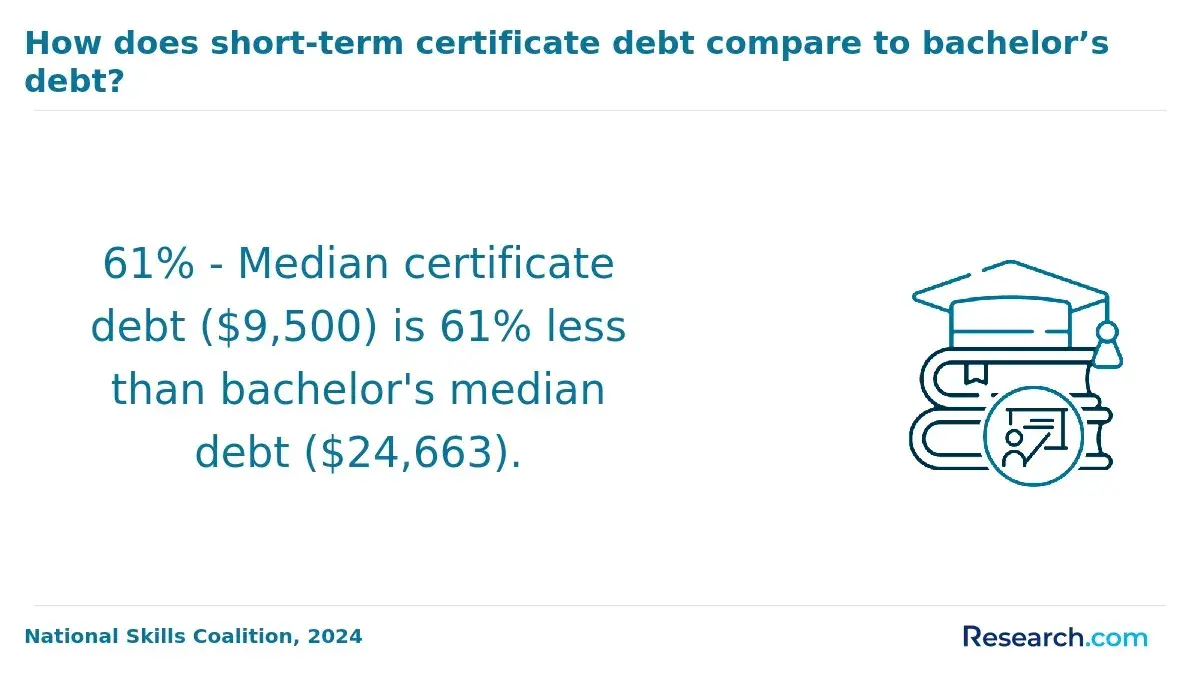
Transfer credit limits for an interdisciplinary studies degree typically range from 30 to 90 credits, with most accredited institutions accepting between 50% and 75% of required credits, usually out of about 120 to 130 credits needed for graduation. These limits vary depending on school policies, program frameworks, and accreditation standards. Key factors influencing credit transfer include the level of prior coursework, where credits generally must come from comparable undergraduate courses.
Additionally, students must meet minimum grade thresholds-commonly a C or better-to qualify. Residency requirements also play a role, with many schools requiring that 30 to 60 credits be completed directly through their institution. Finally, transferred credits must align closely with either the core or elective components of the interdisciplinary studies curriculum to be accepted.
Students should also keep in mind restrictions such as limits on credits from community colleges or non-accredited institutions, and caps on pass/fail or remedial courses accepted for transfer. Navigating these criteria carefully is important to avoid surprises during credit evaluation.
Do You Need SAT or ACT Scores to Get Into a Interdisciplinary Studies Degree Program?
Most interdisciplinary studies degree programs in the U.S. do not require SAT or ACT scores for admission, reflecting a significant shift toward test-optional or test-free policies. This trend has accelerated, especially after the COVID-19 pandemic, as more institutions aim to improve access and reduce enrollment barriers.
Nonetheless, some selective programs, certain competitive universities, or schools with limited enrollment may still request standardized test results. Additionally, applicants seeking merit-based scholarships or entry into honors tracks might need to submit their scores to demonstrate academic excellence.
Instead of relying primarily on standardized tests, many admissions committees focus on a broader assessment of candidates. Important factors often include a strong GPA, completion of relevant prerequisite courses, and well-crafted personal statements that clarify academic intentions.
In some cases, portfolios highlighting research or interdisciplinary projects add valuable insight into an applicant's skills and dedication. This multifaceted approach aligns with the diverse and integrative nature of interdisciplinary studies, prioritizing holistic evaluations over test scores alone.
What Essential Skills Do You Need Before Enrolling in a Interdisciplinary Studies Degree Program?
Success in an interdisciplinary studies degree demands a blend of diverse skills that allow students to integrate knowledge from multiple fields effectively. These abilities are critical for managing complex coursework and developing well-rounded perspectives adaptable to various academic challenges.
The following key skills are essential before beginning this type of program:
- Foundational academic skills: Including critical reading, writing, and research; these enable students to evaluate information from different disciplines and build coherent, cross-subject arguments.
- Technical proficiency: Comfort with tools such as Microsoft Office and data analysis software improves efficiency and supports project management within interdisciplinary tasks.
- Analytical and problem-solving skills: The ability to dissect multifaceted issues and devise creative solutions is crucial due to the program's inherently complex nature.
- Communication skills: Clear written and verbal expression helps convey interdisciplinary insights to diverse audiences and collaborators.
- Field-specific readiness: Basic knowledge about the chosen areas of study aids students in navigating and connecting multiple disciplines from the start.
Do You Need Professional Experience to Enter a Interdisciplinary Studies Degree Program?
Professional experience requirements for entering an interdisciplinary studies degree program differ widely depending on the institution, program level, and area of focus. Undergraduate programs often do not require professional experience, concentrating more on academic records like GPA and test scores.
Graduate or specialized programs may recommend or require relevant work experience, particularly in applied fields such as policy analysis or community development. Typical experiences that can strengthen applications include internships, volunteer roles, and full-time work in sectors like education, healthcare, or social services.
Programs that emphasize professional experience often do so because it enriches experiential learning and fosters deeper engagement with course material. Such experience can indicate a student's preparedness for advanced study and critical thinking challenges.
Admissions committees may favor candidates with relevant backgrounds, especially for competitive programs. However, applicants lacking formal professional experience can still be admitted by demonstrating strong academic performance, relevant skills, and a clear interdisciplinary focus in their applications.
What Tech Prerequisites Must You Meet Before Starting an Online Interdisciplinary Studies Degree?
Online interdisciplinary studies programs demand specific technology prerequisites to ensure students can engage fully with coursework and participate seamlessly in discussions and digital learning activities. These technical requirements eliminate common barriers that can hinder academic progress, supporting an equitable and efficient educational experience.
The most common tech prerequisites for online interdisciplinary studies degree programs include:
- Hardware: A modern computer or laptop with at least an Intel i5 processor or equivalent, 8GB of RAM, and a minimum of 256GB storage is recommended to manage multimedia content and simultaneous applications that interdisciplinary coursework often requires.
- Internet Connection: A stable broadband connection with a download speed of at least 25 Mbps is essential for uninterrupted access to video lectures, real-time group discussions, and online course materials.
- Software and Platforms: Familiarity with learning management systems like Blackboard, Canvas, or Moodle and productivity suites such as Microsoft Office or Google Workspace is necessary. Video conferencing tools such as Zoom or Microsoft Teams are also commonly required for virtual collaboration.
- Digital Literacy: Skills in uploading files, practicing proper online communication, conducting research across digital databases, and resolving basic technical issues are critical to successfully navigate the diverse demands of an interdisciplinary studies program.
These technical requirements for starting an interdisciplinary studies program help students adapt to various digital tools needed for cross-disciplinary coursework and teamwork. According to the National Center for Education Statistics, over 40% of online undergraduates in 2023 emphasized stable technology access as a key factor affecting their success. For those considering advanced pathways after interdisciplinary studies, exploring a doctorate degree without dissertation can be an efficient option aligned with evolving academic goals.
What Prerequisites Do International Students Need for Interdisciplinary Studies Programs?
International students applying to interdisciplinary studies programs must meet additional prerequisites compared to domestic applicants. These requirements ensure they can successfully engage with coursework and adapt to an academic environment that often integrates multiple disciplines.
Below are some commonly required prerequisites for international applicants.
- English Language Proficiency: Most programs require proof of proficiency in English, demonstrated through tests such as TOEFL or IELTS. Scores must meet the minimum thresholds set by the institution, ensuring students can comprehend lectures and complete assignments effectively.
- Academic Transcripts: Applicants must provide official transcripts from their previous education. These documents need to be evaluated and translated if necessary, verifying that the student's academic background aligns with the program's entry requirements.
- Standardized Test Scores: Some interdisciplinary studies programs request SAT, ACT, or GRE scores as part of their admissions process. These scores help assess the applicant's preparedness for higher education in the U.S. context.
- Visa and Immigration Documentation: Acceptance into a program requires valid student visa documentation. Universities often assist in issuing the necessary I-20 documents after enrollment, but applicants must show eligibility to study in the U.S.
- Personal Statement or Statement of Purpose: Students must submit essays outlining their academic interests and goals. This demonstrates their motivation and understanding of how interdisciplinary studies fit into their career plans.
Meeting these prerequisites supports a smooth transition into interdisciplinary studies programs, facilitating compliance with state regulations such as those in Alabama early childhood education requirements, which align with admission protocols. Interested students can learn more about interdisciplinary study offers and eligibility rules through reliable resources like the fast degrees online that pay well.
How Do Program-Specific Prerequisites Differ from General University Requirements?
Program-specific prerequisites differ from general university requirements by focusing on the specialized skills or coursework needed for a particular major, while general requirements apply to all students regardless of their field. Understanding this distinction helps applicants prepare the right qualifications for both the university and their chosen program.
General University Admission Requirements
- GPA thresholds: Most institutions require a minimum GPA, typically ranging from 2.5 to 3.0, to ensure students meet baseline academic standards.
- English language proficiency: Non-native speakers often must submit results from exams like TOEFL or IELTS to demonstrate adequate language skills.
- General education coursework: Universities may expect completion of foundational courses covering humanities, social sciences, or basic math to prepare students for advanced study.
Interdisciplinary Studies Program-Specific Prerequisites
- Specialized coursework: Many interdisciplinary studies programs require applicants to have completed targeted courses in areas like math, science, or humanities to support cross-disciplinary learning.
- Portfolio submissions: Some programs ask students to provide portfolios that showcase their ability to integrate knowledge from multiple fields, reflecting the program's focus on synthesis and innovation.
- Professional experience: Relevant work experience may be necessary to demonstrate practical application of interdisciplinary methods in real-world contexts.
These more rigorous interdisciplinary studies program-specific prerequisites that applicants face can extend preparation time, as candidates may need additional semesters to complete prerequisite courses or curate portfolio materials. This contrasts with general university admission requirements for interdisciplinary degrees, which tend to be broader and less specialized.
According to recent data, enrollment in interdisciplinary programs has increased by approximately 15% over the past five years, causing institutions to update criteria to maintain academic rigor and relevance. Meeting both university-wide and program-specific prerequisites often affects student timelines and eligibility, requiring strategic planning.
For those exploring cross-field education paths, it's advisable to research all requirements thoroughly. Options to fulfill such criteria can be found through specialized resources, including programs at a school for trade skills online, which may offer flexible pathways to gain foundational or professional experience applicable to interdisciplinary studies.
Do You Need to Pay for Prerequisite Courses Before Applying to a Interdisciplinary Studies Program?
Yes, students generally must pay for prerequisite courses before applying to an interdisciplinary studies program, as these classes are often credited courses requiring tuition. When prerequisites are completed at the same college, students usually pay that institution's standard tuition and fees.
Many turn to community colleges to complete these courses due to their lower cost per credit hour, often ranging from $100 to $250, compared to four-year schools where rates commonly exceed $300 per credit. Accredited online courses are another option, offering varied pricing and flexibility, but students should verify that these credits meet admission criteria for transferability.
To mitigate expenses, students frequently seek financial aid such as federal grants or scholarships aimed at undergraduates or transfer learners. Other cost-saving methods include participating in dual-credit programs in high school or earning credits through exams like CLEP. Approximately 38% of undergraduates are transfer students, highlighting the value of credit transfer policies in keeping tuition manageable for prerequisite coursework.
What Graduates Say About the Prerequisites for Their Interdisciplinary Studies Degree
- Enzo: "Enrolling in the interdisciplinary studies degree program felt achievable once I met all the prerequisite requirements, which were clearly outlined and fair. The program's cost was reasonable compared to other degrees I researched, making it a practical choice for me. Since graduating, the flexibility and broad knowledge I gained have truly opened doors in my marketing career. "
- Jaime: "While the process of fulfilling prerequisites for the interdisciplinary studies degree required patience, it was worth every effort. The overall expense was manageable and provided excellent value for the diverse skillset I acquired. This degree has been instrumental in allowing me to approach problems with a well-rounded perspective in my consulting role. "
- Rowan: "The interdisciplinary studies program challenged me to integrate knowledge across multiple fields after completing the necessary entry requirements. The investment, including tuition, was competitive, and I appreciated the cost-effectiveness relative to specialized degrees. Professionally, this degree has given me a unique edge in strategic planning roles by blending insights from various disciplines."
Other Things You Should Know About Interdisciplinary Studies Degrees
Most institutions recommend completing prerequisites at least one semester before enrolling in an interdisciplinary studies program in 2027. This timeline ensures that students have ample time to fulfill entry requirements and align their coursework with program expectations efficiently.
Changes in accreditation standards can impact prerequisite requirements by shifting focus areas or minimum grade criteria. In 2027, students should consult their academic advisors to ensure they meet the current requirements, as adjustments are often implemented to align with evolving educational goals.
References
- Degree Completion Interdisciplinary Studies | CIIS https://www.ciis.edu/academics/continuing-undergraduate-programs/bachelor-arts-interdisciplinary-studies
- 5 Interdisciplinary Skills for Your Résumé https://www.insidehighered.com/blogs/gradhacker/5-interdisciplinary-skills-your-r%C3%A9sum%C3%A9
- Interdisciplinary Studies | Faculty of Arts https://www.uottawa.ca/faculty-arts/programs/undergraduate/interdisciplinary-studiese-programs/interdisciplinary-studies/node/3453
- Interdisciplinary Studies Major - Planning https://www.hendrix.edu/Catalog/Planning/Interdisciplinary_Studies_Major_-_Planning/
- Bachelor of Arts with a Major in Interdisciplinary Studies - Capilano University https://www.capilanou.ca/programs--courses/program-profiles/bachelor-of-arts-with-a-major-in-interdisciplinary-studies/
- Interdisciplinary Studies https://sas.carolinau.edu/program/bachelor-arts/interdisciplinary-studies
- Interdisciplinary Professional Studies https://www.boisestate.edu/online/interdisciplinary-professional-studies/


