
2027 Which Communication Management Degree Careers Have the Lowest Unemployment Risk?

Co-Founder and Chief Data Scientist
In a rapidly evolving labor market, many communication management graduates face uncertainty about which career paths offer the greatest employment stability—particularly at entry-level, mid-career, and senior stages.
Specializations in healthcare communication, corporate communications within technology sectors, and government public affairs have demonstrated resilience, with unemployment rates as low as 3.2% nationally. Geographic factors also matter—metros with strong industry clusters reduce risk significantly. Credentialing—such as certifications in digital strategy or crisis communication—further lowers unemployment exposure.
This article examines these variables systematically, offering prospective and current communication management professionals a data-driven framework to minimize unemployment risk throughout their careers.
Key Things to Know About the Communication Management Degree Careers With the Lowest Unemployment Risk
- Historical data shows careers in corporate communications and public relations maintain below 3% unemployment, bolstered by steady ten-year demand growth and low automation risk in creative strategy roles.
- Licensure and certifications such as the Accredited Business Communicator credential significantly reduce long-term unemployment exposure by enhancing professional credibility and recession resilience.
- Geographic market concentration in metropolitan areas with diverse industries—combined with graduate education—provides robust protection against volatility and labor market contraction for communication management professionals.
What Makes Communication Management Degree Jobs More or Less Resistant to Unemployment?
Unemployment risk within communication management degree careers varies by type—structural unemployment arises when automation or industry shifts reduce role demand, frictional unemployment reflects short-term job transitions, and cyclical unemployment results from broader economic downturns affecting multiple sectors.
Recognizing these categories helps clarify why some communication management roles maintain stronger job security than others.
Data from the Bureau of Labor Statistics, O*NET occupational profiles, and Lightcast labor market analytics identify several factors that significantly predict low unemployment risk for communication management degree holders:
- Licensing and Certification: Jobs requiring formal credentials often enjoy enhanced security by restricting eligible candidates and signaling expertise to employers.
- Employer Concentration: Careers spread across diverse organizations are less vulnerable to layoffs tied to any single employer's downturn.
- Sector Growth Rate: Positions in fast-growing areas like digital communication, healthcare communications, and corporate social responsibility typically face lower unemployment due to escalating demand.
- Role Replaceability: Occupations demanding complex interpersonal, strategic, or creative skills resist automation, reducing structural unemployment risks.
Degree level and specialization further influence unemployment risk. Graduate degrees often provide access to more stable, senior roles, while specializations aligned with emerging domains correlate with higher job resilience.
Geographic location also matters—metros with dynamic media, technology, or corporate sectors present more robust job markets than regions dependent on declining industries or concentrated employers.
This comprehensive guide applies an analytical framework—drawing on historical unemployment data, future labor projections, automation exposure, recession resilience, and credential value—to assess communication management careers systematically.
Prospective students and professionals can evaluate career paths using this framework, ensuring decisions are based on objective risk criteria rather than anecdotal advice or salary prospects alone. For those considering advanced credentials, options like an EdD online program may offer additional stability.
Which Communication Management Career Paths Have the Lowest Historical Unemployment Rates?
Ten years of data from the BLS Current Population Survey, the NACE First-Destination Survey, and Federal Reserve Bank labor market research reveal several communication management career paths with historically below-average unemployment rates—vital for students and professionals assessing risk in a changing labor market shaped by automation and sectoral shifts.
- Corporate Communications Specialists: Demand remains steady as corporations need experts to manage both internal and external messaging, particularly during crises and regulatory updates.
- Essential-service status during emergencies and ongoing compliance with evolving communication regulations underpin stability.
- Public Relations Managers: These managers face a chronic undersupply and navigate the increasing complexity of digital brand reputations.
- Their role in maintaining consumer trust and addressing social and legal challenges supports sustained employment.
- Healthcare Communication Professionals: Fueled by demographic aging and rising healthcare demand, this sector is notably resilient.
- Regulatory mandates and the sensitive nature of healthcare information reduce automation potential, preserving job security.
- Government Communication Officers: Low unemployment is driven by the essential service nature of these roles and public sector protections.
- Mandated transparency and public information campaigns enforce consistent hiring.
- Digital Content Strategists: The ongoing digital transformation heightens the need for specialists who craft messages across multiple platforms.
- Their expertise is crucial as organizations compete for fragmented audience attention.
- Investor Relations Managers: Legal requirements for financial disclosures and a shortage of professionals blending finance and communication skills sustain low unemployment.
- Chronic undersupply reinforces stable career prospects.
- Educational Communication Coordinators: Growth in education and virtual learning, supported by grants and regulatory frameworks, keeps demand consistent.
- Government funding enables steady employment opportunities.
Examining historical unemployment trends for communication management jobs in the US reveals these paths not only weathered the 2008-2009 recession and 2020 COVID-19 disruption with minimal layoffs but also showed rapid recovery during the 2022-2024 labor market normalization.
Yet, historical unemployment rates should not be the sole deciding factor; combining this analysis with ten-year demand projections and automation vulnerability assessments provides a fuller risk profile for each career choice.
Prospective students evaluating affordable degree paths may consider cheap online degrees to enter these resilient fields, balancing cost with employment security.
How Does the Communication Management Job Market Compare to the National Unemployment Average?
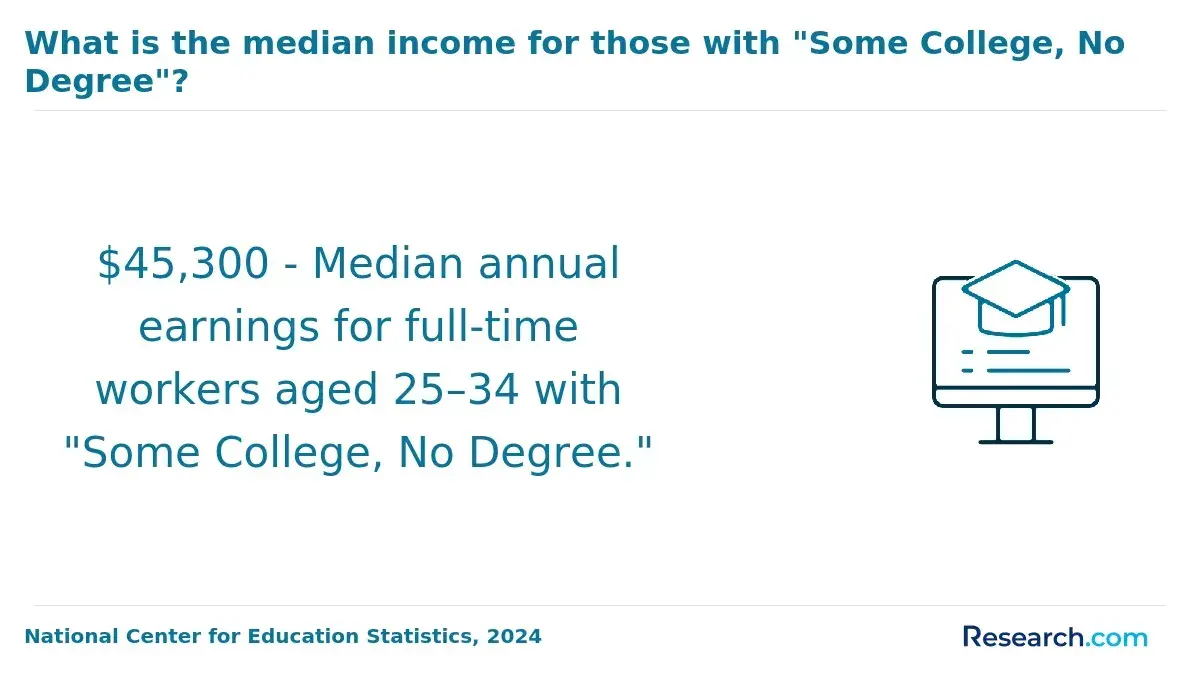
The unemployment rate for communication management degree holders is notably lower than the national average for college-educated workers-about 1.3% versus 2.5%. This translates into shorter job searches, steadier income, and smoother career advancement for those pursuing roles aligned with their training. However, formal unemployment figures don't capture the full picture.
- Employment Stability: Graduates with communication management credentials often see more consistent demand across industries, which contributes to lower unemployment compared to many fields.
- Underemployment Risk: Many hold jobs that don't fully leverage their specialized education, which can limit wage growth and career progression despite being counted as employed.
- Data Interpretation: Small sample sizes and shifting market conditions cause fluctuations in unemployment figures for specialized communication management occupations. Multi-year trends provide a more reliable perspective than any one year's data.
- Career Strategy: Geographic location, industry choice, and pursuing professional certifications or advanced degrees all significantly decrease unemployment risk for communication management professionals.
Reflecting on his experience after earning a communication management degree, one professional shared how the job search initially felt overwhelming—"The market seemed tight, and it was hard to know if I should pivot industries or deepen my skill set."
Persistence and targeted networking eventually paid off. He emphasized the importance of understanding both formal unemployment and underemployment risks: "I turned down roles that didn't challenge me or use my education fully, even if they meant short-term income, because I wanted a stable career path, not just any job."
This perspective highlights how navigating the nuances of the job market is crucial beyond simply tracking unemployment rates.
What Communication Management Specializations Are Most In-Demand Among Employers Right Now?
Employer demand for communication management specializations is concentrated in areas directly tied to organizational priorities and market shifts rather than spread evenly across all subspecialties. High-demand fields include:
- Digital Communication Strategy: Fueled by ongoing digital transformation, this specialization requires expertise in social media management, content marketing, and analytics to enhance brand visibility and customer engagement in a growing digital economy.
- Corporate Communications: Organizations consistently seek professionals to handle reputation management, investor relations, and internal messaging during crises, mergers, and regulatory challenges.
- Employee Communications and Change Management: Driven by remote work trends and workforce diversity, specialists in this area facilitate internal communication and culture shifts, strengthening employee engagement amid demographic changes.
- Public Affairs and Government Relations: The rise in regulatory complexity and political advocacy has increased demand for communicators skilled at navigating policy environments and representing organizational interests.
- Health Communication: Persistent public health concerns and healthcare regulations sustain the need for communicators who effectively convey medical information to varied audiences and support healthcare providers.
- Data Analytics in Communication: Increasing reliance on data-driven decision-making motivates employers to recruit professionals adept in interpreting communication metrics and optimizing strategies.
This focus aligns with the top in-demand communication management career paths in the US, where sectors tied to digital innovation, regulation, workforce change, and data utilization dominate.
To confirm these signals before specializing, students and professionals should analyze job postings alongside salary surveys and professional reports, also conducting interviews with hiring managers to ensure alignment with their regional and sector-specific career goals.
Those planning academic pathways in communication management should prioritize courses in digital tools, regulatory policy, and data analytics. Gaining internships in corporate or government communication units, and obtaining certifications like the Accredited Business Communicator or change management credentials, will enhance competitiveness for these specialties.
For those comparing options or seeking cost-effective education alternatives, exploring programs for a cheap psychology degree online may offer additional pathways in related communication fields.
Which Industries Employing Communication Management Graduates Offer the Greatest Job Security?
BLS data, JOLTS metrics, and Lightcast projections highlight five industries offering communication management graduates the strongest employment stability—driven by multi-year hiring growth, low layoffs, and robust ten-year demand.
These sectors feature structural safeguards such as essential service designations, regulatory oversight, or chronic skill shortages that embed communication roles at their operational core.
- Healthcare: Anchored by demographic growth and essential service status, healthcare requires communication professionals for patient messaging, health education, and internal coordination. Expertise in health literacy, crisis communication, and regulatory compliance is vital. Communication managers typically liaise with clinical or administrative leaders, with specialized training enhancing employability.
- Financial Services: Regulatory mandates and the critical need for transparency sustain demand. Roles focus on investor relations, compliance messaging, and reputation management. Proficiency in financial regulations, risk communication, and digital content shapes communicators' success. Communication managers usually report to legal or compliance officers, with sector-specific coursework a plus.
- Public Safety and Government: Mandated public services insulate this sector from volatility. Communication duties center on public information, emergency alerts, and stakeholder engagement. Crisis management and policy communication are key skills. Positions generally report to department heads or elected officials, with familiarity in government protocols strengthening prospects.
- Utilities and Energy: Essential infrastructure status and regulatory frameworks protect these industries. Communication roles handle customer outreach, regulatory reporting, and sustainability messaging. Technical communication and stakeholder engagement expertise are critical. Reporting lines often link to operations or corporate affairs leaders, while knowledge of environmental policies adds value.
- Technology and Telecommunications: Chronic talent shortfalls and sector expansion create favorable trends. Responsibilities include product communication, user engagement, and internal knowledge transfer. Digital media skills, content strategy, and change management are core competencies. Communication managers align with product or marketing executives, benefiting from digital tool proficiency.
Focusing solely on a single sector carries inherent risk—regulatory changes, technological shifts, or regional downturns can jeopardize job security. Building versatile communication skills transferable across industries helps mitigate this exposure.
Additionally, evaluating employers' multi-year hiring records and low layoff rates—via platforms like LinkedIn and Glassdoor—enables graduates to target organizations with proven stability.
When discussing job security, a communication management professional who established her career in public safety shared that navigating emergency communication during crises was intense yet rewarding.
"The pressure to deliver clear, timely information amid chaos taught me resilience," she explained. Her experience underscored how specialized communication skills directly impact lives, reinforcing her confidence in the industry's stability despite its challenges.
This firsthand insight complements the data, confirming that roles integrating critical societal functions tend to offer lasting career security.
How Do Government and Public-Sector Communication Management Roles Compare in Unemployment Risk?
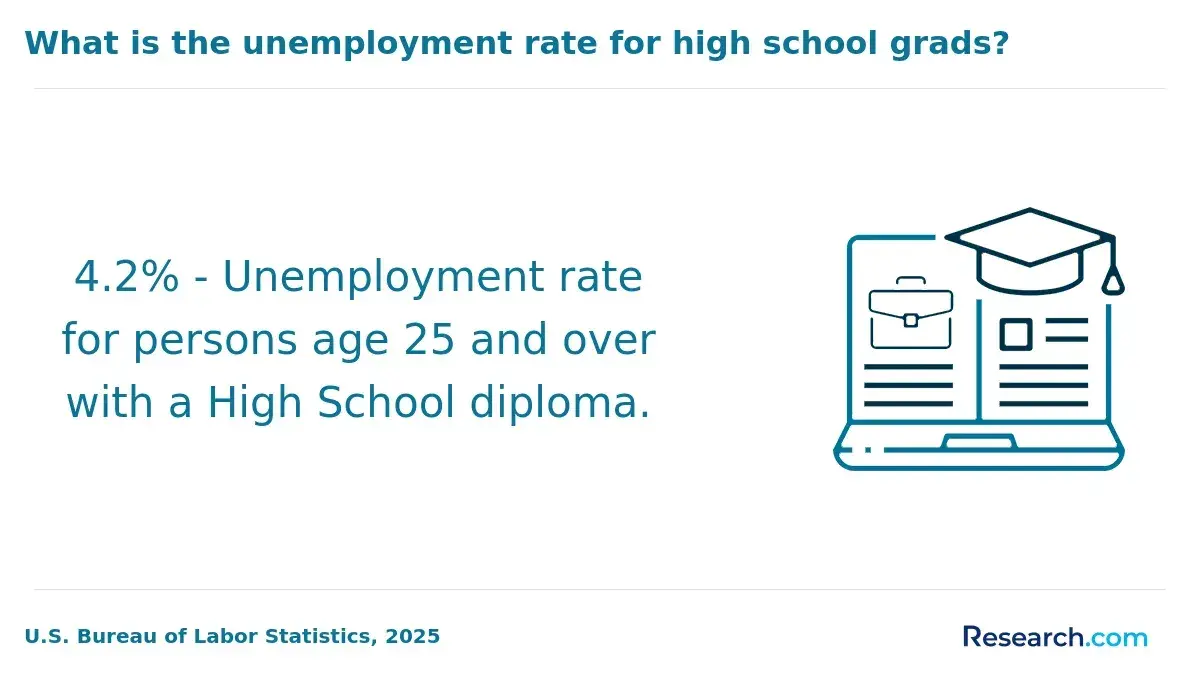
Government and public-sector roles for communication management graduates demonstrate notably lower unemployment levels compared to private-sector jobs, reflecting stable funding and civil service protections.
Data from federal and state agencies highlights fewer layoffs in these positions, which are generally subject to rigorous review processes ahead of any eliminations—contrasting with the quicker restructurings often seen in private firms.
- Unemployment Rates: Positions within federal, state, and local governments consistently report unemployment below national averages, even during economic downturns, thanks to sustained budget allocations and policy safeguards.
- Layoff Frequency: Job cuts occur mainly in response to broad fiscal constraints or political changes, making them relatively rare and well-justified in the public sector.
- Career Tenure: Longer service periods are common, supported by pension schemes and predictable promotional steps that encourage employee retention over time.
- Role Categories:
- Federal Agencies: Strong job security enforced by civil service rules accompanies generally lower starting wages.
- State and Local Government: These roles exhibit high stability, especially in essential communication functions tied to public services.
- Public Universities and Research Institutions: These combine stability with academic environments, though occasional budget pressures can cause interruptions.
- Quasi-Governmental Organizations: While they face somewhat increased uncertainty due to mixed funding models, they still benefit from partial government safeguards.
- Compensation Trade-Offs: Although government roles often begin with lower salaries, their comprehensive benefits—including pensions, leave policies, and loan forgiveness—can yield greater long-term financial security.
- Risk and Reward Balance: Graduates must evaluate their appetite for risk; those valuing steady employment and benefits may lean toward the public sector, while others seeking higher earnings might pursue private-sector opportunities with inherently higher volatility.
What Role Does Licensure or Certification Play in Protecting Communication Management Degree Holders From Unemployment?
Licensure and certification significantly impact the employment stability of communication management degree holders by establishing formal standards that govern access to specialized career paths.
While most communication management roles—such as public relations specialists, corporate communications managers, and media planners—do not require mandatory state licensure, certain specialized roles like health communication specialists or instructional coordinators often do.
These legal requirements limit labor supply by allowing only credentialed individuals to practice, which reduces competition and unemployment volatility during economic downturns.
The economic rationale behind this protective effect lies in restricted labor markets—employers cannot easily replace licensed communication management practitioners with uncredentialed workers, creating a durable demand floor in recessions.
Beyond mandatory licensure, non-compulsory but widely recognized certifications—such as the Accredited Business Communicator (ABC) or Communication Management Professional (CMP) designations—serve as de facto filters in competitive hiring practices.
Holding these credentials before entering the job market narrows the competition pool, effectively reducing unemployment risk. Effective credential strategies require distinguishing credential types:
- Required Licensure: Mandatory for entry into specific specialized roles regulated by law or industry standards.
- Recognized Certifications: Not legally required but highly valued by employers, offering measurable advantages in employability and job security.
- Low-Value Credentials: Credentials that add little practical market value compared to their cost and effort, which can often be deprioritized in a strategic credentialing plan.
According to U.S. Bureau of Labor Statistics data, occupations with licensure requirements show 1% to 2% lower unemployment rates on average—a pattern reflected in communication management roles with formal credential pathways maintaining greater recession resilience.
How Does Geographic Location Affect Unemployment Risk for Communication Management Degree Graduates?
Geographic location significantly shapes the unemployment risk for communication management degree graduates, as regional labor markets vary widely in employer presence and industry focus.
Metropolitan areas with dense concentrations of sectors that employ communication management professionals—such as healthcare corridors in Boston and Minneapolis—offer more stable and abundant job opportunities.
Government employment centers like Washington, D.C., provide numerous roles connected to public affairs and policy communication, while technology hubs such as San Francisco and Seattle maintain strong demand due to tech firms' needs for internal communications and marketing expertise.
Financial services clusters like New York City add another layer of opportunity through investor relations and brand management positions. Conversely, regions with lower communication management employer density tend to show higher unemployment risk and extended job search periods, emphasizing the importance of location in managing career stability.
This pattern reflects broader regional unemployment trends affecting communication management professionals.
Remote work is reshaping geographic unemployment risk by expanding opportunities for roles centered on digital content creation, social media strategy, or virtual event coordination—allowing graduates to access a wider labor market regardless of location.
However, specializations requiring physical presence—such as government liaison roles or on-site corporate communications—remain tied to local economic cycles, maintaining traditional geographic risk profiles. Graduates should critically assess whether their target career path is compatible with remote work as an effective risk management strategy.
To conduct a thorough geographic labor market analysis, prospective and early-career communication management professionals should examine BLS metropolitan area employment data, use LinkedIn job posting filters by location, and review regional wage benchmarks.
This approach helps balance unemployment risk reduction and personal preferences, guiding decisions on whether to remain local, relocate to stronger markets, or pursue remote-eligible roles.
Notably, as of recent data, nearly 40% of communication management roles advertised nationwide offer remote work options, signaling a structural shift lowering geographic unemployment disparities.
- Industry Concentration: Areas with dominant healthcare, government, technology, and financial services sectors host lower unemployment risks due to stable labor demand.
- Remote Work Flexibility: Remote-compatible roles broaden employment access and reduce geographic vulnerability.
- Economic Volatility Exposure: Regions with fewer communication management employers experience longer job searches and higher downturn sensitivity.
- Strategic Market Analysis: Leveraging BLS data and job platform filters enables targeted relocation or specialization decisions to minimize risk.
- Recent Trend: Nearly 40% of communication management positions advertised nationwide include remote work options, reflecting a notable shift in geographic employment risk.
For those managing transitions or deciding on specialization, exploring best online degrees for stay at home moms can provide flexible academic pathways to enhance credentials without geographic constraints—further lowering unemployment risk shaped by location.
Which Communication Management Careers Are Most Vulnerable to Automation and Technological Disruption?
Communication management careers in the United States vary widely in their vulnerability to automation and technological disruption. Frameworks from the McKinsey Global Institute, Oxford Martin School, and MIT's task-level automation analysis reveal that roles dependent on routine, repetitive tasks face the highest displacement risk.
Automation technologies such as artificial intelligence, machine learning, and robotic process automation typically replace tasks involving predictable data handling, pattern recognition, document review, and standardized decisions.
Conversely, roles requiring complex interpersonal judgment, creativity, ethical oversight, and high-level problem-solving remain more resilient, as these capabilities are difficult for machines to replicate fully.
- Content Moderation and Routine Communications: Jobs focusing mainly on repetitive client service queries, standardized messaging, or bulk content moderation are particularly exposed to automation. These positions rely on pattern matching and rule-based decisions that current AI can execute effectively, often reducing human involvement.
- Data Analysis and Reporting Specialists: Positions dedicated to producing routine reports or processing structured communication data face significant threat. Automation tools increasingly undertake data aggregation and preliminary interpretation, relegating humans to exception handling or more complex analyses.
- Administrative Communication Coordinators: Roles that manage scheduling, disseminate standardized communications, or maintain communication databases are vulnerable due to numerous repetitive tasks easily replicated by robotic process automation.
Alternatively, communication management careers centered on non-routine problem-solving, nuanced interpersonal judgment, and creative content creation are less exposed. Functions demanding leadership in ethical decision-making, strategic communication planning, and complex stakeholder negotiation require adaptability and emotional intelligence beyond today's automation.
For students and early-career professionals evaluating communication management specializations, recognizing where their pathway falls on this automation spectrum is crucial. Those in high-risk roles might anticipate mid-career transitions toward overseeing automated systems rather than performing replaceable tasks.
Developing skills in technology management, human judgment, and advanced communication strategy enhances resilience amid shifting labor demands common in communication management careers vulnerable to automation in the United States.
It is important to note that automation risk scores are probabilistic estimates, not certainties. The pace at which automation affects any communication management role depends on factors like employer technology investment, regulatory environments, and labor costs—variables differing across industries, regions, and employers.
Strategic credentialing choices—such as advanced degrees or professional certifications—and geographic market selection can mitigate long-term unemployment risk and improve adaptability.
Prospective students concerned about cost should explore options such as the MLIS degree cost and assess how educational investments align with career resiliency in this evolving field.
How Does a Graduate Degree Reduce Unemployment Risk for Communication Management Degree Holders?
Graduate degrees significantly lower unemployment rates for communication management professionals by providing access to specialized roles and leadership positions unavailable to many bachelor's holders. Data consistently show unemployment rates of about 2% to 4% among advanced degree holders versus 4% to 6% for those with only undergraduate credentials in related fields.
This advantage results from enhanced career resilience and restricted labor supply in regulated or research-intensive roles. Graduate degree pathways that most effectively reduce unemployment risk include:
- Professional Master's Programs: These often enable licensure—such as in clinical or legal communication—offering entry into regulated, stable career tracks with limited competition.
- Research-Oriented Master's and Doctoral Programs: Graduates qualify for advanced practitioner, analyst, or academic roles that see less candidate saturation, enhancing job security.
- MBA Programs: An MBA concentrated in communication management provides a route to mid- to senior-level management and executive positions typically inaccessible to bachelor's graduates.
Investment Considerations:
- Cost: Tuition ranges widely—from roughly $20,000 for public professional master's degrees up to $60,000 or more for private MBA programs.
- Duration: These programs usually require between one and three years of full-time study, involving both education expenses and potential income loss.
- Return on Investment: Graduates can expect salary increases of 15% to 40%, which typically offset initial costs within five to seven years depending on industry and role.
Despite these benefits, prospective students should also evaluate alternatives—such as targeted professional certifications, focusing on employers in growth sectors, or relocating to robust geographic markets—that might deliver similar reductions in unemployment risk with less financial and time commitment.
What Entry-Level Communication Management Career Paths Offer the Fastest Route to Long-Term Job Stability?
Entry-level roles in communication management that lead to enduring career stability share common features-clear advancement routes, strong retention in employers, and skill sets valued across sectors. Data from NACE, LinkedIn alumni tracking, and BLS occupational mobility research highlight these positions as stepping stones rather than dead ends.
- Corporate Communications Coordinator: Working in firms with robust promotion cultures and low turnover rates allows entry-level coordinators to rotate through departments acquiring diverse experience in media, strategic messaging, and internal communications. Advancement to mid-management often takes 3 to 5 years, supported by employers with strong reputations and leadership development offerings.
- Public Relations Assistant: Roles within established agencies or large nonprofits provide exposure to professional networks that cushion career turbulence. Skills gained in crisis communication and media pitching transfer across industries, and career growth into senior strategist or account director positions is common, especially in metropolitan markets with vibrant communications sectors.
- Internal Communications Specialist: Positions emphasizing employee engagement in sectors like healthcare and finance benefit from organizations that prioritize staff retention. Certification in change management or HR can accelerate promotion timelines, typically after 4 to 6 years, aligning with organizational transformation cycles that strengthen job security.
- Digital Content Producer: Early career experiences developing multimedia and analytics expertise in industries such as technology and education encourage movement into strategic roles less vulnerable to automation. Employers investing in ongoing training and offering geographic and remote work flexibility support enduring career trajectories.
What Graduates Say About the Communication Management Degree Careers With the Lowest Unemployment Risk
- Pierce: "Graduating with a communication management degree opened doors to diverse specializations, but I found corporate communications especially rewarding. The healthcare industry, where demand is consistently strong, provided me a stable career path with minimal unemployment risk. I also learned early that earning a professional certification in digital media management was crucial for standing out at every stage of my career."
- Aryan: "Reflecting on my journey, the geographic market played a huge role in my career stability. Pursuing opportunities in emerging tech hubs gave me a competitive edge, supported by a communication management degree focused on strategic public relations. Mid-career credentialing in crisis communication further solidified my position, proving invaluable when navigating complex organizational challenges."
- Jonathan: "My path through communication management has been shaped by targeting senior roles in government communications-an industry less prone to layoffs. I learned that combining this specialization with advanced certification in stakeholder engagement drastically lowered my unemployment risk. The degree's broad foundation really helped me adapt to changing demands across entry-level to senior positions without hesitation."
Other Things You Should Know About Communication Management Degrees
In 2027, entry-level career paths in digital marketing management and content strategy are projected to remain stable. The consistent growth in digital media and online platforms has sustained demand for communication professionals in these areas, ensuring a lower unemployment risk.
Mid-career professionals who specialize in digital communications, crisis management, and internal communication strategy tend to experience strong demand. These roles require advanced skills in stakeholder engagement and data-driven messaging-qualities increasingly valued as organizations prioritize effective communication during rapid market and technological changes. Such specialization offers both stability and upward mobility compared to generalist positions.
Freelance and self-employment paths can present a mixed risk profile. While self-employed communication specialists often enjoy flexibility and a diverse client base, their income and job stability may fluctuate more than salaried roles. Graduates pursuing freelance careers need strong networking and business skills to reduce their unemployment risk, especially during economic downturns when client demand may decline.
Economic recessions tend to increase unemployment rates in communication management, particularly for entry-level and mid-level roles in sectors like marketing and advertising that are more vulnerable to budget cuts. However, positions focused on crisis communication and internal corporate communication often see less impact because organizations prioritize managing their reputation and employee engagement during downturns. This highlights the value of skill diversification for maintaining employment stability.
References
- Top 6 Career Paths to Pursue with a Strategic Communication Degree https://www.callutheran.edu/programs/articles/careers-with-a-strategic-communication-degree/
- Unemployment is rising for Media, Journalism, and Communications graduates, here’s how to prepare for a tougher job market. https://www.hybridmag.co.uk/p/unemployment-is-rising-for-media
- These college majors have the highest earning potential and lowest unemployment rates, study finds https://www.cbsnews.com/news/college-majors-unemployment-rate-wage/
- College majors with the best and worst job prospects — art history beats finance https://www.cnbc.com/2025/05/16/college-majors-with-the-best-and-worst-employment-prospects.html
- Professional Certifications and Licenses Increase Earnings and Reduce Unemployment, New Data Shows – The Council for Community and Economic Research https://www.c2er.org/2019/07/professional-certifications-and-licenses-increase-earnings-and-reduce-unemployment-new-data-shows/
- Which Careers Demand Effective Communication Skills Most? https://zabeelinstitute.ae/blog/which-careers-demand-effective-communication-skills-most/
- Communications as a High-Impact Career Path https://probablygood.org/career-profiles/communications/
- Room for Progress in College Graduates’ Transition to the Labor Market - Public Policy Institute of California https://www.ppic.org/blog/room-for-progress-in-college-graduates-transition-to-the-labor-market/
- Jobs for Communications Graduates: Top 12 Best Across Industries https://www.betterup.com/blog/jobs-for-communications-graduates
- AI and Jobs: Which Professions Are Most at Risk of Automation? - Inspire Academy https://inspireacademy.ai/ai-i-rabotnite-mesta-koja-profesija-e-najizlozhena-na-avtomatizacija-en-translation-2/


