
2027 Which Higher Education Degree Careers Have the Highest Barriers to Entry?

Co-Founder and Chief Data Scientist
Why do some careers demand far more rigorous qualifications than others? For many prospective students, the path to professions like university administration or educational policy consulting involves decades of study and practical experience. In fact, positions requiring advanced higher education degrees often see competition rates of up to 6 applicants per available role. Navigating complex licensing requirements, specialized research expectations, and extensive internships can deter even the most motivated candidates.
This article explores which higher education degree careers present the highest barriers to entry and examines the factors contributing to their demanding prerequisites, helping readers make informed decisions about their academic and professional futures.
Key Things to Know About Higher Education Careers With the Highest Barriers to Entry
- Extensive education and training, such as doctoral degrees or specialized certifications, limit access to many higher education careers, with programs often requiring 6-10 years post-bachelor's completion.
- Competitive hiring standards in academia and administration screen for exceptional research, teaching portfolios, or leadership experience, with acceptance rates below 20% in some prestigious roles.
- Strict credentialing and prior experience, including tenure track prerequisites or professional licenses, create significant barriers, demanding years of field-specific work before entry into certain career paths.
Which Higher Education Careers Are Hardest to Get Into?
Certain careers within higher education are notably difficult to enter due to high selectivity and limited availability of positions. These careers often attract a large number of qualified applicants, making competition intense and acceptance rates low. For example, medical programs typically have acceptance rates below 10%, reflecting a highly competitive selection process relative to the number of available slots.
Several fields illustrate the challenges prospective students and professionals face when seeking entry. Below are some of the most competitive career paths in higher education:
- Physician Roles: High applicant-to-position ratios and limited residency spots create significant barriers. Competition for these roles is fierce due to the scarcity of available openings relative to demand.
- Law Careers: Law schools frequently have more applicants than spaces, and top programs maintain very low acceptance rates. Beyond admission, competitive clerkships and legal positions further limit opportunities.
- Academia: Tenure-track professorships are scarce, with many qualified candidates vying for few permanent positions. This scarcity leads to a highly selective and rigorous hiring process.
- Pharmacy: Enrollment caps in accredited programs, along with strict selection criteria, keep admission rates low. The high demand for spots results in intense competition.
- Dental Careers: Limited seats in dental schools and a large volume of applicants ensure high selectivity. This balance maintains rigorous standards but restricts entry.
For prospective students considering alternatives with broader accessibility, exploring the easiest online degrees may offer additional pathways in higher education that are less restricted by intense competition.
What Academic Requirements Make Higher Education Careers Harder to Enter?
Academic requirements often create significant barriers for individuals seeking careers in higher education, especially when roles demand extended education or specialized study. These rigorous demands can limit the pool of eligible candidates by requiring substantial time, effort, and resources. According to the National Center for Education Statistics, nearly 40% of jobs related to higher education require a master's or doctoral degree, highlighting the value placed on advanced academic credentials in this sector.
The following types of academic requirements contribute to the difficulty of entering higher education careers:
- Advanced Degrees: Many positions, such as faculty and research roles, require completing a master's, PhD, or professional doctorate. These programs typically take several years and involve a strong commitment to extensive research and scholarly work.
- Specialized Coursework: Certain career paths necessitate completing in-depth courses focused on specific disciplines or niche areas. This additional study extends program length and increases academic rigor, requiring focused expertise before entry.
- Extended Study Timelines: Some fields demand multi-year study plans that include internships, practicum experiences, or comprehensive exams. These obligations delay workforce entry and add layers of academic pressure and responsibility.
- Research and Thesis Requirements: Producing original research, completing a thesis or dissertation, and defending that work before a committee are standard expectations for many academic careers, intensifying the workload and lengthening training periods.
What Certifications Are Required for Higher Education Careers?
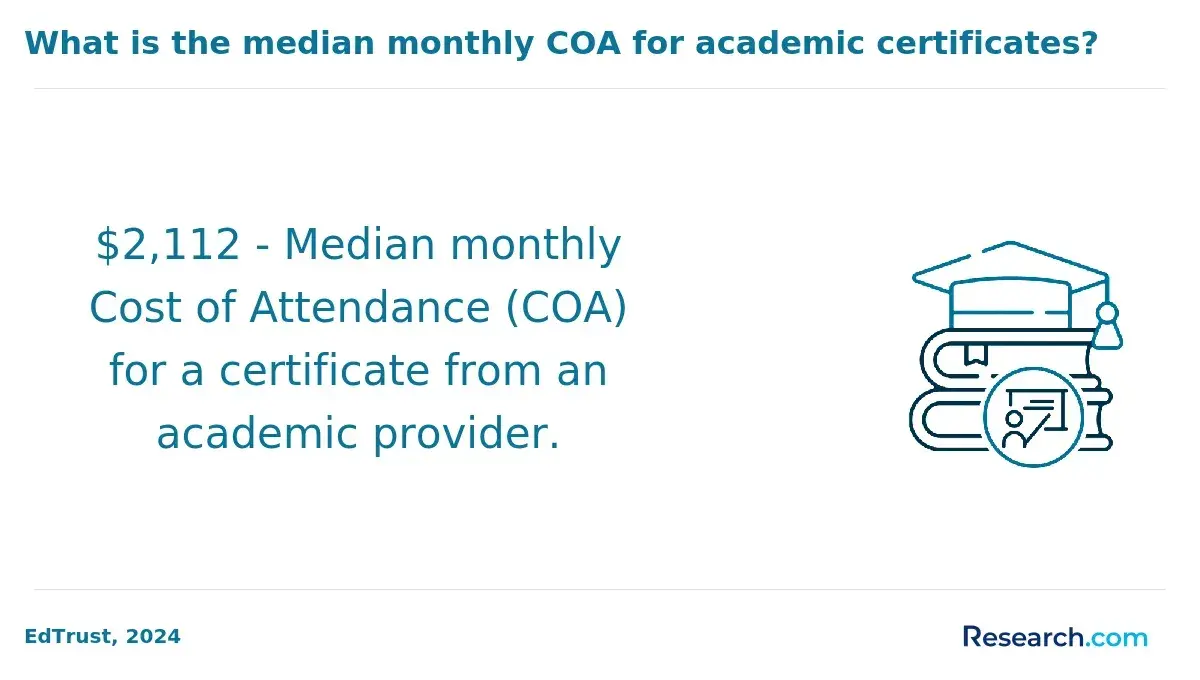
Certifications often serve as essential formal prerequisites in many higher education careers, acting as mandatory credentials that validate specialized knowledge and professional aptitude. These certifications help uphold consistent standards of practice within academic institutions and affiliated organizations. Recent data indicates that nearly 45% of roles in higher education either prefer or mandate such professional credentials alongside relevant degrees.
Below are common examples of certifications that establish crucial barriers to entry in various higher education fields:
- Certified Higher Education Professional: This credential confirms expertise in administrative leadership, policy management, and operational oversight within academic settings. Holding it attests to an individual's readiness to handle complex institutional responsibilities.
- Student Affairs Certified Professional: Focused on student support services, this certification verifies competence in areas like student engagement, counseling techniques, and program coordination, setting a professional standard for those working closely with student populations.
- Institutional Research Analyst Certification: Geared toward data-focused roles, this certification emphasizes mastery of research methodologies, data management, and strategic analysis, establishing proficiency in guiding institutional decision-making through evidence-based insights.
A higher education degree graduate shared that navigating the certification landscape was as daunting as completing the degree itself. He described the process as "a rigorous puzzle" requiring persistence to satisfy credentialing bodies' stringent expectations. "The real challenge," he noted, "was balancing hands-on experience demands with the time needed to prepare for certification exams, which often felt like a separate full-time commitment." His reflection underscores how these certifications, while necessary, add significant hurdles that shape career trajectories in higher education.
How Much Experience Is Required for Competitive Higher Education Jobs?
Experience expectations play a critical role in defining the competitiveness of careers within higher education. Employers rely on these thresholds to filter applicants, ensuring only those with adequate practical exposure advance for consideration in more demanding positions. This approach narrows the candidate pool and raises the standard for entry.
Competitive higher education career paths generally fall into several categories based on typical experience levels for higher education career advancement:
- Entry Level: These positions usually require little to no prior experience, appealing to recent graduates or newcomers who show foundational abilities and promise.
- Early Career: Roles in this tier often expect between one and three years of relevant work experience, reflecting initial application of knowledge in real-world contexts.
- Mid Level: Generally demanding three to seven years of consistent, specialized experience, mid-level jobs highlight proven performance and occasional leadership duties.
- Senior Level: Candidates typically need seven or more years of extensive expertise, strategic insight, and significant influence in their fields for these roles.
Understanding how many years of experience required for competitive higher education jobs helps explain why certain pathways present higher barriers to entry. For those interested, exploring the highest paid degrees can also reveal intersections between experience demands and top financial rewards.
What Skills Are Required for High-Barrier Higher Education Careers?
Careers in higher education with stringent entry requirements demand a mix of advanced and focused skills, setting a high standard for prospective candidates. Over 70% of employers in these competitive fields emphasize mastery of specialized skills as a critical factor when selecting applicants.
Several essential skills contribute to these elevated barriers, including:
- Analytical Thinking: Being able to critically assess data, studies, and educational developments is vital. This skill requires sophisticated problem-solving abilities, raising the standard for those seeking entry.
- Communication Skills: Clear and effective verbal and written communication is necessary for roles involving teaching, publishing, or collaboration. Excellence in this area makes positions more competitive.
- Research Proficiency: A solid command of research techniques and the ability to design and conduct rigorous studies is fundamental. Intellectual rigor here pushes candidates to a higher skill level.
- Leadership and Management: Skills in steering projects, leading teams, and maneuvering through institutional policies increase the complexity of these roles, demanding stronger qualifications.
When discussing the skills required for such demanding roles, a professional with a higher education degree shared her insights. She recalled the intense challenge of demonstrating both intellectual depth and adaptability during her early career. "Each project felt like a test of not only knowledge but also my ability to communicate and lead effectively under pressure," she noted. The process of proving herself required persistence and commitment, but it ultimately fostered a strong sense of accomplishment and preparedness for future challenges in her field.
Do Some Industries Have Higher Barriers to Entry Than Others?
Entry barriers in higher education careers differ widely depending on the specific industry, with some sectors imposing significantly tougher requirements due to unique institutional demands and regulatory challenges. These higher thresholds reflect the need to maintain quality, safety, and prestige within certain fields.
The following highlights several industries within higher education where entering the field is typically more restrictive:
- Research-Intensive Academia: This sector demands consistent original research output and publication in respected journals. A competitive environment with limited funding and high peer expectations creates naturally selective entry conditions.
- Healthcare Education: Medical and dental schools operate under strict accreditation and regulatory oversight. The critical impact of training quality on public health leads to tight controls on who can teach and practice within these programs.
- STEM Institutions: Fields like engineering and computer science require programs to stay at the forefront of rapidly evolving technologies. Collaboration with industry and adherence to advanced standards restrict entry to those who can keep pace.
- Legal Education: Law schools are closely aligned with judicial and professional licensing bodies that enforce rigorous ethical and curricular standards. These connections result in a controlled admission process to uphold profession-wide reliability and trustworthiness.
- Business Schools: Particularly those with elite reputations face pressures to preserve brand prestige and strong industry relationships. Their barriers emphasize developing future leaders who adhere to high ethical and management standards.
Do Certain States or Regions Have Stricter Requirements?
Geographic location significantly influences entry requirements for careers in higher education, as states and regions impose varying regulations and workforce standards. These differences can affect how accessible certain roles are and the complexity of meeting qualification criteria. Such regional variation reflects local education policies and economic priorities that shape professional pathways.
Over 40% of states enforce unique licensing or certification standards that go beyond baseline federal recommendations for education-related professions. This demonstrates the substantial diversity in regulatory rigor across different areas.
Several regional factors contribute to stricter entry rules in higher education careers, including:
- Regulatory Intensity: State-level governance can require additional testing, heightened credential verification, or expanded background checks, increasing qualification complexity for education professionals.
- Urban Versus Rural Demand: Urban areas often have more competitive markets, necessitating specialized credentials or expertise, while rural regions may have different emphasis based on local workforce needs.
- Accreditation Standards: Regional accreditation bodies vary, influencing employment eligibility and educational program recognition in higher education institutions.
- Continuing Education Requirements: Some regions mandate ongoing professional development tied to local quality controls, adding further steps to maintain or advance qualifications.
- Economic Workforce Policies: State-specific programs aimed at workforce development can either raise or lower entry thresholds depending on regional labor market strategies.
These factors create a complex and localized regulatory landscape, underscoring the importance of understanding state and regional contexts when pursuing careers in higher education.
How Competitive Is the Hiring Process for Higher Education Careers?
Competition for roles in higher education careers is driven by a complex mix of applicant volume, limited availability of positions, and employer selectivity. The imbalance between the number of qualified candidates and open roles often leads to intense contests for employment. For example, some academic job listings report application-to-hire ratios exceeding 100 to 1, highlighting the fierce competition. This high applicant pool shapes how hiring competitiveness affects career opportunities in higher education, demanding that candidates be aware of the realities of such rigorous selection processes.
This competitive landscape is reflected in the variability of selection intensity across different positions within the field. Some roles, especially those offering tenure or specialized responsibilities, feature extremely selective hiring practices with multiple interview rounds and thorough evaluations. Other positions, such as certain administrative roles, have less demanding criteria due to broader staffing needs. These employer expectations for higher education job candidates create a spectrum of competitiveness, influencing how prospective employees approach their job search and career planning. For students exploring related fields, it may be useful to compare competitiveness in traditional paths to alternative options like online colleges for game design.
Which Companies Are Hardest to Get Hired by in Higher Education Fields?
Certain organizations within higher education fields are renowned for their exceptionally selective hiring processes. Due to limited openings, high standards, and strong reputations, these employers attract an overwhelming number of applications, making competition intense. For instance, some prestigious institutions may receive more than 1,000 applications for a single position, with acceptance rates falling as low as 2-3%.
Below are several categories of employers in higher education that typically set the highest hiring standards and present the most challenges for job seekers.
- Large Research Universities: These institutions operate with extensive academic programs and rigorous expectations, drawing vast pools of qualified candidates. Their competitive hiring reflects both their commitment to excellence and the broad demand for prestigious roles.
- Highly Selective Liberal Arts Colleges: With fewer faculty and staff positions available, these colleges prioritize cultural fit and exceptional qualifications. This focus significantly narrows the candidate pool, heightening competitiveness.
- Specialized Professional Schools: Entities specializing in law, medicine, or business require applicants to meet stringent credential requirements. The scarcity of positions combined with high standards further limits hiring opportunities.
- Prestigious Educational Nonprofits and Foundations: These organizations hold influential roles in shaping educational policy and innovations. Given their elite status and small staff size, they attract highly competitive applicant pools.
- Elite International Academic Institutions: Globally recognized for their academic excellence, these schools demand top-tier talent worldwide, making their hiring processes among the most selective.
Prospective candidates targeting these highly competitive colleges and universities to work for will benefit from focusing on the unique demands of each category while considering pathways to enhance their qualifications, such as pursuing an online masters human resources degree to improve their candidacy.
Do Difficult Higher Education Careers Lead to Higher Salaries?
Careers with significant barriers to entry in higher education fields often correlate with higher salaries, reflecting the premium placed on specialized expertise. Broadly, roles that require extensive qualifications and rigorous assessments tend to offer compensation well above average for the sector. For example, postsecondary education administrators typically earn nearly double the median wage of education professionals overall, highlighting the salary impact of challenging higher education careers. This trend suggests that demanding career paths usually reward the time and effort invested with enhanced earning potential.
However, the link between difficulty of entry and salary is not uniform across all higher education roles. Certain positions with high credential demands may offer moderate pay, especially in saturated markets or those with limited funding. Conversely, some jobs with lower barriers still provide competitive compensation due to market needs or specialized skills. Prospective students should balance their pursuit of masters in child development online programs or other fields with an understanding that highest paying careers with difficult entry barriers do not guarantee top salaries in every circumstance.
What Graduates Say About Higher Education Careers With the Highest Barriers to Entry
- Esteban: "Choosing a higher education degree was daunting given the high barriers to entry in my field, but I believed the challenge was worth it. I focused on building a strong foundation through internships and networking, which significantly boosted my career prospects. Today, the impact of that degree is clear in the opportunities and professional growth I've experienced."
- Alexis: "Reflecting on my journey, pursuing a higher education degree felt like a steep climb amidst intense competition and rigorous requirements. However, I learned that strategic planning-such as gaining relevant experience and seeking mentorship-greatly improves one's chances of success. This degree has not only opened doors but also deepened my expertise and confidence in my professional life."
- Eli: "My motivation to pursue a higher education degree came from understanding both the challenges and rewards ahead. Overcoming entry barriers meant staying disciplined and continuously improving my skill set, which proved crucial in establishing my career. The degree's influence is profound, shaping my approach to work and amplifying my impact in the field."
Other Things You Should Know About Higher Education Degrees
In 2027, funding and financial constraints significantly affect access to high-barrier higher education careers. Tuition fees, cost of living, and limited financial aid can deter prospective students. Often, substantial loans are necessary, which may limit career choices post-graduation due to the burden of repayment.
Networking is an essential factor in overcoming barriers to entry in many specialized higher education careers. Establishing connections with faculty members, industry professionals, and alumni can provide mentorship, research opportunities, and insight into competitive job markets. Strong networks often facilitate internships and job placements, serving as an advantage in highly selective fields.
While traditional education paths are common, some careers with high barriers offer alternative entry routes such as accelerated programs, professional certifications, or work-based learning. These alternatives may reduce time and cost but still demand rigorous assessment and proven competency. It is important to research these options carefully, as they vary widely by profession and institution.
Regulatory bodies set strict standards for education, licensure, and practice in many high-barrier higher education careers. Their requirements ensure quality and safety but also increase the time and commitment needed to qualify. Compliance with these regulations is mandatory and often involves passing standardized examinations and periodic renewal of credentials.
References
- Which States Help Their College Grads Land Good Jobs? | Washington Monthly https://washingtonmonthly.com/2024/04/04/which-states-help-their-college-grads-land-good-jobs/
- Job requirements: education or experience? - Blue Lynx https://bluelynx.com/blog/job-requirements-education-or-experience/
- Not a professor? Not a problem: Eight Unexpected Careers in Higher Education - Higher Education Jobs - Higher Education Recruitment Consortium https://www.hercjobs.org/career-advice/not-a-professor-not-a-problem-eight-unexpected-staff-careers-in-higher-education/
- Barriers to Accessing Good Jobs in STEM Sectors https://www.jff.org/blog/barriers-to-accessing-good-jobs-in-stem-sectors/
- 4 Must Have Certification Programs for Higher Education https://www.formstack.com/blog/higher-ed-certification-programs
- Top 7 Institutional Research Certifications to Boost Your Career in Higher Education | BlockSurvey https://blocksurvey.io/research/top-institutional-research-certifications-to-boost-your-career-in-higher-education
- Why It's So Difficult to Hire in Higher Education https://nextsource.com/blog/why-its-so-difficult-to-hire-in-higher-education/
- How to Attract and Retain Top Talent in Higher Education Without Competitive Salaries https://blog.neoed.com/how-to-attract-and-retain-top-talent-in-higher-education-without-competitive-salaries
- Top 10 jobs for higher ed majors and who’s hiring https://joinhandshake.com/blog/students/top-jobs-for-higher-ed-majors/
- Here's how you land a high-paying job—it has nothing to do with your college major, says advisor of 20 years https://www.cnbc.com/2026/04/09/heres-what-actually-leads-to-high-paying-jobsits-not-the-major-you-pick-college-expert.html


