
2027 Which Industries Offer the Best Career Paths for Higher Education Degree Graduates?

Co-Founder and Chief Data Scientist
Many graduates enter the workforce uncertain which industries align best with the long-term goals of compensation, stability, advancement, and positive workplace culture. For those holding higher education degrees, this uncertainty can cause costly missteps-transitioning into sectors that fail to recognize their qualifications or offer limited growth. Data from the U. S. Bureau of Labor Statistics shows industries like healthcare and technology provide median wages up to 25% higher than average, combined with strong advancement prospects and flexible work options. This article explores the industries that truly reward higher education graduates, equipping readers to make informed, strategic career choices for lasting success.
Key Things to Know About the Industries That Offer the Best Career Paths for Higher Education Degree Graduates
- Technology fields offer upward mobility and competitive salaries-median earnings exceed $90,000 annually-with robust remote work options, enhancing work-life balance for Higher Education degree holders.
- Healthcare provides stability amid economic fluctuations, requiring advanced credentials but rewarding graduates with clear licensing pathways and increasing demand projected at 15% growth through 2030.
- Education and nonprofit sectors emphasize mission alignment and professional development-despite lower average pay, these industries foster enriching workplace cultures and leadership opportunities over time.
Which Industries Offer the Highest Starting Salaries for Higher Education Degree Graduates?
Drawing on the most recent Bureau of Labor Statistics (BLS) Occupational Employment and Wage Statistics (OEWS) data, several industries lead in offering the highest mean and median starting salaries for higher education degree graduates. These sectors generally reflect a mix of specialized skill demands, labor shortages, and high profitability, making them attractive for those seeking top-paying entry-level roles.
- Technology: Rapid innovation and a persistent shortage of qualified professionals drive lucrative starting pay in software development, data science, and cybersecurity. Graduates with advanced technical skills in these areas command top salaries as companies compete for talent.
- Healthcare: From physicians and dentists to specialized therapists, healthcare positions require rigorous training and certification, which, combined with strong national demand from an aging population, results in impressive entry-level wages.
- Engineering: Fields like aerospace, electrical, and civil engineering reward graduates with high starting salaries reflecting the critical infrastructure roles and technical complexity they undertake. Growth in renewable energy and industrial innovation also supports wage increases.
- Finance and Banking: Competitive pay in this sector stems from the profitability of roles such as investment banking, actuarial science, and financial analysis, all demanding strong quantitative and analytical skills.
- Pharmaceuticals and Biotechnology: These industries offer premium starting salaries driven by intensive research and development needs and specialized scientific expertise.
- Law: Entry-level salaries for law graduates are buoyed by the rigorous academic and professional standards required, particularly in lucrative areas like corporate, intellectual property, and compliance law.
- Management Consulting: High pay here rewards graduates who demonstrate strong problem-solving, analytical, and communication skills sought by firms addressing complex business challenges.
The top-paying sectors for entry-level higher education degree holders in the US often combine financial compensation with opportunities for career growth, stability, and mission alignment. While starting salary is one important metric, future exploration will address how these figures relate to advancement paths and job satisfaction. For those interested in how degree difficulty correlates with opportunity, exploring the easiest masters degree to get may provide additional perspective on education and career planning.
What Are the Fastest-Growing Industries Actively Hiring Higher Education Graduates Today?
The fastest-growing industries actively recruiting graduates with higher education degrees today reflect broad economic shifts and technological change shaping opportunities over the next decade. These top US sectors recruiting higher education degree holders demonstrate patterns of sustained demand and evolution in career pathways.
- Healthcare: Aging populations and longer life expectancy drive rapid expansion.
- There is strong need for specialized medical practitioners, healthcare administrators, and researchers in hospitals, outpatient care, and telehealth.
- Advances in personalized medicine and health informatics, alongside regulatory complexity, create lasting demand for skilled professionals.
- Technology: The digital transformation fuels ongoing growth.
- Roles in cloud computing, cybersecurity, artificial intelligence, and data science are in high demand.
- The sector's growth is structurally supported by evolving business models and widespread digital adoption beyond short-term economic cycles.
- Engineers, environmental scientists, and policy analysts are central to advancing solar, wind, and energy storage technologies.
- Long-term investment in green infrastructure promises sustained job creation.
- Higher education institutions also expand research and student support services to match evolving needs.
- Analysts, compliance officers, and quantitative modelers find openings fueled by global market integration despite some cyclical variability.
Distinguishing between sectors with structural growth and those with cyclical hiring surges is essential for career planning. For example, technology and healthcare represent enduring expansion, while others may offer shorter-term opportunities tied to policy or economic shifts. This understanding aids graduates in mapping careers with stable advancement, remote work potential, licensing norms, and meaningful mission alignment across industries.
The landscape of fastest-growing industries hiring higher education graduates rewards those who align credentials and career goals thoughtfully. For professionals considering options like accelerated credentials, exploring the best associate degree in 6 months online can provide a strategic entry into expanding fields.
How Does Industry Choice Affect Long-Term Earning Potential for Higher Education Professionals?
Salary progression for higher education professionals varies greatly across industries, with some sectors accelerating pay rapidly while others maintain tighter wage limits. Technology, finance, and healthcare administration often showcase steep salary growth-professionals can see earnings double or triple within 10 to 15 years thanks to frequent promotions and strong industry expansion. In contrast, public education and nonprofit fields typically feature compressed wage bands that restrict substantial increases, prioritizing job stability and mission over compensation.
- Performance Incentives: Fields like corporate training and ed-tech frequently incorporate bonuses, equity, or profit-sharing, significantly enhancing total earnings beyond base salary over time.
- Advancement Opportunities: Industries with well-defined promotion tracks, such as private universities or corporate learning environments, enable consistent salary boosts tied to growing responsibilities, unlike flatter structures common in community colleges and nonprofits.
- Comprehensive Earnings Outlook: Evaluating just the starting pay overlooks critical elements like raises, benefits, and alternative compensation that influence a professional's cumulative income across 10 to 20 years.
- Additional Factors:
- Investment in professional development can unlock higher-paying roles.
- Remote work availability impacts cost of living and negotiations.
- Certification requirements may narrow entry but often yield premium pay.
Reflecting on this, a professional who successfully graduated from a higher education degree shared how industry choice shaped his earning path. Initially uncertain about entering the public sector due to capped growth, he pivoted toward ed-tech, driven by a desire for dynamic career progression and supplemental compensation structures. "Navigating the variety of roles was challenging-I had to continuously upskill and adapt, but seeing my salary rise with each promotion validated the effort," he recounted. He emphasized the importance of considering beyond year-one salary data, noting that "understanding the long-term financial landscape was crucial to making a sustainable career decision."
Which Industries Provide the Most Stable and Recession-Proof Careers for Higher Education Graduates?
Employment trends during past recessions-such as the 2008 financial crisis and the 2020 COVID-19 pandemic-highlight distinct patterns in the stability of various sectors for higher education graduates. Healthcare remains a pillar of resilience, benefiting from an aging population and essential roles that maintain demand even during downturns. Government jobs and essential services similarly offer reliable employment prospects due to their countercyclical nature and consistent funding, making these industries strong contenders among the most stable industries for higher education graduates.
In contrast, private-sector industries like technology and finance, while offering higher salary potential, tend to experience more volatility with layoffs and hiring freezes during economic contractions. This dynamic places graduates at a crossroads between pursuing lucrative roles with greater risk or opting for slower-growth but more secure public and nonprofit sectors. Prospective employees must carefully assess their financial responsibilities and personal risk tolerance when making these decisions.
- Advancement: Industries with structured promotion pathways provide clearer long-term career progression, which fosters job satisfaction and security.
- Flexibility: The rise of remote and hybrid work models-particularly in tech and education-has reshaped stability considerations, allowing for adaptability amid changing economic conditions.
- Licensure: Stringent certification requirements in healthcare and certain government positions create entry barriers but also enhance job protection.
- Professional Development: Continuous investment in skills training reinforces employability across various sectors, especially in recession-proof career options for higher education degree holders.
Mission Alignment: Roles that resonate with personal values often sustain motivation through economic uncertainty.
Notably, 42% of workers with remote-friendly jobs remained employed throughout the pandemic's peak disruptions, demonstrating how work format flexibility can buttress job security. For those exploring sector pivots, considering advanced credentials like a 2 year construction management degree may open doors in stable, in-demand fields.
What Role Does the Private Sector Play in Shaping Career Paths for Higher Education Degree Holders?
The private sector offers diverse career opportunities for higher education graduates across fields such as technology, finance, healthcare, and manufacturing-spanning large Fortune 500 companies to agile, venture-backed startups. Employers in these industries seek advanced-degree talent for their capacity to innovate and solve complex problems, often providing compensation packages that include competitive salaries, bonuses, and equity incentives-elements rarely matched by public sector roles.
Companies like Apple and Google lead in offering attractive pay accompanied by long-term retention benefits, while financial giants such as JPMorgan Chase and Goldman Sachs emphasize merit-based, accelerated promotion tracks. In contrast to public sector norms, private firms generally prioritize performance metrics and adaptability within their work cultures.
Healthcare technology startups, particularly those focused on AI diagnostics, commonly promote flexible remote work but require continual learning and quick responsiveness. Meanwhile, traditional manufacturing firms like General Motors favor face-to-face collaboration and clearly outlined advancement pathways linking technical mastery to leadership roles. This range of environments suits various professional temperaments and career goals.
- Industry Diversity: Opportunities span sectors with distinct demands and growth trajectories.
- Employer Types: Stability and formal structures characterize large corporations, while startups offer fast-paced learning and broad responsibilities.
- Compensation: Salaries combined with bonuses and equity drive competitive private sector rewards.
- Promotion Timelines: Rapid, merit-driven advancement contrasts with slower, seniority-based public options.
- Work Culture: Innovation and collaboration flourish, often supported by remote or hybrid work setups.
- Professional Development: Significant investment in skills and certifications encourages ongoing career growth.
When asked about her experience, a professional who built her career after earning a higher education degree shared that navigating private-sector recruitment was a mix of excitement and uncertainty-she recalled the challenge of aligning her skills with evolving industry needs while seeking an employer whose values resonated with her. The transition from academic theory to practical impact was demanding, yet she found the dynamic environment rewarding, especially in roles where continuous learning was not only encouraged but necessary. Reflecting on her journey, she noted the private sector's role in cultivating adaptability and accelerating her professional growth far beyond what traditional public roles might have offered.
How Do Public Sector and Government Agencies Compare to Private Employers for Higher Education Graduates?
- Career Structure: Government roles in federal, state, and local agencies follow a structured civil service system that aligns employees' starting positions with their credentials. Progression happens through merit-based promotions and periodic evaluations. Notable employers for Higher Education graduates include the Department of Education, Health and Human Services, the Environmental Protection Agency, and municipal school districts, which frequently recruit professionals with advanced degrees.
- Compensation Model: While private-sector jobs often provide higher entry salaries and quicker potential for raises and bonuses, government pay is regulated by fixed grade levels and pay scales. However, government positions come with extensive benefits, such as robust pension plans offering guaranteed lifetime income-an advantage not commonly found in private retirement benefits.
- Defined-Benefit Retirement: Public sector employees enjoy established pension systems rarely available in private industry.
- Loan Forgiveness: Specialized public service loan forgiveness programs help reduce student debt for Higher Education professionals working in government roles more effectively than typical private employers.
- Advancement Opportunities: Career growth in public agencies tends to be steady but slower, influenced by budget limits and formal promotion schedules. By contrast, private employers may support faster advancement, especially in dynamic sectors, though with less predictability and often less stability.
- Job Security and Stability: Government employment typically offers enhanced job security, appealing to candidates prioritizing long-term stability amid economic uncertainties.
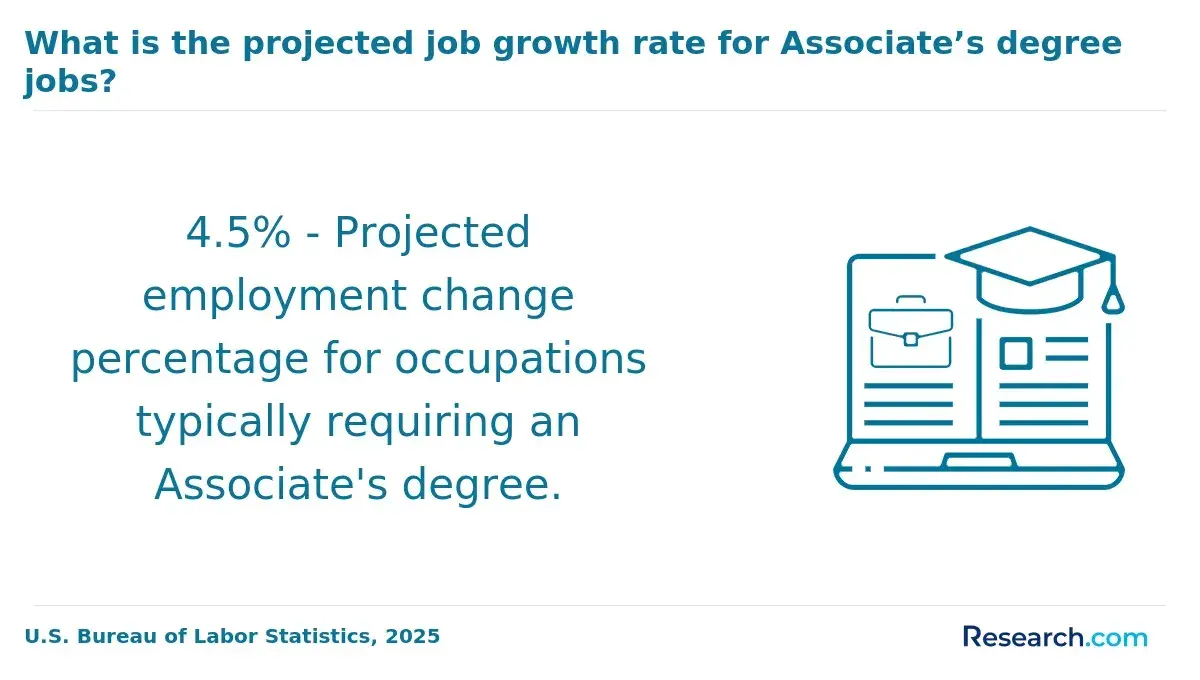
According to the U.S. Bureau of Labor Statistics (2023), employment of degree holders in government increased by 2.5% within the past year, demonstrating continued demand for credentialed professionals despite private-sector hiring challenges.
Which Industries Offer the Clearest Leadership and Advancement Pathways for Higher Education Professionals?
Industries demonstrating the clearest leadership trajectories for higher education graduates feature merit-based promotion systems and significant investment in leadership development. Recent workforce analyses reveal that sectors such as finance, healthcare, technology, and management consulting consistently offer robust upward mobility within ten to fifteen years after degree completion.
- Finance: Known for structured leadership pipelines, this sector accelerates advancement for professionals holding MBAs or specialized master's degrees in finance, economics, or risk management.
- Competency is measured through performance metrics supported by formal mentorship programs that fast-track career growth.
- Certification and licensing requirements complement academic credentials, enhancing promotion prospects.
- Healthcare: Higher education graduates with degrees in health administration, public health, or business administration with healthcare focus benefit from clear executive pathways.
- Hospitals and health systems invest in leadership training and succession planning, fostering internal promotion.
- Licensed professionals with advanced degrees often become directors of operations or chief medical officers within a decade.
- Technology: Domain-specific master's degrees in computer science, data analytics, and engineering-as well as MBAs in technology management-boost rapid promotion into senior and executive roles.
- Tech companies prioritize innovation and leadership potential, creating numerous pathways into product management and the C-suite.
- Formal leadership development programs groom future executives.
- Management Consulting: This meritocratic sector promotes MBA and master's graduates swiftly toward partner and senior leadership roles.
- Consulting firms feature well-defined career ladders emphasizing skill development and client impact.
- Alumni studies indicate many achieve director-level positions within ten years.
Professional Credentials: The integration of graduate degrees with professional certifications significantly accelerates leadership entry and long-term advancement. Continuous professional development aimed at industry-specific expertise can increase promotion rates by as much as 30% over a decade.
Evaluating an industry's long-term leadership ceiling and its investment in employee growth-alongside job availability-is crucial for higher education graduates mapping their career trajectory. Remote work options and mission alignment further impact where graduates thrive over the course of a career.
What Emerging and Technology-Driven Industries Are Creating New Demand for Higher Education Skills?
Emerging technology sectors are significantly driving demand for higher education skills as they flourish rapidly, blending innovation with real-world impact. These high-growth industries requiring advanced higher education qualifications offer career pathways where technical expertise and adaptable problem-solving intersect.
- Artificial Intelligence: This expanding field demands solid foundations in data analysis, algorithm development, and ethical considerations. Employers prioritize skills in programming languages, cross-disciplinary innovation combining technology with social sciences, and continual upskilling through certifications or advanced degrees in computer science.
- Clean Energy: Professionals here need competence in environmental science, engineering, and policy frameworks. Expertise in renewable energy technologies, including solar and wind, plus project management are crucial. Specialized training boosts competitiveness in this sustainability-focused sector.
- Biotechnology: Combining biology with technological applications, this sector seeks graduates skilled in molecular biology, bioinformatics, and regulatory compliance. Advanced degrees in life sciences paired with laboratory and analytical skills unlock wide opportunities.
- Advanced Manufacturing: Modern manufacturing leverages robotics, IoT, and digital twins, requiring knowledge of mechanical engineering and systems optimization. Automation certifications and data-driven decision-making elevate career prospects here.
- Digital Health: Integrating telemedicine and health informatics, this field demands expertise in data privacy and healthcare technology. Specialized certifications or graduate study in informatics prepare graduates to thrive in this fast-evolving industry.
Graduates entering these sectors should apply informed caution-early-stage industries entail unpredictability amid their growth. Evaluating market maturity, regulatory environments, and sustainability is vital for long-term success. Targeted continuous learning is essential.
Higher education professionals seeking career advancement may also consider pathways like an MBA in entrepreneurship to gain leadership skills that align with these dynamic industries.
How Do Nonprofit and Mission-Driven Organizations Compare as Career Options for Higher Education Graduates?
Nonprofit, social enterprise, and mission-driven organizations offer Higher Education graduates viable career growth opportunities rooted in both purpose and professional development. Though salaries often lag behind corporate counterparts, compensation varies widely based on organization size, geography, and funding. According to nonprofit compensation surveys by organizations such as Nonprofit HR, roles in this sector generally provide broad salary ranges-particularly in senior or specialized positions.
- Compensation: While pay may be lower on average, total compensation packages often include valuable non-salary benefits.
- Benefits: Competitive health plans, retirement contributions, tuition assistance, and professional development stipends are common-supporting continuous learning vital for higher education professionals.
- Advancement Structures: Career paths tend to be less linear but encourage cross-functional skill-building and leadership development, ideal for those seeking versatility.
- Financial Incentives: Programs like Public Service Loan Forgiveness (PSLF) significantly offset educational debt burden, enhancing the economic appeal of nonprofit careers for qualifying employees.
- Mission Alignment: Higher education graduates motivated by social impact often report increased career satisfaction working toward community development, educational access, and equity.
- Workplace Culture: Emphasizing collaboration, inclusivity, and work-life balance, mission-driven employers foster engagement and reduce burnout.
- Non-Monetary Benefits: Intangible rewards-such as networking, mentorship, and opportunities to influence public policy-enrich career fulfillment.
Graduates interested in combining their educational expertise with social contribution will find the impact of mission-driven organizations on higher education graduate career satisfaction an important factor in career choice. Sector professionals often leverage their experience through diverse training programs, including specialized tracks like speech language pathology bridge programs online, enhancing their skill sets.
Which Industries Support the Most Remote and Flexible Work Arrangements for Higher Education Degree Holders?
Remote and hybrid opportunities are increasingly prevalent in sectors aligning well with higher education graduates' skill sets-particularly technology, professional services, and education. Technology roles in software development, data analysis, and educational technology flourish with location-independent setups due to their digital workflows and asynchronous collaboration. Professional services such as consulting, finance, and marketing also embrace flexible arrangements, valuing results over physical presence and investing heavily in collaborative tech. Education and training organizations expand remote possibilities mainly in administrative and curriculum roles, although some teaching functions remain onsite.
Industries like healthcare, manufacturing, and select public sector roles generally require in-person work, limiting remote options because of hands-on tasks and compliance demands. For graduates, remote work can widen geographic reach-enabling access to salaries typical of high-cost cities while living elsewhere, which may improve quality of life and disposable income.
Evaluating an industry's remote work culture requires attention to:
- Employer Transparency: Clear statements about remote policies on company websites and job ads indicate genuine flexibility.
- Tech Infrastructure: Companies adopting cutting-edge communication and project management tools are more supportive of hybrid or fully remote models.
- Employee Reviews: Current workforce feedback sheds light on how well flexibility policies are implemented in practice.
- Negotiation Readiness: Being prepared to highlight productivity and accountability when discussing remote options in interviews can improve outcomes.
Recent data show that 58% of employees with advanced degrees in professional and business roles have access to hybrid or fully remote work, underscoring the growing prevalence and importance of flexibility in these fields.
How Do Industry-Specific Licensing and Certification Requirements Affect Higher Education Career Entry?
- Regulatory Barriers: Certain industries impose strict licensure requirements that extend beyond earning a degree. Fields like healthcare-nursing, physical therapy, pharmacy-necessitate state or national licenses involving exams, supervised experience, and ongoing education. These mandates often lengthen the timeline to full practice by months or years.
- Certification Advantages: Beyond foundational licenses, earning industry-recognized certifications can significantly elevate a candidate's profile. In technology sectors such as cybersecurity and project management, certifications like CISSP and PMP not only validate expertise but can also accelerate career progression and enhance earning potential.
- Accessible Pathways: Some industries-including business, communications, and creative disciplines-feature fewer formal licensing hurdles, enabling quicker workforce entry. Still, pursuing optional credentials in areas like digital marketing or financial analysis offers graduates a competitive advantage.
- Continuing Education: Many professions require ongoing education to maintain licensure, reflecting a commitment to staying current with evolving standards. This lifelong learning demand supports professional growth and job security but requires continual investment of time and effort.
- Verification Necessity: Since licensing rules evolve frequently, candidates should consult official licensing boards or professional associations to confirm up-to-date credentialing requirements before pursuing specific paths.
Data from the National Association of State Boards of Accountancy reveals that nearly 75% of states have raised continuing professional education mandates for accountants in recent years-highlighting increased emphasis on sustained expertise across careers.
What Graduates Say About the Industries That Offer the Best Career Paths for Higher Education Degree Graduates
- Esteban: "Graduating with a higher education degree opened doors for me in industries known for their solid compensation packages-particularly in the tech and healthcare sectors. The financial rewards really reflect the value placed on advanced knowledge and skills, which helped me feel confident about my career choice early on. For anyone prioritizing strong earning potential, these fields stand out as excellent options."
- Alexis: "My journey through higher education taught me that workplace culture varies wildly, but sectors like education administration and nonprofit organizations often offer nurturing environments where collaboration is genuinely encouraged. Stability is another crucial factor here-these careers provide long-term security that makes it easier to plan a balanced personal and professional life. Reflecting on this, I now appreciate how much a positive culture boosts job satisfaction."
- Eli: "From my experience, industries such as corporate training and academic research provide remarkable advancement opportunities for those with higher education degrees. The pace of growth can be quite fast for motivated individuals, allowing for rapid movement up the ladder-something I found both challenging and rewarding. It's clear that commitment paired with advanced education can accelerate professional success substantially."
Other Things You Should Know About Higher Education Degrees
Industries such as educational services, nonprofit organizations, and government agencies typically provide the best work-life balance and higher job satisfaction for higher education graduates. These sectors often emphasize flexible schedules, remote work options, and supportive workplace cultures. Additionally, roles within these industries frequently align closely with personal values related to community impact and lifelong learning, which can enhance overall job fulfillment.
Geographic location significantly affects the availability and variety of career opportunities for higher education graduates. Urban areas usually offer more positions in educational institutions, research centers, and corporate training, while rural regions may have fewer openings but potentially more community-oriented roles. Economic factors and regional industry demands also shape salary levels and advancement prospects, making it important for graduates to consider local labor market trends alongside their career goals.
Industries like higher education institutions themselves, healthcare, and corporate training sectors tend to invest heavily in professional development for employees with higher education degrees. These fields often provide funding for certifications, workshops, and advanced degrees to ensure staff stay current with evolving practices and technologies. This investment supports career advancement and helps maintain competitive skill sets in rapidly changing environments.
In 2027, higher education graduates should prioritize aligning personal values with industry ethics and sustainability practices. Assess career goals by examining potential growth opportunities and innovation in fields like technology, healthcare, and green energy, which are forecasted to lead in professional development and future demand.
References
- The Fastest Growing Industries for Graduates https://www.investopedia.com/the-fastest-growing-industries-for-graduates-11799285
- The Rising Demand for IT Talent in Higher Education - Higher Education Jobs - Higher Education Recruitment Consortium https://www.hercjobs.org/career-advice/the-rising-demand-for-it-talent-in-higher-education/
- View of Emerging Trends in Higher Education: Technological Progress, Shifts in Student Populations, and Changing Workforce Needs https://www.jisem-journal.com/index.php/journal/article/view/10665/4898
- The Significance of Industry Credentials in Today's Economy - Learning Source https://learningsource.com/the-significance-of-industry-credentials-in-todays-economy/
- Degrees with an Edge: How Embedding Industry Certifications Can Transform Higher Education - Higher Education Digest https://www.highereducationdigest.com/degrees-with-an-edge-how-embedding-industry-certifications-can-transform-higher-education/
- College majors affect more than just average earnings | CEPR https://cepr.org/voxeu/columns/college-majors-affect-more-just-average-earnings
- How does a college degree improve graduates’ employment and earnings potential? - APLU https://www.aplu.org/our-work/4-policy-and-advocacy/publicuvalues/employment-earnings/
- How does your choice of university affect your future? - Grattan Institute https://grattan.edu.au/news/how-does-your-choice-of-university-affect-your-future/
- Top Technology Trends in Higher Education to Watch In 2025 https://mapsted.com/en-au/blog/higher-education-technology-trends
- Demystifying Nonprofits: Helping College Grads See a Career of Service | Nonprofit Quarterly | Civic News. Empowering Nonprofits. Advancing Justice. https://nonprofitquarterly.org/demystifying-nonprofits-helping-college-grads-see-a-career-of-service/


