
2027 Which Substance Abuse Counseling Degree Careers Have the Highest Barriers to Entry?

Co-Founder and Chief Data Scientist
Why do some substance abuse counseling degree careers demand far more rigorous qualifications and experience than others? Aspiring counselors face varying hurdles when navigating licensing, certification, and education requirements across different roles. For example, clinical supervisory positions often require a master's-level degree plus thousands of supervised hours, while entry-level counseling roles may accept bachelor's degrees and fewer logged hours.
Industry reports indicate that employment in specialized counseling roles with advanced credentials is projected to grow by 22% through 2030, reflecting increased demand and competition. This article explores which substance abuse counseling careers feature the highest barriers to entry and why those thresholds exist.
Key Things to Know About Substance Abuse Counseling Careers With the Highest Barriers to Entry
- Many substance abuse counseling careers demand a master's degree plus supervised clinical hours, limiting access primarily to candidates with extended education and specialized training.
- The hiring process is highly competitive, with employers prioritizing candidates who demonstrate advanced knowledge and proven effectiveness in treatment settings.
- Strict credentialing, including state licensure and substantial hands-on experience, is mandatory, setting a high bar for entry compared to other counseling roles.
Which Substance Abuse Counseling Careers Are Hardest to Get Into?
Some substance abuse counseling careers are notably difficult to enter due to intense competition and a scarcity of available positions. For example, acceptance rates into specialized training programs can be below 20%, underscoring the high selectivity in certain roles. These factors combine to create significant barriers for those seeking to break into the field.
Careers with the highest barriers often share common challenges, as outlined below.
- Addiction Psychiatrist: The limited number of residency and fellowship opportunities in addiction psychiatry creates fierce competition. These positions require candidates to navigate an especially selective environment with few openings compared to interest levels.
- Clinical Director: Leadership roles such as clinical director are rare and attract many qualified applicants. The hierarchical nature of treatment facilities limits turnover, making these positions highly sought after and difficult to obtain.
- Substance Abuse Researcher: Careers focused on substance abuse research face challenges stemming from limited funding and competitive grant processes. The scarcity of research roles and rigorous review standards place this career path among the hardest to enter.
- Forensic Substance Abuse Counselor: Working within criminal justice settings demands clearance and qualifications that narrow the applicant pool. The small number of specialized roles heightens competition beyond that of general counseling jobs.
- Policy Advisor: Roles advising on substance abuse policy at government or organizational levels require a proven track record and have very limited vacancies. This exclusivity significantly raises the barrier to entry.
Those interested in advanced education opportunities might also explore affordable options through online PharmD programs, which can provide related expertise beneficial in some substance abuse counseling contexts.
These roles consistently demand navigating substance abuse counseling jobs with strict certification and experience requirements, contributing further to their overall selectivity.
What Academic Requirements Make Substance Abuse Counseling Careers Harder to Enter?
Academic requirements often create significant barriers to entry in substance abuse counseling careers, especially for roles demanding extended education or specialized study. Approximately 40% of substance abuse counseling-related positions require at least a bachelor's degree, with many necessitating advanced graduate-level education. These requirements can limit accessibility for prospective students looking to enter the field.
The following key academic challenges contribute to these barriers:
- Advanced Degrees: Master's and doctoral programs increase the overall time and cost commitment, often requiring two to five additional years beyond a bachelor's degree. This extended academic timeline can delay entry into the workforce.
- Specialized Coursework: Many advanced roles require focused study in areas such as clinical psychology, pharmacology, or mental health disorders. These specialized classes go beyond general counseling topics and demand dedicated preparation.
- Extended Study Timelines: Programs often integrate internships, practicum experiences, or research projects that lengthen the time needed to complete educational requirements, creating additional hurdles before licensure or employment.
- Prerequisite Degrees: Some graduate programs mandate a bachelor's degree in related fields like psychology or social work. Students without this background must complete extra preparatory courses, adding to the educational burden.
- Research and Thesis Requirements: Doctoral and some master's tracks involve rigorous thesis writing and defense, requiring advanced critical thinking and academic writing skills that can deter candidates from pursuing these pathways.
What Certifications Are Required for Substance Abuse Counseling Careers?
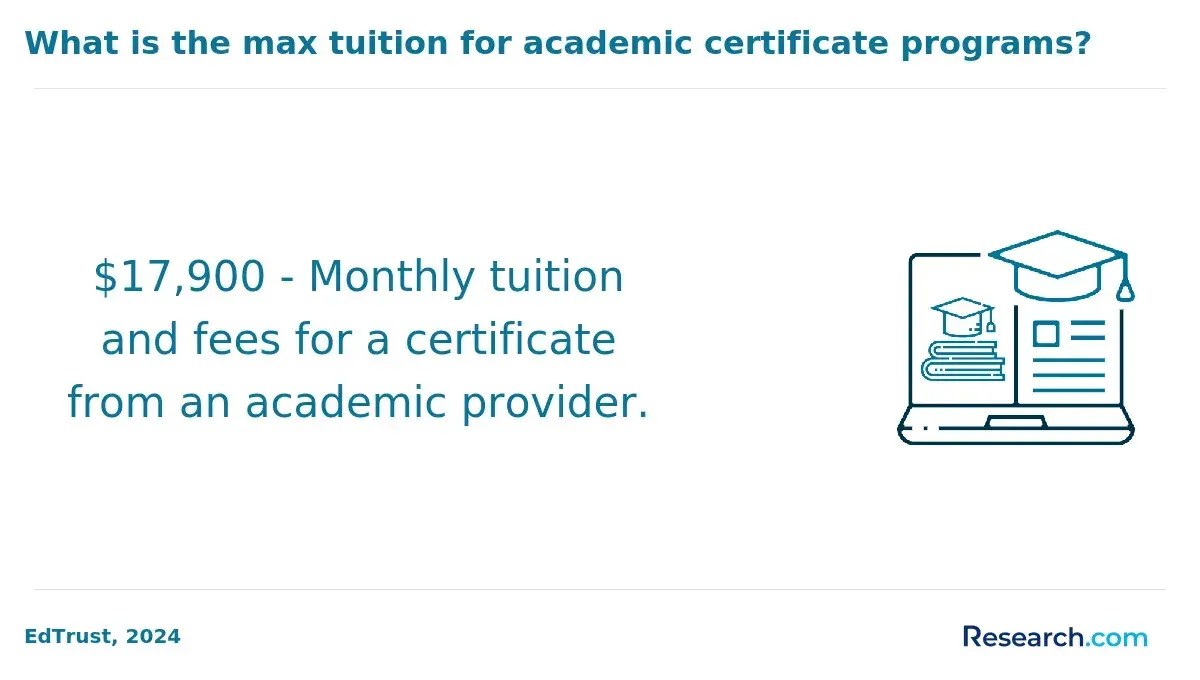
Certifications act as essential formal prerequisites in many substance abuse counseling careers, often serving as required credentials for professional practice or specialized roles. They validate a counselor's expertise and ensure adherence to industry standards and ethical guidelines. In fact, nearly 80% of jobs in this field mandate specific licenses or certifications, highlighting their role in regulating entry.
Below are some common certifications that establish key barriers and regulate access to substance abuse counseling careers:
- Certified Alcohol and Drug Counselor (CADC): This widely recognized credential confirms that counselors meet national or state standards in addiction treatment, including familiarity with treatment methods and ethical practices.
- Licensed Chemical Dependency Counselor (LCDC): Often required for positions in state-funded programs, this license permits clinicians to provide specialized chemical dependency treatment and is a fundamental entry requirement.
- Certified Addiction Counselor (CAC): This certification demonstrates competence in addiction theories and intervention techniques, frequently serving as a foundation for higher-level licenses.
- Certified Clinical Supervisor (CCS): For professionals advancing to supervisory roles, the CCS credential verifies the ability to manage clinical practices within substance abuse agencies.
These certifications impose controlled entry by requiring candidates to pass exams and maintain ongoing education, which upholds professional standards and public safety. A substance abuse counseling degree graduate shared his experience, describing the certification process as "intense and demanding." He noted that preparing for the licensing exam involved extensive study and often felt overwhelming but was critical to feeling competent and authorized to practice. He emphasized the importance of balancing continuing education requirements with work responsibilities, stating that while challenging, this ongoing learning "reinforces the responsibility we carry as counselors."
How Much Experience Is Required for Competitive Substance Abuse Counseling Jobs?
Experience requirements significantly affect competitiveness within substance abuse counseling careers by acting as a critical filter for employers. Candidates are often screened based on how much practical experience they have, which helps organizations identify those best suited for demanding roles. This introduces higher barriers to entry as the average years of experience required for competitive substance abuse counseling careers increase.
The common experience levels in competitive substance abuse counseling positions typically include:
- Entry Level: These roles usually require minimal or no prior experience, focusing on foundational knowledge and practical training such as internships or practicum hours.
- Early Career: Candidates generally need 1 to 3 years of direct counseling experience, showing exposure to client interaction and basic case management duties.
- Mid Level: Positions often demand 3 to 5 years of relevant experience, highlighting proficiency in treatment approaches and sometimes leadership in projects or supervision.
- Senior Level: Extensive experience of 5 or more years is expected, including managing complex cases, leadership responsibilities, and involvement in program development.
For those considering advanced professional routes, some roles require specialized expertise beyond senior level, involving work with niche populations or specific treatment methods. Understanding these experience demands is essential for evaluating which career paths present the most rigorous barriers to entry. Prospective counselors interested in expanding their credentials might explore healthcare administration courses online to complement their background and enhance competitiveness.
What Skills Are Required for High-Barrier Substance Abuse Counseling Careers?
Careers in high-barrier substance abuse counseling demand a distinct blend of advanced and specialized abilities, creating stringent criteria for entry. These skills act as key determinants for selecting candidates capable of managing complex and sensitive client needs. Studies reveal that over 70% of employers in specialized counseling sectors prioritize candidates' interpersonal and analytical skills during recruitment.
The following core skills are often prerequisites for these demanding roles:
- Advanced Communication: Effectively expressing nuanced information with empathy is crucial. Counselors must establish rapport and navigate sensitive topics while tailoring their language to diverse client backgrounds.
- Critical Thinking: These positions require swift assessment and adaptive problem-solving to design individualized treatment approaches. The ability to analyze complex client scenarios elevates the level of expertise needed.
- Emotional Intelligence: Successfully regulating one's emotions and responding appropriately to clients' psychological states strengthens therapeutic relationships. Developing this sensitivity raises the professional standards for entry.
- Ethical Judgment: Handling complicated ethical questions consistently ensures client safety and legal adherence. Mastery here is essential, as these dilemmas frequently arise in advanced counseling roles.
When I spoke to a professional with a substance abuse counseling degree, she described the initial adjustment as "challenging yet rewarding." She recalled moments of self-doubt while learning to balance emotional boundaries with compassion, emphasizing how managing these dynamics was a "steep learning curve." Over time, her confidence grew as she witnessed the impact of thoughtful communication and ethical decision-making on client progress. "It's not just about knowledge," she reflected, "but about developing the wisdom to apply it in real, often unpredictable situations."
Do Some Industries Have Higher Barriers to Entry Than Others?
Barriers to entry in substance abuse counseling careers can vary widely depending on the specific industry. Some fields enforce more demanding entry requirements to uphold safety, regulatory standards, and effective treatment outcomes. These stricter requirements often reflect the unique challenges and responsibilities inherent to each sector.
Below are examples of industries where higher entry barriers are commonly found:
- Healthcare Systems: Working in hospitals or integrated medical facilities requires counselors to coordinate closely with medical teams and adhere to stringent healthcare regulations. These environments demand strict compliance with patient privacy and treatment protocols, limiting who can qualify for such roles.
- Correctional Facilities: Counseling within prisons or juvenile detention centers involves navigating highly secure and sensitive settings. The nature of offender rehabilitation and security concerns imposes significant restrictions on counselor engagement and employment eligibility.
- Government Agencies: Positions in public health or federally supported programs require counselors to follow complex legal guidelines and accountability measures. The regulatory oversight in these roles is stricter than in typical private sector counseling jobs.
- Residential Treatment Centers: These inpatient settings demand counselors provide continuous, intensive support amid crisis situations. The elevated professional and ethical expectations in such 24/7 care environments create higher standards for entry.
Do Certain States or Regions Have Stricter Requirements?
Geographic location plays a crucial role in shaping the barriers to entry for substance abuse counseling careers. Variations in regulatory standards and regional workforce needs create differing levels of difficulty for candidates aspiring to enter the field. These differences can affect how quickly or easily a professional can qualify for substance abuse counseling roles depending on the state or area.
For instance, nearly 40% of U.S. states require different minimum education levels for certification in substance abuse counseling, leading to significant regional disparities in qualification thresholds. Candidates in some states must complete more extensive training or coursework compared to others.
Several regional factors contribute to stricter entry requirements in substance abuse counseling careers:
- Licensing Boards: State-specific licensing boards establish unique credentialing standards, which can increase entry barriers by demanding particular certifications or educational qualifications.
- Continuing Education: Variations in state laws impose diverse continuing education mandates, requiring counselors to regularly update their skills to maintain licensure.
- Clinical Hours: Regional regulations differ in the number and type of supervised clinical hours required, impacting the duration and rigor of training programs.
- Urban vs. Rural Demand: Urban areas often have higher workforce demands and stricter qualification requirements, while rural regions may offer quicker access but with potential compromises in credential recognition.
- Health Priorities: Local public health policies influence regulatory oversight, affecting the complexity and enforcement of professional standards in substance abuse counseling.
Understanding these geographic and regulatory patterns is vital for prospective counselors evaluating career paths with higher educational and professional standards based on location.
How Competitive Is the Hiring Process for Substance Abuse Counseling Careers?
The competitiveness of the hiring process for substance abuse counseling careers is largely shaped by the ratio of applicants to available positions and the selectivity of employers. In many cases, the substance abuse counseling job market competitiveness reflects intense demand, with some roles experiencing application-to-job ratios as high as 8:1.
This high volume of candidates competing for limited openings means employers often apply strict criteria, resulting in a challenging path to employment. Such competitive dynamics make hiring outcomes less predictable for many hopeful counselors.
Variability in hiring selectivity is evident across different substance abuse counseling roles, with certain positions demanding more rigorous screening and evaluation than others. These highly selective jobs often serve as bottlenecks within the regional hiring challenges for substance abuse counselors, requiring candidates to navigate a more difficult job market.
Candidates face steeper barriers in roles where organizational requirements and the nature of the work necessitate heightened scrutiny. This uneven landscape underscores why some positions maintain stronger competitive pressures within the wider substance abuse counseling field. For those interested in related healthcare fields, exploring the medical billing and coding job outlook offers additional career perspective.
Which Companies Are Hardest to Get Hired by in Substance Abuse Counseling Fields?
Certain substance abuse counseling employers are notably more selective due to limited job openings, high qualification standards, or their strong reputations. Research indicates that some prestigious organizations receive up to five times more applications than available positions, underscoring the intense competition within these fields. This level of selectivity directly impacts prospective counselors seeking positions at top companies hiring substance abuse counselors.
Below are several types of organizations known for their higher barriers to entry:
- Large Institutional Providers: These organizations often implement rigorous hiring protocols to ensure counselors can handle complex clinical environments within sizable healthcare systems. Their scale and structure demand highly adaptable and skilled professionals.
- Selective Nonprofits and Government Agencies: Accountability and mission-driven goals lead these entities to maintain strict criteria regarding qualifications and experience. Their hiring processes reflect the need for reliable and well-prepared counselors.
- Specialized Treatment Centers: Focused on niche populations or advanced therapies, these centers seek candidates with very specific expertise, narrowing the pool of eligible applicants significantly.
- Research and Academic Programs: Employers affiliated with research or academia prioritize applicants who demonstrate advanced credentials and a commitment to evidence-based practices, making these roles particularly competitive within substance abuse counseling degree careers with the highest barriers to entry.
- Reputable Private Practices: With limited openings, these firms prefer counselors who have proven track records or specialized skills, often making entry into these positions more difficult.
An aspiring counselor interested in advancing education might explore options such as MSN to DNP programs to enhance credentials and improve competitiveness in these selective hiring landscapes.
Do Difficult Substance Abuse Counseling Careers Lead to Higher Salaries?
Careers that pose high barriers to entry in substance abuse counseling often tend to offer greater salary potential due to the value employers place on advanced qualifications and experience. Typically, roles demanding specialized credentials or comprehensive supervised practice correspond with increased earning opportunities. According to recent data, the median wage for substance abuse, behavioral disorder, and mental health counselors was around $48,720, with some advanced positions earning 20% to 40% more. This highlights a general trend where high barriers to entry substance abuse counseling salary potential is closely linked to financial rewards.
Nevertheless, salary prospects do not always rise in direct proportion to entry difficulty. Some moderate-entry roles command competitive pay driven by demand, funding, or employer priorities, whereas highly specialized positions in certain sectors may offer less lucrative compensation despite stringent entry requirements. Various factors influence these outcomes, demonstrating that substance abuse counseling advanced certification salary impact can differ widely. For those weighing educational options, exploring programs like the shortest PMHNP certificate program can help align qualifications with career goals and potential earnings.
What Graduates Say About Substance Abuse Counseling Careers With the Highest Barriers to Entry
- Azai: "Choosing a substance abuse counseling degree was never easy due to the demanding nature of the field and the extensive certification process. However, I believed that tackling these barriers head-on would prepare me to genuinely help those battling addiction. The most rewarding part has been seeing real change in clients and knowing that the struggle was worth it."
- Russell: "Pursuing a career in substance abuse counseling pushed me to enhance my skills beyond just academic knowledge by engaging in internships and networking aggressively. These steps were crucial in boosting my chances in a highly competitive field that demands both compassion and professionalism. Reflecting on my journey, I appreciate how this degree opened doors to meaningful work that impacts communities profoundly."
- Christian: "As a professional, my substance abuse counseling degree has been the cornerstone of my career, granting me credibility and a deeper understanding of addiction complexities. Despite the high barriers to entry, the degree equipped me to navigate the emotional and regulatory challenges effectively. It's gratifying to apply this expertise daily and witness the positive outcomes in the lives I touch."
Other Things You Should Know About Substance Abuse Counseling Degrees
Legal and ethical obligations significantly impact substance abuse counseling careers with high entry barriers, often requiring extensive understanding of confidentiality laws, mandatory reporting, and ethical decision-making. These factors necessitate rigorous training and continuous education to ensure compliance with regulatory standards and ethical practices in 2027.
Ongoing education is essential for counselors in high-barrier roles to maintain licensure and certification. These professionals often pursue continuing education units (CEUs) and advanced certifications to stay informed on new therapeutic techniques and changes in policy.
Yes, counselors in roles with stringent entry requirements often collaborate extensively with medical doctors, psychologists, social workers, and legal professionals. This interdisciplinary teamwork is crucial to develop comprehensive treatment plans tailored to clients' complex needs.
References
- How to Become a Substance Abuse Counselor https://addiction-counselor.org/how-to-become/
- Professions Drug Addiction https://modernrecoveryservices.com/conditions/addiction/people/professions-drug-addiction/
- Challenges and Rewards of Being an Alcohol & Drug Counselor https://www.petersons.com/blog/the-challenges-and-rewards-of-being-an-alcohol-and-drug-counselor/
- Substance Abuse Counselor Salary and Potential Careers | Bradley University Online https://onlinedegrees.bradley.edu/blog/substance-abuse-counselor-salary-potential-careers
- Building a Career of Substance https://careersofsubstance.org/
- Top 10 Jobs With the Highest Substance Abuse Rates | Bright Futures Treatment Center New Jersey https://brightfuturestreatmentnj.com/top-10-jobs-with-the-highest-substance-abuse-rates/
- Your Path to Certification in Substance Use Disorder Counseling https://sudcareers.com/certification/
- Job Board https://www.odysseycenter.com/job-board/
- A Guide to Professions in Addiction Studies and Recovery https://www.ucumberlands.edu/blog/guide-to-professions-in-addiction-studies-and-recovery
- Types & Eligibility https://www.naadac.org/types-eligibility


