
2027 Certified Nurse Aide (CNA) License Education Requirements in Alaska

Co-Founder and Chief Data Scientist
Alaska's demand for Certified Nurse Aides (CNAs) is rising, with employment opportunities expected to grow by 15% over the next decade, outpacing the national average. Obtaining a CNA license in Alaska offers stability and competitive wages, making it a valuable career choice for healthcare aspirants. The state's unique healthcare needs create a continuous call for qualified CNAs in diverse settings such as hospitals, long-term care facilities, and home health services.
This article covers the essential education requirements for acquiring a CNA license in Alaska. Developed by career planning experts, it delivers clear, practical guidance to help prospective CNAs navigate the certification process efficiently and start their healthcare careers on the right path. Readers will find actionable strategies and comprehensive information tailored to Alaska's standards.
Key Things to Know About CNA License Education Requirements in Alaska
- Complete a state-approved CNA training program with at least 75 hours of instruction including clinical practice as required by Alaska's Division of Corporations, Business and Professional Licensing.
- Pass the Alaska Nurse Aide Competency Exam, which measures both written and practical skills necessary for patient care.
- Maintain current certification through continuing education and renewal every two years to stay compliant and competitive in Alaska's growing healthcare workforce.
- What are the education requirements to become a CNA in Alaska?
- What subjects are taught in CNA classes in Alaska?
- What steps are required to get a CNA license in Alaska?
- How long does it take to receive a CNA license in Alaska?
- How often do you need to renew your CNA license in Alaska?
- What continuing education is required for CNAs in Alaska?
- Can additional certifications boost a CNA's career in Alaska?
- Can out-of-state CNAs transfer their license to Alaska?
- Which employers hire newly certified nurse aides in Alaska?
- What is the average salary for CNAs in Alaska?
- How can CNAs in Alaska advance to higher nursing roles?
What are the education requirements to become a CNA in Alaska?
Formal education and training play a vital role in preparing Certified Nurse Aides (CNAs) to deliver safe and effective care across Alaska's diverse healthcare settings. This preparation ensures CNAs acquire the essential skills and knowledge to meet the demands of hospitals, long-term care facilities, and rural clinics. Proper education also helps CNAs adapt to Alaska's unique healthcare challenges and improves patient outcomes.
Below are the typical minimum education and training requirements to become a certified nurse aide in Alaska.
- High School Diploma or GED: Candidates need a high school diploma or GED to enroll in CNA programs. This requirement ensures students have basic academic abilities necessary for healthcare documentation, communication, and understanding training materials.
- Minimum 140 Hours CNA Training Alaska: Alaska mandates completion of a state-approved CNA training program with at least 140 total hours. This includes 60 hours of classroom instruction covering infection control, patient rights, and basic nursing skills, combined with 80 hours of supervised clinical training to develop hands-on caregiving skills.
- Clinical Skills Training: The clinical portion allows students to practice skills directly with patients under supervision. These real-world experiences build confidence and competence necessary for the certification exam and professional duties.
- Health and Safety Clearances: Prospective CNAs must provide immunization records and a negative tuberculosis test. Fingerprinting and criminal background checks are required to maintain patient safety within the healthcare workforce.
- Passage of the Certification Exam: Upon completing training, candidates must pass the National Nurse Aide Assessment Program exam. Only those who finish a state-approved program within two years of testing eligibility can take this exam.
For those exploring further healthcare career advancement, understanding the DNP salary by specialty can provide valuable insight into long-term opportunities.
What subjects are taught in CNA classes in Alaska?
Certified nurse aide training programs in Alaska are designed to equip students with the essential knowledge and hands-on skills needed to provide high-quality patient care in diverse healthcare environments. These programs focus on comprehensive instruction that prepares candidates to meet the state's requirements and serve effectively in roles that demand both skill and compassion.
Below is an overview of the key subjects covered in Alaska certified nurse aide training topics to ensure student readiness.
- Basic Nursing Skills: This subject teaches essential bedside tasks such as taking and recording vital signs, assisting with personal hygiene, monitoring fluid intake, and aiding patient mobility. Mastering these skills is crucial for daily patient care and early detection of health changes.
- Anatomy and Physiology: Students learn the structure and function of relevant body systems including cardiovascular, respiratory, and digestive systems. A solid grasp here allows CNAs to understand patient conditions better and provide informed support.
- Infection Control: Training emphasizes techniques like hand hygiene and the use of personal protective equipment to minimize disease transmission. This knowledge protects both patients and healthcare workers from infection risks.
- Communication and Interpersonal Skills: Effective verbal and non-verbal communication with patients, families, and healthcare teams is covered thoroughly. Clear communication fosters trust and ensures accurate reporting of patient needs.
- Patient Safety and Emergency Procedures: Instruction on maintaining safe environments, fall prevention, proper patient lifting, and emergency responses prepares CNAs to handle critical situations confidently and reduce accidents.
- Client Rights and Ethical Responsibilities: Students explore legal and ethical aspects such as confidentiality and informed consent, which are vital for protecting patient dignity and maintaining professional standards.
- Observation, Reporting, and Documentation: Accurate noticing and recording of changes in patient condition are stressed to support continuity of care and legal protection within healthcare settings.
- Human Growth and Development: This covers care tailored to physical and emotional needs throughout life stages, including specialized attention to aging and cognitively impaired individuals.
- Mental Health and Social Service Needs: Awareness of mental health challenges like dementia or depression is integrated to help CNAs provide compassionate psychosocial support.
- Cultural Competency: Understanding and respecting diverse cultural backgrounds, including language skills for rural Alaska, enhances patient rapport and care quality.
These comprehensive Alaska certified nurse aide training topics are essential for meeting the CNA curriculum requirements in Alaska and ensuring graduates are well-prepared to excel in patient care. For those considering advanced nursing roles, resources such as how to go from RN to FNP are valuable for career planning.
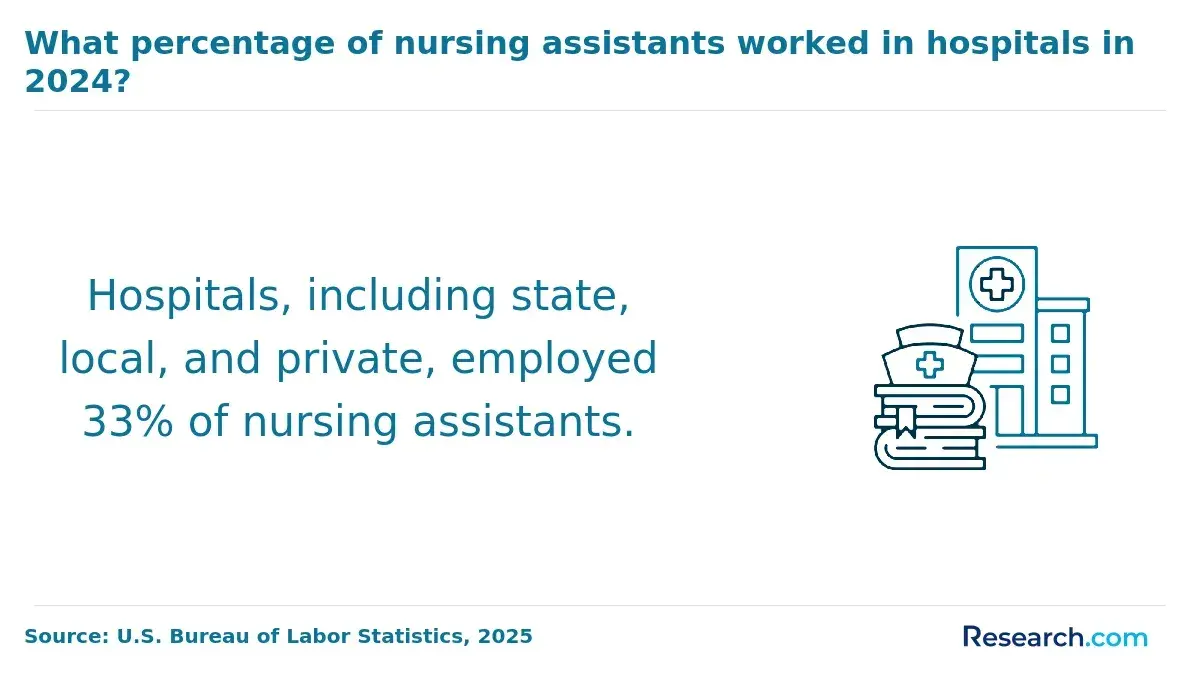
What steps are required to get a CNA license in Alaska?
Completing the Certified Nurse Aide (CNA) licensing process in Alaska ensures that all CNAs have the necessary skills and knowledge to provide safe and effective patient care. This process upholds professional and ethical standards required by the state, protecting both patients and healthcare providers. The steps below outline the essential requirements to obtain a CNA license in Alaska.
- Complete a State-Approved CNA Training Program: Candidates must finish a program approved by the Alaska Board of Nursing with at least 140 hours, including classroom instruction and clinical training. This step builds a strong foundation in patient care, infection control, and hands-on skills crucial for practical healthcare settings.
- Meet Eligibility Criteria: Applicants should be at least 18 years old and typically hold a high school diploma or GED. They must also provide proof of immunizations and a negative tuberculosis test to ensure they are fit to work safely around vulnerable patients.
- Pass the CNA Competency Examination: The National Nurse Aide Assessment Program (NNAAP) exam, administered in Alaska, includes written or oral and practical skills tests. Achieving a passing score confirms the candidate's readiness to perform essential CNA duties.
- Undergo a Criminal Background Check: This mandatory step screens for disqualifying offenses, reinforcing the safety and trustworthiness of CNAs in healthcare environments.
- Apply for State Certification: After completing training, passing exams, and clearing background checks, candidates submit an application to the Alaska Board of Nursing. Approved applicants are entered into the Nurse Aide Registry and authorized to work as CNAs.
How long does it take to receive a CNA license in Alaska?
The total time it takes to become a licensed certified nurse aide (CNA) in Alaska depends on several factors, including how long the chosen training program lasts, the availability of examination appointments, and how quickly the state processes applications. Variability in these elements means some candidates complete licensure faster, while others face delays beyond their control. Planning ahead and understanding each step can help manage expectations during this process.
Typically, completion of a state-approved CNA training program with at least 140 hours takes about 4 to 12 weeks, depending on whether a full-time or part-time schedule is followed. After training, candidates must register and pass the Nurse Aide Examination, which can add several weeks to the timeline, particularly in rural areas where test dates and locations are limited.
Following successful exam completion, processing by the Alaska State Board of Nursing usually takes 2 to 4 weeks, but this can extend if background checks or additional documents are required. Repeating the exam after failures can lengthen the time considerably, as retaking training may be required under certain conditions. Overall, most candidates can expect the entire licensing process to take between 3 to 6 months from the start of training to certification.
I spoke with a certified nurse aide from Alaska who graduated from a local program about his experience. He recalled that while the coursework was manageable within a couple of months, scheduling the examination took longer than expected due to limited slots, especially during winter months. "Waiting for my test date was stressful because the availability was sparse in my area," he said.
After passing, the state processing was fairly quick, but completing the application and background checks added some weeks to the wait. He reflected that staying patient and proactive helped him successfully navigate the process, noting, "It felt rewarding finally holding my certification after all those months of preparation and waiting."
How often do you need to renew your CNA license in Alaska?
Renewing your Certified Nurse Aide (CNA) license in Alaska is a crucial step to maintain your certification, ensure you stay competent, and comply with healthcare standards in the state. The renewal process verifies that CNAs continue to meet professional requirements and provide safe, quality care to patients.
Below are the key details outlining the Alaska certified nurse aide renewal period and important CNA license renewal requirements in Alaska.
- Renewal Frequency: CNAs must renew their certification every two years. The renewal period begins April 1 of even-numbered years and ends March 31 of the next even-numbered year, with all certifications expiring on March 31 of that final year.
- Renewal Deadlines: Renewal notices are sent out in January of the renewal year. All applications and fees must be submitted by midnight on March 31 without any grace period; missing the deadline will cause the certification to lapse and prohibit working as a CNA until reinstated.
- Renewal Fees: Fees differ based on when the certification was originally issued, with $100 for certifications issued on or before March 31 of the prior renewal period, and $50 for those issued on or after April 1 of that same period. Payments can be made online or by mail via check or money order.
- Continued Eligibility Requirements: CNAs must fulfill work and continuing education criteria depending on their original certification date. Those certified before April 1, 2020, need 24 Continuing Education Units (CEUs) and 160 work hours, while those certified between April 1, 2020, and March 31, 2021, require 12 CEUs and 160 hours. Newer CNAs have no CEU or work hour requirements on their first renewal cycle. Passing the Alaska Competency Evaluation during the renewal period can substitute the work hour requirement but not CEUs.
For CNAs seeking to expand their skills or advance quickly, exploring the best 1 year nurse practitioner online programs can be a valuable option.
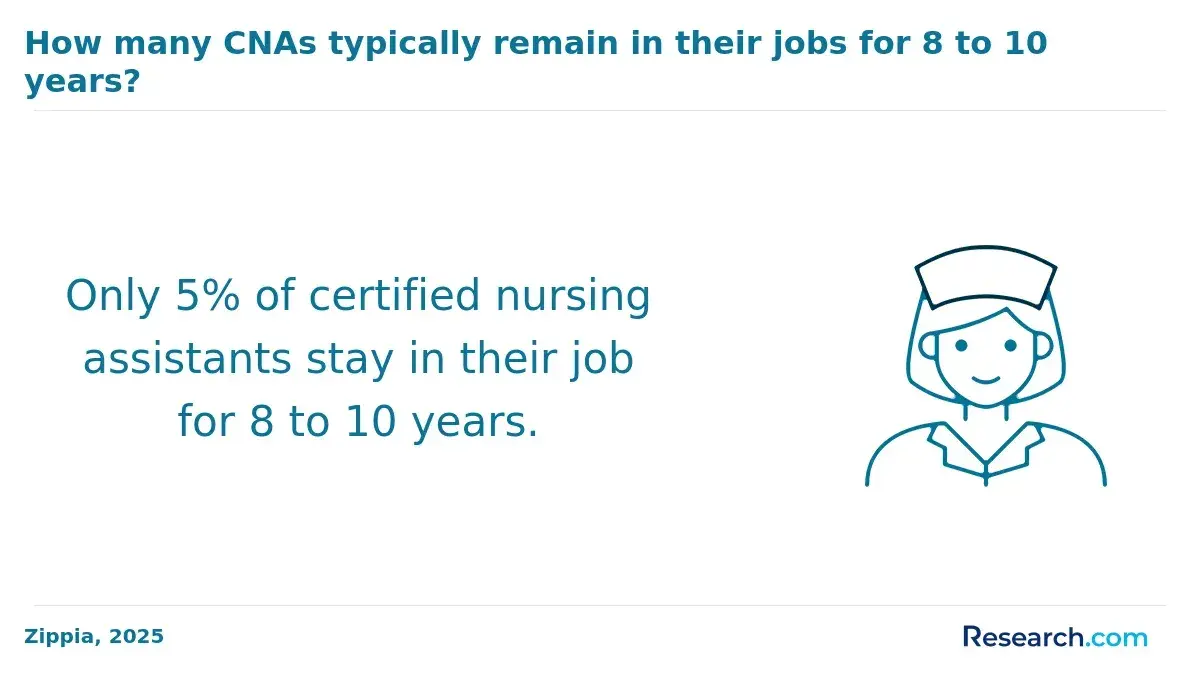
What continuing education is required for CNAs in Alaska?
Continuing education is essential for CNAs in Alaska to maintain their licenses, improve patient care skills, and stay informed about evolving healthcare standards. Ongoing education supports CNAs in adapting to changes in state regulations and diverse healthcare needs, particularly in remote areas. Below are the key requirements for Alaska CNA continuing education to guide professionals in meeting license renewal criteria effectively.
- Required Continuing Education Hours: CNAs must complete 24 contact hours of continuing education every two years to be eligible for license renewal. This standard ensures that CNAs keep their skills current with best practices across patient care.
- First-Time Renewal Exception: For first-time renewals, those certified for at least one year need only 12 contact hours, while CNAs certified less than one year at renewal do not need continuing education hours.
- Minimum Work Requirement: Along with education hours, CNAs must complete at least 160 hours of paid work during the two-year certification period to demonstrate ongoing practical experience in patient care settings.
- Approved Topics and Formats: Courses should focus on relevant subjects like infection control, patient safety, communication, and regulatory updates. Training can be completed either online or in-person, provided it is offered by approved organizations.
- Recordkeeping and Course Repetition: CNAs need to keep documentation of completed education hours and work experience for verification during renewal. The same course may not be counted more than once within the same certification period.
Those considering expanding their healthcare credentials may find it helpful to explore if is nurse practitioner degree program easy to get into as part of their ongoing career planning.
Can additional certifications boost a CNA's career in Alaska?
Expanding your professional skillset with complementary certifications can open new doors in Alaska’s competitive healthcare market. Pursuing specialized credentials broadens career opportunities by enabling CNAs to assume roles with increased clinical responsibilities and administrative oversight. For example, acquiring training in related fields can diversify your expertise and enhance job security. Explore comprehensive guidance on how to become a medical assistant in Alaska to evaluate additional educational pathways that align with your career goals.
Can out-of-state CNAs transfer their license to Alaska?
Alaska permits certified nurse aides (CNAs) licensed in other U.S. states or territories to transfer their credentials through a process called reciprocity or endorsement. To qualify, CNAs must hold a current, active, and unencumbered certification from their original state and have completed training meeting Alaska's minimum standards.
Applicants must submit to a criminal background check and provide verification of certification and training from their home state. This process allows qualified CNAs to practice in Alaska without retaking the CNA competency exam, assuming all state criteria are met.
To transfer a CNA license to Alaska, applicants need to fill out the Application for Certified Nurse Aide by Endorsement with required documents, pay an application fee, and undergo a background check. Additional training or testing is only necessary if there are discrepancies in previous training. Processing times vary but generally take several weeks to a few months.
When I spoke with a certified nurse aide who graduated from a local Alaska school, she shared how helpful the reciprocity process was in her friend's relocation. "The paperwork was detailed, especially getting proof of training hours and certification status, but the state's guidance kept things clear," she recalled. She appreciated that her friend didn't have to retake the exam, which eased the transition.
Nevertheless, "waiting a couple of months for all approvals made us both realize the importance of starting early." Her experience shows that while transfer is straightforward, being organized and patient is key to successfully working in Alaska as an out-of-state CNA.
Which employers hire newly certified nurse aides in Alaska?
Newly certified nurse aides (CNAs) in Alaska can find employment in a variety of healthcare settings that focus on providing direct patient care and supporting licensed nurses. Entry-level CNAs are in demand across multiple facilities due to the ongoing need for quality long-term and acute care throughout the state.
- Hospitals: CNAs in hospitals assist with basic bedside care, patient mobility, vital sign monitoring, and support nursing staff in acute and critical care units. These settings often hire new graduates because of the consistent demand for round-the-clock patient support and structured training environments.
- Nursing Homes and Long-Term Care Facilities: These facilities employ CNAs to help residents with daily activities such as bathing, dressing, and feeding. The high demand for CNAs in this sector creates many opportunities for new aides to gain hands-on experience in a supervised and supportive setting.
- Assisted Living Communities: CNAs provide personal care, medication reminders, and assistance that helps residents maintain independence. Assisted living facilities value newly certified aides for their recent training and often offer extra orientation to ease the transition into resident-centered care.
- Home Health Agencies: In home health, CNAs assist patients with hygiene, mobility, and meal preparation in their own homes. This growing sector offers flexible opportunities for new CNAs who can adapt to varied patient needs and home environments under nurse supervision.
- Rehabilitation Centers: CNAs support patients recovering from surgery or illness by assisting with therapeutic exercises and mobility. Rehab centers welcome new CNAs for their enthusiasm and current clinical knowledge, providing valuable specialized experience.
What is the average salary for CNAs in Alaska?
Certified Nurse Aide (CNA) salaries in Alaska vary considerably based on factors such as experience, work setting, and location. Knowing these salary trends allows CNAs to make informed decisions about their career paths and evaluate job opportunities effectively. Below are key salary insights for certified nursing assistant pay in Alaska that can help guide your planning.
- Average Hourly and Annual Pay: CNAs in Alaska typically earn between $21.61 and $22.49 per hour, with some reports indicating rates as high as $28.88 per hour. On an annual basis, salaries usually range from about $48,550 to over $62,000, reflecting variability based on different data sources and job roles.
- Pay Variation by Experience Level: More experienced CNAs generally command higher wages. While specific Alaska data is limited, obtaining continued education and additional certifications often boosts earning potential and job prospects.
- Differences Across Healthcare Facilities: CNAs employed in hospitals tend to receive higher pay compared to those in nursing homes or home health agencies. This mirrors national trends where hospital settings typically offer better compensation than long-term care facilities.
- Regional Pay Trends: Salaries can vary within Alaska, with urban areas such as Anchorage usually offering higher wages than rural locations. However, precise regional data is scarce, so it's important to research local job markets carefully.
- Additional Factors Influencing Earnings: Overtime pay, shift differentials, and bonuses contribute significantly to total income, with some CNAs earning thousands more annually through overtime. Taking on travel or per diem roles may also increase earnings substantially. For those curious about career advancement, exploring whether is there a difference between nurse practitioner and physician assistant can provide broader context on healthcare roles and salary potential.
How can CNAs in Alaska advance to higher nursing roles?
Many certified nurse aides (CNAs) in Alaska leverage their foundational healthcare experience as a stepping stone toward more advanced nursing careers. Career progression typically requires additional education, certification, and clinical training beyond the CNA role. The following outlines common advancement paths for CNAs seeking higher nursing positions in Alaska:
- Licensed Practical Nurse (LPN): CNAs can advance by completing a state-approved practical nursing program lasting 12 to 18 months, combining classroom instruction and supervised clinical experience. LPNs have increased responsibilities and earn higher salaries reflecting their expanded scope.
- Registered Nurse (RN): Becoming an RN involves completing either a two-year Associate Degree in Nursing or a four-year Bachelor of Science in Nursing. Registered nurses take on comprehensive patient care roles with substantially higher pay.
- Patient Care Technician or Critical Care Technician: These specialized roles require additional certification and training focusing on skills like EKG monitoring and phlebotomy, typically taking several months and leading to moderate salary increases.
- Qualified Medication Aide: CNAs can complete several weeks of state-approved training in pharmacology and medication administration to expand their practice scope and qualify for higher pay.
- Home Health Aide: Transitioning to home health involves additional training in documentation and communication, emphasizing independent decision-making and offering flexible work options with potential compensation increases.
What CNAs in Alaska Say About Their Career
Completing my CNA program at Anchorage Health Academy was an eye-opening experience that prepared me well for the realities of healthcare in Alaska. Starting my career working with youth in a local school allowed me to see firsthand the impact of compassionate care on children's lives. The tight-knit community here truly values the role of certified nurse aides in supporting recovery and wellness, which makes every day fulfilling. I love that my work contributes directly to the well-being of young people in rural areas, and the sense of purpose it brings is unmatched. Daime
After finishing the intensive course at Northern Lights Nursing School, I began working as a certified nurse aide in a local school. The professionalism and career growth opportunities in Alaska have been impressive, given the steady demand for skilled CNAs across remote communities. The unique challenges posed by Alaska's environment have helped me develop resilience and adaptability, qualities that have advanced my career significantly. I'm proud to be part of a healthcare system that serves people with such a diverse cultural background, and I feel my contributions truly matter. Alondra
Training at Sitka Care Institute was a rewarding step toward a meaningful career. Working in a local academic institution has allowed me to grow both personally and professionally, enriching my understanding of Alaska's rich cultural heritage and its impact on caregiving. The opportunity to blend traditional practices with modern healthcare in this role has been inspiring. I am passionate about making a positive difference in the lives of students and their families, knowing that my role supports their health and development in lasting ways. Kenton
Related Articles for Nearby States
- 2027 Certified Nurse Aide (CNA) License Education Requirements in Washington
- 2027 Certified Nurse Aide (CNA) License Education Requirements in Oregon
- 2027 Certified Nurse Aide (CNA) License Education Requirements in California
- 2027 Certified Nurse Aide (CNA) License Education Requirements in Hawaii
- 2027 Certified Nurse Aide (CNA) License Education Requirements in Idaho
- 2027 Certified Nurse Aide (CNA) License Education Requirements in Montana
- 2027 Certified Nurse Aide (CNA) License Education Requirements in Nevada
- 2027 Certified Nurse Aide (CNA) License Education Requirements in Utah
- 2027 Certified Nurse Aide (CNA) License Education Requirements in Arizona
- 2027 Certified Nurse Aide (CNA) License Education Requirements in Wyoming
References
- Salary: Certified Nursing Assistant in Anchorage, AK 2025 | Glassdoor https://www.glassdoor.com/Salaries/anchorage-ak-certified-nursing-assistant-salary-SRCH_IL.0,12_IM32_KO13,40.htm
- Alaska Nursing License & Board of Nursing Guide https://www.trustedhealth.com/nurse-licensure-guide/alaska
- CNA to RN: Taking the Next Step in Nursing | Become an RN https://www.provocollege.edu/blog/cna-to-rn-taking-the-next-step-in-nursing/
- What Are the Free CNA Reciprocity States? | IntelyCare https://www.intelycare.com/career-advice/what-are-the-free-cna-reciprocity-states/
- certified nursing assistant Salary in alaska — Average Salary https://www.talent.com/salary
- CNA License Reciprocity in Alaska - The CNA Guide https://thecnaguide.com/cna-license-reciprocity/alaska/
- Eligibility Criteria - Alaska Handbook https://kb-ak.credentia.com/en/article/eligibility-criteria
- Alaska Nurses CE Requirements, Accreditations & Approvals - NetCE https://www.netce.com/ce-requirements/nursing/ak/
- Can CNAs Advance in Their Careers? https://www.cnaprograms.org/blog/can-cnas-advance-in-their-careers/
- Nurse Aide Registry, Professional Licensing, Division of Corporations, Business and Professional Licensing https://www.commerce.alaska.gov/web/cbpl/professionallicensing/nurseaideregistry.aspx
Other Things You Should Know About CNA License Education Requirements in Alaska
Renewing an expired Certified Nurse Aide (CNA) license in Alaska requires timely action to ensure compliance and continued eligibility to work. If the license has been expired for less than two years, CNAs must complete the renewal application, provide proof of competency through recent work experience or training, and pay the applicable fees. For licenses expired beyond two years, reexamination or refresher courses may be required to regain certification. It is essential to check with the Alaska Department of Health and Social Services for specific requirements and deadlines, as failure to renew promptly can lead to more extensive reinstatement procedures or the need to start the certification process anew.
To become certified as a CNA in Alaska in 2027, candidates must complete a state-approved training program comprising at least 140 hours. This includes 80 hours of classroom and laboratory instruction, along with 60 hours of supervised clinical training in a healthcare setting.
In 2027, to qualify for a CNA license in Alaska, candidates must complete a state-approved nurse aide training program consisting of at least 140 hours, including 80 hours of classroom instruction and 60 hours of clinical practice. Additionally, they must pass both a written and skills competency exam to obtain certification.


