
2027 Certified Nurse Aide (CNA) License Education Requirements in Arkansas

Co-Founder and Chief Data Scientist
Getting a Certified Nurse Aide (CNA) license in Arkansas is a smart move, especially with the state expecting over 3,500 new CNA jobs by 2030. The healthcare field is growing fast here, offering steady work and opportunities to make a real difference. Plus, having a CNA license can open doors to further nursing education and better pay. It's a practical first step for anyone interested in healthcare without spending years in school.
This article breaks down the education requirements for earning your CNA license in Arkansas. Crafted by career planning experts, it helps you easily understand what's needed to get started and succeed in this rewarding role. Dive in to find clear, reliable info tailored just for Arkansas learners.
Key Things to Know About CNA License Education Requirements in Arkansas
- You need to complete a state-approved CNA training program with at least 75 hours, including 16 hours of hands-on clinical practice, which helps you get real patient care experience.
- After finishing the training, you must pass the Arkansas Nurse Aide Competency Exam-both a written and practical part-to earn your license and start working.
- The state requires ongoing education and renewal every two years, so staying updated with healthcare skills and rules is key to keeping your CNA license valid in Arkansas.
- What are the education requirements to become a CNA in Arkansas?
- What subjects are taught in CNA classes in Arkansas?
- What steps are required to get a CNA license in Arkansas?
- How long does it take to receive a CNA license in Arkansas?
- How often do you need to renew your CNA license in Arkansas?
- What continuing education is required for CNAs in Arkansas?
- What additional certifications can expand your career opportunities in Arkansas?
- Can out-of-state CNAs transfer their license to Arkansas?
- Which employers hire newly certified nurse aides in Arkansas?
- What is the average salary for CNAs in Arkansas?
- How can CNAs in Arkansas advance to higher nursing roles?
What are the education requirements to become a CNA in Arkansas?
Getting the right education and training is key for anyone aiming to work as a Certified Nurse Aide (CNA) in Arkansas. These steps ensure you're ready to provide safe, hands-on care and handle various patient needs in hospitals, nursing homes, or other healthcare settings. Meeting these standards gives you the skills and confidence to excel in this important role. Here's a quick look at what you'll typically need to do:
- Completion of a State-Approved CNA Training Program: Arkansas requires candidates to finish a state-approved nurse aide program, which includes at least 90 hours of instruction. This mix of classroom learning and practical skills training prepares students to assist patients with daily activities and support nursing staff effectively.
- High School Diploma or Equivalent: Before joining a CNA program, you usually need a high school diploma or GED. This helps ensure you have the basic communication and math skills necessary for the coursework and the healthcare environment.
- Clinical Training Component: Within the 90-hour curriculum, a significant part is dedicated to supervised clinical experience. This hands-on practice under licensed nurses' guidance helps build real-world skills and confidence.
- Criminal Background Check and Health Screenings: You'll need to pass a background check and provide proof of immunizations like tuberculosis tests and flu vaccines. These steps protect patients and keep healthcare facilities safe.
- Passing a State Competency Exam: After training, passing a two-part state exam-both written and practical-is essential to earn your CNA certification and start working in Arkansas.
If you're also curious about advancing further, check out the requirements to become a family nurse practitioner.
What subjects are taught in CNA classes in Arkansas?
CNA training programs in Arkansas are carefully designed to give students the essential knowledge and hands-on skills needed to provide quality care for patients and residents. The curriculum balances classroom learning with practical experience to make sure you're ready to handle real-world situations confidently. Here's a look at some of the key topics covered in the nursing assistant course subjects Arkansas programs offer.
- Basic Nursing Skills: You'll get familiar with everyday patient care tasks like measuring vital signs, helping with bathing and grooming, assisting with mobility, and monitoring health status. These skills are the foundation for quality care and patient comfort.
- Anatomy and Physiology: This covers the basics of how the human body works, including major organs and systems, so you can recognize when something's off and know how to react properly.
- Infection Control: Learning proper hand hygiene, use of personal protective equipment (PPE), and ways to prevent infection spread is critical to keep both patients and healthcare workers safe.
- Communication Techniques: Effective talking and listening skills are key for interacting with patients, families, and care teams. Good communication helps you understand needs, give clear reports, and build trust.
- Patient Safety Procedures: You'll learn how to spot hazards, prevent falls, respond to emergencies, and promote a safe environment, which is especially important when caring for vulnerable residents.
- Resident Rights and Advocacy: This focuses on respecting privacy, dignity, and legal rights while advocating for residents' well-being and protecting them from abuse or neglect.
- Activities of Daily Living (ADLs): Training covers assisting with everyday tasks like dressing, eating, toileting, and moving safely-helping residents stay as independent as possible.
- Nutrition and Hydration: You'll understand why proper nutrition and hydration matter and learn safe feeding techniques, including how to help with special diets.
- Rehabilitation and Restorative Care: Supporting rehab exercises and using assistive devices properly helps improve residents' mobility and quality of life.
- Care for Special Populations: This teaches you how to handle residents with dementia or Alzheimer's and manage challenging behaviors with compassion.
- Emergency Procedures: You'll be trained to respond quickly and effectively to situations like choking, falls, burns, or cardiac events.
- Medical Terminology: Knowing basic medical terms helps you communicate accurately with other healthcare professionals and understand care plans.
The CNA training curriculum in Arkansas requires at least 90 hours of combined classroom and clinical instruction before you can take the certification exam. If you're curious about more advanced nursing paths, check out this guide on how does one transition from a registered nurse to a nurse practitioner.
What steps are required to get a CNA license in Arkansas?
Getting your CNA license in Arkansas is a key step to proving you have the skills and knowledge needed to offer safe, reliable care. The licensing process makes sure everyone entering the field meets the state's standards, keeping patients protected and healthcare workplaces trustworthy. Here's a straightforward rundown of the steps you'll need to follow:
- Complete a State-Approved CNA Training Program: Enroll in a state-approved program that mixes classroom lessons with hands-on practice. These programs can be found at community colleges, technical schools, or even some high schools, and they prepare you for the real-world skills you'll use every day.
- Pass the CNA Competency Exam: After training, you'll need to pass a written test and a skills evaluation within a year. This exam checks your knowledge and ability to provide proper care, making sure you're ready to work confidently with patients.
- Undergo a Criminal Background Check: Arkansas requires this check to keep vulnerable patients safe. It ensures that individuals with certain convictions won't be placed in healthcare settings where their history could pose risks.
- Submit Application for State Certification: Once you've passed your exams and background check, apply with the Arkansas Department of Human Services. You'll need to provide proof of your training and test results to get officially listed as a CNA.
- Maintain Active Certification: To stay certified, work at least 8 hours every two years and complete any required ongoing training. This keeps your skills fresh and ensures you're up to date with current care standards.
How long does it take to receive a CNA license in Arkansas?
The time it takes to become a licensed Certified Nurse Aide (CNA) in Arkansas can vary quite a bit depending on a few key factors. These include how long your training program lasts, how soon you can schedule your certification exam, and how quickly the state processes everything afterward. So even though there's a general pathway, your exact timeline might be shorter or longer based on these details.
Most people finish their CNA training in about four to twelve weeks since programs usually require between 75 and 90 hours of instruction combining classroom learning and hands-on practice. After that, you'll need to pass both a written or oral exam and a clinical skills test. Testing availability varies by location and can affect how fast you move forward. Once you clear both exams, the state's Nurse Aide Registry processes your paperwork and background check, which can take anywhere from a few days to a few weeks depending on overall demand and administrative workload. All told, you're generally looking at about one to three months from start to finish, although some delays might push the timeline out a bit.
One certified nurse aide from Arkansas, who graduated from a local school, shared with me that while the coursework flew by quickly, scheduling the exam took a little longer than expected due to limited testing dates. He recalled, "I thought finishing the classes meant I was almost done, but waiting for my test slot added a couple extra weeks. Then, the background check took some time, which made me anxious at first." He also mentioned how the wait after passing the tests felt intense, but he stayed positive knowing everything was on track. Reflecting on the whole experience, he said it was worth it and encouraged future CNAs to be patient through the process because the end goal is definitely rewarding.
How often do you need to renew your CNA license in Arkansas?
Keeping your Certified Nurse Aide (CNA) license up to date in Arkansas is important to stay qualified, show your skills remain sharp, and meet state healthcare standards. Renewal not only confirms you're actively working in the field but also helps maintain patient care quality across the board. Here's a quick rundown of the key points about the CNA license renewal requirements in Arkansas:
- Renewal Frequency: You need to renew your CNA license every two years. This schedule helps ensure you stay engaged with nursing practices and up-to-date on the latest care standards.
- Work Requirement: To be eligible for renewal, you must have worked at least 8 consecutive hours performing nursing-related duties supervised by a licensed nurse within the last 24 months. This keeps your hands-on skills fresh and ready for the job.
- Renewal Window: Renew your license within 60 days before it expires. Arkansas gives you this window to comfortably gather your work proof and complete renewal without interrupting your employment.
- Renewal Fees: Good news-Arkansas generally doesn't charge a fee to renew your CNA certification. Just make sure you meet the work requirements and renew on time to avoid any trouble.
- Renewal Process: All renewals are done through the Arkansas TMU portal at ar.tmuniverse.com. You'll log in, update your employment info, and upload proof of your work hours. Your employer will then verify your hours so your certification can stay active.
- Missed Renewal Consequences: If you don't meet the work requirement or let your license lapse, you'll have to retake and pass the competency exam. Staying current saves time, money, and hassle.
- Stay Updated: Keep your contact info and employment details current in the Arkansas registry to avoid missing important renewal notices.
If you're also exploring further education options to advance your nursing career, check out these direct-entry MSN programs that could be a great next step.
What continuing education is required for CNAs in Arkansas?
Continuing education is key for CNAs in Arkansas to keep their skills sharp and stay updated on the latest healthcare trends and regulations. It helps them provide better care and ensures they meet the state's professional standards. Here's a quick rundown of what these continuing education requirements for CNAs in Arkansas look like:
- Work Requirement for Renewal: CNAs need to show they've worked at least 8 hours in nursing or related services every two years to stay active on the state registry. This keeps their certification valid and aligns with federal in-service rules.
- In-Service Training Hours: Arkansas requires CNAs to complete at least 12 hours of continuing education annually. These sessions help reinforce important skills like infection control, patient rights, and safety.
- Approved Training Topics: The training should focus on direct care essentials such as communication, abuse prevention, infection prevention, and care for residents with cognitive issues. Facilities often customize topics to address specific needs or updates.
- Acceptable Course Formats: CNAs can take their continuing education through in-person classes, workshops, or approved online courses. This flexibility makes it easier to fit training into busy schedules or remote locations.
- Recordkeeping and Verification: Employers must keep detailed records of CNA work hours and completed training for at least three years. These records might be reviewed during audits or if requested by the Arkansas Department of Human Services.
If you're thinking about advancing your nursing career, you might also be interested in what is the best online MSN to FNP program for smoother steps ahead.
What additional certifications can expand your career opportunities in Arkansas?
Certified Nurse Aides looking to diversify their expertise can pursue additional certifications to enhance their clinical skills and expand job prospects. Various programs across Arkansas offer targeted training such as phlebotomy, electrocardiogram (EKG) monitoring, and medical assisting, each providing a pathway to assume greater responsibilities and potentially increase earnings. For example, professionals interested in broadening their clinical capabilities may explore the option of how to become a medical assistant in Arkansas, which is designed to provide specialized training and open alternative career avenues within the healthcare sector. These certifications can complement CNA credentials and offer a strategic advantage in today’s competitive job market.
Can out-of-state CNAs transfer their license to Arkansas?
Yes, Arkansas does allow certified nurse aides (CNAs) from other states to transfer their license through a process called reciprocity or endorsement. To qualify, your out-of-state CNA license must be active and in good standing, with no disciplinary issues. Arkansas keeps it pretty simple-there's no need to redo training, pass extra exams, or complete fingerprinting and background checks for most applicants. You just have to provide valid ID and your Social Security card, plus pay a $25 fee.
Transferring your license involves filling out an application (online or by mail), submitting your documentation, and waiting about two weeks for approval. Once everything's verified, your name goes on the Arkansas Nurse Aide Registry, and you're good to go. No extra state test is necessary for most folks, which makes the process smooth and straightforward.
When I spoke with a certified nurse aide who graduated from an Arkansas program, she mentioned that moving here and transferring her out-of-state license was easier than she expected. "The paperwork wasn't overwhelming, and I appreciated not having to retake tests," she said. She did note that making sure all her documents were correct and submitted right the first time helped avoid any delays. Overall, she found the experience positive and encouraging for anyone relocating to Arkansas to continue their CNA career.
Which employers hire newly certified nurse aides in Arkansas?
Newly certified nurse aides in Arkansas have plenty of options when it comes to finding work. Because healthcare facilities constantly need reliable support staff, especially in patient care roles, entry-level CNAs are welcomed in various settings that handle both long-term and acute care patients.
- Hospitals: CNAs in hospitals help nursing teams by assisting patients with their daily needs like bathing, eating, and mobility. They also monitor vital signs and provide comfort, which makes them crucial in fast-paced areas like emergency rooms and intensive care units. Hospitals often hire fresh CNAs to keep up with patient turnover and staffing needs.
- Nursing Homes and Long-Term Care Facilities: These places rely heavily on CNAs to care for residents who need ongoing assistance. Tasks like feeding, dressing, and following care plans are common, with supervision from licensed nurses. Because of the growing elderly population, these employers consistently seek out new CNAs to maintain quality care.
- Assisted Living Communities: Here, CNAs support residents by helping with daily activities, giving medication reminders, and organizing recreational activities. This environment is great for new CNAs looking to build relationships and gain hands-on experience in a friendly setting.
- Home Health Agencies: CNAs working in home health provide personal care and health monitoring right in clients' homes. They often work more independently, making this field ideal for those who enjoy one-on-one patient interactions and flexibility.
- Rehabilitation Centers: These centers focus on helping patients recover from surgeries or injuries. CNAs assist with mobility exercises and daily personal care, supporting patients on their road to independence. New CNAs are valued here for being eager and ready to learn specific rehab skills.
What is the average salary for CNAs in Arkansas?
If you're exploring the average certified nurse aide salary Arkansas offers, it's good to know that pay varies quite a bit depending on experience, the work setting, and where you're located in the state. This info can really help you plan your career path and decide which job opportunities make the most sense for you. Let's dive into some key salary insights for CNAs in Arkansas:
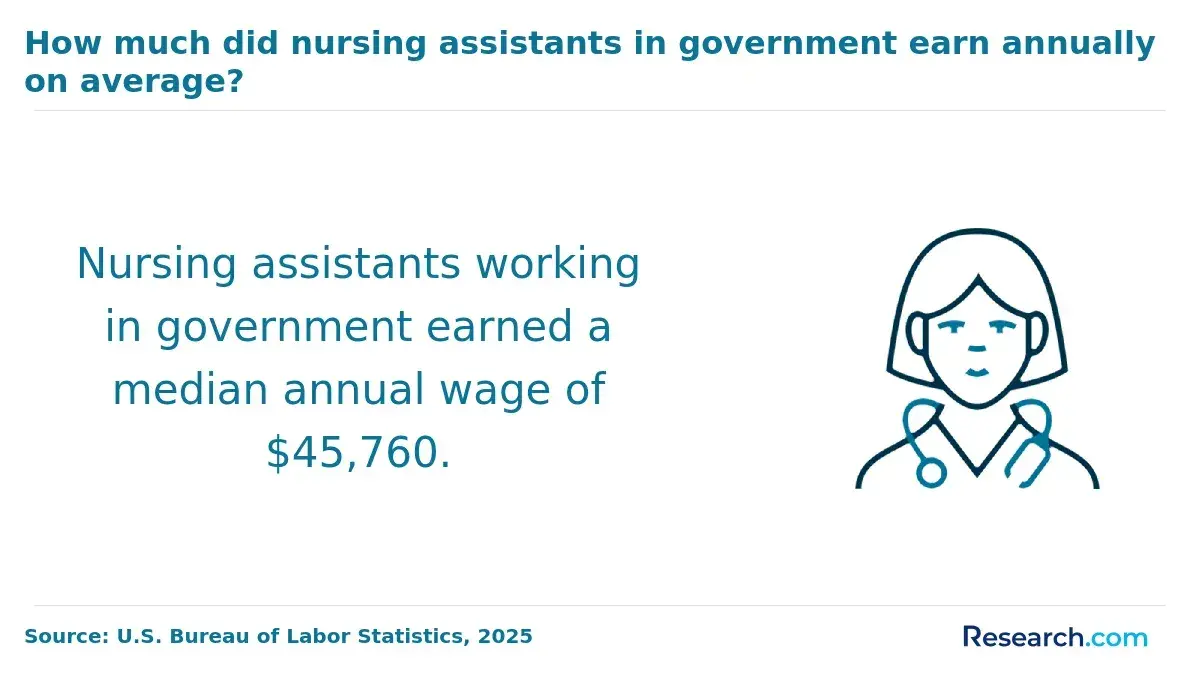
- Average Hourly and Annual Pay: On average, CNAs in Arkansas earn about $16.59 per hour, with some making up to $24.25. Yearly pay generally falls between $34,500 and $50,000, depending on your employer and specific job.
- Pay Variation by Experience Level: Experience matters-a lot. While Arkansas-specific data is limited, national trends show CNAs with more than ten years under their belt can earn over $22.39 an hour, so your paycheck should grow with your skills.
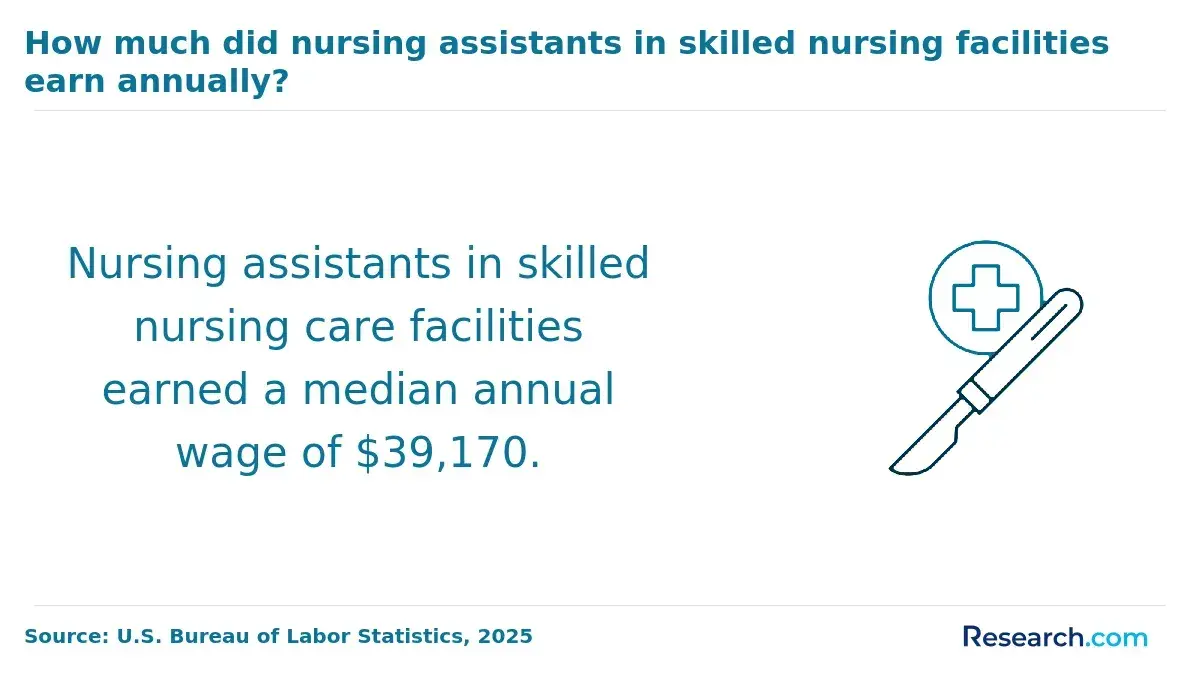
- Differences Across Healthcare Facilities: Hospitals usually pay more than nursing homes or home health agencies. Nationally, hospitals pay around $38,920 annually and nursing care facilities about $37,780, a trend that often holds true locally.
- Regional Pay Trends Within the State: Bigger cities like Little Rock tend to offer higher wages than smaller towns, thanks to cost-of-living and demand differences. Keep this in mind when job hunting.
- Additional Factors Influencing Earnings: Overtime, shift bonuses, and special employers-like the Good Samaritan Society, which averages around $45,000 per year-can boost your income. Plus, for those interested, there are options to expand your skills through cheap online AGNP program pathways that might lead to even better pay.
How can CNAs in Arkansas advance to higher nursing roles?
Many certified nurse aides (CNAs) in Arkansas use their foundational healthcare experience as a stepping stone toward more advanced nursing careers. Moving up usually means getting extra education, certifications, and some hands-on clinical training. These steps help CNAs build on their patient care skills and open doors to higher-paying jobs with more responsibility. Here are some common paths CNAs take to advance their nursing careers:
- Licensed Practical Nurse (LPN): CNAs can join practical nursing programs lasting about 12 to 18 months that mix classroom lessons with clinical rotations. These programs usually require a high school diploma, and LPNs earn a notable salary boost, around $45,000 annually.
- Registered Nurse (RN): Pursuing an Associate or Bachelor's degree in Nursing takes around two to four years, plus passing a licensing exam. RNs in Arkansas enjoy higher pay, with median salaries near $66,530 per year.
- Patient Care Technician (PCT): Short certification courses prepare CNAs for PCT roles that involve advanced care like EKGs and phlebotomy, offering salaries generally between $30,000 and $38,000.
- Specialized Nursing Roles: With extra training, CNAs can move into niches like medication aides or mental health technicians, which often mean better pay and more specialized duties.
- Nursing Education and Leadership: Experienced CNAs who become LPNs or RNs may advance to teaching or supervisory positions, which bring leadership roles and improved schedules.
- Bridge Programs: Arkansas offers LPN-to-RN and CNA-to-LPN bridge programs that help working CNAs move up faster, usually within one to two years with flexible class options.
What do CNAs in Arkansas say about their career?
- Darius: "Completing my certified nurse aide program at Little Rock Technical Academy was a transformative experience. The hands-on training prepared me well to start my career working in a local school, where I get to support students daily. There's a deep fulfillment in knowing that my work helps children feel safe and cared for, which is especially meaningful in Arkansas's close-knit communities. The job stability here and opportunities for growth motivate me to continue advancing my skills. Every day feels like a chance to make a real difference."
- Nina: "My journey began at Fayetteville Nursing Institute, where I gained the foundational knowledge to become a CNA. Starting work in a local academic setting opened my eyes to the unique challenges and rewards of serving young people in Arkansas. I've grown personally and professionally, discovering a passion for healthcare beyond what I imagined. Being part of a team that positively impacts the well-being of students inspires me to keep developing my career with pride and professionalism. Nina"
- Carlos: "Graduating from Pine Bluff Healthcare Academy was just the start. Arkansas's rural communities pose unique healthcare needs, and working as a certified nurse aide in a local school allows me to meet those challenges head-on. I appreciate the blend of cultural richness and the chance to contribute to the health education of our youth. This role has opened doors to further certification and leadership in healthcare services, making me confident about my future in this state. There's real purpose in serving the community where I grew up."
Related Articles for Nearby States
- 2027 Certified Nurse Aide (CNA) License Education Requirements in Missouri
- 2027 Certified Nurse Aide (CNA) License Education Requirements in Oklahoma
- 2027 Certified Nurse Aide (CNA) License Education Requirements in Tennessee
- 2027 Certified Nurse Aide (CNA) License Education Requirements in Mississippi
- 2027 Certified Nurse Aide (CNA) License Education Requirements in Louisiana
- 2027 Certified Nurse Aide (CNA) License Education Requirements in Texas
- 2027 Certified Nurse Aide (CNA) License Education Requirements in Kentucky
- 2027 Certified Nurse Aide (CNA) License Education Requirements in Kansas
- 2027 Certified Nurse Aide (CNA) License Education Requirements in Alabama
- 2027 Certified Nurse Aide (CNA) License Education Requirements in Illinois
References
- Certified Nurse Assistant (CNA) Salary by State | 2025 https://nurse.org/education/CNA-salary/
- Arrests and Your Nursing License - Arkansas | Joseph Lento Law Firm https://www.professionallicensedefensellc.com/arrests-and-your-nursing-license-arkansas
- How to Get Certified in Other States as a Traveling CNA - Marvel Medical Staffing https://marvelmedstaff.com/how-to-transfer-license-as-a-traveling-cna/
- $13-$45/hr Certified Nursing Aide Jobs in Arkansas https://www.ziprecruiter.com/Jobs/Certified-Nursing-Aide/--in-Arkansas
- CNA Jobs in Arkansas | IntelyCare https://www.intelycare.com/jobs/cna/in-arkansas
- How to Go From CNA to RN | Maryville Nursing https://nursing.maryville.edu/blog/cna-to-rn
- ASBN - Continuing Education - Arkansas Department of Health https://healthy.arkansas.gov/boards-commissions/boards/nursing-arkansas-state-board/education/continuing-education/
- Arkansas CNA Requirements - NursingHome411 https://nursinghome411.org/cna-reqs/reqs-ar/
- Nursing Home Administrator Licensing - Arkansas Department of Human Services https://humanservices.arkansas.gov/divisions-shared-services/provider-services-quality-assurance/occupational-licensing/nursing-home-administrator-licensing/
- CNA Reciprocity and Certification Requirements by State | Vivian Community Hub https://www.vivian.com/community/career-resources/cna-reciprocity-and-certification-requirements-by-state/
Other Things You Should Know About Certified Nurse Aide (CNA) License Education Requirements in Arkansas
To renew an expired CNA license in Arkansas, you must complete the state's required continuing education hours and submit a renewal application to the Arkansas Department of Human Services. Additionally, you may need to retake the CNA certification exam if the license has been expired for an extended period.
To become a CNA in Arkansas in 2027, you must complete a state-approved nurse aide training program and pass the state competency exam. The training program typically requires a minimum of 90 hours, including classroom instruction and clinical practice. Upon passing the exam, you can apply for certification through the Arkansas Department of Human Services.


