
2027 How to Become a Medical Assistant in Arkansas Online

Co-Founder and Chief Data Scientist
Looking to become a medical assistant in Arkansas? It’s a smart move—Arkansas projected a 19% growth in medical assistant jobs from 2020 to 2030, well above the national average. This means plenty of opportunities and job stability in a rewarding healthcare role. Plus, many online programs let you train from home, fitting education around your busy life.
This article breaks down how to become a medical assistant in Arkansas through online courses, covering the essential steps, requirements, and tips. Crafted by career planning experts, it’s designed to help you easily find the info you need to kickstart your new career.
Key Things to Know About Becoming a Medical Assistant in Arkansas
- Choose an accredited online program that fits Arkansas state requirements—this ensures you get quality training recognized by employers.
- Complete both online coursework and arrange local hands-on clinical practice since Arkansas requires practical experience for certification eligibility.
- Prepare to pass the Certified Medical Assistant (CMA) exam to boost job prospects; Arkansas has over 4,000 healthcare employers looking for credentialed assistants.
- Can you become a medical assistant in Arkansas through online programs?
- How long are online medical assistant programs in Arkansas?
- Are online medical assistant programs in Arkansas accredited?
- How do you get certified as a medical assistant in Arkansas online?
- How long does it take to become a medical assistant in Arkansas?
- How much does it cost to complete a medical assistant program in Arkansas online?
- Can you get financial aid for online medical assistant training in Arkansas?
- What is the average salary for medical assistants in Arkansas?
- Are online-trained medical assistants hired as often as campus-trained ones in Arkansas?
- Do online medical assistant programs in Arkansas lead to advanced healthcare careers?
- Which Additional Certifications Can Boost My Healthcare Career in Arkansas?
Can you become a medical assistant in Arkansas through online programs?
If you're thinking about enrolling in Arkansas online medical assistant programs, you'll find a flexible way to balance study with your personal and work life. Online setups let you pace your courses to fit your schedule, but keep in mind that hands-on clinical training is a key part of becoming job-ready, which means some in-person time is required.
- Online Coursework: Core topics like anatomy and medical terminology are taught through interactive online classes using videos, quizzes, and exercises designed to keep you engaged.
- Hybrid Learning Models: Many programs mix online theory with required in-person clinical labs and externships, so you get practical experience alongside your virtual study.
- Clinical Training: Arkansas programs normally require students to complete 80 to 180 hours of externship in local healthcare settings, which means hands-on work with patients under supervision.
- Externship Placement Assistance: Some schools partner with clinics like Baptist Health and CHI St. Vincent to help students find externships, but you’ll usually coordinate schedules and transportation yourself.
- Program Length and Flexibility: Certificate tracks can wrap up in as little as four months with accelerated options, while diplomas or associate degrees generally take between 10 and 16 months.
- Workforce Preferences: Although certification isn't mandatory in Arkansas, many employers prefer or encourage it to boost your job prospects as a medical assistant.
- Student Support Services: Online learners benefit from virtual advising, tutoring, tech help, and career coaching to stay on track and prepare for employment.
So if you want to become a medical assistant in Arkansas online, you can expect a program that allows flexible online study combined with vital real-world practice. And if you're wondering how long does it take to complete medical billing and coding compared to medical assisting, it's worth checking resources that clarify program lengths for related medical fields, helping you plan your education path accordingly.
How long are online medical assistant programs in Arkansas?
If you’re wondering about the online medical assistant program length in Arkansas, it really depends on the path you choose. Whether you go for a certificate, diploma, or associate degree, each option offers a different timeline and experience. Picking the right one depends on how much time you want to invest and what your career goals are.
- Certificate Programs (4–12 months): These are the quickest routes, perfect if you want to jump into the workforce fast. Some programs can be completed in just 4 months if you’re self-directed and motivated, while others might take closer to a year with hands-on training included.
- Diploma Programs (9–12 months): Diploma programs usually take just under a year, offering a solid mix of theory and clinical practice. They’re designed to prepare you well for certification and real-world patient care, making them a popular choice for many students.
- Associate Degree Programs (16–24 months): If you want a deeper education and more career options, associate degrees take about 1.5 to 2 years. These include general education courses along with advanced clinical training, helping you qualify for more advanced roles down the line.
Remember, these timelines can vary if you transfer credits or take accelerated paths. Also, most programs blend online lessons with in-person clinical work to ensure you get the necessary hands-on experience that employers look for. If you’re exploring related healthcare careers, you might find it interesting to check out this medical biller and coder career overview for another promising field.
Are online medical assistant programs in Arkansas accredited?
When you're looking into accredited online medical assistant programs in Arkansas, accreditation serves as a quality stamp that shows the program meets industry standards and prepares you well for the real world. It’s a key factor to consider because it impacts not only how solid your education is but also your ability to find work and earn certification after you graduate.
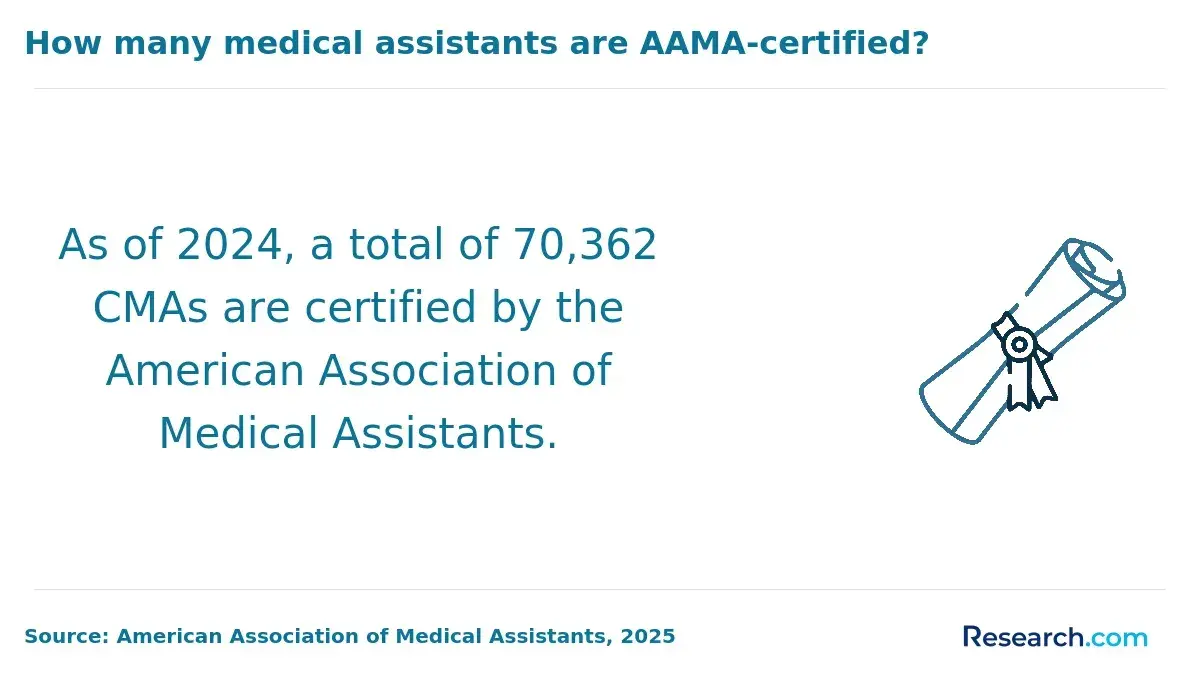
The main accrediting body for Arkansas medical assistant program accreditation is the Commission on Accreditation of Allied Health Education Programs (CAAHEP). Recognized by the U.S. Department of Education, CAAHEP evaluates programs based on strict criteria like curriculum, faculty expertise, and clinical practice opportunities. This ensures students complete a comprehensive training experience that lines up with what employers expect and what’s needed to pass certification exams, like the Certified Medical Assistant (CMA) test.
Choosing a program accredited by CAAHEP means you're stepping into a course that really prepares you, whether you’re studying online or in person. Accreditation boosts your chances of employment because many healthcare employers prefer—or even require—graduation from an accredited program. It also plays a big role in making you eligible to take certification exams, which can further open doors in your medical assistant career. If you want to know more about the roles and responsibilities you might take on, check out what do medical billers and coders do job roles and responsibilities for some related career insights.
How do you get certified as a medical assistant in Arkansas online?
Getting certified as a medical assistant in Arkansas is a smart move if you want to stand out and boost your career options. Online education makes it easier than ever to fit training into your busy life, offering flexibility while still preparing you thoroughly for the job.
- Complete an Accredited Online Program: Find a program that covers all the basics, like medical terms, anatomy, and office procedures. These courses often let you learn at your own pace and provide handy tools and videos to make studying easier.
- Fulfill Clinical Experience: You’ll need to get real-world practice, usually between 80 to 160 hours through in-person externships. These let you work alongside experienced pros, helping you build practical skills and confidence.
- Prepare for Certification Exams: Most people take exams like the Certified Clinical Medical Assistant (CCMA) test. Many online programs include study guides and practice tests to help you get ready and increase your chances of passing on the first try.
- Meet Educational Requirements: You must have a high school diploma or equivalent before sitting for certification exams. This ensures you have a solid foundation to succeed.
By combining online classes with hands-on experiences, these pathways make certification doable no matter where you live or how packed your schedule is. You get a solid education that meets professional standards without sacrificing the flexibility you need.
How long does it take to become a medical assistant in Arkansas?
How long it takes to become a medical assistant in Arkansas depends on a few key factors, like the type of program you choose, whether you plan to get certified, and how much clinical training is involved. Most programs mix classroom learning with hands-on experience, so your timeline includes both theory and practical skills. Certification isn’t required by the state but is strongly preferred by employers, and preparing for those exams can add a few extra weeks or months. Also, clinical externships are a crucial part of the training and usually included in the programs, so you get real-world experience before you even start working.
Generally, if you go for a certificate or diploma, you’re looking at about 9 to 12 months to finish your training and be job-ready. Associate degrees usually take longer, somewhere between 18 and 24 months, but they can open more doors down the line. Some people breeze through faster if they’re able to focus full-time or have prior healthcare experience, while others might take more time due to work or family commitments. It really comes down to what fits your life best and your goals.
I talked with a medical assistant from Arkansas who graduated from a local online program, and he told me how balancing work and study stretched his timeline a bit beyond the usual. He said, “I thought it would take about a year, but between juggling shifts and online classes, it took closer to 15 months. It was challenging at times, especially staying motivated without a physical classroom, but the flexibility made it manageable. Looking back, the extra time really helped me absorb the material and feel confident during my clinical hours.”
How much does it cost to complete a medical assistant program in Arkansas online?
Costs for completing a medical assistant program online in Arkansas can vary quite a bit, depending on the school and program type. Tuition tends to be the biggest expense, but you’ll also want to factor in supplies, any technology fees, and costs related to exam prep.
- Tuition Fees: This is the main cost, and it can differ depending on where you enroll. For example, some community colleges charge under $3,000 for in-state students, while private online institutes might offer monthly payment plans that are easier on the budget. It’s smart to check what each program includes before deciding.
- Textbooks and Supplies: Materials like textbooks can add a few hundred dollars to your expenses. Some programs bundle supplies such as stethoscopes into their fees, which is a nice bonus, but others expect you to purchase these separately.
- Technology Fees: Online programs often charge these small fees to maintain their digital platforms. While usually not huge, they can add up over the length of your course, so it’s good to be prepared.
- Exam Preparation Costs: Getting certified means prepping for exams, which can sometimes cost extra. Some programs include the certification exam and study materials in their price, saving you from unexpected charges.
Knowing what to expect with each of these costs helps you budget smartly and avoid surprises down the road. By looking at tuition, supplies, technology fees, and exam-related expenses, you’ll be in a better spot to pick a program that fits your financial situation and keeps your learning on track.
Can you get financial aid for online medical assistant training in Arkansas?
Financial aid can really ease the burden of paying for online medical assistant training in Arkansas, making it possible for more people to jump into this rewarding field without stressing about high tuition costs. There are several helpful options designed to fit different situations and needs.
- Federal Grants: These do not need to be paid back and are based on financial need, with the Pell Grant being the most common. Many Arkansas schools offering online medical assistant programs qualify for this aid.
- Student Loans: Federal loans offer manageable interest rates and repayment terms, while private loans are also an option, but usually come with higher rates.
- Scholarships: Available through schools and local organizations, scholarships reward your achievements or support specific communities or non-traditional students.
- Employer Tuition Assistance: Some healthcare employers in Arkansas help cover tuition costs if you’re already working or planning to work for them.
I recently talked with a medical assistant from Arkansas who graduated from a local online program. She shared how navigating financial aid felt overwhelming at first, but connecting with her school’s financial aid office made a big difference. She qualified for a mix of scholarships and federal grants, which covered most of her tuition. Plus, her employer offered tuition reimbursement after she started working. She said, “Without that blend of aid, I honestly don’t know if I could have managed it all while working part-time.” Her story shows how combining different aid options can really unlock training opportunities here.
What is the average salary for medical assistants in Arkansas?
Salaries for medical assistants in Arkansas can vary quite a bit depending on where you work, your level of experience, and the type of healthcare facility you’re in. Whether you complete your training online or in person doesn’t seem to impact your pay much—employers care more about your skills and certification than how you got your education.
- Entry-Level Pay: If you’re just starting out, expect to earn around $28,100 a year or about $13.51 an hour. This reflects that you’re new to the field and building your experience.
- Median Salary: The average medical assistant in Arkansas pulls in roughly $35,740 annually, close to $17 an hour, representing a few years of solid work experience.
- Experienced Medical Assistant Wages: For those with certifications and plenty of experience, wages can climb to between $40,510 and $46,632 per year, with hourly rates topping $20.
- Differences Across Healthcare Settings: Working in hospitals or large medical centers usually pays more than private practices or outpatient clinics. Big cities like Little Rock offer higher salaries compared to smaller towns.
Knowing these salary trends helps you set realistic goals and plan your career path smartly. Focus on gaining experience and certifications to boost your earning potential in Arkansas’s healthcare scene.
Are online-trained medical assistants hired as often as campus-trained ones in Arkansas?
When it comes to online medical assistant jobs in Arkansas, employers often look closely at the practical skills candidates bring to the table. While some may initially see campus-trained students as having an edge because of more direct clinical exposure, that gap is getting smaller as online programs ramp up hands-on externships. At the end of the day, real-world experience and job readiness matter most, no matter how the training was delivered.
- Clinical Training and Hands-On Experience: Almost all Arkansas employers want to see solid in-person clinical experience. Online students usually complete externships or labs to get this, making their resumes just as strong as those from campus programs.
- Certification Counts: Although the law doesn’t require certification, most employers prefer or require it. Graduates with nationally recognized certifications like the CCMA tend to have better chances, especially from programs with proper accreditation.
- Employer Preferences: Some clinics lean towards campus-trained candidates, assuming they have more patient-facing skills, but this preference is fading. More places now recognize that online-trained assistants with quality clinical hours can perform just as well.
- Job Readiness and Soft Skills: It’s not just about knowledge but also being ready to jump into tasks like taking vitals and drawing blood. Employers want graduates who are confident and capable from day one.
- Regional Workforce Demands: Arkansas needs skilled medical assistants across the state, especially in rural areas. Hiring rates for online medical assistant graduates in Arkansas are on the rise as clinics seek qualified workers regardless of training format.
If you’re weighing options between different healthcare credentials, consider exploring the bachelors degree or medical billing and coding certificate which leads to better job prospects to see which aligns with your career goals.
Do online medical assistant programs in Arkansas lead to advanced healthcare careers?
Starting out as a medical assistant is a smart way to break into healthcare, especially with Arkansas online medical assistant programs' career advancement opportunities offering a flexible path. These programs let you study around your schedule, which is perfect if you’re juggling work, family, or living in a rural area. Plus, the skills you gain as a medical assistant open doors to a variety of advanced healthcare careers.
- Nursing (LPN or RN): Moving into nursing is a natural next step for many medical assistants. Your experience can help meet prerequisites or give you a leg up in admissions to nursing schools, which is valuable given Arkansas’s steady demand for Licensed Practical Nurses and Registered Nurses.
- Healthcare Administration: Working as a medical assistant familiarizes you with office tasks like billing and scheduling, which sets a solid foundation for roles in healthcare management. With some additional schooling, you could become a medical office manager or health services administrator.
- Specialized Medical Assisting: If you want to focus on a specific area, certifications in fields like ophthalmology or cardiology can lead to higher pay and more responsibility. National groups like the AAMA offer these specialty certifications once you’ve built some experience.
- Advanced Certifications: Beyond basic credentials, you can also pursue certificates in phlebotomy, EKG tech, or medical coding and billing through short programs or on-the-job training, which can boost your salary and career options.
- Allied Health Professions: Medical assisting experience can be a stepping stone to allied health careers like respiratory therapy or radiologic tech, which usually need additional college degrees but benefit from your background.
- Pathways to Higher Education: Some Arkansas colleges offer credit for your medical assistant experience, helping you shorten the time and cost of earning advanced degrees in nursing or healthcare administration. If you want to explore related credentials, check out these medical billing and coding schools with financial aid.
Which Additional Certifications Can Boost My Healthcare Career in Arkansas?
Pursuing additional certifications can elevate your professional profile and open doors to specialized roles within healthcare. Recognized credentials in areas such as phlebotomy, EKG technology, or medical billing not only validate your expertise but also enhance your marketability and earning potential. These certifications provide deeper clinical or administrative proficiency, setting you apart in a competitive job market and preparing you for opportunities in healthcare management or other allied fields. For insights on pursuing alternative advanced roles, explore how to become an occupational therapist in Arkansas.
What Do Medical Assistants in Arkansas Say About Their Career
- Completing my medical assistant training through Arkansas Career Academy’s online program allowed me to balance school with family commitments perfectly. The flexibility helped me absorb the coursework deeply while managing my schedule. Now, working in a local school health office, I feel empowered knowing I contribute directly to the well-being of children in my community. This role has given me a meaningful way to impact young lives and inspired me to keep growing professionally. I’m truly grateful for the opportunities this path has opened up. Nicki
- Starting my career as a medical assistant in a local school after graduating from Ozark Technical Institute’s online program gave me a unique insight into how healthcare supports education at the grassroots level. The experience has been enlightening and challenging, especially adapting healthcare solutions to meet the specific needs of children in Arkansas’s rural towns. Each day brings new opportunities to develop professionally and make a real difference in my town. This career has broadened my perspective while helping me build resilience and compassion. Yasmin
- Pursuing my certification online through Delta Vocational School was a transformative journey that went beyond academics—it deepened my connection to my community. Arkansas’s cultural diversity and healthcare needs inspired me to be proactive in serving underserved populations. Working in school health facilities allows me to advocate for preventive care and education, which feels incredibly rewarding. This profession has not only elevated my career but has also strengthened my purpose and ability to give back meaningfully.Esteban
Related Articles for Nearby States
- 2027 How to Become a Medical Assistant in Missouri Online
- 2027 How to Become a Medical Assistant in Oklahoma Online
- 2027 How to Become a Medical Assistant in Tennessee Online
- 2027 How to Become a Medical Assistant in Mississippi Online
- 2027 How to Become a Medical Assistant in Louisiana Online
- 2027 How to Become a Medical Assistant in Texas Online
- 2027 How to Become a Medical Assistant in Kentucky Online
- 2027 How to Become a Medical Assistant in Kansas Online
- 2027 How to Become a Medical Assistant in Alabama Online
- 2027 How to Become a Medical Assistant in Illinois Online
References:
- 4-Month Arkansas Medical Assistant Certification Program https://www.stepful.com/program/arkansas-medical-assistant-certification-program
- Arkansas Online Medical Assistant Certificate Program | Self-Paced Course https://www.uscareerinstitute.edu/online-medical-assistant-school/arkansas
- Online Certified Clinical Medical Assistant (CCMA) (Voucher Included) from Arkansas State University https://ed2go.astate.edu/training-programs/certified_clinical_medical_assistant/
- Online Medical Assisting Programs for Arkansas Residents https://www.herzing.edu/healthcare/medical-assisting/arkansas
- Online Certified Clinical Medical Assistant for the Experienced CMAA (Voucher Included) from University of Central Arkansas https://careertraining.uca.edu/training-programs/certified-clinical-medical-assistant-training-for-cmaa/
- Online Medical Administrative Assistant Certificate | UA Grantham https://www.uagrantham.edu/online-degrees/medical-admin-assistant-certificate/
- How to Become a Medical Assistant in Arkansas https://medassisting.org/ar/
- Certified Clinical Medical Assistant | University of Arkansas Community College | Batesville, AR https://www.uaccb.edu/pages/main/172/certified-clinical-medical-assistant/
Other Things You Should Know About Becoming a Medical Assistant Online in Arkansas
In 2027, you can complete most coursework for a medical assistant program online in Arkansas. However, hands-on clinical experience, crucial for certification, must be completed in-person. Accredited programs offer hybrid models to fulfill this requirement, ensuring comprehensive training.
Online learning in 2027 offers flexibility but typically doesn't significantly shorten the time required to become a medical assistant in Arkansas. Programs follow a structured timeline to meet educational and clinical requirements, usually taking around one year to complete.
No, becoming a medical assistant in Arkansas through self-study alone is not advisable. Formal education or training programs are crucial, ensuring a comprehensive understanding of medical procedures, patient interaction, and administrative tasks necessary to meet industry and state standards by 2026.


