
2027 How to Become an Occupational Therapist in Arkansas

Co-Founder and Chief Data Scientist
Arkansas offers a promising path for aspiring occupational therapists, with over 1,200 professionals currently employed and a projected growth rate of 17% through 2030, well above the national average. The state’s demand for skilled therapists comes from its aging population and expanding healthcare facilities, making it a smart career choice. Plus, the average salary in Arkansas for this role is competitive enough to attract new talent from nearby states.
This article breaks down how to become an occupational therapist in Arkansas. Created by career planning experts, it delivers all the essential info to help you navigate education requirements, licensing, and job prospects in this rewarding field.
Key Things to Know About Becoming an Occupational Therapist in Arkansas
- Earn a Master’s or Doctorate in Occupational Therapy from an accredited Arkansas program—there are a few solid options in-state with around 50–70 graduates yearly.
- Pass the NBCOT exam to get licensed; Arkansas requires this for practice, and the state has about 1,200 licensed OTs actively working in healthcare and schools.
- Complete at least 24 hours of continuing education every two years to maintain your license—Arkansas is serious about keeping skills sharp and current.
- What are the education requirements to become an occupational therapist in Arkansas? Education Requirements
- How do you get a state license to practice occupational therapy in Arkansas? How do you get a state license to practice occupational therapy in Arkansas?
- How often do you need to renew an OT license in Arkansas? License Renewal
- What continuing education is required for OT license renewal in Arkansas? Continuing Education
- How much does it cost to become an occupational therapist in Arkansas? Cost
- What financial aid options are available for OT students in Arkansas? Financial Aid
- Can out-of-state occupational therapists work in Arkansas? Can out-of-state occupational therapists work in Arkansas?
- Can acquiring complementary caregiving certifications enhance your occupational therapy career in Arkansas? Can acquiring complementary caregiving certifications enhance your occupational therapy career in Arkansas?
- What skills do you need to be a successful occupational therapist in Arkansas? Skills
- What specializations are available for occupational therapists in Arkansas? Specializations
- What is the average salary of an occupational therapist in Arkansas? Salary
What are the education requirements to become an occupational therapist in Arkansas?
Getting the right education plays a huge role in shaping occupational therapists who can truly make a difference in their patients’ lives—whether it’s physical, emotional, or developmental support. Arkansas occupational therapy education requirements ensure you gain solid scientific know-how, hands-on clinical skills, and ethical training to help people regain independence and improve well-being.
Here’s a quick rundown of what it takes to become an occupational therapist in Arkansas:
- Earn a Bachelor’s Degree: Before anything else, you need to complete a bachelor’s degree at a regionally accredited school. Your major can be flexible, but you’ll want to cover prerequisite courses like anatomy, physiology, psychology, and statistics. Arkansas programs often expect a GPA above 3.0 for a competitive edge.
- Complete an Accredited Graduate Program in Occupational Therapy: This is the core step. You’ll pursue a master’s or, more commonly in Arkansas, a Doctor of Occupational Therapy (OTD) degree from a program accredited by ACOTE. These programs combine classroom time with real clinical experiences and take about 2.5 to 3 years.
- Fulfill Supervised Fieldwork Requirements: Arkansas expects at least six months of Level II fieldwork, where you get practical training in places like hospitals, schools, or rehab centers. This hands-on experience is vital for bridging theory and real-world practice.
- Capstone or Advanced Clinical Experience: Many doctoral programs include a capstone project or advanced practicum, about 14 weeks long, helping you specialize and build leadership and research skills.
If you’re also curious about other healthcare career paths, check out these medical billing and coding training programs for additional ideas.
How do you get a state license to practice occupational therapy in Arkansas?
Getting licensed to practice as an occupational therapist in Arkansas is a key step to prove your professionalism and legally work in the state. It shows that you’ve met strict standards and are ready to deliver quality care. If you want to know how to navigate the Arkansas OT state license application process, here are the main steps involved.
- Complete an Accredited Occupational Therapy Program: You’ll need to earn a degree from a program accredited by ACOTE. This ensures you’ve got the solid education foundation Arkansas requires for occupational therapists.
- Fulfill Supervised Fieldwork Requirements: Before applying, complete at least six months of supervised clinical fieldwork. This hands-on experience, supervised by a licensed therapist, helps develop your practical skills.
- Pass the NBCOT Examination: Passing the National Board for Certification in Occupational Therapy exam is a must. Arkansas relies on this exam as a benchmark to confirm your readiness to practice.
- Submit a State License Application: You'll apply through the Arkansas State Medical Board, providing proof of education, fieldwork, exam results, and a $75 fee. Including any prior license verifications and clinical affiliation documents is also important.
- Complete a Criminal Background Check: A background check is mandatory to maintain public safety. You’ll submit fingerprints and other required forms as part of your application.
- Provide Proof of Citizenship or Work Authorization: Arkansas asks for documentation showing you’re legally allowed to work in the U.S., such as citizenship papers or a valid visa.
- Await Board Review and Issuance of License: Once your application is complete, the Arkansas State Medical Board reviews it, and upon approval, you’ll receive your license to practice.
If you’re interested in the broader healthcare field, learning about medical biller and coder work responsibilities explained can also be helpful as you explore your career options.
How often do you need to renew an OT license in Arkansas?
Keeping your occupational therapy license current in Arkansas is a key part of staying professional and accountable. It helps therapists keep up with the latest practices and follow the rules so they can provide the best care possible. The renewal process acts as a checkpoint, making sure therapists stay connected to ongoing education and state requirements that evolve over time.
In Arkansas, occupational therapists need to renew their licenses every year, and the renewal happens each January. The state sets a firm deadline: if you don’t renew by March 1st, your license automatically expires, meaning you can’t legally practice until you complete the reinstatement steps.
This isn’t just about paperwork; therapists must also show they've finished ten hours of continuing education related to their work each year. This system keeps therapists eligible to work and ensures they stay informed about the latest news and rules in occupational therapy within the state.
When I spoke with an occupational therapist from Arkansas who graduated locally, he shared that renewing his license annually keeps him on his toes. “It’s a bit stressful each year, especially remembering to finish all my continuing education on time, but it’s also reassuring,” he said. He explained that balancing work and education deadlines can be tricky, but it motivates him to stay sharp and engaged with the profession. Knowing he has those requirements keeps his practice fresh and compliant, which ultimately benefits his clients.
What continuing education is required for OT license renewal in Arkansas?
Keeping up with continuing education is a must for occupational therapists in Arkansas to stay sharp, meet the state’s licensing rules, and keep pace with new therapeutic approaches and legal changes. This ongoing learning ensures therapists provide the best care possible while staying compliant with Arkansas OT continuing education requirements for license renewal.
- Annual Continuing Education Hours: Arkansas requires OTs and OTAs to complete 10 hours of continuing education each year. This keeps everyone’s skills fresh and ready to meet patient needs effectively.
- Acceptable Course Formats: You can earn CE hours through independent learning like online courses, self-study modules with assessments, or mentoring by a licensed OT or OTA. The key is the course or activity must include some form of evaluation or proof of completion.
- Approved Course Topics: Courses must relate to occupational therapy practice, covering areas like clinical techniques, ethics, new research, and state-specific regulations. Your education should directly boost your professional knowledge and skills.
- Documentation and Reporting: Keep all your certificates, course outlines, or verification forms handy because you may need to show proof during audits. Each year during renewal, you’ll swear that you’ve completed the required CE hours according to board standards.
- Renewal Timeline and Fees: Your license expires on the last day of your birth month, so submit your renewal and CE attestation by then, along with a small fee. As of 2027, this fee is just $3, thanks to a temporary 95% reduction for economic relief.
- Requirements for Recent Licensees: If you got your first Arkansas OT or OTA license in the current or previous year, you usually don’t have to complete CE hours for that first renewal. It’s a nice grace period to help you settle into your new role.
- Additional Requirements for OTAs: OTAs follow the same 10-hour CE rule and the same reporting and attestation process as OTs, ensuring consistent professional standards across the board.
If you want to learn more about professional roles in healthcare, check out this helpful article on what is the difference between medical billing and coding.
How much does it cost to become an occupational therapist in Arkansas?
The cost to become an occupational therapist in Arkansas depends on several things like the level of education you choose, exam fees, and licensing costs. Knowing these expenses upfront can really help you map out your budget and avoid surprises along the way.
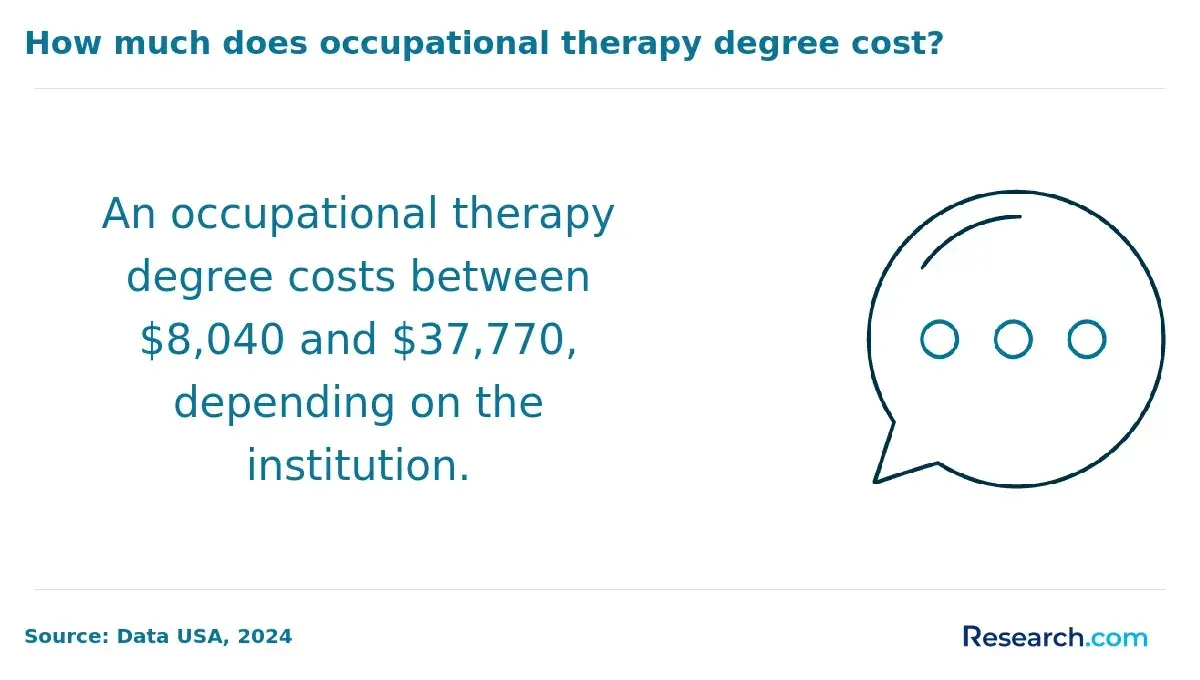
- Tuition and Fees: Getting your degree is the biggest expense. For example, a Doctor of Occupational Therapy program at Arkansas State University runs about $62,310 for three years if you’re paying in-state tuition. If you start with an associate degree as an occupational therapy assistant, programs can cost around $8,871 in-state, which is a much lower entry point.
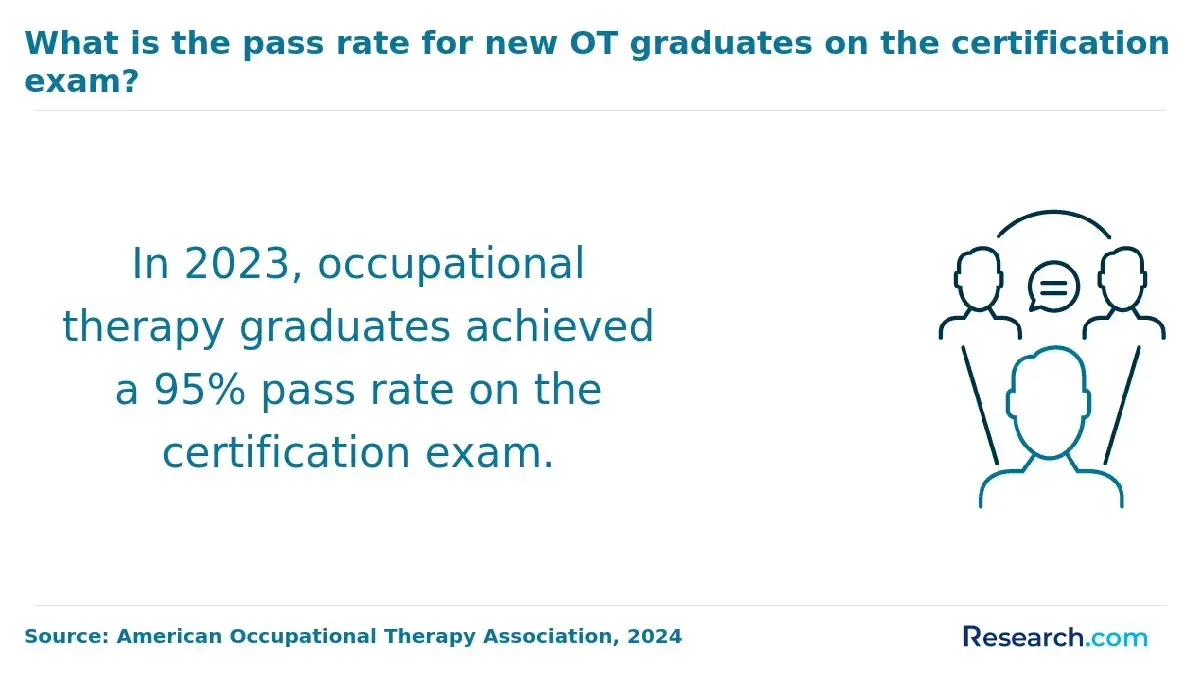
- NBCOT Exam Fees: The certification exam fee is roughly $555, which is a must to become licensed. On top of that, study guides and prep courses typically run between $150 and $350, so it’s smart to factor those in.
- State Licensure Application Fees: While exact fees in Arkansas aren’t crystal clear, you should expect to pay somewhere between $100 and a few hundred dollars for initial licensing and renewals.
- Background Checks and Professional Memberships: Background checks generally cost about $100 and are required for clinical placements. Plus, annual membership fees for professional groups like the AOTA hover around $75, helping you stay plugged into the profession.
- Additional Expenses: Don’t forget about books and supplies, which can total up to $4,000 in a doctoral program. Also, health-related costs like vaccinations and screenings vary but should be planned for early on.
What financial aid options are available for OT students in Arkansas?
Paying for occupational therapy school in Arkansas can be pretty challenging since tuition often tops $56,000 for residents over three years. Luckily, there are several financial aid options that help students cover these costs and reduce the amount of debt they take on. Here’s a quick rundown of key aid sources you might consider as an OT student in Arkansas.
- Federal Grants – Need-based grants like the Pell Grant are available to undergrads who demonstrate financial need through FAFSA. These don't have to be repaid and are great for students in assistant or pre-professional OT programs.
- State Grants and Scholarships – Arkansas offers scholarships such as the Academic Challenge and Rural Health Scholarship, which can provide up to $2,500 to students in healthcare fields, including occupational therapy. They usually require Arkansas residency and good academic standing.
- Federal Student Loans – Most OT students tap into federal loans, which often have better interest rates and flexible repayment than private loans. You must fill out the FAFSA to qualify, and these loans need to be paid back after graduation.
- University-Based Scholarships – Schools in Arkansas, like the University of Arkansas, offer merit or need-based scholarships for OT students. Some, like the Florence Wood Scholarship, require an essay and at least one year of OT coursework.
- Professional Association Scholarships – Organizations such as the American Occupational Therapy Foundation offer scholarships ranging from $150 to $5,000. These often need membership or proof of dedication to occupational therapy.
- College Work-Study Programs – If eligible via FAFSA, you can work part-time in campus or community service roles to earn money while studying. Hours usually max out around 20 per week.
- Veterans’ Educational Benefits – Veterans and their dependents might qualify for tuition assistance through the Department of Veterans Affairs, provided they maintain full-time status.
- Disability-Related Aid – Those with documented disabilities can get help through Arkansas Rehabilitation Services to cover tuition and other expenses.
- Private Loans – As a last resort, banks offer private loans but expect higher interest rates and less flexible repayment than federal options.
Can out-of-state occupational therapists work in Arkansas?
Yes, out-of-state occupational therapists can work in Arkansas, but there are a few hoops to jump through first. You’ll need to get licensed by the Arkansas State Medical Board, no matter where your original license is from. That means submitting your application, having your credentials verified directly with those who issued them, proving you’ve passed the NBCOT exam, and passing a background check.
Arkansas also has reciprocity rules allowing therapists from other states with similar or tougher licensing requirements to get licensed more smoothly, and being part of the Occupational Therapy Licensure Compact makes it easier to practice across member states without getting an entirely new license.
Still, don’t expect it to be instant — you might have to take an Arkansas-specific law exam and provide extra documents if needed. One Arkansas occupational therapist I spoke with, who graduated from a local program, shared that while the paperwork and waiting were a bit stressful, the reciprocity options and compact really helped speed things up. She emphasized, “It wasn’t just about paperwork; it meant proving my commitment to Arkansas’s standards, which made me feel like I truly belonged here.”
Can acquiring complementary caregiving certifications enhance your occupational therapy career in Arkansas?
Occupational therapists aiming to diversify their expertise and better address patient needs can explore additional certifications that complement their core skills. Such credentials may not only broaden service offerings but also open opportunities in integrated care settings and home-based services. Embracing a dual skill set enhances professional adaptability and may lead to improved client outcomes without overlapping existing qualifications. For more detailed pathway information, consider reviewing how to become a caregiver in Arkansas.
What skills do you need to be a successful occupational therapist in Arkansas?
Becoming an occupational therapist in Arkansas means playing a vital role in helping people regain their independence and improve their everyday lives. These skills not only help clients bounce back but also keep the healthcare teams working smoothly together.
To succeed in this rewarding career, you’ll need a solid mix of practical know-how and people skills. Here are the key skills that matter most:
- Clinical Knowledge and Application: You need a strong background in science and psychology to assess and treat clients accurately. This foundation helps create personalized plans that really make a difference.
- Communication and Interpersonal Skills: Clear communication builds trust with clients and teamwork with other healthcare pros, which is essential in Arkansas’s clinics and hospitals.
- Problem-Solving and Creativity: Facing unique challenges means thinking outside the box to tailor interventions that help clients live safer, more independent lives.
- Teamwork and Collaboration: Working well with nurses, doctors, and therapists ensures the best comprehensive care for each client.
- Professional Ethics and Adaptability: Staying ethical and adaptable, including completing Arkansas’s required continuing education hours, keeps your skills sharp and your practice up to date.
What specializations are available for occupational therapists in Arkansas?
Specializing lets occupational therapists sharpen their skills by focusing on specific populations or conditions, which not only boosts their career paths but also increases the impact they can have in Arkansas communities.
Whether it’s working with kids, older adults, or people recovering from injury, having that niche expertise makes a big difference. Here are some common occupational therapy specializations in Arkansas:
- Pediatrics: A pediatric occupational therapist Arkansas often collaborates with children facing developmental challenges like sensory processing disorders or autism. These pros work in schools, early intervention programs, and pediatric clinics, helping kids gain important skills for play and daily life.
- Geriatrics: Therapists in geriatrics focus on helping older adults stay independent and manage conditions such as dementia or arthritis. You’ll find them in nursing homes, assisted living, or home health agencies, making sure seniors can safely age in place.
- Mental Health: This specialization supports individuals dealing with psychiatric conditions or emotional struggles by teaching coping strategies and life skills. Mental health occupational therapists are often based in psychiatric hospitals or community mental health centers.
- Hand Therapy: Hand therapists treat injuries and other issues affecting the hands and upper extremities. They usually work in outpatient clinics or specialized hand therapy centers, often with additional certifications to deepen their expertise.
- Physical Rehabilitation: These occupational therapists assist patients recovering from strokes, brain injuries, or surgeries to regain independence. They’re commonly found in acute care hospitals, inpatient rehab, and outpatient therapy facilities across the state.
For those exploring options in healthcare training, it’s also worth considering accredited online medical coding training programs as a complementary pathway to broaden your career possibilities in the medical field.
What is the average salary of an occupational therapist in Arkansas?
The occupational therapist salary in Arkansas changes quite a bit depending on a few important things like how much experience you have, where you work, and even what part of the state you’re in. These factors really shape what kind of paycheck you can expect, so it helps to know what’s behind the numbers. Here’s a quick rundown of the major influences on OT pay in Arkansas.
- Years of Experience: Starting out, occupational therapists usually earn less, but as you gain more experience, your salary can increase a lot. More seasoned OTs, especially those with special skills or leadership roles, often make well above average, with typical yearly salaries ranging from $83,341 to $101,969.
- Type of Employer: Where you work matters. Hospitals and private healthcare centers tend to pay more than schools or nonprofits. For example, travel therapists and those in home health settings might make between $65,582 and $80,607 yearly.
- Geographic Location Within the State: Big cities like Little Rock usually offer higher hourly wages—around $53.72 per hour—compared to rural areas, which may pay less but sometimes offer other perks or more job openings.
- Education and Specialization: Having advanced degrees or specialized certifications can boost your salary since employers value that kind of expertise and are often willing to pay more for niche skills.
- Contract and Temporary Positions: Short-term or contract jobs usually pay higher hourly rates, sometimes up to $50 per hour, especially for roles that require flexibility or relocation.
If you’re looking to start your career quickly and explore related healthcare roles, checking out the fastest way to become a certified medical coder and biller might be worth your time.
What Do Occupational Therapists in Arkansas Say About Their Career?
- Kwame: "Completing my occupational therapy program at Arkansas State University was an enriching experience that deeply prepared me for the unique demands of working in a local academic setting. Starting my career in a nearby school allowed me to directly apply my learning to support children who face diverse challenges, and there's immense satisfaction in witnessing their progress firsthand. Arkansas offers an inspiring environment where community bonds are strong, which has enhanced my work and personal growth simultaneously. The stability and respect I’ve found in this profession here have truly reinforced my passion for making a meaningful difference in children’s lives. "
- Ling: "Graduating from the University of Arkansas for Medical Sciences provided me with a solid foundation in occupational therapy, and beginning my career in a local school has been a rewarding challenge. The cultural richness and rural-urban mix in Arkansas demand a flexible and culturally sensitive approach, which has allowed me to grow professionally in unexpected ways. My role here has not only helped me develop tailored strategies for student success but has also deepened my appreciation for the resilience of the communities I serve. Every day, I feel privileged to contribute to the well-being and educational achievements of our youth."
- Carlos: "After finishing my studies at Hendrix College, I was excited to start working as an occupational therapist in an academic institution close to home. The opportunity to blend professional advancement with direct community involvement is something unique to Arkansas, where you often build long-term relationships with students and families. This job has challenged me to innovate within limited resources and adapt to the cultural context here, which has sharpened my skills and amplified my impact. The joy in helping young individuals overcome obstacles while witnessing their personal growth continues to fuel my commitment. "
Related Articles for Nearby States
- 2027 How to Become an Occupational Therapist in Missouri
- 2027 How to Become an Occupational Therapist in Oklahoma
- 2027 How to Become an Occupational Therapist in Tennessee
- 2027 How to Become an Occupational Therapist in Mississippi
- 2027 How to Become an Occupational Therapist in Louisiana
- 2027 How to Become an Occupational Therapist in Texas
- 2027 How to Become an Occupational Therapist in Kentucky
- 2027 How to Become an Occupational Therapist in Kansas
- 2027 How to Become an Occupational Therapist in Alabama
- 2027 How to Become an Occupational Therapist in Illinois
References:
- Occupational Therapy https://www.astate.edu/degrees/otd-occupational-therapy
- Occupational Therapy Licensure Guide - Trusted Health https://www.trustedhealth.com/allied-career-guide/occupational-therapy/licensure-guide
- OT CEU Requirements and Licensure Renewal by State https://otpotential.com/ot-continuing-education-requirements
- Arkansas OT License – Uniti Med https://unitimed.com/arkansas-ot-license/
- What to Expect | Occupational Therapy | University of Arkansas https://occupationaltherapy.uark.edu/admission/what-to-expect.php
- Occupational Therapy Programs in the United States - Why Choose OT? https://whychooseot.com/pathways/united-states/arkansas/
- CEU Keeper | Arkansas OT CEU Requirements https://ceukeeper.com/continuing-education-requirements/occupational-therapy/arkansas/
- Occupational Therapy Training Program - Arkansas JobLink https://www.arjoblink.arkansas.gov/etp/public/institution_programs/482200
- Occupation Profile for Occupational Therapists | CareerOneStop https://www.careeronestop.org/Toolkit/Careers/Occupations/occupation-profile.aspx
- Occupational Therapy Assistant · Baptist Health College Little Rock https://www.bhclr.edu/academics/programs/occupational-therapy-assistant/
Other Things You Should Know About How to Become an Occupational Therapist in Arkansas
In 2027, prerequisites for OT school admission in Arkansas typically include a bachelor's degree, completion of courses in anatomy, physiology, and psychology, and observation hours under a licensed occupational therapist. Additionally, applicants must perform well on the GRE and submit letters of recommendation.
Becoming a licensed occupational therapist (OT) in Arkansas typically takes about 6 to 8 years, including education and licensure requirements. This timeline usually involves earning a bachelor’s degree (approximately 4 years), completing a master’s or doctoral degree in occupational therapy (2 to 3 years), and fulfilling mandatory fieldwork hours.
After education, candidates must pass the National Board for Certification in Occupational Therapy (NBCOT) exam and apply for state licensure, which can take several additional weeks. Overall, the process combines extensive academic preparation with practical experience before becoming fully licensed in Arkansas.


