
2027 Certified Nurse Aide (CNA) License Education Requirements in Florida

Co-Founder and Chief Data Scientist
Florida's healthcare sector is experiencing significant growth, with over 70,000 active Certified Nurse Aides registered statewide, reflecting a rising demand for qualified healthcare professionals. This trend highlights the increasing value of pursuing a Certified Nurse Aide (CNA) license in Florida, where job stability and competitive wages present promising career opportunities. The healthcare landscape is evolving rapidly, prompting changes in education methods and certification standards that future CNAs need to anticipate to remain competitive.
This article explores the education requirements necessary to obtain a CNA license in Florida. Prepared by experts in career planning, it offers clear, precise guidance to help prospective CNAs navigate licensure pathways. Readers will find essential knowledge about evolving educational standards and emerging trends shaping the CNA profession in Florida's dynamic healthcare environment.
Key Things to Know About CNA License Education Requirements in Florida
- Completion of a state-approved training program with at least 120 hours, combining classroom instruction and clinical practice, is mandatory to ensure foundational nursing skills.
- Passing the Florida CNA competency exam, which assesses both written knowledge and practical abilities, is required to demonstrate readiness for real-world healthcare environments.
- Ongoing education and recertification every two years reflect the evolving healthcare standards and emphasize adapting to advanced patient care technologies and protocols.
- What are the education requirements to become a CNA in Florida?
- What subjects are taught in CNA classes in Florida?
- What steps are required to get a CNA license in Florida?
- How long does it take to receive a CNA license in Florida?
- How often do you need to renew your CNA license in Florida?
- What continuing education is required for CNAs in Florida?
- What additional certifications can elevate your CNA career in Florida?
- Can out-of-state CNAs transfer their license to Florida?
- Which employers hire newly certified nurse aides in Florida?
- What is the average salary for CNAs in Florida?
- How can CNAs in Florida advance to higher nursing roles?
What are the education requirements to become a CNA in Florida?
Formal education and training remain vital for preparing Certified Nurse Aides (CNAs) in Florida, equipping them with the skills needed to maintain patient safety and provide compassionate care in diverse healthcare environments. As healthcare evolves, the emphasis on comprehensive, hands-on training continues to grow, ensuring that CNAs can adapt to new technologies and care standards.
Below are the evolving requirements fundamental to becoming a CNA in Florida:
- Completion of a State-Approved CNA Training Program: Candidates must finish a board-approved program with typically 120 to 165 clock hours combining classroom learning and practical experience. These state-approved CNA training programs in Florida aim to cultivate both theoretical knowledge and real-world skills essential for effective patient care and safety compliance.
- High School Diploma or GED (or Age Minimum): Applicants need a high school diploma or GED, or alternatively must be at least 18 years old. This ensures foundational educational readiness and maturity, which is increasingly important as CNAs take on more complex responsibilities in healthcare settings.
- Clinical Training Requirements: Training includes a supervised clinical component, often at least 40 hours, where students gain firsthand experience by providing patient care in healthcare facilities. This vital exposure helps build confidence and competence for the challenging role CNAs play.
- Successful Completion of the CNA Competency Exam: Passing the Florida CNA certification exam requirements, which feature a written test and skills demonstration, is mandatory. This assessment validates a candidate's preparedness to deliver safe, high-quality care under supervision.
- Background Screening: Applicants must undergo a criminal background check to uphold patient safety and ensure compliance with healthcare regulations.
Future advancements may see these components integrating more online education and innovative simulation technologies, making training more accessible and effective. For those interested in further nursing career development, exploring how to become a family nurse practitioner fast offers a valuable next step.
What subjects are taught in CNA classes in Florida?
Florida's CNA class curriculum programs incorporate both classroom instruction and clinical practice, ensuring trainees gain a solid foundation in caregiving basics and patient interaction.
Below is an overview of the main subjects covered in Florida CNA training, reflecting key competencies future CNAs must master.
- Basic Nursing Skills: This foundational subject teaches students how to take vital signs, assist with daily living activities like bathing and feeding, and observe patients closely to detect changes in condition. Mastery of these tasks is crucial since CNAs often serve as the frontline caregivers.
- Anatomy and Physiology: Trainees learn about human body systems and how they function together, which helps CNAs understand patient conditions and communicate findings effectively with medical teams.
- Infection Control: Focused on preventing the spread of infections, this subject covers hand hygiene, use of personal protective equipment, and safe handling of contaminated materials, all vital in maintaining a safe healthcare environment.
- Communication Techniques: Effective communication skills are emphasized for building rapport with patients and their families, documenting care accurately, and collaborating with healthcare professionals to ensure seamless patient support.
- Patient Safety Procedures: Students are trained to identify and prevent hazards, correctly use assistive devices, and respond appropriately to emergencies, ensuring patient well-being is prioritized at all times.
- Legal and Ethical Responsibilities: This topic covers the CNA scope of practice, confidentiality laws, and mandatory reporting duties, including Florida-specific regulations that require self-reporting of criminal offenses within 30 days.
- Nutrition and Hydration: Proper feeding assistance and recognizing signs of malnutrition are taught to support patient recovery and health maintenance.
- Care for Geriatric Patients: With Florida's aging population, specialized instruction focuses on managing chronic conditions, mobility, and emotional support for older adults.
- Restorative and Rehabilitative Care: Trainees learn to assist with therapies like range-of-motion exercises aimed at helping patients regain independence.
- Emergency Procedures: Basic life support (BLS), CPR, and first aid preparation equip students to handle life-threatening situations confidently.
- Employability and Professional Skills: Training often includes job readiness, such as resume building and interviewing techniques, helping graduates enter the workforce smoothly in a competitive field.
For those seeking advanced roles, exploring, "What do i need to start working as adult gerontology nurse practitioner?" provides a natural career progression to build on CNA foundations.
What steps are required to get a CNA license in Florida?
Completing the licensing process for Certified Nurse Aides (CNAs) in Florida ensures practitioners meet rigorous standards, safeguarding patient care quality and safety across diverse healthcare settings. This process blends educational achievement, practical skills, and ethical standards essential for future readiness.
The following outlines key steps currently shaping CNA licensure in Florida.
- Meet Eligibility Requirements: Candidates must be at least 18 years old with a high school diploma or equivalent to confirm a foundational level of maturity and education necessary for responsible caregiving.
- Complete a State-Approved CNA Training Program: Enrolling in a Florida Board of Nursing-approved program that balances approximately 80 hours of classroom instruction with 40 hours of clinical experience prepares candidates to meet evolving healthcare demands through both theoretical knowledge and practical application.
- Pass the CNA Competency Exam: This exam integrates a written test and a hands-on skills demonstration, ensuring CNAs can confidently perform essential procedures. Future adaptations may include more technology-driven assessments to simulate real-world scenarios.
- Undergo a Criminal Background Check: Screening supports patient safety by filtering applicants, with future protocols potentially incorporating more advanced data analytics and continuous monitoring for enhanced security.
- Apply for State Certification: After fulfilling all prior requirements, submitting an application to the Florida Board of Nursing formalizes licensure. Emerging digital platforms could streamline this process for quicker certification.
- Maintain Certification Through Continuing Education: CNAs must complete 24 hours of in-service training every two years to remain current with best practices, a component likely to expand into interactive, personalized learning modules driven by artificial intelligence over time.
How long does it take to receive a CNA license in Florida?
The total timeline to obtain a Certified Nurse Aide (CNA) license in Florida varies widely, influenced by factors such as the length of the training program, exam appointment availability, and the speed of state processing. Candidates' individual circumstances, including whether they pursue full-time or part-time study, further impact how quickly they progress from starting education to official licensure.
Typically, the training segment lasts between 4 to 12 weeks, encompassing a minimum of 120 hours split between classroom instruction and clinical experience. After this, candidates proceed to the Florida Nurse Aide Examination, consisting of a written test and a skills demonstration, with exam scheduling adding an average of 2 to 4 weeks to the process. Once the exam is passed, official registration with the Florida Board of Nursing generally takes another 1 to 2 weeks. However, delays can arise due to limited testing site availability or extended background check processing periods, occasionally prolonging the timeline beyond the average span.
How often do you need to renew your CNA license in Florida?
Maintaining an active Certified Nurse Aide (CNA) license in Florida requires regular renewal to ensure ongoing certification, competency, and adherence to evolving healthcare standards. The process incentivizes CNAs to stay current and prepares them for future healthcare challenges.
Below is a summary of the key points regarding CNA license renewal requirements in Florida.
- Renewal Frequency: CNAs in Florida must renew their licenses every 24 months, a biennial cycle that ensures caregivers remain knowledgeable about changes in healthcare practices. This timeline aligns well with broader health professions' standards, providing a balanced interval for education and practical experience updates.
- Renewal Deadline: The renewal must be completed by midnight on the license expiration date to avoid delinquency fees and penalties. Missing this deadline triggers progressive fee increases and, if neglected beyond two years, leads to license nullification requiring reapplication and testing.
- Renewal Fees: The base fee for timely renewal is $55. If renewal occurs within 120 days after expiration, the cost rises to $105, and it jumps to $160 if delayed beyond 120 days but within the two-year grace period. These escalating fees encourage prompt compliance.
- Work Requirement: Active license renewal demands that CNAs have worked for pay in nursing or related services within the past 24 months. Though no minimum hours are specified, some verified employment is mandatory. CNAs without such experience may renew as inactive but must reactivate through testing if inactive too long.
- Continuing Education: Florida mandates 24 hours of continuing education every 24 months, covering critical topics such as infection control, resident rights, and CPR skill maintenance. This requirement emphasizes the importance of lifelong learning in nursing aide roles.
For those interested in advancing their healthcare careers, exploring the best AG AGCNP programs can offer further specialization and growth opportunities.
What continuing education is required for CNAs in Florida?
Continuing education plays a pivotal role in ensuring that CNAs not only maintain their licenses but also continually sharpen their skills to provide high-quality patient care. As healthcare evolves with new technologies and treatment protocols, staying up to date becomes essential for both compliance and professional growth.
Key continuing education requirements for CNAs in Florida include the following:
- Required Contact Hours: CNAs must complete 24 contact hours of continuing education every two years. This consistent schedule encourages ongoing learning that aligns with evolving healthcare demands and regulations.
- Mandatory Training Topics: Specific subject areas such as bloodborne pathogens, infection control, domestic violence awareness, medical record documentation, residents' rights, communication techniques with cognitively impaired clients, CPR, and medical error prevention are required. These targeted topics ensure nursing assistants are prepared to meet critical patient care challenges effectively.
- Course Format Options: Florida allows CNAs to fulfill these requirements via online courses or home study programs, providing flexibility that accommodates varying work schedules. This trend may further expand as digital learning becomes increasingly sophisticated and accessible, potentially integrating interactive simulations and real-time feedback.
- Electronic Reporting and Recordkeeping: Approved providers report completed courses electronically to CE Broker, Florida's official CE tracking system. CNAs are advised to confirm provider approval to guarantee proper documentation and smooth license renewal processing.
For CNAs seeking to advance their nursing career, exploring options such as BSN to FNP programs online can provide pathways beyond foundational certification.
What additional certifications can elevate your CNA career in Florida?
Supplementing your CNA credentials with specialized certifications can enhance both your clinical skills and marketability in Florida’s competitive healthcare environment. Pursuing certifications such as phlebotomy, EKG monitoring, or patient care technology can open doors to broader roles within healthcare teams. Additionally, expanding your expertise through allied training—like how to become a medical assistant in Florida—offers alternative career pathways without duplicating existing nursing progression routes. These targeted certifications not only improve competency but also align with evolving industry standards and employer expectations.
Can out-of-state CNAs transfer their license to Florida?
Florida does allow certified nurse aides (CNAs) from other states to transfer their licenses through a process called reciprocity or endorsement. This process requires that an out-of-state CNA holds an active certification in good standing and is listed on their original state's CNA registry without any disciplinary actions. Applicants must also submit electronic fingerprints for a mandatory background check. Verification from the original state's registry ensures compliance with Florida's standards. While additional testing is generally not required, Florida may request further documentation or evaluations if there are discrepancies in training records.
The steps to transfer a CNA license include submitting an endorsement application to the Florida Board of Nursing, paying associated fees, and supplying proof of certification and approved training from the home state. The entire process usually takes four to eight weeks, depending on verification speed and application completeness.
Which employers hire newly certified nurse aides in Florida?
Newly certified nurse aides in Florida have multiple opportunities to gain employment across diverse healthcare environments that emphasize direct patient care and essential support to licensed nurses. Due to the ongoing demand for quality long-term and acute care, entry-level CNAs remain valuable assets in various healthcare settings throughout the state.
- Hospitals: CNAs in hospitals assist patients with daily living activities like bathing, dressing, and mobility under nurse supervision. These facilities often hire new graduates because of their constant need for 24/7 patient care and staffing flexibility across departments such as medical-surgical units and emergency rooms.
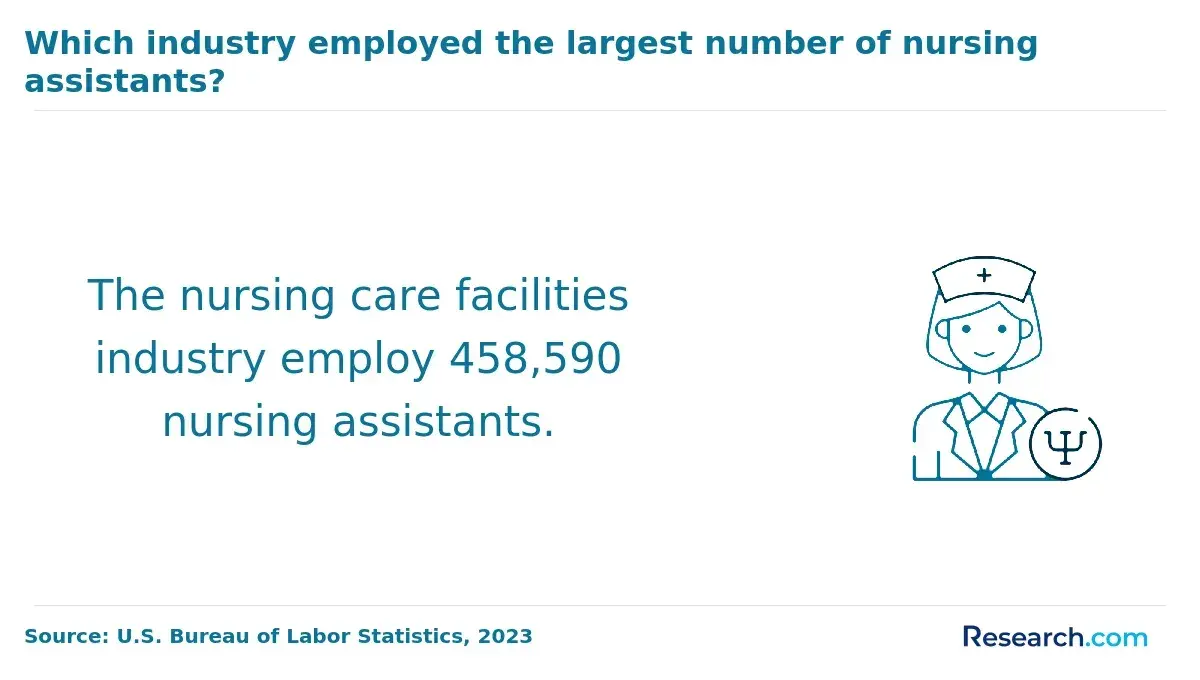
- Nursing Homes and Long-Term Care Facilities: These are significant employers of CNAs, providing care for elderly residents and individuals with chronic conditions. CNAs support daily tasks, health monitoring, and safety, with ongoing staffing demands making nursing homes prime entry points for new aides.
- Assisted Living Communities: CNAs help residents maintain independence by offering personal care, medication reminders, and companionship. Growing demographics in Florida are expanding these facilities, which welcome newly certified aides eager to work in supportive, less acute environments.
- Home Health Agencies: Providing care directly in clients' homes, CNAs assist seniors and those recovering from illness with hygiene, meal prep, and light housekeeping. This rapidly growing sector increasingly recruits entry-level CNAs to meet rising demands for personalized in-home care.
- Rehabilitation Centers: CNAs support patients recovering from surgeries or medical events by aiding therapy routines and mobility under professional guidance. Rehab centers offer new graduates specialized exposure, fostering development in rehabilitation nursing practices.
What is the average salary for CNAs in Florida?
Certified nurse aide (CNA) salaries in Florida vary widely depending on experience, work setting, and geographic region. Insight into these salary patterns can also reveal where further education or specialization may lead to higher wages.
Below are key salary insights for certified nurse aides in Florida:
- Average Hourly and Annual Pay: As of early 2025, the average annual salary for a CNA in Florida is approximately $35,364, with hourly wages ranging from $15 to $18.42. This range places Florida CNA pay slightly below the national average but reflects steady demand in the region.
- Pay Variation by Experience Level: Entry-level CNAs typically earn near $29,399 annually, while experienced CNAs or those with special certifications can see salaries surge above $42,500. Experience and additional skills remain key drivers of income growth.
- Differences Across Healthcare Facilities: Hospitals and government healthcare facilities generally offer higher pay compared to nursing homes or home health agencies, although overtime and shift differentials in these varied settings may compensate for base wage differences.
- Regional Pay Trends Within Florida: Urban centers like Miami, Tampa, and Orlando tend to offer greater salaries due to higher demand and living costs, whereas rural areas may offer lower base pay but could present more flexible schedules.
- Additional Factors Influencing Earnings: Shift differentials, overtime availability, and employer size all impact total CNA earnings. CNAs pursuing advanced credentials, such as through a list of affordable online AGNP programs, may also open pathways for higher wage roles in nursing.
How can CNAs in Florida advance to higher nursing roles?
Many certified nurse aides (CNAs) in Florida use their foundational healthcare experience as a stepping stone toward more advanced nursing careers. Progression in this field typically requires additional education, certification, and clinical training to build on initial skills and open the door to higher salaries and expanded responsibilities.
Below are common career advancement paths for CNAs in Florida that illustrate this professional growth.
- Licensed Practical Nurse (LPN): CNAs can enroll in a state-approved practical nursing program lasting 12-18 months, building on their experience to gain advanced patient care skills. After passing the NCLEX-PN exam, LPNs earn significantly higher wages than CNAs.
- Registered Nurse (RN): Advancement requires completion of an accredited Associate Degree in Nursing or a Bachelor of Science in Nursing, followed by the NCLEX-RN exam. RNs enjoy greater salary potential and specialized career opportunities.
- Specialization: CNAs may pursue certifications in areas like geriatrics or hospice care through short courses or employer training, enhancing job prospects and expertise.
- Advanced CNA Roles (ACNA): Additional coursework and competency evaluations enable some CNAs to perform more complex tasks and attain leadership roles, often with improved pay.
- Nurse Management and Leadership: Experienced CNAs may move into supervisory positions by completing further education and leadership training, overseeing teams and improving healthcare delivery.
- Other Healthcare Roles: CNAs can shift to technical roles such as phlebotomy or EKG technician through short certification programs, diversifying their career options with specialized responsibilities.
What Do CNAs in Florida Say About Their Career?
Completing my certified nurse aide training at Sunshine Healthcare Academy was one of the best decisions I've ever made. The hands-on experience and supportive instructors prepared me well for my role working in a local school where I assist students daily. The rewarding feeling of helping children stay healthy and comfortable fuels my passion every day. Florida's diverse population and warm climate bring unique challenges, but they also make my job incredibly fulfilling and dynamic. The job stability and opportunities for growth here are reassuring as I plan my long-term career. Keira
Starting my career as a certified nurse aide in a local school was a transformative experience. I completed my training at Coastal Care Institute, and since then, I have grown both professionally and personally. Working closely with school-aged children allows me to make a direct impact on their well-being and academic success, which brings me immense satisfaction. Florida's blend of cultures and the chance to serve families across many communities has strengthened my dedication to this field. I'm excited about the professional development opportunities that keep opening up in this growing healthcare environment. Harlow
Training at Palm City CNA School gave me the skills I needed to launch a meaningful career in a Florida school setting. I love how this role challenges me to adapt to the unique environmental and cultural factors of our state, while contributing to the health and happiness of local children. Being a CNA has opened doors for continuous learning and career advancement, and it's incredible to see how my work improves the lives of so many families. The balance of stability and community service makes this profession truly rewarding. Ridge
Related Articles for Nearby States
- 2027 Certified Nurse Aide (CNA) License Education Requirements in Georgia
- 2027 Certified Nurse Aide (CNA) License Education Requirements in Alabama
- 2027 Certified Nurse Aide (CNA) License Education Requirements in South Carolina
- 2027 Certified Nurse Aide (CNA) License Education Requirements in Mississippi
- 2027 Certified Nurse Aide (CNA) License Education Requirements in Tennessee
- 2027 Certified Nurse Aide (CNA) License Education Requirements in North Carolina
- 2027 Certified Nurse Aide (CNA) License Education Requirements in Louisiana
- 2027 Certified Nurse Aide (CNA) License Education Requirements in Kentucky
- 2027 Certified Nurse Aide (CNA) License Education Requirements in Arkansas
- 2027 Certified Nurse Aide (CNA) License Education Requirements in Virginia
References:
- CNA Certification Requirement By State https://www.registerednursing.org/certified-nursing-assistant/certification/
- Free CNA CEU in Florida | Get Free Courses Now https://cnazone.com/StateRequirements/Florida
- Nursing Assistant Training Program - Florida Board of Nursing https://floridasnursing.gov/nursing-assistant-training-program/
- Florida Nurse Aide Exam | Prometric https://www.prometric.com/exams/nurseaide-fl
- How Long Does CNA Certification Last https://www.fhcaorlando.com/blog/how-long-does-a-cna-certification-last
- How to Transition From Certified Nursing Assistant to Registered Nurse https://nursingeducation.org/degrees/cna-to-rn/
- Renewal Process | Florida Department of Health https://www.floridahealth.gov/licensing-and-regulation/school-psychology/renewal/process.html
- Top Nurse Aide Hospital Jobs for Your Career Growth - BOS Medical Staffing https://www.bosmedicalstaffing.com/2024/07/05/top-nurse-aide-hospital-jobs-for-your-career-growth/
- certified nursing assistant Salary in florida — Average Salary https://www.talent.com/salary
- Challenges and Rewards of Being a CNA - Truth Health Academy School of Nursing https://truthhealthacademy.com/2024/07/03/challenges-and-rewards-of-being-a-cna/
Other Things You Should Know About Certified Nurse Aide (CNA) License Education Requirements in Florida
Yes, CNAs in Florida must meet specific physical and health standards, including being capable of lifting patients, standing for long shifts, and passing health screenings to demonstrate they can safely perform necessary caregiving tasks in 2027.
To renew a CNA license in Florida, certified nurse aides must complete 24 hours of in-service training every two years. This training should include mandatory topics, such as preventing medical errors, infection control, and resident rights.
In 2027, if you fail the CNA exam’s written or clinical portion, you may retake each section separately up to three times. Each retake involves paying a fee, and you must complete all attempts within two years of your first failed exam.


