
2027 Certified Nurse Aide (CNA) License Education Requirements in Georgia

Co-Founder and Chief Data Scientist
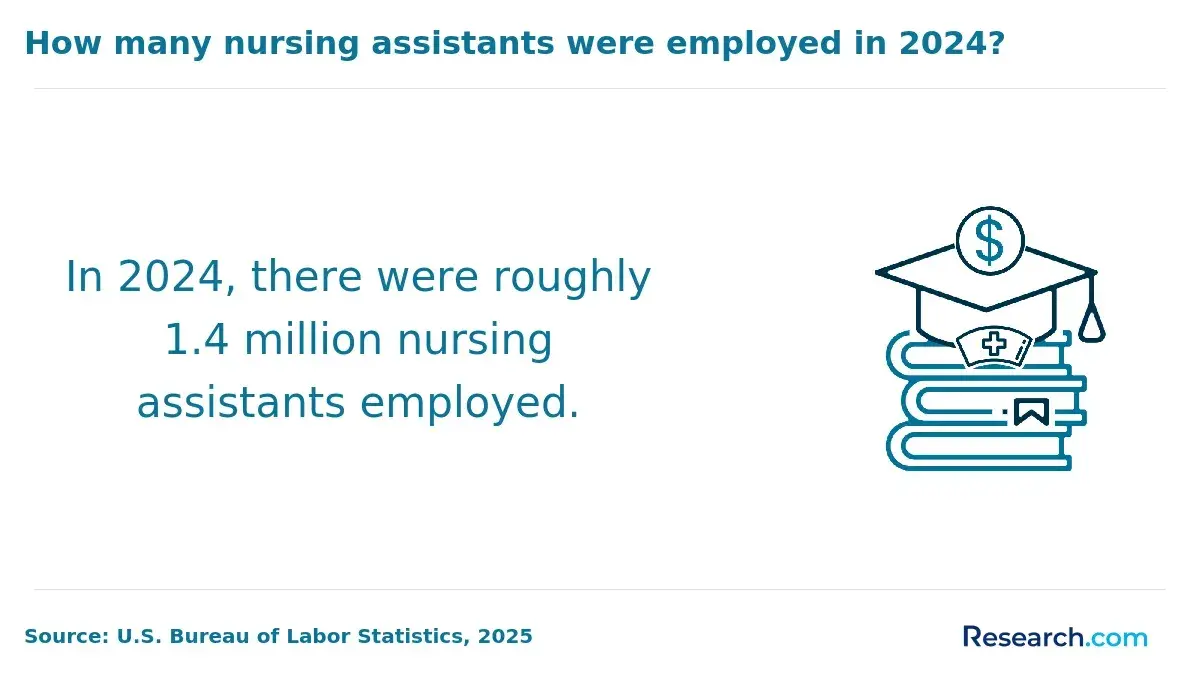
Georgia's demand for Certified Nurse Aides (CNAs) grows steadily, with employment expected to rise by 15% over the next decade. This increase highlights the value of obtaining a CNA license in the state, which offers reliable job prospects and a strong foothold in healthcare. The training combines both theoretical knowledge and practical skills, preparing candidates for diverse patient care settings across Georgia's healthcare system.
This article outlines the essential education requirements to earn a CNA license in Georgia. Developed by career planning experts, it provides clear, actionable guidance for prospective CNAs, helping readers navigate the certification process with confidence and accuracy.
Key Things to Know About CNA License Education Requirements in Georgia
- Complete a state-approved CNA training program with at least 75 hours of instruction, including 16 hours of supervised clinical practice, as required by Georgia law.
- Pass the Georgia CNA competency exam, which evaluates both written knowledge and practical skills to ensure readiness for patient care roles.
- Maintain certification through continuing education and renewal every two years to meet workforce demand and comply with Georgia's healthcare regulations.
- What are the education requirements to become a CNA in Georgia?
- What subjects are taught in CNA classes in Georgia?
- What steps are required to get a CNA license in Georgia?
- How long does it take to receive a CNA license in Georgia?
- How often do you need to renew your CNA license in Georgia?
- What continuing education is required for CNAs in Georgia?
- How can I finance my CNA training in Georgia?
- Can out-of-state CNAs transfer their license to Georgia?
- Which employers hire newly certified nurse aides in Georgia?
- What is the average salary for CNAs in Georgia?
- How can CNAs in Georgia advance to higher nursing roles?
What are the education requirements to become a CNA in Georgia?
Formal education and training provide the essential foundation for certified nurse aides to deliver safe and effective patient care in Georgia's diverse healthcare environments. This structured preparation equips CNAs with both the practical skills and theoretical knowledge needed to support patients in nursing homes, hospitals, and home health agencies. Meeting the Georgia certified nurse aide eligibility criteria involves clear steps focused on compliance with state standards.
The key education and training requirements include:
- State-Approved Training Program: Completion of a Georgia Department of Community Health-approved training program is mandatory. These programs typically require a minimum of 85 hours combining classroom learning, hands-on skills practice, and clinical experience to ensure comprehensive nurse aide competency.
- High School Diploma or GED: Applicants must have at least a high school diploma or GED certificate. This baseline qualification ensures candidates possess the literacy and numeracy essential for understanding medical instructions and completing accurate documentation.
- Clinical Training Component: A supervised clinical practicum of 24 to 45 hours within licensed healthcare facilities is required. This hands-on training allows students to apply skills such as vital sign monitoring, mobility assistance, and patient hygiene under professional supervision.
- Age and Language Requirements: Candidates must be at least 18 years old and proficient in English, as all nurse aide instruction and patient communication occur exclusively in English. This guarantees effective interaction with patients and healthcare teams.
The process outlined above represents the essential CNA training program requirements in Georgia, ensuring candidates are well-prepared for certification. For more details comparing advanced nursing certifications, consider reviewing the FNP C vs FNP BC discussion.
What subjects are taught in CNA classes in Georgia?
CNA training programs in Georgia are designed to give students a strong combination of theoretical knowledge and practical skills essential for quality patient care. These programs focus on preparing students to meet both the state certification requirements and the demands of healthcare settings. Below are the core subjects typically included in the CNA course curriculum in Georgia, offering a comprehensive foundation for new nurse aides.
- Basic Nursing Skills: This covers assisting patients with everyday activities like bathing, dressing, feeding, and moving. Students also learn to measure vital signs, provide personal hygiene, and spot changes in patient conditions that may require attention, which directly affects patient comfort and safety.
- Anatomy and Physiology: Instruction focuses on the human body's structure and major organ functions. Understanding these basics enables CNAs to recognize what is normal or abnormal in patients, aiding more effective and informed care.
- Infection Control: Students are taught hygiene protocols, proper use of personal protective equipment, and environmental cleaning to prevent infection spread. This knowledge is especially critical in protecting vulnerable populations in long-term care.
- Communication and Interpersonal Skills: Effective communication goes beyond words; this subject trains CNAs to listen actively, clearly convey information, and manage stress. These skills strengthen trust with patients, families, and healthcare teams, ensuring smooth care coordination.
- Patient Safety and Emergency Procedures: The program includes training in safety techniques, emergency responses like managing airway obstruction, and safe body mechanics to reduce injury risks. Preparedness in emergencies helps maintain a secure environment for both patients and staff.
- Residents' Rights and Independence: Teaching the legal and ethical obligations CNAs have toward respecting privacy, dignity, and fostering patient autonomy is a vital part of the curriculum, promoting ethical care practices.
- Legal and Ethical Responsibilities: This subject clarifies the CNA's scope of practice, confidentiality rules, and other ethical standards. Understanding these helps avoid legal issues and keeps patient care within professional guidelines.
- Observation, Reporting, and Documentation: Students learn to carefully observe patient conditions, document findings accurately, and report concerns promptly. Reliable records and communication are crucial for ongoing patient safety and care continuity.
For those planning a career that can lead toward advanced roles such as a psych nurse practitioner, mastering these subjects forms the essential starting point for a successful healthcare journey.
What steps are required to get a CNA license in Georgia?
Completing the CNA licensing process in Georgia ensures that nursing assistants meet both state and federal standards for patient care, safeguarding the well-being of individuals in healthcare settings. Following these steps confirms that candidates have the necessary training, skills, and background to perform effectively and responsibly. Below are the main steps to obtain a Certified Nursing Assistant license in Georgia:
- Complete a State-Approved CNA Training Program: Enroll in a program that provides at least 85 hours of instruction, including 24 hours of hands-on clinical experience in a nursing home. This training covers essential skills like communication, infection control, and patient care techniques required to perform the job competently.
- Pass the CNA Competency Exam: After training, pass the National Nurse Aide Assessment Program exam, which includes a written test and a practical skills evaluation administered by Pearson VUE. Candidates can attempt the exam up to three times within one year of program completion.
- Undergo a Background Check: Although not part of the certification process itself, many employers require a background check to ensure the safety of patients and compliance with state and federal regulations before hiring a CNA.
- Apply for State Certification: Submit an application to be listed on the Georgia Nurse Aide Registry after passing the exam. This registry confirms your credentials and eligibility to work legally as a CNA in Georgia healthcare facilities.
How long does it take to receive a CNA license in Georgia?
The timeline to become a licensed certified nurse aide (CNA) in Georgia varies depending on several factors including the length of the state-approved training program, exam scheduling availability, and the time it takes for state processing of exam results and background checks. While some candidates may complete the process in as little as three months, others could face delays related to limited test dates or background check processing times.
Typically, candidates first complete a training program requiring at least 85 hours of instruction, with many full-time programs lasting around 12 weeks and including both classroom and clinical hours. After training, candidates must pass written and skills exams, which may be attempted up to three times within a year. Scheduling these exams can cause variability in timing, as slots fill quickly. Once the exams are passed, a required background check is conducted before the Georgia Nurse Aide Registry issues official certification. Under ideal circumstances-completing training on time, passing exams in the first attempts, and prompt background check processing-the entire process often takes three to four months. However, candidates should plan for potential delays to avoid surprises.
In speaking with a certified nurse aide from Georgia who completed training at a local school, he reflected on the unpredictability of the licensing timeline. "I finished my classes in about three months, but waiting for the exam schedule was stressful because the slots filled up fast," he shared. After passing on the second try, he encountered a couple of weeks' wait for background check clearance. "The whole process took closer to five months," he recalled, "but staying organized and patient made the journey manageable." He emphasized the importance of early exam registration and keeping in close contact with the registry to track progress during those final weeks before certification. This firsthand experience highlights the balance between efficient program completion and the realities of administrative timelines in Georgia's CNA licensing process.
How often do you need to renew your CNA license in Georgia?
Renewing your certified nurse aide (CNA) license in Georgia is a vital step to keep your certification active, demonstrate ongoing competency, and comply with healthcare standards in the state. Staying on top of the renewal process ensures you remain eligible to work and continue providing quality care. Here are the key details to help you manage your CNA license renewal efficiently.
- Renewal Frequency: CNAs in Georgia must renew their license every 24 months to maintain an active certification. This two-year cycle helps verify that you remain engaged in direct care and meet state requirements consistently.
- Renewal Deadlines: Applications should be submitted before the license expires to avoid removal from the official registry. Late renewals may require re-examination, causing interruptions in your ability to work.
- Renewal Fees: There is no cost if you renew your CNA license on time. However, letting your license lapse can create additional expenses if you must retake the certification exam.
- Work Requirements: You must have worked at least 8 hours in paid capacity under licensed nurse supervision within the past 24 months. Documentation, such as pay stubs or a W-2, must accompany your renewal application to prove this experience.
- Continuing Education: Georgia does not mandate continuing education for CNA license renewal. Nevertheless, staying current through voluntary training or employer courses is recommended to uphold professional skills and adapt to evolving healthcare practices.
- Registry Updates: Keeping your contact information and personal details current in the registry is essential to receiving renewal notices and avoiding processing delays.
For CNA professionals interested in advancing their career further, exploring programs through rankings of the best online acute care nurse practitioner programs can be a practical next step.
What continuing education is required for CNAs in Georgia?
Continuing education is vital for certified nurse aides in Georgia to maintain their licenses, sharpen their patient care skills, and stay current with evolving healthcare practices. It ensures CNAs deliver safe, effective care while meeting state requirements. Below are key points summarizing the CNA continuing education requirements Georgia mandates.
- Annual In-Service Training Hours: Certified nurse aides working in licensed Medicaid or Medicare facilities in Georgia must complete at least 12 hours of in-service education each year. These hours reinforce core skills and introduce updates relevant to daily CNA responsibilities.
- Approved Training Topics: Training should address patient care techniques, infection control, resident rights, safety procedures, and regulatory changes. Facilities tailor content to meet the specific needs of their patient population and stay aligned with best practices.
- Course Formats: In-service education can be conducted in-person via classroom sessions, hands-on workshops, or through online modules if approved by the facility. However, initial CNA training in Georgia must include classroom and supervised clinical hours taught in English.
- Recordkeeping Requirements: Employers must maintain detailed records marking attendance and training topics covered during in-service classes. CNAs are advised to keep copies of completion certificates to verify their continuing education for license renewal or employment.
- Work Experience for Renewal: License renewal also requires verification of at least eight hours of paid nursing-related services under nurse supervision every two years, ensuring ongoing practical experience alongside education.
- Career Advancement Resources: For CNAs interested in progressing their nursing careers, exploring whether an is nurse practitioner specialty program easy to get into can be a practical next step.
How can I finance my CNA training in Georgia?
Prospective CNAs should explore financial support avenues designed to mitigate training expenses. State-specific scholarships, grants, and tuition reimbursement programs offered by local healthcare facilities are common resources. Some technical schools and community colleges also provide flexible payment plans to accommodate diverse financial situations, while private loan options remain available after careful review of interest rates and repayment terms. For additional insights and related career funding opportunities, consider how to become a medical assistant in Georgia.
Can out-of-state CNAs transfer their license to Georgia?
Yes, Georgia permits certified nurse aides (CNAs) from other states to transfer their license through a process called reciprocity or endorsement. To qualify, applicants must hold an active, unencumbered CNA certification in good standing and have worked at least eight paid hours under registered nurse supervision within the past two years. Georgia requires verification of the CNA's status directly from the original state registry and does not mandate a new skills or written exam, making the process smoother than in many states.
To transfer your license, submit the Application for Nurse Aide Registry Listing by Reciprocity to Alliant Health Solutions, either online or by mail. No fees are required, but you must provide proof of certification, employment under RN supervision, valid photo ID, and a matching Social Security card. Processing times vary, often taking several weeks for verification and approval.
A Georgia certified nurse aide, who graduated from a local CNA training program, reflected on her experience helping an out-of-state coworker navigate reciprocity. She recalled the initial uncertainty, saying, "It seemed complicated at first, but once we reviewed the application and documentation, the process was straightforward." Her coworker appreciated that no additional exams or fees complicated the transfer and noted how this eased her transition to working in Georgia. This firsthand insight underscores Georgia's practical approach to welcoming out-of-state CNAs.
Which employers hire newly certified nurse aides in Georgia?
Newly certified nurse aides in Georgia can find employment across various healthcare settings that offer direct patient care and assist licensed nurses. Entry-level CNAs are actively sought after in multiple facilities due to the increasing demand for quality long-term and acute care services.
- Hospitals: CNAs assist with basic patient care like bathing, feeding, and mobility, while monitoring vital signs and communicating changes to nurses. Hospitals value newly certified aides for their up-to-date training and often provide programs that support career growth.
- Nursing Homes and Long-Term Care Facilities: These employers require CNAs to support residents' daily living activities and health monitoring. They frequently hire new graduates due to high staffing needs driven by an aging population and regulatory mandates.
- Assisted Living Communities: CNAs help residents with personal care, medication reminders, and social engagement. These settings prefer new CNAs who bring compassion and strong interpersonal skills to foster a supportive environment.
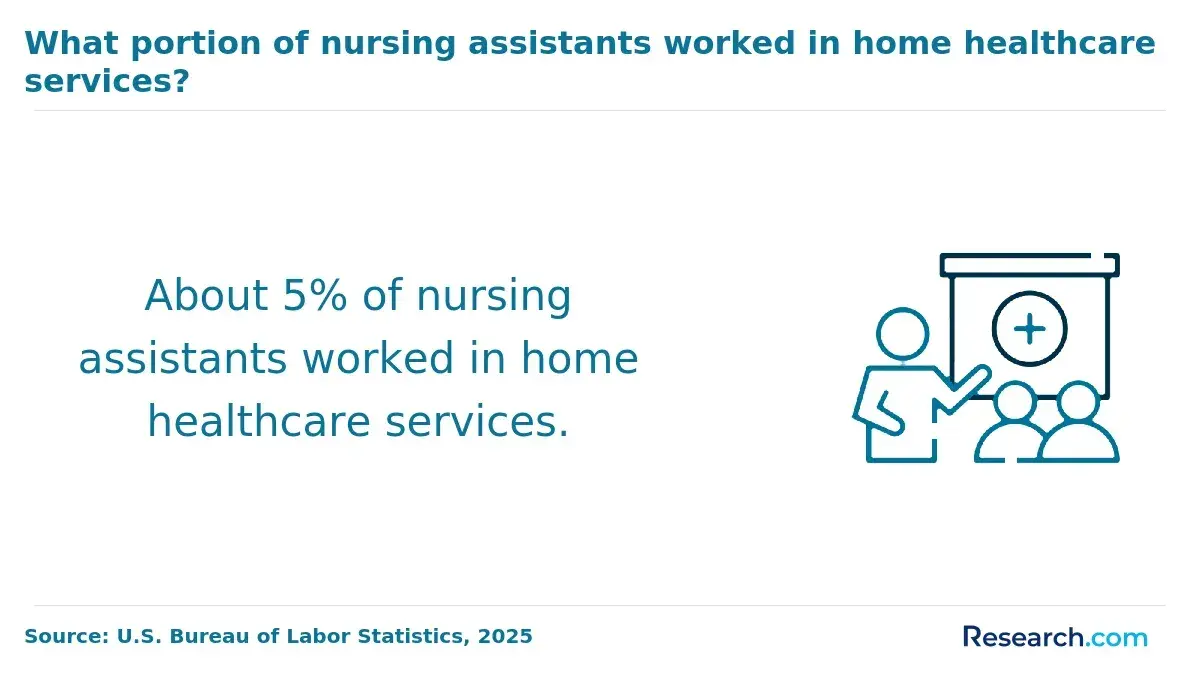
- Home Health Agencies: CNAs provide personal care, companionship, and light housekeeping in patients' homes. Agencies often offer both part-time and full-time roles, appealing to CNAs seeking flexible, individualized care experiences.
- Rehabilitation Centers: CNAs support patients undergoing recovery with daily activities and mobility exercises. These centers value new CNAs for their ability to work within multidisciplinary teams and develop specialized care skills early on.
What is the average salary for CNAs in Georgia?
CNA salaries in Georgia vary widely based on experience, work setting, and geographic location, making it important for certified nurse aides to understand pay trends when planning their careers. These salary differences can affect job choices and long-term earning potential. Below are key insights into certified nurse aide pay in Georgia to help guide your decisions.
- Average Hourly and Annual Pay: Certified nurse aides in Georgia typically earn between $15.36 and $25.79 per hour, translating to annual salaries from roughly $31,950 to $50,960. The common annual range cited is around $33,535 to $35,997, which is slightly below the national average of $38,130.
- Experience Level Impact: Entry-level CNAs start near $29,925 to $33,881 annually, while seasoned professionals can reach up to $85,923. Salary progression shows a clear benefit to gaining experience and skills, with median earners making about $35,000 compared to $26,600 at the lower end.
- Work Setting Differences: CNAs employed in hospitals, nursing homes, or home health agencies experience varied pay. Those working with higher-acuity patients or specialized care tend to earn more, reflecting the complexity and demand of their roles.
- Regional Salary Variations: Urban areas such as Atlanta offer higher compensation due to cost of living and healthcare demand, whereas rural and suburban areas may provide lower base pay but often have other advantages like reduced living costs.
- Additional Pay Factors: Shift differentials for evenings, nights, and weekends add $1-3 per hour, and overtime can significantly boost yearly income. Bonuses, tuition reimbursement, and hazard pay further enhance earnings potential for CNAs in Georgia.
For those interested in advancing within nursing, exploring most affordable online psychiatric nurse practitioner programs can be a practical step after gaining experience as a certified nurse aide in Georgia.
How can CNAs in Georgia advance to higher nursing roles?
Many certified nurse aides in Georgia leverage their foundational healthcare experience as a crucial stepping stone toward more advanced nursing careers. Advancing typically requires additional formal education, specialized certifications, and hands-on clinical training to expand both skills and earning potential. Below are common career advancement paths for CNAs in Georgia.
- Licensed Practical Nurse (LPN): CNAs can enroll in an approved LPN program, usually lasting about one year with classroom and clinical components. After passing the NCLEX-PN exam, they can earn a median salary near $48,000, considerably higher than CNA wages.
- Registered Nurse (RN): Pursuing an Associate Degree in Nursing (ADN) or a Bachelor of Science in Nursing (BSN) prepares CNAs for the NCLEX-RN exam. ADN programs take around two years, BSN programs about four, leading to an average salary of $77,000 in Georgia.
- Patient Care Technician (PCT): Some hospitals offer paid 8-week internships transitioning CNAs into PCT roles with slightly higher pay, between $35,000 and $40,000 annually, and enhanced clinical responsibilities.
- Specialized Nursing Roles: Short certificate programs in areas like medication or hospice aide boost hourly wages by $2-$5 and require just weeks to months of study.
- Leadership Positions: Experienced CNAs can become Lead CNAs or Unit Coordinators after additional leadership training and years of experience, gaining greater responsibility and modest salary increases.
What Do CNAs in Georgia Say About Their Career?
- Completing my CNA training at Atlanta Healthcare Academy was a turning point in my life. The program was thorough and hands-on, which gave me the confidence to start working as a certified nurse aide in a local school. It's incredibly fulfilling to care for students and contribute to their daily well-being. The stability of this career in Georgia has allowed me to focus on growing personally and professionally in ways I never imagined. Janine
- Starting my career as a CNA in a local school in Savannah gave me a unique perspective on the critical role we play in academic settings. Georgia's diverse community presented rewarding challenges that helped me develop resilience and empathy. This job feels meaningful because I'm not only assisting with health needs but also supporting young people's futures. The opportunity to make such a strong local impact keeps me motivated every day. Darren
- Training at Augusta Nursing Institute opened doors I didn't know existed in healthcare. Beyond the technical skills, the program in Georgia highlighted how cultural awareness and community ties strengthen patient care. Working as a CNA in a school allows me to advance my career steadily while giving back to the community that raised me. The path here is clear, and the professional growth opportunities make every step rewarding. Keisha
Related Articles for Nearby States
- 2027 Certified Nurse Aide (CNA) License Education Requirements in South Carolina
- 2027 Certified Nurse Aide (CNA) License Education Requirements in Florida
- 2027 Certified Nurse Aide (CNA) License Education Requirements in Alabama
- 2027 Certified Nurse Aide (CNA) License Education Requirements in Tennessee
- 2027 Certified Nurse Aide (CNA) License Education Requirements in North Carolina
- 2027 Certified Nurse Aide (CNA) License Education Requirements in Mississippi
- 2027 Certified Nurse Aide (CNA) License Education Requirements in Kentucky
- 2027 Certified Nurse Aide (CNA) License Education Requirements in Virginia
- 2027 Certified Nurse Aide (CNA) License Education Requirements in Louisiana
- 2027 Certified Nurse Aide (CNA) License Education Requirements in West Virginia
References:
- Certified Nursing Assistant Certificate – Community and Professional Education https://cpe.kennesaw.edu/courses/professional/certified-nursing-assistant-certificate/
- How physically demanding is working as a cna? - Medical Assistant, CNA/MA https://allnurses.com/how-physically-demanding-working-cna-t350471/
- How to Transition From Certified Nursing Assistant to Registered Nurse https://nursingeducation.org/degrees/cna-to-rn/
- Georgia CEU Requirements | CEUfast https://ceufast.com/staterequirements/georgia
- A.G. Rhodes hiring Certified Nursing Assistant ( CNA ) Cobb Community in Marietta, GA | LinkedIn https://www.linkedin.com/jobs/view/certified-nursing-assistant-cna-cobb-community-at-a-g-rhodes-4312993993
- Eligibility Criteria - Georgia Nurse Aide - Handbook https://kb-ga.credentia.com/en/article/eligibility-criteria
- CNA Classes & Programs in Georgia https://www.registerednursing.org/certified-nursing-assistant/programs/georgia/
- Salary: Certified Nursing Assistant in Atlanta, GA 2025 | Glassdoor https://www.glassdoor.com/Salaries/atlanta-ga-certified-nursing-assistant-salary-SRCH_IL.0,10_IM52_KO11,38.htm
- Nursing Assistant Program (CNA) — Georgia Training Center https://www.georgiatrainingcenter.org/cna
- CNA to LPN: Bridge to the Next Level of Nursing https://www.herzing.edu/pathway/cna-to-lpn
Other Things You Should Know About Certified Nurse Aide (CNA) License Education Requirements in Georgia
Applicants must submit proof of completing an approved training program, a state examination certificate, and a criminal background check. Transcripts or diplomas should also be included where applicable to ensure all educational and legal criteria are met.
To become a CNA in Georgia in 2027, you must complete a state-approved nurse aide training program, which includes at least 85 hours of instruction. This comprises 24 hours of clinical training under supervision. After completing the training, you must pass the Georgia Nurse Aide Competency Examination to obtain your certification.


