
2027 How to Become a Medical Assistant in Georgia Online

Co-Founder and Chief Data Scientist
Medical assisting is a growing profession in Georgia, with employment expected to increase by 18% over the next decade, according to state labor data. The median annual wage for medical assistants in Georgia is competitive, making it a viable career option for those seeking stability and growth in healthcare. Pursuing certification and training online eases access for many aspiring professionals.
This article outlines a clear, step-by-step guide on how to become a medical assistant in Georgia through online programs. Prepared by experts in career planning, it aims to provide accurate, up-to-date information tailored to help readers navigate their training and certification options efficiently.
Key Things to Know About Becoming a Medical Assistant in Georgia
- Enroll in a Georgia-accredited online medical assistant program offering both coursework and externship opportunities to meet state requirements.
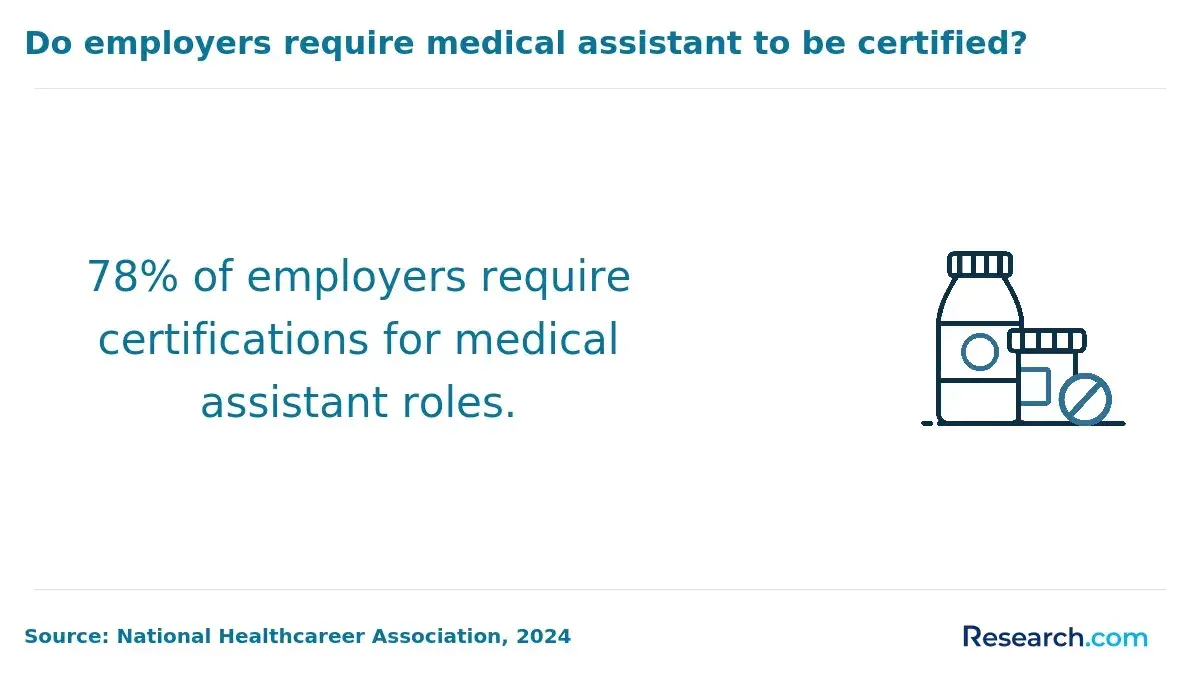
- Complete certification through organizations like the AAMA or NCCT to enhance job prospects, as Georgia employers often prefer certified candidates.
- Leverage Georgia’s growing healthcare sector, expecting a 19% job growth by 2030, by gaining practical skills and networking through virtual career services provided by the online schools.
- Can you become a medical assistant in Georgia through online programs?
- How long are online medical assistant programs in Georgia?
- Are online medical assistant programs in Georgia accredited?
- How do you get certified as a medical assistant in Georgia online?
- How long does it take to become a medical assistant in Georgia?
- How much does it cost to complete a medical assistant program in Georgia online?
- Can you get financial aid for online medical assistant training in Georgia?
- How can you leverage your online medical assistant training for diversified healthcare roles?
- What is the average salary for medical assistants in Georgia?
- Are online-trained medical assistants hired as often as campus-trained ones in Georgia?
- Do online medical assistant programs in Georgia lead to advanced healthcare careers?
Can you become a medical assistant in Georgia through online programs?
Online programs aimed at students who want to become a medical assistant in Georgia online offer important flexibility, allowing learners to study at their own pace and balance other life commitments. However, the main limitation remains the need for hands-on clinical training, which cannot be completed fully online and requires in-person participation. Key components of Georgia online medical assistant training programs include:
- Online Coursework: Theoretical topics like anatomy, medical terminology, and office procedures are delivered through digital platforms, giving students anytime access to lectures, videos, and quizzes.
- Hybrid Learning Models: While lectures and exams happen online, students must attend clinical labs or practical sessions in Georgia, combining convenient remote study with essential skills practice.
- Clinical Training/Externships: Real-world supervised clinical experiences in healthcare settings are mandatory to gain practical skills, as these cannot be simulated virtually.
- Program Length and Pacing: Completion times range from 4 to 16 months, depending on credential type, with many programs offering self-paced options to accelerate progress.
- Skill Development: Students develop both administrative and clinical skills and often receive tools like stethoscopes to enhance home practice.
- Certification Preparation: Graduates are prepared for national certification exams such as CCMA or RMA, certifications valued by Georgia employers.
- Georgia Workforce Context: With an 18% job growth projection through 2032, flexible online training pathways support the state’s growing demand for medical assistants.
For those considering options after training, understanding the average salary of a medical coder can provide additional context for healthcare career pathways related to medical assisting.
How long are online medical assistant programs in Georgia?
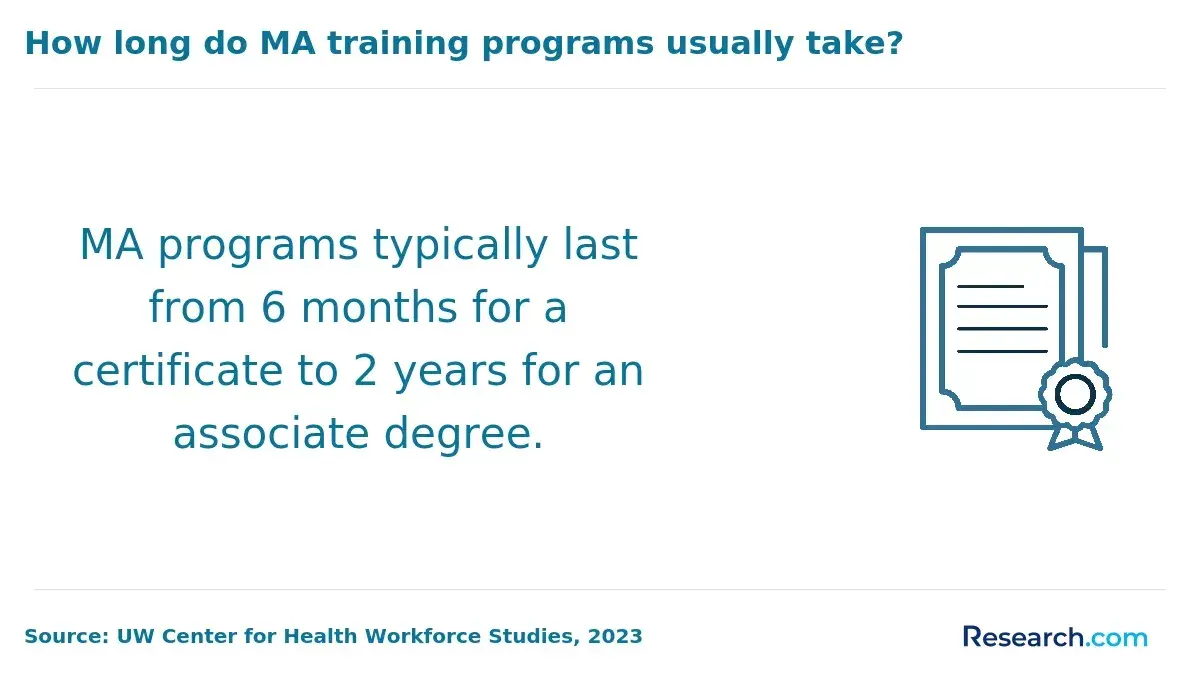
The duration of online medical assistant programs in Georgia depends largely on the credential type you choose. Certificate and diploma programs offer quicker paths, usually under a year, while associate degree programs provide a more comprehensive education that can take up to two years. Selecting the right timeline aligns with your career goals and when you want to start working in healthcare.
- Certificate Programs (4–7 Months): These programs are the fastest option and often self-paced, allowing completion in as little as four to seven months. They focus on essential clinical and administrative skills to prepare students for entry-level roles and certification exams.
- Diploma Programs (9–12 Months): Diploma options typically take between nine and twelve months and may offer a hybrid format. These include deeper instruction in medical terminology, anatomy, and hands-on externships to build practical experience preferred by Georgia employers.
- Associate Degree Programs (16–24 Months): An associate degree usually requires one and a half to two years and adds general education courses such as math and communication. This path enhances career mobility and qualification for more advanced roles, often combining online learning with clinical labs and externships.
For those trying to decide how long is online medical assistant school in Georgia, keep in mind that faster programs are ideal if you want to enter the workforce quickly, while associate degrees can provide stronger long-term benefits. Also, consider exploring complementary career options and how they relate to medical assisting, such as the medical biller and coder career path, which might broaden your employment prospects in healthcare administration.
Are online medical assistant programs in Georgia accredited?
Accreditation is essential to ensure that online medical assistant programs in Georgia maintain high educational standards and effectively prepare students for their careers. It directly impacts the quality of training, ensuring graduates acquire the skills needed to meet Georgia medical assistant certification requirements and succeed in healthcare settings. In Georgia, two primary organizations accredit these programs, each playing a distinct role:
- Commission on Accreditation of Allied Health Education Programs: CAAHEP is a widely recognized authority that evaluates programs based on curriculum quality, faculty qualifications, and student services. Completing a CAAHEP-accredited program allows students to sit for the Certified Medical Assistant (CMA) exam, a key credential for employment in many healthcare environments.
- Accrediting Bureau of Health Education Schools: ABHES accredits both medical assistant programs and institutions, with an emphasis on continuous improvement and student success indicators. Its accreditation is respected by employers and certification boards, increasing graduates’ competitiveness in the job market.
Choosing an accredited online medical assistant program in Georgia ensures training aligns with industry standards and state certification needs, giving students a practical path toward their careers. Accreditation also improves access to job opportunities by signaling program quality to employers. For those looking into career options related to what is healthcare medical billing and coding, attending an accredited program can provide a solid foundational knowledge helpful in various healthcare roles.
How do you get certified as a medical assistant in Georgia online?
Certification as a medical assistant in Georgia enhances job prospects by demonstrating verified skills and professionalism. Online education offers flexibility to balance coursework with other responsibilities, making certification more attainable without compromising quality.
- Earn a High School Diploma or GED: This is the essential starting point for enrolling in any accredited medical assistant training program.
- Complete an Accredited Online or Hybrid Program: Choose a program accredited by recognized agencies like CAAHEP or ABHES, which combines online coursework with structured timelines, typically lasting 9–24 months.
- Fulfill Clinical Externship Requirements: Engage in hands-on, supervised clinical experience at approved healthcare facilities to develop essential practical skills, a mandatory part of accredited programs.
- Prepare for National Certification Exams: After program completion, study for exams such as the CMA, RMA, or CCMA, which validate both medical knowledge and clinical competencies.
- Maintain Certification and Apply for Jobs: Stay current with continuing education or recertification as required, while leveraging certification to access diverse medical assistant roles statewide.
- Optional Specialized Permits: Consider additional training and licensing for specialized duties, such as limited x-ray machine operator permits, if relevant to your career goals.
Online pathways provide a practical route to certification by accommodating varied schedules and locations, while accredited programs ensure clinical experiences equip candidates with the skills employers expect in Georgia’s healthcare field.
How long does it take to become a medical assistant in Georgia?
The time required to become a medical assistant in Georgia depends largely on the chosen educational program, state certification preferences, and the clinical training component. Certificate or diploma programs offer the fastest path, typically lasting 9 to 12 months, with hands-on externships built into the curriculum. Associate degree programs take longer, usually between 18 and 24 months, and include more general education alongside specialized training. While Georgia does not mandate certification, many employers prefer candidates with credentials like the Certified Medical Assistant (CMA), which may require additional study time. Clinical externships, often consisting of 160 to 200 hours, are a critical part of training and can influence how quickly students complete their programs.
Most students entering the medical assistant field in Georgia finish their training anywhere from several months to two years. Those pursuing diplomas often complete their programs quickly and enter the workforce sooner, while associate degree students benefit from broader coursework that could open more career doors but take longer to graduate. To accelerate the process, students can choose programs with integrated externships and exam preparation. However, managing externship schedules and balancing coursework can extend the timeline.
One medical assistant from Georgia shared that after graduating from a local online program, the flexibility allowed them to manage family and work commitments, but the clinical hours still required careful planning. They remarked, “It felt like balancing two full-time roles at once, but the clear deadlines helped me stay focused and finish in just under a year.” This experience highlights how the timeline can vary but remains achievable with dedication.
How much does it cost to complete a medical assistant program in Georgia online?
Costs to complete an online medical assistant program in Georgia vary based on the program type and institution. Some schools offer all-inclusive fees covering most expenses, while others may charge separately for textbooks or supplies. Understanding these components can help you budget effectively and choose a program that fits your financial situation.
- Tuition Fees: Tuition typically ranges from around $2,500 to $2,990, though prices vary by school and program format. Some programs offer flexible monthly payment plans to spread out costs, making them more manageable.
- Textbooks and Supplies: While some programs include textbooks and medical supplies in the tuition, others require you to purchase them separately. Essential items like stethoscopes or blood pressure cuffs might be part of the package or bought on your own.
- Technology Fees: Most programs embed technology fees into their overall cost, but you should have a reliable computer and internet connection for online participation. Check if your chosen program requires any additional software or hardware.
- Exam Preparation Costs: Many programs include exam preparation materials and exam vouchers in their tuition. This can cover study guides, practice tests, and fees for certification exams like the CCMA, reducing your out-of-pocket expenses.
Knowing the breakdown of these costs allows you to anticipate expenses and avoid surprises during your education. This clarity lets you compare programs smartly, seek scholarships, and plan effectively to complete your training without financial stress.
Can you get financial aid for online medical assistant training in Georgia?
Financial aid can significantly reduce the cost of online medical assistant training in Georgia, making it a practical option for many students. Various resources are available depending on program type, accreditation, and student eligibility, helping to ease tuition and exam expenses.
- Federal Grants: Pell Grants and similar aid are accessible for students in accredited programs who demonstrate financial need. Short-term certificates may not always qualify, so check with your school.
- Student Loans: Federal loans offer lower interest and better terms for degree or diploma students, while private loans are also an option, but usually less favorable.
- State Grants and Scholarships: Programs like Georgia’s HOPE Grant provide tuition support for eligible residents at approved institutions.
- School Scholarships and Payment Plans: Many schools offer scholarships or flexible monthly payments to help manage costs.
- Employer Tuition Assistance: Some healthcare employers support employees pursuing certification with tuition reimbursement.
One medical assistant from Georgia shared her experience navigating financial aid while completing an online program at a local school. She recalled the initial uncertainty about which funds applied to online training but found that combining a state HOPE Grant with a small federal loan covered most expenses. “I felt relieved after talking to the financial aid office—they explained everything clearly, and their payment plan made it manageable month to month.” Her story highlights the importance of reaching out early and exploring all aid options to successfully afford training costs.
How can you leverage your online medical assistant training for diversified healthcare roles?
Online programs in medical assisting build both practical skills and a flexible foundation that can be strategically used to transition into other healthcare specialties. Graduates may explore targeted certifications or advanced training that open doors to roles such as administrative management, specialized clinical support, or even entirely different allied health careers. For instance, integrating focused study modules with tailored externships can prepare you for comprehensive roles in patient care and interdisciplinary teamwork. Additionally, building on your clinical experience can help you transition into roles in rehabilitation or therapy—learn more about how to become an occupational therapist in Georgia for further career diversification.
What is the average salary for medical assistants in Georgia?
Medical assistant salaries in Georgia vary notably based on geographic location, experience level, and healthcare settings. Whether you complete your training online or in person generally does not affect your salary, as employers prioritize certification, skills, and experience over training format. Understanding these salary differences is essential for practical career planning.
- Entry-Level Pay: New medical assistants in Georgia typically earn between $31,130 and $36,280 annually, or around $14 to $17 per hour. These roles often provide opportunities for rapid advancement as skills develop.
- Median Salary: The median annual wage stands at approximately $39,000, equating to about $19 per hour. This figure is lower than the national median but reflects Georgia’s comparatively lower cost of living.
- Experienced Wages: Medical assistants with extensive experience can earn from $46,200 up to nearly $52,000 annually, especially in higher-demand markets like Atlanta.
- Healthcare Setting Differences: Certified medical assistants, particularly those working in hospitals or specialized clinics, tend to earn higher salaries compared to those in smaller private practices.
By understanding these salary benchmarks, prospective medical assistants in Georgia can make informed decisions about education, certification, and job location to optimize their earning potential and career trajectory.
Are online-trained medical assistants hired as often as campus-trained ones in Georgia?
Employers in Georgia often weigh the differences between online and campus-based medical assistant training by focusing on hands-on experience and clinical skills. While some may initially prefer campus-trained candidates, the inclusion of clinical externships in reputable online programs helps level the playing field. Graduates from both training modes must demonstrate practical abilities to meet job expectations.
- Clinical Experience and Externships: Successful candidates complete clinical externships or internships, essential for gaining real-world medical assisting skills. These hands-on experiences are crucial regardless of whether the classroom instruction was online or on campus, making them a top priority for employers.
- Accreditation and Certification: Employers seek graduates from accredited programs who have earned certifications like the CCMA or CMA. Online options, including those leading to certification preparation, help students meet these standards and improve their employment chances.
- Employer Preferences: Some employers still show a preference for campus graduates due to familiarity with traditional training methods. However, thorough clinical practice and CPR certification offered by credible online programs are increasingly valued at the same level.
- Job Readiness and Versatility: Online programs frequently cover a broad range of skills such as phlebotomy, laboratory testing, patient scheduling, and medical record management. This comprehensive training helps online graduates stay competitive in medical assistant job opportunities for online graduates in Georgia.
- Regional Workforce Needs: Demand for medical assistants, especially in underserved areas, often outweighs training format preferences. Programs reporting high job placement rates highlight how practical skills can ensure successful employment. For those interested in expanding their healthcare skills, consider a 4 week medical coding course as a valuable addition to your qualifications.
Do online medical assistant programs in Georgia lead to advanced healthcare careers?
Medical assisting is an accessible entry point into healthcare, offering foundational skills that open doors to various patient care and office roles. Online medical assistant programs in Georgia provide the flexibility to gain valuable experience while managing other life commitments, making them an excellent option for those focused on online medical assistant programs in Georgia for career advancement. Career growth opportunities after completing these programs include:
- Licensed Practical Nurse (LPN) or Registered Nurse (RN): Many graduates use their medical assisting experience to transition into nursing programs. Georgia nursing schools may provide credit or advanced standing for prior healthcare experience, helping graduates succeed in clinical training.
- Healthcare Administration: Those interested in the business side of healthcare can pursue degrees in healthcare administration or management. With further education, graduates can move into supervisory or administrative roles, where median salaries in Georgia are strong, highlighting growth potential.
- Specialized Medical Assisting: Gaining certifications in areas like phlebotomy, EKG technology, or medical billing and coding can increase job responsibilities and salaries. Certifications from recognized bodies provide an edge in Georgia’s healthcare job market, and exploring medical coding and billing programs online can be a practical next step.
- Allied Health Professions: Medical assistant experience lays a foundation for allied health roles such as surgical technologist or respiratory therapist, which typically require further education but benefit from prior patient care skills.
- Bachelor’s and Graduate Healthcare Degrees: Many use their credentials to pursue advanced degrees in public health, physician assistant studies, or health informatics. Georgia’s programs often accept prior coursework for transfer credit, speeding up degree completion and supporting Georgia medical assistant education pathways to advanced healthcare roles.
What Do Medical Assistants in Georgia Say About Their Career
- Completing my medical assistant training through Georgia Healthcare Academy’s online program was a game-changer. The flexibility allowed me to balance work and study while gaining hands-on experience through their local internship partnerships. Now, working in a nearby school district, I feel proud knowing I help keep students healthy and ready to learn every day. The program prepared me well for the real challenges, especially with Georgia’s diverse population and health needs. I’m excited about growing in this career and giving back to my community. Janice
- Beginning my medical assistant career working in a local school set a solid foundation for my professional growth. The experience taught me patience and the importance of attentive care for children and adolescents. Knowing that I play a key role in supporting both their academic and personal well-being inspires me daily. Georgia’s unique cultural blend made this role particularly rewarding, as I get to assist families from all backgrounds. It’s fulfilling to know my work contributes positively to the community’s overall health environment. Colton
- Enrolling in Southern Wellness Institute’s online medical assistant program was the best decision I made for my future. The curriculum was comprehensive and tailored to meet Georgia’s healthcare standards, making it easy for me to transition into my role in a local school. I appreciate how the program encouraged professional development and soft skills like communication and empathy, essential in pediatric care. This career path has allowed me to address health disparities and become an advocate for students’ wellness through education and support. Louisa
Related Articles for Nearby States
- 2027 How to Become a Medical Assistant in South Carolina Online
- 2027 How to Become a Medical Assistant in Florida Online
- 2027 How to Become a Medical Assistant in Alabama Online
- 2027 How to Become a Medical Assistant in Tennessee Online
- 2027 How to Become a Medical Assistant in North Carolina Online
- 2027 How to Become a Medical Assistant in Mississippi Online
- 2027 How to Become a Medical Assistant in Kentucky Online
- 2027 How to Become a Medical Assistant in Virginia Online
- 2027 How to Become a Medical Assistant in Louisiana Online
- 2027 How to Become a Medical Assistant in West Virginia Online
References:
- Become a Medical Assistant in Georgia | Helms College https://www.helms.edu/how-long-does-it-take-to-become-a-medical-assistant-in-georgia/
- How Long to Become a Certified Medical Assistant in Atlanta https://www.cambridgehealth.edu/medical-assisting/become-a-medical-assistant/how-long-to-become-a-certified-medical-assistant-in-atlanta/
- Clinical Medical Assistant — Georgia Training Center https://www.georgiatrainingcenter.org/medicalassistant
- Online Certified Clinical Medical Assistant (CCMA) (Voucher Included) from Georgia College https://learnhere.gcsu.edu/training-programs/certified_clinical_medical_assistant/
- Northside Hospital’s Medical Assistant School Program https://jobs.northside.com/programs/medical-assistant-students/
- Become a Medical Assistant in Georgia https://medassisting.org/ga/
- Georgia Online Medical Assistant Certificate Program | Self-Paced Course https://www.uscareerinstitute.edu/online-medical-assistant-school/georgia
- Certified Clinical Medical Assistant (CCMA): Middle Georgia State University https://www.mga.edu/continuing-education/areas-of-study/clinical-medical-assistant.php
- Certified Clinical Medical Assistant (CCMA) at UGA https://www.georgiacenter.uga.edu/professional-programs/certified-clinical-medical-assistant-ccma-voucher-included/
- Online Certified Clinical Medical Assistant (CCMA) + Certified Electronic Health Records Specialist (CEHRS) (Vouchers Included) from Georgia Southern University https://careertraining.georgiasouthern.edu/training-programs/certified_clinical_medical_assistant_and_certified_electronic_health_records_specialist/
Other Things You Should Know About Becoming a Medical Assistant Online in Georgia
After completing an online medical assistant program in Georgia, certification from a recognized body such as the American Association of Medical Assistants (AAMA) is essential. Obtaining the Certified Medical Assistant (CMA) credential can enhance job prospects and is often a recommended step.
To enroll in an online medical assistant program in Georgia in 2026, you typically need a high school diploma or GED. Some programs may require prerequisite courses or healthcare experience, and you'll need a reliable internet connection for online coursework. Check specific program requirements for additional criteria.


