
2027 Certified Nurse Aide (CNA) License Education Requirements in Massachusetts

Co-Founder and Chief Data Scientist
Massachusetts reports a growing demand for Certified Nurse Aides (CNAs), with employment projected to rise by 12% over the next decade, reflecting the aging population and expanding healthcare needs. Pursuing a CNA license in this state offers a viable entry point into healthcare due to the balance of relatively short training periods and consistent job opportunities. However, potential candidates should weigh the challenges of rigorous training and certification processes against the benefits of a stable career in a critical field.
This article outlines the specific education requirements for obtaining a CNA license in Massachusetts. Developed by career planning experts, it aims to deliver clear, reliable information to help readers navigate the state's certification standards effectively. Understanding these requirements is essential for making informed decisions about advancing in healthcare careers.
Key Things to Know About CNA License Education Requirements in Massachusetts
- CNA candidates in Massachusetts must complete a state-approved training program consisting of at least 75 hours, including a minimum of 16 hours of clinical practice to ensure hands-on patient care experience.
- Applicants must pass the Massachusetts Nurse Aide Competency Exam, which tests both written knowledge and practical skills, reflecting the current healthcare standards and regulatory requirements.
- Due to workforce demands, some programs emphasize additional soft skills like communication and elder care, addressing the state's aging population and evolving healthcare needs.
- What are the education requirements to become a CNA in Massachusetts?
- What subjects are taught in CNA classes in Massachusetts?
- What steps are required to get a CNA license in Massachusetts?
- How long does it take to receive a CNA license in Massachusetts?
- How often do you need to renew your CNA license in Massachusetts?
- What continuing education is required for CNAs in Massachusetts?
- Could obtaining Medical Assistant Certification Enhance a CNA Career in Massachusetts?
- Can out-of-state CNAs transfer their license to Massachusetts?
- Which employers hire newly certified nurse aides in Massachusetts?
- What is the average salary for CNAs in Massachusetts?
- How can CNAs in Massachusetts advance to higher nursing roles?
What are the education requirements to become a CNA in Massachusetts?
Formal education and training are fundamental for preparing Certified Nurse Aides (CNAs) in Massachusetts to deliver safe and effective care across diverse healthcare environments. Well-structured programs ensure that CNAs gain essential clinical skills, understand patient rights, and communicate professionally-qualities essential to meeting the state's rigorous standards. Below are the key elements typically required for CNA training requirements in Massachusetts.
- Minimum Age Requirement: Applicants must be at least 16 years old to enroll in state approved CNA programs Massachusetts. This age threshold helps ensure candidates possess sufficient maturity and judgment for patient care responsibilities.
- State-Approved Training Program: Completion of a DPH-approved CNA training program is mandatory. These programs usually involve 100 to 120 hours of combined classroom instruction and supervised clinical practice, covering infection control, patient safety, and communication skills needed to work competently in healthcare settings.
- No Formal High School Diploma or GED Requirement: Massachusetts does not strictly require a high school diploma or GED for CNA candidates, though strong reading and communication skills are often expected. Individual training providers may still have varying enrollment prerequisites in this regard.
- Supervised Clinical Experience: Hands-on clinical training under licensed nurse supervision, typically lasting 25 to 40 hours, is crucial. This experience develops practical skills and exposes students to real patient-care scenarios, reinforcing their learning.
- Certification Exam: Candidates must pass the National Nurse Aide Assessment Program exam, which tests both knowledge and manual skills. Passing this exam permits listing on the state registry, authorizing practice as a CNA.
- Criminal Background Check: Prior to certification, applicants undergo a criminal background check to protect vulnerable populations in healthcare facilities.
For those considering career pathways in healthcare, understanding the fundamentals of CNA education is valuable. Exploring related fields can offer additional opportunities; for instance, learning how to start as a psychiatric nurse practitioner presents another route within nursing professions.
What subjects are taught in CNA classes in Massachusetts?
Certified nurse aide (CNA) training programs in Massachusetts focus on developing both the practical skills and theoretical knowledge essential for effective patient care. These programs blend classroom learning with clinical practice to prepare students for real-world healthcare environments. Below is an overview of the core subjects typically covered in Massachusetts CNA class curriculum topics, which form the foundation for competent and compassionate caregiving.
- Basic Nursing Skills: This area covers vital caregiving tasks such as monitoring body functions, measuring and recording vital signs, and maintaining patient records. Mastery of these skills ensures CNAs can support medical teams with accurate information and daily patient care activities.
- Personal Care and Patient Assistance: Training includes helping patients with bathing, grooming, dressing, toileting, and feeding while respecting their dignity. These tasks represent much of a CNA's day-to-day responsibilities and require sensitivity and attention to individual needs.
- Infection Control and Safety Procedures: Students learn techniques to minimize infection risks through medical asepsis, standard precautions, and isolation methods. This knowledge is critical in protecting both patients and healthcare workers from disease transmission.
- Communication and Interpersonal Skills: Effective interaction with patients, families, and healthcare teams is emphasized. CNAs develop skills to address emotional and social needs and build trusting relationships that enhance patient care.
- Patient Rights and Legal/Ethical Issues: This subject ensures CNAs understand professional boundaries, ethical practices, and patients' rights. It prepares aides to advocate for patients while operating within legal and ethical frameworks.
- Specialized Care Training: Programs often include modules on caring for patients with Alzheimer's and neurological disorders, helping CNAs manage behavioral changes and support memory-impaired individuals compassionately.
- Documentation and Record Keeping: Accurate reporting and recording of patient observations and care activities are taught to maintain continuity and coordination in healthcare delivery.
Those interested in exploring further healthcare career paths may consider this resource: how can I start as a holistic nurse practitioner.
What steps are required to get a CNA license in Massachusetts?
Completing the licensing process for a Certified Nurse Aide (CNA) in Massachusetts ensures that individuals meet state and professional standards necessary for quality patient care. This process balances regulatory compliance with practical training, serving as a safeguard for both patients and healthcare employers. The following are the typical steps involved in obtaining a CNA license in Massachusetts:
- Training Program Enrollment: Prospective CNAs must join a state-approved training program that combines classroom education with clinical practice. These programs cover essential topics such as patient care techniques and safety protocols, providing foundational skills for caregiving roles.
- Background Check and Medical Requirements: Prior to clinical training, candidates undergo background screenings like CORI/SORI and meet health prerequisites including vaccination and tuberculosis testing. This step helps protect vulnerable patient populations and maintain workplace safety.
- Completing Training Hours: Candidates are required to finish a mandated number of hours, generally 75 classroom and 24 clinical, to gain hands-on experience. Adequate training time is crucial to develop competence in real-world care settings.
- Passing the CNA Competency Exam: The state exam assesses both theoretical knowledge and practical skills. Passing this exam demonstrates readiness to deliver safe, effective care under regulatory standards.
- Applying for State Certification: After successfully passing the exam, applicants submit documentation to the Massachusetts Nurse Aide Registry for official certification. This validates their authorized status to work as CNAs in the state.
- Reciprocity (If Applicable): CNAs licensed in other states may apply for Massachusetts certification without retaking the exam, provided their credentials are current and valid. This process facilitates workforce mobility while maintaining consistent care standards.
How long does it take to receive a CNA license in Massachusetts?
The timeline for becoming a licensed Certified Nurse Aide (CNA) in Massachusetts is influenced by several variables, including the length of the training program enrolled in, availability of exam dates, and the time taken by state authorities to process licensure applications.
These factors can interact in unpredictable ways, meaning that while some candidates move through the process smoothly, others may face additional waiting periods or logistical hurdles that extend the overall timeframe.
Typically, completing a state-approved CNA training program in Massachusetts requires several weeks to a few months, with courses commonly ranging from 100 to 139 hours depending on the curriculum and any added certifications such as CPR or Home Health Aide training.
Following coursework, candidates must pass the Nurse Aide Competency Evaluation consisting of both written and clinical examinations. While the state permits multiple attempts for each exam component, scheduling these tests can add time, especially if testing slots are limited.
After successfully passing, some applicants may experience delays in licensure issuance due to background check turnaround times or state processing queues. Thus, while the educational and testing phases have somewhat predictable durations, the administrative period can vary considerably between individuals.
A certified nurse aide from Massachusetts, who completed training at a local community college, shared reflections on the process: "The coursework itself was intensive but manageable within three months. What surprised me was the wait for the clinical exam; slots were booked out longer than I expected, which added stress."
He also noted the background check took over a month, lengthening the waiting time for official licensure. "It was a mixture of eagerness and impatience, wanting to start working but knowing some steps just can't be rushed." Despite these challenges, he described the journey as rewarding, emphasizing that planning ahead and staying informed helped navigate uncertainties along the way.
How often do you need to renew your CNA license in Massachusetts?
Renewing a Certified Nurse Aide (CNA) license in Massachusetts is a key step for maintaining professional certification, ensuring continuing competency, and meeting the healthcare standards required at both state and federal levels. Staying current through the certified nurse aide recertification process Massachusetts helps CNAs demonstrate their ongoing ability to provide safe and effective care. Below are the essential details about the Massachusetts CNA license renewal frequency and associated requirements.
- Renewal Frequency: CNA certification in Massachusetts must be renewed every two years. This biennial renewal cycle aligns with efforts to keep nurse aides informed about evolving standards without imposing unnecessary administrative burdens.
- Renewal Deadlines: Although specific deadlines are not explicitly outlined, CNAs should check their personal certification status and renewal dates through the Massachusetts state registry to avoid lapses. Timely renewal is critical to maintaining active licensure and employment eligibility.
- Renewal Fees: There is no fee to renew a CNA license in Massachusetts, which reduces barriers for CNAs in maintaining certification and encourages ongoing compliance with state requirements.
- Continued Eligibility Requirements: To qualify for renewal, CNAs must have worked at least eight hours for pay as a nurse aide under nurse supervision during the certification period. This work requirement helps ensure that CNAs remain engaged with practical, nursing-related duties.
- Continuing Education: Unlike some healthcare professions, Massachusetts does not require CNAs to complete continuing education hours for license renewal. The focus remains on actual work experience rather than classroom hours.
For those interested in further advancing their nursing careers, exploring what are the best adult gerontology acute care nurse practitioner programs can be a beneficial next step beyond CNA certification.
What continuing education is required for CNAs in Massachusetts?
Continuing education helps certified nurse aides in Massachusetts improve their skills and adapt to the rapidly changing healthcare environment. Staying informed about best practices and patient care guidelines is essential for delivering safe and effective support in various care settings. While formal continuing education is valuable, the specific Massachusetts nurse aide renewal and CEU rules reflect a distinct approach that emphasizes practical competency.
Key aspects of CNA continuing education requirements in Massachusetts include:
- No mandatory CEU hours: Massachusetts does not require CNAs to complete a specific number of continuing education units (CEUs) for license renewal, differing from many other states that impose strict hour requirements.
- Employment-based competency: Active work experience in clinical settings is the primary way CNAs demonstrate maintained skills. Employers often rely on ongoing practice rather than formal coursework to assess competence.
- Voluntary training opportunities: Though not required by the state, CNAs frequently pursue additional education in areas such as dementia care, infection control, and specialized patient techniques to enhance career growth and expertise.
- Employer-specific mandates: Healthcare facilities or home health agencies may implement their own continuing education or in-service training requirements beyond the state's minimum standards to ensure quality care.
- Flexible course formats: CNAs can often access training through both in-person and online programs, allowing for adaptable learning schedules that accommodate working professionals.
- Recordkeeping: While formal CEU documentation is not generally required by the state, CNAs should keep records of any voluntary training completed to support employment verification or professional development.
For those exploring advanced nursing education pathways, considering the best online MSN to FNP program can be a strategic step toward expanded clinical responsibilities and leadership roles.
Could obtaining Medical Assistant Certification Enhance a CNA Career in Massachusetts?
Pursuing certification as a medical assistant offers CNAs an opportunity to expand their clinical skills and diversify job responsibilities. Integrating medical assistant training with existing CNA expertise can open doors to versatile roles, enabling professionals to manage both patient care and administrative tasks effectively. This additional credential can lead to a competitive edge in dynamic healthcare settings. For professionals interested in complementary training, explore how to become a medical assistant in Massachusetts.
Can out-of-state CNAs transfer their license to Massachusetts?
Massachusetts permits certified nurse aides (CNAs) licensed in other states to transfer their credentials through a process called reciprocity or endorsement. To qualify, applicants must hold an active CNA certification in good standing and undergo a verification process confirming their license status and disciplinary history.
The state requires a criminal background check but does not impose additional training or a state exam for most reciprocity applicants. This pathway recognizes existing qualifications while ensuring local competency standards are met.
To transfer a CNA license to Massachusetts, applicants must complete the state's reciprocity application and have it verified by their current state's nurse aide registry. The verified application is then submitted to Massachusetts within a 30-day window.
There are no fees involved, and processing typically takes about two weeks. Proof of certification and completion of the background check are necessary, but no further testing is required.
When I spoke with a Massachusetts certified nurse aide who graduated locally, she recalled her initial uncertainty about transferring her out-of-state license. "It wasn't as complicated as I feared," she said, noting how the clear instructions and lack of extra exams eased her transition.
Yet, she emphasized the importance of managing all paperwork promptly to avoid delays. Her experience highlighted the state's balanced approach: respecting previous credentials while maintaining standards for patient safety.
Which employers hire newly certified nurse aides in Massachusetts?
Newly certified nurse aides in Massachusetts find employment opportunities in diverse healthcare settings where they provide essential direct patient care and support to licensed nursing staff. Demand for entry-level CNAs remains strong across various facilities due to the continuous need for quality long-term and acute care services. These employers value the fresh skills and adaptability new CNAs bring to patient-centered roles.
- Hospitals and Medical Centers: CNAs in hospitals assist with monitoring vital signs, aiding daily activities, and transporting patients, often within fast-paced acute care environments. These settings hire new aides to support nursing teams and benefit from their current training and eagerness to learn specialized procedures.
- Nursing Homes and Long-Term Care Facilities: These employers rely heavily on CNAs to provide continuous care for elderly or chronically ill residents. New CNAs are welcomed for their up-to-date knowledge in patient hygiene and mobility, fitting varied shift schedules designed to ensure resident well-being around the clock.
- Home Health Agencies: In-home care allows CNAs to deliver personalized support such as bathing assistance and medication reminders in a flexible setting. Agencies often prefer new CNAs who are willing to build strong one-on-one relationships with clients and adapt to individualized care plans.
- Assisted Living Communities: CNAs here focus on supporting residents needing help with daily tasks while encouraging independence. These environments provide a less intense care setting, ideal for new aides to develop experience in geriatric support and patient comfort.
- Rehabilitation Centers: CNAs assist patients recovering from surgeries or injuries by supporting mobility exercises and therapy activities. These employers offer training and competitive wages to attract new CNAs eager to engage in post-acute care and gain specialized skills.
What is the average salary for CNAs in Massachusetts?
Certified nurse aide (CNA) salaries in Massachusetts vary widely depending on factors such as experience, the healthcare setting, and geographical location. These variations make a significant difference for CNAs planning their career paths or evaluating job opportunities. Understanding this pay landscape offers a clearer picture of potential earnings and growth within the profession. Below are key salary insights for certified nurse aides in Massachusetts:
- Average Hourly and Annual Pay: The average CNA hourly wage Massachusetts typically falls between $18.00 and $22.46, with annual salaries ranging from approximately $37,839 to $46,130. Different sources show slight variations, reflecting data collection differences and reporting periods.
- Pay Variation by Experience Level: Entry-level CNAs often start near $17.00 to $18.00 per hour. With experience, wages increase, and those in the higher percentiles earn up to $25.00 per hour or roughly $54,060 yearly, illustrating the impact of tenure and skill development on compensation.
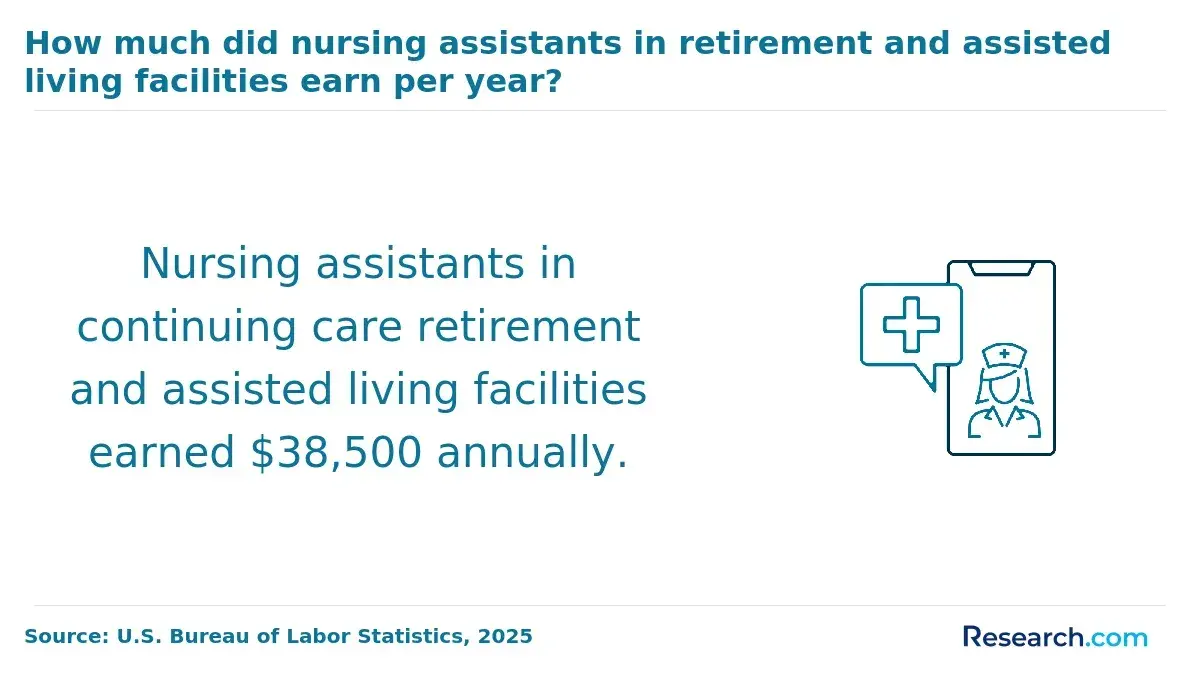
- Differences Across Healthcare Facilities: CNAs working in hospitals generally earn more than those in nursing homes, long-term care, or home health agencies. For instance, hospital-based CNAs tend to see median salaries higher than their counterparts in skilled nursing or assisted living facilities.
- Regional Pay Trends Within Massachusetts: Greater Boston and urban centers offer higher wages due to elevated living costs and healthcare demand. Salaries in rural areas may be closer to or below the state average, highlighting location as a critical factor affecting earnings.
- Additional Factors Influencing Earnings: Shift differentials, overtime, union membership, and bonuses all play roles in CNA pay. CNAs seeking higher credentials or further education may access advanced roles with better pay, emphasizing the importance of professional development.
For those navigating CNA education options alongside salary considerations, resources like what is the cheapest online AGNP program can provide useful insights into affordable pathways for advancement within healthcare.
How can CNAs in Massachusetts advance to higher nursing roles?
Many certified nurse aides (CNAs) in Massachusetts leverage their foundational healthcare experience as a stepping stone toward more advanced nursing careers. Advancing beyond the CNA role typically requires additional education, specialized certifications, and further clinical training. These steps allow CNAs to enhance their skills, increase their responsibilities, and pursue higher earning potential. Below are common career advancement pathways for CNAs in Massachusetts.
- Licensed Practical Nurse (LPN): CNAs can become LPNs by completing a state-approved practical nursing program, usually about 10 months of full-time study. Financial support programs may assist with training costs, and LPNs generally earn significantly more than CNAs due to expanded responsibilities.
- Certified Medication Aide (CMA): This emerging credential allows CNAs to administer certain medications after additional training. Though specifics are still developing, the CMA is expected to provide higher pay and serve as a bridge toward licensed nursing roles.
- Registered Nurse (RN): Pursuing RN status requires an associate or bachelor's degree in nursing, with programs recognizing prior healthcare experience. RNs earn substantially higher wages, reflecting their greater clinical responsibilities.
- Specialized Certifications: CNAs may obtain focused credentials such as home health aide or dialysis technician through short training, offering modest pay increases and valuable experience that can support further nursing education.
What do CNAs in Massachusetts say about their career?
- Carlos: "Enrolling in the Northeast Health Institute's CNA program helped me develop the professional skills necessary to thrive in educational healthcare environments. Starting my career in a local school meant I could directly impact the well-being of young students while embracing the challenges of a fast-paced academic setting. The Commonwealth's emphasis on health initiatives enhances our ability to provide excellent care. Reflecting on my journey, I appreciate how this role continues to foster my growth and offers many avenues for advancement in healthcare."
- Tanesha: "Graduating from the Greater Boston Care Academy opened doors I never expected. Working as a certified nurse aide in a local school has allowed me to connect with students and families from diverse backgrounds, enriching my understanding of community health needs in Massachusetts. The cultural richness of the area presents unique challenges but also incredible opportunities for advocacy and education. This career constantly pushes me to grow professionally and reminds me daily of the impact compassionate care has on young lives."
- Alisha: "Completing my CNA training at Baystate Nursing Academy was truly a turning point in my life. The hands-on experience they provided made me confident to start working in a local school setting right after graduation. I cherish the opportunity to support children with special needs, improving their daily lives and helping them succeed academically. Massachusetts offers a unique blend of resources and inclusive programs that make this work especially rewarding. This career path has not only given me job stability but also a profound sense of purpose."
Related Articles for Nearby States
- 2027 Certified Nurse Aide (CNA) License Education Requirements in Rhode Island
- 2027 Certified Nurse Aide (CNA) License Education Requirements in Connecticut
- 2027 Certified Nurse Aide (CNA) License Education Requirements in New Hampshire
- 2027 Certified Nurse Aide (CNA) License Education Requirements in New York
- 2027 Certified Nurse Aide (CNA) License Education Requirements in Vermont
- 2027 Certified Nurse Aide (CNA) License Education Requirements in New Jersey
- 2027 Certified Nurse Aide (CNA) License Education Requirements in Maine
- 2027 Certified Nurse Aide (CNA) License Education Requirements in Pennsylvania
- 2027 Certified Nurse Aide (CNA) License Education Requirements in Delaware
- 2027 Certified Nurse Aide (CNA) License Education Requirements in Maryland
References
- The 21 Free CNA Reciprocity States https://nursa.com/blog/free-cna-reciprocity-states
- Nursing vs. CNA physical stress - Medical Assistant, CNA/MA https://allnurses.com/nursing-vs-cna-physical-stress-t543597/
- Certified Nursing Assistant Salary in Massachusetts (October 01, 2025) | Salary.com https://www.salary.com/research/salary/benchmark/certified-nursing-assistant-salary/ma
- CNA Classes & Certification | How to Become a CNA | Red Cross https://www.redcross.org/take-a-class/lp/certified-nursing-assistant-nat
- CNA Vs MA: What's The Difference? | United Career Institute https://unitedcareer.edu/whats-the-difference-between-a-cna-vs-ma/
- Renewal information for Massachusetts certified nurse aides | Mass.gov https://www.mass.gov/info-details/renewal-information-for-massachusetts-certified-nurse-aides
- Certified Nurse Assistant (CNA) Salary by State | 2025 https://nurse.org/education/CNA-salary/
- Average Certified Nursing Assistant Salary in Massachusetts https://www.vivian.com/cna/massachusetts/salary/
- Salary: Certified Nursing Assistant in Massachusetts 2025 | Glassdoor https://www.glassdoor.com/Salaries/massachusetts-certified-nursing-assistant-salary-SRCH_IL.0,13_IS3399_KO14,41.htm
- Per Diem Nursing Jobs for Certified Nurse Assistant in Massachusetts up to $20 | AMN Healthcare https://www.amnhealthcare.com/careers/nursing/apply/per-diem-certified-nurse-assistant-nursing-jobs-in-massachusetts/
Other Things You Should Know About Certified Nurse Aide (CNA) License Education Requirements in Massachusetts
In 2027, to renew your CNA certification in Massachusetts, you need to have worked at least eight hours as a CNA within the past two years and provide proof of employment. Additionally, it's important to maintain a record of ongoing training or in-service education, as required by state regulations.
To become a CNA in Massachusetts in 2027, candidates must complete a state-approved nurse aide training program, which includes at least 75 hours of classroom and clinical instruction. Following the program, they must pass the Massachusetts Nurse Aide Competency Evaluation Program (NACEP) exam to obtain certification.
The CNA training curriculum in Massachusetts in 2027 covers infection control, basic nursing skills, personal care, communication, safety procedures, and residents' rights. It includes both classroom instruction and clinical training, typically requiring at least 75 hours to complete, adhering to state and federal guidelines.


