
2027 How to Become a Medical Assistant in Massachusetts Online

Co-Founder and Chief Data Scientist
Massachusetts employs over 17,000 medical assistants, reflecting steady demand in healthcare. The state's growing healthcare sector offers competitive salaries and diverse opportunities, making this career path appealing. However, potential candidates should consider the rigorous training and certification requirements to ensure job readiness. Online medical assistant programs can provide flexible, affordable training, but the quality and accreditation of such courses vary widely.
This article evaluates these factors critically to offer a balanced view. It examines the steps to become a medical assistant in Massachusetts through online education, guided by expert career advisors, helping readers access reliable, essential information to make informed decisions.
Key Things to Know About Becoming a Medical Assistant in Massachusetts
- Choose an accredited online program: verify MA state approval to ensure your certification will be recognized by local employers and meet national standards.
- Complete required clinical training: although coursework can be online, practical hands-on experience is essential, often arranged locally through affiliated healthcare facilities.
- Prepare for certification exams like CMA or RMA—certification improves job prospects in Massachusetts, where healthcare employment is growing but competitive.
- Can you become a medical assistant in Massachusetts through online programs?
- How long are online medical assistant programs in Massachusetts?
- Are online medical assistant programs in Massachusetts accredited?
- How do you get certified as a medical assistant in Massachusetts online?
- How long does it take to become a medical assistant in Massachusetts?
- How much does it cost to complete a medical assistant program in Massachusetts online?
- Can you get financial aid for online medical assistant training in Massachusetts?
- What is the average salary for medical assistants in Massachusetts?
- Are online-trained medical assistants hired as often as campus-trained ones in Massachusetts?
- Do online medical assistant programs in Massachusetts lead to advanced healthcare careers?
- What Are the Career Advancement Prospects for Online-Trained Medical Assistants in Massachusetts?
Can you become a medical assistant in Massachusetts through online programs?
Online medical assistant programs in Massachusetts offer students significant flexibility, making it easier to balance education with work or family duties. However, these programs also have limitations, particularly in providing hands-on clinical training essential for career readiness. The following points outline key aspects of pursuing medical assistant education through online or hybrid models:
- Online Coursework: Foundational topics such as anatomy, medical terminology, and office procedures can be completed fully online using self-paced lessons and virtual support services.
- Hybrid Learning Models: Many programs combine online academic content with required in-person clinical labs and externships to ensure practical skill development.
- Clinical Training: In-person clinical experiences are mandatory for demonstrating competencies like vital signs measurement and injection administration, which cannot be replaced by virtual simulations.
- Program Duration and Flexibility: Options range from accelerated certificates lasting a few months to associate degrees over one to two years, with some allowing up to six months for self-paced completion.
- Workforce Preparation: These programs prepare students to become certified medical assistants online in Massachusetts and to pass national exams, supporting strong job prospects in the state’s growing healthcare sector.
For those considering their path, understanding how long does medical billing and coding education take can also provide perspective on program timelines and planning.
How long are online medical assistant programs in Massachusetts?
The length of an online medical assistant program in Massachusetts depends largely on the type of credential a student pursues—whether it is a certificate, diploma, or associate degree. Each option offers different timelines and commitments, aligning with diverse career goals and personal schedules. Understanding these timelines helps in choosing a program that best fits one's needs and expectations.
- Certificate or Diploma Programs: These programs are generally the quickest route to entering the workforce, often taking between 4 to 12 months to complete. They offer focused training on essential clinical and administrative skills, preparing students for certification exams. This shorter duration appeals to those seeking fast-track employment but may have limited scope compared to degree programs.
- Associate Degree Programs: Taking about two years of full-time study, associate degrees provide a broader educational foundation, including general education courses in addition to medical assisting content. These programs might open doors to more advanced roles and allow credit transfer toward bachelor’s degrees, though are less commonly offered fully online in Massachusetts.
- Accelerated Online Programs: Designed for highly motivated learners, some accelerated options can be completed in as little as six weeks, with extended access periods of up to six months for flexibility. These programs require disciplined time management and usually include certification preparation, balancing speed with thoroughness.
Considering how long to become a medical assistant online in Massachusetts involves weighing the speed of entry against the depth of education and career aspirations. Shorter programs quickly meet employer preferences for certification but may limit advancement prospects. Conversely, associate degrees offer expansive learning but require a longer commitment. Exploring the differences between medical certifications, such as CBCS vs CPC which is better for medical coding, can also inform the best path forward in related healthcare fields.
Are online medical assistant programs in Massachusetts accredited?
Accreditation plays a vital role in assuring the quality and effectiveness of any medical assistant training, especially for those pursuing accredited online medical assistant programs Massachusetts offers. It confirms that the program meets national educational standards, equipping students with the knowledge and skills required for certification exams and real-world practice. Without appropriate accreditation, students risk investing time and money in programs that may not be recognized by employers or certification bodies.
- Commission on Accreditation of Allied Health Education Programs: CAAHEP is the leading accrediting agency for health sciences programs, including medical assisting. It assesses programs based on curriculum rigor, faculty qualifications, clinical training components, and student outcomes. Graduates of CAAHEP-accredited programs qualify to take the Certified Medical Assistant (CMA) exam, a credential widely respected in Massachusetts and beyond.
- Accrediting Bureau of Health Education Schools: ABHES accredits both traditional and online medical assistant programs, focusing on institutional quality, curriculum effectiveness, and student support services. Completing an ABHES-accredited program enables graduates to pursue the Registered Medical Assistant (RMA) credential through the American Medical Technologists, which many employers in Massachusetts recognize.
Choosing a Massachusetts online medical assistant program accreditation from either CAAHEP or ABHES ensures students receive comprehensive instruction that blends theory with practical clinical experience. This accreditation helps safeguard students’ eligibility to sit for national certification exams, a critical step for securing employment in a competitive healthcare environment. Since many employers favor or require certification, accredited training significantly enhances career prospects. To further understand the job tasks for medical billers and coders and related roles, exploring accredited programs is an important foundational step.
How do you get certified as a medical assistant in Massachusetts online?
Certification serves as a valuable credential that signals a medical assistant’s competence and dedication, which can enhance job prospects in Massachusetts’ competitive healthcare field. Online education offers a practical way to complete required training with flexibility, accommodating varied schedules while still meeting state and national benchmarks.
- Enroll in an Accredited Online or Hybrid Program: Select a program recognized by national certifying bodies such as the CCMA, CMA, or RMA. Many online options are self-paced and can be completed within several months, making them accessible to students balancing other responsibilities.
- Complete Core Coursework Online: Study essential topics including anatomy, medical terminology, clinical procedures, and healthcare regulations through interactive modules designed to ensure a thorough understanding.
- Fulfill In-Person Clinical Requirements: Complete a mandatory externship or clinical internship, typically involving 200+ hours in a healthcare environment to practice practical skills under supervision, ensuring hands-on competency.
- Meet Prerequisites and Health Requirements: Be aware that while age and educational background criteria vary, health clearances and immunizations are necessary for clinical placement participation, as mandated by state health authorities.
- Prepare for and Take a National Certification Exam: After training, sit for certification exams like the CMA, CCMA, or RMA, which often require preparation included in many programs; certification improves employability though it is not legally mandatory.
Choosing online pathways for medical assistant certification in Massachusetts can offer significant flexibility and accessibility without compromising the rigor necessary for clinical proficiency and professional recognition. Balancing online learning with local clinical experience, these programs support students in meeting comprehensive standards essential for employment in healthcare settings.
How long does it take to become a medical assistant in Massachusetts?
The time required to become a medical assistant in Massachusetts varies significantly based on several factors, including the length of the chosen educational program, the necessity of clinical training, and whether certification is pursued. Certificate or diploma programs tend to be the quickest, often lasting between eight and twelve months, while associate degree programs offer a more comprehensive education, typically taking eighteen to twenty-four months. Additionally, the amount of supervised clinical practice incorporated within these programs can influence the timeline, as hands-on experience is essential for workforce readiness. Although certification is not legally required in Massachusetts, preparing for credentials like the CMA or RMA exams may add some months after graduation and can impact employment opportunities. These variables create a spectrum of pathways, each with different implications for the overall duration before entering the workforce.
Most students complete their medical assistant training within one to two years, but individual experiences vary depending on the program choice and scheduling flexibility. Those enrolled in accelerated or full-time certificate programs often enter the workforce more quickly, whereas part-time students or those opting for an associate degree may take longer. The decision to seek certification after graduation can either speed up hiring chances or extend preparation time. While some may finish clinical hours promptly, others might face delays due to limited placement availability or personal commitments. A medical assistant from Massachusetts who completed an online program at a local school shared that balancing work and study required careful time management, noting, “It took me about a year and a half because I had to juggle clinical hours with a full-time job, but the online format gave me the flexibility I needed.” This experience underscores how timelines can differ but remain manageable with determination and adaptable program structures.
How much does it cost to complete a medical assistant program in Massachusetts online?
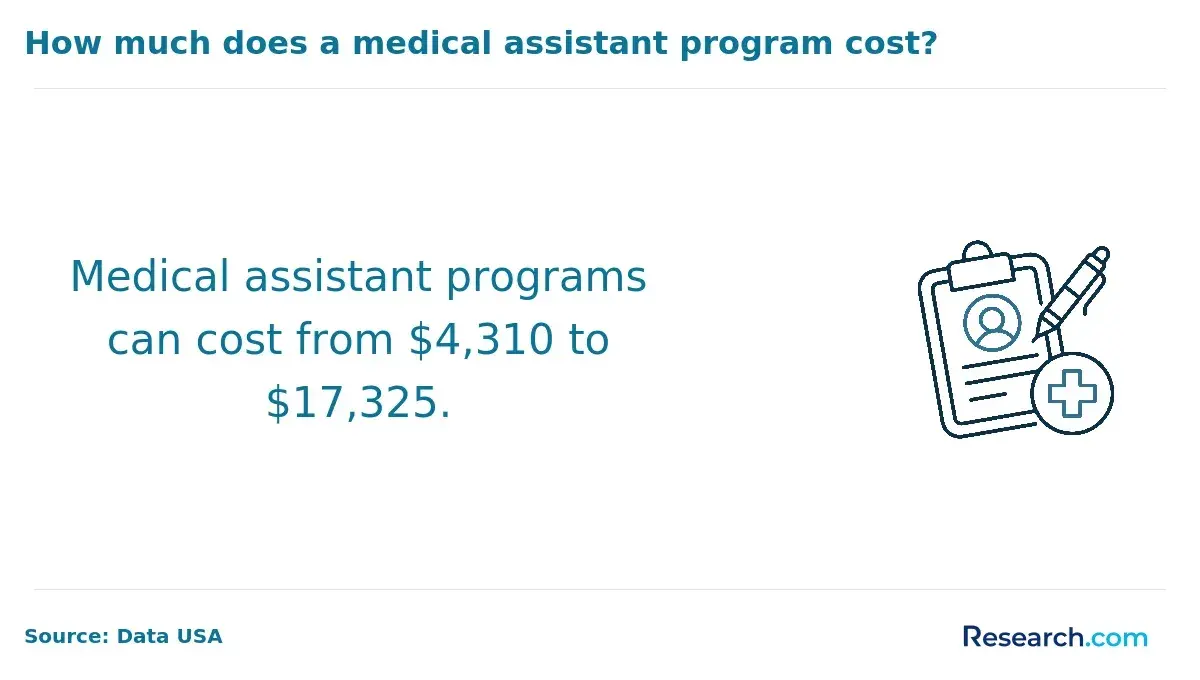
The cost to complete a medical assistant program online in Massachusetts can differ widely based on the type of institution, program length, and additional fees. Public community colleges generally offer more affordable tuition for in-state residents, while private or for-profit schools might have higher costs. Alongside tuition, students should consider expenses like textbooks, technology fees, and certification exam costs, which add to the overall investment.
- Tuition: Tuition varies depending on residency and school type. Public community colleges in Massachusetts typically charge between $224 and $240 per credit for residents, resulting in total costs from roughly $3,500 to $6,000. Some private programs use flat-rate pricing, such as the U.S. Career Institute’s options of around $1,439 upfront or $79 monthly payments totaling about $1,739. Certain residents may qualify for state programs that cover tuition and supply allowances.
- Textbooks and Supplies: These costs can reach up to $1,200, particularly at community colleges. While some programs require students to purchase their own materials, others include specific supplies like stethoscopes within tuition fees. State aid programs might also assist eligible students with these expenses.
- Technology Fees: Distance learning often involves additional fees to support online platforms and services, ranging from $50 to $300 over the course duration. These fees differ by institution and are sometimes included in tuition.
- Exam Preparation and Certification Costs: Certification exam fees generally range from $125 to $259. Some online programs bundle exam costs, study guides, and practice tests within tuition, while others require separate payment. Community colleges may also provide vouchers for certification exams.
- Additional Fees: Students might face extra charges for application processes, background checks, immunizations, or clinical placements, which can total $100 to $400 depending on the program’s requirements.
Knowing these cost components helps students budget effectively and seek financial aid opportunities. Being aware of potential expenses beyond tuition promotes smarter decision-making and reduces the chance of unexpected financial burdens during the program.
Can you get financial aid for online medical assistant training in Massachusetts?
Financial aid can play a crucial role in making online medical assistant training in Massachusetts more affordable, helping students avoid hefty upfront costs and minimize debt. Various funding paths exist, but they come with important eligibility conditions and limitations that require careful consideration.
- Federal Financial Aid: Available mainly for degree programs at regionally accredited institutions, federal aid includes grants, loans, and work-study options through FAFSA. Shorter certificate programs often do not qualify.
- School-Specific Scholarships: Many programs offer scholarships based on merit, need, or demographics, which can partially or fully cover tuition, but eligibility rules vary by institution.
- Payment Plans: Flexible installment options let students spread out tuition payments over several months, reducing immediate financial pressure.
- Employer Tuition Assistance: Some healthcare employers in Massachusetts provide reimbursement or aid for employees pursuing medical assistant training, usually requiring a work commitment afterward.
- Private Scholarships and Grants: External organizations occasionally award scholarships targeting medical assistant students, but these often involve competitive applications with deadlines.
When I spoke with a medical assistant from Massachusetts who completed her training online at a local accredited school, she shared how navigating aid options was daunting initially. “I didn’t realize my certificate program wasn’t federal-aid eligible, so I had to rely on a mix of school scholarships and a manageable payment plan,” she explained. Employer assistance wasn’t an option for her at first, but it later helped cover certification costs. Although challenging, she found that thoroughly researching each aid type and contacting school advisors early was key. Her experience underscores the importance of proactive planning in accessing financial support for online medical assistant education in Massachusetts.
What is the average salary for medical assistants in Massachusetts?
Medical assistant salaries in Massachusetts vary notably based on factors such as geographic location, years of experience, and the healthcare setting in which one is employed. While training format—online versus traditional in-person instruction—does not directly influence salary, employers place strong emphasis on certification and practical skills when determining compensation.
- Entry-Level Pay: New medical assistants typically earn between $18 and $20 per hour, reflecting limited experience but the value of completed training and certification regardless of delivery method.
- Average Hourly Wage: The statewide average is approximately $24.61 per hour, translating to an annual salary near $51,000, which is above the national median.
- Experienced Wages: Seasoned medical assistants with specialized skills or certifications can earn $27 or more per hour, highlighting the financial benefits of career advancement.
- Healthcare Setting Differences: Hospital roles offer about $34,980 annually nationally, while private practices pay slightly less; outpatient care centers typically provide the highest salaries, often exceeding national averages in Massachusetts due to local economic factors.
Understanding these salary dynamics helps prospective medical assistants evaluate training options and anticipate career progression within Massachusetts’s diverse healthcare sectors.
Are online-trained medical assistants hired as often as campus-trained ones in Massachusetts?
Employers in Massachusetts often weigh online-trained and campus-trained medical assistants differently, primarily due to concerns about hands-on clinical experience. While campus programs offer in-person training that some see as more comprehensive, many online programs have adapted by integrating required externships to provide practical skills.
- Clinical Training Requirements: Both online and campus-based medical assistant programs in Massachusetts include hands-on clinical components essential for patient care. Programs like those offered in hybrid formats ensure students gain real-world experience, which most employers view as critical regardless of training location.
- Employer Preferences: Hiring decisions frequently prioritize recognized certifications and verifiable clinical experience over the format of education. Some employers still prefer campus-trained graduates for perceived rigor, but acceptance of accredited online training is growing, especially given workforce demands.
- Job Readiness: Candidates demonstrating proficiency in clinical procedures, communication, and administrative duties tend to be considered equally job-ready whether trained online or on campus. Completion of in-person externships within online programs plays a key role in bridging any gaps employers might perceive.
- Regional Workforce Needs: Massachusetts healthcare faces a steady need for medical assistants, sometimes prompting employers to be flexible about training formats in favor of practical skills and certification. This flexibility can influence the availability of online medical assistant jobs in Massachusetts.
- Accreditation and Certification: Accreditation by recognized bodies and preparation for national certifications remain top hiring criteria. Graduates from credible online programs that meet these standards are often on par with campus-trained applicants in employment opportunities.
For those exploring medical coding classes online, understanding the landscape of medical assistant employment Massachusetts online training can be beneficial. The evolving acceptance of online credentials alongside verified hands-on experience offers a practical route into this healthcare field.
Do online medical assistant programs in Massachusetts lead to advanced healthcare careers?
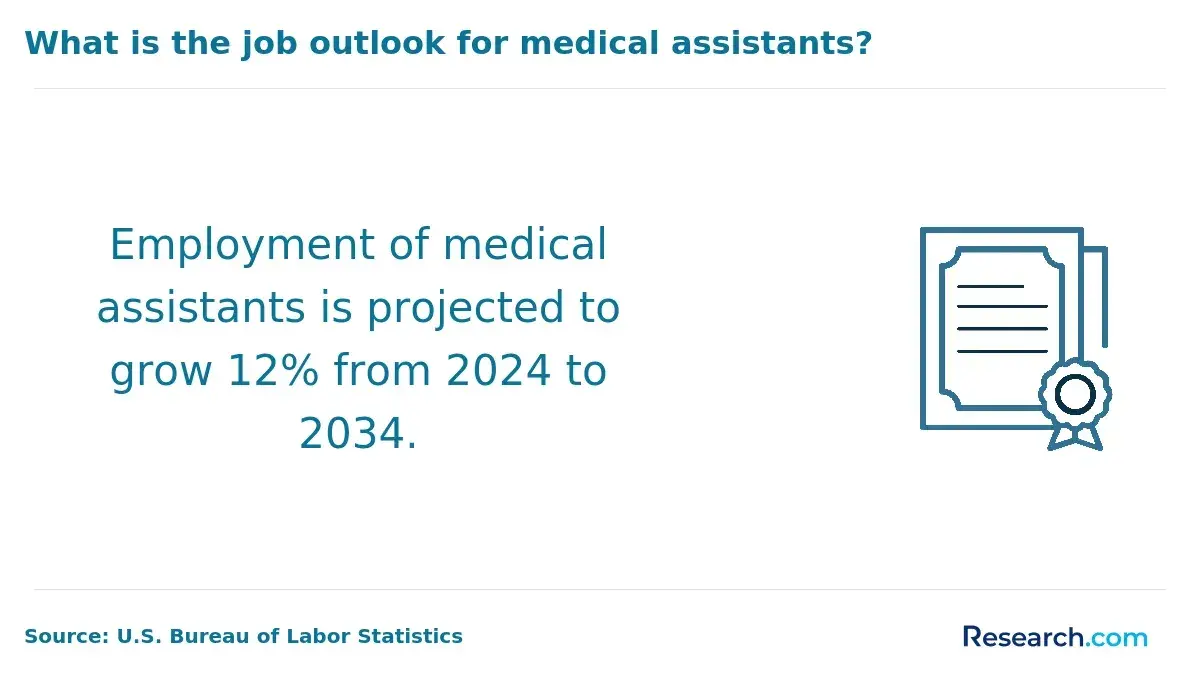
Medical assisting often serves as a practical entry point into Massachusetts’ healthcare sector, providing foundational clinical and administrative skills. Online medical assistant programs add valuable flexibility, allowing students—especially international graduates or working professionals—to pursue their education without disrupting other commitments. These programs can be a springboard toward diverse healthcare career options, making them a noteworthy consideration for those seeking online healthcare career opportunities in Massachusetts.
- Registered Nursing (RN): Many medical assistants leverage their hands-on experience to enter nursing. Bridge programs offered by community colleges recognize prior coursework and work experience, easing the transition to RN licensure and addressing regional demand for nurses.
- Healthcare Administration: For those inclined toward the business side of healthcare, further education in healthcare administration or business can open paths to managerial roles. Understanding clinical workflows combined with organizational skills is increasingly valued in Massachusetts healthcare settings.
- Specialized Medical Assisting: Additional certifications—such as in phlebotomy or EKG technology—enable medical assistants to specialize and potentially increase their earnings. Employers statewide recognize credentials from groups like the American Association of Medical Assistants.
- Advanced Certifications and Allied Health Careers: Certifications like Certified Clinical Medical Assistant (CCMA) or Certified Medical Administrative Assistant (CMAA) can lead to supervisory or more autonomous roles, reflecting growing allied health opportunities across the state.
- Pathways to Physician Assistant (PA) or Other Clinical Professions: Clinical experience gained as a medical assistant may be considered valuable by Massachusetts PA programs and medical schools. While advanced degrees require substantial additional education, early healthcare experience often strengthens applications.
Additionally, those interested in the clinical coding side of healthcare may benefit from exploring online medical billing and coding training programs, which complement medical assisting skills and expand workforce opportunities in Massachusetts.
What Do Medical Assistants in Massachusetts Say About Their Career
- Completing my medical assistant training online at Bay State Medical Academy was a game-changer. The flexibility of the program allowed me to balance work and study while gaining hands-on experience through virtual simulations and local clinicals. Starting my career in a nearby school’s health office has been incredibly rewarding, knowing that my skills directly support the well-being of the children in my community. Massachusetts’s focus on quality healthcare education made me feel confident stepping into this role. I’m proud to contribute to a healthier future for young people here. Jesse
- My journey through the online medical assistant program at MetroHealth Institute was both challenging and inspiring. The structured curriculum helped me grow professionally and personally, especially as I adapted to working in a local school environment. Encountering unique health concerns influenced by the diverse cultural makeup of Massachusetts pushed me to become more empathetic and resourceful. This role isn’t just a job; it’s a chance to impact lives daily, which motivates me to keep advancing my career in healthcare. Flynn
- Choosing an online program with New England Allied Health had a profound effect on my career trajectory. The convenience of remote learning combined with practical, state-aligned certification requirements made it an ideal choice. Working in a school setting within Massachusetts's evolving healthcare landscape challenged me to stay current and continuously improve my skills. Helping students overcome health barriers and being part of that support system has truly deepened my passion for this profession. I look forward to pursuing further certifications and leadership roles in the future. Gustav
What Are the Career Advancement Prospects for Online-Trained Medical Assistants in Massachusetts?
Online-trained medical assistants can leverage their foundational training as a springboard to advanced roles within the healthcare industry. Innovative online programs often provide pathways that include supplemental certifications and specialized coursework, enabling professionals to transition into roles with extended clinical or administrative responsibilities. Proactive engagement in continuing education and professional networking can facilitate entry into niche fields or managerial positions. Additionally, exploring interdisciplinary career opportunities, such as transitioning to allied healthcare roles with minimal additional prerequisites—see how to become an occupational therapist in Massachusetts—can further broaden one’s career trajectory.
Related Articles for Nearby States
- 2027 How to Become a Medical Assistant in Rhode Island Online
- 2027 How to Become a Medical Assistant in Connecticut Online
- 2027 How to Become a Medical Assistant in New Hampshire Online
- 2027 How to Become a Medical Assistant in New York Online
- 2027 How to Become a Medical Assistant in Vermont Online
- 2027 How to Become a Medical Assistant in New Jersey Online
- 2027 How to Become a Medical Assistant in Maine Online
- 2027 How to Become a Medical Assistant in Pennsylvania Online
- 2027 How to Become a Medical Assistant in Delaware Online
- 2027 How to Become a Medical Assistant in Maryland Online
References:
- Online Medical Assistant Program With Financial Aid https://www.stepful.com/post/online-medical-assistant-program-with-financial-aid
- Massachusetts Online Medical Assistant Certificate Program | Self-Paced Course https://www.uscareerinstitute.edu/online-medical-assistant-school/massachusetts
- Massachusetts Medical Assistant Programs Online: See Top Schools https://www.edumed.org/online-schools/medical-assistant-programs/massachusetts-ma/
- Online Medical Assistant Certification | CCMA https://advclinical.org/program/certified-medical-assistant/
- Medical Assistant | Massachusetts Bay Community College https://www.massbay.edu/academics/health-sciences/medical-assistant
- Medical Assistant Program | UEI College https://www.uei.edu/trade-school-programs/medical-assistant/
- Medical Assistant Certificate - University of Providence https://www.uprovidence.edu/academics/explore-programs/medical-assistant-certificate/
Other Things You Should Know About Becoming a Medical Assistant Online in Massachusetts
Online learning can potentially reduce the time required to become a medical assistant in Massachusetts by offering greater flexibility and enabling accelerated completion of coursework. Many accredited programs provide asynchronous modules, allowing students to study at their own pace and often finish faster than traditional in-person classes. However, because Massachusetts mandates hands-on clinical training for certification, students must still complete in-person externships, which can limit the overall time saved through online coursework. Therefore, while online learning streamlines theoretical instruction, the practical training requirements mean that total program duration may not be significantly shortened.
Aspiring medical assistants in Massachusetts should consider accreditation, curriculum content, and clinical training opportunities when evaluating online programs in 2027. It's important to ensure the program is accredited by recognized bodies like the Commission on Accreditation of Allied Health Education Programs (CAAHEP) to ensure quality and eligibility for certification exams.


