
2027 Certified Nurse Aide (CNA) License Education Requirements in Missouri

Co-Founder and Chief Data Scientist
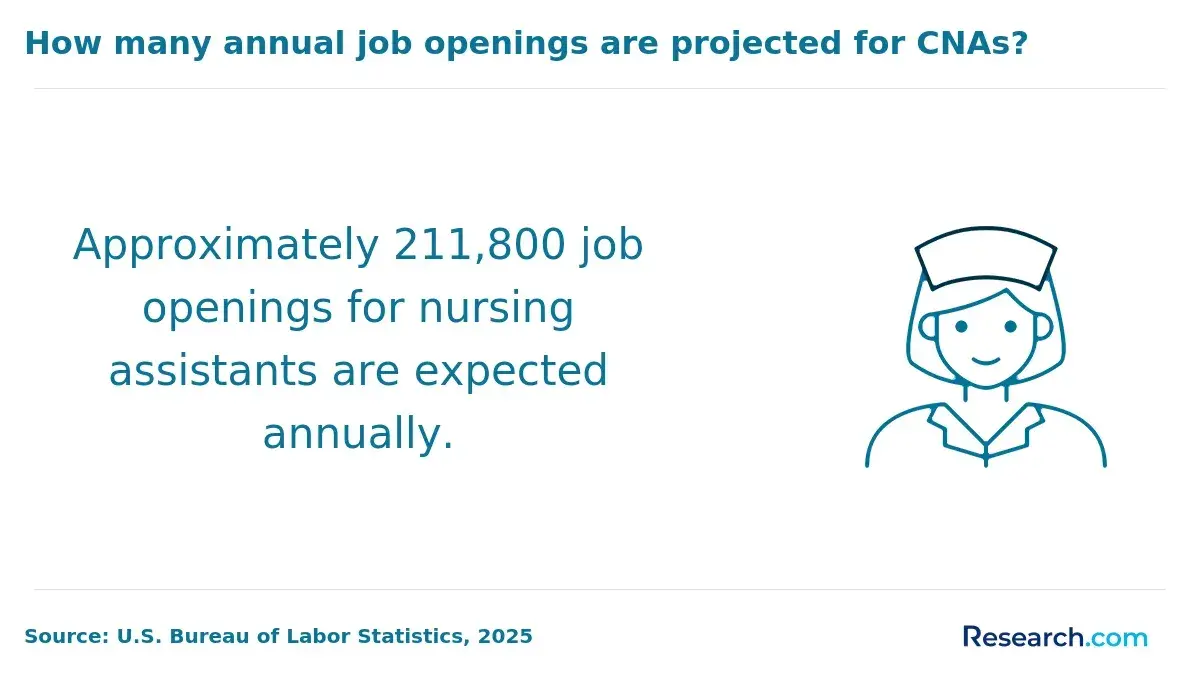
Missouri's healthcare sector shows a strong demand for Certified Nurse Aides (CNA), with over 18,000 CNAs employed statewide and projections estimating a 12% growth in the next decade. Pursuing a CNA license in Missouri opens doors to stable employment and a meaningful career in patient care. The state's structured education and training programs ensure candidates develop essential skills to thrive in clinical environments, making the investment in this certification highly worthwhile.
This article details the education requirements to obtain a CNA license in Missouri. Crafted by experts in career planning, it offers clear, reliable information designed to guide prospective CNAs through the licensing process and help them confidently meet all educational standards. Readers will gain key insights to successfully embark on this healthcare pathway.
Key Things to Know About CNA License Education Requirements in Missouri
- Complete a state-approved CNA training program with at least 75 hours of instruction combining classroom and hands-on clinical experience.
- Pass the Missouri Nurse Aide Competency Exam, which evaluates both written knowledge and practical skills essential for quality patient care.
- Maintain current certification by renewing every 24 months and documenting at least 8 hours of supervised work in the healthcare field within that timeframe.
- What are the education requirements to become a CNA in Missouri?
- What subjects are taught in CNA classes in Missouri?
- What steps are required to get a CNA license in Missouri?
- How long does it take to receive a CNA license in Missouri?
- How often do you need to renew your CNA license in Missouri?
- What continuing education is required for CNAs in Missouri?
- Can dual CNA and medical assistant certification boost career prospects in Missouri?
- Can out-of-state CNAs transfer their license to Missouri?
- Which employers hire newly certified nurse aides in Missouri?
- What is the average salary for CNAs in Missouri?
- How can CNAs in Missouri advance to higher nursing roles?
What are the education requirements to become a CNA in Missouri?
Formal education and training lay the groundwork for certified nurse aides in Missouri to provide safe, compassionate, and effective care in hospitals, long-term care facilities, and home health settings. These requirements ensure CNAs are well-prepared to handle diverse patient needs, supporting licensed nurses effectively. To meet Missouri CNA education and training requirements, candidates must fulfill specific steps that balance classroom knowledge with practical experience.
Here are the essential CNA certification requirements in Missouri:
- Age Requirement: Candidates typically must be at least 18 years old before enrolling in most training programs. Exceptions exist for students in high school vocational-technical courses, allowing younger individuals with maturity and dedication to enter the profession.
- Educational Prerequisites: While Missouri does not require a high school diploma or GED for certification, many state-approved training programs set their own admission standards. Completion of a diploma or GED helps build a strong foundation for success during training.
- State-Approved Training Program: Aspiring CNAs must complete 175 hours of training in a program approved by the Missouri Department of Health and Senior Services. This includes 75 hours of classroom instruction combined with 100 hours of supervised clinical practice for comprehensive skill development.
- Clinical Training: The mandatory 100 hours of hands-on training occur under the supervision of a licensed practical nurse or registered nurse in approved healthcare settings. This experience is critical for gaining confidence and demonstrating competency in real patient care.
- Background Clearance: To protect patient safety, all candidates must pass a criminal background check and not be listed on Missouri's Employee Disqualification List before starting training.
For those interested in expanding their healthcare career beyond CNA roles, exploring what does a family nurse practitioner do can provide valuable insights and pathways for growth.
What subjects are taught in CNA classes in Missouri?
CNA training programs in Missouri are thoughtfully designed to equip students with both essential knowledge and hands-on skills, enabling them to deliver compassionate and effective patient care. These programs balance classroom education with supervised clinical practice, preparing students to meet the diverse needs encountered in healthcare settings. Below are the key subjects you can expect when pursuing the CNA curriculum Missouri offers.
- Basic Nursing Skills: This foundational training covers core patient care techniques such as hygiene assistance, bedmaking, and mobility support. Mastering these skills is vital because they promote patient comfort and safety while helping prevent caregiver injury, central elements in basic nursing skills training Missouri emphasizes.
- Anatomy and Physiology: Understanding the human body's structure and function is essential for providing attentive care. This knowledge helps CNAs recognize normal and abnormal changes in patients, enhancing their ability to assist nurses and respond appropriately.
- Infection Control: Teaching proper hand hygiene, use of personal protective equipment, and adherence to safety protocols, this subject protects both patients and healthcare workers. Infection control principles are a cornerstone of maintaining safe environments in all care facilities.
- Communication Techniques: Effective communication is critical for interacting with patients, families, and the healthcare team. Through this training, CNAs learn to report observations clearly, offer emotional support, and collaborate efficiently for better patient outcomes.
- Patient Safety Procedures: This area includes learning emergency response, fire safety, and how to prevent accidents. Knowing these procedures ensures CNAs can protect vulnerable patients during crises and maintain a secure care setting.
For those interested in exploring further healthcare career paths, familiarizing yourself with options like the forensic nurse career options can provide valuable insight into the diversity of nursing opportunities beyond the CNA role.
What steps are required to get a CNA license in Missouri?
Completing the Certified Nurse Aide licensing process in Missouri guarantees you are fully prepared to provide safe and compassionate care to patients, while meeting the state's high professional standards. Each step is designed not just as a requirement, but as a foundation for your success and confidence in healthcare settings. Here are the essential steps you will follow to earn your CNA license in Missouri:
- Meet Eligibility Requirements: You must be at least 16 years old and hold a high school diploma, GED, or show proof of current high school enrollment. This ensures you have the maturity and basic education necessary to handle CNA responsibilities effectively.
- Complete a State-Approved CNA Training Program: Enroll in a program authorized by the Missouri Department of Health and Senior Services, consisting of at least 175 hours combining classroom learning and clinical practice. This comprehensive training equips you with essential nursing skills and prepares you for real-world patient care.
- Pass the Missouri CNA Competency Examination: Demonstrate your knowledge and skills by passing a two-part exam, including a written (or oral) test and a hands-on skills demonstration. Success here proves you are capable of delivering quality care.
- Undergo a Criminal Background Check: Submit fingerprints for a state-mandated background check that protects patients by ensuring your history meets state safety standards.
- Register with the Family Care Safety Registry: This registration strengthens oversight and confirms your eligibility to work safely with vulnerable populations.
- Submit Application for State Certification: Provide documentation of your training, exam results, background clearance, and ID to the Missouri DHSS to officially receive your certification.
- Receive Placement on the Missouri CNA Registry: Once certified, you will be listed in the official state registry, validating your credentials to employers and allowing you to begin your career legally.
How long does it take to receive a CNA license in Missouri?
The total timeline to obtain a certified nurse aide license in Missouri can vary considerably depending on several critical factors. These include the duration of the chosen training program, the scheduling and availability of the state certification exam, and the processing time required by the state's licensing authorities. While the path may be relatively straightforward for many, elements such as test seat limitations or background check delays can extend the timeline unexpectedly.
Typically, completing a state-approved CNA training program in Missouri takes between 6 to 12 weeks. This program requires 175 hours of combined instruction and clinical experience. Upon finishing the coursework, candidates must pass a competency exam, which is usually accessible shortly after training concludes. State rules allow candidates up to one year from their training start date to complete both the coursework and pass the exam. After successfully passing, the state's processing for official licensure can take several weeks, often between one to two months, though this period may fluctuate based on application volume and background check processing times. Some individuals face delays if testing centers have limited availability or if their background checks require additional review, especially when "Good Cause Waivers" are needed.
A certified nurse aide from Missouri who graduated from a local school spoke about how long the licensing process took. He shared that while his training wrapped up in about eight weeks, scheduling the state exam took some extra time due to limited testing slots. After passing, the wait for official licensure felt long, stretching nearly two months as he navigated the state's background check procedures. Despite those challenges, he reflected positively on the experience, emphasizing that persistence and careful preparation helped him overcome the waiting periods. He noted, "It was a test of patience as much as skill, but knowing each step was bringing me closer to being able to work made the wait worthwhile."
How often do you need to renew your CNA license in Missouri?
Renewing your CNA license in Missouri is a vital step to maintain your certification, prove ongoing competency, and meet the state's healthcare standards. Keeping your license current ensures that you remain a trusted and qualified professional who can continue contributing effectively in various care settings. Below are the key elements of the CNA license renewal requirements in Missouri to help guide your process.
- Renewal Frequency: Missouri requires CNAs to renew their certification every two years. This consistent renewal schedule encourages nurse aides to stay active and competent in their roles.
- Renewal Deadline: The renewal process opens 60 days before your current certification expires. Timely renewal is crucial to avoid lapses that can impact your ability to work within the state.
- Renewal Fee: There is a $20 fee paid online when submitting your renewal application. This fee is mandatory each cycle and cannot be refunded.
- Minimum Work Requirement: To be eligible for renewal, you must have completed at least eight hours of paid employment performing nursing or related duties within the past 24 months. Documentation such as pay stubs or employer letters must be provided to verify your work.
- Accepted Work Settings: Missouri accepts employment verification from various healthcare environments, including out-of-state and private duty roles, provided proper documentation is submitted.
- Renewal Process: All renewals are processed through the TMU (TestMaster Universe) online portal. CNAs must upload work verification and pay the renewal fee through this system for their status to be updated.
- Inactive Status and Reactivation: Failure to meet the renewal or work requirements results in inactive status, prohibiting legal work as a CNA in Missouri until reactivated. Reactivation may require retaking the CNA competency exam if employment has lapsed over two years.
- No Continuing Education Requirements: Currently, Missouri does not mandate formal continuing education credits for renewal; practical, verified experience remains the focus.
For CNAs considering advancement or seeking affordable study options, exploring the cheapest online acute care nurse practitioner programs can be an excellent career move to expand skills and opportunities.
What continuing education is required for CNAs in Missouri?
Continuing education is vital for CNAs in Missouri to maintain their licenses, sharpen patient care skills, and keep pace with evolving healthcare practices. Staying current allows CNAs to provide safe, effective support while adapting to new regulations and facility standards. The following points highlight essential Missouri CNA continuing education requirements to guide you through maintaining your certification and professional growth.
- Minimum Work Requirement: Missouri requires CNAs to complete at least eight hours of paid nursing or nursing-related duties every 24 months in an approved healthcare setting. This practical work experience is the key criterion for renewal, emphasizing hands-on proficiency over formal continuing education hours.
- Approved Training Topics: While Missouri does not mandate formal CE courses beyond initial certification, employers often provide in-service trainings on critical subjects such as infection control, resident rights, dementia care, and patient safety. These sessions help CNAs stay aligned with federal guidelines and ensure quality care.
- Acceptable Course Formats: Training can take multiple forms including online modules, in-person workshops, or a combination of both, depending on the facility. Initial CNA training approved by Missouri includes online or classroom instruction paired with supervised clinical practice, setting a strong foundation for continued learning.
- Recordkeeping Expectations: Accurate documentation of work hours and participation in any trainings is essential. CNAs should retain personal copies of records and certificates for at least two years to verify eligibility during renewal and potential audits by the Missouri Department of Health and Senior Services.
- Facility-Based Requirements: Certain employers may require additional continuing education or competency assessments, especially in specialized areas like memory care or rehabilitation. Meeting these extra standards supports career advancement and enhances patient outcomes.
For CNAs aiming to advance their knowledge and opportunities, exploring easy NP specialty programs to get into can be a great next step beyond the Missouri CNA continuing education requirements.
Can dual CNA and medical assistant certification boost career prospects in Missouri?
Pursuing additional certification as a medical assistant can diversify your clinical skill set and expand employment opportunities within Missouri’s healthcare landscape. Dual credentials enable professionals to meet the demands of both direct patient care and supportive administrative tasks, thereby making them more competitive for roles in diverse care settings. For those weighing the benefits of such a pathway, detailed guidance is available on how to become a medical assistant in Missouri. This complementary approach not only supports career advancement but also offers the potential for higher salaries and increased job stability.
Can out-of-state CNAs transfer their license to Missouri?
Missouri welcomes certified nurse aides from other states through a process called reciprocity or endorsement, allowing them to transfer licenses without retaking the Missouri CNA exam. To qualify, CNAs must hold an active, good-standing certification from their previous state. The state requires verification of your license, proof of recent paid CNA work, and may ask for a background check to ensure safety and compliance. Having these documents ready will make the process smoother and quicker.
The transfer process involves completing an online application, submitting your out-of-state certification, employment proof, and any required IDs. Because Missouri doesn't charge a reciprocity fee and exempts applicants from additional testing, most approvals come through in two to eight weeks. Staying organized and patient during this time is key to a successful license transfer.
A certified nurse aide from Missouri who graduated locally but once transitioned from another state shared that while the documentation gathering felt overwhelming at first, "having clear guidelines made everything manageable." She appreciated that Missouri's approach respected her previous experience, saying, "Not having to retake the exam saved me time and stress." Her advice: "Start early and keep track of every document. It's worth the effort to continue your career here without delay."
Which employers hire newly certified nurse aides in Missouri?
Newly certified nurse aides in Missouri step into a workforce that welcomes them across a wide range of healthcare settings. Their skills are essential in providing direct patient care and supporting licensed nurses, with strong demand seen in both long-term and acute care environments. This demand creates numerous opportunities for those just starting their careers as CNAs.
- Hospitals: Here, CNAs assist with daily patient care tasks, monitor vital signs, and support nursing staff in fast-paced acute care settings. New CNAs are valued for their flexibility and eagerness to learn, with hospitals offering varied schedules and growth potential.
- Nursing Homes and Long-Term Care Facilities: CNAs provide hands-on care for elderly or chronically ill residents, helping with bathing, grooming, and mobility. These facilities rely heavily on CNAs for compassionate care, driven by Missouri's aging population and steady staff turnover.
- Assisted Living Communities: In these settings, CNAs support residents with daily activities and medication reminders. They work closely with individuals who maintain more independence but still benefit from attentive care and staff who build personal connections.
- Home Health Agencies: CNAs provide personalized care in patients' homes, including assistance with personal hygiene, meal preparation, and companionship. This setting offers flexible hours and autonomy, making it ideal for new CNAs entering the field.
- Rehabilitation Centers: CNAs aid patients recovering from injury or illness by assisting with mobility exercises and monitoring progress. They collaborate with therapists and nurses, playing a key role in patient encouragement during rehabilitation.
What is the average salary for CNAs in Missouri?
Certified nurse aide salaries in Missouri vary widely depending on professional experience, work setting, and geographic location. Knowing the average hourly pay for certified nurse aide Missouri professionals helps those entering the field plan their career paths and make informed decisions about potential job opportunities. Here are some essential salary insights every CNA in Missouri should keep in mind.
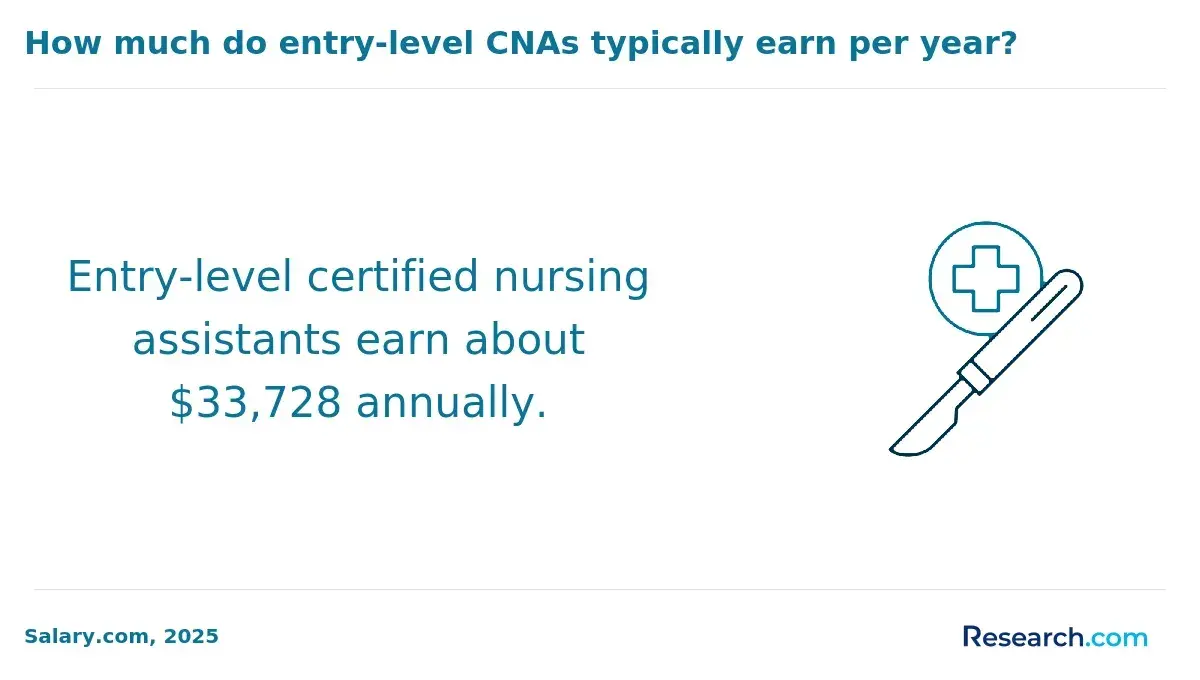
- Average Hourly and Annual Pay: The average hourly wage for CNAs in Missouri is about $18.34, with typical annual salaries ranging between $32,100 and $38,931. Some reports suggest averages closer to $35,211 or even $39,147 annually, reflecting diverse data sources statewide.
- Pay Variation by Experience Level: Entry-level CNAs typically start around $14.23 per hour and about $29,268 annually. With experience and specialized skills, wages can climb to $23.64 hourly or over $42,317 per year, illustrating the value of continued growth and certifications.
- Differences Across Healthcare Facilities: Hospitals generally offer higher pay, often exceeding $20.50 per hour, compared to nursing homes and home health agencies, which usually pay between $17 and $19 hourly. Home health agencies may provide competitive rates but with less stable scheduling.
- Regional Pay Trends Within Missouri: Urban centers like St. Louis and Kansas City lead with some of the highest average wages, roughly $19.33 and $19.28 per hour, respectively. Smaller cities such as Ballwin and Columbia also report above-average salaries compared to rural areas.
- Additional Factors Influencing Earnings: Shift differentials for nights and weekends, available overtime averaging around $4,500 annually, union involvement, and employer incentives can significantly impact total earnings. For career advancement, exploring options like the list of affordable online nurse practitioner programs may also be beneficial.
How can CNAs in Missouri advance to higher nursing roles?
Many CNAs in Missouri leverage their foundational healthcare experience as a valuable stepping stone toward more advanced nursing roles. Progressing in a nursing career typically involves additional education, certifications, and clinical training, which lead to greater responsibilities and improved earning potential. Below are common career advancement paths for CNAs in Missouri:
- Licensed Practical Nurse (LPN): CNAs can become LPNs by completing a state-approved practical nursing program, usually lasting about 12 months. This path requires passing the NCLEX-PN exam and typically offers a significant salary increase from CNA wages.
- Registered Nurse (RN): Advancing to RN involves completing either an Associate Degree in Nursing (ADN) in 2 years or a Bachelor of Science in Nursing (BSN) in 4 years, followed by passing the NCLEX-RN licensure exam. RNs in Missouri enjoy higher salaries and broader career opportunities.
- Certified Medication Technician (CMT): CNAs can complete a short 68-hour course to become CMTs, enabling them to administer medications in long-term care, with modest salary gains and enhanced clinical skills.
- Unlicensed Assistive Personnel (UAP) Program: This program offers around 170 hours of combined classroom and paid clinical training, improving patient care experience and strengthening applications for advanced nursing roles.
- Associate of Applied Science (AAS) Degree in Nursing: The AAS degree can be completed in about two years and qualifies CNAs for RN licensure, leading to competitive salaries and leadership opportunities.
- Apprenticeship Pathways: Missouri's CNA apprenticeships blend paid on-the-job training with classroom instruction over approximately 10 weeks, fostering skills development and career advancement.
What Do CNAs in Missouri Say About Their Career?
- Completing my CNA training at the Heartland Career Academy was a pivotal moment in my life. The hands-on experience I gained prepared me well for starting my career working with students in a local school. Missouri's supportive community and healthcare demand have given me job stability and the chance to make a real difference in young people's lives. It's rewarding to see the positive impact we have on their health and well-being every day. I feel proud knowing that my role contributes to a healthier future for our community. Isaiah
- Pursuing my certified nurse aide program at the Gateway Healthcare Institute was an eye-opening journey that challenged me both professionally and personally. As I began my work in a local academic setting, I found the environment to be enriching and full of unique opportunities to support students from diverse backgrounds. Missouri's cultural diversity and rural areas present special healthcare challenges, making my role even more meaningful. This experience has fostered my growth and commitment to serving my community with empathy and dedication. Lin
- The healthcare assistant program I attended at the Ozark Medical Academy equipped me with essential skills that helped me secure a position in a local school quickly. I appreciate how Missouri's healthcare system values continuing education, allowing me to pursue further certifications and advance my career steadily. Working as a CNA in an academic environment lets me combine my passion for healthcare with making a positive impact on young people's lives. This balance of professional growth and community engagement motivates me every day. Darnell
Related Articles for Nearby States
- 2027 Certified Nurse Aide (CNA) License Education Requirements in Kansas
- 2027 Certified Nurse Aide (CNA) License Education Requirements in Iowa
- 2027 Certified Nurse Aide (CNA) License Education Requirements in Nebraska
- 2027 Certified Nurse Aide (CNA) License Education Requirements in Arkansas
- 2027 Certified Nurse Aide (CNA) License Education Requirements in Oklahoma
- 2027 Certified Nurse Aide (CNA) License Education Requirements in Illinois
- 2027 Certified Nurse Aide (CNA) License Education Requirements in Kentucky
- 2027 Certified Nurse Aide (CNA) License Education Requirements in Tennessee
- 2027 Certified Nurse Aide (CNA) License Education Requirements in Indiana
- 2027 Certified Nurse Aide (CNA) License Education Requirements in South Dakota
References:
- What to Do if Your Nursing License Renewal Application is Denied https://sangerlawoffice.com/what-to-do-if-your-nursing-license-renewal-application-is-denied/
- CNA Classes & Certification | How to Become a CNA | Red Cross https://www.redcross.org/take-a-class/lp/certified-nursing-assistant-nat
- Frequently Asked Questions - MEDS KC https://medskc.com/frequently-asked-questions/
- Certified Nursing Assistant https://www.jobpoint.org/certified-nursing-assistant/
- Expired CNA License? Here's How to Renew It | Blog | CynaMed https://cynamed.com/2021/03/16/expired-cna-license-heres-how-to-renew-it/
- Certified Nursing Assistant (CNA) | CMS https://www.cms.gov/priorities/nursing-home-careers/overview/certified-nursing-assistant-cna
- Salary: Cna in Missouri 2025 | Glassdoor https://www.glassdoor.com/Salaries/missouri-cna-salary-SRCH_IL.0,8_IS386_KO9,12.htm
- Nursing Assistant II | Office of Administration https://oa.mo.gov/personnel/classification-specifications/4312
- How Long Does it Take to Become a CNA in Kansas City? - CNA Classes in Kansas City https://cnaclasseskansascity.com/how-long-does-it-take-to-become-a-cna-in-kansas-city/
- Welcome | MO TMU https://mo.tmutest.com/
Other Things You Should Know About Certified Nurse Aide (CNA) License Education Requirements in Missouri
To become a Certified Nurse Aide in Missouri in 2027, candidates must complete a state-approved training program, consisting of at least 75 hours of classroom and clinical training. Additionally, they must pass both a written and practical competency examination to earn their certification.
To obtain a CNA license in Missouri, candidates must pass the Missouri CNA Examination, which includes both a written and skills test. The exam is administered by the Headmaster company. Successful completion of both tests is mandatory for certification.


