
2027 Certified Nurse Aide (CNA) License Education Requirements in Texas

Co-Founder and Chief Data Scientist
Getting a Certified Nurse Aide (CNA) license in Texas opens doors to a growing healthcare field. With over 200,000 CNAs working across the state, the demand for skilled aides continues to rise, making it a smart career move. CNAs play a crucial role in patient care, providing vital support in hospitals, nursing homes, and other healthcare settings. Earning this license sets the stage for steady employment and a chance to make a difference.
This article breaks down the education requirements you need to earn your CNA license in Texas. Crafted by career planning experts, it guides you through each step and helps you find all the information needed to kickstart your journey.
Key Things to Know About CNA License Education Requirements in Texas
- You've got to complete a state-approved CNA training program, which usually takes around 75 to 150 hours, mixing classroom learning and hands-on clinical practice.
- After training, passing the Texas Nursing Assistant Competency Exam is a must so you can prove you've got the skills to care for patients safely.
- Keep in mind the Texas Workforce Commission keeps a registry with over 200,000 active CNAs, showing there's plenty of demand, but you need that license to jump in.
- What are the education requirements to become a CNA in Texas?
- Can CNAs transition into medical assistant roles in Texas?
What are the education requirements to become a CNA in Texas?
Getting the right education and training is key for anyone looking to become a Certified Nurse Aide (CNA) in Texas. This foundation helps CNAs deliver safe, compassionate care in hospitals, nursing homes, and other healthcare settings. If you're exploring your options, knowing the CNA training requirements in Texas will give you a clear path forward.
Here are some of the main education and training steps you'll need to follow:
- State-Approved Training Program: You'll need to complete a Nurse Aide Training and Competency Evaluation Program (NATCEP) that's approved by Texas authorities. These programs typically include at least 100 contact hours - divided into 60 hours of classroom and lab work plus 40 hours of hands-on clinical experience supervised by professionals.
- Age and Identification: Most programs require you to be 18, but some accept students as young as 16. You'll also have to provide a government-issued photo ID and a Social Security card, with matching names on all documents to keep things official.
- Health and Safety Checks: Before starting clinical practice, you must get CPR certified at the BLS level, pass a criminal background check, and prove you have required immunizations like flu shots and Hepatitis B. These ensure patient safety and your preparedness.
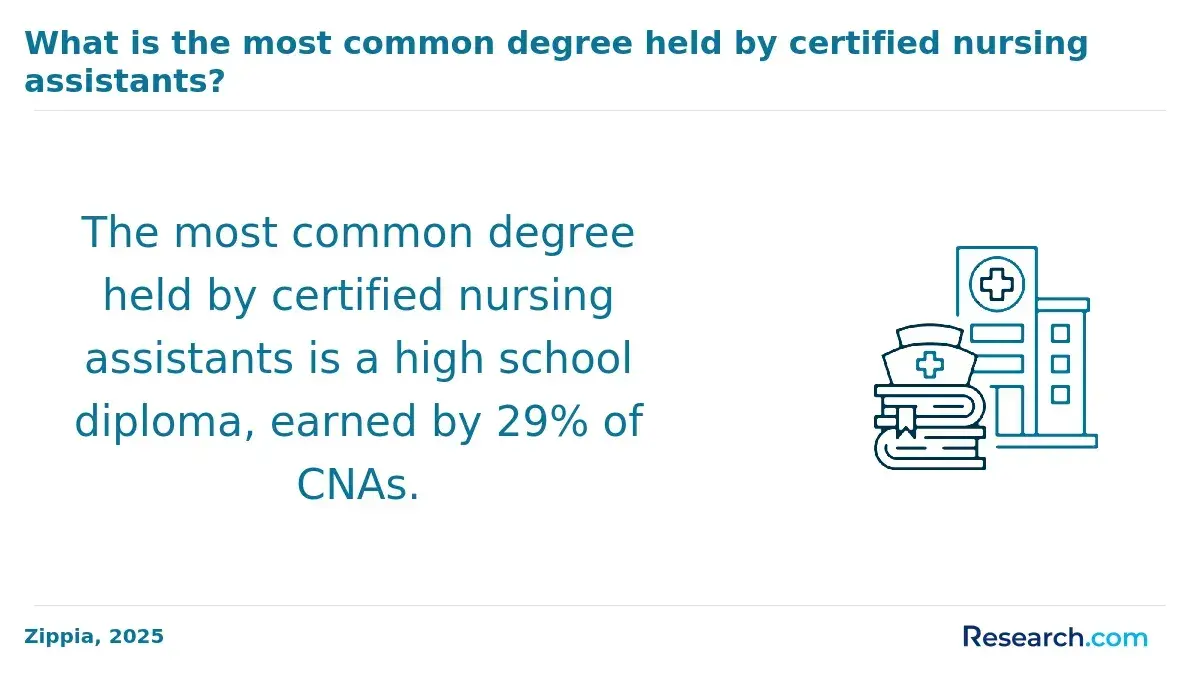
- Educational Background: While a high school diploma or GED isn't strictly required for basic certification, some programs offering Occupational Skills Awards might ask for these credentials. It's worth checking the specifics for the program you choose.
If you want to advance further in nursing after your CNA certification, you might want to explore the fastest way to become a family nurse practitioner, which can open up even more career opportunities.
What subjects are taught in CNA classes in Texas?
CNA training programs in Texas are designed to give you the essential knowledge and hands-on skills needed to deliver quality care to patients. These courses blend classroom lessons with real-world practice, making sure you're ready for the demands of healthcare settings. Here's a look at the main subjects covered in the CNA curriculum requirements in Texas.
- Basic Nursing Skills: You'll learn everyday caregiving tasks like bathing, dressing, feeding, and helping with mobility. These skills are crucial for providing comfort and maintaining patient dignity.
- Anatomy and Physiology: This covers the basics of how the human body works, helping you spot normal versus abnormal signs to keep patients safe.
- Infection Control: You'll get trained on preventing the spread of infections through hand hygiene, PPE, and isolation protocols to protect vulnerable residents.
- Communication Techniques: Effective communication with patients, families, and healthcare teams is a must. This includes verbal and written skills to ensure smooth coordination and proper care.
- Patient Safety Procedures: Learn to prevent falls, use assistive devices safely, and respond to emergencies to keep patients protected at all times.
- Residents' Rights and Ethics: Understanding the legal and ethical side of caregiving ensures respectful, professional treatment of every resident.
- Mental Health and Social Service Needs: Training also covers recognizing emotional and psychological issues, helping you support residents' well-being.
- Nutrition and Hydration: You'll study proper diets and fluid needs, which are key to maintaining good health, especially for elderly residents.
- Restorative Care: This teaches techniques to help residents regain independence and improve their quality of life through exercises and mobility support.
- Observation and Reporting: Accurate observation and documentation of changes in patient condition are critical for timely care and intervention.
- Death and Dying: Learn to provide compassionate care during end-of-life situations and support grieving families.
- Geriatrics and Alzheimer's Care: Texas requires special instruction for caring for aging populations and those with Alzheimer's, focusing on their unique needs.
- CPR and Basic Life Support: Many programs include or recommend CPR training to prepare for cardiac or respiratory emergencies.
If you're thinking about expanding your nursing career beyond CNA, check out the fastest way to become a holistic nurse practitioner and see how your path can evolve.
What steps are required to get a CNA license in Texas?
Getting your CNA license in Texas is all about making sure you're fully prepared to provide safe and respectful care to patients. The state sets clear steps to confirm that nurse aides have the right training and skills to handle the job responsibly. Here's a straightforward look at what you need to do to get licensed:
- Meet Basic Eligibility Requirements: You need to be at least 18 years old and have valid ID, a Social Security card, and proof of health insurance. While there's no strict education minimum, most places prefer if you have a high school diploma or GED.
- Complete Health and Safety Docs: This involves showing you're physically able to work and have the required immunizations, plus a current CPR certification. These steps help protect both you and the patients from health risks.
- Pass a Criminal Background Check: Texas screens your background for the last five years because safety is a top priority when caring for vulnerable people.
- Finish a State-Approved NATCEP Program: You'll complete at least 100 hours of training-60 in the classroom and 40 hands-on clinical time-covering everything from infection control to patient rights.
- Pass the Competency Evaluation Exam: This includes a written test and skills demonstration, both of which you must pass within two years of training completion. You get a couple of tries if needed.
- Apply for State Certification and Registry Listing: After passing your exams, send in your application to get officially certified and listed on Texas's Nurse Aide Registry, so employers can verify your credentials.
How long does it take to receive a CNA license in Texas?
Getting your Certified Nurse Aide (CNA) license in Texas doesn't follow a strict timeline because it depends on a few different things. The length of your training program, when you can schedule and take the state certification exam, and how long the state takes to process your paperwork all play a role. Plus, factors like background check processing and local test site availability can add a bit of unpredictability to the whole process.
On average, most people finish their state-approved CNA training in about 6 to 8 weeks, with classes including roughly 100 hours split between classroom and clinical experience. After that, scheduling the certification exam usually happens within a few weeks, depending on testing center openings. Once you pass both the written and skills parts of the exam, your information is submitted to the Texas Nurse Aide Registry.
The official licensing process then generally takes a few more weeks. Altogether, from starting training to holding that shiny CNA license, most candidates see the whole journey take about 2 to 3 months. Still, it's worth noting some folks might face delays if there's a backlog at exam sites or if background checks take longer than expected.
I spoke with a certified nurse aide from Texas who graduated from a local school about his experience. He shared that while the training went pretty smoothly over 7 weeks, the wait for his exam slot was a bit frustrating since the available dates kept filling up quickly. After passing, the background check processing took longer than he hoped, stretching his wait time by several weeks.
He described feeling a mix of excitement and impatience, saying, "You're eager to get started working, but you also learn to be patient with the system." Overall, though, he looked back positively, recognizing that the wait was a small part of achieving his career goals and advised future CNAs to plan ahead and stay flexible throughout the process.
How often do you need to renew your CNA license in Texas?
Keeping your certified nurse aide (CNA) license up to date in Texas is super important to make sure you're always ready to provide the best care and stay on top of industry standards. Renewing your license on time helps you prove that you're competent and meet the state's healthcare requirements. Here's a quick rundown of what you need to know about Texas CNA license renewal requirements every two years.
- Renewal Frequency: You need to renew your CNA license every two years to stay active. This regular cycle ensures that nurse aides keep their skills sharp and stay current with any changes in the field.
- Renewal Deadlines: Your renewal deadline depends on your last certification or renewal date. It's crucial to submit all documents and complete requirements before your license expires to avoid any gaps in your certification.
- Renewal Fee: Good news-Texas does not charge any fee for renewing your CNA license. This helps make it easier for nurse aides to maintain their credentials without extra financial stress.
- Work Requirement: To renew, you must show proof that you worked at least one paid nursing-related eight-hour shift in the past 24 months. This keeps your hands-on experience fresh and relevant.
- In-Service Education: Every two years, CNAs must complete 24 hours of in-service training. This includes topics like geriatrics and Alzheimer's care, helping you stay informed about best practices in patient care.
- Registry Updates: Make sure your information is current in the Texas Nurse Aide Registry, including any changes to your name or address. Keeping this up to date helps avoid headaches during renewal.
- Renewal Process: You'll typically submit proof of work and education to the Texas Health and Human Services Commission through the Nurse Aide Registry, which you can handle online for convenience.
- Missed Renewal Consequences: If you let your certification lapse past two years, it becomes inactive. To get it back, you might have to retake the competency test and meet all current standards.
As you think about your career path, remember that staying current with your license is key to growing as a nurse aide. And whether you're looking to deepen your expertise or explore more advanced roles, you might want to check out this helpful list of the best adult gerontology acute care nurse practitioner programs to plan your next steps.
What continuing education is required for CNAs in Texas?
Continuing education is key for certified nurse aides in Texas to keep their licenses current while sharpening their skills to provide top-notch patient care. Staying updated with the latest healthcare practices helps CNAs adapt to new challenges and deliver compassionate, effective support. Here's a quick rundown of what Texas expects from CNAs for continuing education:
- Minimum In-Service Hours: CNAs need to complete 24 hours of in-service education every two years to renew their certification. These hours focus on reinforcing critical skills and staying on track with healthcare regulations.
- Approved Training Topics: The training should cover geriatrics and, when relevant, Alzheimer's disease and related disorders. Other common topics include infection control, resident rights, safety, and communication tailored to CNA duties.
- Acceptable Course Formats: Texas allows these continuing education hours to be earned through in-person classes, online courses, or a mix of both. Courses must be accredited by the Texas Department of Health and Human Services or similar bodies to ensure quality.
- Recordkeeping Expectations: CNAs are responsible for keeping proof of completed education, even though employers often help track hours. This documentation is crucial if asked during license renewal or audits.
- Employment Requirement: Beyond education, CNAs must show paid nurse aide work within the last 24 months to stay active on the Texas Nurse Aide Registry, ensuring real-world experience complements their learning.
If you're looking to continue advancing your nursing career beyond CNA, consider exploring a post graduate FNP certificate to open up new opportunities.
Can CNAs transition into medical assistant roles in Texas?
Certified nurse aides in Texas may leverage their patient care expertise to explore complementary roles, such as transitioning into medical assisting. This shift typically requires additional focused training that covers both administrative duties and specific clinical procedures distinct from traditional CNA tasks. For professionals seeking diversified healthcare responsibilities, targeted certification can provide a pathway toward expanded career opportunities and enhanced skill sets. For more information on the requirements and training process, check out how to become a medical assistant in Texas.
Can out-of-state CNAs transfer their license to Texas?
Yes, Texas does allow out-of-state CNAs to transfer their licenses through a process called reciprocity or endorsement. To qualify, your license must be active and in good standing in another state. While Texas doesn't require verification from your original state, you do need to complete a criminal background check through the Texas Department of Public Safety. The main goal is to ensure you meet Texas's standards before you start working here.
To transfer your license, you'll fill out a reciprocity application found on the Texas Health and Human Services website. You'll need to submit your application, a government-issued photo ID, your Social Security card, and the background check results. Unlike some other states, Texas does not require any extra testing like a state exam. The process is pretty straightforward and usually goes smoothly once all documents are submitted.
I spoke with a Texas CNA who graduated from a local school and recently helped a friend move here from another state. She told me, "The whole transfer thing seemed tricky at first, but once the paperwork was in, it moved faster than I expected."
She mentioned how relieved her friend was that no extra tests were needed, which made the transition less stressful. "It's reassuring to know that Texas values the training from other states without adding hoops to jump through," she said. Her experience really shows how reciprocity opens doors for CNAs relocating to Texas without interrupting their careers.
Which employers hire newly certified nurse aides in Texas?
Newly certified nurse aides (CNAs) in Texas have plenty of options when it comes to where they can work, thanks to the steady demand for quality care across different healthcare settings. These entry-level roles often involve hands-on patient support and help licensed nurses manage their workload, making CNAs valuable team members in many facilities.
- Hospitals: CNAs in hospitals help with patient care tasks like bathing, feeding, and taking vital signs, especially in busy units like medical-surgical or emergency. Hospitals often hire new CNAs, appreciating their fresh training and providing extra on-the-job guidance to fill experience gaps.
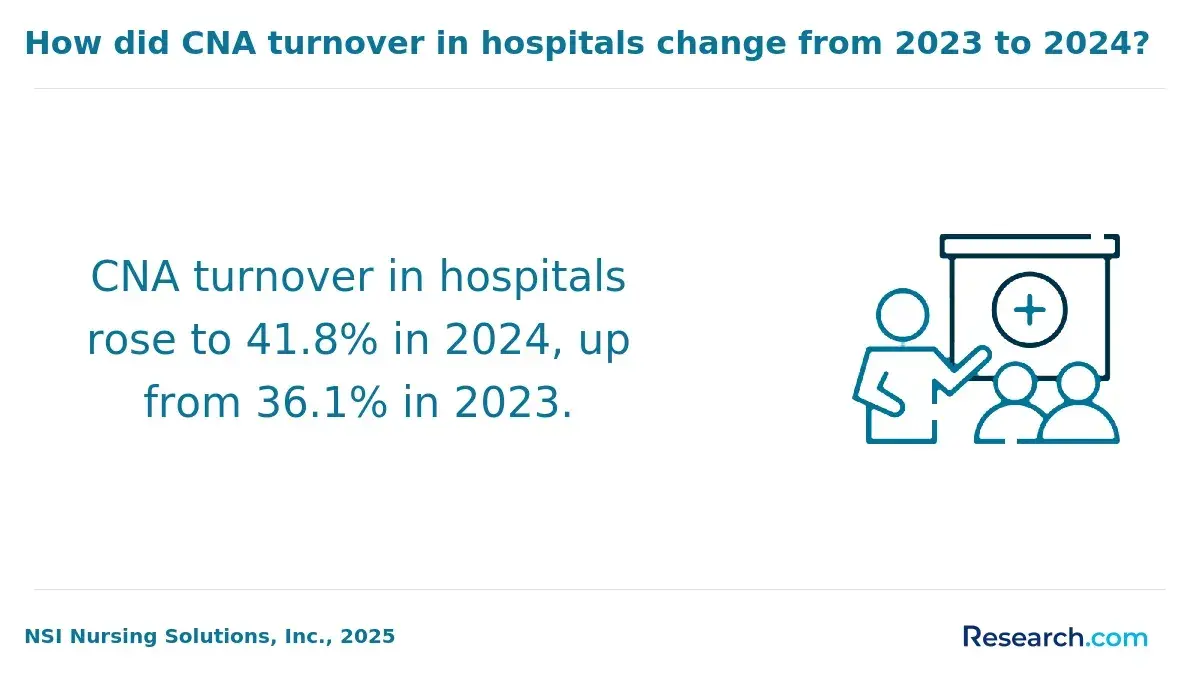
- Nursing Homes and Long-Term Care Facilities: These places need CNAs around the clock to assist residents with daily activities such as dressing and eating. High turnover means nursing homes frequently welcome newly certified aides and often offer benefits like health insurance and tuition reimbursement.
- Assisted Living Communities: CNAs support residents who want to stay independent but still need help with daily tasks like medication reminders and light housekeeping. These settings attract new CNAs with flexible schedules and a focus on quality of life.
- Home Health Agencies: For CNAs who enjoy one-on-one care, home health offers a rewarding chance to assist patients at home with grooming, meal prep, and cleaning. Many agencies are open to hiring newly certified aides, especially in areas with high demand for in-home care.
- Rehabilitation Centers: CNAs in rehab centers work closely with therapists to help patients recover from surgery or injury by assisting with mobility and daily living tasks. These centers value CNAs who are eager to learn and often have openings across all shifts.
What is the average salary for CNAs in Texas?
Certified nurse aide salaries in Texas can vary quite a bit depending on your experience, where you work, and which part of the state you're in. Getting a good grasp on these pay trends helps CNAs map out their career moves smartly and spot job opportunities that fit their goals and lifestyle. Here are some key salary insights for anyone curious about the average CNA salary in Texas.
- Average Hourly and Annual Pay: On average, CNAs in Texas make about $15.04 an hour, bringing in around $31,289 annually. Some sources show a slightly higher range, suggesting CNAs might earn between $16.38 and $17.79 per hour, which translates to roughly $36,224 to $37,010 a year.
- Pay Variation by Experience Level: Entry-level CNAs usually earn closer to $13 an hour, about $27,000 yearly. But if you've got more experience or special skills, you can expect to earn near $17 an hour ($34,900 annually), and top earners can make up to $18 an hour, which is about $38,663 a year.
- Differences Across Healthcare Facilities: CNAs working in hospitals tend to earn more than those in nursing homes or home health settings. While specific Texas data is scarce, nationwide trends suggest hospital jobs often pay a bit better.
- Regional Pay Trends Within Texas: Big cities like Houston, Dallas, and Austin usually offer higher wages due to demand and living costs. Still, Texas ranks at the bottom nationally for CNA pay, so it's worth researching local markets to find the best options.
- Additional Factors Influencing Earnings: Many CNAs boost their income through overtime, shift differentials, or bonuses. For example, overtime can add nearly $5,000 annually. Pursuing higher nursing education can also increase your earning potential significantly-check out the list of most affordable online WHNP degree programs for ideas on advancing your career.
How can CNAs in Texas advance to higher nursing roles?
Many certified nurse aides (CNAs) in Texas use their hands-on healthcare experience as a solid foundation to step up into more advanced nursing roles. Moving up the ladder usually means more education, certifications, and clinical training, but the payoff can be well worth it with better job opportunities and higher pay. Here are some common paths CNAs in Texas take to advance their nursing careers:
- Licensed Practical Nurse (LPN)/Licensed Vocational Nurse (LVN): CNAs can enroll in a one-year accredited program and pass the NCLEX-PN exam to become LPNs/LVNs. This role comes with added responsibilities like administering medications and supervising CNAs, and salaries are notably higher. Training costs typically range from $5,000 to $15,000.
- Registered Nurse (RN): To become an RN, CNAs need an Associate Degree in Nursing or a Bachelor of Science in Nursing and must pass the NCLEX-RN exam. RN roles involve creating care plans and managing LPNs and CNAs, with education costs between $10,000 and $100,000, depending on the degree type.
- Medication Aide: This role requires a specialized certification and exam that can be completed in a few months. Medication aides assist with administering drugs, and training costs range from $300 to $1,500.
- Restorative Aide: After gaining CNA experience, one can become a restorative aide to help patients regain mobility under physical therapists' guidance. Certification and training costs are similar to those of medication aides.
- Lead Certified Nursing Assistant: Becoming a lead CNA means managing other CNAs and ensuring care quality. This role calls for prior experience or leadership training, with costs between $500 and $2,000.
What CNAs in Texas Say About Their Career
Completing my CNA program at Lone Star Academy truly set the foundation for my career here in Texas. The hands-on training was excellent, and starting work as a certified nurse aide at a local school gave me the chance to directly impact students' daily lives. I feel proud knowing that my work supports not only their health but also their overall educational experience. Texas offers unique challenges with its diverse population, but that diversity makes the job even more rewarding. It's fulfilling to grow professionally while helping build a healthier community. Carlos
Attending the Houston Health Institute for my CNA certification was a decision I cherish every day. Since beginning my career in a local school, I've witnessed firsthand how my role helps children thrive, providing care that's both compassionate and dependable. The stability of this profession in Texas allows me to plan a solid future while advancing my skills through continuing education. Working in this vibrant cultural environment constantly pushes me to grow both personally and professionally, and I couldn't ask for a more meaningful path. Aisha
My journey started at Alamo Nursing Academy, where the program's thorough approach gave me the confidence to start as a certified nurse aide in a Texas school. Taking on this role means embracing the challenge of catering to a broad range of student needs, thanks to the state's rich cultural mix. This career has helped me become more patient, empathetic, and determined to make a positive impact in young people's lives. I'm driven by the unique opportunity to support children's well-being in a way that contributes to their academic and personal success every day. Brandon
Related Articles for Nearby States
- 2027 Certified Nurse Aide (CNA) License Education Requirements in Louisiana
- 2027 Certified Nurse Aide (CNA) License Education Requirements in Oklahoma
- 2027 Certified Nurse Aide (CNA) License Education Requirements in Arkansas
- 2027 Certified Nurse Aide (CNA) License Education Requirements in New Mexico
- 2027 Certified Nurse Aide (CNA) License Education Requirements in Kansas
- 2027 Certified Nurse Aide (CNA) License Education Requirements in Missouri
- 2027 Certified Nurse Aide (CNA) License Education Requirements in Colorado
- 2027 Certified Nurse Aide (CNA) License Education Requirements in Mississippi
- 2027 Certified Nurse Aide (CNA) License Education Requirements in Tennessee
- 2027 Certified Nurse Aide (CNA) License Education Requirements in Arizona
References
- How to Transfer Your CNA License to Texas https://www.mycareersunlimited.com/blog/transfer-cna-license-to-texas/
- Certified Nurse Aide | Cisco College https://www.cisco.edu/degrees-programs/certificate-programs/certified-nurse-aide
- Denial Of Nurse Licensure - Texas Nurse Lawyers https://www.texasnurselawyers.com/what-we-do/denial-of-nurse-licensure/
- Certified Nurses Aide (CNA) | Northeast Texas Community College https://www.ntcc.edu/academics/programs-study/health-sciences/certified-nurses-aide-cna
- Im being denied my CNA Licence because of a misdemeanor of theft - Legal Answers https://www.avvo.com/legal-answers/im-being-denied-my-cna-licence-because-of-a-misdem-1763995.html
- Nurse Aide Career Opportunities in Texas - SCI https://scitexas.edu/blog/nurse-aide-career-opportunities-in-texas/
- Career Advancement Options For CNAs https://www.accreditedschoolsonline.org/nursing/cna/advanced-career-guide/
- CNA Classes & Programs in Texas https://www.registerednursing.org/certified-nursing-assistant/programs/texas/
- CNA to RN: Advancing Your Career as a Nurse - St. Thomas ABSN https://absn.stthom.edu/blog/cna-to-rn/
- certified nursing assistant Salary in texas — Average Salary https://www.talent.com/salary
Other Things You Should Know About CNA License Education Requirements in Texas
To transfer CNA certification to Texas, you must apply for reciprocity through the Texas Nurse Aide Registry with evidence of active certification in your current state and a clean record. Credential evaluations may be required, ensuring adherence to Texas's specific regulations.
The cost of CNA certification in Texas in 2026 typically ranges from $500 to $1,500. This includes tuition for CNA training programs, which varies by school, as well as fees for textbooks, uniforms, and the state competency exam.


