2027 How Long Does It Take to Be a Teacher in Indiana?

Co-Founder and Chief Data Scientist
Becoming a teacher in Indiana demands a precise balance of education and certification, typically requiring around four to six years. Indiana’s student-to-teacher ratio stands at about 16:1, reflecting a strong demand for qualified educators. Pursuing this career grants access to competitive salaries and a supportive professional environment, contributing to long-term job satisfaction.
Challenging the assumption that teaching pathways are slow or rigid, Indiana offers streamlined alternatives like alternative certification programs. This article explores the timeline to becoming a teacher in Indiana, drawing on career planning expertise. It aims to equip readers with clear, actionable insights to navigate this profession efficiently.
Key Things to Know About How Long It Takes to Be a Teacher in Indiana
- Completing a bachelor's degree typically takes four years in Indiana, but accelerated programs can shorten this timeline significantly for those with prior college credits.
- Passing the Indiana Core Academic Skills Test is mandatory and can add months to the certification process depending on preparation time and test scheduling.
- Induction and mentoring programs for new teachers commonly extend the first year, ensuring practical experience but impacting the full timeline to teacher licensure.
- How long does it take to earn a teaching degree in Indiana?
- How long does teacher certification take in Indiana?
- Do career changers take less time to become teachers in Indiana?
- Do advanced degrees shorten the teacher certification process in Indiana?
- Are online programs speeding up the process of becoming a teacher in Indiana?
- Do elementary and secondary teachers have different timelines in Indiana?
- How can I specialize in physical education teaching in Indiana?
- How long is the probationary teaching period in Indiana?
- How much does it cost to complete the education requirements in Indiana?
- How long after certification can you get hired as a teacher in Indiana?
- How does a teacher's salary in Indiana increase over the career timeline?
How long does it take to earn a teaching degree in Indiana?
The Indiana teacher education program length is influenced by multiple factors, including whether students attend full-time or part-time, as well as any previous college coursework they bring into their program. While there may be some variation, the traditional path to earning a teaching degree and preparing for licensure usually follows a structured four-year plan. This approach reflects the standard duration most students experience as they progress towards a teaching license in Indiana. Below is the typical timeline for completing a bachelor’s degree in education in Indiana:
- General Timeline: Approximately four years of full-time study at an accredited institution, combining coursework, fieldwork, and student teaching.
- Freshman Year – Foundation Courses: Students focus on general education and introductory professional courses that establish the academic base for teaching.
- Sophomore Year – Core Education Courses: Key subjects like child development and educational psychology are introduced, often paired with initial hands-on experiences in classrooms.
- Junior Year – Methodology and Practicum: Emphasis shifts to teaching methods and classroom management, with practicum work supporting real-world observation and assistance.
- Senior Year – Student Teaching and Capstone: A full semester of supervised student teaching marks this final phase, along with integrative seminars preparing students for licensure and employment in education.
For individuals exploring careers in education, understanding this timeline is essential. Those considering a shorter path might explore careers with education associate degree, which offer alternative starting points but do not replace the bachelor’s degree timeline required for a teaching license in Indiana.
How long does teacher certification take in Indiana?
The teacher certification timeline in Indiana reflects a complex interplay between a candidate’s prior education, the specific certification pathway chosen, and the pace at which requirements are met. Whether pursuing a traditional route or an alternative path, timelines can vary significantly, prompting many to question how long it realistically takes to get a teaching license in Indiana.
- Earn a Bachelor’s Degree and Complete a Teacher Preparation Program: Most candidates already hold a bachelor’s degree and can finish an approved educator preparation program within 12 to 18 months. Those starting without a degree typically spend about five years, including undergraduate study and certification coursework.
- Complete Student Teaching: Indiana mandates at least 10 weeks of full-time student teaching, usually near the program's end. This immersive experience is essential for practical skill development and often cannot be rushed.
- Pass Required Certification Exams: Candidates must clear the Indiana Core Academic Skills Assessment (CASA), a pedagogy exam, and subject content tests. These exams are usually taken during or shortly after preparation programs and can require several months for adequate preparation and scheduling.
- Apply for Certification and Undergo Background Check: After coursework and exams, applicants submit documentation and undergo fingerprint-based background checks. Processing times vary but generally conclude within weeks, representing a final procedural hurdle.
- Initial Practitioner License and Induction: Obtaining the Initial Practitioner License begins a two-year phase involving mentoring or a professional growth plan. Success during this period leads to a five-year Proficient Practitioner License.
For those deeply invested in education, the nuances of the teacher certification timeline in Indiana reveal that the process isn’t only about ticking boxes rapidly but engaging fully with each stage to emerge as an effective educator. Exploring alternative routes or additional credentials, such as best online library science programs, may influence the timeline uniquely, adding layers to how long it takes to get a teaching license in Indiana in practice.
Do career changers take less time to become teachers in Indiana?
Alternative certification pathways in Indiana offer career changers a means to transition into teaching with greater speed by leveraging their prior education and professional experience. These programs challenge traditional timelines by integrating teaching roles earlier and streamlining licensure requirements, creating opportunities that move beyond the four-year education degree model.
- Teaching While Completing Coursework: Candidates can serve as the teacher of record in classrooms while simultaneously fulfilling coursework and examination requirements. This approach provides hands-on experience immediately, blurring the line between preparation and practice.
- Waiver of Certain Requirements Based on Prior Education: Holders of advanced degrees may bypass some coursework and licensing hurdles, focusing instead on targeted teaching experience and content assessments specific to Indiana’s standards.
- Accelerated Post-Baccalaureate and Master’s Programs: Specialized accelerated programs condense certification steps into as little as one year, contrasting sharply with traditional multi-year education degrees.
- Immediate Provisional Licensure: Some routes offer temporary licenses allowing full teaching responsibility while completing additional requirements, particularly in high-need areas like special education.
- Credit for Industry or Teaching Experience: For career and technical education subjects, extensive real-world work experience may substitute for academic coursework, enabling a quicker transition into the classroom.
When asked about whether career changers truly take less time to become teachers in Indiana, a teacher from Indiana who graduated from a local institution reflected thoughtfully. He recalled navigating the provisional licensing option midway through a professional shift from business to education. "The biggest challenge wasn’t just the coursework,” he explained, “it was adapting to the classroom dynamics while still learning the educational policies and assessment standards."
Yet, this simultaneity also accelerated his development and confidence. He noted the emotional complexity of balancing real teaching responsibilities with ongoing professional development, but emphasized, “Knowing I was making an impact helped me push through those early months. Without the alternative pathway, starting this career might have taken years longer.” His experience demonstrates that, despite challenges, structured support and flexibility can significantly shorten the journey into teaching for career changers in Indiana.
Do advanced degrees shorten the teacher certification process in Indiana?
Holding a master’s or doctoral degree can alter the trajectory of teacher certification in Indiana by providing access to alternative routes that bypass some traditional barriers. These advanced degrees open doors to expedited processes, challenging the long-held notion that certification must be a uniform or lengthy endeavor. Here are some of the ways advanced degrees can shorten the certification process for aspiring teachers in Indiana:
- Waiving Prerequisite Teacher Preparation Coursework: Advanced degree holders in the subject area can skip conventional teacher preparation programs that bachelor’s degree candidates typically must complete, saving significant time usually spent on 1–2 years of coursework.
- Eligibility for Accelerated Certification Pathways: The advanced degree pathway allows applicants to pursue licensure based on degree and professional background without enrolling in standard or alternative certification programs, accelerating the journey to becoming licensed teachers.
- Reduction in Student Teaching Requirements: Instead of undergoing student teaching, candidates provide evidence of at least one year of prior teaching experience, thereby eliminating the need for additional supervised practice.
- Direct Application to Licensure: Advanced degree candidates can apply directly through the state’s online portal for an instructional license, bypassing traditional program completion steps and speeding up certification for those who meet testing and experience criteria.
- Special Provisions for Career and Technical Education (CTE): Those with advanced degrees in CTE fields can substitute student teaching with documented industry work experience, enabling experienced professionals to transition swiftly into teaching roles.
Are online programs speeding up the process of becoming a teacher in Indiana?
Flexible, online teacher preparation programs are fundamentally reshaping how quickly aspiring educators in Indiana achieve licensure. By breaking away from traditional semester schedules and rigid coursework pacing, these programs offer routes that can significantly shorten the timeline to the classroom.
- Self-Paced Coursework: Candidates can engage in asynchronous, on-demand classes, allowing them to progress through required material at their own speed. This flexibility enables motivated individuals to accelerate completion beyond conventional timelines.
- Condensed Program Formats: Some programs are intentionally designed to be completed within 12 months or less, contrasting sharply with traditional paths that can span 18 to 24 months. This compression reduces waiting and transition periods considerably.
- Concurrent Teaching and Coursework: Many online pathways allow candidates to teach on provisional licenses while finishing certification requirements. This simultaneous approach turns classroom experience into live training, shortening the overall time needed to earn full licensure.
- Frequent Program Start Dates: Rather than being limited to fall or spring enrollments, multiple admissions cycles occur annually. This flexibility removes delays caused by waiting for the “right” semester to begin coursework.
- Streamlined Admission and Application Processes: Rolling admissions, minimal application fees, and acceptance of unofficial transcripts let candidates start programs much faster than traditional systems typically allow.
Reflecting on these changes, a teacher from Indiana who graduated through a fully online program shared her experience: “Switching careers felt daunting with the usual timelines stretching over years. But the ability to start almost immediately and manage coursework around my daily schedule was a game changer.” She described how balancing initial online training with early classroom teaching helped turn theory into practical skills faster than she imagined possible. “It wasn't just speed for speed’s sake; it felt like every piece was intentionally designed to get me confident in front of students sooner.” Her story illustrates how strategic flexibility—not just rapid completion—can empower educators to meet Indiana’s urgent needs without sacrificing preparation quality.
Do elementary and secondary teachers have different timelines in Indiana?
The timeline for becoming an elementary or secondary teacher in Indiana often overlaps, generally taking about four to five years. Both routes require earning a bachelor’s degree, completing a teacher preparation program, and passing the Indiana Core Academic Skills Assessment (CASA). However, elementary teachers focus on broad knowledge across multiple subjects, passing generalist content exams covering areas like reading, math, and social studies. Secondary teachers, by contrast, must demonstrate deep expertise in a specific subject area, such as biology or English, which can mean additional coursework or a double major, potentially extending their path.
Certification processes are similar beyond testing, with both categories completing a mentored two-year internship. Yet, the subject specialization for secondary education—especially in technical or high-need fields—can add complexity and time. Alternative certification programs might alter these timelines, but overall, the modest differences in specialization and testing requirements shape how long it takes to reach the classroom in Indiana.
How can I specialize in physical education teaching in Indiana?
Specializing in physical education opens unique pathways that combine passion for physical fitness with specialized pedagogical skills. In Indiana, educators who choose this focus can access targeted certification tracks and professional development programs designed to enhance instructional techniques and promote student wellness, ultimately supporting career advancement and diversified salary scales. For insights on specific requirements and support available in this field, please review how to become a PE teacher in Indiana.
How long is the probationary teaching period in Indiana?
The probationary teacher period in Indiana typically lasts two years from the start of full-time classroom employment. This uniform timeframe applies equally to elementary and secondary education positions, reflecting a statewide commitment to consistent teacher evaluation and development standards. While local school districts may negotiate certain contract provisions through collective bargaining, the statutory minimum probationary period remains firmly set at two years. This period is not merely a formality; it serves as a critical performance-driven phase during which teachers undergo annual evaluations calibrated to measure instructional effectiveness and professional growth. The underlying premise challenges the notion that time alone guarantees readiness or quality teaching, urging a focus on demonstrated competence rather than tenure duration alone.
After successfully completing this probationary period, teachers in Indiana may achieve continuing contract or tenure status, an important milestone often seen as a gateway to long-term job security. However, this transition is not automatic. Teachers must earn multiple evaluations rated “effective” or “highly effective” within a five-year window to move beyond probation. This requirement reinforces a merit-based approach, ensuring that only educators who prove consistent excellence gain professional status. Those who falter may return to probation or face contract non-renewal. This nuanced balance between job stability and accountability reflects broader educational values and policy debates. For those investigating pathways to teaching, especially when exploring options like the most affordable online education degree, understanding how long is teacher probation in Indiana reveals critical insights about the realities beyond certification and placement, emphasizing sustained performance over mere duration.
How much does it cost to complete the education requirements in Indiana?
The total cost to complete teacher education requirements in Indiana varies greatly depending on program type, institution, and residency status, requiring careful financial consideration. Expenses include tuition for traditional degree programs as well as fees for alternative certification routes, each contributing differently to career readiness and professional growth.
- Bachelor’s and Master’s Program Tuition: Tuition for an Indiana teacher education program can range widely based on whether a candidate attends a public or private institution and their residency status. These programs offer comprehensive pedagogical training and subject mastery essential for classroom success and long-term advancement in teaching careers.
- Alternative Certification Programs: Designed for career changers or those without traditional education degrees, these programs offer a faster pathway into teaching but often come with varying tuition costs and fees. They provide focused training and classroom practice vital for meeting licensure requirements and excelling in diverse educational settings.
- Testing and Application Fees: Fees for certification exams, background checks, and application processing add to the overall financial commitment. These are crucial steps that ensure the teacher’s qualifications and personal fitness for the profession, maintaining the standards expected by Indiana’s education system.
- Additional Costs: Expenses such as materials, student teaching requirements, and licensing renewals can increase the investment in becoming a teacher. Strategic planning around these costs supports sustained career growth and compliance with state regulations.
For prospective educators weighing their financial options, exploring the cheapest online masters in education offers an innovative route to reduce costs while gaining valuable credentials.
How long after certification can you get hired as a teacher in Indiana?
The time it takes to secure a teaching position in Indiana after certification is not fixed and depends on several key factors. While some candidates find jobs almost immediately, especially in high-demand subjects, others may wait until the next major hiring cycle or explore other roles. Understanding these elements helps set realistic expectations for those navigating the hiring landscape after completing an Indiana teaching degree program.
- School Hiring Cycles: Peak hiring occurs from March through July, aligning with preparation for the new school year. Getting certified during this period often leads to faster placement, while other times may require waiting for the next cycle.
- Subject Area and Demand: Areas like special education, math, science, and ESL experience significant shortages, often speeding up employment opportunities for qualified teachers in these fields.
- Location and District Needs: Rural and urban districts facing shortages may hire throughout the year, but suburban schools tend to be more competitive, affecting how soon a position is offered.
- Alternative and Emergency Hiring: Programs such as alternative certification or emergency permits can allow teaching before full licensing is complete, especially in shortage areas.
- Networking and Job Search Strategies: Active networking, attending job fairs, and early applications to districts’ job boards increase chances of quicker hiring through personal recommendations or early vacancy identification.
- License Issuance Timing: Delays in certification due to paperwork or exam processing can postpone start dates even if a job offer exists.
- Substitute Roles: Some candidates take substitute or paraprofessional roles first, which can lead to permanent teaching positions if vacancies arise during the year.
In considering what is a teaching degree and how long to become a teacher in Indiana, these variables fundamentally shape the practical timeline between graduation and actual teaching employment.
How does a teacher's salary in Indiana increase over the career timeline?
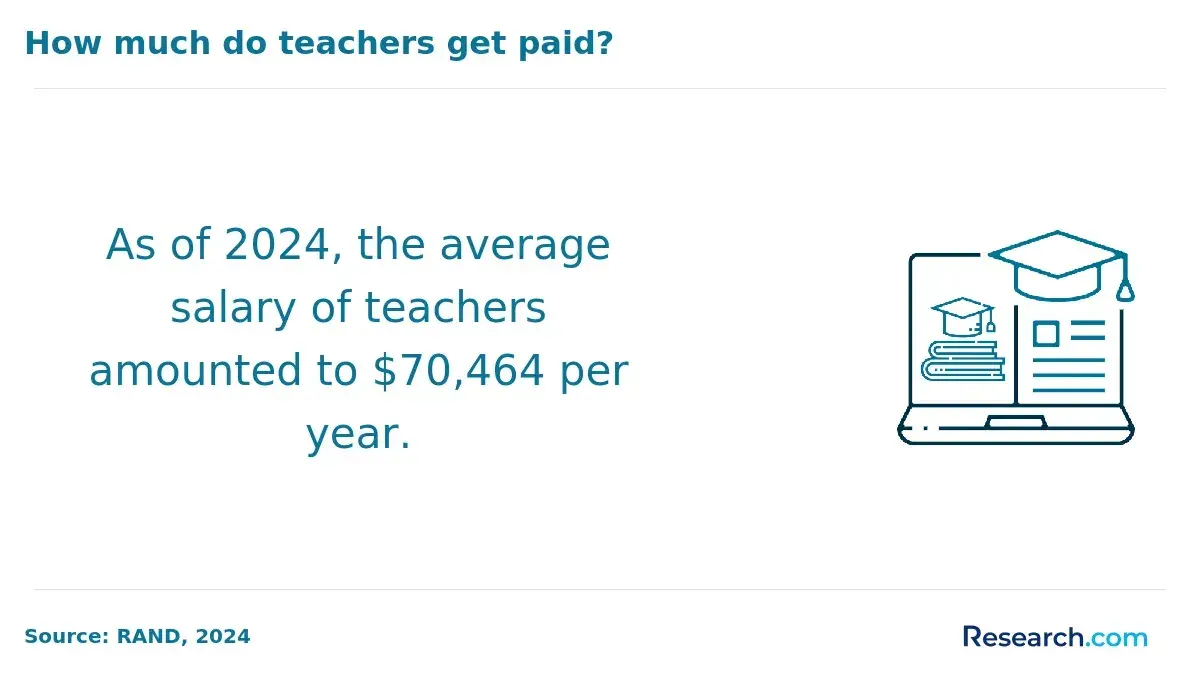
Teacher salary progression in Indiana is intricately linked to both years of service and ongoing professional development, reflecting a structured yet multifaceted growth model. While longevity in the classroom forms the foundation of pay increases, advancement is also significantly shaped by educational attainment, performance quality, and leadership roles.
- Years of Experience (Tenure): Each additional year typically moves teachers one step up a salary schedule, adding about $250 annually, contingent on maintaining effective performance.
- Educational Advancement: Pursuing higher degrees, especially master’s degrees earned mid-career, can rapidly accelerate salary growth, allowing teachers to jump multiple salary steps in a single year.
- Performance Evaluations: Only those rated “effective” or higher qualify for raises, making evaluations a critical gatekeeper in the salary progression.
- Leadership and Development Roles: Taking on responsibilities like dual credit teaching or after-school tutoring can boost pay through additional salary steps, rewarding active professional engagement.
- Longevity and Regional Variations: Bonuses incentivize retention, while urban districts generally provide higher salary ceilings than rural areas.
- Promotions: Moving into administrative or leadership roles can substantially increase earnings, often doubling classroom salaries.
What Do Teachers in Indiana Say About Their Career?
- Completing my teaching certification at Valor Academy in Indiana was a pivotal moment in my life. The program’s hands-on approach and connection to local schools prepared me thoroughly for the classroom challenges. Starting my career working in a local school has given me a sense of stability and a deep connection to the community I serve. I love seeing kids grow and knowing I contribute positively to their futures in such a unique Midwestern environment. Karen
- Reflecting on my time at Ridgewood Charter School, I realize how much professional growth the program fostered. The support for career advancement and continuous learning in Indiana’s educational landscape is remarkable. Indiana’s blend of urban and rural educational settings offers teachers unique challenges that have only made me a better educator and advocate for my students’ well-being. Zoey
- Teaching in Indiana has offered me incredible opportunities to connect with a diverse student body shaped by the state’s rich cultural and natural resources. At Heritage Academy, I felt empowered to make an impact not just academically but also in the larger community. The passion I have for nurturing young minds and helping them navigate their paths is fueled by Indiana’s supportive teaching environment and job security. Isabella
Related Articles for Nearby States
- 2027 How Long Does It Take to Be a Teacher in Ohio?
- 2027 How Long Does It Take to Be a Teacher in Illinois?
- 2027 How Long Does It Take to Be a Teacher in Kentucky?
- 2027 How Long Does It Take to Be a Teacher in Michigan?
- 2027 How Long Does It Take to Be a Teacher in Wisconsin?
- 2027 How Long Does It Take to Be a Teacher in Missouri?
- 2027 How Long Does It Take to Be a Teacher in Tennessee?
- 2027 How Long Does It Take to Be a Teacher in Iowa?
- 2027 How Long Does It Take to Be a Teacher in West Virginia?
- 2027 How Long Does It Take to Be a Teacher in Minnesota?
References:
- Indiana Code § 20-28-6-7.5. Probationary Teacher; Professional Teacher :: 2024 Indiana Code :: U.S. Codes and Statutes :: U.S. Law :: Justia https://law.justia.com/codes/indiana/title-20/article-28/chapter-6/section-20-28-6-7-5/
- Indiana Transition to Teaching - iteach https://iteach.net/alternative-teacher-certification/indiana-transition-to-teaching/
- Transition to Teaching: Academics: School of Education: Indiana University Bloomington https://education.indiana.edu/programs/transition-to-teaching/index.html
- Transition to Teaching - Purdue University College of Education https://education.purdue.edu/undergraduate-students/current-students/licensure/transition-to-teaching/
- Making a Career Change to Teaching in 2025: What You Should Consider | Teachers of Tomorrow https://www.teachersoftomorrow.org/blog/insights/making-a-career-change-to-teaching/
- DOE: Alternative Licensure Paths https://www.in.gov/doe/educators/educator-licensing/alternative-licensure-paths/
- Indiana Alternative Teaching Certification Requirements https://www.teachercertificationdegrees.com/certification/indiana-alternative/
- How to Get Teaching Certification in Indiana | All Education Schools https://www.alleducationschools.com/teacher-certification/indiana/
- Become a Teacher in Indiana https://teach.com/careers/become-a-teacher/teaching-credential/state-requirements/indiana/
Other Things You Should Know About How Long it Takes to be a Teacher in Indiana
To become a licensed teacher in Indiana by 2026, candidates must complete a bachelor's degree in education or a related field, pass the necessary teaching exams, and undergo a period of student teaching. The typical timeline ranges from four to five years, factoring in undergraduate education and certification requirements.
In Indiana, student teaching typically lasts one full semester, usually around 12 to 16 weeks, as part of the requirements for teacher licensure. This hands-on experience allows aspiring teachers to apply their coursework in a real classroom setting under the supervision of an experienced mentor teacher. The duration ensures candidates develop essential classroom management skills and instructional techniques necessary for successful teaching. Completing this student teaching period is a critical step before obtaining an Indiana teaching license and beginning a professional career in education.
To start teaching in Indiana, a bachelor's degree in education or a related field is required, along with completion of a teacher preparation program. Additionally, passing the state's required licensure exams is necessary for obtaining a teaching license.