
2027 How Long Does It Take to Be a Teacher in Arkansas?

Co-Founder and Chief Data Scientist
Becoming a teacher in Arkansas typically takes about four to six years, depending on the path chosen. Arkansas has a growing demand for qualified educators, with employment for teachers expected to rise by around 8% over the next decade. This steady growth makes teaching a worthwhile career choice in the state. Besides competitive salaries, teachers enjoy strong community support and opportunities for professional growth.
This article breaks down the timeline to become a certified teacher in Arkansas. It’s designed by career planning experts to give clear, reliable info so readers can confidently plan their teaching journey in Arkansas.
Key Things to Know About How Long It Takes to Be a Teacher in Arkansas
- It usually takes about 4 years to earn a bachelor’s degree plus a teacher prep program in Arkansas.
- After your degree, applying for state licensure can take a few weeks to a couple of months depending on paperwork and background checks.
- Alternative certification routes speed things up for those with a degree already, letting you start teaching while you finish certification.
- How long does it take to earn a teaching degree in Arkansas?
- How long does teacher certification take in Arkansas?
- Do career changers take less time to become teachers in Arkansas?
- Do advanced degrees shorten the teacher certification process in Arkansas?
- Are online programs speeding up the process of becoming a teacher in Arkansas?
- Do elementary and secondary teachers have different timelines in Arkansas?
- How long is the probationary teaching period in Arkansas?
- How much does it cost to complete the education requirements in Arkansas?
- How long after certification can you get hired as a teacher in Arkansas?
- How does a teacher's salary in Arkansas increase over the career timeline?
- What additional certifications can advance my teaching career in Arkansas?
How long does it take to earn a teaching degree in Arkansas?
Figuring out how long to get a teaching degree in Arkansas depends on several things like the type of program you pick, whether you’re studying full-time or part-time, and if you transferred any college credits. Most students go for the traditional four-year route, but your individual pace can shift depending on these factors. Here’s a quick breakdown of what the typical Arkansas teacher degree program length looks like for a bachelor's in education:
- Total Duration: Typically a four-year, full-time bachelor’s degree at an accredited university is needed to meet public school teaching requirements.
- Credit Hour Requirements: About 120 credit hours are required, covering general education, professional education, and specific licensure courses.
- Admission to Teacher Education Program: Students typically apply to the teacher education program after completing roughly 30 credit hours, meeting GPA standards and prerequisite classes.
- Professional Education Coursework: Around 63 credit hours focus on teaching methods, classroom management, and subject-specific instruction.
- General Education Requirements: About 38 credit hours are spent on foundational courses like English, math, sciences, and humanities.
- Student Teaching Residency: Hands-on teaching experience during the final year, usually spread across two semesters, is mandatory in Arkansas.
- Pace of Completion: Staying enrolled full-time and continuously usually means wrapping up in about four years, though transferring credits or part-time study can change the timeline.
If you want to learn more about what options come with different education degrees, especially associate ones, check out what are some jobs you can get with education associate degree.
How long does teacher certification take in Arkansas?
How long it takes to get your teaching license in Arkansas really depends on your starting point and the path you choose. If you already have a bachelor’s degree, the process is much quicker, usually around 12 to 18 months through an alternative certification program. But if you’re starting fresh without a degree, plan on about 4 to 5 years to cover all the requirements, including college and certification steps.
- Complete a Bachelor’s Degree: This is a must for all public school teachers in Arkansas. If you’re just starting out, it takes about four years full-time. If you’ve already got one, you can move right into the certification process.
- Enroll in an Approved Teacher Preparation Program: After your degree, you’ll need to complete a state-approved program. Alternative certification programs can be wrapped up in 12–18 months, while traditional routes are part of your undergraduate studies.
- Complete Student Teaching: Expect around 60 full school days in the classroom under supervision, usually at the end of your preparation program. It’s a key step to gain hands-on experience before getting certified.
- Pass Required State Exams: You’ll need to pass the Praxis Core exams along with subject-specific tests. Sometimes a course in Arkansas history is also required. These exams can be taken during or after your program.
- Professional Development Modules: First-time teachers in Arkansas must complete online training modules covering important topics like ethics and dyslexia awareness before licensure.
- Background Checks: The process includes checks by the Arkansas State Police, FBI, and the Child Maltreatment Central Registry. This can take some weeks, so start early.
- Submit Licensure Application and Fee: Once everything is done, submit your application online with a $75 fee at least a month before graduation to ensure timely processing.
For those curious about different education paths, checking out a list of best online teaching degree programs can be a helpful first step when planning your Arkansas teacher certification timeline.
Do career changers take less time to become teachers in Arkansas?
Alternative certification pathways in Arkansas are designed to help folks switching careers get into teaching faster by recognizing their past experiences and letting them learn on the job. These programs often let candidates start teaching quickly while wrapping up coursework or meeting licensing requirements.
- Teach While You Learn: Many programs let career changers start working as full-time teachers right away, so they gain real classroom experience while finishing their certification courses. This hands-on approach fast-tracks readiness and keeps income flowing.
- Credit for What You’ve Done: Since a bachelor’s degree in any field is enough, there’s no need to go back for a whole new undergrad education degree. Some programs also accept relevant prior coursework or work experience, cutting down on extra classes.
- Flexible, Accelerated Options: Arkansas offers programs that can be completed in about a year, often using online or hybrid formats to fit busy adults’ schedules. These shorter timelines help career changers transition without waiting around.
- Provisional Licenses: Some pathways provide a provisional or emergency license that lets candidates start teaching quickly after brief training, while finishing full certification later.
- Waived Requirements in High-Need Areas: If you’re aiming to teach in subjects like math or science, special waivers may reduce testing or coursework, streamlining the process.
A teacher from Arkansas, who switched careers after graduating from a local school, shared how jumping into the classroom within a couple of months was both exciting and a little nerve-wracking, especially balancing his early teaching days with ongoing coursework. "It felt intense at first, trying to keep up with lesson plans while studying, but having support from mentors made a big difference," he said. He admitted the process wasn’t without its challenges—managing time and mastering classroom management took effort—but overall, he appreciated how the alternative route let him avoid years of additional schooling. "Being able to start teaching sooner really kept my motivation up and made the whole switch feel doable," he reflected, highlighting how the shorter timeline truly helped him turn his passion into a reality faster than he expected.
Do advanced degrees shorten the teacher certification process in Arkansas?
Having a master’s or doctoral degree can speed up the teacher certification journey in Arkansas by opening doors to alternative routes and cutting down on some usual requirements. These advanced degrees often make candidates eligible for faster certification tracks or extra endorsements, helping them get licensed more quickly. Here are ways advanced degrees may shorten the certification process:
- Waiver of Prerequisite Coursework: If you already hold an advanced degree in education or a related field, you may skip many of the basic courses often needed for certification, which means less time spent in class before starting to teach.
- Qualification for Accelerated Certification Programs: Arkansas offers special graduate certificate options designed for people with bachelor's or master’s degrees that let you earn your teaching credentials in under a year, much faster than usual.
- Provisional Licensure While Completing Coursework: With an advanced degree, you might get a provisional license allowing you to teach while finishing certification requirements, so you don’t have to wait to gain real classroom experience.
- Reduced Student Teaching Requirements: Prior graduate-level teaching or practicum experience can sometimes count toward the student teaching hours Arkansas requires, meaning you may have fewer practicum days to complete.
- Eligibility for Additional Endorsements and Specialized Certificates: Advanced degree holders can quickly pursue add-on endorsements, like literacy coaching, through shorter certificate programs, boosting their qualifications faster.
Are online programs speeding up the process of becoming a teacher in Arkansas?
Flexible, online teacher prep programs are shaking up certification timelines in Arkansas by giving candidates more control over when and how they complete their coursework. Instead of being tied to traditional semester schedules or commuting to campus, these programs open doors to finishing faster.
- Self-Paced Coursework: Many online programs let you work through classes at your own speed, so if you’re motivated, you can breeze through material without waiting for set terms. This freedom often trims down the time spent on coursework.
- Condensed Program Formats: Some online certifications are designed to be fast, offering completion in as little as nine months compared to the typical one to two years. This helps career changers or those with degrees in other fields jump into teaching quickly.
- Concurrent Teaching and Coursework: Online programs sometimes allow you to handle student teaching hours while being paid for teaching. This “earn while you learn” setup cuts out the need for a separate unpaid internship, speeding up the licensure process.
- Year-Round Enrollment: Unlike traditional programs that start only once or twice a year, many online schools have rolling admissions. This means you don’t have to wait months to get started and can finish sooner.
- Remote Access to Coursework: Whether you live in a city or a rural town, online programs eliminate commuting or relocating hassles. That easy access means more people across Arkansas can jump into teacher prep right away.
A teacher from Arkansas, who graduated from a local school, shared how these online programs really made a difference. She explained, “Juggling work and family used to feel impossible with traditional classes, but being able to study late at night on my own schedule took a huge weight off.” She also mentioned how completing student teaching while already working in a classroom saved her months of waiting around. “It was intense but so worth it—I finished faster than I ever thought possible, and it gave me confidence to hit the ground running.” Her story is a great reminder that online options can truly speed up the journey to becoming a licensed teacher here.
Do elementary and secondary teachers have different timelines in Arkansas?
In Arkansas, both elementary and secondary teachers usually spend about four to five years becoming licensed, starting with a bachelor’s degree and completing an approved educator preparation program. The big similarities include finishing around 60 full school days of student teaching, passing state licensing exams, and completing professional development. such as training on child maltreatment and teen suicide awareness. Both also need to pass the Praxis Core exams.
The main difference lies in the specific tests and coursework. Elementary teachers focus on early reading skills with tests like the Foundations of Reading assessment, while secondary teachers take subject-specific Praxis exams for their teaching area, like math or science. Both might have to take a course in Arkansas history, but that doesn't really change how long it takes to qualify. Overall, timelines are pretty similar, but the assessments match what you’ll be teaching.
How long is the probationary teaching period in Arkansas?
The probationary teaching period in Arkansas typically lasts three consecutive years, applying uniformly to both elementary and secondary teachers. This period starts when a teacher begins employment in a public school district, and after these three years, they are considered to have completed their probation. However, there’s some flexibility at the local level—school boards can extend the probationary status by one more year through a majority vote, so in some districts, probation could last up to four years. This probation applies to all licensed educators, except for superintendents and assistant superintendents, and there’s no distinction in length based on grade level. During this time, teachers undergo formal evaluations and often participate in mentoring or induction programs that help support their growth and readiness for a long-term teaching career.
Once a teacher finishes the probationary teaching period in Arkansas, they traditionally moved on to tenure or continuing contract status, which provided more job security and protections. But recent legislative changes have scaled back those guarantees, so now educators mainly receive notice of termination and a hearing before the school board if their contract isn’t renewed. To move beyond probation, teachers usually have to demonstrate satisfactory performance according to district evaluations. If you’re considering teaching in Arkansas and wondering how long is teacher probation in Arkansas, those initial years are crucial for building your classroom skills and professional record. For those exploring pathways into education, finding an affordable online degree in education can be a smart first step to get licensed and start this probationary period strong.
How much does it cost to complete the education requirements in Arkansas?
Knowing the overall cost of becoming a teacher in Arkansas is key to planning your finances and avoiding surprises along the way. Costs can really vary depending on whether you’re aiming for a bachelor’s, master’s, or alternative certification program, plus if you’re in-state or out-of-state, that shifts things too.
- Bachelor’s and Master’s Tuition and Fees: Public universities in Arkansas typically charge between $7,000 and $9,000 per year for in-state students pursuing a degree in education or a related field. The full bachelor’s degree usually takes four years, while a master’s can extend your study, but often boosts job opportunities and salary potential.
- Alternative Certification Programs: For those skipping a traditional degree route, alternative certifications provide a faster track into teaching with focused training and field experience. These programs vary widely in cost but are designed to meet state requirements and get you into the classroom sooner.
- Testing, Application, and Background Fees: Additional expenses of around $100 to $300 cover required exams, applications, and background checks. These ensure candidates meet professional standards before stepping into a role, which schools and districts definitely appreciate for maintaining high-quality education.
- Financial Aid and Support: You might also explore financial aid options, including benefits for veterans or agency sponsorships. Sometimes agencies will cover initial costs but expect reimbursement if employment doesn’t last, so it’s important to understand these commitments.
For those interested in further education, the cheapest masters in library science programs can also be worth considering to expand qualifications and skills while keeping tuition affordable.
How long after certification can you get hired as a teacher in Arkansas?
The time it takes to get hired as a teacher in Arkansas after certification really depends on a few key things. Some folks land a job pretty fast, especially if they finish their certification just before the main hiring season, while others might have to hang tight until the next cycle rolls around. This is pretty normal and influenced by factors like demand and timing.
- Hiring Seasonality: Most districts hire mainly between March and August to prep for the school year. If you wrap up your certification near this time, you’re more likely to get hired quickly.
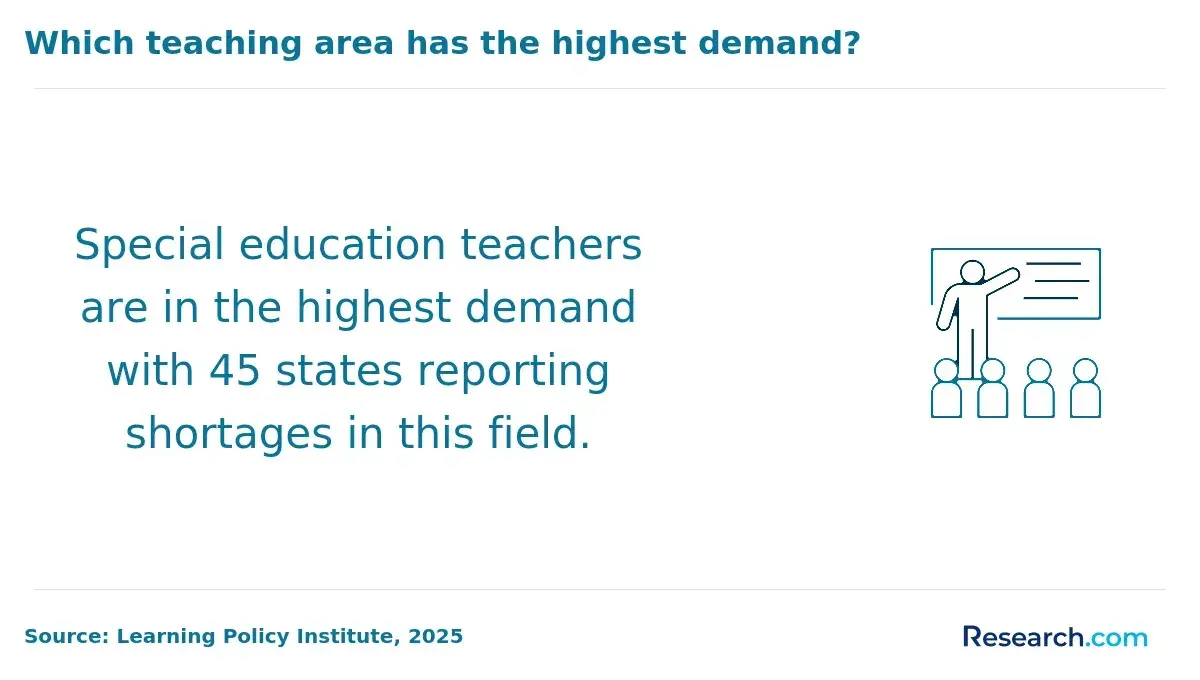
- Subject and Grade-Level Demand: High-need areas like math, science, special education, and ESL usually have openings sooner, so teachers in these spots often get snapped up faster.
- Geographic Location: Jobs in urban areas might be more competitive and take longer to land, but rural or underserved districts often have urgent needs that can speed up hiring.
- Networking and Professional Connections: Getting involved in programs or internships can open doors early, sometimes even before final certification is complete.
- Alternative Certification Pathways: Programs like the Arkansas Teacher Corps offer provisional hires that let you start teaching shortly after meeting initial requirements.
- District Hiring Practices: Each district runs its own show; some move fast to lock in candidates, while others take their time with interviews and background checks.
Also, if you’re curious about how long does it take to get a teaching degree in Arkansas or want to explore different routes, checking out a ranking of short doctor of education online degrees could be a helpful step in planning your path forward.
How does a teacher's salary in Arkansas increase over the career timeline?
In Arkansas, a teacher’s salary growth is closely linked to their years of service and continuing professional development. As teachers gain experience and pursue further education, their pay tends to increase, though the exact amount depends on several factors like district policies and new state legislation.
- Years of Experience: Teachers typically start with a minimum salary of $50,000, thanks to recent reforms, and many districts offer incremental raises for each additional year of service, usually around $450 annually in earlier systems.
- Advanced Education: Earning a master’s or doctorate degree can significantly boost pay, with districts providing higher salary lanes for advanced credentials.
- Promotions and Leadership: Moving into roles like department chair or principal comes with substantial pay raises, reflecting added responsibilities.
- Longevity and Stipends: Some districts reward long-term commitment and offer stipends for coaching or teaching in high-need areas.

What do teachers in Arkansas say about their career?
- Completing my teaching certification through the Arkansas Teacher Academy gave me hands‑on experience close to home, which was invaluable in preparing for my first years in the classroom. The support from both my mentors and peers helped me grow confident in my abilities while navigating the unique challenges that come with teaching in a rural community. I cherish the strong bonds I've formed with students and their families, and I love seeing the positive impact we make together every day. The stability and career growth opportunities here keep me motivated to keep learning and improving. Darius
- Starting my teaching career in a local school in Arkansas offered me a chance to immerse myself in the state’s rich cultural heritage, which I incorporate into my lessons to engage students more deeply. Being part of the community and witnessing students develop a strong sense of identity and pride has been incredibly rewarding. The professional development programs available have allowed me to refine my skills and take on leadership roles, helping shape educational practices in my district. Teaching here is both a challenge and a privilege I’m passionate about. Tina
- The journey through a local teacher training program at Little Rock Learning Center opened doors I never imagined, especially in terms of making a tangible difference in under-resourced schools. Arkansas’s diverse landscape presents unique learning opportunities that keep the classroom vibrant and dynamic. I feel a deep sense of personal fulfillment knowing that my work empowers young people to overcome obstacles and succeed. The collaborative atmosphere among educators in this state fuels my enthusiasm for continuous professional growth and innovation in teaching. Aimee
What additional certifications can advance my teaching career in Arkansas?
Educators seeking to expand their professional qualifications may benefit from pursuing endorsements that complement initial licensure. Advanced certifications—such as special education, ESL, or subject-specific qualifications—can unlock opportunities for specialized roles and leadership positions. For instance, teachers interested in diversifying their instructional areas can explore targeted training options through how to become a PE teacher in Arkansas. These additional credentials typically require a mix of professional experience, further academic coursework, and successful completion of specialized evaluations, providing a meaningful pathway for career progression and enhanced job security.
Related Articles for Nearby States
- 2027 How Long Does It Take to Be a Teacher in Missouri?
- 2027 How Long Does It Take to Be a Teacher in Oklahoma?
- 2027 How Long Does It Take to Be a Teacher in Tennessee?
- 2027 How Long Does It Take To Be A Teacher in Mississippi?
- 2027 How Long Does It Take to Be a Teacher in Louisiana?
- 2027 How Long Does It Take to Be a Teacher in Texas?
- 2027 How Long Does It Take to Be a Teacher in Kentucky?
- 2027 How Long Does It Take to Be a Teacher in Kansas?
- 2027 How Long Does It Take to Be a Teacher in Alabama?
- 2027 How Long Does It Take to Be a Teacher in Illinois?
References:
- How to Become a Teacher in Arkansas - iteach https://iteach.net/how-teacher-certification-works/how-to-become-a-teacher-in-arkansas/
- Division of Elementary and Secondary Education - Offices - Educator Effectiveness and Licensure - Pathways to Licensure: Alternate Routes https://dese.ade.arkansas.gov/Offices/educator-effectiveness/pathways-to-licensure
- Frequent Asked Questions | Teacher Education | Southern Arkansas University https://web.saumag.edu/teacher-education/faq/
- Become a Certified Teacher - Fort Smith School District https://www.fortsmithschools.org/departments/human-resources/becoming-a-teacher
- Bachelor of Science in Education | Curriculum & Instruction | University of Arkansas https://cied.uark.edu/programs/educational-studies/bse/
- Licensure Requirements and Checklist | Teacher Education | University of Arkansas https://teach.uark.edu/redhub/licensure/licensure_checklist.php
- Arkansas Teacher Certification and Licensing Guide 2025 https://www.teachercertificationdegrees.com/certification/arkansas/
- How to Get Teaching Certification in Arkansas | All Education Schools https://www.alleducationschools.com/teacher-certification/arkansas/
- How to Become a Teacher in Arkansas https://prepsaret.com/praxis/how-to-become-a-teacher-in-arkansas
Other Things You Need to Know About Becoming a Teacher in Arkansas
To become a teacher in Arkansas in 2027, you must pass the Praxis Core Academic Skills for Educators tests, which assess basic skills in reading, writing, and mathematics, along with subject-specific Praxis tests that pertain to the area you wish to teach.
Substitute teachers in Arkansas are generally not required to complete student teaching as part of their qualification process. This exemption exists because substitute teaching often serves as a temporary or flexible role, allowing schools to fill in staffing gaps without the full certification requirements of regular teachers. Instead, substitutes must meet other criteria such as possessing at least 48 hours of college credit or holding a valid teaching license. The state prioritizes practical experience and educational background over the completion of a formal student teaching component for substitutes, recognizing the distinct nature of substitute teaching compared to full-time classroom instruction.
In Arkansas, the student teaching requirement typically lasts for one full semester, which is approximately 12 to 16 weeks. This practical experience is a crucial part of teacher preparation programs, allowing aspiring teachers to apply their learned skills in a real classroom setting under the supervision of a certified mentor teacher. Completing this student teaching period is essential before graduation and state certification. It provides hands-on experience that helps prepare future educators for the responsibilities of managing a classroom and delivering effective instruction.
Yes, you can become certified to teach in Arkansas without a degree in education. Candidates can pursue alternative certification routes, like the Arkansas Professional Pathway to Educator Licensure (APPEL), which allows individuals with a bachelor’s degree to meet certification requirements while teaching.


