
2027 How Long Does It Take to Be a Teacher in Georgia?

Co-Founder and Chief Data Scientist
Becoming a teacher in Georgia typically requires a minimum of four years to complete a bachelor’s degree, followed by obtaining state certification. In Georgia, the median salary for educators surpasses the national average by 8%, making it an attractive career choice. The state also offers incentives such as student loan forgiveness and professional development programs to support teachers.
This article breaks down the timeline to become a certified teacher in Georgia. Prepared by career planning experts, it provides practical, step-by-step guidance. Readers will gain clear insights into education requirements, certification processes, and opportunities within Georgia’s teaching profession.
Key Things to Know About How Long It Takes to Be a Teacher in Georgia
- Completing a bachelor’s degree usually takes four years, which is the minimum education requirement for certification in Georgia.
- After graduation, passing the Georgia Assessments for the Certification of Educators (GACE) exams can take 2 to 3 months depending on preparation and scheduling.
- Applying for certification and background checks typically adds 1 to 2 months, making the total timeline around 5 to 6 years from starting college to a full teaching credential.
- How long does it take to earn a teaching degree in Georgia?
- How long does teacher certification take in Georgia?
- Do career changers take less time to become teachers in Georgia?
- Do advanced degrees shorten the teacher certification process in Georgia?
- Are online programs speeding up the process of becoming a teacher in Georgia?
- Do elementary and secondary teachers have different timelines in Georgia?
- How long is the probationary teaching period in Georgia?
- How much does it cost to complete the education requirements in Georgia?
- How long after certification can you get hired as a teacher in Georgia?
- How does a teacher's salary in Georgia increase over the career timeline?
- How do I become a physical education teacher in Georgia?
How long does it take to earn a teaching degree in Georgia?
The length of time it takes to earn a teaching degree in Georgia can vary based on several factors such as the specific education program, enrollment status, and any prior coursework. Full-time students typically follow a standard timeline, but those attending part-time or with transferable credits might experience different durations. Understanding the typical Georgia teacher degree program length helps in planning your education path effectively. For most students pursuing the traditional route, here is the typical timeline outlined step-by-step:
- Length of Bachelor’s Degree Program: The traditional Georgia teacher degree program length is generally four years of full-time study, aligning with the national average for undergraduate education degrees.
- Program Structure: The first two years focus on general education courses, while the final two years emphasize upper-level education courses combined with field experiences.
- Field Experience and Student Teaching: During the last year, students complete significant on-site classroom experience, often called student teaching, which is essential for graduation and future certification.
- Pre-Admission Coursework: Some programs require foundational courses before officially entering the teaching track; if not previously completed, these may extend the time needed to graduate.
- Enrollment Status Impact: Continuous, full-time enrollment is assumed for the four-year timeline; part-time attendance or course retakes can lengthen the duration.
- State Requirements: Degrees must come from Georgia Professional Standards Commission-approved programs, including passing state exams and completing specific coursework on educating exceptional children.
For students interested in further education, exploring the highest paid masters degree jobs in the field can be a strategic next step.
How long does teacher certification take in Georgia?
Teacher certification timelines in Georgia vary depending on your educational background, the certification type, and whether you take a traditional or alternative route. Typically, traditional certification takes longer, while alternative pathways can speed up the process if you already have a qualifying degree.
- Bachelor’s Degree and Educator Preparation: Most candidates first complete a bachelor’s degree in education, which usually takes four years full-time. If you have a degree in another field, you’ll need to finish a GaPSC-approved preparation program, adding one to two years depending on your pace.
- Pre-Service Certificate and Enrollment: Before student teaching, you must enroll in a teacher preparation program and apply for a Pre-Service certificate, which includes background checks and passing ethics assessments. This step may take several weeks to a couple of months.
- Student Teaching (Field Experience): One full semester, around 14 to 16 weeks, is required for supervised teaching in a local school. This hands-on experience is essential and typically occurs near the end of your program.
- Passing Required Exams: You must pass the GACE Content and Ethics Assessments, as well as the edTPA since 2015. Preparing and scheduling these exams can take several weeks, often overlapping with your student teaching period.
- Final Background Checks and Documentation: After completing exams and fieldwork, final background checks and submission of required documents can add several more weeks before your application is processed.
- Certificate of Eligibility and Employment: Once all requirements are met, you receive a Certificate of Eligibility valid for five years. Employment in a Georgia school allows you to convert this to an Induction Certificate, typically valid for three years while you complete mentoring.
Overall, the teacher certification timeline in Georgia usually spans 4.5 to 6 years for those following the traditional route. Alternative pathways may take as little as 18 to 24 months when adding certification to an existing bachelor's degree. For those planning their path, exploring what is the best online bachelors degrees in special education can be a practical step to accelerate entry into teaching.
Do career changers take less time to become teachers in Georgia?
Alternative certification pathways in Georgia streamline the transition for professionals from other fields into teaching by reducing time-consuming requirements typical of traditional education programs. These routes emphasize hands-on training and practical experience, enabling career changers to start teaching faster while completing necessary coursework.
- Immediate Classroom Placement: Candidates often begin teaching right away under provisional certification, gaining real-world experience and salary while completing mandated pedagogical courses on the job.
- Credit for Prior Education: Holding a bachelor’s degree or higher allows candidates to bypass redundant general education classes, focusing solely on teacher-specific training.
- Flexible and Accelerated Coursework: Many programs offer compressed schedules, online classes, and summer sessions that let candidates finish certification within a year or two.
- Mentorship and Job-Embedded Training: Ongoing support through coaching and feedback helps candidates develop required skills during actual classroom teaching instead of lengthy unpaid internships.
- Specialized High-Demand Tracks: Pathways in subjects like STEM or special education provide tailored training and sometimes financial incentives to speed entry into critical teaching roles.
- Streamlined Performance Assessments: Portfolio and observation-based evaluations replace lengthy exams, allowing candidates to advance based on demonstrated classroom proficiency.
A teacher from Georgia who transitioned from another profession recalled that starting with a provisional certificate “felt like being thrown into the deep end—but the mentorship made all the difference.” Graduating from a local school himself, he described balancing classroom responsibilities with coursework as “challenging but rewarding.” He noted that the ability to earn a salary while training helped alleviate financial pressure and “made the whole process feel more practical and achievable.” His experience confirmed that while the path demands dedication, these alternative routes genuinely shorten the time to certification compared to traditional methods, making a teaching career accessible for those ready to pivot quickly.
Do advanced degrees shorten the teacher certification process in Georgia?
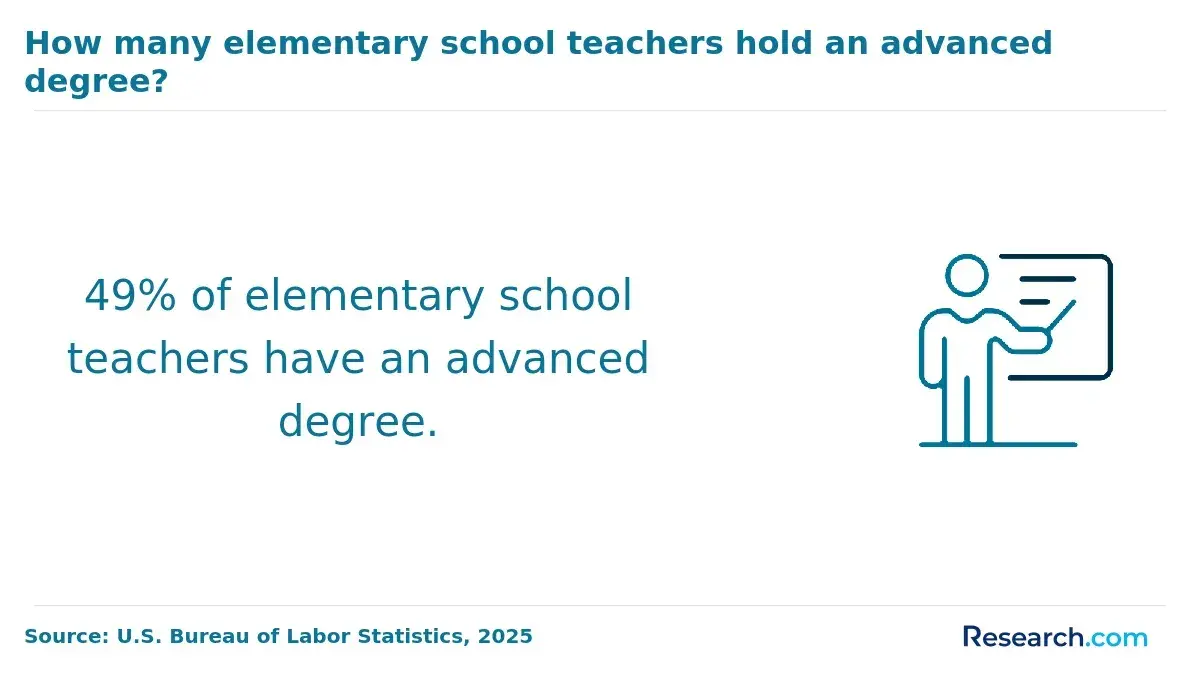
Holding a master’s or doctoral degree can streamline the teacher certification timeline in Georgia by allowing candidates to bypass certain requirements or qualify for advanced certification options. These degrees may provide practical advantages that reduce time and effort in meeting GaPSC standards. Here are ways advanced degrees may shorten the certification process:
- Waiver of Prerequisite Coursework: Candidates with an advanced degree in the intended teaching subject often do not need to complete foundational courses, cutting down time spent on preparatory classes.
- Eligibility for Certificate Level Upgrade: Teachers with an existing certificate who earn a master’s or doctoral degree in a relevant field can upgrade their certificate level, which can boost salary and status without extra coursework beyond the degree.
- Accelerated or Alternative Certification Programs: Advanced degree holders may finish alternative routes like GaTAPP faster, especially when their graduate studies align with program requirements, speeding entry into the classroom.
- Reduced Student Teaching Requirements: In some situations, prior professional experience combined with an advanced degree can qualify candidates for reduced clinical or student teaching, depending on GaPSC and program approvals.
Are online programs speeding up the process of becoming a teacher in Georgia?
Flexible, online teacher preparation programs are reshaping the timeline for becoming a certified teacher in Georgia by offering more adaptable and efficient pathways. These programs serve candidates who need a quicker route to certification without sacrificing the quality or requirements of traditional education. Below are key ways online options help speed up the certification process.
- Self-Paced Coursework: Candidates can move through material on their own schedule, which eliminates delays tied to traditional semester calendars. This flexibility enables motivated individuals to progress faster by dedicating more time when they are able.
- Condensed Program Formats: Some programs compress coursework into shorter time frames, such as two semesters or even one year. Accelerated tracks in post-baccalaureate and GaTAPP programs help reduce the overall time needed compared to conventional two-year programs.
- Simultaneous Teaching and Certification: Programs like Virtual TAPP allow candidates to teach in classrooms while completing certification requirements online. This combined work-study model offers real classroom experience and salary, accelerating practical readiness and financial stability.
- Multiple Cohort Start Dates and Rolling Admissions: Offering several start dates throughout the year helps candidates avoid waiting many months to begin. This constant enrollment option allows learners to start when they are ready rather than on a fixed annual schedule.
- Reduced Commuting and Scheduling Barriers: Online coursework removes the need to travel, making it easier for working professionals and parents to balance teacher preparation with other responsibilities without added time lost to transit.
A teacher from Georgia who graduated from a local program and relied heavily on online coursework described the experience as a “game-changer” in her journey. Balancing a full-time job and family made traditional class schedules impossible, but the online program’s flexible pacing let her tackle courses late at night or early morning. She noted, “I could fit my studies around my life, not the other way around.” Being able to teach while completing certification was challenging but rewarding, as she felt gaining hands-on experience simultaneously improved her confidence. She reflected that without the accelerated online pathway, it would have taken years longer to become a certified teacher, reinforcing how these programs truly speed up the process without compromising quality.
Do elementary and secondary teachers have different timelines in Georgia?
Becoming an elementary or secondary teacher in Georgia typically starts with earning a bachelor’s degree and completing a state-approved educator preparation program, which includes a full semester of supervised student teaching. Both tracks require passing the Georgia Assessments for the Certification of Educators (GACE), but the exams differ: elementary candidates take the Early Childhood Education assessment, while secondary candidates must pass a content-specific exam aligned with their subject area. Criminal background checks and other standard state requirements apply equally to both.
Timelines often align at about four years for the degree plus one semester of student teaching. However, secondary teacher candidates may face extra coursework or prerequisites if their degree isn’t in their intended subject, sometimes adding up to one or two years. Elementary programs cover multiple subjects broadly, while secondary programs focus deeply on one discipline, shaping the pathway’s length accordingly.
How long is the probationary teaching period in Georgia?
The probationary teaching period in Georgia typically lasts five years for public school teachers, applying equally to both elementary and secondary levels. This extended probation provides new educators ample time to demonstrate their effectiveness and suitability for permanent positions. While the probation must generally be continuous, some interruptions such as medical leave or parental leave might allow for extensions, depending on local school district policies. It's important to note that Georgia’s five-year period is longer than the minimum three years required by many other states. Local districts, particularly those operating as charter schools, may have some flexibility in contract terms, but the five-year benchmark is widely followed in traditional public schools.
After successfully completing the probationary teaching period in Georgia, teachers are often eligible for tenure or continuing contract status, which provides enhanced job security and due process rights. Achieving this status requires consistent satisfactory performance based on evaluations by school administrators. Teachers must show strong classroom management, effective instructional techniques, and measurable student progress to move beyond probation. Since local districts play a role in evaluating teachers, the specific criteria and professional development plans may vary. For those exploring the pathway to a teaching career, researching the most affordable online elementary education program can be a practical step toward meeting certification and employment requirements.
How much does it cost to complete the education requirements in Georgia?
Costs for completing the education requirements to become a teacher in Georgia can vary widely depending on the program type, institution, and residency status. Careful financial planning helps avoid surprises and ensures you can focus on gaining the right credentials. Whether pursuing a bachelor's, master's, or alternative certification, understanding these expenses provides a clear path forward.
- Bachelor’s and Master’s Program Tuition: Tuition for traditional teaching degrees can range significantly. Bachelor’s programs typically carry a higher overall cost but offer comprehensive preparation, while master’s programs provide advanced knowledge for career advancement. Many institutions also participate in the HOPE Scholarship or grants, helping reduce the financial burden for residents.
- Alternative Certification Programs: Designed for those switching careers or with prior degrees, these programs provide streamlined pathways to certification at a generally lower cost and shorter time frame. They focus on practical skills and classroom readiness, making them a valuable option for efficient entry into teaching.
- Testing and Application Fees: Certification requires passing state assessments and applying through the Georgia Professional Standards Commission. Fees for exams, background checks, and applications add up but are essential for licensure and maintaining quality standards in education.
- Additional Expenses: These may include textbooks, classroom supplies, technology, and training workshops. Budgeting for these supports academic success and reflects the ongoing investment in professional development. For international students or career changers, reviewing options like cheap online masters degrees in teaching can offer cost-effective alternatives to on-campus programs.
How long after certification can you get hired as a teacher in Georgia?
The time it takes to get hired as a teacher in Georgia after certification varies depending on several factors. While some candidates find positions quickly, often within weeks, others may need to wait until the next hiring season or even for several months. Being aware of these factors can help new teachers better plan their job search and increase their chances of securing a role promptly.
- Hiring Seasons: Most public school districts hire primarily from early spring to late summer to fill vacancies before the school year begins in August, but mid-year openings are sometimes available.
- Subject and Grade-Level Demand: Teachers certified in high-demand areas like STEM, special education, and foreign languages often get hired faster due to ongoing shortages.
- Geographic Location: Urban areas have more openings but also more competition, while rural districts may hire quickly because of critical staffing needs.
- Certificate of Eligibility: Newly certified teachers receive a valid five-year Certificate of Eligibility, allowing them to apply for jobs at any time within that period without losing eligibility.
- Networking and Job Search Strategies: Proactive networking through job fairs and contacts can significantly speed up hiring by increasing interview opportunities.
- Alternative Pathways: Programs like the Georgia Teacher Academy for Preparation and Pedagogy enable candidates to work provisionally while completing certification, which can shorten the employment gap.
- Application Processing Times: Certification processing usually takes three to four weeks, but delays in background checks or paperwork can affect the overall timeline.
- Market and Budget Conditions: District funding and enrollment influence how many new teaching positions open annually, impacting how soon candidates are hired.
For those still exploring how long to get a teaching degree in Georgia or considering different routes, researching EdD programs may provide flexible and accelerated preparation options aligned with Georgia teacher education requirements.
How does a teacher's salary in Georgia increase over the career timeline?
In Georgia, a teacher’s salary grows steadily over their career through a combination of years of service and ongoing professional development. The state salary schedule rewards experience and higher education, providing clear pathways for financial advancement as teachers gain expertise and pursue certifications or advanced degrees. Below are the key factors influencing salary growth:
- Years of Experience (Tenure): Teachers receive annual step increases based on their credited years of service. Starting salaries typically range from $41,000 to $43,500, rising above $49,000 for those with over 21 years of experience at the state minimum level.
- Advanced Education and Certification: Obtaining a master’s, specialist, or doctorate degree results in salary boosts of approximately 15%, 13%, and 11%, respectively, over the previous degree level. Additional credentials like National Board Certification can further enhance pay.
- District Supplements and Location: Local supplements vary widely; teachers in urban districts such as Atlanta often earn notably more due to cost-of-living adjustments and district policies.
- Promotions and Roles: Expanded responsibilities, including leadership or coaching roles, offer stipends or salary increases. Administrative positions average $82,417 annually, providing significant income growth opportunities.
- Longevity Bonuses: Some districts provide extra pay to retain veteran educators, rewarding long-term commitment with additional financial incentives.
What do teachers in Georgia say about their career?
- Completing my teaching credential at Augusta Prep was an eye-opening experience that prepared me thoroughly for the classroom realities here in Georgia. Starting my career in a local school allowed me to connect deeply with the community and understand the unique challenges our students face, from economic disparities to language barriers. What I love most is seeing the tangible growth in my students, fueled by Georgia's rich cultural heritage and natural environment, which we integrate into lessons creatively. Teaching here isn’t just a job; it’s a chance to make a real difference in young lives, and that daily impact keeps my passion alive. Mickey
- Reflecting on my journey, graduating from Savannah Charter Academy gave me a solid foundation, especially with the emphasis on diverse instructional strategies that reflect our state’s unique demographics. Beginning work in a local school sharpened my professional skills and exposed me to diverse learner needs, inspiring me to pursue continuous development and eventually leadership roles. Georgia’s educational environment supports growth through numerous workshops and training, which helped me stay motivated and engaged. This career choice has been fulfilling not only for me but also for the community, which values dedicated teachers. Dell
- Teaching in Georgia has presented unique challenges, especially balancing the rich cultural traditions and the evolving educational requirements here. Completing my teacher education program at Chattahoochee Academy equipped me well to embrace these complexities with confidence and resilience. The opportunity to contribute positively to the well-being of students, helping them navigate both academic and personal growth in this vibrant state, is deeply rewarding. Professionally, the support for advancement is strong, encouraging educators to expand their skill sets and pursue specialties. This profession fuels my commitment to lifelong learning and community impact. Antonia
How do I become a physical education teacher in Georgia?
Specialized certification for a physical education teaching career requires a distinct focus on health, fitness, and extracurricular instruction. Candidates should investigate tailored preparatory programs that incorporate both academic coursework and hands-on training in physical activity, ensuring compliance with state and local curriculum standards. For detailed career guidance and step-by-step criteria, refer to how to become a PE teacher in Georgia. Meeting fitness certification requirements and supplementing your academic credentials with targeted professional development can further accelerate career advancement in this niche field.
Related Articles for Nearby States
- 2027 How Long Does It Take to Be a Teacher in South Carolina?
- 2027 How Long Does It Take to Be a Teacher in Florida?
- 2027 How Long Does It Take to Be a Teacher in Alabama?
- 2027 How Long Does It Take to Be a Teacher in Tennessee?
- 2027 How Long Does It Take to Be a Teacher in North Carolina?
- 2027 How Long Does It Take To Be A Teacher in Mississippi?
- 2027 How Long Does It Take to Be a Teacher in Kentucky?
- 2027 How Long Does It Take to Be a Teacher in Virginia?
- 2027 How Long Does It Take to Be a Teacher in Louisiana?
- 2027 How Long Does It Take to Be a Teacher in West Virginia?
References:
- Learn How To Become A Teacher In Georgia https://www.accreditedschoolsonline.org/education/certification/georgia/
- Interested in Teaching in Georgia? Let Us know! - Teach In The Peach https://teachinthepeach.org/teacher-interest/
- Georgia Teacher Certification Guide | All Education Schools https://www.alleducationschools.com/teacher-certification/georgia/
- How to Become a Teacher In Georgia in 2025 | Teachers of Tomorrow https://www.teachersoftomorrow.org/blog/insights/how-to-become-a-teacher-in-georgia/
- For students interested in further education, exploring the https://research.com/careers/best-highest-paying-masters-in-education-jobs
Other Things You Need to Know About Becoming a Teacher in Georgia
In 2027, the process to become a certified teacher in Georgia typically takes 4 to 5 years. This includes earning a bachelor's degree in education, completing a teacher preparation program, and passing relevant certification exams required by the Georgia Professional Standards Commission.
In Georgia, student teaching typically lasts one semester, which is about 12 to 16 weeks. This period is part of a teacher preparation program and allows aspiring teachers to gain hands-on experience in a classroom under the supervision of a certified teacher.
In 2027, it generally takes four to five years to become a certified teacher in Georgia. This timeline includes completing a bachelor's degree in education, passing required state exams, and fulfilling student teaching requirements. Additional time may be needed if pursuing alternate routes or advanced certifications.


