
2027 How Long Does It Take to Be a Teacher in Oregon?

Co-Founder and Chief Data Scientist
The path to becoming a teacher in Oregon typically spans four to six years, reflecting the time required to complete a bachelor’s degree and obtain state licensure. Oregon’s teacher workforce grew by 5% from 2018 to 2023, driven by increased demand and competitive salaries averaging $65,000 annually, which is above the national median. The state emphasizes quality education through robust certification standards and ongoing professional development.
This article examines the timeline to become an Oregon teacher, detailing degree requirements, certification steps, and relevant state policies. Prepared by career planning experts, it aims to provide clear, data-backed guidance for aspiring educators.
Key Things to Know About How Long It Takes to Be a Teacher in Oregon
- Completing a bachelor’s degree in education typically takes four years, which is the foundational requirement to become a licensed teacher in Oregon.
- After graduation, passing the Oregon Teacher Standards and Practices Commission (TSPC) licensure exams usually takes an additional 3 to 6 months.
- Many candidates spend 6 to 12 months in student teaching or residency programs, essential for practical experience and required for initial certification.
- How long does it take to earn a teaching degree in Oregon?
- How long does teacher certification take in Oregon?
- Do career changers take less time to become teachers in Oregon?
- Do advanced degrees shorten the teacher certification process in Oregon?
- Are online programs speeding up the process of becoming a teacher in Oregon?
- Do elementary and secondary teachers have different timelines in Oregon?
- How long is the probationary teaching period in Oregon?
- How much does it cost to complete the education requirements in Oregon?
- How long after certification can you get hired as a teacher in Oregon?
- How does a teacher's salary in Oregon increase over the career timeline?
- How Can Specializing in Physical Education Benefit Your Teaching Career in Oregon?
How long does it take to earn a teaching degree in Oregon?
The duration required to earn a teaching degree in Oregon can vary significantly based on multiple factors such as program structure, enrollment status, and prior academic credits. Students attending full-time typically follow a traditional four-year pathway, while part-time students or those with transfer credits may experience a different timeline. These variations influence the overall Oregon teaching degree program length and individual progress. Below is a detailed outline of the standard timeline for obtaining a bachelor’s degree in education in Oregon:
- General Duration: Typically, it takes four years of full-time study to complete a bachelor's degree in education, aligning with most undergraduate degree requirements in Oregon.
- Coursework and Major Declaration: The first two years focus on general education and prerequisite courses, after which students declare an education major specializing in elementary or secondary education.
- Professional Education Courses: The final two years emphasize professional education coursework covering teaching methods, educational psychology, classroom management, and subject-specific instruction.
- Field Experience and Student Teaching: Throughout the program, particularly in the last year, students complete over 1,000 hours of practical fieldwork and student teaching assignments to prepare for classroom responsibilities.
- Completion and Licensure Preparation: Graduates meeting all academic and fieldwork requirements qualify to apply for the Preliminary Teaching License from the Oregon Teacher Standards and Practices Commission.
Students curious about more flexible or online options for how long does it take to become a teacher in Oregon might consider reviewing the best rated bachelors in education online, but the traditional undergraduate model remains the standard entry point.
How long does teacher certification take in Oregon?
The duration of teacher certification in Oregon varies depending on the candidate’s current education level, the specific type of certification sought, and whether they follow a traditional or alternative certification pathway. Those with a related bachelor’s degree generally complete the process faster, while individuals coming from different fields or states may face a longer timeline.
- Completing Education and Preparation: Most candidates earn a bachelor’s degree that includes a state-approved educator preparation program (EPP). This typically takes four years of full-time study, but those who already hold a relevant degree can complete a post-baccalaureate or alternative program in 1–2 years.
- Student Teaching Experience: A 600-hour student teaching placement, usually about one semester full-time, is required to provide practical classroom experience under supervision. This hands-on component is essential for Oregon teacher certification.
- Passing Certification Exams: Candidates must successfully complete the Oregon Educator Licensure Assessments (ORELA) or Praxis Subject Tests, depending on the teaching area. Exam preparation is usually integrated into the program, but additional time may be needed for retakes or extra study.
- Civil Rights and Ethics Requirement: Applicants must demonstrate knowledge of Oregon civil rights laws and professional ethics, typically covered during coursework. If not completed during the program, a supplemental exam may add weeks to the certification timeline.
- Background Check and Fingerprinting: A criminal background check and fingerprinting are mandatory. Processing times vary, but generally take a few weeks before the teaching license can be issued.
- Application Submission and Licensing: After completing all requirements, candidates apply to the Oregon Teacher Standards and Practices Commission with transcripts and verification documents. License processing can take several weeks, especially during peak times.
- Alternative and Out-of-State Candidates: Those entering through non-traditional routes often require additional coursework or evaluations, extending the certification timeline by 1–2 years.
On average, the Oregon teacher certification process takes about 4–5 years for those following the traditional path, including earning a bachelor’s degree and completing necessary steps. Alternative routes may take longer, reflecting varying educational backgrounds and additional state requirements. For candidates interested in teaching who need to understand the connection between education and career preparation, programs like a bachelors degree in library science might also present alternative educational opportunities relevant to education careers.
Do career changers take less time to become teachers in Oregon?
Alternative certification pathways in Oregon are tailored to accelerate the teaching licensure process for professionals transitioning from other careers. These programs streamline entry by leveraging prior education, allowing classroom experience during training, and providing accelerated degree options.
- Teaching While Completing Coursework: The Oregon Restricted Transitional License permits candidates with a relevant bachelor’s degree to teach in public schools before completing certification. This simultaneous work-and-study model enables earning a salary and gaining practical experience during the licensing period, which lasts up to three years.
- Recognition of Prior Experience: Many programs waive or reduce coursework based on candidates’ previous academic degrees or professional backgrounds, preventing redundancy and shortening preparation time. Licenses such as the Limited License cater to those with specialized expertise, further customizing requirements.
- Accelerated Program Formats: Several universities, including Linfield University, offer options that allow earning teaching credentials in as little as 12 months. Flexible scheduling and multiple annual start dates support working professionals seeking faster completion.
- Concurrent Clinical Practice: Integrating student teaching with academic coursework compresses the timeline. Candidates often complete required clinical hours within these condensed programs, enabling earlier application of teaching skills.
- Focused Licensure for High-Need Fields: Targeting subjects like math, science, and special education expedites placement and support due to critical shortage areas, aligning candidates’ preparation with state demand.
About 30% of teachers in Oregon enter through non-traditional routes, reflecting the impact of these pathways on workforce development. A teacher from Oregon, who graduated from a local university before switching careers, shared his experience: “Transitioning was challenging but rewarding. Balancing part-time coursework while teaching kept me grounded in real classroom situations. The mentorship provided through the Restricted Transitional License was invaluable, especially as I navigated new responsibilities.”
He also recalled moments of uncertainty managing student needs alongside certification requirements, but emphasized that the practical exposure accelerated his learning curve, making the intense year worthwhile. “Looking back, the program’s structure felt demanding but designed to push me toward competence without unnecessary delay.” This pragmatic approach helped him shift from his prior profession to becoming a licensed teacher within a year.
Do advanced degrees shorten the teacher certification process in Oregon?
Holding an advanced degree such as a master’s or doctoral degree can influence the teacher certification timeline in Oregon by providing alternative pathways and reducing some requirements. These degrees may facilitate faster progression toward licensure and professional credentials through streamlined coursework and targeted programs. Here are ways advanced degrees may shorten the certification process:
- Waiver or Reduction of Prerequisite Coursework: Candidates with advanced degrees in education or related fields often bypass foundational classes required in teacher preparation programs, decreasing the total time spent in training.
- Eligibility for Accelerated Certification Programs: Programs like the Master of Arts in Teaching (MAT) cater to those holding bachelor’s degrees in other fields, allowing completion of licensure requirements in as little as one year full-time.
- Advancement to the Professional Teaching License: Earning a master’s or doctoral degree after initial licensure can fulfill advanced program requirements, enabling teachers to upgrade from Preliminary to Professional License without completing additional professional development units.
- Potential Reduction in Student Teaching Requirements: Some programs adjust supervised teaching placements for candidates with advanced degrees or relevant experience, shortening practical training periods.
Are online programs speeding up the process of becoming a teacher in Oregon?
Flexible, online teacher preparation programs have significantly reshaped the certification timeline for aspiring educators in Oregon. By offering remote and adaptable coursework options, these programs enable candidates to progress more quickly than traditional, in-person pathways. The result is a streamlined route to licensure that accommodates working adults and career changers more effectively.
- Accelerated Completion Timelines: Many programs condense curricula to be completed in as little as 12 months rather than the usual 18–24 months. This compression helps motivated candidates meet requirements swiftly without compromising educational quality.
- Self-Paced or Flexible Schedules: Online offerings often allow part-time or full-time study with asynchronous classes, so students can manage their own pace. This flexibility minimizes downtime between courses and speeds up overall progress for driven learners.
- Multiple Start Dates and Rolling Admissions: Frequent enrollment options eliminate waiting periods tied to traditional academic calendars. Students can begin when ready, further cutting down the total time needed for certification.
- Concurrent Work and Study: Designed to accommodate current education workers, these programs let candidates complete coursework and student teaching simultaneously with employment. This integration reduces career interruptions and expedites entry into licensed teaching roles.
- Transfer Credits From Community Colleges: Some pathways allow prerequisite credits to transfer from Oregon community colleges, decreasing coursework load and accelerating licensure, especially for those re-entering education.
- Integrated Field Experience: Required student-teaching practicums are embedded within the curriculum and arranged in local schools, enabling efficient fulfillment of hands-on hours without significant delays.
A teacher from Oregon who graduated from a local university reflected positively on how online programs sped up her certification process. Balancing family responsibilities and a part-time job, she found the self-paced format critical: “Being able to complete coursework on my own schedule took a lot of pressure off. It wasn’t just about finishing faster but doing so without sacrificing quality.” She also noted that the frequent start dates kept her from waiting months to begin, a frustration she faced when exploring traditional routes. Coordinating student teaching with her existing substitute teaching role made the transition smoother, as she explained, “The practical experience felt integrated, not like an added burden.” She emphasized how these factors reduced the stress and uncertainty often associated with becoming licensed, allowing her to focus on learning and eventually stepping confidently into her teaching career.
Do elementary and secondary teachers have different timelines in Oregon?
The timeline to become an elementary or secondary teacher in Oregon is generally similar, with both requiring at least a bachelor’s degree, completion of a state-approved teacher preparation program, and passing exams like the edTPA and Oregon Educator Licensure Assessments (ORELA). Typically, traditional undergraduate programs take about four years, resulting in a Preliminary Teaching License valid for all grade levels, while graduate or alternative programs can shorten this to 12–24 months depending on prior education and program intensity.
The key difference lies in endorsements and testing: elementary teachers earn a Multiple Subjects endorsement involving coursework and exams across diverse core subjects (K-8), while secondary teachers pursue Single Subject endorsements with deeper specialization and subject-specific exams. Secondary candidates may require more time if additional coursework is needed to meet subject prerequisites. Oregon also permits teachers to instruct outside their endorsement up to 10 hours weekly, but full certification remains necessary for primary teaching roles.
How long is the probationary teaching period in Oregon?
The probationary teacher period in Oregon generally spans three consecutive school years for new educators across both elementary and secondary levels. During this time, teachers serve under probationary status, which does not afford the legal protections or job security associated with a contract teacher position. This uniform three-year duration applies statewide, as there is no statutory difference between grade levels regarding the probationary period length.
However, districts have some discretion to negotiate shorter probationary periods, provided they last at least one year. Recent legislative adjustments allow teachers transferring within Oregon who have completed probation in one district to potentially earn contract status after two years in a new district if retained for an additional year. To progress beyond probation, teachers typically must demonstrate satisfactory performance, including effective classroom instruction, positive student outcomes, and adherence to professional standards as evaluated through formal observations and assessments.
Achieving contract status or tenure in Oregon public schools depends on completing the probationary requirements and being retained by the district for a subsequent year, usually the fourth year. Contract status grants teachers increased due process protections against dismissal or non-renewal, reflecting a more secure employment standing. The Oregon teacher contract status requirements emphasize satisfactory service, defined in part by teaching at least 135 days per school year during probation. These measures aim to balance teacher accountability with workforce stability. For those considering entering the profession in Oregon, exploring options such as the ranking of cheapest online education degree programs can be a strategic step in meeting state requirements while managing educational expenses.
How much does it cost to complete the education requirements in Oregon?
Assessing the cost of teacher certification in Oregon requires considering various educational paths and associated fees. Expenses differ based on whether students pursue a bachelor’s or master’s degree, enroll in alternative certification programs, and their residency status, with in-state tuition typically lower than out-of-state. Recognizing these factors helps candidates manage their finances throughout their education and certification process.
- Bachelor’s Degree Tuition and Fees: In-state students can expect annual tuition between $10,000 and $13,000 at public universities, while out-of-state tuition may exceed $30,000 yearly. These programs fulfill the foundational requirements needed for licensure and are crucial for obtaining entry-level teaching jobs in Oregon schools.
- Master’s Degree Tuition and Fees: Often pursued to enhance credentials and salary potential, master’s programs range from $15,000 to $25,000 total at public institutions, with private colleges charging more. Although not required initially, a master’s degree can open doors for career advancement and specialized teaching roles.
- Alternative Certification Program Costs: Designed for individuals holding non-education bachelor’s degrees, these programs cost between $5,000 and $15,000, depending on length and provider. Such pathways provide flexible options to meet licensure standards, especially helpful in addressing local teacher shortages.
- Testing, Application, and Background Check Fees: Additional mandatory fees include $100–$200 per exam (e.g., Praxis or NES), approximately $182 for licensure applications, and around $59 for criminal background checks. These costs ensure adherence to state standards for knowledge, ethics, and safety, which are enforced by Oregon’s Teacher Standards and Practices Commission.
Beyond tuition, prospective teachers should account for costs related to books, supplies, transportation, and student teaching. Many aspiring educators also benefit from researching options like an online bachelors degree in early childhood education benefits as a more flexible and potentially cost-effective route. Overall, understanding Oregon teaching degree tuition and fees supports effective planning toward licensure and a successful teaching career.
How long after certification can you get hired as a teacher in Oregon?
The time required to secure a teaching position in Oregon after earning certification varies widely due to several influencing factors. While some candidates may find jobs within weeks by entering the job market during peak hiring periods, others might wait until the following annual hiring cycle, especially if they complete certification outside the main hiring season. Understanding these dynamics helps clarify the duration of teacher preparation programs in Oregon and subsequent employment timing.
- Hiring Season and Application Timing: The majority of positions are posted from March through mid-September, with late July to September being the prime period for hiring. Candidates finishing certification outside this window generally face longer waits.
- Subject Area Demand: High-need subjects like special education and STEM often have earlier postings and faster hires due to shortages, reducing waiting times for qualified candidates.
- Geographic Location: Urban districts such as Portland offer more openings but attract stronger competition, whereas rural areas may have fewer positions but often hire more quickly due to less competition.
- Networking and Professional Connections: Relationships built through student teaching placements or internships notably speed up hiring, with districts favoring familiar candidates.
- Licensure Status and Endorsements: Holding complete licensure and endorsements in high-demand areas, including bilingual education or English Language Learner programs, increases priority and shortens time to hire.
- District Hiring Practices: Some districts accept applications before official licensure posting, enabling earlier interviews and contingent offers, though most require licensure before formal hiring.
- Application Preparation and Responsiveness: Prompt submission of resumes and responsiveness to interview requests improve chances for quick employment.
For educators considering advanced qualifications or seeking to accelerate the duration of teacher preparation programs in Oregon, pursuing a doctorate of education online could provide additional advantages in the competitive job market.
How does a teacher's salary in Oregon increase over the career timeline?
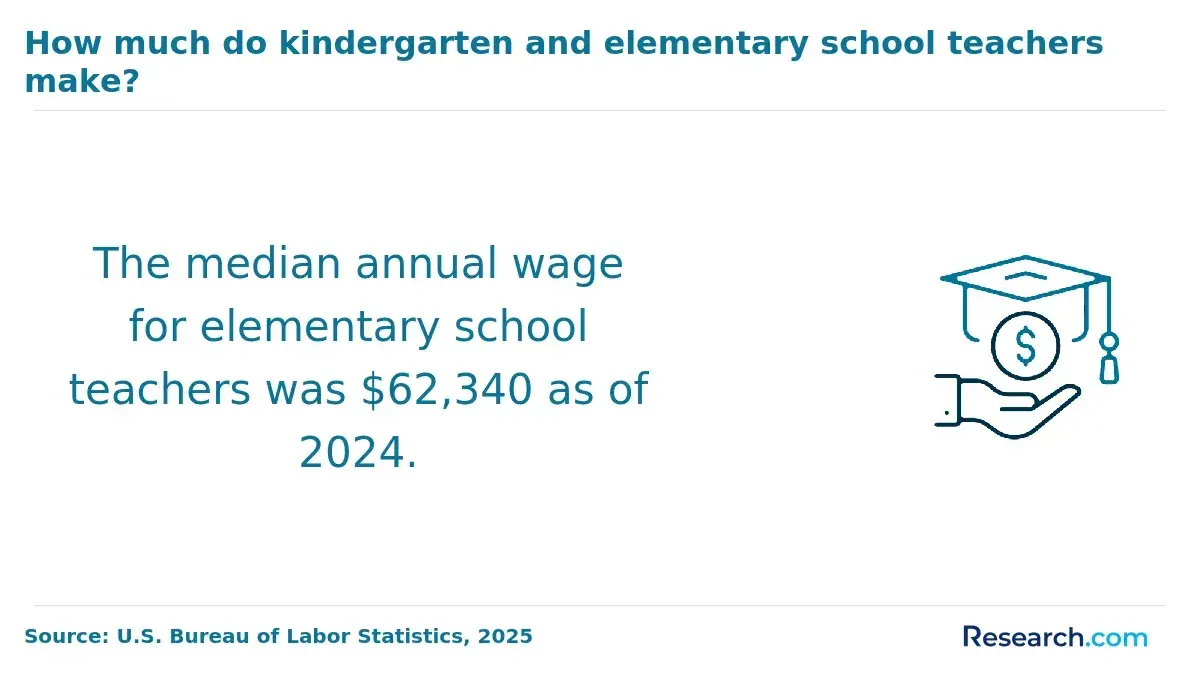
Teacher salary progression in Oregon is primarily influenced by both years of service and ongoing professional development. Salaries increase systematically through district salary schedules that reward experience and additional qualifications, though pay raises tend to plateau after about 10 to 15 years. Beyond this point, further increases generally come from negotiated cost-of-living adjustments or taking on higher roles within the education system.
- Years of Experience (Step Increases): Teachers advance through a “step” system where each additional year usually raises their salary by approximately 4% until reaching the top pay level after 10–15 years.
- Educational Attainment (Lane Increases): Holding a master’s degree or extra graduate credits places teachers on higher salary “lanes,” increasing their pay at every step; top salaries in districts like Beaverton can exceed $105,000.
- Promotions and Additional Roles: Taking on leadership roles, such as department chair or mentor, provides stipends or salary boosts reflecting added responsibilities.
- Longevity Bonuses: Some districts reward teachers for long-term tenure with bonuses at milestones like 10, 15, or 20 years.
- Cost-of-Living Adjustments: After reaching the salary cap, annual raises largely depend on negotiated COLAs to maintain buying power amid inflation.
What do teachers in Oregon say about their career?
- Completing my teaching certification at Cascade Academy truly prepared me for the rewarding challenges of education in Oregon. The program emphasized practical classroom skills that helped me transition smoothly into my role at a local school. I’ve found great satisfaction in contributing to my community by nurturing young minds, all while enjoying the support of a stable and growing job market in the state. Oregon’s natural beauty and commitment to education make every school day feel meaningful and energizing. Ulysis
- Starting my career as an educator in a local Oregon school has been an eye-opening experience filled with opportunities for growth. The state’s diverse student population and emphasis on inclusive teaching methods have helped me develop professionally and personally. Teaching here means more than delivering lessons; it’s about becoming part of a community that values environmental awareness and cultural richness. This has fueled my passion for creating engaging and relevant learning experiences for my students. Lianne
- Oregon’s unique blend of environmental resources and community spirit provided me with exceptional opportunities to impact my students beyond the classroom. Through my studies at Riverstone School of Education, I gained insights into integrating local culture and environmental stewardship into my teaching practice. This not only challenges me professionally but also allows me to contribute positively to the well-being and curiosity of my students. Pursuing a teaching career here has been both an inspiring and fulfilling journey. Alexis
How Can Specializing in Physical Education Benefit Your Teaching Career in Oregon?
Specializing in physical education opens pathways to unique instructional roles, targeted professional development, and enhanced community engagement. Educators in this field benefit from distinct certification processes that address both academic standards and physical wellness, contributing to comprehensive student health programs. In Oregon, where a holistic approach to education is valued, expertise in physical education can lead to expanded career opportunities, including leadership in extracurricular programming and advocacy for student fitness initiatives. For detailed guidance on entering this niche, review how to become a PE teacher in Oregon.
Related Articles for Nearby States
- 2027 How Long Does It Take to Be a Teacher in Washington?
- 2027 How Long Does It Take to Be a Teacher in California?
- 2027 How Long Does It Take to Be a Teacher in Idaho?
- 2027 How Long Does It Take to Be a Teacher in Nevada?
- 2027 How Long Does It Take to Be a Teacher in Montana?
- 2027 How Long Does It Take to Be a Teacher in Utah?
- 2027 How Long Does It Take to Be a Teacher in Wyoming?
- 2027 How Long Does It Take to Be a Teacher in Arizona?
- 2027 How Long Does It Take to Be a Teacher in Colorado?
- 2027 How Long Does It Take to Be a Teacher in New Mexico?
References:
- Lateral: Minimum Requirements — JOIN PPB https://www.joinportlandpolice.com/lateral-minimum-requirements
- Standards & Training Guidelines | Grants Pass, OR - Official Website https://www.grantspassoregon.gov/676/Standards-Training-Guidelines
- Many aspiring educators also benefit from researching options like an https://research.com/degrees/online-bachelors-degrees-in-early-childhood-education
- Oregon Secretary of State Administrative Rules https://secure.sos.state.or.us/oard/view.action
- Frequently Asked Questions - Become an Educator https://becomeanoregoneducator.org/frequently-asked-questions/
- Substitute Teaching • K-12 Career and Licensing Services • Lewis & Clark https://graduate.lclark.edu/career_and_licensing/k-12/jobs/substitute/
- OAR 584-400-0145 – Cooperating Teachers https://oregon.public.law/rules/oar_584-400-0145
- Teacher Salaries Have Increased Significantly — Or Have They? https://onlinedegrees.sandiego.edu/teacher-salaries-analysis/
Other Things You Need to Know About Becoming a Teacher in Oregon
If you choose not to teach in Oregon, a teaching degree can lead to careers in educational administration, curriculum development, educational consulting, or roles in nonprofits focusing on education. You might also explore positions like corporate training, instructional design, or educational policy analysis.
In Oregon, substitute teachers are not typically required to complete student teaching as part of their qualifications. Unlike full-time licensed teachers, substitutes often need only a basic teaching license or an alternative authorization, which may have flexible requirements that exclude student teaching. This distinction exists because substitute teachers serve temporary roles and the state prioritizes quicker placement to fill classroom vacancies. However, those seeking full teaching licenses in Oregon must complete student teaching, ensuring they gain comprehensive practical experience before entering the profession permanently.
The Teach for America (TFA) pathway in Oregon offers a relatively fast route to becoming a teacher by allowing participants to begin teaching in classrooms while completing certification requirements. Typically, TFA corps members commit to two years of teaching service, which means you can start gaining valuable classroom experience almost immediately after placement. Although you still need to complete certain coursework and pass state certification exams, the immersive, on-the-job training accelerates the overall timeline compared to traditional teacher preparation programs. For those eager to begin their teaching careers quickly in Oregon, the TFA pathway provides a practical balance of hands-on experience and credentialing within about two years.


