
2027 How Long Does It Take to Be a Teacher in Pennsylvania?

Co-Founder and Chief Data Scientist
Becoming a teacher in Pennsylvania typically requires around five to six years, including earning a bachelor's degree and completing state certification requirements. Pennsylvania boasts a strong demand for educators, with over 50,000 teachers employed statewide, reflecting a stable and rewarding career path. The state’s commitment to quality education and competitive salaries makes teaching a worthwhile pursuit.
This article, prepared by experts in career planning, will explain the timeline, necessary steps, and qualifications to become a teacher in Pennsylvania. It aims to provide clear, practical guidance to help readers navigate the certification process and start their teaching careers with confidence.
Key Things to Know About How Long It Takes to Be a Teacher in Pennsylvania
- Completing a bachelor’s degree typically takes four years, which is the foundational step to meet Pennsylvania’s teacher education requirements.
- Enrolling in a state-approved teacher preparation program usually adds one additional year, combining coursework with hands-on student teaching experience.
- After education and training, passing the Pennsylvania Teacher Certification Exams is essential, often requiring several months of focused study and scheduling.
- How long does it take to earn a teaching degree in Pennsylvania?
- How long does teacher certification take in Pennsylvania?
- Do career changers take less time to become teachers in Pennsylvania?
- Do advanced degrees shorten the teacher certification process in Pennsylvania?
- Do elementary and secondary teachers have different timelines in Pennsylvania?
- How do I become a physical education teacher in Pennsylvania?
- How long is the probationary teaching period in Pennsylvania?
- How much does it cost to complete the education requirements in Pennsylvania?
- How long after certification can you get hired as a teacher in Pennsylvania?
- How does a teacher's salary in Pennsylvania increase over the career timeline?
How long does it take to earn a teaching degree in Pennsylvania?
The time it takes to earn a teaching degree in Pennsylvania can vary based on several factors, such as whether you enroll full-time or part-time, the type of education program you choose, and any prior college credits. Typically, the standard pathway involves completing a traditional bachelor’s degree in education, which follows a structured timeline that aligns with most undergraduate programs in the state. Here is an outline of the traditional timeline for earning a bachelor’s degree in education in Pennsylvania:
- General Timeline: Four years of full-time study is the typical duration for completing a bachelor’s degree in education, reflecting standard undergraduate requirements.
- Coursework Requirements: Students complete general education classes along with major-specific and professional education courses, including topics like child development and instructional strategies.
- Student Teaching: The final year includes a supervised student teaching experience lasting one semester, which is a hands-on practicum required by the Pennsylvania Department of Education.
- Minimum Academic Standards: To qualify for teacher certification, students must graduate with at least a 3.0 GPA, ensuring academic competency across their coursework.
- State-Approved Program Completion: All candidates must finish a PDE-approved teacher education program that meets certification standards, including the student teaching component.
For those wondering about Pennsylvania teacher education program length, most students follow this four-year model, but individual circumstances like part-time study or transferring credits may extend or shorten this timeline. If you’re considering your career path after this degree, exploring masters in education jobs remote might be a useful next step.
How long does teacher certification take in Pennsylvania?
Teacher certification processing time in Pennsylvania varies widely depending on your prior education, the certification type, and whether you pursue a traditional or alternative pathway. Knowing how long it takes to get a teaching certificate in Pennsylvania helps you plan your journey effectively and set realistic goals.
- Bachelor’s Degree: If you don’t already hold a bachelor’s degree, expect about four years of full-time study. Candidates with a degree in any field can move directly to the next step, saving significant time.
- Educator Preparation Program (EPP): Completion of a state-approved EPP is required. Traditional routes usually take 1–2 years, but accelerated and alternative programs can shorten this to as little as 9 months, a great option for career changers.
- Student Teaching Experience: This supervised classroom experience typically lasts one full semester (12–16 weeks) and is mandatory for hands-on training in your teaching field.
- Passing Required Exams: Passing state-required assessments such as Praxis Core, subject assessments, or Pennsylvania Educator Certification Tests takes preparation and may require several months. Exams are generally completed during the final semester of your preparation program.
- Background Checks and Clearances: Federal and state checks, including fingerprinting, usually take 2–4 weeks to process, and are needed before student teaching and again before final certification.
- Application and Processing through TIMS: Certification applications are submitted through the Teacher Information Management System after finishing all requirements. Processing typically requires 5–8 weeks for approval and issuance of your teaching certificate.
Overall, traditional pathways from bachelor’s degree to certification often take 4–5 years, while post-baccalaureate or alternative routes can range from 9 months to 2 years. Aspiring educators who want to explore flexible learning options may benefit from researching the best online library science program, which offers varied schedules to fit different needs.
Do career changers take less time to become teachers in Pennsylvania?
Alternative certification pathways in Pennsylvania are crafted to help professionals from other fields transition into teaching faster than traditional routes. These programs honor prior experience and education, enabling career changers to start teaching while completing certification requirements.
- Teaching While Completing Certification: Candidates often can work full-time in classrooms under intern or emergency permits as they finish coursework and testing, gaining hands-on experience without interrupting their income stream.
- Waivers for Prior Education and Experience: Those with relevant degrees or professional backgrounds may bypass some subject-area coursework or substitute work experience for educational credits, speeding up eligibility.
- Accelerated Program Durations: Some pathways offer intensive programs that can be completed in one year or less, compared to the traditional multi-year degree track.
- Flexible Learning Options: Online and hybrid courses accommodate working adults, allowing candidates to balance career transition demands with personal responsibilities efficiently.
- Credit Transfer Toward Advanced Degrees: Certification credits may apply to master’s programs, accelerating further education and career growth in teaching and administration.
When I asked a seasoned teacher from Pennsylvania who changed careers about their journey, they reflected on the balance of excitement and uncertainty. Graduating from a local university, they recalled, “Starting with an emergency permit meant I was in the classroom right away, but juggling teaching while completing courses was intense.” They emphasized how prior work skills helped navigate classroom challenges quicker than expected but acknowledged the emotional ups and downs of adapting to a new profession. This teacher’s experience shows that while alternative routes do shorten timelines, dedication and adaptability remain crucial throughout the process.
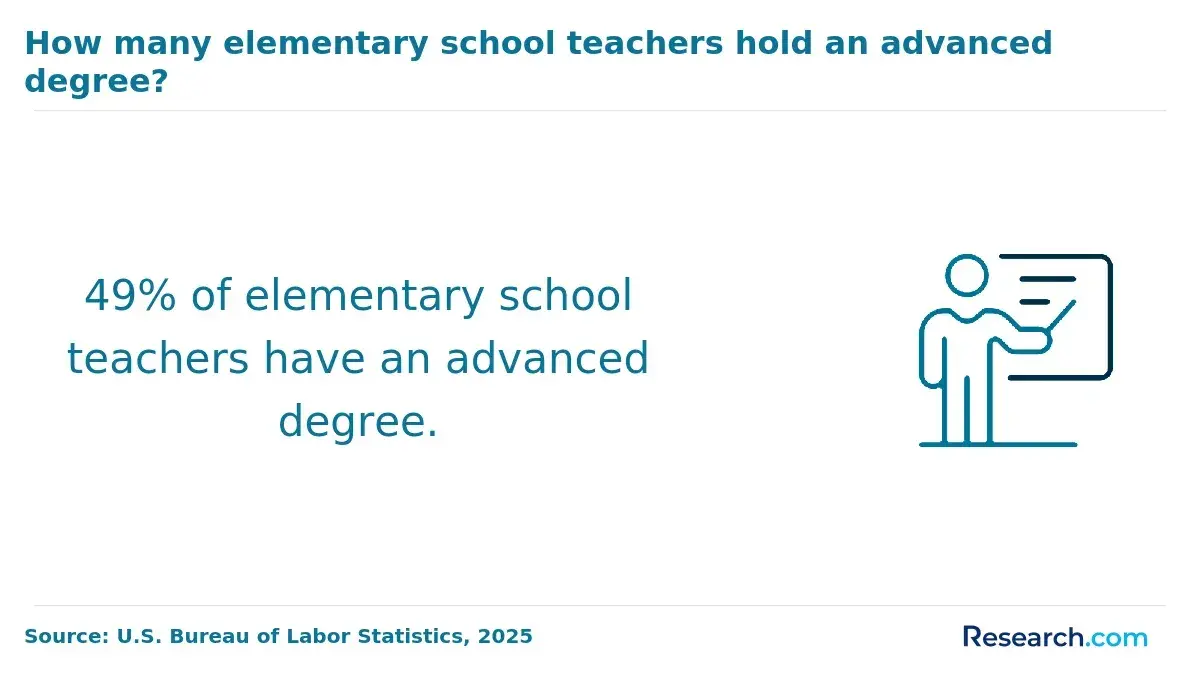
Do advanced degrees shorten the teacher certification process in Pennsylvania?
Holding a master’s or doctoral degree can positively affect the teacher certification timeline in Pennsylvania by reducing some requirements and opening doors to expedited certification paths. Advanced degrees often allow candidates to leverage prior graduate-level work toward meeting state standards more efficiently. Below are some of the ways advanced degrees may shorten the certification process:
- Waiver of Prerequisite Coursework: Graduates with advanced degrees in education or related fields might have completed overlapping coursework, allowing institutions to waive certain foundational classes, thus shortening the credit load and duration of certification programs.
- Access to Accelerated Certification Programs: Many Pennsylvania colleges offer accelerated routes tailored for degree holders, condensing coursework and clinical experiences into as little as one year compared to traditional multi-year programs.
- Reduced Student Teaching Requirements: Candidates with relevant teaching experience or supervised practicum during their graduate studies may qualify for reduced student teaching weeks, though a substantial practicum is generally still required.
- Eligibility for Post-Baccalaureate or Graduate-Only Tracks: Advanced degree holders often can enter certification programs that focus solely on educator preparation, excluding general education courses, which streamlines the credentialing process.
- Waived Testing or GPA Requirements (in Special Cases): Strong graduate academic performance may offset undergraduate gaps or lead to exemptions from certain tests, depending on state education standards and program policies.
Are online programs speeding up the process of becoming a teacher in Pennsylvania?
Flexible, online teacher preparation programs are reshaping how quickly aspiring educators in Pennsylvania can earn their certification. By offering adaptable schedules and innovative structures, these programs help candidates move through requirements more efficiently than traditional, campus-based routes.
- Accelerated Program Timelines: Some online programs condense coursework and clinical experience into as little as nine months, significantly faster than many conventional programs that can take one to two years.
- Self-Paced Coursework: Online offerings include both live and on-demand classes, empowering students to learn at their own speed and reduce delays caused by rigid semester schedules.
- Concurrent Classroom Experience: Many programs allow candidates to complete student teaching while working in their current classroom or under a temporary permit, removing the need for a separate full-time practicum semester.
- Rolling Admissions and Frequent Start Dates: With monthly start options and ongoing application acceptance, candidates don’t have to wait months between application and enrollment, speeding up entry into credential programs.
- Eliminated Commuting and Geographic Barriers: Fully online formats save travel time and provide accessible options for those living in rural areas or balancing busy personal schedules, accelerating program completion.
I recently spoke with a teacher from Pennsylvania who graduated from a local school and pursued certification through online programs. She shared how the flexibility to study on her own schedule, paired with the ability to gain teaching experience without leaving her job, was a game changer. "I could keep working while earning my credential, so I didn’t lose income or momentum," she recalled. The rolling admissions allowed her to start quickly after deciding to commit, avoiding the long waits she’d seen classmates face years earlier. Though balancing courses and teaching was challenging, she felt motivated by the pace and support online programs offered. Her story illustrates how these modern pathways are not just faster but also more adaptable to life’s demands, making a meaningful difference for many aspiring teachers in Pennsylvania.
Do elementary and secondary teachers have different timelines in Pennsylvania?
The timeline to become an elementary or secondary teacher in Pennsylvania is broadly similar, generally taking about four years for those starting as undergraduates. Both must earn a bachelor’s degree, complete a state-approved teacher preparation program with significant student teaching, and pass required certification exams. However, elementary teachers focus on broad foundational knowledge and take the Pennsylvania Educator Certification Tests, emphasizing child development and literacy, while secondary teachers specialize in a subject area and pass the Praxis Subject Assessments related to their content.
Both paths require passing basic skills tests, background checks, and applying through the state’s Teacher Information Management System. Although the total time is close, the nature of coursework and exams differs, potentially affecting the path, especially for those switching careers or pursuing specialized subjects. Starting with a Level I certificate, educators have up to six years to gain experience and advance their certification level, aligning with state policies designed to support professional growth.
How do I become a physical education teacher in Pennsylvania?
Candidates aiming to specialize in physical education should obtain a degree in physical education or a closely related field that emphasizes exercise science and health promotion. In addition to meeting the core certification criteria, prospective PE teachers complete targeted coursework and gain relevant field experience through internships or assistant coaching roles. Pursuing specific professional development and engaging with local athletic departments can further refine expertise in creating dynamic, safe, and inclusive sports programs. For detailed guidance on program requirements and certification steps, refer to how to become a PE teacher in Pennsylvania.
How long is the probationary teaching period in Pennsylvania?
The probationary teaching period length in Pennsylvania typically spans three years for new educators employed in public school districts, intermediate units, and vocational-technical schools. This timeframe is consistent across both elementary and secondary levels, with no significant state-mandated differences. During this probationary period, teachers hold the status of "temporary professional employees" and must be continuously employed at the same institution, as substitute teaching time does not apply toward completion. Both part-time and full-time teachers can fulfill the probationary term as long as they maintain satisfactory professional evaluations.
Individual school districts generally do not have the authority to shorten or extend this timeline, though exceptions may occur in rare cases granted by the state's Office of Administration for special job classifications. This structured approach ensures a balanced process where teachers are given ample time to demonstrate their capabilities while schools maintain a consistent standard across the state.
Once the three-year probationary period is successfully completed with a satisfactory performance rating, usually certified in the final months of probation, teachers automatically receive tenure or “professional employee” status. This status grants them enhanced job protections and a professional contract, fostering long-term career stability. Moving beyond probation hinges on demonstrating consistent professional competence and commitment, as documented by evaluations from superintendents. Tenure is transferable within Pennsylvania public school districts, allowing educators to transition without repeating the probationary period elsewhere in the state.
For those contemplating a teaching career, exploring options for a list of affordable online education degree programs can be a practical step toward entering the profession. Embracing the probationary period as a vital phase can provide valuable growth and confidence needed to thrive in Pennsylvania’s educational system.
How much does it cost to complete the education requirements in Pennsylvania?
Planning for the total cost of becoming a teacher in Pennsylvania helps you prepare financially and set realistic goals. Expenses vary widely based on the program type, institution, and whether you qualify as an in-state or out-of-state student. Knowing your options can empower you to make informed decisions on your teaching career path.
- Bachelor’s and Master’s Tuition and Fees: Public universities in Pennsylvania typically charge between $10,000 and $15,000 per year for in-state students, while private institutions can range from $30,000 to $50,000 annually. Pursuing a degree can enhance your teaching skills and open doors to leadership roles in education. Many aspiring teachers find it valuable to explore if masters degrees in educational leadership online are affordable, offering flexible paths to advance professionally.
- Alternative Certification Programs: These programs are designed for those switching careers or seeking quicker certification routes and involve targeted coursework and practical training. They offer a faster way to meet Pennsylvania teacher certification program tuition requirements while gaining relevant classroom experience, increasing your employability.
- Additional Expenses (Testing, Applications, Background Checks): Expect to pay between $500 to $1,000 for required background checks, certification exams, and application fees. These are essential steps that verify your qualifications and ensure compliance with state education standards, helping you maintain public trust.
How long after certification can you get hired as a teacher in Pennsylvania?
The time it takes to secure a teaching position in Pennsylvania after certification varies based on several important factors. While some new teachers find roles within weeks, others may wait until the next hiring cycle or need to widen their search. Staying informed about these elements can help you navigate the Pennsylvania teacher education timeline with greater confidence and effectiveness.
- School District Hiring Seasons: Most hiring happens in late spring and summer as schools prepare for the academic year, though occasional mid-year openings arise due to retirements or resignations.
- Subject Area Demand: High-need fields such as special education, STEM, and world languages often fill positions faster, whereas elementary education and social studies applicants might face more competition and longer waits.
- Geographic Location: Urban and suburban districts tend to have more frequent job openings, but rural areas may provide quicker opportunities in shortage subjects due to lower applicant competition.
- Networking and Job Search Strategies: Active networking through district job fairs or connections gained during student teaching can significantly speed up the hiring process beyond just submitting online applications.
- Application Documentation: Ensuring your paperwork is complete and accurate is critical, as reviews by the Pennsylvania Department of Education typically take several weeks, and missing items can cause delays.
- Substitute Teaching Pathways: Beginning as a substitute teacher often leads to full-time opportunities, allowing you to build relationships and gain valuable experience while waiting.
For those exploring education pathways, including shortest online EdD programs may also help accelerate your readiness to enter the field. Being flexible about subject area and location can further shorten your path to employment as you embrace the dynamic nature of Pennsylvania’s teacher hiring cycles.
How does a teacher's salary in Pennsylvania increase over the career timeline?
Teacher salary progression in Pennsylvania is closely linked to both years of service and continuous professional development. As educators gain experience and pursue further education or certifications, their earnings increase through structured salary schedules designed to reward growth and expertise.
- Years of Service and Step Increases: Most districts implement a step system, where salaries rise incrementally with each year of experience. Starting teachers earn around $49,083, while the average salary statewide is approximately $74,945, with highly experienced teachers earning over $110,000.
- Educational Attainment and Advanced Degrees: Holding a master’s or doctorate degree significantly boosts salary potential, with top-tier teachers in Philadelphia earning close to $129,000 compared to around $93,000 for those with only a bachelor’s degree.
- Promotion and Leadership Roles: Moving into roles like department head or instructional coach can increase pay substantially, often by tens of thousands, reflecting added responsibilities and qualifications.
- Longevity Bonuses and Stipends: Many districts offer bonuses for milestone years of service and stipends for coaching or extracurricular leadership, providing additional financial rewards beyond base salary.
What Do Teachers in Pennsylvania Say About Their Career?
- Completing my teaching credential at the Franklin Learning Academy was a transformative experience that gave me confidence and practical skills needed in the classroom. Starting my career in a local Pennsylvania school allowed me to connect deeply with the community and understand the unique challenges students face. The state's strong emphasis on educational standards and student support systems made me feel my work truly matters. I’m passionate about fostering a love of learning and seeing my students thrive every day. Andrew
- Reflecting on my journey, finishing the program at Keystone Teaching Institute was the foundation of both my professional growth and personal development. Pennsylvania's support for continuing education and professional advancement has provided numerous opportunities to refine my teaching strategies. Working in this region has also allowed me to appreciate the rich cultural history and diversity, which I incorporate into my lessons to engage students meaningfully. Teaching here is a rewarding career that consistently challenges me to be better. Llana
- Teaching in Pennsylvania offers unique opportunities to impact not only young minds but also the community, especially having earned my qualifications from the Maple Grove Educators College. The balance of urban and rural environments in the state creates diverse classroom dynamics that keep my work exciting and fulfilling. I find great joy in mentoring students and contributing positively to their well-being. Job stability and local resources available make this an ideal place for a long-term teaching career where I can grow professionally. Carl
Related Articles for Nearby States
- 2027 How Long Does It Take to Be a Teacher in New Jersey?
- 2027 How Long Does It Take to Be a Teacher in Delaware?
- 2027 How Long Does It Take to Be a Teacher in Maryland?
- 2027 How Long Does It Take to Be a Teacher in New York?
- 2027 How Long Does It Take to Be a Teacher in West Virginia?
- 2027 How Long Does It Take to Be a Teacher in Ohio?
- 2027 How Long Does It Take to Be a Teacher in Virginia?
- 2027 How Long Does It Take to Be a Teacher in Connecticut?
- 2027 How Long Does It Take to Be a Teacher in Rhode Island?
- 2027 How Long Does It Take to Be a Teacher in Massachusetts?
References:
- New Educators | Department of Education | Commonwealth of Pennsylvania https://www.pa.gov/agencies/education/programs-and-services/educators/certification/new-educators
- How to Become a Teacher In Pennsylvania - What to Know in 2025 | Teachers of Tomorrow https://www.teachersoftomorrow.org/blog/insights/how-to-become-a-teacher-in-pennsylvania/
- Pennsylvania Teacher Certification Guide | All Education Schools https://www.alleducationschools.com/teacher-certification/pennsylvania/
- When I took... - Office of the Governor of Pennsylvania | Facebook https://www.facebook.com/governorshapiro/posts/when-i-took-office-it-took-12-weeks-for-a-new-teacher-to-get-their-initial-certi/1193978578751160/
- How To Become A Teacher In Pennsylvania https://www.accreditedschoolsonline.org/education/certification/pennsylvania/
- Post Baccalaureate Teacher Certification Program | Drexel University https://drexel.edu/soe/academics/certifications/teacher-certification/
- How to Become a Teacher - Learn the Steps, Degrees & Requirements https://www.gmercyu.edu/academics/learn/how-to-become-a-teacher
- How to Become a Teacher in Pennsylvania | BestColleges https://www.bestcolleges.com/education/certification/pennsylvania/
- Client Challenge https://www.centennialsd.org/o/centennial/page/certification-tenure-information
Other Things You Should Know About How Long it Takes to be a Teacher in Pennsylvania
In 2027, becoming a certified teacher in Pennsylvania typically takes about four to five years. This period includes completing a bachelor's degree in education, fulfilling student teaching requirements, and passing the necessary certification exams. Additional time may be needed if you choose to pursue further specialization or graduate studies.
To become a certified teacher in Pennsylvania in 2027, you'll need to earn a bachelor's degree in education, complete a state-approved teacher preparation program, and pass the required Praxis exams. Additionally, student teaching experience and a background check are mandatory before applying for certification.
To become a teacher in Pennsylvania in 2027, you must complete a bachelor's degree in education or a related field and an approved teacher preparation program. Additionally, passing the required Pennsylvania certification exams is necessary for licensure.


