
2027 How to Become a Physical Education Teacher in Pennsylvania

Co-Founder and Chief Data Scientist
Becoming a physical education teacher in Pennsylvania offers a rewarding career path with significant impact on youth health and fitness. The state employs over 2,000 physical education teachers, reflecting a steady demand fueled by increasing awareness of physical activity's role in combating childhood obesity. Pennsylvania’s average median salary for PE teachers is approximately $62,000 annually, making it a financially viable profession. This role combines passion for sports, education, and wellness, inspiring students toward lifelong healthy habits.
This article, crafted by career planning experts, guides aspiring educators through Pennsylvania’s certification requirements, necessary qualifications, and career opportunities. It equips readers with clear, accurate information to successfully navigate the journey toward becoming a physical education teacher in Pennsylvania.
Key Things to Know About Becoming a Physical Education Teacher in Pennsylvania
- Earn a bachelor’s degree in physical education or a related field approved by the Pennsylvania Department of Education (PDE).
- Complete the required teacher preparation program with supervised student teaching experience to gain classroom confidence.
- Pass the Praxis exams specific to physical education and apply for Pennsylvania Initial Instructional I certification to begin your teaching career.
- What are the education requirements to become a physical education teacher in Pennsylvania?
- What skills are essential for physical education teachers in Pennsylvania?
- Do PE teachers in Pennsylvania need a teaching license?
- How do you get certified as a PE teacher in Pennsylvania?
- Can out-of-state teachers transfer their license to Pennsylvania for PE teaching?
- How long does it take to become a PE teacher in Pennsylvania?
- How can physical education teachers advance their careers in Pennsylvania?
- How much does it cost to become a PE teacher in Pennsylvania?
- Are there scholarships for physical education teaching students in Pennsylvania?
- Is there demand for physical education teachers in Pennsylvania?
- What is the average salary of a PE teacher in Pennsylvania?
What are the education requirements to become a physical education teacher in Pennsylvania?
Formal education lays the foundation for physical education teachers in Pennsylvania to confidently design programs that promote student wellness, physical literacy, and lifelong healthy habits. Preparing to meet Pennsylvania physical education teacher certification requirements involves gaining both theoretical knowledge and practical skills critical for effective instruction.
Here are the essential education requirements for physical education teachers in Pennsylvania:
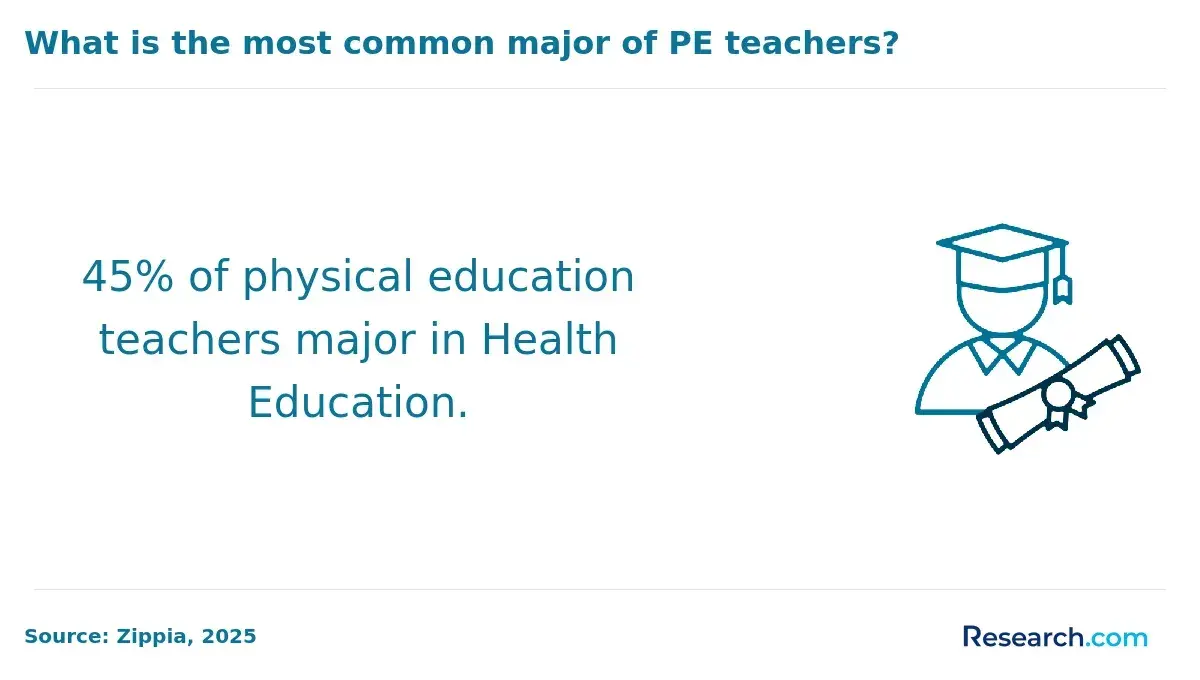
- Earn a Bachelor’s Degree in Physical Education or a Related Field: You must complete a bachelor’s degree from a regionally accredited institution in fields such as physical education, kinesiology, exercise science, or health and physical education. This degree provides you with a solid understanding of human movement, health promotion, and instructional techniques.
- Complete a State-Approved Teacher Preparation Program: If your undergraduate program did not include teacher preparation, you must finish a Pennsylvania Department of Education (PDE)-approved program. These programs equip you with teaching methodologies, curriculum design skills, and classroom management strategies essential for PE instruction.
- Participate in Student Teaching: Practical experience is crucial. A supervised student teaching placement in a Pennsylvania school allows you to apply theory in real classrooms, refine your teaching skills, and receive mentorship from experienced educators.
- Meet Minimum GPA Requirements: Typically, a minimum cumulative GPA of 3.0 is required for your bachelor’s degree. If you pass qualifying standardized tests, a slightly lower GPA of 2.8 may be acceptable, ensuring you meet academic standards necessary for success.
- Select from Diverse Academic Pathways: Pennsylvania offers various related degree titles, such as “Exercise and Sport Science” or “Health and Physical Education.” Regardless of the title, the program must align with state standards for physical education.
For those considering advancing their expertise, exploring the best education masters programs can open additional opportunities in the field.
What skills are essential for physical education teachers in Pennsylvania?
Success as a physical education teacher in Pennsylvania hinges on cultivating a set of essential skills that not only engage students but also promote lifelong healthy habits and accommodate diverse classroom dynamics. These skills enable teachers to create an inclusive and motivating atmosphere where every student feels valued and inspired to participate actively.
Below are some key competencies for PE teachers in Pennsylvania that pave the way for effective teaching and lasting impact.
- Effective Communication and Interpersonal Skills: Clear communication is vital to explain rules, demonstrate activities, and give constructive feedback to students of all ages and abilities. Building strong relationships with students and collaborating with families help reinforce healthy behaviors beyond the classroom.
- Comprehensive Knowledge of Fitness and Health: A deep understanding of fitness, motor development, and health education allows teachers to create lessons tailored to different developmental stages, ensuring activities are safe, engaging, and aligned with Pennsylvania academic standards.
- Adaptability and Inclusivity: Working with diverse learners, including students with disabilities or varying fitness levels, requires flexible teaching strategies and lesson modifications. Embracing inclusivity ensures all students can participate meaningfully and benefit from physical education.
- Leadership and Motivational Skills: Inspiring students to stay active and overcome challenges involves modeling enthusiasm and fostering teamwork. Strong leadership uplifts students’ confidence, helping them develop a positive attitude toward physical activity.
Developing these essential skills for physical education teachers in Pennsylvania creates a solid foundation for a fulfilling and impactful career. For those exploring interdisciplinary opportunities, consider exploring the best online library science degree programs to complement your professional expertise.
Do PE teachers in Pennsylvania need a teaching license?
Licensing requirements play a vital role in maintaining high teaching standards and ensuring students across Pennsylvania receive quality physical education. These regulations guarantee that educators possess the right training and skills to foster positive learning experiences and promote student wellness effectively.
For physical education teachers in Pennsylvania public schools, a state-issued teaching license is mandatory. Specifically, candidates must obtain the Health and Physical Education PK-12 certificate by completing an approved teacher preparation program, passing state exams, and engaging in student teaching.
This rigorous process ensures that public school PE teachers meet consistent professional and educational standards, enabling them to deliver comprehensive health and physical education curricula tailored to diverse student needs.
In contrast, private and some charter schools often have more flexible hiring standards that do not legally require state licensure for PE teachers. Many of these schools may accept alternative qualifications such as related degrees or professional experience. While this flexibility can open doors for candidates with varied backgrounds, it also means professional standards and career opportunities can vary significantly.
Ultimately, holding a Pennsylvania teaching license broadens access to stable, well-defined roles mainly in public schools and offers greater long-term career mobility within the state's education system.
How do you get certified as a PE teacher in Pennsylvania?
Certification is the foundation that prepares physical education teachers in Pennsylvania to inspire fitness, wellness, and healthy habits in students. It ensures educators gain the skills and knowledge needed to effectively engage children from preschool through high school.
Here are the essential steps you’ll need to follow to become a certified PE teacher in Pennsylvania:
- Earn a Bachelor’s Degree: Complete a bachelor’s degree in physical education, health education, or a related field from a regionally accredited institution. This degree provides the academic knowledge and practical background necessary for teaching physical education at various grade levels.
- Complete a State-Approved Teacher Preparation Program: Finish a teacher preparation program approved by the Pennsylvania Department of Education that combines coursework with student teaching. This hands-on experience cultivates classroom management skills and effective instructional techniques.
- Pass Required State Exams: Successfully pass the Pre-service Academic Performance Assessment (PAPA) and the Praxis subject assessment for Health and Physical Education PK–12. These tests confirm your readiness to teach both core and specialized content.
- Apply for Certification: Submit your credentials through the Pennsylvania Teacher Information Management System (TIMS). After review, you’ll receive your Level I Teaching Certificate, enabling you to begin your professional teaching career.
When discussing the process with a PE teacher from Pennsylvania who completed his training locally, he reflected on the journey with a mix of pride and challenge. "Balancing the academic coursework with the demands of student teaching stretched me in ways I hadn’t expected," he shared. He emphasized the importance of persistence, especially when preparing for the Praxis exams, describing how the preparation felt daunting but ultimately rewarding.
“Applying through TIMS was straightforward, but the waiting period tested my patience," he recalled. What stood out most was the sense of accomplishment upon receiving the Level I certification, which marked the moment all hard work felt real and purposeful. His advice to aspiring PE teachers was to embrace every step as part of building a meaningful career dedicated to student health and development.
Can out-of-state teachers transfer their license to Pennsylvania for PE teaching?
Pennsylvania participates in the NASDTEC Interstate Agreement, providing a pathway for out-of-state teachers to transfer their licenses for physical education positions. However, this process is not automatic. To gain certification, you must meet several state-specific requirements. These include completing a state-approved teacher preparation program, holding a baccalaureate degree, and offering a recommendation from your preparation program.
For physical education specifically, passing the Praxis exam for Health and Physical Education PK-12 with a minimum score of 160 is mandatory. If you have less than two years of satisfactory teaching experience, you might also need to take a basic skills assessment.
While additional coursework is typically unnecessary unless your previous training falls short of Pennsylvania’s standards, you must still demonstrate a minimum 3.0 GPA and have completed six credits each in math and English. All documents, including transcripts, experience records, and current certificates, undergo review by the Pennsylvania Department of Education before approval.
These requirements mean that even experienced PE teachers relocating to Pennsylvania should prepare for some extra steps before continuing their careers. Teachers with at least two years of satisfactory classroom experience will have their work verified and may skip certain tests, but new or less experienced teachers face more assessments and possibly additional classes.
This rigorous review helps maintain high teaching standards but can also slow down the process of obtaining certification. Many PE educators find that while the reciprocity agreement eases some hurdles, they need patience and careful preparation to meet Pennsylvania’s criteria fully. Understanding these intricacies upfront allows for smoother transitions and more confident steps toward teaching in the state’s schools.
How long does it take to become a PE teacher in Pennsylvania?
The time required to become a physical education teacher in Pennsylvania can vary based on factors like the chosen degree program, how certification requirements are met, and the completion of practical teaching experiences. Navigating this physical education teacher certification timeline Pennsylvania effectively can ensure you stay on track toward your goal without unnecessary delays.
- Bachelor’s Degree in Physical Education or a Related Field (4 years): Start by earning a bachelor's degree, typically taking four years of full-time study. Programs in physical education, kinesiology, or health education provide the foundation needed for certification and classroom readiness.
- Teacher Preparation Program (0–1 year): If your bachelor’s program doesn’t include an integrated Pennsylvania-approved teacher preparation track, plan for an additional year to complete post-baccalaureate coursework in pedagogy and instructional methods.
- Student Teaching and Field Experience (1 semester): Gain hands-on experience during a supervised student teaching assignment, usually one semester long, embedded within your degree or certification program to develop essential classroom skills.
- Certification Examinations (Variable timing): Prepare for and pass the Pre-Service Academic Performance Assessment (PAPA) and Praxis II: Health and Physical Education Content Knowledge exams; many students take these during their final academic year.
- State Certification Application and Processing (1–3 months): After completing all requirements, submit your application for the Pennsylvania Instructional I Certificate, with processing times typically ranging from one to three months.
Considering alternative pathways or accelerated options can sometimes shorten the process, but planning for this timeline allows you to move confidently through each step. For those curious about affordability while pursuing education degrees, exploring the most affordable online education degree options can be a wise choice as you build your teaching career.
How can physical education teachers advance their careers in Pennsylvania?
Physical education teachers in Pennsylvania can enhance their careers by leveraging targeted professional development opportunities and advanced certification programs. District-sponsored workshops, specialized endorsements, and leadership training initiatives enable educators to expand their instructional skill set and qualify for administrative or coaching roles. Engaging in professional learning communities and pursuing graduate-level studies are effective strategies for career advancement while balancing classroom responsibilities. For additional insights on career timelines and planning, refer to how long does it take to become a teacher in Pennsylvania.
How much does it cost to become a PE teacher in Pennsylvania?
Investing in your future as a physical education teacher in Pennsylvania involves several key expenses, from tuition to testing and certification fees. Knowing where your money will go can help you plan better and stay motivated throughout the process. Below is a clear outline of the main costs involved in becoming certified, highlighting important areas to keep in mind.
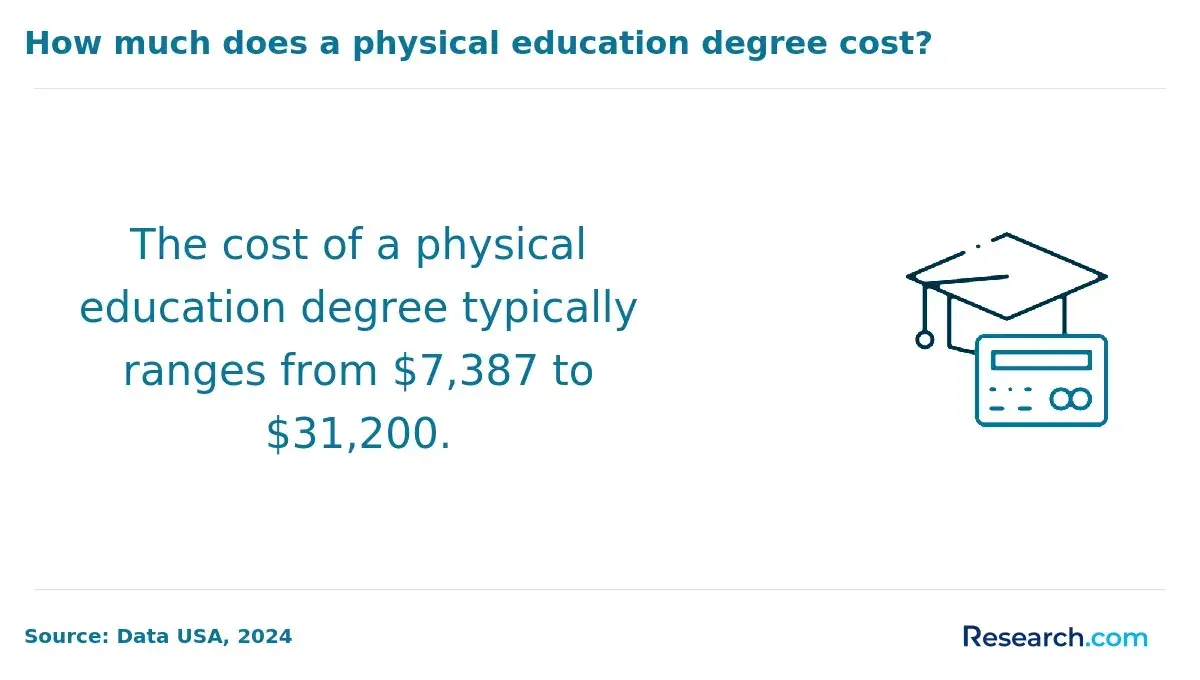
- Bachelor’s Degree Tuition: The tuition for physical education degree in Pennsylvania typically represents the largest share of your expenses. Public universities charge between $7,716 and $14,000 yearly for in-state students, with total costs usually ranging from $30,000 to $50,000 for a four-year degree. Private schools can push these numbers higher, so it’s wise to compare options carefully.
- Teacher Preparation Program Fees: Programs often require extra payments beyond tuition, such as course fees or technology costs. For example, students may pay a small annual fee for portfolio management systems crucial for completing their educator requirements.
- Licensure and Exam Fees: The cost of taking licensing exams like the Praxis is around $300 total. Additionally, the state charges a teacher certification application fee of $200 for those who completed programs in Pennsylvania, or $260 for out-of-state graduates.
- Clearances and Health Screenings: Essential background checks can cost about $60 per year, plus TB testing at roughly $45 every two years, plus other health screenings. These required checks add up but ensure safety and professionalism.
- Textbooks and Instructional Materials: Education and kinesiology courses require textbooks and materials that can cost several hundred dollars each semester. Budgeting for these will help avoid surprises during your studies.
Keep in mind that total expenses can vary significantly depending on your institution and individual choices, which is why it's beneficial to research options thoroughly. For additional insights on affordable education opportunities, consider reviewing this list of most affordable online library science masters degrees for ideas on managing educational expenses elsewhere.
Are there scholarships for physical education teaching students in Pennsylvania?
Managing the costs of education and certification can be challenging for aspiring physical education teachers in Pennsylvania, but numerous scholarships and financial aid opportunities make this journey more attainable. These supports help ease tuition fees and related expenses, empowering future educators to focus on their training and professional growth.
- Federal Financial Aid: FAFSA opens doors to federal grants, loans, and work-study options. Programs like Pell Grants and Direct Subsidized Loans provide significant assistance to PE majors pursuing teacher preparation.
- Pennsylvania State Grants and Scholarships: State programs such as the Pennsylvania State Grant Program and PA-TIP offer funds based on need and academic achievement, sometimes covering full tuition in high-demand education fields.
- Institutional Scholarships: Many universities award scholarships targeted at physical education majors, which can be renewable and range from $1,000 upward to support ongoing studies.
- Loan Forgiveness Programs: Committing to teach in high-need or shortage areas can qualify graduates for federal loan forgiveness, lessening financial burdens after graduation.
When I spoke with a PE teacher from Pennsylvania who graduated locally, she shared how scholarships were critical in her path. “Applying felt overwhelming, but receiving a renewable scholarship meant I could focus on my coursework without constant financial stress,” she said.
She also recalled the relief of qualifying for loan forgiveness when teaching in her district, allowing her to stay dedicated to her students and community. Her story shows that while the process can be complex, these opportunities truly transform the experience for future PE educators.
Is there demand for physical education teachers in Pennsylvania?
The demand for physical education teachers in Pennsylvania is influenced by multiple factors, including changes in student enrollment, statewide health initiatives, and retirement trends among current educators. As public awareness grows around childhood obesity and the importance of lifelong fitness, schools are prioritizing qualified PE teachers who can support these goals. At the same time, the retirement of experienced teachers creates openings that sustain job opportunities for new professionals entering the field.
Demand is strongest in public school districts and charter schools, especially those serving urban and underserved communities. Cities like Philadelphia, Allentown, and York frequently have active job postings for physical education teachers, reflecting ongoing turnover and the need for certified staff.
Although national projections show only modest 3.1% growth for physical education teacher jobs between 2022 and 2032, much of Pennsylvania’s demand derives from replacing retiring teachers rather than expanding positions. This reality shapes the physical education teacher job market in Pennsylvania, making flexibility and cultural awareness important qualities for candidates seeking to work in diverse school environments. Candidates familiar with team sports, nutrition, and youth wellness initiatives stand out.
Given these trends, aspiring PE teachers in Pennsylvania should be prepared to serve in varied educational settings where student wellness is an ongoing focus. Continued statewide health efforts ensure consistent openings, even if job growth is modest. For those looking to strengthen their qualifications, exploring programs such as the ranking of short edd online degrees can be a practical step toward advancing one’s career in education.
What is the average salary of a PE teacher in Pennsylvania?
In Pennsylvania, PE teachers earn significantly more than the national average, with an average salary of about $77,050 annually. Salary is a crucial factor for those pursuing a career in physical education, as it not only reflects financial stability but also professional recognition within the education system. Understanding the key elements influencing salary can help aspiring PE teachers make informed career decisions.
Below are the main factors affecting PE teacher salaries in Pennsylvania:
- Years of Experience: Salaries increase with experience, with entry-level teachers starting near $46,150 and veterans earning up to $122,840, based on district salary schedules.
- Education Level: Advanced degrees often lead to higher pay. Teachers with graduate education may earn noticeably more due to salary scale advancements and additional certifications.
- School Type (Public vs. Private): Public schools generally provide higher salaries and better benefits compared to private schools, reflecting funding differences and union contracts.
- Geographic Location within Pennsylvania: Urban and suburban areas like Philadelphia and Pittsburgh usually offer higher pay due to greater budgets and living costs, while rural districts may pay less but offer other benefits.
The earning potential for PE teachers in Pennsylvania highlights both the challenges of regional disparities and the rewards of career growth and competitive compensation. This balance makes the profession an appealing choice for many educators committed to health and fitness education.
What Do Physical Education Teachers in Pennsylvania Say About Their Career?
- Completing my physical education program at the Pittsburgh Sports Academy was a transformative experience. The local focus of the curriculum really prepared me for the unique challenges of teaching in Pennsylvania schools, where I consider it a privilege to contribute to the well-being and active lifestyles of youth in my community. Starting my career in a local school was both exciting and rewarding, as I could immediately see the positive impact on students’ health and enthusiasm. Pennsylvania’s resources for outdoor activities allow me to integrate diverse physical experiences that truly engage my students. It’s fulfilling to know my work supports the future health of our community in such a meaningful way. Joshua
- After finishing my studies at the Erie Physical Education Institute, I began working as a PE teacher in a local school, and I was pleasantly surprised by the strong professional development opportunities available to me. The career advancement potential here in Pennsylvania is substantial, allowing me to grow as an educator and take on leadership roles within my academic institution. I’ve found that teaching PE offers a unique way to foster both personal and student growth, especially in schools that emphasize wellness and mental health alongside physical fitness. My experience has been both professional and inspiring, and I look forward to a long and evolving career in this field. Markie
- Training at the Keystone Academy gave me a deep appreciation for Pennsylvania’s diverse ecology and how it can be used to enrich physical education programs. Teaching PE here means embracing the local culture, including winter sports and hiking, which are integral parts of many students’ lives. The opportunity to incorporate these unique regional elements into my lessons has been incredibly rewarding. Beyond just physical health, I see my role as contributing to students’ self-confidence and connection to their environment, which feels profoundly impactful. The chance to develop personally while making a difference in my community fuels my passion daily. Anyiah
Related Articles for Nearby States
- 2027 How to Become a Physical Education Teacher in New Jersey
- 2027 How to Become a Physical Education Teacher in Delaware
- 2027 How to Become a Physical Education Teacher in Maryland
- 2027 How to Become a Physical Education Teacher in New York
- 2027 How to Become a Physical Education Teacher in West Virginia
- 2027 How to Become a Physical Education Teacher in Ohio
- 2027 How to Become a Physical Education Teacher in Virginia
- 2027 How to Become a Physical Education Teacher in Connecticut
- 2027 How to Become a Physical Education Teacher in Rhode Island
- 2027 How to Become a Physical Education Teacher in Massachusetts
References:
- Pennsylvania Teaching Jobs - Listings: Classroom Teacher jobs for Physical Education subject area https://www.pareap.net/teaching_jobs/classroom_teacher_physical_education.php
- The job market for physical education teachers in the United States - CareerExplorer https://www.careerexplorer.com/careers/physical-education-teacher/job-market/
- CSPG 47 Health and Health and Physical Education K 12 | Department of Education | Commonwealth of Pennsylvania https://www.pa.gov/agencies/education/programs-and-services/educators/certification/certification-staffing/staffing-guidelines/cspg-47-health-and-health-and-physical-education-k-12.html
- Physical Education and Health Education (B.S.) | Physical Education | ESU https://www.esu.edu/physical_education/physical_education_and_health_education.cfm
- How to Become a PE Teacher in Pennsylvania | Requirements for PE Teacher Jobs in PA https://www.peteacheredu.org/pennsylvania/
- Program: Health and Physical Education/Teacher Education, MEd - Indiana University of Pennsylvania - Modern Campus Catalog™ https://catalog.iup.edu/preview_program.php
- Health and Physical Education (PK-12) | Wilson Edu https://www.wilson.edu/health-and-physical-education-pk-12
- Teacher Education, MAT - Health and Physical Education{a:370117}} https://online.pennwest.edu/programs/teacher-education/health-physical-education.php
- For those considering advancing their expertise, exploring the can open additional opportunities in the field. https://research.com/careers/best-highest-paying-masters-in-education-jobs
- 15 Physical Education Teacher Skills For Your Resume - Zippia https://www.zippia.com/physical-education-teacher-jobs/skills/
Other Things You Should Know About Becoming a PE Teacher in Pennsylvania
To become a physical education teacher in Pennsylvania in 2027, you must earn a bachelor's degree in health and physical education, complete a teacher preparation program, pass state-required exams like the Praxis, and apply for certification through the Pennsylvania Department of Education.
Yes, PE teachers in Pennsylvania can teach other subjects with additional endorsements. Teachers must meet the state's certification requirements for each subject area and pass the relevant Praxis exams to qualify for the added endorsements.


