
2027 How Long Does It Take to Be a Teacher in South Dakota?

Co-Founder and Chief Data Scientist
Becoming a teacher in South Dakota typically takes four to six years, including earning a bachelor’s degree and completing teacher certification requirements. The state reports an ongoing demand for qualified educators, with over 8,000 teaching positions projected by 2028. South Dakota’s competitive salary growth and supportive community make teaching a rewarding career choice here.
This article explains the step-by-step process of becoming a teacher in South Dakota. Prepared by experts in career planning, it offers clear strategies and timelines. Readers will find practical guidance to navigate teacher preparation programs, certification, and employment opportunities efficiently.
Key Things to Know About How Long It Takes to Be a Teacher in South Dakota
- Completing a bachelor’s degree with a teacher preparation program typically takes four years, which is the foundation for South Dakota teacher licensure.
- The state requires passing the Praxis exams, adding roughly 3 to 6 months depending on prep time and test scheduling.
- After coursework and testing, obtaining initial licensure and finding employment may take another 3 to 6 months, making the entire process about 4.5 to 5 years.
- How long does it take to earn a teaching degree in South Dakota?
- How long does teacher certification take in South Dakota?
- Do career changers take less time to become teachers in South Dakota?
- Do advanced degrees shorten the teacher certification process in South Dakota?
- Are online programs speeding up the process of becoming a teacher in South Dakota?
- Do elementary and secondary teachers have different timelines in South Dakota?
- How long is the probationary teaching period in South Dakota?
- How can I specialize in physical education teaching in South Dakota?
- How much does it cost to complete the education requirements in South Dakota?
- How long after certification can you get hired as a teacher in South Dakota?
- How does a teacher's salary in South Dakota increase over the career timeline?
How long does it take to earn a teaching degree in South Dakota?
The time it takes to earn a teaching degree in South Dakota depends on multiple factors, including whether the student enrolls full-time or part-time, the specific education program’s structure, and any previous college credits a student may have. These variables influence how long to get a teaching degree in South Dakota, with traditional paths typically requiring a consistent, multi-year commitment.
- Program Length: A traditional bachelor’s degree in education usually requires around 120 semester credits, which full-time students complete in about four years.
- Coursework: The curriculum spans general education, core education classes, subject-specific methods, and electives spread over eight semesters or four academic years.
- Student Teaching: In the final year, students complete a mandatory, state-approved semester-long or year-long student teaching placement for hands-on classroom experience.
- Enrollment Status: Part-time enrollment can extend the timeline depending on the number of courses a student takes each semester due to work or family obligations.
- Program Format: Most programs are offered on campus, with some universities providing online or hybrid options, though these do not typically shorten the South Dakota teacher education program length.
- Start Terms: New students can begin in fall, spring, or summer, allowing for flexible start dates within a traditional four-year framework.
For students balancing other commitments, exploring the best online bachelors in education program options might offer greater scheduling flexibility while maintaining steady progress toward degree completion.
How long does teacher certification take in South Dakota?
The teacher certification process timeline South Dakota candidates face can vary significantly depending on their education level, the type of certification sought, and whether they follow a traditional or alternative pathway. Most candidates follow the traditional route, which involves completing a degree and several key steps to ensure readiness for classroom teaching. Here’s an overview of the typical timelines for becoming certified in the state:
- Earn a Bachelor’s Degree and Complete a Teacher Preparation Program: This foundational stage usually takes four years of full-time study at an accredited institution. The program must include coursework aligned with South Dakota standards and prepare candidates for their intended teaching grade and subject.
- Student Teaching Placement: As part of the preparation program, candidates complete a supervised student teaching experience lasting at least 10 weeks. This practical training includes placements at two educational levels for K-12 certification or both preschool and elementary settings for early childhood certification.
- Complete Required Coursework on State Mandates: Candidates must finish a South Dakota Indian Studies course and a suicide awareness training. These are typically three and one credit-hour courses, respectively, and can be done during or shortly after degree completion.
- Pass Certification Exams: The Praxis Principles of Learning and Teaching (PLT) exam and a Praxis Subject Test must be passed. Preparation and testing often happen near the end of the degree program or immediately after, usually taking a few months to complete.
- Submit Application and Undergo Processing: After meeting all requirements, candidates apply online through the South Dakota Educator Portal. The process includes submitting transcripts, exam scores, and a background check. Certification processing can take up to nine weeks.
For those wondering how long to become a certified teacher in South Dakota, the full process for traditional candidates typically takes about 4 to 5 years. Alternative pathways may alter this timeline based on prior education and experience. To explore options that may fit your schedule, consider the ultimate quality online education courses that can provide flexibility during your preparation.
Do career changers take less time to become teachers in South Dakota?
Alternative certification pathways in South Dakota are designed to help professionals from other fields enter teaching faster than traditional routes. These programs provide practical options that enable career changers to begin teaching promptly while completing licensure requirements on a flexible timeline.
- Teaching While Completing Coursework: Candidates often receive provisional certificates, allowing them to teach full-time immediately. This on-the-job experience helps shorten the overall timeline by combining classroom work with required coursework.
- Waived or Reduced Requirements Based on Experience: Those with significant professional experience in fields like Career and Technical Education may have some coursework waived, speeding up certification compared to traditional education candidates.
- Accelerated Graduate Certificate and Master’s Options: Several universities offer programs that can be completed in 8 to 12 months, avoiding the longer two-year or more commitment of conventional degrees.
- Online and Flexible Coursework: Flexible scheduling and online classes help candidates balance work and study, making it easier to progress quickly while maintaining employment.
- Special Provisions for High-Need Areas: Targeted pathways for subjects like special education come with incentives and reduced barriers to encourage faster entry into these critical fields.
A teacher from South Dakota, who graduated from a local university before switching careers, shared that the transition felt intense but manageable thanks to the alternative certification program. “I was able to start teaching in a classroom within a few weeks of securing my provisional certificate,” he said. Balancing lesson planning with ongoing coursework was challenging at times, but the flexibility of online classes and strong mentoring support made a big difference. He noted that prior work experience outside education provided valuable skills that eased his adjustment, even though meeting state testing requirements involved focused preparation. Overall, he described the process as demanding but rewarding, underscoring how alternative certification shortened his path compared to traditional teacher preparation timelines in South Dakota.
Do advanced degrees shorten the teacher certification process in South Dakota?
Holding a master’s or doctoral degree can shorten the teacher certification process in South Dakota by recognizing prior advanced education and experience. These degrees provide access to credentials and pathways that can reduce coursework and practical requirements, speeding up certification for qualified candidates. Here are some ways advanced degrees can shorten the certification process for aspiring teachers in South Dakota:
- Eligibility for Advanced Teaching Certificate: Advanced degree holders with five or more years of teaching experience may qualify directly for the Advanced Teaching Certificate, which can streamline renewal cycles and simplify endorsements due to recognition of graduate-level expertise.
- Waiver of Prerequisite Coursework: Graduate-level coursework can fulfill foundational topics required for certification, allowing candidates to bypass undergraduate prerequisite courses and reduce the number of classes they need to complete.
- Accelerated Certification Pathways: Individuals with advanced degrees may quickly meet content-area requirements, making them eligible for alternative or expedited certification programs designed for high-need subjects or grade levels.
- Reduction in Student Teaching Requirements: Candidates with significant graduate practicum experience or prior postsecondary teaching may receive credit for fieldwork, reducing the time required in traditional student teaching placements.
- Streamlined Endorsement and Renewal Processes: Graduate coursework often counts toward endorsements and renewal requirements, minimizing the need for additional continuing education during certificate updates.
Are online programs speeding up the process of becoming a teacher in South Dakota?
Flexible online teacher preparation programs are significantly reshaping certification timelines in South Dakota by offering adaptable pathways suited to individual schedules. These programs eliminate many traditional delays and help aspiring teachers enter classrooms more quickly through various innovative approaches.
- Self-Paced Coursework: Many online programs allow candidates to complete classes at their own speed, avoiding fixed semester schedules. This means students can progress quickly when ready, cutting down the total time to finish requirements.
- Condensed Program Formats: Some online certification routes are designed to be completed in as little as one year, much faster than the standard four-year degree. This includes alternative certification and some master’s degree programs that require fewer semesters.
- Concurrent Coursework and Teaching: Certain programs enable future teachers to start working in South Dakota classrooms while completing online coursework. This “earn while you learn” model accelerates real-world experience and certification simultaneously.
- Stackable and Early Entry Credentials: High school juniors and seniors can begin teacher preparation early through online dual credit courses, shortening the total timeline post-graduation to full certification.
- Statewide Collaboration for Accessibility: Partnerships among South Dakota’s public universities provide broad access to accredited online courses, reducing geographic barriers and streamlining the certification process.
When I spoke with a South Dakota teacher who graduated from a local school, she explained how online programs helped speed up her journey into the classroom. She shared that balancing a full-time job and family made traditional programs challenging, but the flexibility to complete coursework at night and on weekends allowed her to advance without pausing her career. “It felt empowering to control my pace—some weeks I powered through several courses, other times I slowed down when needed,” she said. Starting to teach through an alternative certification while still finishing classes gave her valuable hands-on experience much earlier than expected. She also appreciated that the online format connected her to instructors and peers statewide, removing the need to relocate or commute. Overall, her experience reflected how online pathways in South Dakota don’t just shorten timelines but make the process more manageable and tailored to individual needs.
Do elementary and secondary teachers have different timelines in South Dakota?
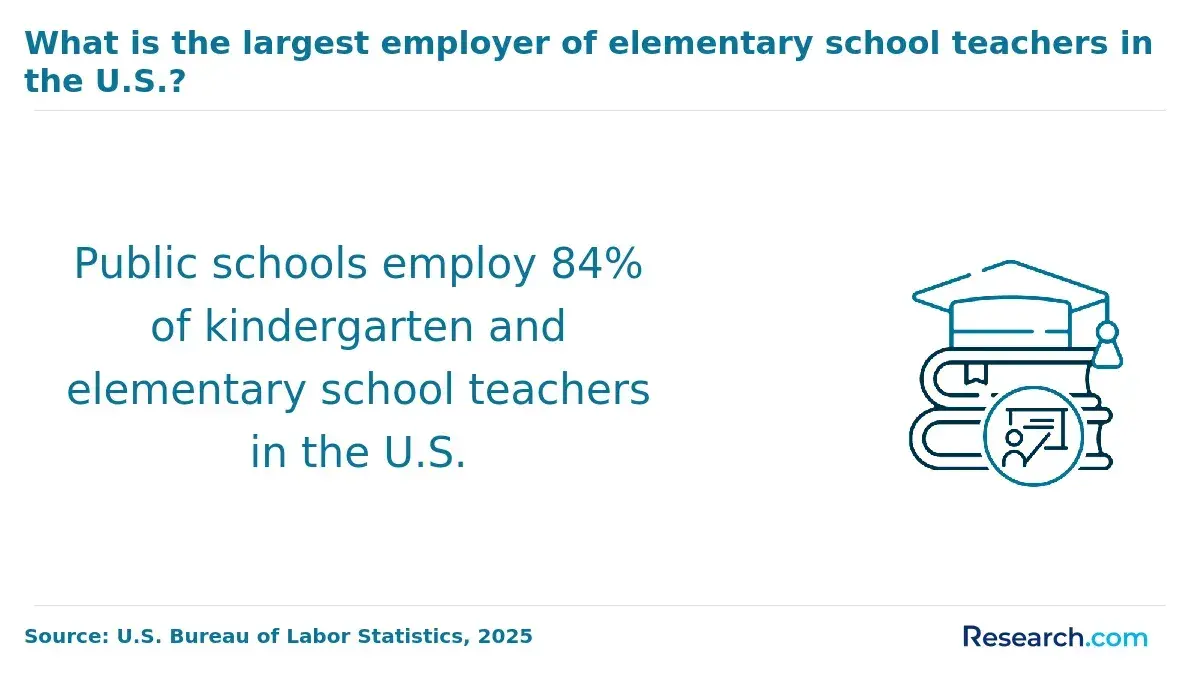
The timeline to become an elementary or secondary teacher in South Dakota typically takes about four to five years, mainly due to earning a bachelor’s degree and completing certification requirements. Both tracks require passing the Praxis Principles of Learning and Teaching exam and fulfilling a minimum 10-week student teaching practicum. Elementary candidates focus on a broad curriculum covering multiple subjects for grades K-8, while secondary candidates specialize in a subject area, often requiring extra coursework and tests, which can slightly lengthen their preparation time. For example, a secondary math teacher might need additional subject exams and diverse student teaching placements compared to an elementary teacher.
All candidates must also complete a three-credit course in South Dakota Indian studies, a new statewide requirement effective July 2025. This may add extra time, especially if taken after starting the program. While many requirements overlap, secondary teacher certification usually demands more specialized content knowledge and potentially more varied classroom experience, factors that can influence the overall timeline.
How long is the probationary teaching period in South Dakota?
The probationary teaching period in South Dakota typically lasts three years for new teachers, regardless of whether they teach at the elementary or secondary level. This uniform timeframe applies statewide and is not subject to variation by local school districts, which means all new teachers must complete the same probationary period before becoming eligible for tenure. This standardized approach ensures clarity and consistency in the pathway to a continuing teaching contract. During this period, teachers are evaluated based on their instructional skills, classroom management, and overall contribution to the school environment. Meeting these expectations is essential for professional growth and long-term employment security within South Dakota’s public schools.
After successfully completing the probationary teaching period in South Dakota, educators may qualify for tenure, also known as continuing contract status, which offers greater job protection against arbitrary dismissal. To move beyond the initial probation, teachers usually need to demonstrate consistent effectiveness through regular performance evaluations, adherence to contractual duties, and alignment with professional standards set by both the state and their school districts. This process ensures that tenure is only granted to those who have proven their competence and commitment. For those exploring teaching career pathways and educational requirements, resources like the ranking of most affordable online education degree can offer valuable guidance on affordable degree options to help prepare for these probationary expectations and beyond.
How can I specialize in physical education teaching in South Dakota?
Physical education presents a distinct career avenue that integrates specialized curricula with dynamic classroom and activity-based instruction. Dedicated programs emphasize not only athletic training but also student wellness, facility management, and innovative pedagogical strategies—elements that require tailored certification pathways. Aspiring physical education teachers should examine state-specific standards and program structures that blend theoretical knowledge with practical application to meet rigorous, performance-driven benchmarks. For more targeted guidance on certification steps and program selection, review how to become a PE teacher in South Dakota.
How much does it cost to complete the education requirements in South Dakota?
Estimating the total cost of teacher education in South Dakota is essential for making informed decisions about your career investment. Expenses vary considerably based on the type of program, the institution attended, and whether you qualify for in-state tuition rates. Being aware of these factors helps tailor your financial planning to meet your specific educational and professional goals.
- Bachelor’s Degree Tuition and Fees: This foundational step typically spans four years at public or private universities. In-state tuition at public universities averages around $8,845 annually, offering an affordable pathway to develop essential teaching skills. Completing this degree is a crucial step toward licensure and long-term employment as a certified teacher.
- Master’s Degree and Graduate Programs: Although optional, earning a master's degree in education can enhance your career prospects and salary potential. Tuition ranges from $5,000 to $10,000 per year at public institutions, focusing on advanced teaching methods and leadership. Many teaching professionals pursue this path to take on specialized or administrative roles.
- Alternative Certification Programs: For individuals with a bachelor’s degree in another field, these programs provide a faster, cost-effective route to teaching licensure. Costs typically range between $3,000 and $6,000, allowing career-changers to meet state requirements and respond to teacher shortages, especially in high-need areas.
- Additional Expenses: Budgeting for mandatory testing, such as the Praxis series ($90–$150 per test), application fees ($25–$50), and background checks ($60) is necessary to comply with state standards. These fees ensure candidates meet knowledge and safety requirements, reinforcing trust in the teaching profession.
The South Dakota teaching degree tuition and fees remain competitive, especially for residents. For those considering graduate options, exploring affordable pathways like online library science degrees may also provide flexible options to advance your education while managing costs.
How long after certification can you get hired as a teacher in South Dakota?
The time it takes to secure a teaching position in South Dakota after certification varies widely based on several factors. Some candidates find jobs quickly by aligning their availability with district hiring cycles, while others may wait until the next hiring season. Understanding these variables can help you plan your entry into the workforce more effectively as you complete the South Dakota teacher education program.
- School District Hiring Seasons: Most openings for the upcoming school year are posted between March and July, with hiring finalized by late summer. Completing certification before or during this period increases your chances of early employment.
- Subject and Grade Level Demand: High-demand areas like math, science, and special education often have faster hiring due to shortages. In contrast, positions in elementary education or social studies may involve longer job searches.
- Geographic Location: Rural districts tend to have more frequent vacancies and fewer applicants, often leading to quicker job offers. Urban centers may attract more candidates, extending the hiring timeline.
- Networking and Substitute Teaching: Building connections with administrators and working as a substitute teacher can significantly speed up hiring. These activities offer valuable exposure to job openings throughout the school year.
- Application Processing Time: Certification review can take 4 to 10 weeks, affecting when you can officially apply for positions. Ensure your documentation is complete to avoid unnecessary delays.
- Alternative Certification Pathways: If pursuing alternative routes, you may begin teaching under a preliminary certificate while completing requirements, shortening your waiting period.
If you’re considering teaching and want to know how many years to become a teacher in South Dakota, keep in mind that aligning your certification and job search with these factors is key. For more insight into the certification process and degree requirements, exploring whether is teaching degree easy might help clarify your educational path.
How does a teacher's salary in South Dakota increase over the career timeline?
Teacher salary growth in South Dakota reflects a combination of years of service and ongoing professional development. Salary schedules reward both experience and educational advancement, encouraging teachers to remain in the profession while improving their qualifications. This structured progression helps educators increase their earnings steadily throughout their careers.
- Years of Experience (Tenure): Teachers receive automatic annual raises as they advance through the district’s step schedule, with average salaries growing from $42,025 in 2015–16 to $56,328 in 2023–24.
- Educational Attainment: Earning advanced degrees or certifications moves teachers to higher salary lanes, with those holding a master’s degree earning more than those with only a bachelor’s.
- Promotions and Leadership: Additional roles like department head or instructional coach provide supplemental stipends and higher pay opportunities.
- Longevity Bonuses: Districts often offer bonuses after milestones such as 10 or 20 years of service to retain experienced educators.
- Starting Salary Improvements: Entry-level pay has risen significantly, from $32,546 in 2015–16 to $45,530 in 2023–24, setting a stronger foundation for career-long growth.
What Do Teachers in South Dakota Say About Their Career?
- Completing my teaching certification through the Black Hills Teacher Academy truly grounded me in the local educational landscape. Starting my career in a local school here in South Dakota, I found the supportive community an incredible advantage, both professionally and personally. The cultural richness of the area allows me to connect deeply with my students, fostering a classroom where mutual respect and curiosity thrive. I’m proud to contribute to the well-being of young people while continuously growing in my craft as an educator. Javier
- Pursuing my teaching degree locally was a decision that paid off in ways I hadn’t anticipated. Working in a South Dakota school opened doors to unique challenges linked to rural education, especially integrating technology and culturally responsive methods. This experience has shaped my approach to education, making me more reflective and adaptive, and I appreciate how robust professional development programs here enable steady career advancement. Teaching has become more than a job—it’s a vital way I give back to my community. Gloria
- After graduating from the Sioux Falls Education Institute, starting my teaching career in a South Dakota school felt like planting roots. The environment here, with its vast natural beauty and strong community ties, offers opportunities for experiential learning you don’t find elsewhere. Watching students grow not only academically but also as members of their communities inspires me daily. The job security and collaborative spirit among educators make South Dakota a remarkable place to build a lifelong career in education. Darlyn
Related Articles for Nearby States
- 2027 How Long Does It Take To Be A Teacher in North Dakota?
- 2027 How Long Does It Take to Be a Teacher in Nebraska?
- 2027 How Long Does It Take to Be a Teacher in Minnesota?
- 2027 How Long Does It Take to Be a Teacher in Wyoming?
- 2027 How Long Does It Take to Be a Teacher in Iowa?
- 2027 How Long Does It Take to Be a Teacher in Montana?
- 2027 How Long Does It Take to Be a Teacher in Colorado?
- 2027 How Long Does It Take to Be a Teacher in Kansas?
- 2027 How Long Does It Take to Be a Teacher in Wisconsin?
- 2027 How Long Does It Take to Be a Teacher in Missouri?
References:
- Teacher Salaries Have Increased Significantly — Or Have They? https://onlinedegrees.sandiego.edu/teacher-salaries-analysis/
- Teachers' pay progression | National Education Union https://neu.org.uk/advice/your-rights-work/pay-advice/pay-progression/teachers-pay-progression
- Teachers' statutory salaries https://eurydice.eacea.ec.europa.eu/data-and-visuals/teachers-statutory-salaries
- Teacher Salary Schedules Were Meant to Equalize Pay. Do They Have the Opposite Effect? https://www.edweek.org/teaching-learning/teacher-salary-schedules-were-meant-to-equalize-pay-do-they-have-the-opposite-effect/2017/09
- Educator Pay Data 2025 https://www.nea.org/resource-library/educator-pay-and-student-spending-how-does-your-state-rank
- South Dakota Teacher Certification Guide | All Education Schools https://www.alleducationschools.com/teacher-certification/south-dakota/
- Become a Teacher in South Dakota https://teach.com/careers/become-a-teacher/teaching-credential/state-requirements/south-dakota/
- South Dakota Alternative Teaching Certification Requirements https://www.teachercertificationdegrees.com/certification/south-dakota-alternative/
- South Dakota Teacher Certification Guide | 2025 South Test Prep - Teacher Certification https://teachercertification.com/south-dakota/
- South Dakota | IES https://ies.ed.gov/use-work/regional-educational-laboratories-rel/central/south-dakota
Other Things to Know About Becoming a Teacher in South Dakota
To become a certified teacher in South Dakota in 2027, you need to earn a bachelor's degree, complete a teacher preparation program, and pass state-required exams. Additionally, you must complete a background check and apply for certification through the South Dakota Department of Education.
In South Dakota, substitute teachers are generally not required to complete student teaching as part of their certification process. This exemption exists because substitute teaching is considered a temporary role, allowing individuals to fill in for short-term absences without the extensive preparation required of full-time educators. However, to obtain a substitute teaching permit, candidates must meet certain qualifications such as holding a minimum level of education, which can vary by district. While experienced teachers completing student teaching gain classroom management skills and instructional practice, substitutes are expected to step in with a more flexible, supportive role that does not mandate the same level of training.
In South Dakota, student teaching typically lasts between 12 to 16 weeks, depending on the educator preparation program. This period allows future teachers to gain hands-on experience under the guidance of a mentor teacher, aligning with their certification requirements.
In 2027, becoming a certified teacher in South Dakota typically takes four to six years. This includes earning a bachelor's degree in education or a related field, completing a student teaching experience, and passing the state's required certification exams. **Question** What are the basic steps to becoming a certified teacher in South Dakota in 2027? **Answer** To become a certified teacher in South Dakota in 2027, begin by earning a bachelor's degree in education. Next, complete a state-approved teacher preparation program and pass the Praxis exams. Finally, apply for a teaching license through the South Dakota Department of Education. **Question** Do substitute teachers need to complete student teaching in South Dakota? **Answer** In South Dakota, substitute teachers are not required to complete student teaching. Instead, they need a high school diploma or equivalent and must pass a background check. However, having teaching experience or a degree can improve employment prospects. **Question** How long does student teaching last for aspiring teachers in South Dakota? **Answer** For aspiring teachers in South Dakota, student teaching usually lasts one semester or approximately 12 to 16 weeks. This period is essential for gaining practical classroom experience under the supervision of a certified teacher.


