
2027 How Long Does It Take to Be a Teacher in West Virginia?

Co-Founder and Chief Data Scientist
Becoming a teacher in West Virginia typically requires a dedicated path combining education and certification. Currently, about 5.2% of the state's workforce is employed in education, highlighting steady demand for qualified teachers. With evolving educational standards and a growing emphasis on technology integration, West Virginia offers promising career stability and opportunities.
This article will explore the timeline required to enter the teaching profession in West Virginia, covering degree requirements, certification processes, and alternative pathways. Prepared by experts in career planning, the article aims to guide aspiring educators in understanding the necessary steps and strategic considerations for pursuing this rewarding profession.
Key Things to Know About How Long It Takes to Be a Teacher in West Virginia
- Typically, it takes about four years to earn a bachelor’s degree in education, which is the primary requirement to start teaching in West Virginia.
- Additional time may be required for teacher certification, including passing the Praxis exams and completing a state-approved licensure program, adding roughly 6 to 12 months.
- With ongoing teacher shortages, West Virginia is exploring alternative pathways and fast-track programs that could reduce the timeline and attract more candidates to the profession.
- How long does it take to earn a teaching degree in West Virginia
- How long does teacher certification take in West Virginia?
- Do career changers take less time to become teachers in West Virginia?
- Do advanced degrees shorten the teacher certification process in West Virginia?
- Are online programs speeding up the process of becoming a teacher in West Virginia?
- Do elementary and secondary teachers have different timelines in West Virginia?
- How long is the probationary teaching period in West Virginia?
- How can you specialize as a PE teacher in West Virginia?
- How much does it cost to complete the education requirements in West Virginia?
- How long after certification can you get hired as a teacher in West Virginia?
- How does a teacher's salary in West Virginia increase over the career timeline?
How long does it take to earn a teaching degree in West Virginia?
The time it takes to earn a teaching degree in West Virginia can vary significantly depending on factors such as whether a student attends full-time or part-time, their previous educational experience, and the specific structure of their program. These variables influence the pace at which students meet the West Virginia teaching degree requirements and shape their overall academic journey. For those following the traditional bachelor's degree path, the timeline generally unfolds as follows:
- Total Credit Hours Requirement: Students must complete at least 120 semester hours that include general education, professional education, and content specialization courses.
- Standard Program Length: Most full-time students finish within four years by adhering to a structured 4-Year-Plan tailored to their degree progress.
- General Education Coursework: The first two years focus on foundational studies such as mathematics, science, humanities, and social sciences to prepare for more specialized training.
- Professional Education Coursework: In the middle years, students dive into education-specific classes covering child development, instructional strategies, and classroom management fundamentals.
- Content Specialization Coursework: Concurrently, students take courses specific to the grade level or subject they intend to teach to deepen their pedagogical expertise.
- Admission to Teacher Education Program: Typically required after prerequisite courses and skills assessments, this admission usually occurs by the sophomore or junior year.
- Field Experience and Student Teaching: The final year emphasizes hands-on experience through supervised fieldwork and a full semester of student teaching in a West Virginia classroom, essential for licensure.
- Program Completion and Graduation: Upon fulfilling all course, assessment, and student teaching requirements, graduates become eligible for recommendation for initial licensure by the West Virginia Department of Education.
With changing educational demands and technology integration, prospective teachers may explore evolving options in program delivery and duration. For those interested in the broader career outlook tied to education credentials, one might consider how acquiring the most marketable masters degree in education in Kenya impacts future opportunities.
How long does teacher certification take in West Virginia?
The timeline for obtaining teacher certification in West Virginia depends largely on the individual’s prior education and pathway chosen. Whether following a traditional route or pursuing alternative certification programs, the duration can vary considerably, reflecting different candidate backgrounds and certification goals.
- Bachelor’s Degree and Teacher Preparation Program: Earning a bachelor’s degree from an accredited institution typically takes about four years. This degree must include a state-approved teacher preparation program, sometimes completed alongside the degree or as an additional year. Traditional routes may take up to five years if these components are done separately.
- Student Teaching Placement: This critical hands-on experience lasts approximately one semester (15 weeks). Candidates teach under supervision, gaining practical skills and being assessed on readiness to manage a classroom environment effectively.
- Passing Required Certification Exams: Several Praxis tests are required, including core academic skills, teaching principles, and subject-specific content exams. Most candidates prepare and complete these exams within a semester, submitting passing scores as part of their overall certification application.
- Criminal Background Check: Background screenings by state police and the FBI are mandatory and can take up to 90 days to process, ensuring candidates meet West Virginia's moral and legal standards to teach.
- Application Submission and Review: After gathering all required documents, including transcripts and exam results, candidates submit their application to the West Virginia Department of Education. The review process may take up to three months, depending on volume and timing.
- Alternative Certification Pathways: For degree holders, accelerated programs like iTeach can reduce the certification timeline to 12–18 months by focusing on streamlined coursework and practical training. These alternative routes reflect growing trends toward efficiency in teacher preparation.
While the average teacher certification timeline in West Virginia traditionally stretches to five years for new college students, innovative pathways are reshaping how long to get teaching license West Virginia for many candidates. Prospective teachers can also explore rankings of the best online education degree programs to complement their preparation with flexible learning options.
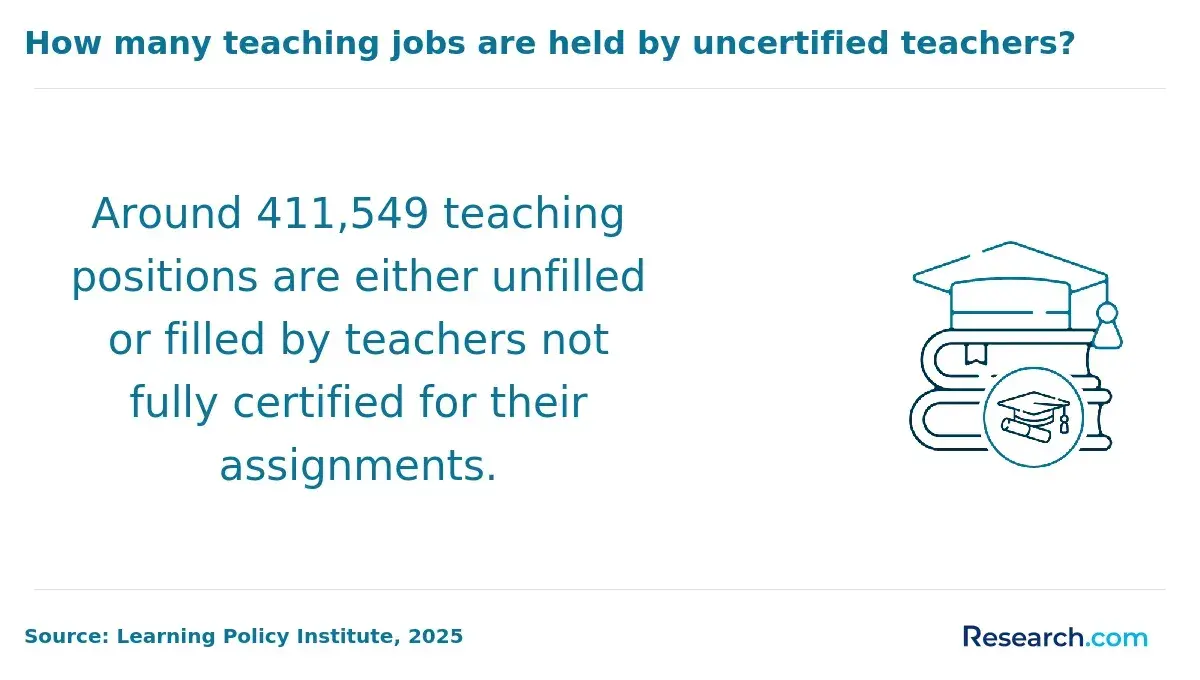
Do career changers take less time to become teachers in West Virginia?
Alternative certification pathways in West Virginia are increasingly designed to help professionals from other fields move into teaching more rapidly than through traditional routes. These programs focus on leveraging existing skills and reducing unnecessary coursework, opening doors for career changers to enter classrooms sooner while completing certification requirements simultaneously.
- Teaching While Completing Coursework: Many programs allow candidates to serve as the teacher of record from early on, gaining real classroom experience and earning a salary while finishing required educational coursework. This hands-on model accelerates readiness and builds confidence on the job.
- Waived or Streamlined Coursework: Individuals often qualify for reduced coursework loads if they hold relevant degrees or professional experience, cutting down the time spent in classes and focusing only on targeted education training.
- Accelerated Program Structures: Some alternative pathways offer intensive, compressed formats that enable candidates to meet initial certification benchmarks in as little as eight weeks, with full certification achievable within a year.
- Recognition of Prior Experience: Candidates with strong academic or professional backgrounds can bypass foundational requirements, speeding up progression by avoiding redundancy and tailoring preparation to their strengths.
- Mentorship and Support: Ongoing supervision during the first teaching year provides career changers with critical support early in their transition, helping them adapt quickly and effectively to classroom demands.
One teacher from West Virginia, a graduate of a local university, reflected on his transition into education after years in a different profession. He shared that while the initial paperwork and obtaining a sponsorship were daunting, the opportunity to start teaching almost immediately while completing coursework was invaluable. “It felt like I was learning and doing at the same time, which made the long nights of studying manageable because I saw the impact right away,” he said.
He also emphasized the supportive mentorship as crucial during that first year, which helped him navigate challenges such as classroom management and curriculum adaptation. His experience illustrates how alternative certification not only shortens timelines but fosters a practical, supported pathway for career changers becoming teachers in West Virginia.
Do advanced degrees shorten the teacher certification process in West Virginia?
Holding a master’s or doctoral degree in West Virginia can offer a distinct advantage by potentially shortening the teacher certification timeline. Advanced degrees often provide opportunities to bypass some traditional requirements, allowing candidates to move more quickly toward classroom eligibility and permanent certification. Here's how advanced degrees may shorten the certification process:
- Waiver of Prerequisite Coursework: With graduate-level study already completed in a relevant subject, candidates may fulfill many content requirements early. Transcript evaluations can identify these fulfilled criteria, decreasing the number of additional classes needed before student teaching.
- Eligibility for Accelerated Certification Programs: Advanced degree holders can enter specialized teacher preparation programs designed to be completed within a year full-time. These streamlined pathways cater especially to career changers, making certification faster and more accessible.
- Reduction in Time to Permanent Certification: Teachers with a master’s degree and sufficient teaching experience may qualify for permanent certification more swiftly. This accelerates the process of meeting renewal and development requirements over time.
- Advanced Credential Opportunities: Graduate-level preparation may open doors to advanced teaching credentials, offering professional distinction and potentially faster progression through certification tiers.
Are online programs speeding up the process of becoming a teacher in West Virginia?
Flexible online teacher preparation programs are transforming how quickly individuals in West Virginia can become licensed educators. These programs, accredited by the state, offer greater accessibility and customized pacing, creating new pathways that could significantly shorten certification timelines.
- Self-Paced Coursework: Online programs let candidates move through material as they master it, rather than following fixed semester schedules. This allows those who are highly motivated to complete requirements faster than traditional, campus-based routes.
- Condensed Program Formats: Some online options emphasize core teaching competencies and exam preparation, enabling completion in weeks instead of years. These accelerated formats especially benefit those switching careers by focusing training on essential skills.
- Concurrent Teaching and Coursework: With provisional permits, candidates can teach in classrooms while finishing certification requirements remotely. This simultaneous practice and study shortens the time needed before full licensure.
- Year-Round Enrollment and Start Dates: Online programs often provide rolling admissions, eliminating wait times linked to academic calendars. Candidates can begin training as soon as they are ready, accelerating entry into the teaching workforce.
- Reduced Geographic and Scheduling Barriers: The flexibility of remote coursework removes challenges related to travel and scheduling, particularly aiding those in rural areas. This accessibility opens doors for more prospective teachers who might otherwise delay or abandon certification.
A West Virginia teacher who graduated from a local institution shared her experience navigating online certification pathways. She recalled the initial uncertainty about balancing coursework with a busy personal life but found that the self-paced nature of the program allowed her to advance steadily without feeling overwhelmed. “Being able to log in whenever I had time meant I didn’t have to put life on hold,” she reflected. The option to start teaching under a provisional permit while completing her classes “gave me real-world experience and kept me motivated to finish faster.” She described the process as demanding but ultimately manageable, noting how the online structure minimized commuting challenges that many in rural West Virginia face. Her journey illustrates how these flexible programs are not just theoretical accelerators but practical tools helping candidates enter classrooms sooner and more prepared.
Do elementary and secondary teachers have different timelines in West Virginia?
In West Virginia, the timeline to become an elementary or secondary teacher is largely similar, typically taking about four years to complete a bachelor’s degree alongside a state-approved teacher preparation program. Both require passing the Praxis Core and Praxis II exams, but the content differs: elementary candidates focus on broad general knowledge, while secondary candidates specialize in their subject area, such as math or science. Student teaching is mandatory for both, though secondary candidates usually gain experience in middle or high school settings, which can add complexity and specialization to their training.
State policies do not create significant timeline differences between these levels, but coursework and testing requirements may extend the process slightly for secondary candidates due to subject-specific demands. Advanced certification pathways involve additional years of teaching and earning a master’s degree, but initial licensure generally aligns with the four-year degree track for both elementary and secondary teachers in West Virginia.
How long is the probationary teaching period in West Virginia?
The probationary teaching period in West Virginia generally lasts between one to three years, depending largely on the individual teacher's contract and the county board's specific policies. This span applies consistently across both elementary and secondary education levels, as there are no statutory differences regarding the length of probation for these groups. Most local districts align closely with the state’s guidelines, rarely deviating significantly from this timeline.
During this phase, educators are closely observed and evaluated on their instructional skills, classroom management, and ability to meet professional standards. This probationary period serves as a critical phase where new teachers demonstrate their capacity to handle the diverse demands of classroom teaching while adapting to West Virginia’s public education system expectations. Future trends may see these evaluations becoming more data-driven or incorporating advanced digital tools to provide continuous feedback, potentially shortening or personalizing the probationary timeline based on performance metrics.
Upon successfully completing the probationary teaching period, educators may earn tenure, which in West Virginia is referred to as continuing contract status. Achieving this status typically requires holding a professional teaching certificate, often linked to at least a bachelor’s degree, and consistently meeting performance expectations throughout the probation years. This progression often includes participation in formal internships or professional development efforts within the first year. Teachers moving beyond probation secure greater job stability and protection against dismissal without cause.
Looking ahead, the state may refine these requirements to emphasize emerging competencies such as technological proficiency or inclusive classroom strategies. For those exploring advanced pathways in education, examining the ranking of affordable online EdD programs can provide valuable insights into further professional growth, complementing the initial stages of their teaching careers and potentially influencing how long teacher probation in West Virginia may evolve in future educational policies.
How can you specialize as a PE teacher in West Virginia?
Physical education teachers serve a critical role in promoting wellness and safe physical activity among students. In West Virginia, candidates aiming to specialize should target coursework in exercise science, kinesiology, and sports coaching while ensuring practical exposure through school-based training. Focused professional development and state-approved specialized certification programs help streamline the pathway without duplicating traditional requirements for classroom teachers. For additional guidance on the specific steps and program considerations, refer to how to become a PE teacher in West Virginia.
How much does it cost to complete the education requirements in West Virginia?
Costs for completing the education requirements to become a teacher in West Virginia can vary widely depending on the program type, institution, and whether you are an in-state or out-of-state student. Planning for these expenses is essential to navigate the financial commitment effectively, especially as new options and support mechanisms emerge. Future trends suggest that increased access to flexible programs and online education may further influence affordability and program availability.
- Bachelor’s and Master’s Degree Tuition and Fees: Tuition for undergraduate teacher education programs in West Virginia typically ranges from $8,000 to $11,000 per year for in-state students, with out-of-state fees often higher. Master’s programs may cost between $10,000 and $15,000 annually. These degrees build foundational knowledge and advanced skills, essential for career growth and meeting certification standards. Programs offering the best value teacher education programs in West Virginia are increasingly adopting online and hybrid formats to accommodate diverse learners, including international students seeking flexible scheduling.
- Alternative Certification Programs: For those changing careers or seeking quicker entry into teaching, alternative certification programs provide targeted coursework and practical training at a lower cost than traditional degrees. These programs help candidates meet state certification requirements efficiently. As demand grows, these options may expand, offering more affordable pathways that fit various professional backgrounds and timelines.
- Additional Expenses: Candidates should also consider costs such as application fees, background checks, and mandated testing, which can total several hundred dollars. These are crucial for compliance and securing licensure. With evolving state standards, fees may adjust, but are essential investments for entering the profession with integrity.
Many prospective teachers are also exploring affordable graduate options, with a particular interest in masters in teaching online, which offer flexible, cost-effective routes to further certification and specialization.
How long after certification can you get hired as a teacher in West Virginia?
The time it takes to secure a teaching position in West Virginia after certification varies widely, influenced by several key factors. Some candidates are hired within weeks, especially when their credentials match urgent needs, while others wait months or until the next hiring cycle begins. Understanding how these elements interact can help educators better navigate the job market after meeting teacher education requirements in West Virginia.
- Hiring Seasons: Most districts conduct hiring primarily in late spring and summer, so earning certification just before or during these periods can speed up employment.
- Subject Area Demand: Teachers in high-need fields like mathematics, science, and special education often find jobs quickly due to persistent shortages.
- Geographic Location: Rural and certain urban areas with ongoing staffing challenges tend to fill positions faster than competitive districts.
- Alternative Certification Programs: Pathways such as American Board or iteach help reduce delays by allowing candidates to apply for jobs immediately upon certification.
- Networking and Substitute Teaching: Building relationships via substitute roles or professional connections enhances visibility and can lead to earlier job offers.
- Administrative Processes: Background checks and county-level approvals sometimes delay final employment, adding weeks to the timeline.
For those exploring how long does it take to get a teaching degree in West Virginia and subsequent employment, leveraging streamlined certification routes and networking often reduces waiting periods. Further, pursuing advanced credentials through online EdD programs no dissertation can provide additional pathways to career advancement and job security in education.
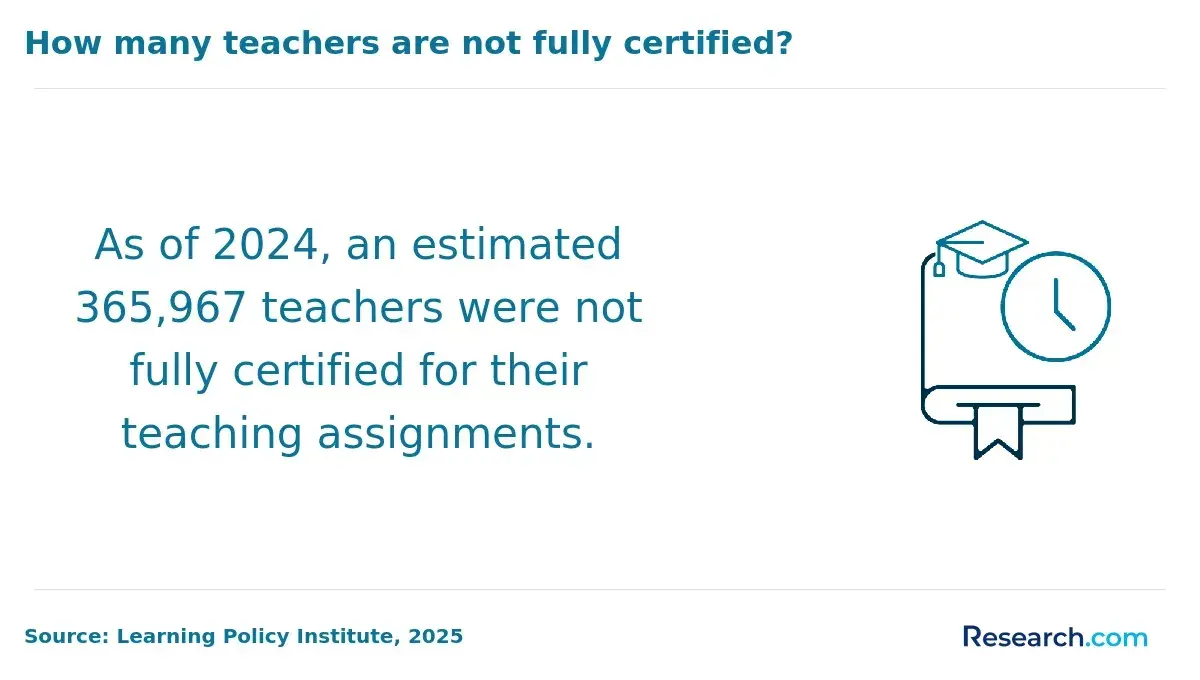
How does a teacher's salary in West Virginia increase over the career timeline?
Teacher salary progression in West Virginia is closely linked to both years of service and continuous professional development. As educators advance in their careers, their compensation typically increases in recognition of experience, education, and additional responsibilities. This structured growth encourages longevity and skill advancement within the teaching profession.
- Years of Experience and Tenure: Teachers receive automatic annual salary increases based on their time in the profession, with starting salaries around $40,339 and experienced teachers earning an average of $52,870. Those with over 20 years of service may earn an extra $600 annually.
- Educational Attainment: Obtaining advanced degrees, such as master’s or specialist qualifications, can significantly enhance salaries, as districts reward higher credentials with salary schedule advancements.
- Promotions and Leadership Roles: Taking on roles like department head or instructional coach often results in salary boosts and stipends, reflecting additional leadership responsibilities.
- Longevity and Retention Incentives: Some districts provide bonuses to encourage teachers to remain within the same district long-term, promoting stability and reducing turnover.
What Do Teachers in West Virginia Say About Their Career?
- Completing my education at the Appalachian Teaching Academy gave me a strong foundation and connected me with a supportive network of educators. Starting my career in a local West Virginia school has been rewarding beyond words — the community here genuinely values building lasting relationships with students and families. I’ve witnessed firsthand how the unique cultural and environmental aspects of the region enrich learning experiences in ways you just don’t see elsewhere. There’s also remarkable job stability which allows me to focus fully on making a difference every day. Aaliyah
- After graduating from the Mountaineer Education Institute, I found that teaching in West Virginia pushed me to grow both personally and professionally. Working in local schools, I’ve encountered challenges that require creativity and patience, especially given the rural setting, but this only fuels my passion to help students succeed. The sense of community is powerful, and I feel proud knowing my work contributes to the well-being of young people navigating complex social and economic realities. Opportunities for career advancement here have been excellent, thanks to ongoing professional development programs tailored to our specific needs. David
- West Virginia’s rich cultural heritage and natural surroundings create a truly unique classroom atmosphere. Completing my program at the Kanawha Valley Teacher College prepared me well for this setting. Starting as a teacher in local schools presented some challenges with limited resources, but it also inspired innovative teaching approaches and close collaboration among staff. The chance to foster a love of learning in students who often face adversity is incredibly fulfilling, and the career path here offers meaningful growth opportunities within a tight-knit community. Selena
Related Articles for Nearby States
- 2027 How Long Does It Take to Be a Teacher in Virginia?
- 2027 How Long Does It Take to Be a Teacher in Ohio?
- 2027 How Long Does It Take to Be a Teacher in Kentucky?
- 2027 How Long Does It Take to Be a Teacher in Pennsylvania?
- 2027 How Long Does It Take to Be a Teacher in Maryland?
- 2027 How Long Does It Take to Be a Teacher in North Carolina?
- 2027 How Long Does It Take to Be a Teacher in Tennessee?
- 2027 How Long Does It Take to Be a Teacher in Indiana?
- 2027 How Long Does It Take to Be a Teacher in South Carolina?
- 2027 How Long Does It Take to Be a Teacher in Georgia?
References:
- Become a Teacher | West Virginia Department of Education https://wvde.us/educator-staff-development/become-teacher
- West Virginia Alternative Teacher Certification - iteach https://iteach.net/alternative-teacher-certification/west-virginia-alternative-teacher-certification/
- West Virginia Alternative Teacher Certification https://mathtrack.co/west-virginia-alternative-teacher-certification-program
- West Virginia Teacher Certification and Licensing Guide 2025 https://www.teachercertificationdegrees.com/certification/west-virginia/
- How to become a substitute teacher in West Virginia. - myKelly https://www.mykelly.com/how-to-become-a-substitute-teacher-in-west-virginia/
Other Things You Need to Know About How Long It Takes to Be a Teacher in West Virginia
In 2027, it is not advisable to start teaching in West Virginia without proper certification. While alternative pathways like provisional licenses exist, they require meeting specific criteria and are temporary solutions until full certification is obtained.
By 2026, to become a certified teacher in West Virginia, one must earn a bachelor's degree in education, complete a teacher preparation program, pass required exams (such as Praxis), and undergo a background check. This process typically takes about four to five years, depending on the specific educational pathway chosen.
In 2027, West Virginia teachers must complete six semester hours of college courses during every five-year licensure renewal period, as mandated by the West Virginia Department of Education. These credits ensure educators remain updated with teaching practices and content knowledge.
In West Virginia, individuals can consider alternative certification programs, like Teach for America, which typically take about 2 years. These programs allow aspiring teachers to work in classrooms while fulfilling certification requirements, thus accelerating the path to becoming a licensed teacher by 2026.


