2027 How to Become a Physical Education Teacher in West Virginia

Co-Founder and Chief Data Scientist
West Virginia offers promising opportunities for aspiring physical education teachers, with over 1,200 positions expected to grow due to increasing awareness of youth health and fitness. The state’s commitment to improving school wellness programs signals a rising demand for educators skilled in physical education. This trend aligns with broader efforts to combat childhood obesity and promote lifelong well-being, making this career path both impactful and stable in the region.
This article, crafted by experts in career planning, will explore the essential steps to become a physical education teacher in West Virginia. It provides clear guidance on certification, educational requirements, and emerging industry trends to equip readers with the knowledge needed to succeed in this evolving field.
Key Things to Know About Becoming a Physical Education Teacher in West Virginia
- Earn a bachelor’s degree in physical education or a related field from an accredited institution. West Virginia requires a strong foundation in health, fitness, and pedagogy to meet state standards.
- Complete the state’s teacher preparation program and pass the Praxis exams for physical education certification. This process ensures readiness to address diverse student needs and emerging fitness technologies.
- Obtain West Virginia professional licensure by applying through the Department of Education, which increasingly values ongoing professional development in adaptive physical education and wellness trends.
- What are the education requirements to become a physical education teacher in West Virginia? Educational Requirements
- What skills are essential for physical education teachers in West Virginia? Skills
- Do PE teachers in West Virginia need a teaching license? Do PE teachers in West Virginia need a teaching license?
- How do you get certified as a PE teacher in West Virginia? Certification
- Can out-of-state teachers transfer their license to West Virginia for PE teaching? Can out-of-state teachers transfer their license to West Virginia for PE teaching?
- How long does it take to become a PE teacher in West Virginia? How long does it take to become a PE teacher in West Virginia?
- How much does it cost to become a PE teacher in West Virginia? Costs
- Are there scholarships for physical education teaching students in West Virginia? Scholarships
- Is there demand for physical education teachers in West Virginia? Is there demand for physical education teachers in West Virginia?
- What is the average salary of a PE teacher in West Virginia? Average Salary
- What Are the Career Advancement Opportunities for PE Teachers in West Virginia? What Are the Career Advancement Opportunities for PE Teachers in West Virginia?
What are the education requirements to become a physical education teacher in West Virginia?
Formal education forms the backbone of preparing physical education teachers in West Virginia by equipping them with the expertise to create effective PE programs and champion student wellness. As the landscape of education evolves, teachers will increasingly integrate technology and evidence-based strategies to engage diverse learners and promote lifelong fitness habits.
The following outlines the essential education requirements necessary to enter this profession and adapt to emerging trends:
- Bachelor’s Degree in Physical Education or Related Field: Candidates must obtain at least a bachelor’s degree in physical education, kinesiology, health, or a related discipline. This foundation offers vital knowledge combining exercise science, instructional methods, and applied practice critical to evolving physical education degree programs in West Virginia.
- Completion of a State-Approved Teacher Preparation Program: A state-approved program, often aligned with the bachelor’s degree or pursued post-baccalaureate, ensures prospective teachers master pedagogy, curriculum design, and practical teaching experience. Accreditation by the Council for the Accreditation of Educator Preparation (CAEP) guarantees alignment with current national and state standards.
- Field Experience and Student Teaching: Immersive student teaching in K-12 settings provides hands-on experience essential for developing classroom management skills and tailoring instruction to students with diverse abilities and backgrounds.
- Specialized Coursework in Physical Education: Coursework now often includes topics like adapted physical education and instructional technology, preparing teachers to address evolving student needs and incorporate innovative assessment standards that support personalized learning.
- Minimum GPA Standards: Competitive entry typically requires maintaining a minimum cumulative GPA, often around 2.75, reflecting the academic rigor needed to succeed and remain responsive to updated expectations in education.
For those exploring the path ahead, understanding these education requirements can align well with future career planning, especially within fields recognized as the highest-paying education jobs.
What skills are essential for physical education teachers in West Virginia?
In West Virginia’s diverse educational landscape, physical education teachers need a unique set of skills to connect with students, foster healthy habits, and manage classrooms that reflect a range of abilities and backgrounds. As physical education evolves with new technologies and social trends, these competencies become even more vital for cultivating engagement and lifelong wellness.
Below are some essential skills for physical education teachers in West Virginia that will shape the future of the profession.
- Communication: Clear and empathetic communication allows teachers to deliver instructions effectively and build trusting relationships with students, parents, and colleagues. Especially in rural and close-knit communities, strong communication supports student motivation and community involvement, forming a crucial foundation for long-term success.
- Leadership: Beyond teaching physical activities, physical education teachers serve as role models who inspire students to embrace active lifestyles. Leadership in West Virginia often means initiating wellness programs and overcoming challenges like limited resources, thus cultivating a positive culture around health within schools.
- Adaptability: With West Virginia’s varied geography and student demographics, teachers must tailor lessons for different fitness levels, interests, and accessibility needs. Adaptability also includes responding to external factors such as weather constraints or new state policies, which demand creativity and problem-solving skills to ensure inclusive participation.
- Knowledge of Fitness and Health: A solid understanding of exercise science and health education is crucial for designing effective curricula aligned with current standards. Physical education teacher competencies in West Virginia increasingly emphasize evidence-based approaches and technology integration, empowering teachers to address health disparities and promote lifelong wellbeing.
Those interested in pursuing this career path may benefit from exploring the best online education degree programs to strengthen these essential skills for PE teachers in West Virginia.
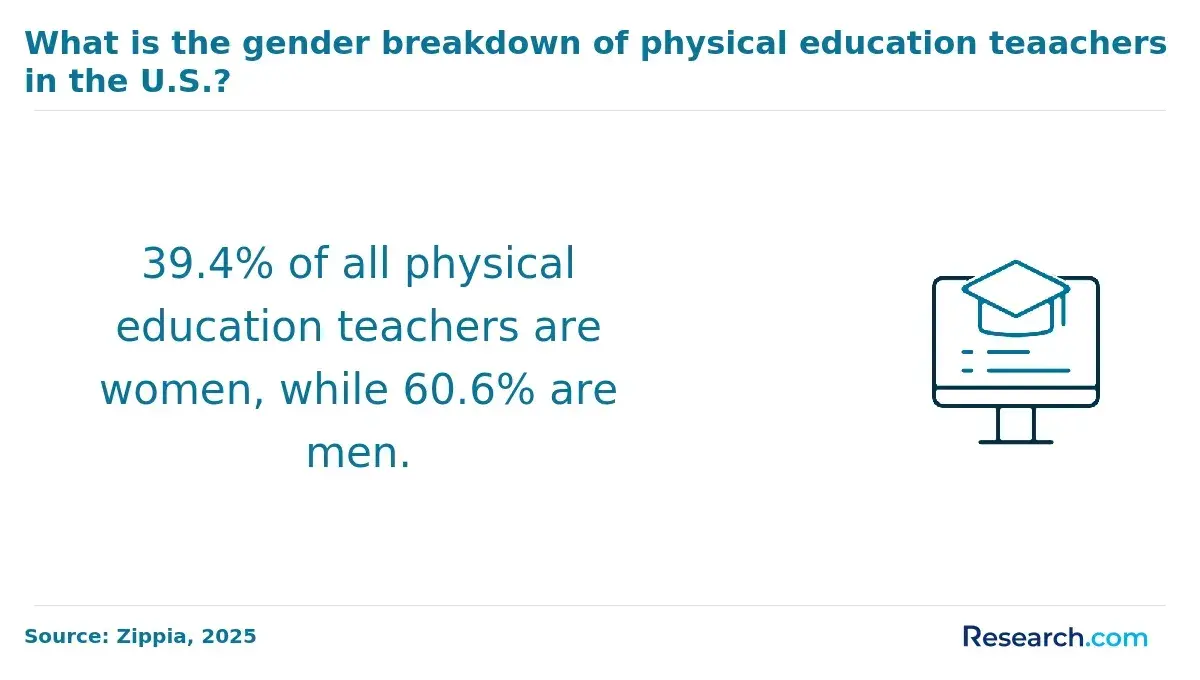
Do PE teachers in West Virginia need a teaching license?
Licensing requirements help maintain consistent teaching standards and ensure physical education instructors in West Virginia are equipped with the skills necessary to support student health and fitness effectively. These standards contribute to uniform quality and accountability across educational institutions, which is vital as PE directly influences lifelong wellness habits.
In public schools, a teaching license is mandatory for physical education teachers at all levels. Candidates must complete a bachelor’s degree in physical education or a related field, pass the Praxis II Physical Education Content and Knowledge exam, and fulfill student teaching requirements.
Licenses require renewal every five years, supported by ongoing professional development. This structured process is designed to guarantee that public school PE teachers are professionally prepared to deliver quality instruction and positively impact student outcomes. Additionally, incentives like financial support and increased salaries encourage teachers to pursue National Board Certification, further elevating teaching standards.
Licensing demands differ significantly in private and charter schools, which often have more flexible hiring practices. Private schools are generally not compelled to hire licensed teachers, sometimes opting for candidates with related experience rather than formal credentials. Charter schools might also accept alternative certifications or professional backgrounds.
While this flexibility expands opportunities for individuals with diverse educational or athletic expertise, it may come with reduced job security and fewer benefits compared to public schools. These differences shape career paths in West Virginia, with state licensure aligning closely with stable, long-term public education roles, while private and charter schools offer alternative, less conventional employment avenues.
How do you get certified as a PE teacher in West Virginia?
Certification ensures that physical education teachers in West Virginia are fully equipped to guide students toward healthier, more active lives. It sets a consistent standard for knowledge and teaching ability, helping schools foster lifelong wellness and physical literacy.
Below are the key steps typically involved in earning certification as a PE teacher in the state:
- Earn a Bachelor’s Degree: Complete a bachelor’s degree in physical education, health, or a related discipline from an accredited institution. This foundational education prepares future teachers with essential knowledge of human health and fitness principles.
- Complete a State-Approved Teacher Preparation Program: Participate in a program offering both pedagogical coursework and practical classroom experience. This ensures candidates can address diverse student needs and adapt lessons accordingly.
- Pass Required State Exams: Successfully pass the Praxis Core academic exam, along with subject-specific tests in physical education. These exams validate both general academic skills and specialized content expertise.
- Apply for Certification: Submit an application to the West Virginia Department of Education, including transcripts, exam results, and background checks. Initial certification may be provisional, with full professional status granted after meeting all criteria and teaching experience requirements.
- Consider Alternative Certification Pathways: For those with degrees outside of education, alternative routes allow teaching while completing necessary preparation and exams. These pathways provide flexibility for career changers entering critical-need areas.
When discussing certification, a PE teacher from West Virginia who graduated locally shared his journey, describing the process as challenging yet rewarding. He recalled that navigating the various exam requirements felt overwhelming at times, but the support from his teacher preparation program was crucial. “Balancing coursework, fieldwork, and test prep required discipline,” he reflected, emphasizing how practical experience helped build his confidence.
He appreciated alternative certification options as well, noting that they opened doors for many with non-education backgrounds eager to contribute. Ultimately, he viewed certification not just as a bureaucratic step but as a formative experience that shaped his teaching philosophy and strengthened his commitment to student well-being.
Can out-of-state teachers transfer their license to West Virginia for PE teaching?
West Virginia does offer license reciprocity for out-of-state physical education teachers, but this process involves several additional steps beyond simply transferring a license. Applicants must submit Form 20R for evaluation, where their qualifications are reviewed individually.
Even with a valid professional teaching certificate from another state, candidates often face requirements such as completion of a bachelor’s degree from an accredited institution and a state-approved teacher preparation program.
Additionally, West Virginia mandates passage of specific Praxis exams tailored to physical education—this includes the Praxis Core, Principles of Learning and Teaching (PLT), and relevant subject assessments. If an applicant does not fully meet these requirements, the state may grant a provisional or temporary license, giving time to complete any missing coursework or tests before receiving full certification.
The impact of these rules on physical education teachers relocating to West Virginia can be significant. The testing demands may present challenges, especially for those certified through non-traditional routes or states with different credentialing standards.
Teachers holding emergency or alternative licenses elsewhere might find themselves needing to fulfill new requirements to align with West Virginia’s standards. This can cause delays due to the credential review process, including gathering necessary transcripts and verification of experience.
Despite these hurdles, the system aims to ensure that educators meet rigorous standards aligned with state curriculum needs. Looking ahead, ongoing workforce shortages in certain areas might encourage West Virginia to refine reciprocity policies, potentially incorporating more flexible pathways or supporting technology-driven credential evaluations to accelerate licensing without compromising quality.
Such trends could make it easier for qualified out-of-state physical education teachers to transition while maintaining instructional excellence statewide.
How long does it take to become a PE teacher in West Virginia?
The pathway to becoming a physical education teacher in West Virginia involves several steps, and the duration can vary depending on the chosen degree program, certification process, and practical teaching experience.
Future changes in education delivery and alternative certification options may influence how long it takes to enter the profession, allowing for potentially faster certification timelines. Understanding the PE teacher certification timeline West Virginia provides clarity on what to expect at each stage.
- Bachelor’s Degree: The most common route requires earning a bachelor's degree in physical education or a related field, generally taking four years of full-time study. This includes completing required credits and coursework that prepare students for teaching roles within the state's school system.
- Teacher Preparation Program and Student Teaching: Integrated within or following the degree, this phase involves pedagogy courses and supervised student teaching, typically lasting one semester (3-4 months). This hands-on experience is essential for developing practical teaching skills under supervision in local schools.
- Licensure Exams and State Certification: After completing educational and fieldwork requirements, candidates must pass the Praxis II Physical Education: Content and Knowledge exam. Preparation and application for state licensure usually add several weeks to a few months to the overall timeline.
- Alternative Certification Pathways: Individuals holding a bachelor’s degree in another field may complete alternative certification or a master’s degree tailored to teaching. These routes typically take 1 to 2 years, offering accelerated options for career changers or those with prior academic credits.
- Total Timeline: For those starting fresh, the full process generally takes about 4.5 to 5 years, accounting for the degree, student teaching, and certification steps. Emerging programs and online education trends could potentially shorten the time needed, offering greater flexibility and faster completion of PE teacher certification requirements.
For prospective educators exploring various degree options, a list of most affordable online elementary education programs can provide insights into accessible and flexible pathways that might influence overall timelines and training experiences.
How much does it cost to become a PE teacher in West Virginia?
Prospective educators aiming to become physical education teachers in West Virginia should anticipate various expenses that contribute to the overall investment. Tuition, testing, and certification fees represent primary components influencing the total cost, with potential fluctuations depending on program type and school choice. Considering these factors helps in planning finances and examining affordable pathways forward.
Below are the main cost components relevant to the cost of PE teacher certification in West Virginia.
- Bachelor's Degree Tuition: Earning a bachelor's degree from an accredited institution is the foundational step toward certification. Tuition rates vary widely, with public schools typically ranging from $8,000 to $15,000 annually, while private institutions can exceed $28,000, reflecting different residency statuses and program options.
- Teacher Preparation Program Fees: These fees cover the required Professional Educator Preparation Programs. While traditional routes integrated within a degree often include these costs implicitly, alternative certification paths, such as iteach, can offer a lower total expense of around $3,050, making them an appealing option for budget-conscious candidates.
- Licensing and Examination Costs: West Virginia mandates exams like the CASE and Praxis II PE: Content Knowledge. Each test can cost between $90 and $150, and some candidates might pay more due to retakes. These fees are significant contributors to West Virginia physical education teacher program fees.
- Additional Expenses: Beyond tuition and fees, students must budget for textbooks, background checks for placements, and travel costs associated with field experiences. These incidental costs may add $500 to $1,500 to the total investment, depending on program specifics.
Exploring emerging trends in this field, some candidates might also consider flexible learning options and affordable online master's degrees in teaching as part of their broader educational and financial strategy.
Are there scholarships for physical education teaching students in West Virginia?
Scholarships and financial aid are essential tools for aspiring physical education teachers in West Virginia to offset the rising costs of tuition and certification. These supports open doors for more candidates to enter the profession, making it possible to focus on developing the skills needed to promote student wellness effectively.
- Federal and State Financial Aid: Programs like Pell Grants and the West Virginia PROMISE Scholarship help cover tuition and mandatory fees, while the Invests Grant supports students committed to teaching locally by covering remaining educational costs.
- Institutional Scholarships: Universities offer awards tailored for education majors, including the Osher Reentry Scholarship and merit-based funds recognizing dedication to PE teaching and coaching careers.
- TEACH Grant: This grant provides up to $1,880 annually for future teachers in high-need fields, requiring a service commitment in qualifying schools to maintain eligibility.
- Loan Forgiveness Programs: Forgiveness options ease financial burdens for those serving in shortage areas or underserved schools by forgiving debt after consistent public service.
A PE teacher from West Virginia shared how navigating this financial landscape felt overwhelming at first. Graduating from a local university, she describes, “Applying for the Underwood-Smith scholarship was intense but worthwhile; it really lifted the financial weight.”
She recalls how combining state grants with institutional aid allowed her to focus on her studies rather than constantly worrying about bills. “Knowing there’s a clear path of support made all the difference—I feel encouraged to give back to the community that invested in me.” This experience highlights the importance of these programs in shaping dedicated educators.
Is there demand for physical education teachers in West Virginia?
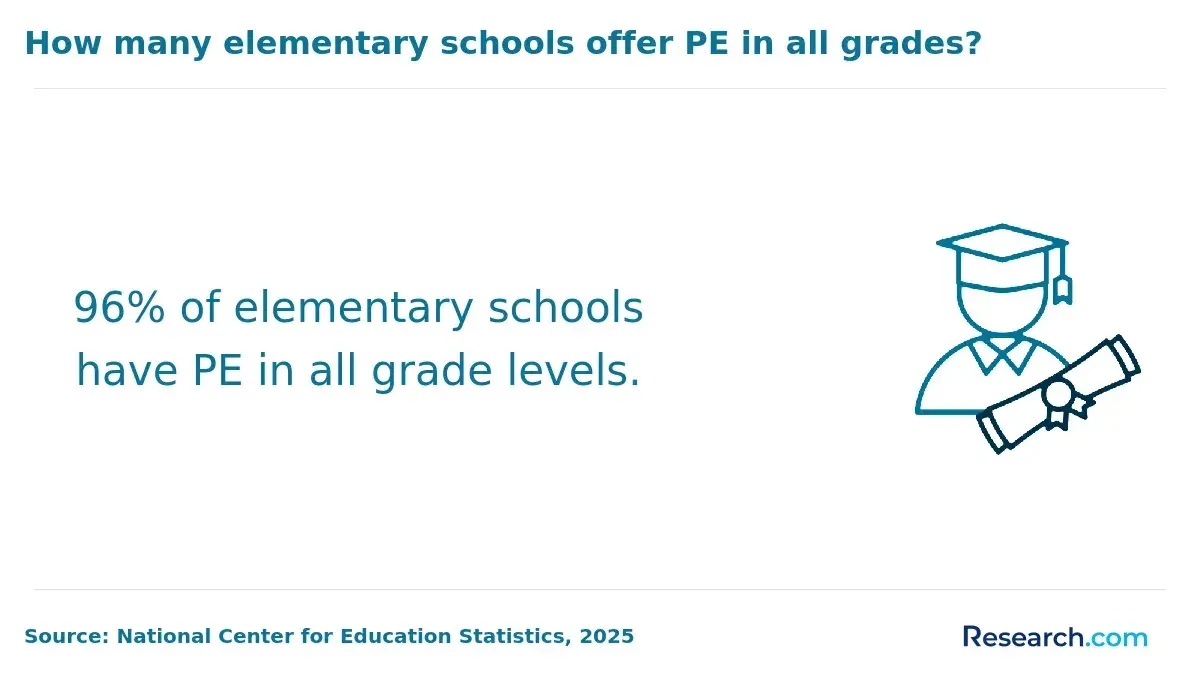
The demand for physical education teachers in West Virginia is influenced by several evolving factors, including shifts in student enrollment, statewide health initiatives, and the retirement of veteran educators. These elements collectively increase the urgency to fill teaching positions dedicated to promoting healthy lifestyles in schools.
As communities face ongoing health challenges, the emphasis on quality physical education has never been more pronounced, driving a sustained need for skilled professionals.
Demand for physical education teacher job openings in West Virginia is strongest in public schools, particularly within rural and underserved districts where recruitment and retention remain challenging. These areas often have multiple vacancies, many of which are filled by teachers who lack full certification, highlighting critical shortages.
The greatest concentration of opportunities lies in public elementary and secondary schools, including itinerant positions serving multiple schools across districts.
While detailed job growth projections specific to PE teaching are limited, the combination of teacher retirements and health-driven priorities suggests a continued increase in available roles. Those willing to work in less accessible areas may also find additional incentives and support.
For aspiring physical education teachers, these trends indicate a promising job market with multiple openings, especially in public education settings. Coupled with statewide health goals, the outlook is favorable for candidates pursuing certification.
Enhancing qualifications through advanced education can be a strategic move for career success, and individuals interested in learning more about earning a salary with online master's degree in education may find valuable opportunities awaiting them in West Virginia’s evolving education landscape.
What is the average salary of a PE teacher in West Virginia?
The average salary for a physical education (PE) teacher in West Virginia stands at approximately $60,840 per year, closely aligning with the national average of about $61,000 annually. Salary remains a critical factor for those pursuing a career in physical education in West Virginia, where it influences both financial stability and long-term job satisfaction amid varying regional economic conditions.
Understanding the key elements that affect PE teacher pay in the state is essential for making informed career decisions.
The main factors influencing PE teacher salaries in West Virginia include:
- Years of Experience: Salaries generally increase with experience; entry-level teachers may start between $20,080 and $34,800, while veterans can earn up to $97,730.
- Education Level: Advanced degrees, such as master’s or doctorate programs, often grant access to higher pay scales and additional compensation.
- School Type (Public vs. Private): Public school teachers typically follow standardized state salary schedules, which tend to offer better pay and benefits than private institutions.
- Geographic Location: Urban districts or areas with higher living costs may offer more competitive salaries compared to rural regions, though funding disparities remain a challenge.
PE teacher salaries in West Virginia reflect the balance between limited market demand and the vital role educators play in promoting student health. Prospective teachers should weigh these realities against the rewarding nature of their profession when planning their career paths
What Do Physical Education Teachers in West Virginia Say About Their Career?
- Lakisha: "Completing the physical education program at Charleston Academy truly prepared me for the diverse challenges of teaching in West Virginia. Starting my career at a local school allowed me to see firsthand how sport and physical activity can bring together students from different backgrounds. There is a special sense of community here, and I’ve found immense fulfillment in helping young people build confidence and lifelong healthy habits. The connection we have to the Appalachian landscape adds a unique dimension to my lessons, inspiring outdoor activities that enrich student experiences beyond the gym. "
- Kavinsky: "After finishing my studies at Morgantown Institute, I began teaching PE in a local school and quickly recognized the job stability that this career offers in West Virginia. The ongoing professional development opportunities have been invaluable, allowing me to continuously enhance my teaching methods and stay current with best practices. It’s rewarding to see my students grow not just physically, but also in teamwork and leadership skills. The supportive network among educators here makes this profession both challenging and deeply satisfying. "
- Selina: "The greatest benefit of pursuing a physical education career in West Virginia is the chance to positively impact communities that often face socioeconomic challenges. Graduating from Blue Ridge College gave me the tools to adapt my teaching to fit our rural context. Teaching in a local school has been a profoundly personal journey, where I’ve learned resilience and creativity to make PE accessible and engaging for all students. Witnessing their progress, especially in developing basic fitness and health awareness, fuels my passion every day. "
What Are the Career Advancement Opportunities for PE Teachers in West Virginia?
PE teachers in West Virginia can expand their professional trajectory by pursuing advanced certifications, graduate degrees, or specialized training that qualify them for leadership roles such as athletic directors, curriculum coordinators, or school administrators. These advancement pathways not only enhance salary prospects but also equip educators with the skills needed to influence broader wellness and academic initiatives. Additionally, targeted professional development programs help teachers refine instructional methods and adapt to emerging educational trends. For those mapping out an accelerated path into the profession, understanding how long does it take to become a teacher in West Virginia can be instrumental in planning effective career progression.
Related Articles for Nearby States
- 2027 How to Become a Physical Education Teacher in Virginia
- 2027 How to Become a Physical Education Teacher in Ohio
- 2027 How to Become a Physical Education Teacher in Kentucky
- 2027 How to Become a Physical Education Teacher in Pennsylvania
- 2027 How to Become a Physical Education Teacher in Maryland
- 2027 How to Become a Physical Education Teacher in North Carolina
- 2027 How to Become a Physical Education Teacher in Tennessee
- 2027 How to Become a Physical Education Teacher in Indiana
- 2027 How to Become a Physical Education Teacher in South Carolina
- 2027 How to Become a Physical Education Teacher in Georgia
References:
- How to Become a PE Teacher in West Virginia | Requirements for PE Teacher Jobs in WV https://www.peteacheredu.org/west-virginia/
- Online Physical Education Teacher Education, M.S. | WVU Online | West Virginia University https://online.wvu.edu/programs/masters-degrees/physical-education-teacher-education-ms
- Become a Teacher | West Virginia Department of Education https://wvde.us/educator-staff-development/become-teacher
- Physical Education and Kinesiology BS Major - West Virginia University https://www.wvu.edu/academics/programs/physical-education-and-kinesiology-bs
- West Virginia Teacher Certification Guide | All Education Schools https://www.alleducationschools.com/teacher-certification/west-virginia/
- For prospective educators exploring various degree options, a can provide insights into accessible and flexible pathways that might influence overall timelines and training experiences. https://research.com/degrees/most-affordable-online-elementary-education-programs
- West Virginia Alternative Teacher Certification - iteach https://iteach.net/alternative-teacher-certification/west-virginia-alternative-teacher-certification/
- Physical Education Degrees in West Virginia | Search Schools – Education Degree https://www.educationdegree.com/programs/physical-education/west-virginia/
- Physical Education Teacher (PE Teacher) Salary in West Virginia, United States (2025) - SalaryExpert https://www.salaryexpert.com/salary/job/physical-education-teacher-pe-teacher/united-states/west-virginia
- W. Va. Code R. § 126-136-21 - Additional Endorsement(s) for Existing Certificate | State Regulations | US Law | LII / Legal Information Institute https://www.law.cornell.edu/regulations/west-virginia/W-Va-C-S-R-SS-126-136-21
Other Things You Should Know About Becoming a Physical Education Teacher in West Virginia
In 2027, physical education teachers in West Virginia need a Bachelor's degree in Physical Education or a related field and must pass the Praxis exams. They must also apply for and obtain a West Virginia Professional Teaching Certificate in Physical Education.
West Virginia does offer alternative certification pathways for aspiring physical education (PE) teachers, allowing individuals with a bachelor’s degree to enter the profession without completing a traditional teacher preparation program. Candidates typically need to secure a teaching position and then complete state-approved alternative certification requirements, which may include coursework and mentoring.
This flexibility supports professionals transitioning from other fields or recent graduates aiming to become PE teachers. However, completing all state licensing components is essential to earn full certification and maintain teaching eligibility in West Virginia schools.
In West Virginia, physical education teachers are generally required to hold specific endorsements to teach subjects outside of physical education. Without additional endorsements, PE teachers are typically limited to instructing only within their certified area.
However, obtaining endorsements in related fields, such as health education or coaching, can provide opportunities to expand teaching assignments. Therefore, while PE teachers cannot usually teach other subjects without further certification, pursuing additional endorsements allows greater flexibility and broadens career possibilities in West Virginia schools.