
2027 How to Become a Caregiver: Certification Requirements in New Jersey

Co-Founder and Chief Data Scientist
Becoming a certified caregiver in New Jersey opens doors to one of the state's fastest-growing professions. With the aging population rising by over 20% in the past decade, the demand for skilled caregivers keeps soaring. This growth means more job opportunities and competitive pay. To get certified, candidates must complete specific training programs and pass state-approved exams.
This article breaks down those certification requirements clearly and simply. Crafted by career planning experts, it guides readers through each step, helping them understand and navigate New Jersey’s process confidently. Discover how to start a rewarding caregiver career with all the facts you need here.
Key Things to Know About Becoming a Caregiver in New Jersey
- You need to complete a state-approved training program with at least 75 hours covering basic care skills and safety protocols.
- Passing the New Jersey Home Health Aide Competency Exam is mandatory to get certified and work legally as a caregiver.
- Continuing education is key since caregivers must renew certification every two years to stay updated and keep working in New Jersey’s growing healthcare field.
- What education is required to become a certified caregiver in New Jersey?
- How many training hours are required for caregiver certification in New Jersey?
- What topics are covered in caregiver training programs in New Jersey?
- Is there a state exam for caregiver certification in New Jersey?
- How do you apply for caregiver certification in New Jersey?
- How much does it cost to get caregiver certification in New Jersey?
- How often do you need to renew caregiver certification in New Jersey?
- Can Caregiver Certification Lead to Career Advancement Opportunities in New Jersey?
- What continuing education is required for caregivers in New Jersey?
- What is the salary for certified caregivers in New Jersey?
- What jobs can you get with caregiver certification in New Jersey?
What education is required to become a certified caregiver in New Jersey?
Getting the right education is a key step for anyone aiming to become a certified caregiver in New Jersey. It sets the foundation needed to provide quality care and meet state standards. Here’s a quick rundown of the main educational requirements for caregiver certification in New Jersey:
- Minimum Education: You must have a high school diploma or an equivalent credential to qualify for certification.
- Basic Skills: Demonstrating proficiency in reading, writing, and math is necessary, ensuring you can handle caregiving tasks effectively.
- Background Knowledge: A solid understanding of health, safety, and caregiving principles is expected before moving forward in training.
- Continued Learning: Staying informed about best practices and developments in caregiving supports long-term success in this field.
Those interested in starting their path should consider how the New Jersey caregiver training program hours build on this educational foundation to develop practical skills. For a deeper look into related healthcare fields, you might want to check out medical billing and coding how long is the course, which also emphasizes the role of education in career preparation.
How many training hours are required for caregiver certification in New Jersey?
Training hours are a key part of making sure caregivers are prepared to provide safe, effective, and compassionate care. In New Jersey, the state has set specific hour requirements depending on the caregiver’s role, reflecting the need for both knowledge and hands-on experience. The most common certifications each have their own set of hours designed to balance classroom learning with practical training.
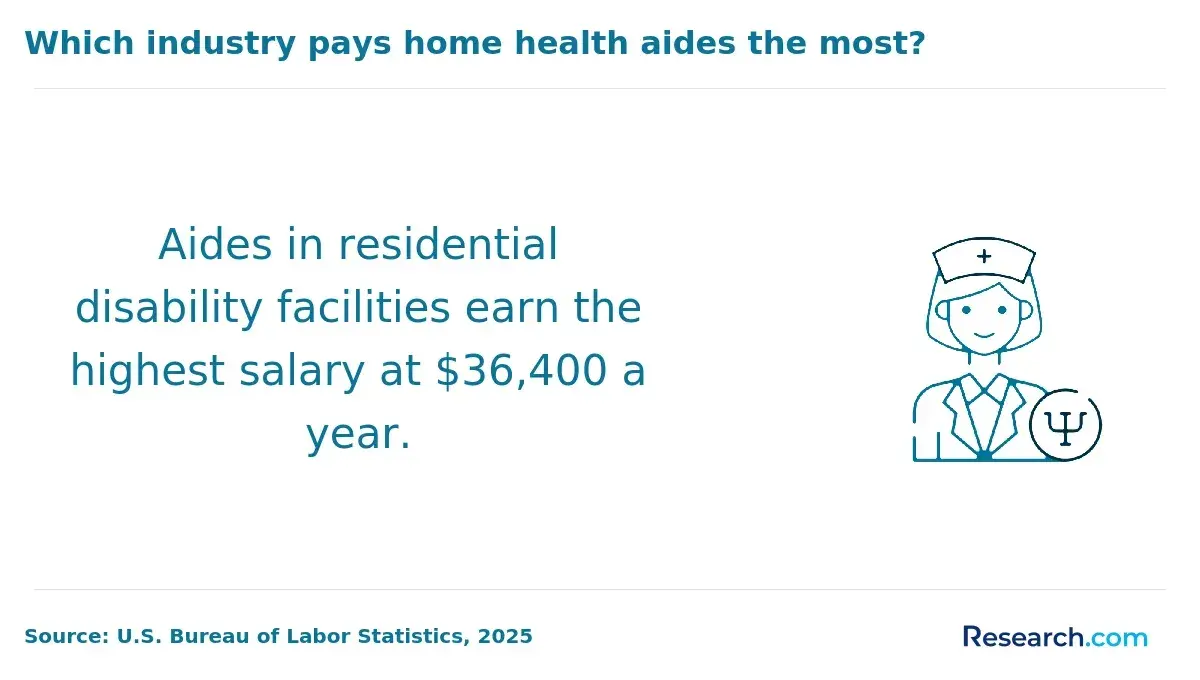
Certified Home Health Aides (CHHAs) need to complete a total of 76 hours. This includes 60 hours of classroom instruction, where they learn about important topics like infection control, patient rights, and caregiving basics. The remaining 16 hours are spent in supervised clinical settings, allowing them to practice their skills under the watchful eye of a licensed nurse.
For Home Care Aides who provide non-medical support, at least 5 hours of initial training is required. This brief training covers essential topics such as personal care assistance and safety precautions to help prepare aides for entry-level caregiving.
Certified Nursing Assistants (CNAs) face a more intensive requirement with 90 total hours, combining classroom lessons and clinical practice, reflecting their expanded medical responsibilities in places like hospitals and nursing facilities.
What topics are covered in caregiver training programs in New Jersey?
Caregiver training in New Jersey plays a key role in making sure caregivers provide safe, respectful, and high-quality care. It's designed to boost confidence by equipping caregivers with the right skills to handle different situations, especially around vulnerable populations. Here are some important caregiver training topics in New Jersey you’ll find covered:
- Personal Care Skills: This focuses on helping clients with daily tasks like bathing, dressing, and mobility while respecting their independence and dignity.
- Infection Control: Since hygiene is vital, this topic teaches proper handwashing, sanitizing techniques, and ways to stop infections from spreading, highlighting New Jersey infection control caregiver training standards.
- Safety Procedures: Caregivers learn to spot potential hazards, practice safe lifting methods, and prevent falls or accidents within homes and facilities.
- Emergency Response: Training covers basic first aid and CPR, preparing caregivers to respond calmly and effectively to sudden health issues like choking or falls.
- Communication and Interpersonal Skills: This helps caregivers improve how they connect with clients and their families, promoting empathy and respectful interactions.
- Patient Rights and Confidentiality: Caregivers get familiar with legal protections such as HIPAA, client privacy, and respecting autonomy and consent.
- Ethical and Legal Responsibilities: It provides guidance on maintaining professional boundaries and understanding state laws, including rules around financial transactions and gift acceptance.
- Pain Management: Recognizing pain signs and learning non-drug methods to help clients feel more comfortable is part of this training.
- Abuse and Neglect Recognition: Training covers spotting and reporting any signs of abuse or neglect to keep clients safe and meet New Jersey’s legal requirements.
- Care for Cognitive and Physical Impairments: Specialized lessons focus on supporting people with dementia, Alzheimer’s, and other special needs using a person-centered approach.
- Blood-borne Pathogens: Caregivers learn universal precautions and how to safely handle contaminated items to protect themselves and clients.
- Medication Assistance (for Medication Aides): This includes training on safe medication handling, documentation, and monitoring side effects, along with ongoing education to maintain skills.
- Agency Policies and Procedures: Finally, caregivers get oriented to their employer’s specific rules about reporting, recordkeeping, and compliance.
For those interested in related healthcare careers, understanding the skills and duties of medical billers and coders can offer valuable perspective on the broader health support system.
Is there a state exam for caregiver certification in New Jersey?
Some states require caregivers to pass a formal exam to make sure they have the skills and knowledge needed for safe, competent care. These exams help protect vulnerable people by confirming caregivers can responsibly handle their duties. In New Jersey, not every caregiver role needs a state exam, but certain certifications do.
For example, if you’re aiming to become a Certified Homemaker-Home Health Aide (CHHA) or a Personal Care Assistant (PCA), you will need to pass a state competency evaluation. This process includes both a written (or oral) test and a hands-on skills demonstration. The written part checks your understanding of caregiving principles, ethics, and procedures, while the skills test covers practical tasks like helping with daily activities, hygiene, and emergency actions.
This evaluation comes after completing a state-approved training program, which includes at least 76 hours of classroom instruction and 16 hours of supervised clinical training. Passing this exam, plus a background check, is required to be listed on the state registry and work in home care or assisted living settings.
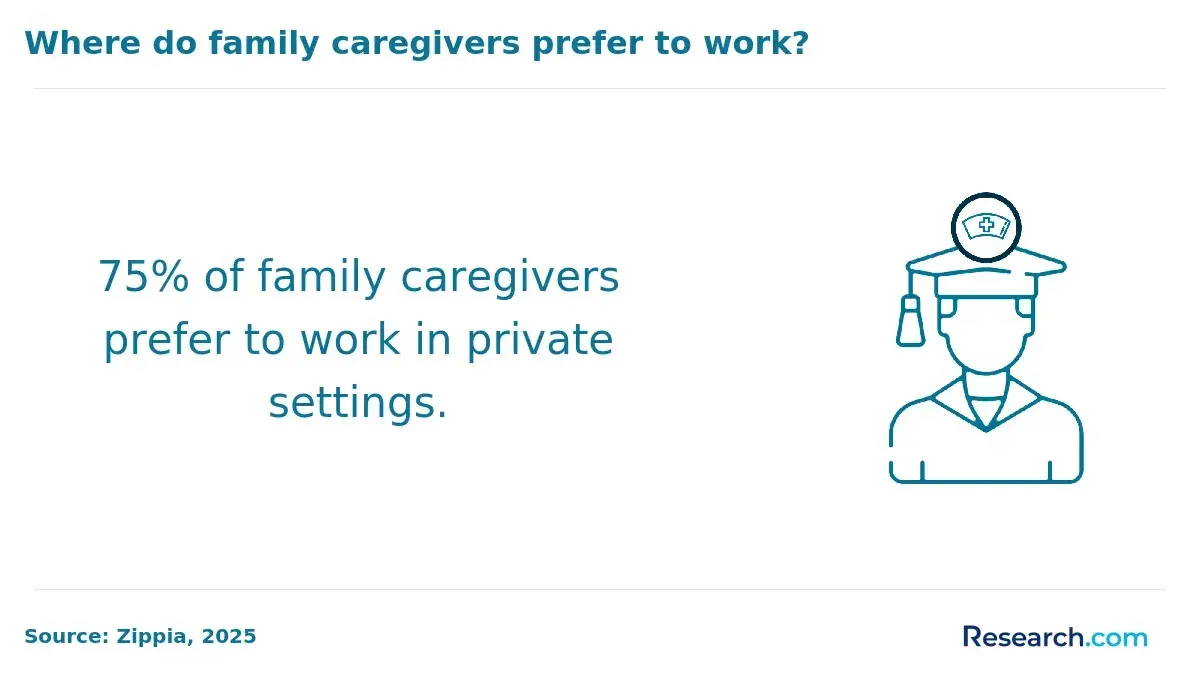
However, some caregiver jobs in New Jersey don’t require certification or an exam right away. Private employers may hire without certification but usually expect caregivers to complete the training and exam after starting. So, while not everyone faces a state exam, it’s definitely a key step for many certified caregiver roles in the state.
How do you apply for caregiver certification in New Jersey?
Following the right steps when applying for caregiver certification in New Jersey is key to meeting state rules and making the approval process go as smoothly as possible. It helps you show employers you’re serious and ready for the job without unnecessary delays.
- Confirm Eligibility: You must be at least 18 years old and have a high school diploma or GED; no college degree needed.
- Choose a Training Program: Enroll in a program approved by the New Jersey Department of Health that includes 76 hours of classroom work and 16 hours of supervised clinical training.
- Finish Your Training: Complete all required classroom and clinical hours to qualify for the exam.
- Gather Documents: Collect proof of training, ID, your diploma or GED, and any other materials the state or program requires.
- Complete Background Checks: Submit to a state criminal background check with fingerprinting, plus possible immunization and health screenings.
- Register and Pass the Exam: Schedule the state competency exam after training, which tests your caregiving knowledge and skills.
- Submit Application: Put together your documents, exam results, and background clearance, then send your application to the New Jersey Board of Nursing or another designated agency.
- Pay Fees: Cover any application and certification fees as required, varying by certification type and agency.
- Stay Certified: Maintain your certification by meeting ongoing education credits and paying renewal fees, usually every year.
A caregiver from New Jersey, who graduated from a local school, shared her experience with the certification process. She emphasized that while the training hours felt demanding compared to some other states, they really helped her feel confident when caring for patients. “The background checks were a bit nerve-wracking but made me realize how seriously the state takes safety,” she said.
She also mentioned the paperwork felt overwhelming at times, but breaking it down step-by-step made it manageable. Passing the competency exam was a proud moment, and she recalled how important it was to find a supportive training program that guided her through both the study material and state requirements. Overall, she described the journey as challenging but rewarding, highlighting the satisfaction of joining a respected and well-regulated caregiving community in New Jersey.
How much does it cost to get caregiver certification in New Jersey?
Planning for the cost of caregiver certification in New Jersey is a smart move if you’re looking to enter this rewarding field. Knowing the typical expenses helps you budget and explore options for financial help, which can ease the path to becoming a certified caregiver.
Here’s a quick breakdown of common costs you can expect:
- Training Program Tuition: Usually between $299 and $469, depending on the school or provider, with some home care agencies offering discounts or tuition reimbursements.
- State Board of Nursing Application Fee: A mandatory $80 fee you pay after completing your training to get officially certified in New Jersey.
- Textbooks and Study Materials: While many programs include these, some require you to pick up extra materials that can cost around $30 to $60.
- Background Check and Fingerprinting: Needed for certification and job placement, these generally run between $40 and $70, depending on the vendor.
- Exam or Assessment Fee: Most programs bundle this fee into tuition, but if a separate test is required, it could cost $50 to $100 more.
Keep in mind, the New Jersey home health aide training cost can vary based on whether you choose a community college, private school, or an agency-sponsored program. Also, this state requires a minimum of 76 hours including clinical experience, which may bump up tuition compared to other places. Some employers sweeten the deal with sign-up bonuses or scholarships, so it’s worth asking about those perks. If you’re interested in the technical side of healthcare billing related to caregiving jobs, you might want to check out what is medical coding and billing used for to get a broader view of the field.
How often do you need to renew caregiver certification in New Jersey?
Keeping your caregiver certification up to date in New Jersey is essential to stay compliant with state rules and to ensure you’re providing the best care possible. Certification renewal helps confirm that you’re actively working in the field and staying aligned with current professional standards. It’s a way to protect both caregivers and those receiving care by making sure skills and knowledge don’t become outdated over time.
For Certified Home Health Aides (CHHAs), renewals happen every two years and include a $30 fee, with the process done online through the state board. You need to be working with a registered home care agency when you renew. Certified Nurse Aides (CNAs) must also renew at least every two years on the state registry, showing proof of paid work hours in a healthcare facility during that time. If those conditions aren’t met, they might have to retake the initial certification steps to continue working.
Can Caregiver Certification Lead to Career Advancement Opportunities in New Jersey?
Certified caregiver roles in New Jersey can serve as a foundation for aspiring healthcare professionals eager to progress into more specialized or managerial positions. Building on the practical skills acquired during certification, individuals may pursue additional training and certifications that open doors to advanced roles within the healthcare industry. This career progression can include opportunities in supervisory positions, specialized patient care services, and even transitions into allied healthcare fields. For example, integrating caregiving experience with further education can be a stepping stone for those interested in exploring roles beyond traditional caregiving, such as through learning how to become an occupational therapist in New Jersey.
What continuing education is required for caregivers in New Jersey?
Continuing education is a must for caregivers in New Jersey to keep their skills sharp, provide high-quality care, and stay on the right side of state regulations. This ongoing training not only boosts a caregiver’s knowledge but also ensures they meet certification renewal requirements and maintain employment eligibility. It’s all about staying current with best practices and specialized topics crucial for supporting seniors and individuals with disabilities.
- Certified Personal Care Assistants (PCAs): 20 hours every two years covering assisted living concepts, cognitive and physical impairments, and dementia.
- Certified Homemaker-Home Health Aides (CHHAs): 12 hours annually focusing on infection control, patient rights, abuse prevention, emergency procedures, pain management, and dementia care.
- Medication Aides: Must add 10 extra hours every two years related to medication administration and elderly drug use.
- Assisted Living Staff General Training: Annual in-service training on assisted living principles, emergency plans, infection control, and care for residents with impairments.
- Recordkeeping: Employers track training; caregivers should keep certificates for at least five years due to possible audits.
A caregiver from New Jersey, who graduated from a local training school, shared how the continuing education process has been both challenging and rewarding. He mentioned that juggling work with the required courses took some planning, especially fitting in the annual or biennial hours alongside a busy schedule. Still, the real eye-opener was how each training session deepened his understanding of issues like dementia care and safe medication practices, making him feel more confident on the job. “It’s reassuring to know that these courses aren’t just paperwork,” he said, “they genuinely help me be better at what I do and keep my certification valid.” His story reflects how these education requirements shape not just compliance, but real professional growth for caregivers in New Jersey.
What is the salary for certified caregivers in New Jersey?
Certified caregiver salaries in New Jersey depend on several key factors, like the location within the state, the type of employer, and the caregiver’s specific certification and experience. Urban centers such as Newark and Jersey City usually offer higher pay because of increased demand and living costs, while specialized roles like live-in caregivers tend to earn more due to their round-the-clock responsibilities. Average pay for certified caregivers in New Jersey:
- Statewide Average: Caregivers make around $17.64 to $18 per hour, which works out to roughly $36,700 a year, slightly above the national average salary of $34,440.
- Entry-Level vs Experienced: Beginners usually earn about $30,956 annually, while those with more experience can see up to $40,353.
- Top-Paying Areas: Newark caregivers can earn around $46,331 yearly (about $22 per hour), with other cities like Jersey City and Passaic paying roughly $18 per hour.
- Live-In Caregivers: These caregivers pull in higher wages, averaging $47,454 annually ($22.81 per hour), with top earners making close to $76,142.
If you’re thinking about starting your career, it’s worth looking into free medical billing and coding classes near me—they often complement caregiver certification and boost job prospects in New Jersey.
What jobs can you get with caregiver certification in New Jersey?
Getting your caregiver certification in New Jersey opens the door to plenty of caregiver jobs that serve a variety of healthcare and support roles. Whether you want to work in someone’s home or a healthcare facility, this certification sets you up with valuable skills that employers are eager to hire for.
- Certified Home Health Aide (CHHA): CHHAs assist with personal care and daily living tasks for clients at home or residential places. This role is popular and growing fast in New Jersey’s healthcare job market.
- Personal Care Attendant: These attendants help with mobility, hygiene, and meal prep, usually working directly in private homes or assisted living. Building trust with clients is key to this role.
- Residential Care Aide: Residential care aides support residents in group homes or assisted living with bathing, dressing, and social activities, often teaming up with nurses for full care.
- Hospice Aide: Hospice aides provide compassionate care to those with terminal illnesses, focusing on comfort and emotional support in hospice or home settings.
- In-Home Caregiver: They offer non-medical help like companionship and daily task assistance, often working independently or with home care agencies.
- Live-In Caregiver: Live-in caregivers provide 24/7 support by living with clients who need constant care due to health or mobility issues.
- Direct Support Professional: These professionals work with clients who have developmental or mental health challenges, promoting independence and skill-building.
- Patient Care Technician: This job involves basic medical support in hospitals, often requiring additional training beyond basic certification, but it is common for career growth.
For those curious about different career paths, knowing how can I start as a certified medical coder and biller might be a useful skill to explore after gaining experience in caregiving jobs. If you’re aiming for certified home health aide jobs in New Jersey, this certification is your solid stepping stone.
What Do Caregivers in New Jersey Say About Their Career
- Completing my caregiver certification at Camden County College was a transformative experience. The program was thorough and equipped me with practical skills that made transitioning into a local school environment smooth and rewarding. Working closely with students every day has deepened my passion for supporting their emotional and physical well-being. What I appreciate most is the stability and opportunity for growth this career provides in New Jersey’s diverse communities. - Keleece
- My journey began at Bergen Community College, where the hands-on training prepared me well for starting my caregiver career within a local academic setting. Reflecting on the path so far, I find great satisfaction in contributing to a supportive school environment and watching children flourish. The unique cultural blend in New Jersey allows me to connect with families from many backgrounds, enriching my professional and personal life. I feel proud knowing my work positively impacts the community around me. - Amuma
- Having completed the caregiver program at Essex County College, I stepped into my role with a strong sense of professionalism and purpose. The challenges and rewards of working in New Jersey’s school environments push me to continuously develop my skills and advance my career. I especially value the opportunities for ongoing education and leadership that come with this path. It’s fulfilling to know I play a part in shaping a healthy, caring atmosphere for students to thrive. - Bruno
Related Articles for Nearby States
- 2027 How to Become a Caregiver: Certification Requirements in Delaware
- 2027 How to Become a Caregiver: Certification Requirements in Pennsylvania
- 2027 How to Become a Caregiver: Certification Requirements in New York
- 2027 How to Become a Caregiver: Certification Requirements in Maryland
- 2027 How to Become a Caregiver: Certification Requirements in Connecticut
- 2027 How to Become a Caregiver: Certification Requirements in Rhode Island
- 2027 How to Become a Caregiver: Certification Requirements in Virginia
- 2027 How to Become a Caregiver: Certification Requirements in Massachusetts
- 2027 How to Become a Caregiver: Certification Requirements in West Virginia
- 2027 How to Become a Caregiver: Certification Requirements in Ohio
References:
- Job Opportunities | New Jersey Home Care | #1 Care Right There Home Care https://carerightthere.com/job-opportunities/
- Caregiver Jobs in New Jersey — Emerest https://www.emerest.com/new-jersey/caregiver-jobs/
- In Home Caregiver Jobs in Cranford, NJ | Amada https://www.amadaseniorcare.com/westfield-morristown-senior-care/caregiver-jobs-in-westfield-short-hills/
- caregiver Salary in new jersey — Average Salary https://www.talent.com/salary
- How Much Do Caregivers Make: Caregiver Salary by State https://www.care.com/c/average-in-home-caregiver-salary-by-state/
- Certified Caregiver Salary in New Jersey | Salary.com https://www.salary.com/research/salary/posting/certified-caregiver-salary/nj
- Certified Homemaker-Home Health Aides - Applications and Forms https://www.njconsumeraffairs.gov/hhh/Pages/applications.aspx
- New Jersey Caregiver Training Requirements - CareAcademy https://careacademy.com/state-requirements/new-jersey/
- New Jersey Caregiver Training Course & Free Certification https://caredemy.us/product/new-jersey-caregiver-training/
Other Things You Should Know About Becoming a Caregiver in New Jersey
In New Jersey in 2027, recognized caregiver certifications include Certified Home Health Aide (CHHA) and Certified Nursing Assistant (CNA). Each certification requires specific training hours and exams, typically varying between 76 to 90 hours for CHHAs and around 90 to 120 hours for CNAs.
The New Jersey Board of Nursing oversees caregiver certification in New Jersey. They set the standards, approve training programs, and issue certifications to ensure caregivers meet state requirements for safety and competence in 2027.
In 2027, becoming a caregiver in New Jersey typically doesn’t require prior experience, but you must complete a state-approved training program. This program will equip you with essential skills and knowledge needed for certification, ensuring you meet the state’s caregiving standards.


