
2027 How to Become an Occupational Therapist in New Jersey

Co-Founder and Chief Data Scientist
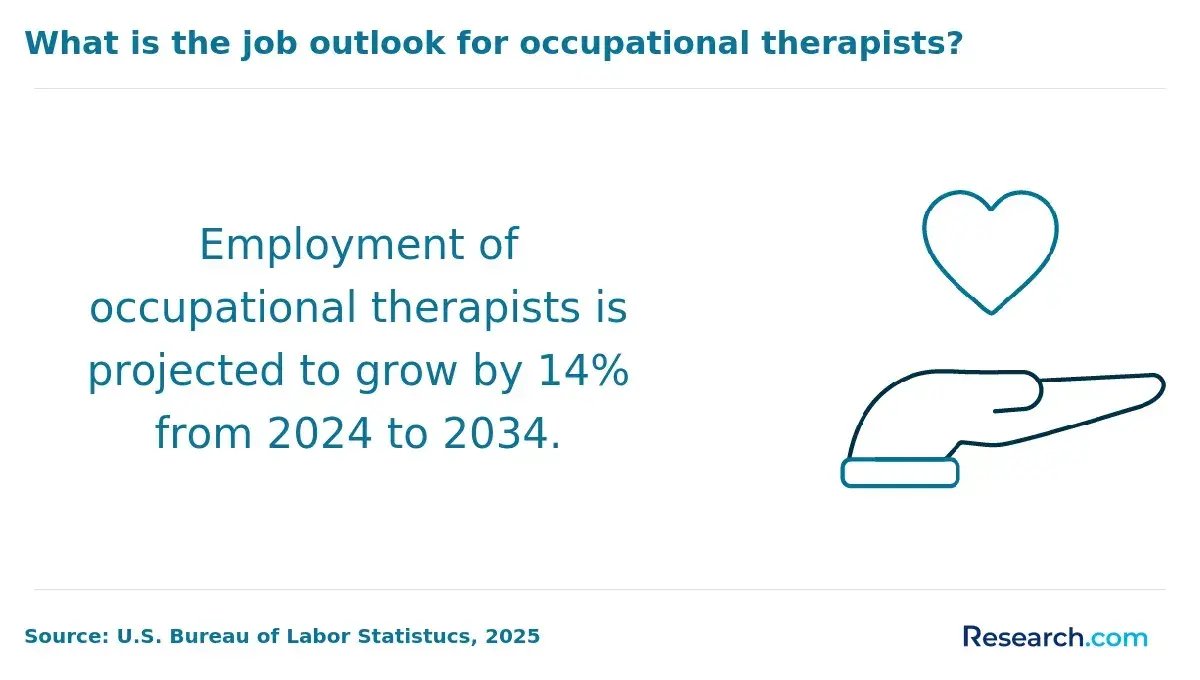
New Jersey offers a promising path for aspiring occupational therapists, with employment projected to grow by over 18% in the next decade according to state labor statistics. The demand stems from an aging population and increasing awareness of rehabilitation needs, making it a rewarding career choice both financially and personally. Occupational therapists in New Jersey play a critical role in helping people regain independence and improve quality of life.
This article breaks down how to become an occupational therapist in New Jersey. Crafted by career planning experts, it provides clear steps, essential requirements, and useful tips so readers can confidently navigate the process and pursue this fulfilling profession.
Key Things to Know About Becoming an Occupational Therapist in New Jersey
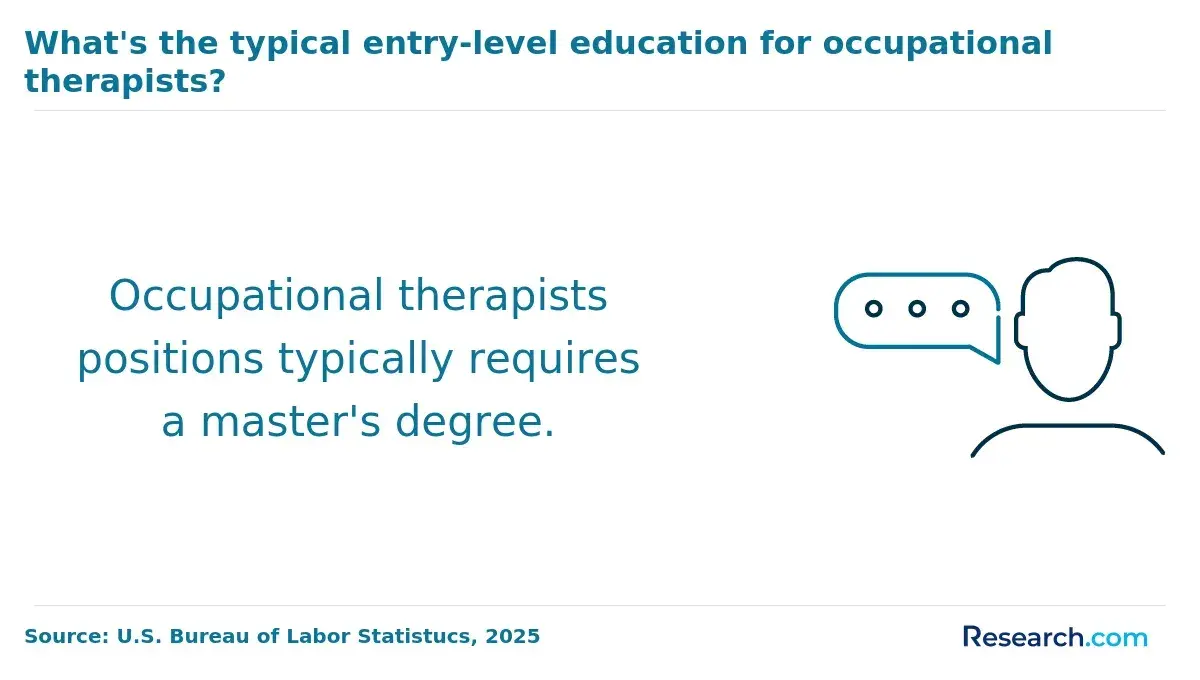
- You need a master’s degree in occupational therapy from an ACOTE‑accredited program, which usually takes about 2 to 3 years after your bachelor’s.
- Passing the NBCOT (National Board for Certification in Occupational Therapy) exam is a must for licensure in New Jersey, ensuring you’re ready to practice safely.
- New Jersey requires you to complete supervised fieldwork—typically 24 weeks—to gain real-world experience before getting licensed and joining the growing workforce here.
- What are the education requirements to become an occupational therapist in New Jersey? Educational Requirements
- How do you get a state license to practice occupational therapy in New Jersey? How do you get a state license to practice occupational therapy in New Jersey?
- How often do you need to renew an OT license in New Jersey? License Renewal
- What continuing education is required for OT license renewal in New Jersey? Continuing Education
- How much does it cost to become an occupational therapist in New Jersey? Cost
- What financial aid options are available for OT students in New Jersey? Financial Aid
- Can out-of-state occupational therapists work in New Jersey? Can out-of-state occupational therapists work in New Jersey?
- Can Occupational Therapists Benefit from Earning a Caregiver Certification in New Jersey? benefit
- What skills do you need to be a successful occupational therapist in New Jersey? Skills
- What specializations are available for occupational therapists in New Jersey? Specializations
- What is the average salary of an occupational therapist in New Jersey? Salary
What are the education requirements to become an occupational therapist in New Jersey?
Formal education is the backbone of preparing occupational therapists to effectively support patients' physical, emotional, and developmental challenges. It shapes their ability to assess needs accurately and design personalized treatment plans that help people regain independence. Meeting the New Jersey occupational therapy degree requirements is a crucial first step toward entering this rewarding field.
Here’s a quick look at the key education and fieldwork essentials for becoming an occupational therapist in New Jersey:
- Bachelor's Degree Foundation: Before diving into specialized training, you need a bachelor’s degree from an accredited school. While your major can be flexible, focusing on subjects like biology, psychology, or health sciences can give you a helpful leg up when you move on to graduate studies.
- Accredited Graduate Program Completion: Next, you must complete a master’s degree in occupational therapy from an institution recognized by top accrediting bodies. This graduate program combines courses in anatomy, neuroscience, and therapeutic techniques essential for real-world practice.
- Supervised Fieldwork Experience: Hands-on experience is mandatory in New Jersey, requiring at least 24 weeks of supervised clinical training. This fieldwork has to be approved by your school and officially documented, helping you apply what you’ve learned directly with patients under expert guidance.
For anyone curious about the practical side of healthcare careers, exploring the medical billing and coding career can offer useful insight into complementary roles in the industry.
How do you get a state license to practice occupational therapy in New Jersey?
Getting your occupational therapy license in New Jersey is a key step to start practicing legally and show you’re serious about your career. It guarantees you meet all the education, exam, and ethical standards the state requires, so clients and employers can trust your skills.
Here’s a quick rundown of what you need to do to get your license and kick off your journey as a licensed OT in New Jersey.
- Graduate from an Accredited OT Program: You need to have a master’s degree or equivalent in occupational therapy from a program recognized by a national accrediting body. This step builds your foundation and gets you ready for professional certification and licensure in New Jersey.
- Complete Required Fieldwork Experience: Hands-on experience is a must. You’ll need to finish 24 weeks of supervised fieldwork through your school, which helps you develop real-world skills crucial for your future job.
- Pass the NBCOT Certification Exam: Passing the NBCOT exam is mandatory. Depending on when you took the exam, you must have your scores or certification verified and sent directly to New Jersey’s Occupational Therapy Advisory Council.
- Submit the State License Application: Fill out and notarize the official application form, include a passport-style photo, pay the $100 fee, and provide all transcripts and documents needed, like name change papers if applicable.
- Provide Certificates of Good Moral Character: Two certificates are required to show your personal integrity and ethical fitness to work as an occupational therapist.
- Complete the Online Jurisprudence Exam: You’ll have to pass an online test covering New Jersey’s laws related to occupational therapy, making sure you understand your legal responsibilities.
- Verify Previous Licensure (If Applicable): If you’ve been licensed or certified in other states or professions, you need to have those credentials verified and sent to the council directly.
- Undergo Criminal Background Check: A background check is typically required to ensure patient safety and professional trustworthiness.
- Optional Temporary License While Awaiting NBCOT Results: New grads waiting for their exam can apply for a temporary license, allowing supervised practice until full licensure is granted.
For those considering similar healthcare career paths, exploring career pathways for medical biller and coder might be helpful.
How often do you need to renew an OT license in New Jersey?
Keeping your occupational therapy license current is a key part of staying on top of your professional game in New Jersey. It not only helps you follow the latest rules and best practices but also shows your commitment to quality care and accountability. Renewing on time means you’re actively engaged with evolving trends and keeping your skills sharp for those you serve.
In New Jersey, occupational therapists need to renew their licenses every two years. The renewal usually happens by September 30th of odd-numbered years, so it’s something to keep on your radar. The state sends a renewal notice at least 60 days before your license expires, giving you plenty of time to prepare.
If you miss the deadline, there’s a 30-day grace period where you can still renew by paying a late fee, without losing your license status. This system really helps therapists stay eligible to practice without unnecessary disruption and encourages consistent updates to their professional knowledge and credentials.
I spoke with an occupational therapist from New Jersey who graduated from a local school about his experience with license renewal. He mentioned, “The notice mails around July, and I always mark it on my calendar right away.” He found the online renewal process pretty straightforward but said that juggling work and continuing education made it important to plan ahead so he wouldn’t feel rushed. He also shared that the 30-day grace period offered some peace of mind, especially when life got hectic. “Renewing every two years keeps me motivated to stay informed and connected to the profession,” he added. His approach reflects a practical balance between managing deadlines and maintaining high standards in his daily work.
What continuing education is required for OT license renewal in New Jersey?
Continuing education plays a big role in keeping occupational therapists sharp and up to date, especially in a state like New Jersey where healthcare practices and rules are always evolving. Staying informed about new therapeutic techniques and regulations helps OTs provide the best care possible and adapt to changes in the field.
This is why understanding the New Jersey OT continuing education requirements is helpful, even if the state’s rules are a bit unique.
- No Required Continuing Education Hours: Surprisingly, New Jersey does not require occupational therapists or occupational therapy assistants to complete any continuing education hours to renew their licenses. This is quite different from most states, which usually ask for a set number of hours every renewal cycle.
- License Renewal Process: OTs need to renew their licenses every two years by submitting an application and paying a fee. The state sends reminders before expiration, but since no CE hours are needed, there’s no need to report courses or provide proof of completion.
- Voluntary Continuing Education: Even though it’s not mandatory, many OTs in New Jersey choose to take workshops, classes, or conferences to keep their skills fresh. These activities are often encouraged by employers or professional groups and can help with career growth and staying competitive.
- National Certification Requirements: If you hold NBCOT certification, remember that you’ll still need to earn 36 Professional Development Units every three years to maintain that credential. This is separate from New Jersey’s state license rules but important for many professionals.
- Rules for Occupational Therapy Assistants: OTAs follow the same renewal rules as OTs, meaning no required continuing education hours. However, pursuing voluntary education can boost skills and job prospects just like it does for therapists.
If you’re curious about related healthcare careers, like what is the industry of medical billing and coding, it’s good to see how continuing education expectations can differ widely across fields.
How much does it cost to become an occupational therapist in New Jersey?
The cost of becoming an occupational therapist in New Jersey depends on several factors, including your choice of school, exam fees, and licensing costs. Having a clear idea of these expenses can help you plan your budget and avoid surprises down the road.
- Tuition and Fees for an Accredited OT Program: Tuition can vary quite a bit. For example, Kean University charges just under $50,000 per year for in-state students, while Seton Hall’s entire program costs over $100,000. These numbers usually include tuition, fees, books, and supplies.
- NBCOT Exam Fees: To become certified, you’ll need to pass the NBCOT exam, which typically costs about $555. This is a one-time fee necessary for your Occupational Therapist Registered (OTR) credential.
- State Licensure Application Fees: In New Jersey, licensure fees aren’t precisely listed but usually fall between $200 and $500 in most states. This fee is required to legally practice as an OT in the state.
- Background Checks and Other Expenses: Expect to pay around $50 to $150 for background checks, depending on the program or state requirements. Plus, you might want to budget for professional memberships or continuing education, which can range from $100 to $200 annually.
What financial aid options are available for OT students in New Jersey?
Paying for occupational therapy school in New Jersey can be tough, especially with tuition and fees sometimes topping $80,000 for three years. Thankfully, there are several financial aid options that can help ease the burden and make pursuing your OT degree more affordable. Here are some of the key resources available to students in the state:
- Federal Grants: These need-based awards, like the Pell Grant, don’t need to be repaid. While most graduate OT students don’t qualify, undergraduates and OT assistant students should fill out the FAFSA every year to see if they’re eligible for federal or school-based grants.
- Federal Student Loans: Graduate students can access Direct Unsubsidized Loans and Graduate PLUS Loans with flexible repayment plans and fixed interest rates. Completing the FAFSA is the gateway to these benefits, which are available through accredited New Jersey schools.
- New Jersey State Grants and Scholarships: Programs like the Tuition Aid Grant (TAG) and NJ STARS offer financial help based on residency, need, and school enrollment, reducing the cost for both undergrad and graduate OT students in-state.
- NJCLASS Family Loans: These state-backed loans provide extra funding when federal aid isn’t enough. With variable rates and repayment plans designed for New Jersey families, they’re a good option to cover any gaps.
- University-Based Scholarships: Many OT programs at New Jersey universities offer scholarships tied to merit, financial need, or leadership. Schools often require separate applications, so it pays to check with your program.
- New Jersey Occupational Therapy Association (NJOTA) Scholarships: NJOTA awards two yearly scholarships for active members residing in New Jersey, helping both OT and OTA students with educational costs.
- American Occupational Therapy Foundation (AOTF) Scholarships: Offering over 50 scholarships nationwide, including for New Jersey students, these range from small to substantial amounts and reward academic achievement and commitment.
- Professional and Association-Sponsored Awards: National groups like AOTA sponsor competitive scholarships and grants supporting advanced practice or research, often requiring essays and recommendations.
Can out-of-state occupational therapists work in New Jersey?
If you’re an occupational therapist from out of state wondering about working in New Jersey, here’s the scoop. You can practice here for up to 60 days a year without a New Jersey license, but only if you work alongside someone who’s licensed in the state.
The key is that your home state’s licensing rules need to be pretty much equivalent to New Jersey’s, and your license has to be in good standing. During those 60 days, the licensed New Jersey therapist has to notify the state with some paperwork about you working there. So, it’s a neat option for short-term gigs but doesn’t let you practice solo or indefinitely.
If you want to stick around longer or work independently, you’ll need to get your New Jersey license. This usually means applying through endorsement or reciprocity—basically proving your out-of-state license and credentials match their standards.
There’s no shortcut via any interstate compact here, so it’s a thorough process, including some background checks and possibly a test on local laws. It’s about making sure everyone practicing in New Jersey meets consistent standards.
I chatted with a New Jersey occupational therapist who graduated from a local program, and she remembers helping some out-of-state colleagues get started here. “It’s definitely a process,” she said, “especially making sure all the paperwork is clear and the New Jersey license holders are on board with the notifications.” She appreciated how the 60-day allowance gave visiting therapists a chance to get their feet wet without jumping through all the hoops right away. But she also emphasized that getting licensed properly is essential for anyone planning to build a real practice here. “It’s about trust and keeping standards high, which ultimately helps patients.” Her story really showed how the system balances welcoming skilled therapists while keeping care quality in check.
Can Occupational Therapists Benefit from Earning a Caregiver Certification in New Jersey?
Integrating additional certification can broaden an occupational therapist’s scope of practice in New Jersey. Pursuing a caregiver certification provides targeted training in direct patient support and personal assistance strategies that complement established therapeutic techniques. This supplementary credential is particularly advantageous for professionals working in community or home-based settings, where enhanced hands-on care and holistic patient engagement are critical. For more information on the certification process, see how to become a caregiver in New Jersey.
What skills do you need to be a successful occupational therapist in New Jersey?
Being a successful occupational therapist in New Jersey means more than just knowing techniques—it’s about truly connecting with clients to help them regain independence and improve their daily lives. These skills also enable therapists to work smoothly with healthcare teams, ensuring clients get well-rounded support.
If you’re aiming for a career in this rewarding field, here are some key skills you’ll want to develop.
- Communication Skills: Clear and compassionate communication helps therapists understand clients’ challenges and explain treatment plans in ways that clients and their families can easily follow, boosting therapy success.
- Creative Problem-Solving: Every client is unique, so therapists must think outside the box to tailor strategies that overcome personal and environmental barriers to independence.
- Interpersonal and Empathy Skills: Building trust through empathy encourages clients to stay motivated, even when rehabilitation feels tough or frustrating.
- Teamwork and Collaboration: Working closely with doctors, nurses, educators, and families ensures comprehensive care that addresses all aspects of client well-being.
- Clinical Reasoning and Assessment: Strong analytical skills allow therapists to evaluate needs accurately and create effective, evidence-based treatment plans that make a real difference.
What specializations are available for occupational therapists in New Jersey?
Specializing within occupational therapy lets professionals zero in on specific groups, conditions, or practice areas, which really boosts their career options and impact in New Jersey. Focusing your skills means you can become an expert in a niche that matches your passion and the needs of patients, making you more valuable in the job market.
Here’s a quick look at some popular choices for occupational therapy specializations in New Jersey.
- Pediatrics: Pediatric occupational therapists work with kids dealing with developmental delays, sensory issues, and motor skill challenges. You'll often find them in children’s hospitals, outpatient clinics, or public schools, helping youngsters gain independence and supporting families with tailored interventions—these spots are great for anyone interested in pediatric occupational therapy jobs New Jersey offers.
- Geriatrics: This area focuses on older adults, assisting them to stay independent, manage chronic health problems, and recover from surgeries or injuries. Geriatric OTs usually work in rehab centers, nursing homes, or home health agencies, crafting individualized plans to improve seniors’ quality of life.
- Mental Health: Occupational therapists in mental health help clients manage mood disorders, anxiety, and other psychiatric challenges through activities that promote emotional balance, social skills, and daily routines. These pros often find roles in psychiatric hospitals, community mental health centers, or supportive housing programs.
- Hand Therapy: Hand therapists specialize in treating conditions like carpal tunnel, tendon injuries, and arthritis affecting the hand and upper extremity. They usually collaborate with orthopedic teams in hospitals, specialized clinics, or private practices, focusing on restoring function and reducing pain.
- Rehabilitation: Rehab specialists work with people recovering from neurological injuries, spinal cord damage, or complex medical issues. They can be found in acute care hospitals, inpatient rehab facilities, or outpatient therapy centers, concentrating on mobility, self-care, and independence.
If you’re interested in expanding your healthcare skills further, you might also want to learn medical coding online with certificate to complement your occupational therapy background and open up more career possibilities.
What is the average salary of an occupational therapist in New Jersey?
The average salary for an occupational therapist in New Jersey depends on several factors like experience level, work setting, and geographic location. These variables can really influence how much you bring home each year as an OT. Here’s a quick rundown of the key factors that shape occupational therapist salary New Jersey.
- Years of Experience - Starting salaries for entry-level OTs hover around $73,760 annually, but with more experience, pay can rise to about $129,670. Seasoned therapists often land supervisory or specialized roles that come with higher salaries.
- Type of Employer - Working in hospitals or outpatient centers usually pays better than school or residential care jobs. Part-time or per diem roles can offer hourly rates between $50 and $60, which might boost earnings depending on hours worked.
- Geographic Location Within New Jersey - Salaries in urban hubs like Newark or Jersey City tend to be higher due to demand and cost of living. Rural areas might offer less but sometimes balance that with a lower cost of living.
- Education and Specialization - Having advanced certifications or a doctorate can give you a pay advantage. Specialized skills in fields like hand therapy or neurorehabilitation make OTs more competitive.
- Full-Time vs. Part-Time Work - Full-time OTs usually get benefits like health insurance and paid time off, while part-time roles often pay more per hour but lack these perks.
- Bonuses and Additional Pay - Signing bonuses, relocation help, or performance incentives can increase overall compensation, especially in high-demand specialties or regions.
If you want to explore other healthcare careers from home, consider looking into how to become a certified medical coder and biller from home for a flexible, in-demand option.
What Do Occupational Therapists in New Jersey Say About Their Career?
- Runa: "Completing my occupational therapy program at Rutgers University was an incredible foundation for my career. Starting work in a local school allowed me to appreciate firsthand the unique cultural diversity and rich community resources New Jersey offers. It’s rewarding to see how my work directly improves the daily lives and academic success of children with varying needs. The stability of the jobs here also lets me plan for long-term growth while continuously learning through professional workshops and peer networks. I feel truly grateful to be part of such a dynamic educational environment. "
- Natalie: "My journey began at Seton Hall University, and transitioning into a career within a New Jersey school setting immediately highlighted the strong sense of collaboration among educators and therapists. The challenges presented by different socio-economic backgrounds push me to be more creative and impactful in my interventions. Beyond professional development, I've grown personally, realizing how powerful my role is in shaping children’s confidence and independence. The state's support through grants and community programs makes it easier to create meaningful opportunities for students. This profession fulfills my passion for service and continuous learning. "
- Vena: "Graduating from Kean University equipped me with not just skills but a deep appreciation for the balance of urban and suburban life in New Jersey. Working as an occupational therapist within local schools exposed me to a variety of conditions influenced by this unique environment. This diversity keeps my practice fresh and challenges me to adapt new strategies regularly. Observing the personal progress of students inspires me every day, and the potential for career advancement here is robust due to the state’s increasing investment in educational healthcare. I’m proud to contribute to a positive impact on young lives in such a vibrant state. "
Related Articles for Nearby States
- 2027 How to Become an Occupational Therapist in Delaware
- 2027 How to Become an Occupational Therapist in Pennsylvania
- 2027 How to Become an Occupational Therapist in New York
- 2027 How to Become an Occupational Therapist in Maryland
- 2027 How to Become an Occupational Therapist in Connecticut
- 2027 How to Become an Occupational Therapist in Rhode Island
- 2027 How to Become an Occupational Therapist in Virginia
- 2027 How to Become an Occupational Therapist in Massachusetts
- 2027 How to Become an Occupational Therapist in West Virginia
- 2027 How to Become an Occupational Therapist in Ohio
References:
- Summit Professional Education https://summit-education.com/courses/state/new-jersey
- The Top 11 OT Skills To Put On Your Resume - Care Options for Kids https://careoptionsforkids.com/blog/occupational-therapy-skills/
- Doctor of Occupational Therapy (OTD) | Graduate Studies | Monmouth University | New Jersey https://www.monmouth.edu/graduate/doctor-occupational-therapy/
- 12 Essential Skills for Occupational Therapy Assistants | Brookline College https://www.brooklinecollege.edu/blog/essential-skills-for-occupational-therapy-assistants/
- Occupational Therapy Assistant Program NJ | Eastwick College https://eastwick.edu/news/a-pathway-to-healing-a-guide-to-eastwicks-occupational-therapy-assistant-program/
- Occupational Therapy Degrees https://shp.rutgers.edu/ot-degrees/
- New Jersey Occupational Therapy Degree Programs, Online Included | Occupational Therapy Degrees https://www.occupationaltherapydegrees.org/schools-by-state/new-jersey
- M.S. in Occupational Therapy - Graduate Admissions | Stockton University https://www.stockton.edu/graduate/occupational-therapy.html
- Educational Institutions https://www.njota.org/educational-institutions
- How to Become an Occupational Therapist: Complete Guide | USAHS https://www.usa.edu/blog/how-to-become-an-occupational-therapist/
Other Things You Should Know About Becoming an Occupational Therapist in New Jersey
In 2027, to become an occupational therapist in New Jersey, you must obtain a Master's or Doctorate in Occupational Therapy from an ACOTE-accredited program. Following this, you need to pass the NBCOT exam and apply for state licensure through the New Jersey Occupational Therapy Advisory Council.
In New Jersey, licensed occupational therapists must complete 24 hours of continuing education every biennial cycle. Courses must be approved by the New Jersey Occupational Therapy Advisory Council and cover relevant subjects to ensure ongoing professional competency.


