
2027 How to Become a Licensed Therapist (LPC) in Port St. Lucie, FL

Co-Founder and Chief Data Scientist
Working as a Licensed Professional Counselor (LPC) in Port St. Lucie offers promising career opportunities due to the city’s growing demand for mental health services. With a diverse population and increasing awareness of mental wellness, Port St. Lucie supports a robust counseling community.
For aspiring LPCs, understanding local licensure requirements and the professional landscape is essential. We created this article to provide a clear, concise guide to help prospective counselors navigate the steps to licensure and build a successful practice in this region.
Key Things to Know About Becoming an LPC in Port St. Lucie
- Port St. Lucie offers a growing demand for LPCs due to its expanding population and supportive mental health community.
- The average salary for LPCs in Port St. Lucie is approximately $50,000 to $60,000 annually, competitive within Florida’s counseling sector.
- Noteworthy employers include Lawnwood Regional Medical Center, Cleveland Clinic Martin Health, and the St. Lucie County School District, all of which support LPC roles locally.
- What are the educational requirements to become an LPC in Port St. Lucie?
- How do you apply for licensure as a counselor in Port St. Lucie?
- Which schools in Port St. Lucie offer programs for aspiring LPCs?
- Are there internship or practicum opportunities for counseling students in Port St. Lucie?
- How much do LPCs make in Port St. Lucie?
- What are the supervision requirements for LPCs in Port St. Lucie?
- Can I specialize in substance abuse treatment as an LPC in Port St. Lucie?
- What Continuing Education and Professional Growth Options Are Available for LPCs in Port St. Lucie?
- Should LPCs Consider Diversifying with Additional Teaching Credentials?
- What Are the Advanced Career Pathways for LPCs in Port St. Lucie?
- Is Port St. Lucie a good place to work as an LPC?
- How competitive is the job market for LPCs in Port St. Lucie?
- Are there counseling associations in Port St. Lucie?
- Which are the most popular employers of LPCs in Port St. Lucie?
- What Future Trends Affect LPC Practice in Port St. Lucie?
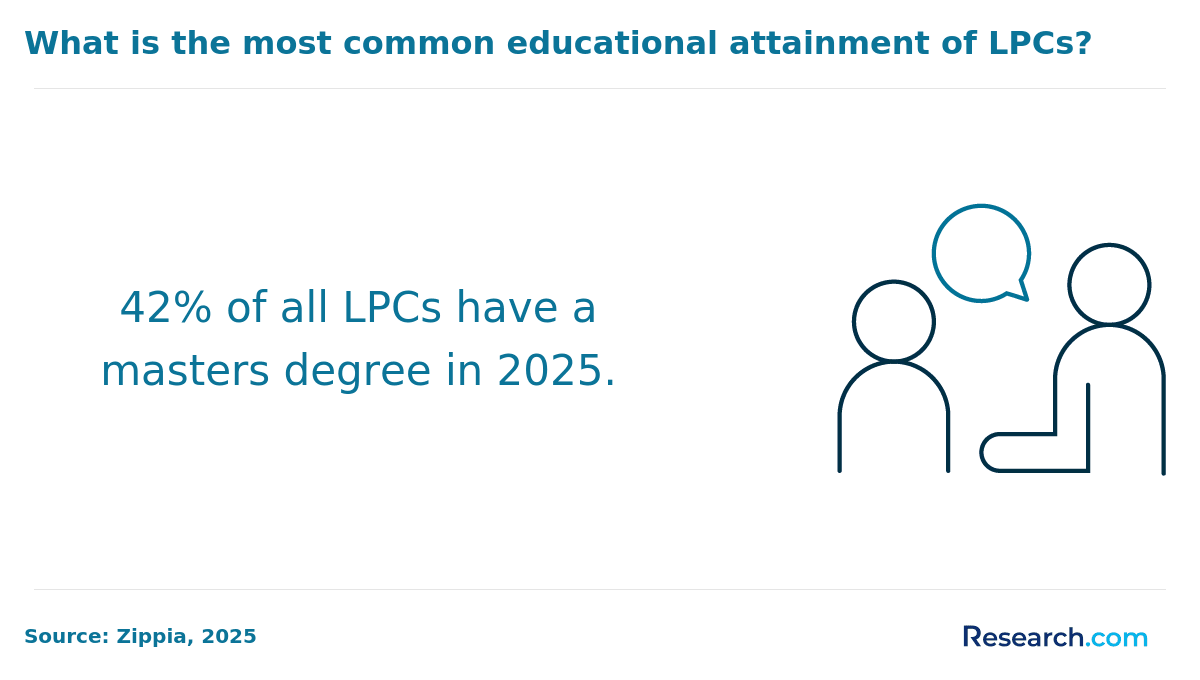
What are the educational requirements to become an LPC in Port St. Lucie?
Aspiring LPCs in Port St. Lucie must meet specific academic standards set by the state of Florida. These standards ensure that candidates acquire theoretical knowledge and practical experience for effective counseling practice. Here's our clear outline of the essential educational criteria prospective LPCs must fulfill.
- Earn a master’s degree in counseling, psychology, or a closely related discipline from a regionally accredited institution.
- Complete graduate coursework that covers fundamental counseling areas such as human growth and development, counseling theories, group counseling, assessment techniques, and research methodology.
- Participate in supervised practicum and internship experiences totaling several hundred hours to develop applied skills.
- Fulfill a minimum of 100 hours of supervised internship experience as mandated by Florida state requirements, ensuring hands-on training before licensure.
- Enroll in programs aligning with the educational guidelines established by the Florida Board of Clinical Social Work, Marriage & Family Therapy, and Mental Health Counseling to guarantee that coursework and practical experiences meet all state criteria.
- Consider graduate programs from nearby institutions such as Nova Southeastern University and the University of Miami, which offer counseling degrees recognized for meeting Florida’s LPC educational standards.
A strong educational foundation is essential for meeting Florida’s licensing standards and preparing for real-world clinical work. Completing a qualifying graduate program not only satisfies academic requirements but also ensures candidates are equipped with the skills and supervision necessary to move forward with licensure in Port St. Lucie.
How do you apply for licensure as a counselor in Port St. Lucie?
To apply for counselor licensure in Port St. Lucie, Florida, candidates must follow a clearly defined process regulated by the Florida Board of Clinical Social Work, Marriage & Family Therapy, and Mental Health Counseling. This process ensures that only qualified professionals deliver counseling services within the state.
Below, we summed up the key steps involved in meeting the Port St. Lucie LPC licensure requirements:
- Submit a completed application to the Florida Department of Health along with the required fee.
- Complete at least 2 years or 3,000 hours of supervised postgraduate clinical experience under a board-approved supervisor.
- Pass the National Clinical Mental Health Counseling Examination (NCMHCE) or an equivalent exam approved by Florida.
- Undergo background screening and fingerprinting as part of the application process.
- Provide proof of completing 100 hours of board-approved clinical supervision.
- Demonstrate compliance with Florida’s rules on ethical practice and continuing education requirements.
Florida’s regulations for supervision and examination are specific and may differ from those in other states, so candidates must ensure they meet all requirements set by the Florida Board before licensure is granted. Maintaining licensure also involves ongoing education and adherence to professional standards to stay current with best practices in mental health services.
For individuals interested in starting this career path or enhancing their credentials, exploring counseling courses can provide valuable foundational knowledge and preparation for licensure.
Which schools in Port St. Lucie offer programs for aspiring LPCs?
Earning LPC licensure in Port St. Lucie requires completing a state-approved graduate program and supervised clinical training. Although Port St. Lucie has few dedicated LPC programs, several well-regarded institutions in the surrounding region offer coursework and internships that meet Florida’s licensure standards.
For those exploring licensed therapist schools in Port St. Lucie, these nearby institutions provide pathways to licensure:
- Florida Atlantic University in Boca Raton offers a CACREP-accredited Master’s in Mental Health Counseling covering counseling theories, ethics, and clinical practicum experience.
- Nova Southeastern University in Fort Lauderdale provides a Master’s in Clinical Mental Health Counseling with a focus on assessment, diagnosis, and therapeutic techniques, along with supervised clinical hours.
- Indian River State College near Port St. Lucie offers foundational psychology courses and transfer opportunities but lacks a fully accredited LPC track.
Completing one of these graduate programs is essential for meeting the educational criteria for LPC licensure in Florida. Additionally, clinical training and supervised hours are key components. Individuals should also consider career options carefully; for example, some may choose to become a social worker instead, which has different educational pathways and licensure requirements.
Prospective students should plan strategically, selecting programs that fully support their licensing goals while staying informed about local and state regulations governing counseling practice.
Most public institutions are accredited by the CACREP.
Are there internship or practicum opportunities for counseling students in Port St. Lucie?
Counseling students aiming for licensure as an LPC in Port St. Lucie must complete supervised practical experiences as part of their training. These internships and practicum placements are fundamental for gaining real-world skills and meeting Florida’s licensure requirements. Numerous local organizations offer diverse opportunities to build clinical expertise under professional guidance.
Here are key internship programs available to counseling students in Port St. Lucie:
- St. Lucie County Mental Health Center: Supports clients through intake assessments, leads individual and group counseling, and aids in treatment development, focusing on varied populations including those with substance use and mental health challenges
- Good Samaritan Medical Center Behavioral Health Department: Provides experience in crisis management, assists with discharge coordination, and works within interdisciplinary teams serving inpatient and outpatient clients
- Treasure Coast Counseling Center: Emphasizes community counseling by offering psychoeducational support, managing cases, and creating intervention plans under licensed counselor supervision
These placements not only help students accumulate the supervised hours required for licensure but also enhance practical counseling skills in settings reflecting typical professional environments.
A therapist from Port St. Lucie shared with us that securing an internship initially felt overwhelming due to the competitive nature of local placements and balancing academic demands. She reflected, “Navigating paperwork and adjusting to the emotional intensity of client sessions was challenging, but ultimately it shaped my confidence and readiness to practice independently.”
How much do LPCs make in Port St. Lucie?
Prospective Licensed Professional Counselors (LPCs) in Port St. Lucie can anticipate annual salaries ranging from approximately $47,000 to $80,000, influenced by factors such as experience, specialization, and work setting. Median earnings for mental health counselors in the area are around $45,570, with the top 10% earning up to $79,910 annually . Nationally, LPCs in Florida have an average salary of $62,173, with a typical range between $53,997 and $71,733. These figures reflect the local demand and compensation trends within Florida’s mental health industry.
When comparing the average LPC income in Port St Lucie to related fields, social workers often earn slightly less, whereas psychologists typically command higher salaries due to their advanced degrees and licensure requirements. Additionally, employer type significantly influences pay: LPCs employed in private practices or specialized clinics frequently receive higher compensation compared to those working in public agencies or non-profit organizations. Benefits and career growth opportunities should also factor into any employment decision.
For those planning their career path, considering further education can be beneficial. Many candidates pursue a popular online masters in marriage and family counseling to enhance their credentials and expand their professional scope.
What are the supervision requirements for LPCs in Port St. Lucie?
When pursuing licensure as an LPC in Port St. Lucie, an essential step involves completing supervised clinical hours. These hours are designed to provide hands-on experience under the guidance of an experienced professional. Understanding these requirements early helps in planning your path efficiently.
The Florida Board overseeing LPC licensure mandates a minimum of 2,000 hours of supervised clinical work. We discovered that these hours must be accumulated over at least two years, allowing candidates to engage with a variety of client cases and counseling settings. This time frame ensures a thorough development of practical skills and professional judgment.
Supervision must be conducted by a qualified individual, such as a licensed psychologist or an LPC with sufficient experience. Regular, documented sessions between the supervisor and candidate are required, where clinical work is reviewed, feedback is provided, and professional growth is supported. This structured oversight maintains the quality and consistency of training.
It is important that these supervised hours occur after earning your master’s degree and relate directly to clinical counseling. While 24 months is the minimum period, many find it necessary to extend beyond this depending on work commitments and supervisor availability. Planning for flexibility in scheduling can help ensure you meet these standards without undue delay.
Can I specialize in substance abuse treatment as an LPC in Port St. Lucie?
Licensed Professional Counselors in Port St. Lucie seeking to broaden their scope of practice may consider specialized training in substance abuse treatment. This concentrated pathway involves completing targeted coursework, acquiring industry-specific supervised hours, and passing specialized examinations, all designed to equip LPCs with the skills required to support clients facing substance-related challenges. Pursuing this specialization not only enhances professional credibility but also increases opportunities to work within interdisciplinary teams addressing local public health needs. For a detailed roadmap and eligibility criteria, review how to become a drug counselor in Port St Lucie.
What Continuing Education and Professional Growth Options Are Available for LPCs in Port St. Lucie?
Port St. Lucie presents targeted opportunities for enhancing clinical expertise through accredited workshops, specialized seminars, and structured peer group sessions. These programs focus on updating practical skills and integrating contemporary therapeutic modalities, ensuring that LPCs remain aligned with industry best practices. Professionals are encouraged to explore complementary career pathways, such as how to become a marriage and family therapist in Port St Lucie, which further diversifies their skill set and professional network.
Should LPCs Consider Diversifying with Additional Teaching Credentials?
Integrating a teaching credential can expand the professional scope of an LPC by opening alternative career paths in academic and community education. This diversification may facilitate opportunities to design training programs, mentor emerging professionals, and lead educational initiatives in mental health. Exploring cost-effective routes to acquire complementary credentials can provide a competitive edge, especially when balancing clinical practice with community outreach. For more information, consider taking the cheapest way to become a teacher in Port St. Lucie.
What Are the Advanced Career Pathways for LPCs in Port St. Lucie?
Licensed Professional Counselors seeking to elevate their careers in Port St. Lucie can consider advanced roles that extend beyond direct client counseling. Opportunities include assuming leadership positions in mental health program management, engaging in clinical supervision of emerging professionals, and participating in interdisciplinary research initiatives. Pursuing additional certifications and specialized training can refine expertise in niche areas such as trauma-informed care or geriatric counseling, which in turn supports career diversification and growth. For a detailed outline of the strategic steps involved, explore our article on how to become a mental health counselor in Port St. Lucie.
Is Port St. Lucie a good place to work as an LPC?
If you're considering a career as an LPC in Port St. Lucie, you should weigh both the advantages and hurdles unique to this Florida city. Below are key factors to help you determine if this location suits your professional goals.
- Expanding Client Base: The city’s population growth fuels increasing demand for mental health services, offering LPCs more opportunities to build a client roster as community awareness about counseling rises.
- Income Constraints Among Residents: With median household earnings below the state average, some clients may struggle to afford private therapy, which means LPCs might need to engage with insurance companies or social programs to reach a wider audience.
- Limited Mental Health Infrastructure: Although healthcare facilities exist, mental health services are relatively scarce compared to larger cities, presenting both less competition and potential difficulties in establishing strong referral networks.
- Licensing and Regulatory Environment: Florida enforces clear but rigorous LPC licensing requirements, including supervised practice and exams. Still, ongoing state investments in mental health could enhance future support and resources for counselors.
When we spoke with a licensed therapist from Port St. Lucie, he reflected on the unique balance of this environment: “Navigating the limited community resources means I’ve had to become quite creative in connecting clients with support beyond traditional avenues. While challenging, it’s rewarding to see how these efforts foster real progress for those I serve.”
This table shows where you'll most likely land a job as an LPC.
How competitive is the job market for LPCs in Port St. Lucie?
We learned that the job market for licensed professional counselor jobs in Port St Lucie is competitive yet promising for those prepared to meet local demands. Increased awareness of mental health and expanding healthcare services have driven steady growth in this area. Compared to larger Florida cities, Port St. Lucie presents a somewhat less saturated environment, which can be advantageous for new LPCs entering the workforce.
Licensed therapists tend to have better opportunities than counselors without licensure, as many employers require LPC credentials for independent practice and insurance reimbursement. Key factors influencing demand include population growth, rising elderly populations needing specialized care, and increased state funding for mental health programs.
For those considering a career in this field, practical steps include earning relevant credentials, such as a master's degree in counseling, which you can explore further by reviewing the master's in counseling career pathways. Graduates entering the Port St Lucie LPC job market should be aware that competition remains notable due to the increasing number of counseling graduates each year.
- Obtain required education and licensure credentials
- Gain supervised clinical experience
- Focus on specialties in demand, such as elderly counseling
- Stay informed on state funding and healthcare trends
Are there counseling associations in Port St. Lucie?
For those pursuing licensure as a therapist in Port St. Lucie, connecting with professional organizations is a crucial step. These associations provide vital support for career development, networking, and staying current with licensure requirements. If you are interested in becoming an LPC in the area, we recommend joining one or more of the following counseling associations in Port St. Lucie.
- Florida Mental Health Counselors Association (FMHCA): This state-wide organization serves mental health counselors, including those in Port St. Lucie. FMHCA advocates for licensure regulations, offers continuing education opportunities, and provides a platform for sharing best practices. Membership helps licensed professionals stay informed about legislative changes that impact their career path.
- American Counseling Association (ACA): While national, ACA has a strong presence in Florida and offers extensive resources such as ethical guidelines, professional journals, and specialty counseling tracks. Licensed therapists in Port St. Lucie benefit from ACA’s conferences, workshops, and certification programs that enhance their credentials and knowledge.
- Treasure Coast Psychological Association (TCPA): This regional group supports psychologists and counseling professionals throughout the Treasure Coast area, including Port St. Lucie. TCPA focuses on local networking, continuing education, and public advocacy, creating opportunities to collaborate with nearby mental health practitioners and stay updated on regional trends.
Joining these associations is a practical way for licensed therapists in Port St. Lucie to gain professional support and maintain compliance with ongoing licensure requirements. Additionally, those interested in specialized roles, such as becoming a drug counselor, can find tailored resources and guidance through these networks. Engaging with Port St. Lucie counseling professional organizations ensures you remain connected and informed throughout your career.
Which are the most popular employers of LPCs in Port St. Lucie?
Understanding the main employers in the area can help target job searches effectively. Several organizations stand out for their demand for licensed therapists, each offering distinct roles and work environments. Here's our overview of the most common employers hiring LPCs in this region.
- Treasure Coast Behavioral Health Center: LPCs at this center commonly work as clinical counselors or case managers, providing individual and group therapy sessions, creating treatment plans, and supporting clients through crises. They play an essential role in helping individuals with substance abuse issues, anxiety, depression, and other mental health challenges.
- Martin Health System: Within this hospital network, LPCs typically serve in both inpatient and outpatient behavioral health units. Their duties include conducting therapeutic assessments, offering patient counseling, and collaborating closely with psychiatrists, social workers, and nursing staff to deliver comprehensive mental health care.
- St. Lucie Public Schools: LPCs employed by the school system focus on addressing students’ emotional and behavioral needs. They provide crisis intervention, counseling services, and work alongside families and educators to foster a supportive environment that promotes students’ mental wellness and academic success.
What Future Trends Affect LPC Practice in Port St. Lucie?
Emerging shifts in mental health delivery and regulatory updates are poised to reshape LPC practice in Port St. Lucie. Innovations in telehealth and the growing integration of interdisciplinary treatment models are creating new opportunities that require practitioners to continuously update their skills. Additionally, evolving insurance frameworks and policy adjustments are influencing service delivery standards, prompting many to pursue broader credentials. For instance, exploring BCBA certification requirements in Port St. Lucie can open pathways for those interested in expanding their clinical repertoire to include applied behavior analysis.
What LPCs in Port St. Lucie Say About Their Careers
- Working as an LPC in Port St. Lucie has allowed me to witness firsthand the resilience of our community. Graduating from the University of Central Florida, I now serve families at a local clinic where every session reinforces my commitment to fostering healing and growth. The blend of small-town warmth and diverse needs keeps my work deeply rewarding. – Max
- After earning my degree from Florida Atlantic University, I embraced the unique challenges of counseling in Port St. Lucie, where many clients benefit from the city’s expanding health programs and outdoor lifestyle. This environment encourages a holistic approach to therapy, balancing stress relief with nature’s calm, which has enriched my professional development. – Jamie
- As a seasoned therapist near retirement, working in Port St. Lucie has offered a manageable pace and affordable living, making it easier to maintain a healthy work-life balance. Having spent over 25 years at a community mental health center here, I appreciate the steady career opportunities and the supportive network of fellow LPCs. It’s a place where experience is valued and growth never stops. – Jody
Related Articles for Nearby Cities
- 2027 How to Become a Licensed Therapist (LPC) in Miami FL: Counselor License Requirements
- 2027 How to Become a Licensed Therapist (LPC) in Orlando, FL: Counselor License Requirements
- 2027 How to Become a Licensed Therapist (LPC) in Tampa FL: Counselor License Requirements
- 2027 How to Become a Licensed Therapist (LPC) in St. Petersburg, FL
- 2027 How to Become a Licensed Therapist (LPC) in Jacksonville, FL
- 2027 How to Become a Licensed Therapist (LPC) in Atlanta, GA: Counselor License Requirements
- 2027 How to Become a Licensed Therapist (LPC) in Charlotte, NC
- 2027 How to Become a Licensed Therapist (PC) in Raleigh, NC: Counselor License Requirements
- 2027 How to Become a Licensed Therapist (LPC) in Durham, NC: Counselor License Requirements
- 2027 How to Become a Licensed Therapist (LPC) in Greensboro, NC
References:
- Cause IQ. Port St. Lucie mental health organizations. Cause IQ.
- Comeet. Clinical Counseling And School Psychologists Salary in Port St Lucie, Fl, US. Comeet.
- findhelp.org. Support groups programs in Port Saint Lucie, fl.findhelp.org.
- NAMI Treasure Coast, FL. Support Group. NAMI Treasure Coast, FL.
- Port St. Lucie Hospital. Group Therapy in Port St. Lucie, Florida. Port St. Lucie Hospital
- Port St. Lucie Police Department. Competitive starting salary.Port St. Lucie Police Department.
Other Things You Should Know About Becoming an LPC in Port St. Lucie
To become an LPC in Port St. Lucie in 2027, candidates must pass the National Counselor Examination (NCE) administered by the National Board for Certified Counselors. Additionally, a Florida-specific exam may be required, so check with the Florida Board of Clinical Social Work, Marriage & Family Therapy, and Mental Health Counseling for updates.
To apply for an LPC license in Port St. Lucie in 2027, applicants must complete at least two years of supervised professional counseling experience, totaling a minimum of 1,500 hours post-master's degree. This ensures that candidates have the necessary practical experience in a clinical setting.


