
2027 How to Become a Licensed Therapist (LPC) in Tampa FL: Counselor License Requirements

Co-Founder and Chief Data Scientist
Many aspiring therapists in Tampa, Florida, assume that becoming a licensed professional counselor (LPC) is a straightforward process. However, this assumption often leads to confusion as the path to licensure involves multiple steps, including education, clinical experience, and examination. Despite the expanding job market for LPCs in Tampa, with a projected 29% increase in employment from 2022 to 2032, many individuals face challenges due to unclear information about the licensure process.
This article, prepared by career planning experts, will walk you through the essential steps to becoming an LPC in Tampa. It covers the educational requirements, licensure process, and supervision guidelines to help you confidently navigate the process and pursue a successful career in mental health counseling
Key Things You Should Know About Becoming an LPC in Tampa
- The job market for LPCs in Tampa is growing, with a projected 29% increase in employment for mental health counselors in Florida from 2022 to 2032.
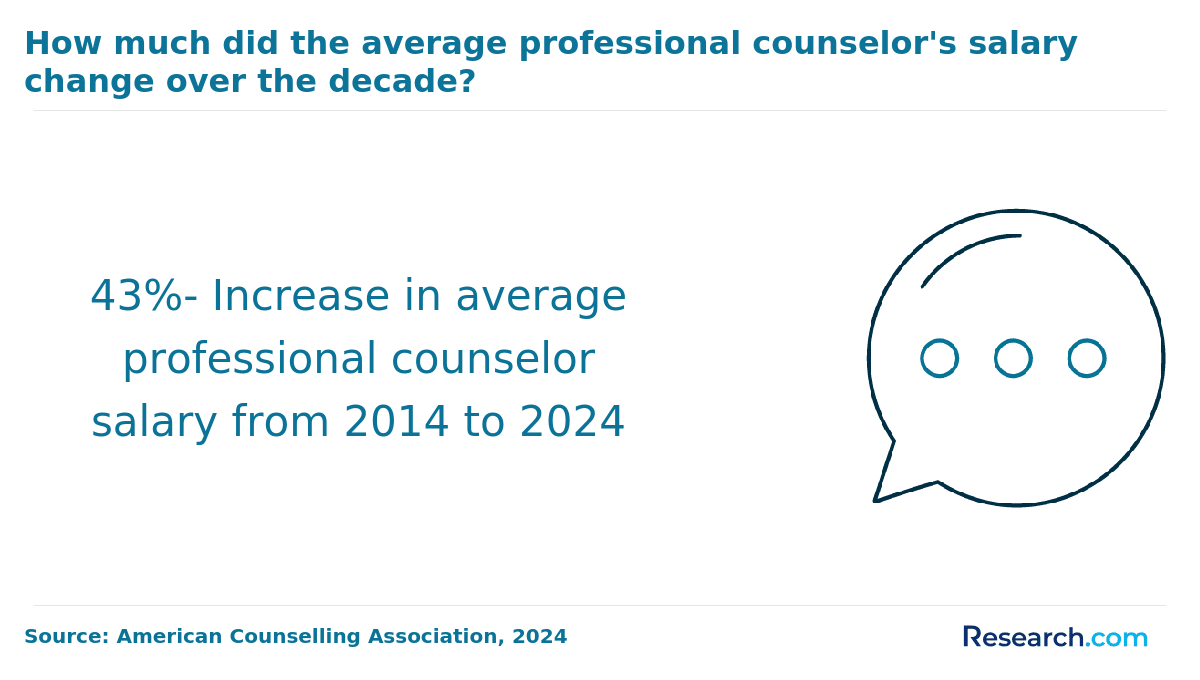
- LPCs in Tampa earn an average annual salary of $69,504, with a typical range between $62,146 and $77,179, depending on experience and industry.
- To become an LPC in Tampa, candidates must complete a master’s degree in counseling, 3,000 hours of supervised experience, and pass the NCE or NCMHCE exams.
- What are the educational requirements to become an LPC in Tampa?
- How do you apply for licensure as a counselor in Tampa?
- Which schools in Tampa offer programs for aspiring LPCs?
- Are there internship or practicum opportunities for counseling students in Tampa?
- How much do LPCs make in Tampa?
- What are the supervision requirements for LPCs in Tampa?
- Can specializing in substance abuse counseling enhance my LPC career in Tampa?
- How can LPCs broaden their practice to include marriage and family therapy?
- Can LPCs Benefit from Integrating Teaching Credentials into Their Careers?
- What avenues for continuing education and professional growth exist for LPCs in Tampa?
- Can LPCs Expand Their Expertise with Additional Certifications in Tampa?
- Is Tampa a good place to work as an LPC?
- How competitive is the job market for LPCs in Tampa?
- Are there counseling associations in Tampa?
- Which are the most popular employers of LPCs in Tampa?
What are the educational requirements to become an LPC in Tampa?
To become an LPC in Tampa, Florida, candidates must meet specific educational and clinical requirements. These standards ensure that professionals are equipped to provide effective mental health services. Educational requirements for LPC in Florida include:
- Master’s Degree: Obtain a master’s degree in mental health counseling or a related field from an accredited institution, with at least 60 semester hours of coursework. Pursuing an online master's in counseling can also be a convenient and flexible option for those balancing other commitments.
- Core Coursework: Complete graduate-level coursework in areas such as Counseling Theories, Human Growth and Development, Psychopathology, Group Counseling, Career Assessment, and Legal/Ethical Standards.
- Practicum/Internship: Complete a supervised clinical practicum and internship totaling at least 1,000 hours, which is typically part of the master's program.
- Supervised Postgraduate Experience: After earning the degree, complete two years (1,500 hours) of supervised clinical experience, with at least 100 weeks of direct client contact.
- Training: Florida mandates additional courses in HIV/AIDS (3 hours), domestic violence (2 hours), and Florida laws and rules (8 hours) to ensure counselors are equipped with legal and ethical knowledge.
How do you apply for licensure as a counselor in Tampa?
Becoming a licensed professional counselor in Tampa involves following a structured process regulated by the Florida Board of Clinical Social Work, Marriage & Family Therapy, and Mental Health Counseling. Below are the key steps:
- Complete 3,000 Hours of Supervised Clinical Experience: Candidates must accumulate at least 3,000 hours of post-master’s clinical counseling experience, with 1,500 hours involving direct client contact. This experience must be documented on Florida-specific forms and supervised by a licensed clinical supervisor in Florida.
- Submit an Application: After meeting the experience requirements, candidates must apply to the Florida Department of Health, including all required documents and fees.
- Pass the NCE or NCMHCE: Applicants must pass the National Counselor Examination (NCE) or the National Clinical Mental Health Counseling Examination (NCMHCE), both recognized for LPC licensure in Florida.
- Complete a Florida Laws and Rules Course: A 40-hour course covering Florida’s laws and regulations governing professional counseling is required.
- Undergo Background Screening: Applicants must undergo a background check and submit fingerprints as part of the licensure process.
Which schools in Tampa offer programs for aspiring LPCs?
Several universities in Tampa offer programs for aspiring LPCs. These CACREP-accredited programs provide the necessary education and training for those pursuing careers in mental health counseling. Here's a list of schools offering relevant programs:
- University of South Florida (USF): Offers a CACREP-accredited Master’s in Clinical Rehabilitation and Mental Health Counseling (CRMHC), preparing students for LMHC licensure in Florida.
- Keiser University: Provides a CACREP-accredited Master of Science in Clinical Mental Health Counseling, equipping students for independent practice and licensure.
- Stetson University: Offers a Clinical Mental Health Counseling program that prepares students for state-regulated professional licensure or certification.
- Hillsborough Community College (HCC): Provides an Associate of Science in Counseling and Human Services, preparing students for entry-level positions in counseling and human services.
- University of Tampa: Offers undergraduate programs in psychology, providing foundational knowledge for those pursuing graduate studies in counseling.
Are there internship or practicum opportunities for counseling students in Tampa?
Tampa offers a variety of internship and practicum opportunities for counseling students, providing valuable hands-on experience in diverse settings. Organizations such as Hope Counseling Centers and It Begins Within offer structured programs where interns can engage in counseling and psychological testing under supervision. These placements are designed to help students develop clinical skills, prepare for licensure, and gain exposure to potential counseling jobs in the area.
Additionally, the Suncoast Mental Health Counselors Association maintains an internship directory that includes placements like Brookwood Girls Home, a therapeutic group home for adolescent girls. This resource is particularly beneficial for students seeking specialized experience in mental health counseling. Furthermore, the U.S. Department of Veterans Affairs offers a Licensed Professional Mental Health Counselor (LPMHC) Training Program in Tampa, focusing on scientifically-based principles for evaluation, counseling, and consultation.
How much do LPCs make in Tampa?
Licensed professional counselors in Tampa, Florida, earn varying salaries based on experience, specialization, and employment setting. The average annual salary for an LPC in Tampa is approximately $69,504, with most professionals earning between $62,146 and $77,179. However, Indeed reports a lower average of $56,646, indicating a potential discrepancy in data sources.
Factors influencing these salary ranges include the type of employer, such as private practices or healthcare facilities, and the counselor's level of experience. For instance, TeamHealth offers LPC positions with estimated salaries ranging from $87,000 to $104,000, emphasizing the impact of employer and job responsibilities on compensation. Additionally, remote opportunities, like those with Headway, offer hourly rates between $95 and $122, highlighting the potential for higher earnings in flexible work arrangements.
What are the supervision requirements for LPCs in Tampa?
In Tampa, as in the rest of Florida, aspiring LPCs must complete a post-master’s supervised clinical experience under the guidance of a qualified supervisor. This experience entails a minimum of 1,500 hours of direct face-to-face psychotherapy with clients, accumulated over at least 100 weeks. Additionally, interns are required to receive at least 100 hours of supervision during this period, with supervision occurring at least once every two weeks.
To qualify as a supervisor in Florida, an individual must have completed five years of clinical experience, with at least two years earned post-master’s. Furthermore, the supervisor must have completed training in supervision, which can be satisfied through a graduate-level academic course, continuing education, or certification as an Approved Clinical Supervisor by the Center for Credentialing and Education. These requirements ensure that LPC interns in Tampa receive comprehensive and effective supervision, preparing them for independent practice.
Can specializing in substance abuse counseling enhance my LPC career in Tampa?
In Tampa’s diverse mental health landscape, pursuing a specialization in substance abuse counseling can differentiate your practice and broaden your range of services. This focused pathway provides additional competencies tailored to approaching addiction challenges and responding to community needs. For guidance on pursuing this specialty, explore how to become a drug counselor in Tampa.
How can LPCs broaden their practice to include marriage and family therapy?
Some licensed professional counselors in Tampa may seek to expand their service offerings by diversifying into marriage and family therapy. This pathway requires additional academic coursework and clinical training that differs from the standard LPC curriculum, along with adherence to separate state licensure criteria. For further details on supplementary education and the transition process, review how to become a marriage and family therapist in Tampa.
Can LPCs Benefit from Integrating Teaching Credentials into Their Careers?
Integrating teaching credentials with counseling expertise can expand career opportunities and diversify professional impact in Tampa’s competitive market. LPCs interested in enhancing their roles may explore targeted educational programs that address differing licensure requirements and dual career pathways. By incorporating academic instruction alongside clinical practice, professionals can access additional revenue streams, influence future practitioners, and contribute to community education. For a cost-effective option, consider taking the cheapest way to become a teacher in Tampa as a strategic complement to an LPC career.
What avenues for continuing education and professional growth exist for LPCs in Tampa?
Licensed professionals in Tampa are required to meet periodic continuing education criteria to maintain current licensure and stay abreast of evolving clinical standards. Regulatory authorities mandate a set number of credit hours every renewal cycle to ensure practitioners remain informed of the latest ethical guidelines, therapeutic innovations, and legal updates. Local providers and professional associations offer targeted workshops, seminars, and online webinars that facilitate ongoing skill enhancement and practical learning. Additionally, mentorship programs and networking events help to build collaborative relationships and support career advancement. For more details on entry-level requirements and professional development strategies, please review our guide on how to become a mental health counselor in Tampa.
Can LPCs Expand Their Expertise with Additional Certifications in Tampa?
LPCs seeking to diversify their practice can enhance their service portfolio by obtaining additional certifications. Advanced credentials, such as board certifications, equip professionals with specialized skills that complement counseling expertise and broaden treatment options. For example, integrating behavioral analysis into practice can provide more comprehensive client support. Prospective candidates are encouraged to review the BCBA certification requirements in Tampa as a model for understanding the process of acquiring supplementary qualifications. Analyzing these certification pathways helps in comparing educational prerequisites, clinical supervision demands, and continuing education obligations, which in turn facilitates informed decisions about expanding expertise in the competitive Tampa mental health landscape.
Is Tampa a good place to work as an LPC?
Tampa offers a dynamic environment for LPCs, with diverse opportunities across various settings. However, you should consider both the advantages and potential challenges before making a decision. Here are what you should consider:
- Diverse Client Populations: Tampa's metropolitan setting provides LPCs with a wide range of clients, including individuals from various cultural backgrounds and age groups. This diversity can enrich a counselor's practice and professional experience.
- Growing Demand for Mental Health Services: The increasing awareness of mental health issues has led to a surge in demand for counseling services. LPCs in Tampa may find numerous opportunities in both the private and public sectors.
- Variety of Work Environments: From private practices to schools and healthcare facilities, Tampa offers LPCs a range of work environments to suit different professional preferences.
- Professional Development Opportunities: The presence of educational institutions offering masters in counseling and professional organizations in Tampa provides LPCs with opportunities for continued learning and networking.
- Work-Life Balance: Many employers in Tampa offer flexible schedules and benefits, which can contribute to a healthy work-life balance for LPCs.
How competitive is the job market for LPCs in Tampa?
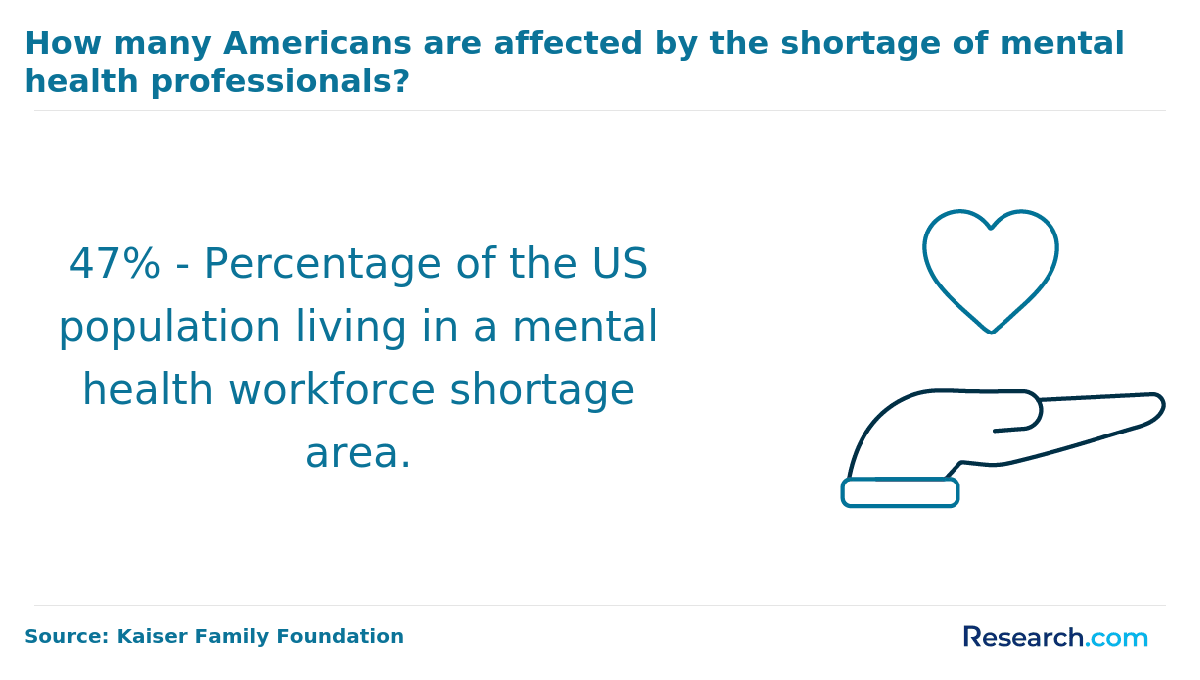
The job market for LPCs in Tampa is growing, reflecting the growing demand for mental health services across Florida. Between 2022 and 2032, employment for mental health counselors in the state is projected to increase by 29%, with approximately 2,120 annual job openings due to growth and workforce transitions. This trend is mirrored in the Tampa area, where numerous healthcare providers and mental health organizations are actively seeking qualified LPCs.
Local employers, including Chrysalis Health and Centered Mind Therapy, offer flexible work arrangements and professional development opportunities, indicating a supportive environment for mental health professionals. While competition exists, the expanding demand and diverse opportunities position Tampa as a promising location for LPCs seeking to advance their careers.
Are there counseling associations in Tampa?
Tampa hosts several professional counseling associations that support licensed counselors, mental health professionals, and students in the field by offering resources, networking, and counseling certification opportunities. Below are the most notable associations:
- Florida Counseling Association (FCA): Serving as the state’s largest professional organization for counselors, FCA promotes public awareness, professional development, and advocacy to enhance the quality of counseling practices in Florida.
- Florida Mental Health Counselors Association (FMHCA): FMHCA is dedicated exclusively to meeting the professional needs of Florida’s Licensed Mental Health Counselors (LMHCs), offering resources like webinars, conferences, and legislative advocacy.
- American Counseling Association (ACA): As a national organization, ACA provides a comprehensive code of ethics and a platform for counselors to engage in advocacy, community, inclusion, and research.
- Suncoast Mental Health Counselors Association (SMHCA): Serving the Tampa Bay area, SMHCA offers a platform for mental health counselors to advance education, promote professional networking, and advocate for the profession.
- Tampa Bay Employee Assistance Professionals Association (EAPA): Focused on workplace wellness, this association supports professionals addressing employee mental health and performance issues.
Which are the most popular employers of LPCs in Tampa?
Tampa offers a diverse array of opportunities for LPCs across various sectors, including healthcare, education, and private practice. Below are the most prominent employers in the area:
- Chrysalis Health: Specializing in outpatient mental health services, Chrysalis Health offers LPCs the flexibility to choose their hours and provides competitive compensation, with earnings up to $85,500 annually.
- Family Care Center: This organization focuses on transforming behavioral health care and offers LPCs a supportive environment with benefits such as health insurance and profit sharing.
- Octave: A modern behavioral health practice, Octave provides LPCs with flexible scheduling options, including in-person and telehealth sessions, and offers competitive hourly rates ranging from $90 to $143.
- International SOS Government Medical Services: For LPCs interested in contract work, this organization offers positions with competitive salaries ranging from $92,664 to $101,930 annually, along with comprehensive benefits.
- Ellie Mental Health: Operating in the Tampa Bay area, Ellie Mental Health offers LPCs the opportunity to work in a hybrid model, combining in-person and remote sessions, with annual earnings ranging from $70,000 to $100,000.
- Tampa Therapy, LLC: As a leading private practice in the region, Tampa Therapy provides LPCs with a flexible schedule and competitive compensation, with earnings between $68,000 and $110,000 annually.
Here’s What Graduates Have to Say about Becoming an LPC in Tampa
Working as an LPC in Tampa has been an incredibly rewarding experience for me, both personally and professionally. The city’s growing focus on mental health has allowed me to connect with people from all walks of life, helping them navigate life’s challenges in such a supportive environment. Knowing that my work has a real impact on others keeps me inspired every single day. — Aileen
The rich cultural diversity in Tampa has been a huge factor in developing my skills as a therapist. I work at a community center downtown, where I get to help clients from many different backgrounds, each teaching me more about trauma, resilience, and recovery. This city’s dynamic energy has inspired me to continuously grow and refine my approach to therapy. — Andy
Living and working in Tampa as an LPC has allowed me to find a wonderful balance between my career and personal life. The cost of living is reasonable, and the supportive professional networks here have given me opportunities to advance, even stepping into supervisory roles. The city has embraced its mental health professionals, and I’m grateful for the solid foundation it’s provided me. — Mary
Related Articles for Nearby Cities
- 2027 How to Become a Licensed Therapist (LPC) in St. Petersburg, FL
- 2027 How to Become a Licensed Therapist (LPC) in Orlando, FL: Counselor License Requirements
- 2027 How to Become a Licensed Therapist (LPC) in Port St. Lucie, FL
- 2027 How to Become a Licensed Therapist (LPC) in Jacksonville, FL
- 2027 How to Become a Licensed Therapist (LPC) in Miami FL: Counselor License Requirements
- 2027 How to Become a Licensed Therapist (LPC) in Atlanta, GA: Counselor License Requirements
- 2027 How to Become a Licensed Therapist (LPC) in New Orleans, LA
- 2027 How to Become a Licensed Therapist (LPC) in Charlotte, NC
- 2027 How to Become a Licensed Therpist (LPC) in Huntsville, AL: Counselor License Requirements
- 2027 How to Become a Licensed Therapist (LPC) in Winston-Salem, NC
References:
- Counseling and Human Services AS | HCC. (n.d.). Retrieved from HCC.
- Florida Board of Clinical Social Work, Marriage & Family Therapy, and Mental Health Counseling. (n.d.). Application for Licensure. Retrieved from Florida Board.
- Florida Board of Clinical Social Work, Marriage & Family Therapy, and Mental Health Counseling. (n.d.). Licensed Mental Health Counselor - Licensing, Renewals & Information. Retrieved from Florida Board.
- Florida Board of Clinical Social Work, Marriage & Family Therapy, and Mental Health Counseling. (n.d.). Licensure by Endorsement. Retrieved from Florida Board.
- Florida Board of Clinical Social Work, Marriage & Family Therapy, and Mental Health Counseling. (n.d.). Licensed Mental Health Counselor. Retrieved from Florida Board.
- Florida School Counselor Certification | Counselor Education | USF. (n.d.). Retrieved from USF.
- Licensed Mental Health Professional (LPC/LMFT/LCSW/LMHC) - Tampa, FL (REMOTE) | USNLX Virtual Jobs. (n.d.). Retrieved from USNLX.
- Licensed Professional Counselor (LPC) Jobs in Florida. (n.d.). Retrieved from Dawn Health.
- Licensed Professional Mental Health Counselor (LPMHC) Training Program | VA Tampa Health Care | Veterans Affairs. (n.d.). Retrieved from VA Tampa.
- Tampa - Lincoln Property Company. (n.d.). Retrieved from LPC
- Counseling Licensure, Schools & Degree Programs in Florida (FL). (n.d.). Retrieved from Counseling Schools.
Other Things You Should Know About Becoming an LPC in Tampa
To qualify for an LPC-equivalent position in Tampa, you need a master’s degree in counseling, psychology, or a closely related field. The degree must include coursework in key areas such as human development, ethics, diagnosis, treatment planning, and clinical practicum experience. Florida’s licensing board also requires that the program be accredited and meet the criteria for Mental Health Counselor Intern registration. This degree is the essential foundation for pursuing full LMHC licensure in Tampa.
To obtain LPC licensure in Tampa in 2027, candidates must pass the National Counselor Examination (NCE) administered by the National Board for Certified Counselors (NBCC) and the Florida Laws and Rules Examination. These tests ensure readiness to practice professionally in the state.


