
2027 How to Become a Mechanic in Wyoming: Requirements & Certification

Co-Founder and Chief Data Scientist
Some believe becoming a mechanic in Wyoming is simply a matter of getting hired and learning on the job—but this outdated idea can delay a stable career and limit long-term growth. Without formal training or certification, candidates are often overlooked for high-paying positions in industries like mining, energy, and transportation, which rely on highly skilled technicians.
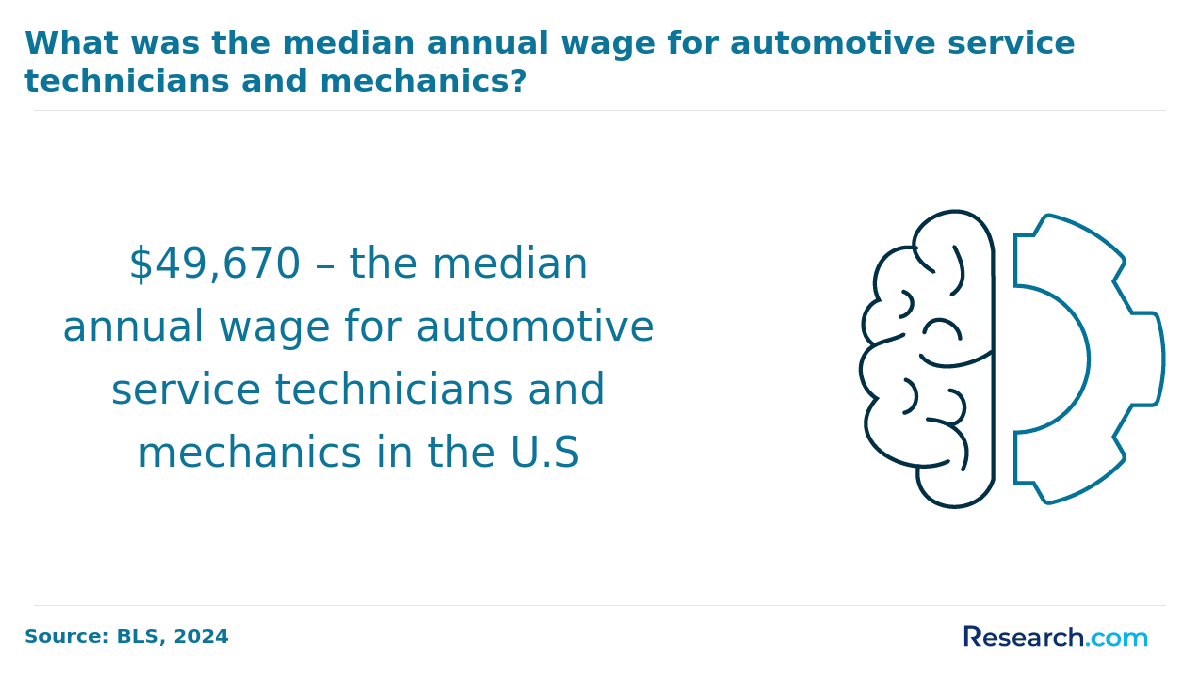
In fact, Wyoming’s auto service technicians and mechanics earn an average of $49,920 per year, according to the U.S. Bureau of Labor Statistics. This guide breaks down the real steps it takes to become a certified mechanic in Wyoming in 2025, from training and licensing to job opportunities. Developed with insights from career planning experts, this article will help readers navigate the right path to a well-paying and future-proof mechanic career.
Key Things to Know About Becoming a Mechanic in Wyoming
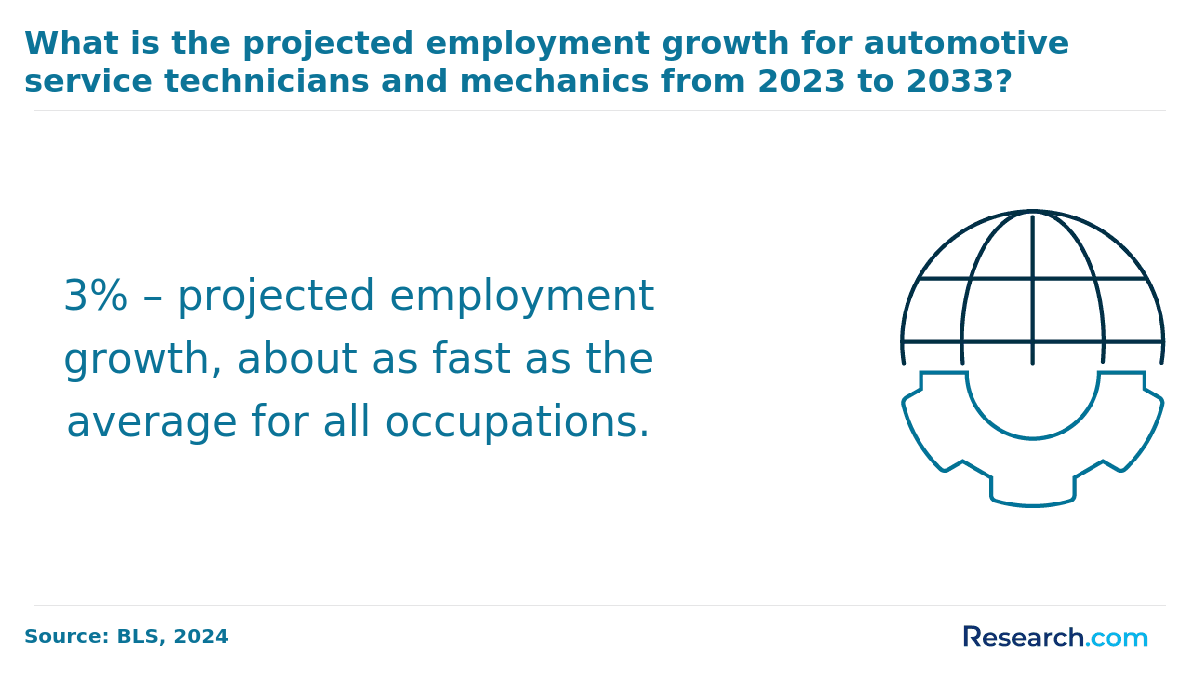
- Wyoming’s mechanic job market is projected to grow by 6% over the next decade, reflecting steady demand in the automotive repair sector.
- The median annual salary for mechanics in Wyoming is approximately $44,000, slightly below the national average but competitive within the regional economy.
- Typical training programs for mechanics in Wyoming last 12 to 24 months, combining hands-on apprenticeships with technical coursework to meet industry certification standards.
- What are the steps to become a mechanic in Wyoming?
- What training and education options are available in Wyoming?
- Do you need certifications to work as a mechanic in Wyoming?
- How long does it take to become a mechanic in Wyoming?
- How much does it cost to become a mechanic in Wyoming?
- What job opportunities are available for mechanics in Wyoming?
- What impact do emerging automotive technologies have on mechanic careers in Wyoming?
- Can mastering additional technical skills boost your mechanic career in Wyoming?
- Can business skills boost your mechanic career in Wyoming?
- How can supplemental technical training enhance a mechanic’s career in Wyoming?
- Can exploring related technical fields broaden your career prospects in Wyoming?
- How much do mechanics make in Wyoming?
- What tools and skills do mechanics need to succeed?
- What are the career growth opportunities for mechanics in Wyoming?
- What are the pros and cons of becoming a mechanic in Wyoming?
What are the steps to become a mechanic in Wyoming?
Becoming a mechanic in Wyoming involves a structured pathway that combines education, hands-on experience, and optional certifications. Here's a step-by-step guide to help you embark on this career:
Complete Relevant Education or Training
Formal education is not mandatory to work as a mechanic in Wyoming, but it significantly improves job prospects. Central Wyoming College and Western Wyoming Community College offer Automotive Technology programs covering essential skills such as engine systems, power trains, and electrical systems, typically requiring completion of around 46 credits. WyoTech in Laramie provides a focused 9-month program combining core training with a 3-month specialty, emphasizing career readiness in areas like diesel technology and collision repair.
Meet Program Entry Requirements
Applicants generally need a high school diploma or GED, proficiency in mathematics, basic computer skills, and foundational physics knowledge. These prerequisites ensure readiness for technical coursework and hands-on training essential in automotive education.
Gain Practical Experience
Two years of relevant work experience, either through employment or specialized training, is necessary for advancing toward professional certification. This experience helps develop the applied skills needed for complex diagnostics and repair work commonly required in Wyoming’s diverse automotive sector.
Obtain ASE Certification
Although Wyoming does not require state licensing for mechanics, ASE (National Institute for Automotive Service Excellence) certification is highly valued by employers. Candidates must pass exams in their expertise area after meeting the experience requirement. ASE certification remains valid for five years, after which continuing education is needed to renew credentials, enhancing employability and earning potential.
Consider Wyoming’s Industry Needs
Mechanics with skills in four-wheel drive systems, diesel engines, and cold-weather vehicle maintenance are in demand due to Wyoming’s rural geography and industrial economy. Opportunities also exist for those willing to perform mobile repairs or work in remote locations supporting sectors like agriculture, mining, and energy.
What training and education options are available in Wyoming?
Wyoming offers diverse pathways for individuals pursuing careers in automotive mechanics, balancing practical training with academic credentials. The state’s programs cater to different timelines, specializations, and career goals, ensuring alignment with local industry demands.
- Trade schools like WyoTech in Laramie provide accelerated 9-month diploma programs in automotive technology, diesel, collision/refinishing, and welding, emphasizing hands-on learning and industry connections.
- Community colleges such as Central Wyoming College and Casper College offer certificate and associate degree programs covering automotive systems, diesel power technology, brakes, engine performance, and electrical systems, with flexible scheduling options.
- State-supported workforce initiatives reinforce technical education by funding and updating curricula to meet employer needs, although specific statewide mechanic programs are less detailed.
- Specialty tracks at WyoTech and Casper College focus on areas like advanced diesel technology and applied service management, giving students competitive advantages in Wyoming’s labor market.
- Programs emphasize preparation for ASE certification, a key industry standard enhancing employability across automotive sectors.
Prospective students should assess program length, location, and specialization to fit their career objectives, with WyoTech ideal for rapid workforce entry and community colleges offering broader academic options. Understanding what is highest paying trade school career opportunities in Wyoming helps align training choices with economic outcomes, supporting informed decisions in the automotive technology programs Wyoming provides.
This chart highlights the range of educational backgrounds held by automotive mechanics, showing how formal training and certifications influence entry and advancement in the field.
Do you need certifications to work as a mechanic in Wyoming?
Wyoming does not impose formal licensing requirements for automotive mechanics, allowing individuals to work without state-issued certifications. However, the presence of certification, particularly ASE certification, substantially improves job prospects and employer confidence.
Most employers in Wyoming prefer hiring certified technicians, making the wyoming mechanic certification requirements effectively a market-driven standard. ASE certification, recognized nationwide, validates expertise across diverse automotive systems such as engine repair, brakes, and electrical systems. To qualify for ASE certification, candidates must complete two years of relevant experience and pass a specialized exam. This certification remains valid for five years, necessitating continuing education to stay current with automotive advancements.
Mechanics often enhance their qualifications through formal education, which is strongly recommended but not mandatory. Vocational training, associate degrees, and technical school programs provide foundational skills and practical experience. Institutions like Western Wyoming Community College and Central Wyoming College offer automotive technology programs aligning with the skills demanded in the state. Entry typically requires a high school diploma or GED, combined with competencies in math and physics.
A strategic path for Wyoming mechanics involves combining education with hands-on experience before pursuing ASE certification for auto mechanics in Wyoming. Specializing in areas such as diesel mechanics or cold weather vehicle maintenance addresses local industry needs. Continuous learning is essential to maintain certifications and remain competitive in this evolving field.
For those considering a parallel technical career, exploring pathways such as an HVAC technician how to become can provide insight into related technical certifications and training approaches.
How long does it take to become a mechanic in Wyoming?
Becoming a mechanic in Wyoming involves a timeline largely dictated by the type of education pursued and subsequent certification efforts. Vocational programs offer the shortest path, typically requiring about 9 months to complete, while associate degree programs extend up to 2 years.
Vocational training, such as the one offered by WyoTech, combines a 6-month core curriculum with a 3-month specialty focus, enabling students to enter the workforce quickly with practical skills. Certificate programs usually last around one year and provide a concentrated curriculum that balances speed with depth. In contrast, associate degrees from institutions like Casper College take two years, blending general education with technical training for a broader knowledge base.
Although Wyoming does not require a state license for mechanics, pursuing ASE certification is common and beneficial. Achieving ASE certification generally necessitates at least two years of relevant work experience, which can be shortened by formal education, plus passing specialized exams. Additional certifications, such as becoming a Certified Test Inspector, demand completion of training and periodic renewal every two years.
One Wyoming mechanic recalled the challenge of balancing part-time work with coursework during the 9-month program, describing it as a demanding but rewarding period. They emphasized the confidence gained when completing the specialty training and stepping into the workforce prepared for real-world challenges.
Combining education with concurrent work experience is an effective strategy to meet certification timelines while gaining hands-on skills. Specializing in high-demand areas like four-wheel drive systems, especially relevant to Wyoming’s climate, may also expedite career advancement.
How much does it cost to become a mechanic in Wyoming?
The estimated program cost to become a mechanic in Wyoming typically centers around $21,000 for a full diploma at WyoTech, which includes both core and specialty training. This figure is a useful benchmark when evaluating Wyoming automotive mechanic training costs across different institutions.
Key cost components include:
- Tuition: WyoTech's 9-month program averages $21,000 after financial aid. Community colleges like Central Wyoming College and Laramie County Community College offer more affordable options, though exact tuition varies by program.
- Tools and Equipment: A starter mechanic tool set generally costs between $1,000 and $3,000, essential for hands-on training and future work.
- Textbooks and Supplies: Additional educational materials add approximately $500 to $1,000 to expenses.
- Certification Exams: ASE certification exams range from $45 to $100 per test, providing necessary industry credentials.
- Living Expenses: Housing, food, and transportation costs vary widely, especially for students relocating to attend programs like WyoTech in Laramie.
- Application and Enrollment Fees: Non-refundable fees usually fall between $25 and $100 per institution.
Prospective students should consider mechanic school tuition in Wyoming after financial aid and explore state-specific financial assistance such as the Hathaway Scholarship and Workforce Innovation and Opportunity Act programs. Veterans may also access VA educational benefits through approved schools like WyoTech. For those researching career pathways, resources outlining the best trades to get into 2025 provide valuable context for the demand and opportunities in automotive trades.
What job opportunities are available for mechanics in Wyoming?
There are numerous job opportunities for mechanics across Wyoming, spanning various specialties and industries. Here's an overview of current openings:
Automotive Technician and Mechanic Positions
Wyoming offers stable opportunities for automotive technicians, with an average hourly wage of $25.11 as of May 2025. Flat rate pay can reach up to $50 per hour depending on specialization and training, reflecting the value placed on advanced skills and experience. A Wyoming mechanic shared that navigating the local job market required persistence and continuous skill upgrades, especially to secure positions offering performance-based pay. He noted that mastering newer vehicle technologies was essential to stand out in interviews and on the job.
Diesel Mechanic Roles
Companies like Weave Industries actively seek diesel mechanics skilled in preventative maintenance for commercial vehicles. These roles demand specialized expertise in diesel engines and commercial vehicle systems, often providing competitive compensation and steady work. Diesel mechanics benefit from working in Wyoming’s transportation sector, which remains a consistent source of mechanic job openings in Wyoming due to its reliance on heavy commercial fleets.
Heavy Equipment Mechanic Opportunities
Heavy equipment mechanics in Wyoming work primarily with construction, mining, and agricultural machinery. Job listings frequently require proficiency with diagnostic software for brands such as Komatsu and Volvo, emphasizing the need for technical competence. One mechanic described the challenge of adapting to diagnostic tools but found that gaining these skills significantly improved his employability and job security.
Industrial and Maintenance Mechanic Jobs
Positions in energy production and industrial maintenance require welding skills and strict adherence to safety protocols. Employers like Kinder Morgan offer Mechanic Specialist roles with comprehensive benefits including health insurance, paid time off, and pension plans. These jobs attract candidates looking for career advancement across multiple experience levels.
Prospective mechanics are advised to enhance their qualifications through certifications and targeted training, such as those found in the best automotive mechanic trade school programs, to improve competitiveness in Wyoming’s diverse job market for automotive technician careers Wyoming.
What impact do emerging automotive technologies have on mechanic careers in Wyoming?
Advancements in vehicle diagnostics, electrification, and computerized repair methods are transforming technical requirements for mechanics. Embracing targeted continuous training and industry-specific certifications is essential to stay competitive. Professionals should consider cross-training initiatives that expand their skill set into related technical fields, such as those covered in our guide on how to get HVAC license in Wyoming, enhancing career versatility and long-term adaptability in a rapidly evolving market.
Can mastering additional technical skills boost your mechanic career in Wyoming?
Expanding your technical expertise beyond traditional automotive repair can open new avenues and improve long-term career prospects. By complementing automotive skills with focused training in related fields, such as advanced electrical systems or digital diagnostics, mechanics can adapt to evolving industry demands and gain a competitive edge. Gaining proficiency in emerging technologies not only facilitates better problem solving but also broadens opportunities in specialized repair and maintenance roles. For example, acquiring skills in electrical work may lead to roles in hybrid or electric vehicle service sectors. Consider exploring ways on how to become an electrician in Wyoming as a pathway to diversify your technical portfolio without overlapping core automotive knowledge.
Can business skills boost your mechanic career in Wyoming?
Mechanics who complement their technical expertise with business acumen are better positioned to succeed in an increasingly competitive industry. By acquiring skills in financial management, marketing, and operations, experienced professionals can not only secure higher-level positions but also develop successful independent repair shops or service centers. This additional knowledge facilitates improved budgeting, strategic planning, and customer relationship management—attributes that drive sustainable business growth. For professionals interested in expanding their managerial competencies, exploring programs offered by the top business schools in Wyoming can provide a solid foundation for long-term career advancement.
How can supplemental technical training enhance a mechanic’s career in Wyoming?
Expanding your technical skill set beyond traditional automotive repair can open new avenues in Wyoming’s evolving industrial landscape. Mechanics who pursue complementary training, such as advanced digital diagnostics or modern electrical systems, are often better positioned to adapt to emerging technologies and industry trends. In addition, gaining insights from related technical fields may provide alternative career pathways and broaden problem-solving capabilities. For instance, exploring Wyoming ultrasound technician requirements offers a perspective on how specialized technical training in adjacent sectors can further improve overall marketability and career flexibility.
Can exploring related technical fields broaden your career prospects in Wyoming?
Expanding your technical expertise beyond automotive repair can create opportunities in industries that value similar diagnostic and problem-solving skills. Mechanics interested in diversifying their careers can explore specialized technical fields where precision maintenance and equipment troubleshooting are critical. For instance, investigating alternative career paths offers insight into different industry standards and emerging technologies. Consider reviewing resources on how to become a radiology technician in Wyoming to understand how related technical training programs can support a dynamic career shift while leveraging your existing skill set.
How much do mechanics make in Wyoming?
Mechanics in Wyoming have a wage range that reflects a mix of experience, specialization, and location within the state. The Wyoming mechanic salary range $29,700 to $76,180 highlights the substantial growth potential, with entry-level mechanics starting near $29,700 annually and experienced professionals earning up to $76,180.
The average automotive mechanic hourly pay in Wyoming is approximately $27.22, though data varies slightly among sources, with some reporting averages between $25.11 and $31.28. This wage range depends largely on the mechanic’s role, with general mechanics earning higher hourly rates than automotive specialists. Overtime pay adds a significant boost, averaging $6,750 annually for mechanics statewide.
Geographic location influences compensation; for example:
- Mechanics in Jackson earn between $24.21 and $29.16 per hour.
- Laundry and boiler mechanics in Moran are paid around $22 per hour.
- Other areas like Cheyenne and Glenrock offer mechanic positions, though specific salary data are less defined.
Specializations also affect earnings, with related technical fields sometimes offering higher pay. Millwrights in Wyoming, for instance, earn about $60,000 annually, exceeding typical auto mechanic salaries, while motorcycle mechanics earn closer to $37,000.
For prospective mechanics, pursuing advanced certifications or multiple skill sets can increase earning potential. Those interested in further education might explore most affordable online mechanical engineering degrees to enhance their technical qualifications and open additional career pathways.
This chart illustrates the distribution of ASE-certified technicians across various automotive specialties, highlighting the most common areas of professional certification within the industry.
What tools and skills do mechanics need to succeed?
Mechanics in Wyoming benefit from a combination of vocational training, certifications, and practical experience tailored to the state’s unique labor market. While no formal license is required, industry-recognized credentials and hands-on skills significantly enhance employability and career progression.
Key tools and skills necessary for success in Wyoming’s automotive sector include:
- Completion of a high school diploma or GED as a baseline educational requirement.
- Post-secondary vocational training or associate degrees in automotive technology to acquire foundational and applied knowledge.
- Hands-on experience obtained through accredited programs like Western Wyoming Community College, which integrates real-world lab work and internship opportunities.
- ASE certification, widely recognized by employers, obtained by passing exams and demonstrating at least two years of relevant work or training experience.
- Ongoing professional development and recertification every five years to maintain ASE credentials and keep pace with evolving automotive technologies.
- Familiarity with state-supported programs such as Wyoming Works grants, which provide financial assistance for education in high-demand fields, including automotive repair.
- Networking skills to leverage career fairs, apprenticeship programs, and job placement services offered by the Wyoming Department of Workforce Services and local institutions.
- Adaptability to rural work environments where mechanic demand is higher and competition fewer, requiring broad technical competence and problem-solving abilities in diverse settings.
These elements collectively establish a robust foundation for mechanics aiming to thrive in Wyoming’s automotive repair industry amid ongoing workforce challenges and regional economic demands.
What are the career growth opportunities for mechanics in Wyoming?
Career growth opportunities for mechanics in Wyoming are promising, especially for those who pursue specialization, certifications, and continued education. Here's an overview of how a mechanic can advance their career in the state:
Education and Certification Impact on Career Growth
Mechanics in Wyoming benefit from flexible entry requirements, with a high school diploma as the baseline. However, employers show a strong preference for candidates with post-secondary education, such as vocational programs or associate degrees in automotive technology. Programs like the one offered at Western Wyoming Community College equip students with practical skills and knowledge of advanced automotive systems, enhancing employability.
Certification, particularly from the National Institute for Automotive Service Excellence (ASE), significantly improves job prospects. ASE credentials validate specialized expertise in areas like brakes or engine performance, which can translate to higher wages and better career advancement. Many certifications require a minimum of two years of combined education and hands-on experience, reflecting industry standards for competency.
Role of Apprenticeships and On-the-Job Training
Given Wyoming’s rural landscape, on-the-job training and apprenticeships are vital pathways for skill acquisition. Local garages and dealerships often provide these opportunities, helping new mechanics build practical expertise under experienced supervision. Such programs are especially critical in remote areas where formal education options may be limited but demand for skilled labor remains high.
State Support and Industry-Specific Opportunities
The Wyoming Department of Workforce Services plays a key role in workforce development by connecting candidates with training programs, apprenticeships, and financial aid. The state’s unique economic sectors—including oil, gas, agriculture, and heavy-duty vehicle maintenance—create specialized demand for mechanics skilled in diesel engines and four-wheel-drive systems. Awareness of local legislative developments and industry trends further positions mechanics to adapt and thrive in Wyoming’s evolving automotive landscape.
What are the pros and cons of becoming a mechanic in Wyoming?
Choosing a career as an automotive mechanic in Wyoming involves weighing several practical advantages and challenges tied to the state’s unique economic and geographic context. For those considering a career in mechanical engineering, understanding how automotive mechanics fit within Wyoming’s workforce landscape can provide valuable perspective on related technical opportunities and skill requirements.
Pros
Wyoming offers a strong demand for skilled mechanics, driven by its large rural areas and harsh winter conditions. This creates opportunities for specialization in 4x4 systems, diesel engines, and off-road vehicles, which are highly valued in the local market. The state’s Department of Workforce Services supports workforce development with scholarships and apprenticeship programs, enhancing access to hands-on training and job placement. Employers show a preference for ASE-certified technicians, who can command higher wages and improved hiring prospects. Additionally, institutions like Western Wyoming Community College provide accredited programs that combine theoretical knowledge with practical experience, aligning education with industry needs.
Cons
Despite these benefits, Wyoming lacks formal state licensing for mechanics, which may lead to inconsistent standards across the workforce and could complicate professional recognition outside the state. The geographic dispersion of communities can limit access to training facilities and internships for some students, particularly those in more remote areas. Furthermore, ASE certification requires two years of experience plus passing a rigorous exam, which may delay entry into higher-paying positions. The evolving nature of automotive technology, including electric and hybrid vehicles, demands continuous education, presenting ongoing challenges for mechanics to maintain current skills in a rapidly changing market.
What do mechanics say about their careers in Wyoming?
Joining the vocational program at Casper College gave me hands‑on experience that classroom theory alone couldn’t offer. Working directly on engines and learning from seasoned instructors helped me build confidence and practical skills that employers value in Wyoming’s automotive industry. Michael
The Wyoming Workforce Development nonprofit program connected me with local garages where I could apprentice and apply what I learned in real work environments. This blend of education and practice made the transition to a full-time mechanic role smooth and rewarding. Travis
Participating in the state-sponsored automotive mechanics training in Cheyenne allowed me to deepen my understanding of vehicle diagnostics while actively working on a variety of cars. The program’s emphasis on real-world practice helped me enjoy the craft and prepared me well for a steady career. Ralph
Related Articles for Nearby States
- 2027 How to Become a Mechanic in Montana: Requirements & Certification
- 2027 How to Become a Mechanic in South Dakota: Requirements & Certification
- 2027 How to Become a Mechanic in Nebraska: Requirements & Certification
- 2027 How to Become a Mechanic in Colorado: Requirements & Certification
- 2027 How to Become a Mechanic in Idaho: Requirements & Certification
- 2027 How to Become a Mechanic in Utah: Requirements & Certification
- 2027 How to Become a Mechanic in North Dakota: Requirements & Certification
- 2027 How to Become a Mechanic in Kansas: Requirements & Certification
- 2027 How to Become a Mechanic in Iowa: Requirements & Certification
- 2027 How to Become a Mechanic in Nevada: Requirements & Certification
References:
- Auto Mechanic School EDU. (2024). Auto mechanic school in Wyoming - WY. Auto Mechanic School EDU.
- Auto Mechanic Schools. (2024). Auto mechanic schools in Wyoming. Auto Mechanic Schools.
- Casper College. (2024). Automotive technology – Casper College. Casper College.
- Central Wyoming College. (2024). Automotive technology. https://www.cwc.edu/auto/
- Laramie County Community College. (2024). Automotive technology program. Laramie County Community College.
- Top Trade Schools. (2024). How to become an auto mechanic in Wyoming. Top Trade Schools.
Other Things You Should Know About Becoming a Mechanic in Wyoming
To become a licensed mechanic in Wyoming in 2027, individuals typically need a high school diploma or GED. Further, enrolling in an Automotive Technology program from a vocational school or community college is highly recommended to gain formal education and hands-on experience.
To become a mechanic in Wyoming, focus on subjects such as mathematics, physics, and automotive technology. These subjects provide a solid foundation in understanding mechanical systems and problem-solving, which are essential in the automotive repair industry.
In 2027, becoming a certified mechanic in Wyoming typically takes about 1-2 years. This duration includes completing a vocational program or associate degree and accumulating necessary hands-on experience through apprenticeships or entry-level positions.


