
2027 How to Become a Medical Assistant in California Online

Co-Founder and Chief Data Scientist
California demands a growing workforce of skilled medical assistants, with the state projecting a 19% employment increase by 2030, outpacing the national average. This robust growth reflects California’s expanding healthcare sector and a rising need for qualified support personnel. Pursuing a medical assistant career in California offers competitive salaries and diverse opportunities across urban and rural healthcare settings.
This article explores the comprehensive steps to become a medical assistant online in California. Developed by experts in career planning, it provides critical guidance on certification, education requirements, and accredited programs, ensuring readers access reliable information to advance their healthcare careers effectively.
Key Things to Know About Becoming a Medical Assistant in California
- Complete a state‑recognized online medical assistant program accredited by CAAHEP or ABHES, ensuring eligibility for certification exams.
- Gain practical skills through virtual simulations and arrange local externships, as California requires hands‑on training alongside online coursework.
- Obtain certification from bodies like CMA (AAMA) or RMA (AMT); certified medical assistants in California earn a median annual wage of approximately $39,000, reflecting strong workforce demand.
- Can you become a medical assistant in California through online programs?
- How long are online medical assistant programs in California?
- Are online medical assistant programs in California accredited?
- How do you get certified as a medical assistant in California online?
- How long does it take to become a medical assistant in California?
- How much does it cost to complete a medical assistant program in California online?
- Can you get financial aid for online medical assistant training in California?
- Can additional certifications advance my healthcare career in California?
- What is the average salary for medical assistants in California?
- Are online-trained medical assistants hired as often as campus-trained ones in California?
- Do online medical assistant programs in California lead to advanced healthcare careers?
Can you become a medical assistant in California through online programs?
Online medical assistant programs in California offer significant flexibility, allowing students to complete most academic coursework remotely and often at their own pace. However, these programs face limitations in providing the essential hands-on clinical experience required to become job-ready and meet employer expectations.
- Online Coursework: The core medical theory, administrative tasks, and foundational sciences are delivered digitally through videos, interactive modules, and 24/7 accessible content. Students can study subjects such as anatomy, medical ethics, and billing conveniently on their own schedule.
- Hybrid Learning Models: Some programs blend online instruction with in-person lab sessions or workshops to develop practical skills. For example, certain California institutions allow students to opt for hybrid formats that include hands-on lab components.
- Clinical Training Requirements: Regardless of the format, California medical assistant programs require a clinical externship, typically ranging from 160 to 204 hours, at local healthcare facilities. This in-person training provides vital patient care experience that cannot be fully replicated online.
- Program Duration and Flexibility: Certificate and diploma pathways can span from 6 weeks to 12 months depending on student pace, while associate degrees usually involve about two years of study. This range affords learners options depending on their career goals and time availability.
- Support and Resources: Many programs offer continuous access to instructors, career support services, and student communities, enhancing both academic progress and job placement opportunities.
Workforce Relevance: With over 92,000 medical assistants employed across California and growing demand projected, these online and hybrid models serve working adults and career changers effectively. Aspiring professionals can also explore how to get certified in medical billing and coding as complementary credentials.
How long are online medical assistant programs in California?
The duration of online medical assistant programs in California varies depending on the credential pursued, such as a certificate, diploma, or associate degree. Students’ timelines are influenced by program structure, pacing options, and required clinical components. Those looking into the online medical assistant program length California should carefully consider these factors to align with their career objectives.
- Certificate or Diploma Programs (4–12 Months): These programs are tailored for quicker entry into the healthcare workforce. Many allow completion within 4 to 6 months if students progress rapidly, though standard access periods often extend up to 9 or 12 months. Such programs commonly include clinical externships lasting between 140 and 320 hours to ensure hands-on experience.
- Accelerated Programs (As Little as 6 Weeks): Designed for highly motivated learners, some accelerated online courses enable completion of coursework in as little as 6 weeks, with flexibility allowing up to 6 months. These intensive paths demand commitment and passing a national certification exam is typically required for employment eligibility.
- Associate Degree Programs (18–24 Months): Offering a more in-depth educational experience, these programs combine general education with medical assisting coursework over approximately two years of full-time study. They often incorporate externships similar to certificate programs and provide a foundation suitable for career advancement or further education.
The time required to become a medical assistant online in California varies significantly based on the chosen credential and program format. Regardless of the option, clinical externships are essential for skill development and certification exam eligibility. Graduates from these programs often sit for national credentials such as the Certified Clinical Medical Assistant (CCMA) or CMA (AAMA), which employers in California highly value. For additional insight into credentialing pathways, the difference between CBCS and CPC certification can shed light on related opportunities within allied health careers.
Are online medical assistant programs in California accredited?
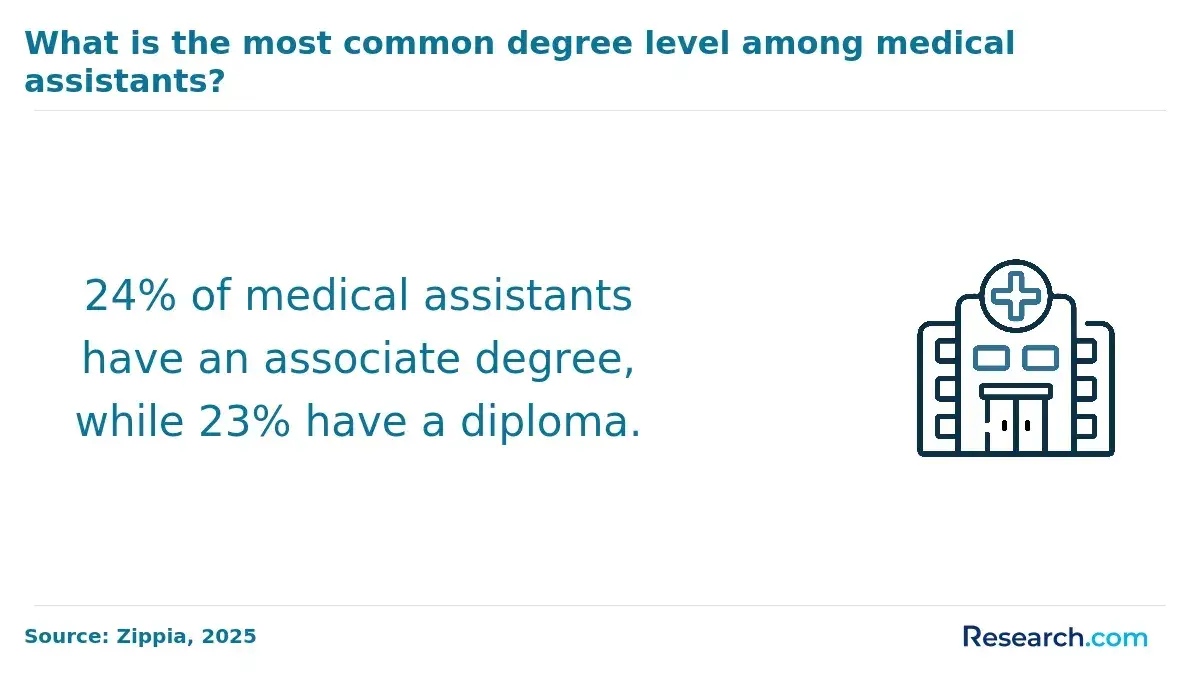
Accreditation plays a crucial role in ensuring the quality and credibility of accredited online medical assistant programs in California. It guarantees that the curriculum adheres to established educational standards and that students receive comprehensive training to prepare for certification and workforce entry. Without proper accreditation, graduates may face challenges when seeking certification or employment in the healthcare industry. There are two primary accrediting organizations involved in California medical assistant program accreditation:
- Commission on Accreditation of Allied Health Education Programs: CAAHEP is a leading programmatic accreditor in health sciences education. It ensures that medical assistant programs meet rigorous standards related to curriculum content, faculty expertise, and clinical practice. CAAHEP-accredited programs are recognized nationwide and are a prerequisite for graduates aiming to take the Certified Medical Assistant (CMA) exam administered by the American Association of Medical Assistants (AAMA).
- Accrediting Bureau of Health Education Schools: ABHES, recognized by the U.S. Department of Education, specializes in accrediting health education institutions and programs. This accreditation confirms that schools maintain quality in instructional delivery, program outcomes, and student services. Graduates from ABHES-accredited programs become eligible for national certification exams, such as the Registered Medical Assistant (RMA) exam offered by American Medical Technologists (AMT).
Choosing a California medical assistant program accreditation that is nationally recognized significantly impacts students’ educational experience and career prospects. Accreditation assures that the program provides relevant skills and knowledge aligned with healthcare industry demands, contributing to greater confidence from employers. Furthermore, students enrolled in accredited programs gain access to certification exams necessary for professional recognition and advancement. Prospective students should verify accreditation status and explore curriculum benefits carefully to make informed decisions about their training and future roles, including understanding what are the main tasks of medical billers and coders as part of the broader healthcare workforce.
How do you get certified as a medical assistant in California online?
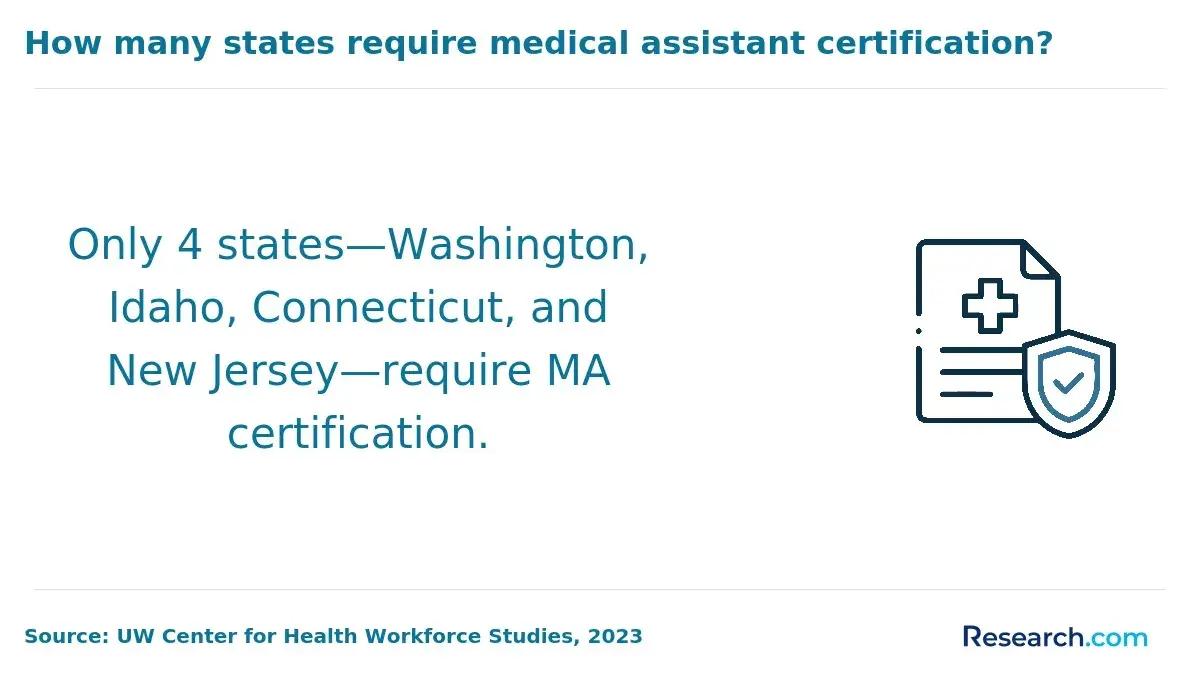
Certification validates the expertise of medical assistants and greatly improves job prospects in California’s competitive healthcare field. Online education offers flexibility, allowing candidates to balance training with personal commitments while meeting all professional standards.
- Complete an Accredited Online or Hybrid Training Program: Enroll in a California-approved program that covers both clinical and administrative skills essential for medical assisting. These programs typically offer self-paced study options and comprehensive curricula aligned with certification requirements.
- Fulfill In-Person Clinical Requirements: Despite online coursework, candidates must complete hands-on clinical experience, usually through internships or externships at local healthcare facilities. This practical training ensures proficiency with patient care and relevant medical equipment.
- Meet Eligibility Criteria for Certification Exams: Candidates must generally be at least 18 years old, hold a high school diploma or equivalent, provide CPR certification, and submit proof of program completion within the past five years to qualify for exams like the Certified Clinical Medical Assistant (CCMA).
- Prepare for the Certification Exam: Utilize study guides, practice tests, and review courses to master key areas, including medical law, infection control, and pharmacology, enhancing readiness for the exam’s clinical and administrative components.
- Register and Take the Certification Exam: Exams can often be scheduled online or taken at authorized testing centers, with some offering remote proctoring options. Success results in official certification, a physical certificate, and credentials required by employers.
Online pathways facilitate access to medical assistant certification in California by providing flexible scheduling and remote learning without sacrificing the essential clinical experiences and adherence to rigorous state and national standards.
How long does it take to become a medical assistant in California?
The timeline for becoming a medical assistant in California is influenced by several factors, including the type and length of the educational program, certification preparation, and clinical training requirements. Certificate or diploma programs typically last between six to twelve months and incorporate clinical externships ranging from 160 to 300 hours. Associate degree programs extend this timeline to about two years, combining general education with medical training. While the state does not require licensure, obtaining nationally recognized certification exams such as the CMA or RMA is common and may add some additional time depending on exam preparation and scheduling. These elements collectively shape the total time needed to enter the profession.
Most students complete their medical assistant training and enter the workforce within one to two years. Programs shorter than a year offer a fast track, especially for those focused solely on clinical skills and certification. However, pursuing an associate degree or requiring extra time for exam preparation can extend the process. Factors such as balancing education with personal commitments or choosing online programs with flexible schedules can also affect completion times. Overall, becoming a medical assistant in California is a manageable and relatively swift pathway compared to other healthcare careers, with many candidates achieving employment within a year of starting their studies.
A medical assistant from California shared that completing an online program at a local school took just under a year, including clinical hours arranged at nearby clinics. He mentioned that the convenience of flexible online coursework helped him manage work and study effectively, though coordinating clinical rotations presented scheduling challenges. “The hardest part was fitting in the externship on top of my job, but the school’s support made the timeline realistic,” he reflected. He emphasized that the structured course and accessible online materials accelerated his certification readiness, allowing him to feel prepared and confident when stepping into his professional role shortly after graduation.
How much does it cost to complete a medical assistant program in California online?
The cost of completing an online medical assistant program in California varies significantly based on the institution, program format, and included services. Prospective students should prepare for tuition, fees, and additional expenses that can affect the total investment required for certification and readiness.
- Tuition and Program Fees: Tuition typically represents the largest portion of costs, ranging from about $650 for self-paced programs to $8,000 for more comprehensive or institution-affiliated courses. Well-known schools may charge around $6,300, while mid-range providers usually fall between $2,995 and $4,000, often including some materials and exam fees.
- Textbooks and Learning Materials: Additional costs for textbooks, digital resources, clinical uniforms, and supplies commonly add between $1,000 and $1,400. While some programs bundle learning materials in tuition, many require separate purchases for required items.
- Technology Fees: Online programs frequently impose technology or platform access fees to support digital course delivery, simulations, and student interactions. These fees can range from $50 up to several hundred dollars, depending on the provider.
- Certification Exam and Preparation Costs: The cost for the National Healthcareer Association Certified Clinical Medical Assistant exam is typically around $155 to $160. Some programs include this fee in tuition, while others charge it separately. Exam preparation resources may be optional add-ons with additional fees.
Being aware of these cost components enables students to budget effectively for their education and avoid unexpected expenses. Evaluating what each program includes helps ensure a balanced financial plan that covers tuition, materials, fees, and the exam, facilitating a smoother path to certification and employment.
Can you get financial aid for online medical assistant training in California?
Financial aid significantly reduces the financial barriers for students pursuing online medical assistant training in California, making this in-demand career more attainable. Various support options are available, helping cover tuition, fees, and related expenses.
- Federal Grants: Pell Grants and other federal grants offer need-based funding that does not require repayment. Eligible students must complete the FAFSA to access these resources.
- Student Loans: Subsidized and unsubsidized federal loans assist with education costs, with repayment typically beginning after graduation under variable terms.
- Scholarships: Offered by colleges and organizations, scholarships reward merit or specific demographic qualifications and do not require repayment.
- Employer Tuition Assistance: Healthcare employers sometimes provide tuition reimbursement to support employees advancing their medical assistant training.
When I spoke with a medical assistant from California who graduated from a local online program, she shared how navigating financial aid felt initially overwhelming. “I wasn’t sure which aid I qualified for and worried about accumulating debt,” she said. However, by working closely with her school’s financial aid office and applying for multiple scholarships and grants, she was able to reduce her costs substantially. She recalled the relief in learning about flexible payment plans and employer assistance. Her experience underscored that while the process requires persistence, the available financial supports make online training achievable for many Californians.
Can additional certifications advance my healthcare career in California?
Exploring advanced credentials can open new avenues for medical assistants, enabling them to diversify their expertise and transition into more specialized or supervisory roles. By pursuing targeted certifications, professionals demonstrate a commitment to continuous improvement and can better align their skills with evolving industry demands. For instance, gaining insights into specialized fields may inspire a shift toward roles that require higher levels of clinical proficiency. Consider exploring pathways such as how to become an occupational therapist in California to uncover adjacent career opportunities that complement your current qualification.
What is the average salary for medical assistants in California?
Salaries for medical assistants in California vary significantly based on geographic location, professional experience, certification status, and the healthcare setting in which they are employed. Notably, completing an accredited online medical assistant program does not adversely affect earning potential, provided that it results in recognized certification. This dynamic reflects the state's high demand for qualified healthcare professionals, coupled with its elevated cost of living.
- Entry-Level Pay: New medical assistants typically earn between $17.50 and $20.00 per hour, with wages fluctuating depending on the city and employer, establishing a competitive starting point for newcomers.
- Median Salary: The average hourly wage for certified medical assistants statewide is approximately $24.25, translating to an annual salary near $50,425 in major urban centers such as Los Angeles, surpassing national median income levels.
- Experienced Medical Assistant Wages: Advanced experience and specialized certifications can elevate hourly rates to $29.63 or higher, with top earners reporting annual salaries exceeding $50,000.
- Salary Differences by Healthcare Setting: Hospitals and larger outpatient clinics generally offer higher compensation compared to private practices or rural clinics, with specialized roles providing further opportunities for increased earnings.
Understanding these salary factors enables prospective medical assistants to make informed decisions about their training and career paths, optimizing their opportunities within California’s robust healthcare sector.
Are online-trained medical assistants hired as often as campus-trained ones in California?
Employers in California differentiate between online and campus-based medical assistant training primarily based on the extent of hands-on clinical experience offered. While campus programs have traditionally ensured practical skill development through on-site labs and direct patient interaction, many reputable online programs now integrate mandatory clinical externships to meet these vital requirements. The focus remains on clinical proficiency rather than the mode of instruction for hiring decisions.
- Accreditation Requirements: California employers favor candidates graduating from programs accredited by recognized bodies such as CAAHEP or ABHES. Accreditation ensures the curriculum meets established standards and qualifies graduates to take national certification exams, which enhances job prospects in competitive healthcare markets.
- Clinical Training Components: Substantial hands-on training through externships or clinical rotations is critical. Online medical assistant jobs California employers consider competitive are often filled by graduates of programs requiring real-world experience, such as Bay Area Medical Academy’s mandatory externships or Herzing University’s partnerships with clinical sites.
- Professional Certification Preference: Although not legally mandated in California, certification like CCMA or RMA increasingly influences employer hiring preferences. Programs that prepare students for these certifications position graduates more favorably in the evolving healthcare job landscape.
- Regional Workforce Demand: Variations in healthcare needs across California’s regions affect hiring patterns. Programs with strong employer connections and job placement services, regardless of training delivery mode, often report improved employment outcomes for graduates.
- Employer Familiarity and Trust: Facilities familiar with successful online-trained medical assistants tend to be more receptive to candidates from similar backgrounds, reflecting a growing acceptance of online training tied directly to job readiness.
Prospective students seeking comprehensive yet flexible options may also explore related healthcare credentials through accredited online offerings like the 8 week medical billing and coding courses, which complement skill sets valued in the healthcare field.
Do online medical assistant programs in California lead to advanced healthcare careers?
Medical assisting provides a strategic entry point into the healthcare sector by equipping individuals with essential clinical and administrative skills. Online medical assistant programs in California enhance career flexibility by enabling students to balance education with other personal and professional commitments. These programs form a foundational step that can lead to a range of advanced healthcare career pathways.
- Licensed Vocational Nurse (LVN) or Registered Nurse (RN): Many medical assistants leverage their experience to pursue nursing careers through LVN or RN programs. These pathways require additional education and licensure exams, but prior clinical experience gained as a medical assistant strengthens their candidacy for nursing schools.
- Healthcare Administration and Management: With a focus on the organizational aspects of healthcare, former medical assistants often move into roles such as office manager or healthcare administrator. Their background in scheduling, billing, and compliance forms a valuable foundation for leadership positions requiring further specialized education.
- Specialized Medical Assisting: Professionals can focus on specialties like ophthalmology or cardiology, which demand additional certifications or training. This specialization allows for expanded responsibilities and higher compensation within the medical assisting field.
- Advanced Certifications and Technologist Roles: Certifying as phlebotomy technicians, EKG technologists, or medical billing and coding specialists can open new career opportunities. Notably, California mandates state certification for phlebotomy, and prospective candidates can find preparatory courses in online programs such as those classified among the best schools for medical billing and coding.
- Health Information Technology: Medical assistants with IT skills can transition into roles involving electronic health records management. Additional training in health informatics is often necessary, yet experience with EHR systems gained through medical assisting facilitates this career pivot.
What Do Medical Assistants in California Say About Their Career
- Completing my medical assistant training online at Pacific Coast Health Academy allowed me to balance my job and family life seamlessly. The program was comprehensive and practical, preparing me well for the realities of healthcare work in California's diverse communities. Now, working in a local school brings me joy every day as I support the health and wellness of students, helping them stay focused and thrive academically. The stability and growth potential in this field motivate me to keep advancing my skills. Santi
- Starting my career as a medical assistant in a local academic institution felt incredibly rewarding because I saw firsthand how crucial healthcare support is in educational settings. My online training through Golden State Medical Training gave me flexibility and excellent clinical skills, allowing me to adapt smoothly to the unique challenges here in California, like serving a culturally rich student population. Being part of a team that promotes student health and well-being inspires me to develop professionally and contribute to my community every day. Minah
- The journey through my online medical assistant program at Sierra Vista Academy sparked not only career advancement but also deep personal growth. California’s vibrant and varied environment offers unique healthcare opportunities, and working with children in schools enables me to make a positive impact at an early stage of their lives. I feel proud to contribute to community health while continuously learning new skills. This profession has opened doors I never anticipated, blending passion with practical service. Leon
Related Articles for Nearby States
- 2027 How to Become a Medical Assistant in Nevada Online
- 2027 How to Become a Medical Assistant in Oregon Online
- 2027 How to Become a Medical Assistant in Arizona Online
- 2027 How to Become a Medical Assistant in Idaho Online
- 2027 How to Become a Medical Assistant in Utah Online
- 2027 How to Become a Medical Assistant in Washington Online
- 2027 How to Become a Medical Assistant in New Mexico Online
- 2027 How to Become a Medical Assistant in Colorado Online
- 2027 How to Become a Medical Assistant in Montana Online
- 2027 How to Become a Medical Assistant in Wyoming Online
References:
- How to Become a Medical Assistant in California https://campus.edu/blog/medical-assisting/how-to-become-a-medical-assistant-california
- Certified Clinical Medical Assistant Training - SDSU Global Campus https://globalcampus.sdsu.edu/explore/online-learning/featured-online-training-programs/certified-clinical-medical-assistant-training/
- Medical Assistant - Center for Employment Training https://cetweb.edu/program/medical-assistant
- Medical Assistant Training in the Bay Area - IBT Tech San Jose Career College https://ibt.edu/medical-assistant-training-in-the-bay-area/
- How to Become a Medical Assistant in California | ACC https://americancareercollege.edu/guides/how-to-become-a-medical-assistant-in-california
- How to Become a Medical Assistant in California - San Joaquin Valley College https://www.sjvc.edu/guides/guide-on-becoming-a-medical-assistant-in-california/
- How Long Is Medical Assistant School? | CALRegional https://calregional.com/blog/how-long-is-medical-assistant-school/
Other Things You Need to Know About Becoming a Medical Assistant in California Online
In 2027, medical assistants in California can pursue certification through organizations like the American Association of Medical Assistants (AAMA) or the National Healthcareer Association (NHA). Certification exams typically require completion of accredited programs and passing a standardized test.
In 2027, to become a medical assistant in California online, you must complete an accredited online program, usually culminating in a diploma or certificate. These programs require a high school diploma and cover clinical and administrative skills. Check for externship opportunities to gain hands-on experience.


