
2027 How to Become a Medical Assistant in Connecticut Online

Co-Founder and Chief Data Scientist
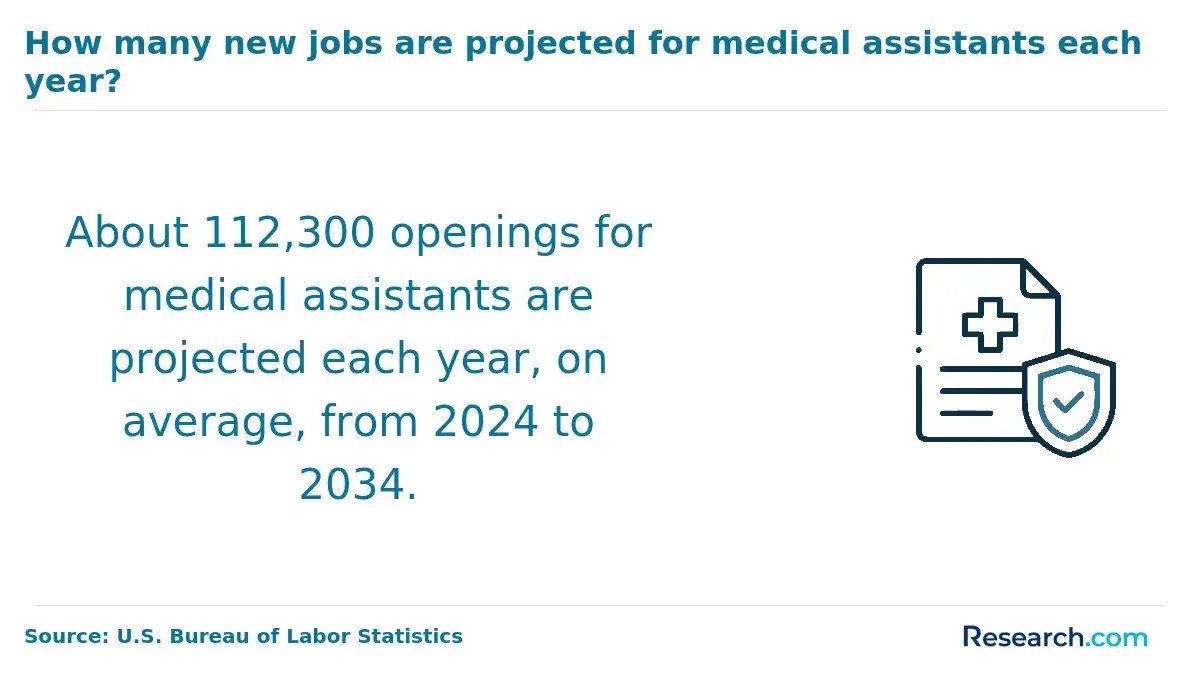
Connecticut’s healthcare sector is expanding steadily, with medical assistant roles growing by 12% over the next decade, reflecting a strong demand for qualified professionals. The state’s aging population and increasing medical services contribute to this upward trend, making it an opportune time for career entry.
Online medical assistant programs offer flexibility and accessibility, catering to diverse learners balancing work and study. Pursuing this path in Connecticut means gaining skills aligned with local employer needs and state certification requirements.
This article explores the essential steps to become a medical assistant in Connecticut through online education, presenting expert insights to guide informed career decisions.
Key Things to Know About Becoming a Medical Assistant in Connecticut
- Enroll in a CAHEA-accredited online program to ensure quality training aligned with Connecticut’s workforce requirements.
- Complete a blend of online coursework and local clinical externships to gain hands-on experience, essential for certification.
- Prepare for the Certified Medical Assistant (CMA) exam by the AAMA; Connecticut’s healthcare demand is expected to grow 15% by 2030, increasing job opportunities.
- Can you become a medical assistant in Connecticut through online programs?
- How long are online medical assistant programs in Connecticut?
- Are online medical assistant programs in Connecticut accredited?
- How do you get certified as a medical assistant in Connecticut online?
- How long does it take to become a medical assistant in Connecticut?
- How much does it cost to complete a medical assistant program in Connecticut online?
- Can you get financial aid for online medical assistant training in Connecticut?
- What advanced healthcare career paths are available for medical assistants in Connecticut?
- What is the average salary for medical assistants in Connecticut?
- Are online-trained medical assistants hired as often as campus-trained ones in Connecticut?
- Do online medical assistant programs in Connecticut lead to advanced healthcare careers?
Can you become a medical assistant in Connecticut through online programs?
Online medical assistant programs in Connecticut offer significant flexibility for students balancing work and personal commitments by allowing completion of much coursework remotely. Yet, the role inherently demands hands-on skills that require in-person training to develop essential clinical competencies. Here are some key aspects to consider when looking to become a certified medical assistant online in Connecticut:
- Online Coursework: Most programs deliver theoretical subjects such as medical terminology, healthcare systems, and medical law entirely online, which caters well to learners needing adaptable schedules.
- Hybrid Learning Models: While the majority of lectures are virtual, students must participate in campus-based labs or clinical skill sessions to practice procedures like phlebotomy, EKG, and vital sign measurement.
- Clinical Training and Externships: Hands-on clinical externships at local healthcare sites are mandatory, providing supervised real-world experience crucial for job readiness.
- Program Duration and Structure: Completion times vary widely, typically ranging from 4 to 16 months, depending on the credential pursued and individual pacing through online modules and clinical hours.
- Workforce Relevance: Programs align coursework and practical experiences to local healthcare employment needs, preparing students for patient care, electronic health records, and front office duties, while also supporting qualifications like the Certified Clinical Medical Assistant (CCMA) or Registered Medical Assistant (RMA).
For those interested in pathways related to billing and coding within medical assisting roles, it’s helpful to review current trends reflected in the medical billing and coding job market.
How long are online medical assistant programs in Connecticut?
The duration of an online medical assistant program in Connecticut depends greatly on the type of credential you aim to achieve. Whether you choose a certificate, diploma, or associate degree will influence how many months is medical assistant training in Connecticut are typically required. Each option offers different timelines and depth of study, allowing you to align your education with your career goals and personal schedule.
- Certificate Programs (4–10 months): These programs are designed for rapid entry into the workforce, often completed within several months. Accelerated options can take as little as 4 months, while most certificate programs offer flexibility to accommodate working adults through self-paced study and externship requirements.
- Diploma Programs (10–12 months): Offering a more comprehensive curriculum, diploma programs usually require about 10 to 12 months of full-time study. They combine online coursework with mandatory clinical practicums, preparing students thoroughly for certification exams and practical roles.
- Associate Degree Programs (16–24 months): This longer commitment involves two academic years or up to 24 months, including general education and specialized medical assistant training. Associate degrees can open doors to greater career opportunities and provide a foundation for further education, such as bachelor’s programs.
Most online programs in Connecticut follow a hybrid model to ensure students gain hands-on clinical experience, typically requiring some in-person externship components. While medical assistant certification is not mandated by Connecticut law, earning credentials through accredited programs is highly beneficial for employment and salary prospects. For those curious about broader healthcare roles and options after training, learning what does a medical biller and coder do can provide valuable context for career pathways within the medical field.
Are online medical assistant programs in Connecticut accredited?
Accreditation plays a vital role in assuring the quality and credibility of online medical assistant programs in Connecticut, reflecting thorough standards in curriculum and ethical training. It serves as a safeguard for students, confirming that their education meets the benchmarks needed for effective career preparation and professional certification. Choosing an accredited program ensures alignment with the state’s healthcare practices and the broader expectations of employers. In Connecticut, two primary organizations oversee the accreditation of medical assistant programs, both recognized nationwide for maintaining high-quality standards:
- Commission on Accreditation of Allied Health Education Programs: CAAHEP is the largest accrediting agency for health science education in the U.S., including online medical assistant programs. It demands rigorous curriculum standards, qualified faculty, and strong student performance metrics, which collectively prepare graduates to fulfill diverse clinical and administrative roles.
- Accrediting Bureau of Health Education Schools: ABHES specializes in health education accreditation and confirms that institutions provide quality instruction and reliable student support. Programs accredited by ABHES uphold integrity and effectiveness, contributing to student success and professional readiness.
Accreditation significantly impacts students’ training and employment opportunities, as only graduates from CAAHEP or ABHES-accredited programs meet Connecticut medical assistant certification requirements, such as eligibility for the Certified Medical Assistant (CMA) exam. This credential is often a prerequisite for employment in healthcare facilities throughout the state, emphasizing the importance of accreditation for career advancement. Moreover, accredited programs expose students to comprehensive learning, including practical skills and knowledge areas like those needed to explain medical billing and coding, thereby enhancing their adaptability in the healthcare environment.
How do you get certified as a medical assistant in Connecticut online?
Certification significantly enhances a medical assistant’s credibility and employability in Connecticut. Online education supports this goal by offering flexibility and accessibility, enabling students to balance life’s demands while gaining essential knowledge and skills.
- Research Accredited Online Programs: Seek out reputable programs accepted in Connecticut that blend online coursework with necessary hands-on clinical training. Accredited options ensure your education meets the standards employers expect.
- Meet Admission Requirements: Most programs require a high school diploma or GED and a foundation in math, science, and reading comprehension to succeed in medical assistant studies.
- Complete Online Coursework: Engage with flexible, self-paced classes covering topics like medical terminology, anatomy, phlebotomy, and healthcare systems, typically lasting between 4 to 16 months depending on the credential.
- Fulfill Clinical Requirements: Complete in-person externships or clinical hours, usually around 200 hours, in Connecticut healthcare settings to develop practical skills and gain real-world experience.
- Prepare for Certification Exams: Use program resources that often include exam preparation and may cover the cost for your first certification attempt, focusing on exams like the CCMA or RMA.
- Take and Pass the Certification Exam: Successfully passing a nationally recognized exam validates your competence and fulfills employer expectations across the state and country.
Online pathways blend the convenience of remote learning with rigorous in-person clinical experiences. This approach makes certification more attainable without compromising the hands-on expertise essential for medical assistants to thrive in Connecticut’s healthcare workforce.
How long does it take to become a medical assistant in Connecticut?
The timeline to become a medical assistant in Connecticut is influenced by several key factors, including the length of the chosen educational program, certification preparation, and required clinical training. Programs vary from shorter certificate or diploma courses to longer associate degrees, each impacting how quickly a student can enter the workforce. Although Connecticut does not require state licensure, most employers prefer nationally recognized certification, which can add extra time to the process depending on exam readiness. Practical experience through a clinical externship is mandatory in all accredited programs, providing essential hands-on skills but also extending the overall duration by several weeks.
Typically, students complete certificate or diploma programs in 8 to 12 months, making this the fastest route to begin working as a medical assistant. Those pursuing an associate degree may spend about two years in study, balancing clinical practice with general education courses. The clinical externship usually lasts 4 to 8 weeks and is a vital part of training regardless of the program length. Some students accelerate their timeline through intensive or online programs, while others take longer due to scheduling, preparation for certification exams, or personal commitments. Flexibility exists, but understanding these timeframes helps manage expectations for entry into a growing healthcare field in Connecticut.
When speaking with a medical assistant who graduated from a local Connecticut school’s online program, they shared that balancing work and study was challenging but manageable thanks to the program’s flexible pace. “The externship was the most intense part; coordinating with clinical sites took some time,” they said, reflecting on how this phase extended the timeline slightly beyond initial estimates. Still, they emphasized that the blend of online coursework and local hands-on training created a practical path, allowing them to become job-ready in just over a year. Their journey highlights how timeframes may shift, but commitment and structured support can make the process rewarding and efficient.
How much does it cost to complete a medical assistant program in Connecticut online?
The cost to complete a medical assistant program online in Connecticut can vary widely depending on the program type, school, and included services. Tuition fees often form the largest part of the expense, but additional costs like textbooks, technology, and certification fees also significantly affect the total price.
- Tuition: Tuition rates differ substantially, with some programs charging a flat fee as low as $650 for self-paced certifications, while others offer monthly payments around $79, totaling about $316 for a typical four-month course. University-affiliated programs tend to be more expensive, especially when they include externships or extra support services.
- Textbooks and Supplies: Some programs bundle course materials into tuition, but others require separate purchases. Budgeting between $50 and $200 for medical supplies like stethoscopes and study guides is wise if these are not provided.
- Technology Fees: Online courses often involve platform access or technology fees, which may range from $25 to $100 per term or course. Many programs include these costs upfront, but it’s important to verify.
- Exam Preparation and Certification Fees: Registering for the Certified Clinical Medical Assistant exam can cost between $155 and $259. Some programs cover these fees and offer study materials, which can be a valuable saving.
Knowing these typical costs allows prospective students to budget realistically and compare programs more effectively. Clarifying what expenses are included in tuition—and what requires an additional outlay—helps avoid surprise fees and ensures a smoother path toward certification and employment.
Can you get financial aid for online medical assistant training in Connecticut?
Financial aid can significantly ease the financial burden of pursuing online medical assistant training in Connecticut, opening doors that might otherwise seem closed. Various support options exist to help students manage tuition and related costs, provided they attend an accredited program.
- Federal Grants: These grants, like the Pell Grant, offer need-based, non-repayable aid to eligible students who complete the FAFSA and enroll in qualifying accredited programs.
- Federal Student Loans: Loans with comparatively low interest rates and flexible repayment terms serve students needing extra funding beyond grants or scholarships.
- Scholarships: Merit- and need-based scholarships come from schools, organizations, and employers, often targeting local residents or underrepresented groups.
- Institutional Aid: Some programs provide discounts, payment plans, or internal scholarships to ease financial commitments.
- Employer Tuition Assistance: Healthcare employers may offer reimbursement or sponsorship to employees pursuing certification.
When I spoke with a medical assistant from Connecticut who graduated from a local accredited program, she shared how navigating financial aid was initially overwhelming. She emphasized that carefully researching all options and starting the FAFSA early proved crucial. Although federal aid covered much of her tuition, it was the combination with her employer’s tuition assistance and a flexible installment plan that made completing her certification manageable. Her experience reflects how blending multiple aid sources and persistence can transform financial challenges into achievable goals.
What advanced healthcare career paths are available for medical assistants in Connecticut?
Medical assisting serves as a stepping-stone toward a variety of specialized healthcare roles. Professionals can leverage their clinical expertise and experience to transition into positions such as healthcare administration, clinical coordination, or specialized patient care roles. Many medical assistants opt to further their education to meet the evolving demands of the healthcare industry, thereby enhancing their qualifications and broadening career prospects. For instance, some pursue advanced certifications or additional degree programs that prepare them for more specialized positions; one such pathway includes exploring how to become an occupational therapist in Connecticut. This targeted upskilling not only augments earning potential but also facilitates career mobility within Connecticut’s competitive healthcare landscape.
What is the average salary for medical assistants in Connecticut?
Salaries for medical assistants in Connecticut vary widely depending on factors such as location, experience, and the healthcare setting. While completing medical assistant training online offers flexibility, employers prioritize recognized certifications and practical experience over training format when determining pay. Understanding these salary distinctions is essential for making informed career decisions in this field.
- Entry-Level Pay: New medical assistants typically earn between $17.67 and $18.07 per hour, translating to an annual salary of about $36,750 to $37,600. Wages tend to be higher in urban areas like Hartford and Bridgeport, with slightly lower rates in smaller towns.
- Median Salary: The average annual salary stands at $41,116, with median hourly wages around $19.77. Certified assistants often earn higher, approaching $46,529 annually or $24 per hour.
- Experienced Medical Assistant Wages: Those with several years of experience and credentials can make up to $25.37 per hour, about $52,760 annually, with top earners nearing $55,257.
- Differences Across Healthcare Settings: Hospitals and large health systems generally offer higher salaries, especially in metro areas, while private practices and outpatient clinics tend to pay closer to the median range.
By comprehending these salary ranges and regional variations, prospective medical assistants can better evaluate job opportunities, negotiate salaries, and choose training and certification paths that maximize earning potential within Connecticut’s healthcare landscape.
Are online-trained medical assistants hired as often as campus-trained ones in Connecticut?
Employers in Connecticut often weigh hands-on experience and clinical skills heavily when evaluating medical assistant candidates, which sometimes leads to different views on online versus campus-based training. While online programs offer flexibility, their graduates must still demonstrate thorough in-person clinical training to meet employer expectations and compete effectively in the job market. Key factors influencing the hiring of medical assistants in Connecticut include:
- Clinical Training Requirements: Hands-on clinical experience is essential, with most employers requiring that medical assistants complete in-person clinical rotations. This ensures candidates gain real-world skills in patient care, diagnostics, and laboratory work that cannot be fully replicated online.
- Employer Preferences: Employers tend to hire candidates who have demonstrated proficiency with medical equipment and direct patient interaction. Graduates from programs with strong on-site clinical components, whether part of online medical assistant programs hiring outcomes in Connecticut or campus-based schooling, tend to be viewed as more job-ready.
- Job Readiness: Programs that pair online coursework with mandatory internships or externships help bridge theoretical knowledge with practical skills. Completion of these clinical internships is a critical step toward certification and is widely valued by employers assessing candidate readiness.
- Regional Workforce Needs: Steady demand for medical assistants across Connecticut's healthcare facilities encourages hiring from varied training backgrounds. However, meeting local clinical experience standards remains a prerequisite regardless of whether training was online or campus-based.
- Accreditation and Certification: Accredited programs prepare students to pass nationally recognized certification exams, which can alleviate concerns about the mode of training. For those considering supplementary courses online, the Kaiser free medical billing and coding course may serve as an additional credential to enhance employability.
Do online medical assistant programs in Connecticut lead to advanced healthcare careers?
Medical assisting is often an essential stepping stone into the healthcare field, offering foundational skills and patient care experience. Online medical assistant programs in Connecticut provide flexibility for many learners, accommodating diverse schedules and allowing students to balance education with personal or professional responsibilities. This flexibility can be especially advantageous for those seeking to enter or advance within healthcare without relocating.
- Nursing Pathways: Many medical assistants use their initial training as a gateway to nursing careers, pursuing further education to become licensed practical nurses (LPN) or registered nurses (RN). These roles offer greater responsibility, higher salaries, and more patient interaction.
- Healthcare Administration: Moving into administrative roles enables medical assistants to manage healthcare operations, billing, or compliance. Those interested in management can build on their clinical knowledge with business skills, aligning well with Connecticut healthcare career pathways online.
- Specialized Medical Assisting: Medical assistants may choose to specialize in areas such as ophthalmology, podiatry, or cardiology. Such specialization can improve job prospects and open doors to advanced certifications and expert roles within niche departments.
- Advanced Certifications: Obtaining credentials like Certified Medical Assistant (CMA) or Registered Medical Assistant (RMA) enhances credibility and career options. These certifications often lead to more advanced healthcare career advancement in Connecticut offers, with greater clinical responsibilities.
For those considering flexible education routes, exploring affordable online medical billing and coding programs can also complement medical assisting, broadening opportunities within health information management and insurance fields.
What Do Medical Assistants in Connecticut Say About Their Career
- Completing my medical assistant training at Hartford Health Academy entirely online allowed me to balance family commitments while gaining the skills I needed. The flexibility of the program was a game-changer, and now that I’m working in a local school, I truly appreciate how my role contributes to student health and safety every day. It’s fulfilling to know I’m making a difference in children’s lives, and Connecticut’s supportive healthcare environment makes job stability feel very attainable. Jason
- Starting my career as a medical assistant in a local Connecticut school has been incredibly rewarding both professionally and personally. The continuous professional development opportunities here have helped me advance my skills and confidence in patient care. Connecticut’s diverse communities enable me to engage with students from various backgrounds, enriching my cultural understanding and ability to provide compassionate care. I feel proud to serve in an environment that values education and health equally. Anne
- Pursuing my medical assistant certification through New Haven Medical Training Center was a transformative experience that enhanced my professional growth and deepened my commitment to community health. Connecticut’s unique demographic makeup and strong focus on public health gave me unique opportunities to address local health challenges creatively. This career path has empowered me to be an advocate for wellness and education among youth, helping build a healthier future for our neighborhoods. Matthew
Related Articles for Nearby States
- 2027 How to Become a Medical Assistant in New York Online
- 2027 How to Become a Medical Assistant in Rhode Island Online
- 2027 How to Become a Medical Assistant in Massachusetts Online
- 2027 How to Become a Medical Assistant in New Jersey Online
- 2027 How to Become a Medical Assistant in Pennsylvania Online
- 2027 How to Become a Medical Assistant in Vermont Online
- 2027 How to Become a Medical Assistant in New Hampshire Online
- 2027 How to Become a Medical Assistant in Delaware Online
- 2027 How to Become a Medical Assistant in Maryland Online
- 2027 How to Become a Medical Assistant in Maine Online
References:
- Top 5 Perks of Being a Medical Assistant | Goodwin University https://www.goodwin.edu/enews/benefits-of-being-a-medical-assistant/
- Medical Assistant Jobs Connecticut | Launch Your Career with PACT https://physiciansallianceofconnecticut.com/blog/medical-assistant-careers-in-connecticut-what-you-need-to-know/
- Medical Assistants (31-9092) in Connecticut https://www1.ctdol.state.ct.us/lmi/wages/20201/0901000009/31-9092.htm
- Health Benefits | Human Resources https://hr.uconn.edu/health-benefits/
Other Things You Should Know About Becoming a Medical Assistant in Connecticut
When selecting an online medical assistant program in Connecticut for 2027, consider factors like accreditation, the flexibility of online classes, availability of clinical placements, and the program's reputation. Accredited programs ensure that the education meets the professional standards and is recognized by employers.
Online learning can potentially reduce the time needed to become a medical assistant in Connecticut by offering flexible schedules and self-paced coursework, allowing students to progress faster than traditional programs. However, clinical training and hands-on experience are mandatory components that must be completed in person, which limits the extent of time savings. Additionally, program length depends on state certification requirements and the education provider's curriculum structure, so not all online programs will be significantly shorter. Overall, while online learning provides convenience and may accelerate theoretical learning, the time required to fulfill practical training ensures that the total duration remains comparable to conventional programs.
As of 2027, you can complete significant portions of a medical assistant program online in Connecticut. However, practical clinical skills require in-person training, so programs typically include on-site components to fulfill certification requirements, ensuring you gain necessary hands-on experience.
In 2027, online medical assistant programs in Connecticut utilize hybrid models to balance practical skills training. They include online theoretical modules coupled with in-person clinical lab sessions scheduled at designated centers, ensuring students gain hands-on experience while benefiting from the flexibility of online learning.


