
2027 How to Become an Occupational Therapist in Connecticut

Co-Founder and Chief Data Scientist
Connecticut offers a promising landscape for aspiring occupational therapists, with employment expected to grow by 18% over the next decade, reflecting strong demand in healthcare and rehabilitation services. This growth is fueled by an aging population and increased focus on holistic care, making occupational therapy a career worth pursuing in the state. The profession not only provides meaningful work but also competitive salaries and diverse opportunities across hospitals, schools, and private practices.
This article, crafted by experts in career planning, delivers clear, practical guidance on how to become an occupational therapist in Connecticut. It covers educational paths, licensure requirements, and job prospects to equip readers with the essential information for a successful start in this rewarding field.
Key Things to Know About Becoming an Occupational Therapist in Connecticut
- Earn a Master’s or Doctorate in Occupational Therapy from a program accredited by the Accreditation Council for Occupational Therapy Education; Connecticut has several accredited institutions ensuring quality education.
- Complete the required fieldwork hours and pass the National Board for Certification in Occupational Therapy (NBCOT) exam to gain Connecticut state licensure; there is growing demand with over 2,500 licensed OTs statewide.
- Engage in continuing education to maintain licensure and stay current with best practices; Connecticut supports ongoing professional development through state-approved courses and resources.
- What are the education requirements to become an occupational therapist in Connecticut?
- How do you get a state license to practice occupational therapy in Connecticut?
- How often do you need to renew an OT license in Connecticut?
- What continuing education is required for OT license renewal in Connecticut?
- How much does it cost to become an occupational therapist in Connecticut?
- What financial aid options are available for OT students in Connecticut?
- Can out-of-state occupational therapists work in Connecticut?
- What skills do you need to be a successful occupational therapist in Connecticut?
- What specializations are available for occupational therapists in Connecticut?
- What is the average salary of an occupational therapist in Connecticut?
- Can additional certifications enhance your occupational therapy career in Connecticut?
What are the education requirements to become an occupational therapist in Connecticut?
Formal education forms the essential foundation for occupational therapists, equipping them to address the multifaceted physical, emotional, and developmental needs of their patients. This preparation requires a combination of rigorous academic study and practical, hands-on experience to develop the critical skills therapists rely on daily.
To meet these goals effectively, Connecticut sets clear standards that align with national accreditation, ensuring practitioners are well-prepared before entering the field. Below are the key education requirements aspiring therapists should know.
- Bachelor's or Master's Degree from an Accredited Program: Candidates must graduate from a program accredited by the Accreditation Council for Occupational Therapy Education (ACOTE). Connecticut hosts several institutions offering these accredited programs, such as Sacred Heart University and Quinnipiac University. Although entry-level master’s and doctoral programs are now the norm, some students begin with a relevant bachelor’s degree before advancing.
- Completion of 24 Weeks of Supervised Fieldwork: Practical experience is crucial, and students need to successfully complete at least 24 weeks of supervised occupational therapy fieldwork within their degree programs. This allows for the application of theoretical knowledge in real-world clinical settings, guided by licensed professionals, fostering essential skills and confidence.
- Academic Prerequisites for Admission: To enter occupational therapy programs, students must complete foundational courses such as Human Anatomy and Physiology I and II with labs, Abnormal Psychology, and Lifespan or Human Development. A minimum overall GPA of 3.0 is generally required, reflecting the commitment needed to succeed in graduate-level study.
For those interested in exploring additional pathways relevant to healthcare professions, understanding what is medical billing and coding can offer valuable context about the broader medical field.
How do you get a state license to practice occupational therapy in Connecticut?
Obtaining a state license to practice occupational therapy in Connecticut is an essential milestone that reflects both professional credibility and adherence to legal practice standards.
Without this license, individuals cannot legally provide occupational therapy services in the state, ensuring that only qualified practitioners deliver safe, effective care. This process aligns with Connecticut OT licensure requirements designed to protect public well-being and maintain high professional standards.
Here are the key steps to securing an occupational therapy license in Connecticut:
- Complete an Accredited Occupational Therapy Program: Candidates must graduate from an ACOTE-accredited program, which ensures their education meets nationally recognized standards. In Connecticut, only Sacred Heart University and Quinnipiac University offer accredited entry-level master’s or doctoral programs, but many applicants complete programs outside the state.
- Fulfill Supervised Fieldwork Requirements: At least 24 weeks of supervised fieldwork is required, providing hands-on experience under licensed professionals. This practical training helps candidates apply theoretical knowledge in real clinical settings and is an integral part of the occupational therapy license Connecticut process.
- Pass the NBCOT Certification Exam: The National Board for Certification in Occupational Therapy examination assesses essential competencies. Passing this exam is mandatory before applying for state licensure, and results are sent directly to the Connecticut Department of Public Health.
- Submit a Complete State License Application: Applications must be filed online with a $200 fee and include official transcripts, exam scores, and a recent photo. For those licensed in other states, verification from those boards is necessary to demonstrate compliance across jurisdictions.
- Undergo a Criminal Background Check: Though not always explicitly stated, a background check is a common requirement in healthcare licensure to ensure candidate suitability. Applicants should confirm current requirements with the Department of Public Health to avoid delays.
While navigating these steps, some applicants may find it helpful to explore related credential requirements and distinctions; reviewing the key differences between cpc and cbcs certification can offer useful insights into certification pathways in health professions, even if not directly related to occupational therapy licensure.
How often do you need to renew an OT license in Connecticut?
Maintaining an active and valid license is essential for occupational therapists to uphold professional standards and ensure accountability within their practice. This ongoing responsibility also encourages therapists to stay current with evolving regulations and evidence-based practices, safeguarding both the quality of care provided and public trust. Renewal processes are designed not only to verify eligibility but to reinforce a commitment to continuous professional development.
In Connecticut, occupational therapists are required to renew their licenses every two years. The state sets a fixed renewal schedule, typically monitored by the Department of Public Health, with strict deadlines to ensure timely compliance. To accommodate unforeseen delays, a 90-day grace period follows the official renewal deadline during which the license remains valid, although failure to renew within this timeframe results in the license becoming void.
In such cases, the therapist must reapply and fulfill all current requirements as if applying for a new license. This regular renewal cycle serves as a structural checkpoint, promoting ongoing professional competency and alignment with any new legal or educational mandates imposed by the state or profession.
An occupational therapist from Connecticut, who graduated from a local university, shared his reflections on the renewal experience. “While the biennial renewal felt routine at first, I soon realized it was a vital reminder to reengage with the profession’s evolving standards,” he explained. Navigating the process required careful organization of continuing education credits and timely submission of documents, which initially felt overwhelming amid a busy workload.
However, completing the renewal reaffirmed his dedication to ethical practice and reconnected him with emerging best practices. He described it as a “moment to pause, reflect, and recommit” rather than merely a bureaucratic task, emphasizing that this perspective has shaped how he approaches professional growth ever since.
What continuing education is required for OT license renewal in Connecticut?
Continuing education is vital for occupational therapists to maintain their professional competence, meet Connecticut’s state standards, and stay current with evolving therapeutic techniques and regulations. Ongoing learning helps practitioners provide the highest quality of care while adapting to new research and best practices.
For those pursuing the Connecticut OT license renewal CEU hours, understanding the regulations and making a consistent effort to meet them is essential.
- Contact Hour Requirements: Connecticut requires occupational therapists to complete 24 contact hours of qualifying continued competency activities every two years, whereas occupational therapy assistants must complete 18 contact hours within the same period. A contact hour equals a minimum of 50 minutes of educational engagement, and the first license renewal after initial licensure does not require these hours.
- Qualifying Topics and Formats: Acceptable continuing education includes academic courses, seminars, structured in-service trainings, and scientific meetings related to occupational therapy practice. Full-time post-graduate coursework accredited by ACOTE can also count, offering 10 contact hours per semester credit hour, with opportunities to earn additional hours by teaching if not the primary role.
- Renewal Cycle and Planning: Licenses renew every two years on July 31st of odd-numbered years, and contact hours earned in one cycle cannot be rolled over to the next. Strategic planning is key to ensuring that all required activities are completed within each biennial period.
- Documentation and Audits: Practitioners must attest to completing their continuing education at renewal but only submit proof if audited. Retaining completion certificates for at least three years is important to comply with documentation requirements.
- Flexible Learning Options: There are no limits on online or distance learning hours, allowing for flexible access to continuing education that fits diverse schedules. This flexibility supports busy occupational therapy professionals in meeting their ongoing education goals without compromising quality.
For those interested in the broader healthcare education landscape, understanding what is the industry of medical billing and coding might provide useful context for the various allied health career pathways connected to occupational therapy services.
How much does it cost to become an occupational therapist in Connecticut?
The total cost of becoming an occupational therapist in Connecticut depends on several key factors, including the choice of educational institution, exam fees, and state licensing requirements. Grasping these elements allows students to better anticipate their financial commitments and plan accordingly throughout their education and early career.
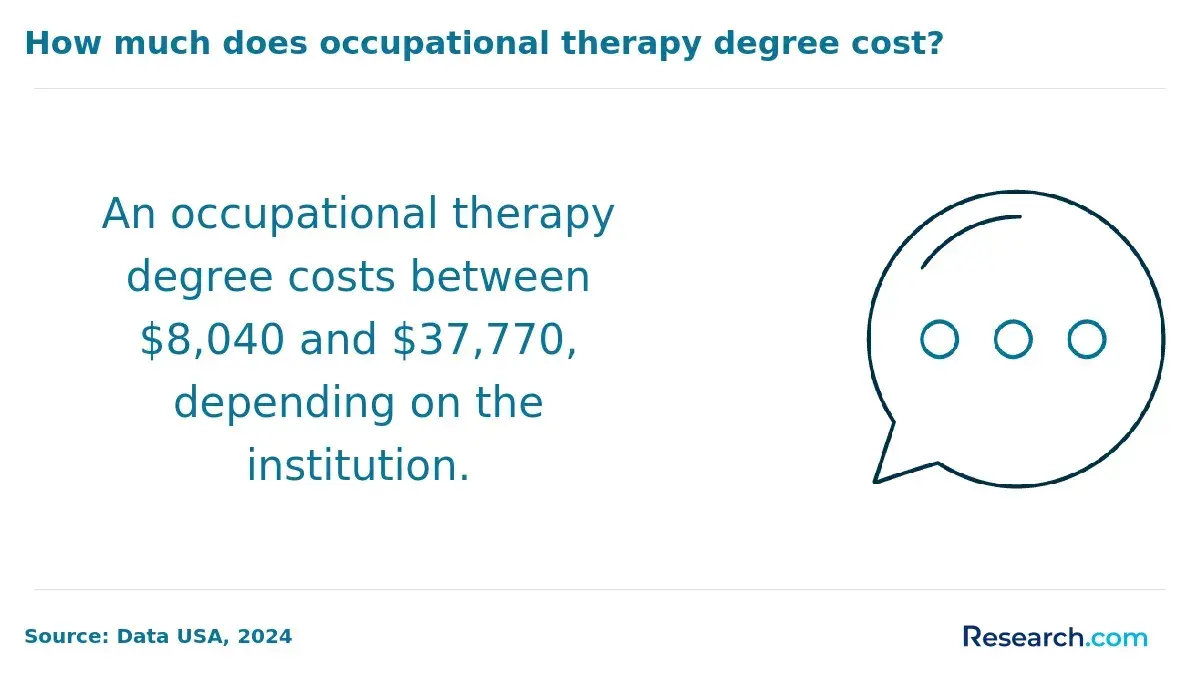
- Tuition and Fees for Accredited OT Programs: Tuition varies widely, with master’s-level programs ranging from around $36,800 annually at public universities to over $140,000 at private institutions. Additional costs for prerequisite courses, books, and supplies can add significantly to the total investment.
- NBCOT Exam Fees: The national certification exam fee is currently $515. This expense is unavoidable for licensure and may be supplemented by optional exam preparation materials or courses, which vary in cost.
- Connecticut State Licensure Application Fees: The initial license application costs $190 through the state health department. Although renewal and continuing education entail further costs, this fee covers the first step to legally practice as an occupational therapist.
- Background Checks and Health Requirements: Criminal background checks typically cost between $50 and $100, with some programs adding fees for drug screening and immunizations. These necessary health safeguards protect both patients and professionals.
- Professional Memberships and Additional Expenses: Joining organizations like the AOTA or ConnOTA may cost $60 to $150 annually but provide valuable networking and educational resources. Also, institutional fees and technology costs vary by program and should be included in budgeting.
What financial aid options are available for OT students in Connecticut?
Financial aid plays a vital role in making occupational therapy education attainable in Connecticut, where tuition and living expenses can accumulate quickly. Securing financial support not only eases immediate financial burdens but also encourages a more diverse group of students to enter the profession, strengthening the healthcare workforce over time. The following are key financial aid options available to occupational therapy students in the state.
- Federal Grants (Pell and FSEOG)—These grants are awarded to undergraduate students based on financial need and do not require repayment. Eligible students must complete the FAFSA and can use these funds to cover tuition and educational expenses.
- Federal Student Loans—Available to most students enrolled at least half-time, these loans include Direct Subsidized, Unsubsidized, and for graduate students, Direct PLUS Loans. They offer lower interest rates and flexible repayment plans, helping students manage their financial commitments responsibly.
- Connecticut State Grants and Aid—Programs like the Roberta B. Willis Scholarship support Connecticut residents with financial need attending local institutions. These grants reduce tuition costs without repayment obligations and may prioritize students pursuing high-demand fields such as occupational therapy.
- University-Based Scholarships and Assistantships—Many universities in Connecticut provide scholarships and assistantships targeted at OT students, often combining merit and need criteria. For example, graduate assistantships might offer tuition reductions in exchange for part-time work within the OT program.
- Professional and Association-Sponsored Scholarships—National and state OT organizations award scholarships based on academic achievement and leadership in the field, often through streamlined application processes that allow students to be considered for multiple awards simultaneously.
- Private and External Scholarships—Various healthcare-focused foundations and organizations offer scholarships based on merit, community service, or demographics. These external funds are valuable for supplementing other aid and minimizing out-of-pocket expenses.
- Work-Study Programs—Federal work-study opportunities enable students to earn income through part-time jobs related to their studies, helping offset living costs and reduce dependence on loans.
Can out-of-state occupational therapists work in Connecticut?
Out-of-state occupational therapists cannot immediately begin practicing in Connecticut without securing a state license. The state does not participate in the Occupational Therapy Licensure Compact, so therapists licensed elsewhere must apply through the full licensure process.
This includes submitting official verification of all prior licenses held, official transcripts, and NBCOT exam results. The approach ensures every practitioner meets Connecticut’s standards, requiring a careful review of credentials and payment of the associated fee. Reciprocity is not offered, so each case is evaluated on its own merits under the standard licensing protocol.
A Connecticut occupational therapist I spoke with, who graduated from a local program, shared her perspective on this. She noted the process can feel "thorough and slightly daunting," especially for those unfamiliar with the state's paperwork and verification stages. Yet, she appreciated the emphasis on maintaining high standards, explaining that it "ultimately protects patients and upholds the profession’s integrity here." Her experience underscores the value of patience and diligence when navigating these licensure requirements.
What skills do you need to be a successful occupational therapist in Connecticut?
Success as an occupational therapist in Connecticut hinges on mastering a diverse set of skills that empower practitioners to foster client independence, enhance quality of life, and collaborate effectively within healthcare teams. These skills go beyond clinical knowledge to include interpersonal, cultural, and organizational abilities that together shape meaningful therapeutic outcomes.
Understanding these core competencies is essential for anyone pursuing this rewarding profession in Connecticut. Key skills include:
- Clinical Knowledge and Technical Proficiency: A deep understanding of occupational therapy principles and evidence-based treatment ensures accurate client assessment and the creation of effective interventions tailored to individual needs.
- Strong Interpersonal and Communication Skills: Clear, compassionate communication builds trust and engagement, enabling therapists to work closely with clients and interdisciplinary teams to support rehabilitation goals.
- Problem-Solving and Analytical Thinking: The ability to evaluate complex situations and devise creative, adaptive strategies is critical for overcoming barriers to daily functioning and promoting client progress.
- Cultural Competence and Empathy: Sensitivity to diverse cultural backgrounds ensures that treatment plans respect client values and enhance therapeutic rapport within Connecticut’s varied communities.
- Organizational and Time Management Abilities: Efficient handling of caseloads, documentation, and scheduling maintains high standards of care and compliance with Connecticut’s continuing education and licensure requirements.
What specializations are available for occupational therapists in Connecticut?
Specialization empowers occupational therapists to hone their skills in specific populations, conditions, or practice areas, significantly enhancing their career opportunities and impact across Connecticut’s healthcare system.
By focusing expertise, OTs bring deeper understanding and targeted interventions, which meet the unique needs of diverse patient groups. For those pursuing certified occupational therapist specialties Connecticut offers several well-defined paths that align with local healthcare demands.
Common occupational therapy specializations in Connecticut include:
- Pediatrics: This specialization supports children facing developmental, physical, or sensory challenges through therapies that improve fine motor skills, sensory processing, and daily participation in school or social activities. Pediatric OTs often work in children’s hospitals, schools, and outpatient clinics dedicated to early intervention.
- Geriatrics: Focused on the aging population, geriatric OTs help older adults maintain independence and manage conditions like arthritis or cognitive decline. Employment settings typically include skilled nursing facilities, assisted living, and home health agencies, reflecting Connecticut’s broad eldercare infrastructure.
- Mental Health: Occupational therapists in mental health assist individuals with psychiatric or emotional disorders in developing coping strategies and maintaining routines that foster engagement and wellbeing. Opportunities exist in behavioral health centers and community mental health agencies.
- Hand Therapy: Specializing in rehabilitating hand and upper extremity injuries, these therapists aid recovery from trauma, surgery, or burns. They commonly practice in outpatient hospital departments and orthopedic clinics.
- Rehabilitation: Rehabilitation OTs focus on restoring function and independence after serious injury or illness, employing adaptive techniques and environmental modifications. Connecticut professionals in this specialty serve in acute care hospitals, inpatient rehabilitation facilities, and home health settings.
For those weighing educational routes, understanding which is better bachelors degree or medical billing and coding certificate might offer helpful insights when planning a healthcare career path. Specializing can create meaningful opportunities to contribute within Connecticut’s evolving healthcare landscape, especially for those committed to mastering occupational therapy specializations in Connecticut.
What is the average salary of an occupational therapist in Connecticut?
Occupational therapist salaries in Connecticut vary due to several critical factors, including experience level, work environment, and geographic location. These elements shape earning potential and influence career decisions for those entering the field. Below are the key factors affecting how much occupational therapists make in Connecticut.
- Years of Experience: Occupational therapists with more experience generally earn higher wages, reflecting their advanced expertise. Entry-level OTs start around $43.16 per hour, while seasoned professionals can earn between $72,340 and $126,610 annually.
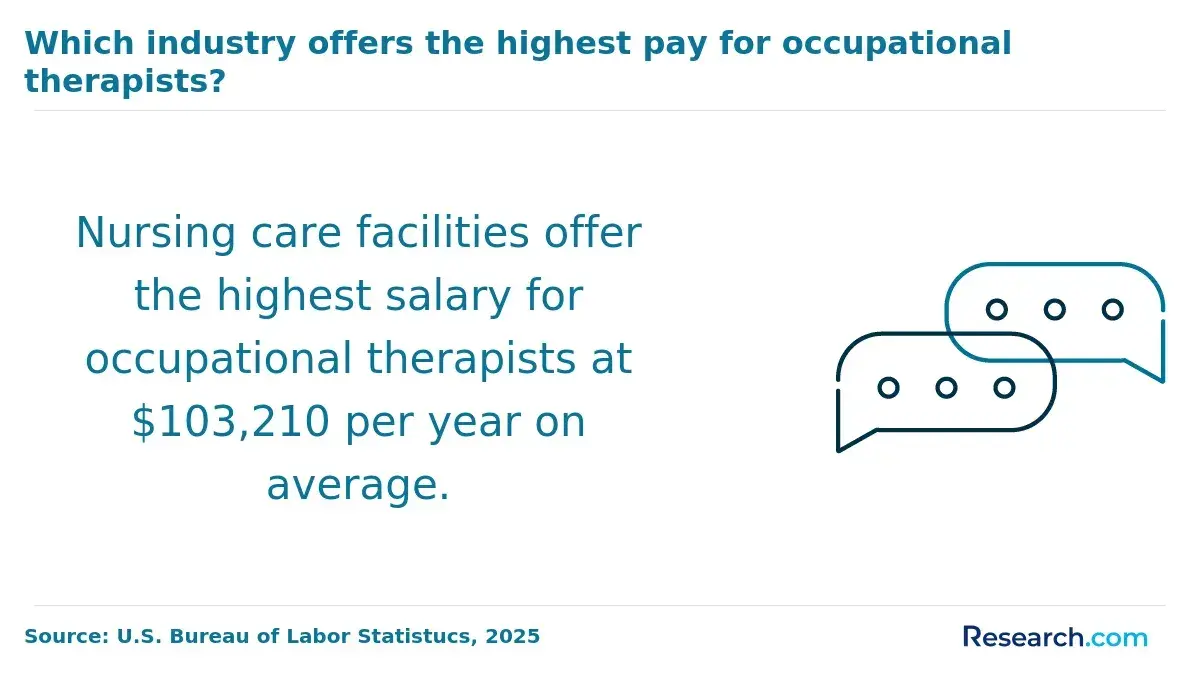
- Type of Employer: Hospital and rehabilitation center employees typically receive better pay and benefits compared to those working in schools or home health agencies. Large health networks often offer more competitive salaries and opportunities for growth.
- Geographic: Location Within Connecticut Salaries shift across regions, with urban areas like Hartford offering higher hourly wages—around $49.28—due to higher living costs and demand for services, compared to the statewide average of $44.13 per hour.
- Education and Specialization: Advanced degrees and specialized certifications, such as pediatrics or hand therapy, tend to boost earning potential by opening doors to higher-paying roles and leadership positions.
- Employment Status and Work Hours: Full-time OTs often earn more than part-time or per diem workers, with overtime and additional shifts contributing to increased overall compensation depending on the employer’s policies.
- Market Demand and Workforce Saturation: Areas experiencing occupational therapist shortages generally offer higher salaries to attract talent, while regions with more practitioners may have slower wage growth.
- Cost of Living Adjustments: Connecticut’s average OT salary ranges between $95,950 and $115,065 annually, but urban centers raise pay to offset living expenses, balancing earnings with regional costs.
If you are exploring educational pathways, consider looking into medical billing and coding online schools that accept financial aid as part of a broader healthcare education strategy.
What Do Occupational Therapists in Connecticut Say About Their Career?
- Tyrus: "Completing my occupational therapy program at Sacred Heart University was a transformative experience that truly prepared me for my career in Connecticut’s educational system. Starting my role as an occupational therapist in a local school has been incredibly rewarding, allowing me to make a meaningful difference in students' lives every day. The resources and support within Connecticut schools foster a collaborative environment where I continue to grow professionally. I’m passionate about helping young learners overcome challenges and thrive both academically and personally. "
- Linda: "My journey through Quinnipiac University’s occupational therapy program equipped me with strong clinical skills and a deep understanding of diverse student needs. Working in a Connecticut academic institution has provided unique opportunities to engage with students from various backgrounds, reflecting the state’s rich cultural tapestry. The state's commitment to educational inclusion and well-being has encouraged my growth as a therapist and community advocate. I feel privileged to contribute to the holistic development of children, which makes my work truly fulfilling."
- Rashid: "Training at the University of Hartford gave me a solid foundation in occupational therapy alongside exposure to Connecticut’s distinct regional health initiatives. Transitioning into a school setting here challenged me to adapt and innovate, especially catering to students’ evolving needs in an ever-changing environment. Professionally, Connecticut offers great stability and numerous avenues for advancement, which motivates me to continue expanding my expertise. It is deeply gratifying to see the positive impact my efforts have on the well-being and confidence of the young individuals I work with. "
Can additional certifications enhance your occupational therapy career in Connecticut?
Occupational therapists seeking to broaden their scope may benefit from targeted certifications that complement clinical expertise and expand patient care strategies. Pursuing advanced credentials can facilitate interdisciplinary collaboration and open new career pathways in integrated care settings. For instance, reviewing how to become a caregiver in Connecticut offers valuable insight into an alternative qualification that supports a more holistic approach to patient support.
Related Articles for Nearby States
- 2027 How to Become an Occupational Therapist in New York
- 2027 How to Become an Occupational Therapist in Rhode Island
- 2027 How to Become an Occupational Therapist in Massachusetts
- 2027 How to Become an Occupational Therapist in New Jersey
- 2027 How to Become an Occupational Therapist in Pennsylvania
- 2027 How to Become an Occupational Therapist in Vermont
- 2027 How to Become an Occupational Therapist in New Hampshire
- 2027 How to Become an Occupational Therapist in Delaware
- 2027 How to Become an Occupational Therapist in Maryland
- 2027 How to Become an Occupational Therapist in Maine
References:
- 18 Occupational Therapist Skills Required for Success https://www.alliant.edu/blog/occupational-therapist-skills
- OT/OTA Licensure Applications & Fees by State https://triagestaff.com/ot-ota-licensure-applications-fees-by-state/
- Therapy Comply - Connecticut Occupational Therapy Scope of Practice https://therapycomply.com/Connecticut/Occupational-Therapy/Scope-of-Practice
- Occupational Therapist Continuing Education Requirements https://portal.ct.gov/dph/practitioner-licensing--investigations/physicaltherapistassistant/occupational-therapist-continuing-education-requirements
- Occupational Therapy Connecticut: Connecticut Occupational Therapy CE Requirements | Westernschools Learning https://www.westernschools.com/occupational-therapy/connecticut/requirements/
- Scholarships & Financial Aid | Sacred Heart University https://www.sacredheart.edu/majors--programs/occupational-therapy---msot/scholarships--financial-aid/
- Travel Occupational Therapist License Processing Timeframes by State https://www.coremedicalgroup.com/traveler-tools/resources/ot-licensure
- CEU Keeper | Connecticut OT CEU Requirements https://ceukeeper.com/continuing-education-requirements/occupational-therapy/connecticut/
- Connecticut OT CEU Requirements & Discounts! • OT Potential https://otpotential.com/ot-continuing-education-requirements/connecticut
- Unlock the Secrets to Connecticut OT Licensure: Are You Eligible? || TinyEYE Therapy Services https://tinyeye.com/blog/unlock-the-secrets-to-connecticut-ot-licensure-are-you-eligible.php
Other Things You Need to Know About Becoming an Occupational Therapist in Connecticut
To be licensed in Connecticut, OTs must graduate from an accredited OT program, pass the NBCOT exam, and submit an application to the Connecticut Department of Public Health with the required fee. Continuing education is also necessary for maintaining licensure.
First, earn a master's or doctoral degree in occupational therapy from an accredited program. Next, pass the NBCOT exam and achieve a valid score. Finally, apply for a state license from the Connecticut Department of Public Health.
In 2027, applicants must have completed courses in biology, anatomy, physiology, and psychology for OT school admission in Connecticut. Additionally, a bachelor's degree, volunteer experience, and GRE scores may be required, depending on the program. Requirements vary, so check with specific schools for the most accurate information.


