
2027 How to Become a Medical Assistant in Delaware Online

Co-Founder and Chief Data Scientist
Delaware’s healthcare sector shows steady growth, with medical assistant roles increasing by 15% from 2020 to 2030 according to state labor statistics. This suggests a promising demand for well-trained professionals in the area. However, candidates should consider factors such as certification requirements and local employment competition before committing to this career path. Pursuing medical assistant training online offers flexibility, making education accessible for diverse learners.
This article explores the process of becoming a medical assistant in Delaware through online programs. Developed by career planning experts, it provides essential, research-based insights to guide readers toward informed decisions about this pathway.
Key Things to Know About Becoming a Medical Assistant in Delaware
- Enroll in a reputable accredited online program that meets Delaware’s state requirements, ensuring both theoretical knowledge and practical skills.
- Complete clinical externships locally in Delaware, as hands-on experience is essential and cannot be done remotely.
- Consider certification options like the CMA (AAMA) or RMA, which enhance employment opportunities but are not mandated by Delaware law.
- Can you become a medical assistant in Delaware through online programs?
- How long are online medical assistant programs in Delaware?
- Are online medical assistant programs in Delaware accredited?
- How do you get certified as a medical assistant in Delaware online?
- How long does it take to become a medical assistant in Delaware?
- How much does it cost to complete a medical assistant program in Delaware online?
- Can you get financial aid for online medical assistant training in Delaware?
- Can pursuing supplementary healthcare credentials boost career growth for online medical assistants in Delaware?
- What is the average salary for medical assistants in Delaware?
- Are online-trained medical assistants hired as often as campus-trained ones in Delaware?
- Do online medical assistant programs in Delaware lead to advanced healthcare careers?
Can you become a medical assistant in Delaware through online programs?
Online medical assistant programs in Delaware offer significant flexibility, allowing students to balance their studies with other responsibilities. However, while these programs cover essential theoretical knowledge, certain skills in medical assisting require direct, hands-on experience that online instruction alone cannot fully provide.
- Online Coursework: Most programs deliver foundational subjects like medical terminology, anatomy, and patient care through interactive, self-paced online modules designed to fit various learning preferences.
- Hybrid Learning Models: Delaware’s programs typically combine online theory with mandatory in-person sessions, ensuring students obtain practical skills essential for clinical work.
- Clinical Labs: Students must often attend on-campus labs to practice vital skills such as measuring vital signs and patient communication under supervision, which cannot be replicated solely online.
- Externships: All credible programs require externships at local healthcare facilities, providing real-world training crucial for meeting job standards; these typically involve 160 to 180 hours of hands-on practice scheduled during regular work hours.
- Program Length and Scheduling: Certificate tracks can take as little as four months, while associate degrees extend up to sixteen months, offering relatively swift routes to entering the medical assisting workforce.
- Additional Certifications: Some programs include options to earn certifications in areas like phlebotomy and EKG technology, which can broaden employment prospects.
Students who wish to become a certified medical assistant online in Delaware should carefully consider how programs integrate practical training with online content. For those exploring aspects of medical billing and coding, reviewing the medical billing and coding description can provide useful context for career opportunities related to medical assisting.
How long are online medical assistant programs in Delaware?
The length of an online medical assistant program in Delaware varies significantly depending on the credential chosen—certificate, diploma, or associate degree. Each path offers a different balance between time commitment and depth of training, allowing students to select a program that fits their personal circumstances and career aspirations.
- Certificate Programs (4–6 Months): These programs are the quickest route into the workforce, often designed to provide essential clinical and administrative skills. For example, some certificate options can be completed in as little as four months and prepare students for certification exams to accelerate employment readiness.
- Diploma Programs (9–12 Months): Diploma courses generally offer more extensive training than certificates, including both online instruction and hands-on clinical experiences. Typically lasting around 9 to 12 months, these programs prepare students for multiple certifications and provide a more comprehensive foundation.
- Associate Degree Programs (16–24 Months): The longest option, associate degrees combine online coursework with clinical labs and externships. Taking approximately 1.5 to 2 years, these programs include broader general education components and could open doors to administrative or supervisory roles in medical assisting.
Choosing between these options depends on factors such as time availability, financial resources, and long-term career goals. While shorter programs allow quicker entry into the field, associate degrees may offer enhanced opportunities for advancement. Additionally, externship requirements ensure practical experience regardless of the program length. For students interested in expanding their credentials, exploring pathways like the CBCS or CPC certification for career growth can provide further benefits within the healthcare industry.
Are online medical assistant programs in Delaware accredited?
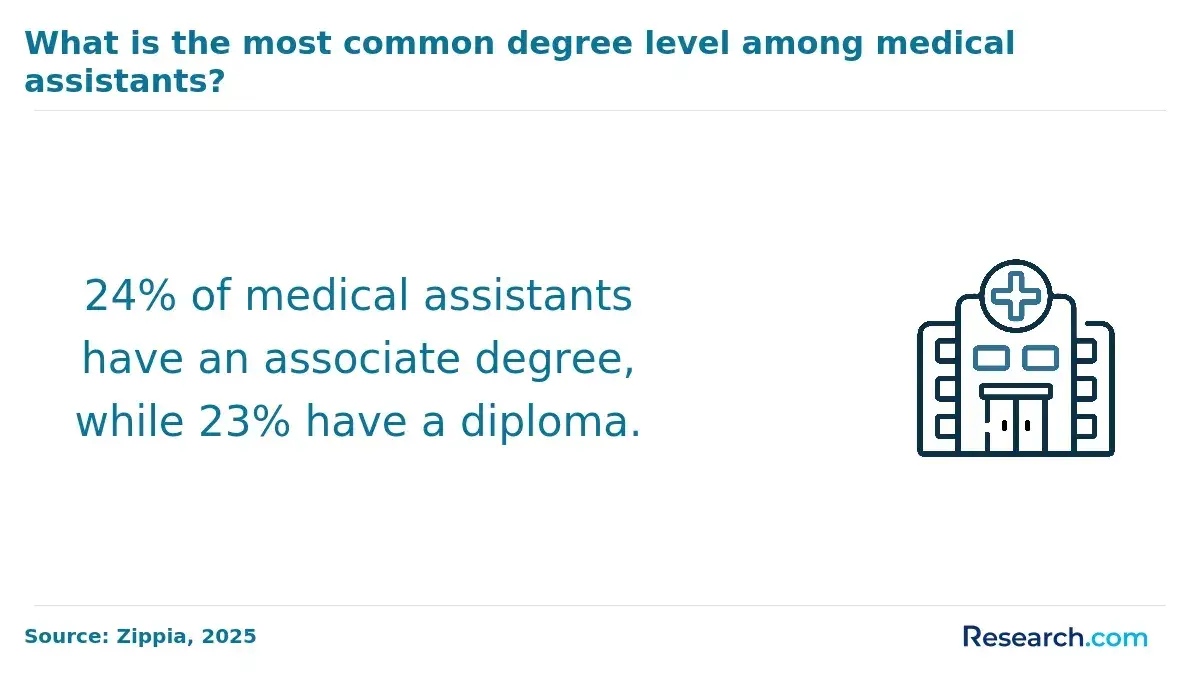
Accreditation serves as a vital benchmark of quality and rigor for online medical assistant programs in Delaware. It helps ensure that these programs equip students with the necessary knowledge and skills to perform effectively in healthcare environments. Without accreditation, students might find themselves unprepared for both professional demands and certification requirements. Two main bodies oversee Delaware medical assistant program accreditation, both recognized for maintaining high standards in allied health education:
- Commission on Accreditation of Allied Health Education Programs (CAAHEP): CAAHEP is the largest accreditor for health sciences programs in the U.S., focusing on comprehensive curriculum standards, faculty expertise, and clinical training quality. Programs accredited by CAAHEP undergo frequent evaluations to stay aligned with evolving healthcare practices.
- Accrediting Bureau of Health Education Schools (ABHES): ABHES emphasizes quality assurance in allied health education, ensuring that programs provide thorough clinical and administrative medical assistant training. Their accreditation process supports ongoing program improvement to meet workforce needs.
While accreditation confirms alignment with established standards, it is still wise for prospective students to research specific programs thoroughly, as accreditation alone does not guarantee the quality of all aspects of the educational experience. For those interested in the broader field, understanding what does the job of a medical biller and coder involve may also provide useful career context.
How do you get certified as a medical assistant in Delaware online?
Certification for medical assistants in Delaware signals verified professional skills and often enhances job prospects. Online education has broadened access to training by allowing students to complete theoretical coursework remotely while still fulfilling essential in-person clinical requirements.
- Research Accredited Online Programs: Identify accredited online or hybrid medical assistant programs recognized by national bodies. Graduating from such programs is typically necessary to qualify for certification exams like the CMA or RMA.
- Complete Online Coursework: Enroll in and finish theory-based classes covering anatomy, medical terminology, and office procedures. Online formats commonly use interactive tools to support flexible, self-paced learning.
- Fulfill In-Person Clinical Requirements: Certification mandates hands-on clinical training, usually including lab courses and externships at approved Delaware healthcare sites. Students often arrange local placements with guidance and must complete certifications such as Basic Life Support.
- Graduate and Obtain Program Certificate: Successfully completing all coursework and clinical components leads to earning a certificate or diploma, which is required for applying to certification exams.
- Prepare for and Take Certification Exams: After graduation, candidates pursue national certifications like CMA (AAMA), RMA (AMT), or CCMA (NHA). These certifications have eligibility criteria that include accredited education completion and exam passage.
While online pathways improve accessibility and convenience, it remains critical to verify program accreditation and ensure clinical training meets standards. This balanced approach helps maintain the rigor necessary for professional competency and aligns with Delaware employers’ expectations.
How long does it take to become a medical assistant in Delaware?
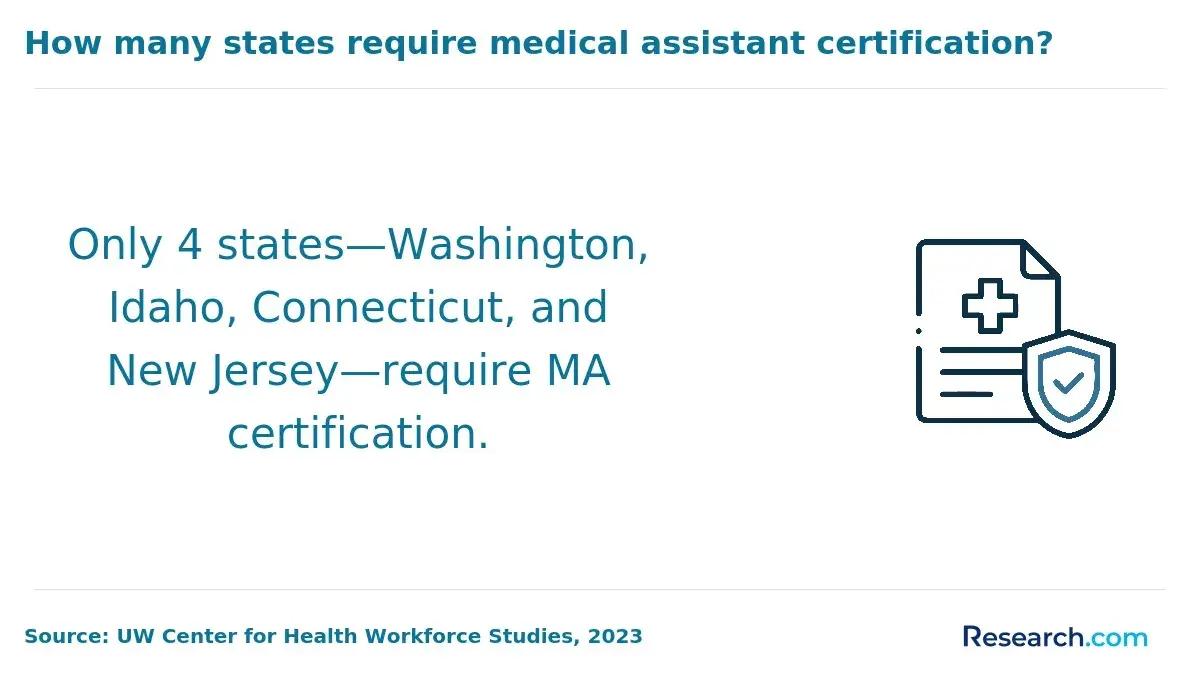
The time it takes to become a medical assistant in Delaware is influenced by several key factors including the length of the educational program chosen, certification preparation, and clinical training requirements. Certificate or diploma programs tend to be shorter, often completed within 9 to 12 months, while associate degree programs may take up to 24 months due to their broader academic scope. Certification, although not legally required in Delaware, is highly valued by employers and can add additional weeks or months for exam preparation after formal education. Clinical training integrated into these programs also varies, impacting how quickly a candidate gains hands-on experience deemed necessary for entry-level positions.
Most students in Delaware complete their medical assistant training and enter the workforce within about one to two years. Those pursuing certificate programs often finish sooner, but may invest extra time preparing for national certification exams to enhance employability. Conversely, students opting for associate degrees typically spend closer to two years before graduating, which can extend if clinical externships lengthen or if part-time study is necessary. Factors like program format, personal schedules, and access to clinical sites can either accelerate or prolong this timeline, emphasizing that flexibility and individual circumstances play significant roles in completion time.
When discussing the timeline with a medical assistant from Delaware who graduated from a local online program, he reflected on the balance between flexibility and discipline that shaped his experience. He admitted that the online classes allowed him to study at his own pace, which helped accommodate his work and family commitments, but the clinical externship was an intense period that demanded full engagement and real-world application of skills.
How much does it cost to complete a medical assistant program in Delaware online?
The cost to complete a medical assistant program online in Delaware can vary widely based on the institution, program length, and included services. Tuition may be relatively low in certificate programs but rises significantly for associate degrees or more comprehensive credentials. Beyond tuition, several other fees and expenses contribute to the total cost and should be carefully considered.
- Tuition: The largest portion of expenses, tuition differs by program type and provider. For instance, some certificate programs charge as little as around $316 total, while associate degrees can exceed $10,000. Monthly payment plans may be available at some schools, affecting how costs are managed.
- Textbooks and Supplies: Essential course materials sometimes come included but often must be purchased separately. Costs for textbooks and supplies like stethoscopes typically range from $100 to $500 depending on program requirements and format.
- Technology Fees: Many programs assess fees for online platform access and technical support, usually between $50 and $200 per term. These fees can fluctuate depending on the sophistication of the online learning environment.
- Exam Preparation and Certification: Costs associated with certification exams like the CCMA may be included in tuition or charged separately. Exam fees tend to range from $125 up to around $259, with some schools bundling prep materials into their overall cost.
- Externship Expenses: While externship placement might be provided at no extra cost, students should budget for transportation, professional attire, and potential income loss during this required hands-on clinical experience.
- Application and Enrollment Fees: Some programs require a small, non-refundable fee—commonly around $29—to process applications or enroll students, which adds to upfront expenses.
- Miscellaneous Costs: Additional possible expenses include background checks, health screenings, immunizations, and optional professional association dues, all of which may be mandatory for clinical participation or professional networking.
Knowing the full range of expenses equips prospective students to budget realistically and identify financial aid or payment options. Since certificate programs can be affordable but associate degrees represent a larger investment, understanding these variances allows better planning and reduces the risk of surprise costs during the path to certification.
Can you get financial aid for online medical assistant training in Delaware?
Financial aid can significantly reduce the cost of online medical assistant training in Delaware, making it more attainable for students from diverse backgrounds. Various aid options cater to different needs, though eligibility often depends on program accreditation and residency status.
- Federal Grants: Available primarily for accredited programs, these grants do not require repayment but may exclude some online courses that lack recognized certification.
- Student Loans (State and Private): Delaware offers interest-free loans for residents under specific programs, while private loans serve those not qualifying for federal aid, with repayment terms varying by program.
- Scholarships: Merit- or need-based awards target diverse applicants, including those from underrepresented communities or impacted by the pandemic.
- Employer Tuition Assistance: Some healthcare employers support current or prospective employees through partial or full tuition reimbursement, especially for accredited online training.
When asked about financial aid, a Delaware medical assistant who graduated from a local accredited online program shared that navigating options was initially overwhelming. She recalled, “Understanding which scholarships applied to me required patience,” and that the interest-free state loans were crucial in easing her financial burden while studying. Employer support further supplemented her aid, allowing her to focus more on learning than on finances. Her experience underscores the importance of persistence and researching all available resources for online students in Delaware.
Can pursuing supplementary healthcare credentials boost career growth for online medical assistants in Delaware?
Expanding your qualifications beyond an online medical assistant program can open additional career pathways and enhance professional credibility. Specialized certifications and advanced training can differentiate candidates in a competitive labor market by providing expertise in niche areas, leading to roles with greater responsibility and improved compensation. For instance, exploring pathways such as how to become an occupational therapist in Delaware can offer diverse opportunities for advancement within the healthcare field.
What is the average salary for medical assistants in Delaware?
Medical assistant salaries in Delaware vary widely depending on factors such as geographic location, experience level, and healthcare setting. While completing an online medical assistant program provides essential skills for entry into the profession, it does not directly impact salary; instead, certification, experience, and local market demands play larger roles in determining earnings.
- Entry-Level Pay: New medical assistants in Delaware typically earn around $35,500 annually, or about $17 per hour, with lower wages common in smaller cities or rural areas, such as Dover where rates may drop to $14.68 per hour.
- Median Salary: The median annual salary stands near $41,406, roughly $20 per hour, reflecting the typical wage for those with moderate experience or additional responsibilities.
- Experienced and Certified Wages: Certified medical assistants earn an average of $46,442 per year, with top earners making over $52,000, highlighting the financial benefits of certification and experience.
- Work Setting Differences: Hospitals and large outpatient clinics tend to offer higher salaries and better benefits than smaller private practices, though detailed Delaware-specific data is limited.
Understanding these salary nuances is crucial for aspiring medical assistants in Delaware. Carefully considering factors like certification, location, and employer type can help individuals make informed career choices and anticipate realistic earning potential in this evolving field.
Are online-trained medical assistants hired as often as campus-trained ones in Delaware?
Employers in Delaware often differentiate between online-trained and campus-trained medical assistants based on the degree of hands-on clinical experience and practical readiness each candidate brings. While online programs improve accessibility and flexibility, there remains a preference for graduates who demonstrate strong in-person skills acquired through supervised, real-world training. This distinction influences hiring practices in the state's healthcare job market.
- Clinical Training Requirements: Both online and campus programs in Delaware mandate hands-on clinical components such as lab work and externships to ensure practical competence. For instance, some online curricula incorporate on-site clinical skills sessions and externships to bridge gaps between virtual coursework and real-life patient care experiences.
- Employer Preferences: Delaware employers typically prioritize candidates from accredited programs emphasizing clinical training, regardless of delivery format. Nonetheless, a perception persists that campus-trained candidates may be better prepared for face-to-face patient interactions, especially if an online program lacks substantial in-person experiences.
- Job Readiness and Certification: Certification, particularly the Certified Clinical Medical Assistant (CCMA), is crucial for employment and can equalize opportunities between online and campus graduates. Programs that support externship placements and exam preparedness tend to enhance graduates’ competitiveness in the local job market for medical assistant job opportunities in Delaware for online graduates.
- Regional Workforce Needs: The high demand for medical assistants in Delaware’s healthcare settings encourages employers to consider qualified online-trained candidates who have met clinical and certification standards. This growing acceptance reflects evolving workforce dynamics and urgency in staffing hospitals and clinics.
- Accreditation and Program Quality: Accreditation remains a key factor in employment decisions, assuring that training—whether online or in-person—meets recognized industry standards. Prospective students should weigh this aspect alongside the choice between modalities, especially when considering the value of a medical billing and coding certificate or bachelors degree which is more valuable.
Do online medical assistant programs in Delaware lead to advanced healthcare careers?
Medical assisting provides a practical starting point for many seeking to enter the healthcare industry, combining essential clinical and administrative skills. Online medical assistant programs in Delaware healthcare industry offer vital flexibility, especially for students balancing other responsibilities, enabling them to gain credentials while managing work or family commitments.
- Nursing (LPN/RN) Pathways: Many medical assistants use their foundational experience as a springboard to nursing roles such as Licensed Practical Nurse or Registered Nurse. Their hands-on patient care and clinical exposure align closely with nursing program requirements, making this a common route for career advancement opportunities for Delaware medical assistants.
- Healthcare Administration: The administrative and operational knowledge gained as a medical assistant can lead to positions in medical office management or health information roles. Typically, advancing in this direction requires further education, but the medical assistant role offers a valuable entry point into healthcare administration.
- Specialized Medical Assisting: Pursuing certifications in focused areas like ophthalmology or cardiology can qualify medical assistants for specialized clinical duties and higher pay. Delaware healthcare employers often prefer candidates with these advanced certifications for specialty clinics.
- Allied Health Professions: Experience gained as a medical assistant can ease transition into allied health roles such as respiratory therapy or radiologic technology. Local community colleges frequently offer bridge programs recognizing prior skills, shortening advanced training times.
- Advanced Certifications and Continuing Education: Many online programs prepare students for national certifications like Certified Medical Assistant, which are valued by Delaware employers and form a basis for ongoing professional growth. Continuing education plays an important role in expanding career options.
For those interested in branching further, resources such as medical billing and coding classes online financial aid can complement medical assisting training, offering additional pathways within healthcare. While certification alone doesn’t guarantee advancement, it lays a foundation that, when combined with experience and further credentials, opens multiple doors in the evolving healthcare landscape.
What Do Medical Assistants in Delaware Say About Their Career
- Completing my medical assistant training online through Delaware Career Institute was a game-changer. The flexible schedule allowed me to balance family responsibilities while gaining hands-on skills essential for my new role. Starting work in a local academic institution has been incredibly rewarding, especially knowing I’m contributing directly to the health and well-being of students in my community. The program’s focus on empathy and patient care gave me the confidence to excel from day one. Errol
- Reflecting on my journey as a medical assistant, the online program at Wilmington Health Academy offered me unmatched professional development opportunities. The course content was tailored to meet Delaware’s unique healthcare environment, which helped me understand the challenges of urban and rural settings. Working in a local school setting, I’ve seen firsthand how vital my role is in supporting young people’s access to healthcare, making every day meaningful and motivating me to keep advancing my skills. Noemi
- Training at First State Medical Academy online provided me the freedom to learn at my own pace while still connecting with experienced instructors. This approach was crucial in helping me grow personally and professionally, especially as I sought a career aligned with my passion for community impact. Working in a Delaware school means I face unique cultural and environmental challenges, but it also means I get to promote health education in a place that truly values prevention and care. It’s fulfilling to be part of something bigger. Ernest
Related Articles for Nearby States
- 2027 How to Become a Medical Assistant in Maryland Online
- 2027 How to Become a Medical Assistant in New Jersey Online
- 2027 How to Become a Medical Assistant in Pennsylvania Online
- 2027 How to Become a Medical Assistant in Virginia Online
- 2027 How to Become a Medical Assistant in West Virginia Online
- 2027 How to Become a Medical Assistant in New York Online
- 2027 How to Become a Medical Assistant in Connecticut Online
- 2027 How to Become a Medical Assistant in Rhode Island Online
- 2027 How to Become a Medical Assistant in North Carolina Online
- 2027 How to Become a Medical Assistant in Ohio Online
References:
- 4-Month Delaware Medical Assistant Certification Program https://www.stepful.com/program/delaware-medical-assistant-certification-program
- Delaware Online Medical Assistant Certificate Program | Self-Paced Course https://www.uscareerinstitute.edu/online-medical-assistant-school/delaware
- Medical Assisting Online - Dawn Career Institute - Newark, DE https://dawncareerinstitute.edu/medical-assisting-online/
- Online Certified Clinical Medical Assistant (CCMA) (Voucher Included) from Delaware Valley University https://careertraining.delval.edu/training-programs/certified_clinical_medical_assistant/
- Online Medical Assisting Programs for Delaware Residents https://www.herzing.edu/healthcare/medical-assisting/delaware
- Health Care Careers - Delaware County Community College https://www.dccc.edu/course/health-care-career/
- Medical Assistant - Delaware Technical Community College https://www.dtcc.edu/academics/programs-study/medical-assistant/
Other Things You Need to Know About Becoming a Medical Assistant in Delaware Online
In 2027, online medical assistant programs in Delaware generally include virtual simulations, video demonstrations, and theoretical coursework to cover clinical skills. However, certain hands-on training, such as phlebotomy or EKG procedures, typically requires in-person practice at designated facilities or through an externship to ensure competency.
In Delaware, completing an online medical assistant program typically takes between 9 to 12 months if pursued full-time. Part-time programs might extend the duration. This time frame includes didactic learning and practical components, which are crucial for certification.
In 2027, online medical assistant programs in Delaware focus on courses like medical terminology, anatomy and physiology, and administrative tasks. Skills developed include patient interaction, record management, and basic clinical procedures. Clinical skills are typically gained via in-person internships or labs at designated locations.


