
2027 How to Become a Medical Assistant in Maryland Online

Co-Founder and Chief Data Scientist
Maryland’s healthcare sector shows robust growth, with employment for medical assistants expected to rise by 15% through 2030, reflecting strong demand for skilled professionals. The state offers competitive wages and diverse opportunities in hospitals, clinics, and outpatient centers. Pursuing a career as a medical assistant in Maryland combines stability with meaningful patient interaction. Online programs provide flexible pathways to certification, making training accessible without sacrificing personal or work commitments.
This article, crafted by career planning experts, explores the essential steps to become a medical assistant in Maryland through accredited online courses. It aims to equip readers with clear, reliable guidance tailored to this evolving field.
Key Things to Know About Becoming a Medical Assistant in Maryland
- Choose a Maryland-accredited online program that offers comprehensive coursework and clinical externships to ensure eligibility for certification exams.
- Complete the Certified Medical Assistant (CMA) exam through the AAMA, a widely recognized credential boosting job prospects in Maryland’s growing healthcare market.
- Leverage Maryland’s high demand for medical assistants, with employment expected to grow 19% through 2030, making online education a flexible path to a stable career.
- Can you become a medical assistant in Maryland through online programs?
- How long are online medical assistant programs in Maryland?
- Are online medical assistant programs in Maryland accredited?
- How do you get certified as a medical assistant in Maryland online?
- How long does it take to become a medical assistant in Maryland?
- How much does it cost to complete a medical assistant program in Maryland online?
- Can you get financial aid for online medical assistant training in Maryland?
- Can a Medical Assistant Role Serve as a Gateway to Advanced Healthcare Careers in Maryland?
- What is the average salary for medical assistants in Maryland?
- Are online-trained medical assistants hired as often as campus-trained ones in Maryland?
- Do online medical assistant programs in Maryland lead to advanced healthcare careers?
Can you become a medical assistant in Maryland through online programs?
Online medical assistant programs in Maryland offer valuable flexibility, allowing students to manage studies alongside work and personal life. Yet, these programs often face challenges in fully providing hands-on clinical experience, which is vital for real-world patient care skills. Consider these key aspects when pursuing becoming a medical assistant online in Maryland:
- Online Coursework: Core subjects such as medical terminology, anatomy, and healthcare systems are delivered through online classes, enabling self-paced learning tailored to individual schedules.
- Hybrid Learning Models: Many programs blend online lectures with in-person clinical labs or externships to ensure both knowledge and practical skill development.
- Externship and Clinical Training: Hands-on experience is completed at local healthcare facilities, often requiring several weeks of supervised practice to build necessary competencies.
- Program Duration: Completion times vary, with some diploma programs finishing in as little as 4 months and associate degree options taking about 16 months.
- Scheduling Flexibility: Classes are often available throughout the day, making it easier for students to balance education with other commitments.
- Student Support Services: Virtual advising, tutoring, and career coaching are typically available to maintain student engagement and success.
- Maryland Workforce Context: With over 11,000 medical assistants employed statewide, completing an online or hybrid program allows candidates to qualify for certification exams and entry-level roles.
For those considering this path, understanding the balance between online convenience and the necessity of in-person clinical training is essential. Also, exploring career outcomes such as the medical billing and coding career salary landscape may provide a broader context for related healthcare roles.
How long are online medical assistant programs in Maryland?
The duration of online medical assistant programs in Maryland varies significantly based on the type of credential a student chooses to pursue. Whether opting for a certificate, diploma, or associate degree, the program length reflects the depth of training and practical experience involved. Understanding the duration of online medical assistant programs in Maryland can help students align their educational pathway with their personal and professional goals.
- Certificate or Short-Term Training Programs (4–7 months): These accelerated options provide a fast track to entering the workforce, often in as little as four months. They focus on core clinical skills and prepare students quickly for national certification exams, ideal for those seeking a swift career start.
- Diploma Programs (9–12 months): Diploma programs offer a more balanced approach between rapid completion and comprehensive training. Typically lasting around 9 to 12 months, these programs include clinical labs and externships that build practical experience while providing solid theoretical foundations.
- Associate Degree Programs (16–24 months): For students looking for broader healthcare opportunities or intending to continue their education, associate degrees provide extensive coursework over 16 to 24 months. These programs deepen clinical skills and general education, paving the way for career advancement or transfer to higher degree programs.
Given the range in time commitment, students should carefully evaluate how many months is medical assistant training in Maryland that best suits their career timeline and ambitions. Selecting the right program depends not just on how quickly one wants to complete training but also on the level of knowledge and credentials desired. For those interested in certification details, exploring the differences between CPC and CBCS certifications can provide additional clarity on credential pathways relevant to this field.
Are online medical assistant programs in Maryland accredited?
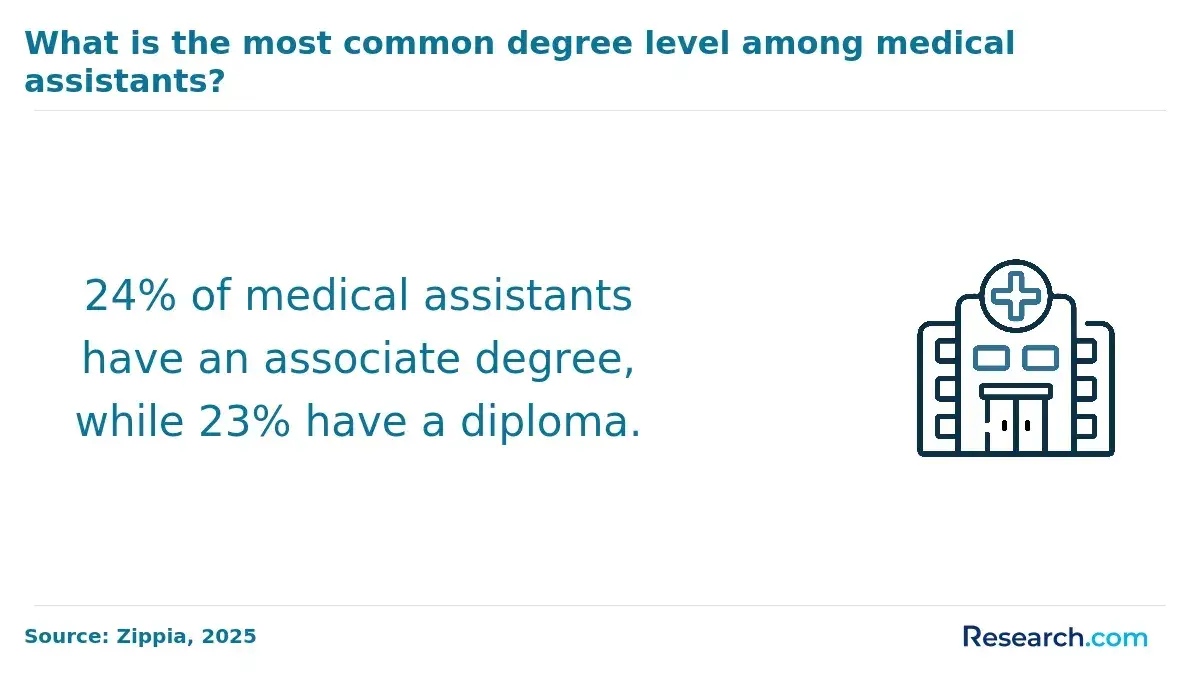
Accreditation plays a vital role in ensuring the quality and integrity of Maryland online medical assistant accreditation programs. It confirms that the curriculum, faculty, and student outcomes meet national standards, preparing students effectively for the demands of healthcare environments. For online learners, accreditation also guarantees that the education received aligns with professional benchmarks, which is crucial for certification and career advancement. Two primary accrediting bodies oversee accredited medical assistant programs in Maryland, both recognized for upholding rigorous standards:
- Commission on Accreditation of Allied Health Education Programs: CAAHEP is the leading accreditor for health sciences education across the United States. Its accredited programs ensure that students receive comprehensive training combining clinical and administrative skills. Graduates of CAAHEP-accredited programs become eligible to sit for the Certified Medical Assistant (CMA) exam, a credential highly respected by Maryland employers.
- Accrediting Bureau of Health Education Schools: ABHES specializes in health education accreditation and emphasizes a balanced approach with both theoretical and practical learning. Programs accredited by ABHES equip students to pursue not only the CMA but also the Registered Medical Assistant (RMA) certification, broadening their qualifications within Maryland’s competitive healthcare job market.
Enrolling in accredited medical assistant programs in Maryland assures students that their education will meet workforce expectations, including gaining hands-on experience often required for graduation. Accreditation positively impacts employability by signaling to healthcare providers that graduates have met nationally recognized standards. Additionally, students benefit from the alignment of course content with current professional duties, including understanding the job functions of a medical biller and coder, which are increasingly integrated in medical assistant roles.
How do you get certified as a medical assistant in Maryland online?
Certification as a medical assistant in Maryland significantly enhances employment opportunities and validates your professional skills. Online education programs have evolved to offer flexible and efficient paths to certification, balancing theoretical knowledge with practical requirements.
- Earn a High School Diploma or GED: A foundational requirement for any certification program, this ensures you possess the basic skills needed to grasp complex medical concepts and procedures.
- Enroll in an Accredited Online or Hybrid Program: Choose a program recognized by national accrediting bodies. Many online courses combine self-paced learning with interactive content, preparing you for both clinical and administrative tasks.
- Complete In-Person Clinical Requirements: Despite coursework being online, hands-on experience through supervised externships is essential. This phase develops your competency in patient care, phlebotomy, EKG, and other clinical skills.
- Prepare for National Certification Exams: Programs typically provide resources for exams like the CMA, CCMA, or RMA. Focused preparation improves your chances of passing and meeting employer expectations.
- Apply and Take the Certification Exam: Exams are computer-based and administered at approved centers. Successfully passing certifies your readiness to enter Maryland’s healthcare workforce.
Choosing online pathways today reflects a practical approach to balancing life and career goals without compromising quality. These programs integrate standard curricula with essential hands-on practice, ensuring that graduates are well-equipped for both certification and real-world healthcare demands.
How long does it take to become a medical assistant in Maryland?
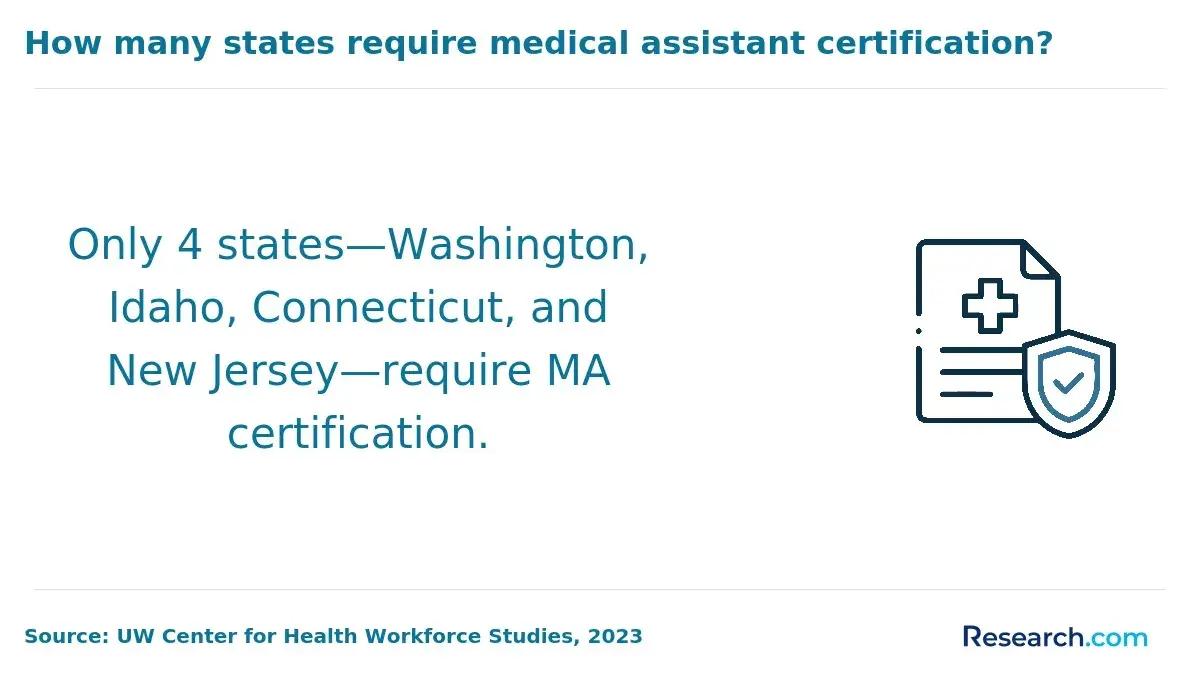
The time required to become a medical assistant in Maryland depends on factors such as program length, certification goals, and clinical experience. Certificate or diploma programs typically last 9 to 12 months and focus on essential clinical and administrative skills, while associate degree programs take 18 to 24 months and include broader coursework that can lead to advanced opportunities. Although certification is not legally required, most employers prefer or require credentials like the CMA or RMA, which may add preparation time. Clinical externships or on-the-job training also provide valuable hands-on experience that influences job readiness.
Overall, most students complete their training within one to two years, with faster certificate programs enabling quicker workforce entry and associate degrees offering more comprehensive preparation. Individual factors such as exam preparation, personal responsibilities, and preferred learning pace can extend or shorten the process, allowing flexibility for each student to tailor their path to their goals and circumstances.
When speaking with a Maryland medical assistant who graduated from a local school’s online program, he reflected on how the flexibility of distance learning both helped and challenged his progress. “Completing courses on my own schedule was a relief when juggling work,” he shared, noting that staying disciplined without in-person structure required extra motivation. He found that the clinical externship was the most intensive part, essential for building confidence but demanding careful coordination with healthcare sites. He recalled feeling anxious about the certification exam preparation phase, admitting, “It wasn’t just about finishing classes; the real test was proving I was ready.” His experience highlights that becoming a medical assistant here is less a fixed timeline and more a personal journey shaped by both education choices and perseverance.
How much does it cost to complete a medical assistant program in Maryland online?
The cost of completing a medical assistant program online in Maryland depends heavily on the chosen school and program format. Tuition may vary from affordable monthly payments to one-time comprehensive fees, while additional expenses like supplies and exam costs can influence the overall investment. Being aware of each component helps students budget realistically and avoid surprises.
- Tuition: This is usually the largest expense and can range widely. Some programs offer low monthly rates with initial fees, while others require a lump sum payment that may include exam fees and materials. Comparing what tuition covers is essential to understanding true value.
- Textbooks and Supplies: While many programs provide digital resources within the tuition cost, some may require extra purchases like clinical tools, textbooks, or equipment. It’s important to confirm whether these items are included or need to be bought separately.
- Technology Fees: Most online courses do not explicitly list technology fees, but reliable internet and suitable hardware are necessary. Students should also consider potential costs for software or data plans to access interactive learning components.
- Certification Exam Preparation and Fees: Exam fees and prep materials may or may not be included in tuition. Since certification significantly impacts employability, verifying if the program covers these costs or if additional payment is required is a wise step.
Knowing these cost aspects allows students to plan effectively and prioritize programs that provide clear, comprehensive pricing. This foresight minimizes the risk of unexpected expenses and supports a smoother, more confident path toward certification and employment in Maryland’s healthcare field.
Can you get financial aid for online medical assistant training in Maryland?
Financial aid plays a crucial role in making online medical assistant training more affordable and accessible for Maryland students. By easing the financial burden, it opens doors to this growing healthcare field, even for those balancing work or family commitments.
- Federal Grants: Awards like the Pell Grant help students with demonstrated financial need. Availability depends on program accreditation and Title IV eligibility, so not all online courses qualify.
- Student Loans: Federal loans often have lower interest rates and flexible repayment, but require enrollment in accredited programs. Private loans offer more options but come with higher rates and credit checks.
- Scholarships: Offered by healthcare groups, foundations, and schools, scholarships can significantly defray costs and reward merit or need.
- Employer Tuition Assistance: Some healthcare employers in Maryland provide tuition reimbursement or sponsorships, especially amid staff shortages.
When I spoke with a Maryland medical assistant who graduated from a local online program, she reflected on navigating financial aid as a challenge initially filled with uncertainty. “I wasn’t sure if the grants or loans applied to my course,” she said, “but my school’s financial aid office really helped clarify what was available, especially regarding flexible payment plans and employer assistance.” She emphasized that persistence and asking the right questions made a big difference, transforming what felt like an obstacle into manageable steps, ultimately allowing her to complete her training without overwhelming debt.
Can a Medical Assistant Role Serve as a Gateway to Advanced Healthcare Careers in Maryland?
Leveraging the hands-on experience and diverse clinical skills acquired as a medical assistant can lead to opportunities in more advanced healthcare positions. Professionals may build on their foundational training to explore roles that involve greater patient responsibility, specialized clinical areas, or supervisory duties. For those considering a shift to allied health fields, targeted education and strategic career planning are essential. Explore how to become an occupational therapist in Maryland as an example of advancing into a specialized area, which can complement the broad experience gained in medical assisting.
What is the average salary for medical assistants in Maryland?
Salaries for medical assistants in Maryland vary widely based on geographic location, experience level, and healthcare setting, while the mode of training—online or in-person—typically does not influence earning potential. Employers prioritize practical skills, certifications, and proven competence over the format of initial education when determining compensation.
- Entry-Level Pay: New medical assistants earn between $15.99 and $17.50 per hour, or approximately $33,000 to $36,400 annually, offering a foundation for skill development and career growth.
- Median Salary: The median annual salary is around $45,060, equating to an hourly range of $19.30 to $22.00, reflecting Maryland’s higher cost of living and demand.
- Experienced Wages: Experienced assistants in the top 10% make up to $55,500 annually, with hourly wages reaching $26.60, often tied to certification and supervisory roles.
- Healthcare Settings: Salaries differ by work environment; hospitals may offer better benefits, while specialized practices and outpatient clinics can provide higher hourly rates between $19.16 and $27.77.
Understanding these salary dynamics equips aspiring medical assistants in Maryland to navigate their career options strategically, emphasizing certification and experience to maximize earning potential.
Are online-trained medical assistants hired as often as campus-trained ones in Maryland?
Employers in Maryland often differentiate between online-trained and campus-trained medical assistants by the extent of hands-on experience and clinical skills each candidate possesses. While campus-based programs typically offer more supervised, in-person training, many online programs incorporate clinical components or externships to build practical abilities. Ultimately, the path to employment depends on how well candidates demonstrate clinical competence and readiness for the job.
- Clinical Training Requirements: Maryland employers generally expect candidates to complete substantial hands-on training, whether through campus labs or arranged externships in online courses. Successful programs balance theory with practical application, ensuring graduates develop essential clinical skills.
- Employer Preferences: While some employers may lean toward campus graduates due to perceived rigor, many prioritize certification and demonstrated competency in phlebotomy, EKGs, and patient coordination. The value placed on training modality varies across healthcare settings.
- Job Readiness: Real-world experience, such as internships or externships, is highly valued, enhancing a candidate’s ability to adapt quickly on the job. Online programs that require supervised clinical components can offer comparable preparedness to campus alternatives.
- Certification and Accreditation: Holding certification from recognized bodies is crucial in Maryland’s competitive healthcare market. Both online and campus-trained graduates are eligible for certification exams, which often outweigh training format in hiring decisions.
- Regional Workforce Needs: With growing demand for medical assistants in the state, employers may show flexibility regarding online versus campus training, focusing instead on speed to hire certified and competent candidates. This openness supports remote medical assistant positions that Maryland is increasingly offering.
Students exploring affordable pathways to enter this growing field might consider cheap online medical billing and coding courses as a complementary skill set to enhance their employability.
Do online medical assistant programs in Maryland lead to advanced healthcare careers?
Medical assisting provides a practical entry point into healthcare, combining clinical skills and administrative duties that prepare individuals for a variety of roles. The availability of online medical assistant programs in Maryland adds significant flexibility, allowing students and professionals to pursue their education without interrupting their work or personal commitments. This adaptability supports career advancement for Maryland medical assistants by opening doors to diverse healthcare pathways.
- Licensed Practical Nurse (LPN) or Registered Nurse (RN): Many medical assistants leverage their experience to enter nursing programs, which often require one to two years of additional study. Maryland’s online medical assistant programs sometimes include credits transferable to LPN or RN programs, streamlining the path to these critical nursing roles.
- Healthcare Administration: With further education and experience, medical assistants can transition into administrative positions such as healthcare administrator or office manager. Coursework in billing, coding, and office management included in online programs supports this move, responding to strong projected growth in Maryland’s healthcare administration sector.
- Specialized Medical Assisting: Some professionals choose to specialize in fields like ophthalmology or cardiology by earning advanced certifications. These specializations not only increase expertise but may also result in higher wages and greater job demand within Maryland’s healthcare market.
- Advanced Certifications and Degrees: Pursuing credentials such as Certified Medical Assistant (CMA) or Registered Medical Assistant (RMA) enhances employability and earning potential. Maryland employers often value these certifications, which build on the foundation offered by online programs and encourage ongoing professional growth.
- Health Information Technology: Medical assistants with technical aptitude might shift toward managing electronic health records and data analysis. Online programs increasingly offer IT-focused training to prepare graduates for emerging roles in health informatics across Maryland’s urban centers.
- Patient Care Coordination: Developing skills in patient advocacy and communication allows medical assistants to support care teams in treatment management and follow-ups. Many online medical assistant programs emphasize these competencies, promoting pathways into coordination roles that enhance patient outcomes.
For those looking to finance their education, exploring grants for medical billing and coding can provide helpful assistance during studies.
What Do Medical Assistants in Maryland Say About Their Career
- Completing the online medical assistant program at Chesapeake Health Academy allowed me to balance family obligations while gaining the skills I needed to succeed. The flexibility of the virtual classes meant I could study around my schedule, and the hands-on training sessions helped me feel confident stepping into a clinical environment. Starting my career at a local school has been incredibly rewarding because I get to support not just students’ daily health needs but also their overall well-being. Maryland’s community resources have made it easier to connect families with additional care, which makes my work feel even more impactful. Aaron
- Training online through Baltimore Career Institute gave me the chance to learn at my own pace and focus deeply on the clinical skills needed for a medical assistant. Beginning my career in a school setting has been both challenging and inspiring, especially as I navigate the unique health concerns of children in Maryland’s diverse population. I see every day as an opportunity to grow professionally, especially given the strong job stability I’ve observed in the education sector here. This role has sharpened my passion for empowering youth and promoting healthier futures. Tanya
- The online medical assistant program at Capital Nurse Training Center exceeded my expectations in preparing me for the realities of healthcare work in Maryland’s schools. The access to expert instructors and interactive modules allowed me to develop quickly and effectively. Working in a local academic institution, I’ve come to appreciate the unique challenges we face—from seasonal allergies to chronic conditions influenced by the region’s environment. This position has not only improved my skill set but also given me a profound sense of purpose in contributing to my community’s health and resilience. Dimas
Related Articles for Nearby States
- 2027 How to Become a Medical Assistant in Virginia Online
- 2027 How to Become a Medical Assistant in West Virginia Online
- 2027 How to Become a Medical Assistant in Pennsylvania Online
- 2027 How to Become a Medical Assistant in Delaware Online
- 2027 How to Become a Medical Assistant in New Jersey Online
- 2027 How to Become a Medical Assistant in New York Online
- 2027 How to Become a Medical Assistant in Ohio Online
- 2027 How to Become a Medical Assistant in North Carolina Online
- 2027 How to Become a Medical Assistant in Kentucky Online
- 2027 How to Become a Medical Assistant in Connecticut Online
References:
- Certified Clinical Medical Assistant (CCMA) – Institute of Extended Learning – UMBC https://instituteofextendedlearning.umbc.edu/professional-development/certified-clinical-medical-assistant-ccma/
- How to Become a Medical Assistant in Maryland https://medassisting.org/md/
- Maryland Medical Assistant Certification Exam, MD CMA RMA exam https://www.tests.com/Maryland-Medical-Assistant-Certification-Exam
- Medical Assisting Program at College of Southern Maryland https://www.csmd.edu/programs-courses/program-finder/medical-assisting.html
- Clinical Medical Assistant CMA | Montgomery College, Maryland https://www.montgomerycollege.edu/workforce-development-continuing-education/health-sciences/clinical-medical-asst.html
- Maryland Online Medical Assistant Certificate Program | Self-Paced Course https://www.uscareerinstitute.edu/online-medical-assistant-school/maryland
- Medical Assistant Certification | CCMA https://www.nhanow.com/certification/nha-certifications/certified-clinical-medical-assistant-(ccma)
Other Things You Need to Know About Becoming a Medical Assistant in Maryland Online
In 2027, enrolling in an online medical assistant program in Maryland requires a high school diploma or equivalent. Some programs may also necessitate prerequisite courses or exams in subjects like biology and mathematics. Checking specific program requirements is essential, as they can vary.
In 2027, certification is not a legal requirement to become a medical assistant in Maryland, but it is highly recommended. Certification can enhance job prospects and demonstrate proficiency. Various organizations offer certification exams that can be completed online after graduating from an accredited program.


